2026-02-23
Clean linens have long been a silent signal of hospitality — a small, tactile promise that a meal will be handled with care. Lately, however, there’s been a visible shift at many tables: a rise in single-use, decorative napkins and wider interest in printed disposables for events and casual dining. As operators weigh cost, guest perception, and sustainability, the humble napkin has become a surprisingly active topic in dining-room strategy.
Content
A napkin does more than wipe a mouth. For guests, it contributes to good impressions at the table and helps frame the meal ahead. For restaurateurs and event planners, napkins are a point of operational friction: they must balance appearance, hygiene, and the realities of heavy turnover. The result is a steady re-evaluation of how napkins are sourced, laundered, and presented.
Appearance carries weight:
Practical considerations:
Hospitality outlets face a steady stream of common soils: beverage spills, tomato-based sauces, oils, and cosmetic marks. These stains behave differently, and they often arrive in unpredictable combinations. That unpredictability makes maintenance difficult and explains why some outlets prefer outsourcing linen care while others explore disposables.
Typical troublemakers:
Two broad strategies are visible in the field: investing in professional linen care for cloth napkins, or adopting decorative single-use napkins for certain service occasions. Each path carries trade-offs for cost, guest experience, and operational complexity.
For cloth napkins:
For single-use printed options:
In recent months some venues have trialed themed disposables during casual events and private parties while keeping cloth for higher-end covers. That mixed approach is an attempt to capture design flexibility without surrendering the elevated experience that cloth can convey.
Restaurants and event planners interviewed for this piece described several pragmatic steps that help preserve presentation and keep service flowing.
Inventory and inspection:
Stain response:
Communication with suppliers:
| Issue | Typical Cause | Practical Response |
|---|---|---|
| Persistent discoloration | Pigment-based spills that set | Pre-treat stains promptly; segregate for special care |
| Oil and grease | Sauces and dressings | Use targeted degreasing steps before main cleaning |
| Faint odors | Food residues and delayed washing | Ensure timely laundering and full drying cycles |
| Wear and thinning | High-frequency usage and abrasion | Rotate inventory and replace worn pieces early |
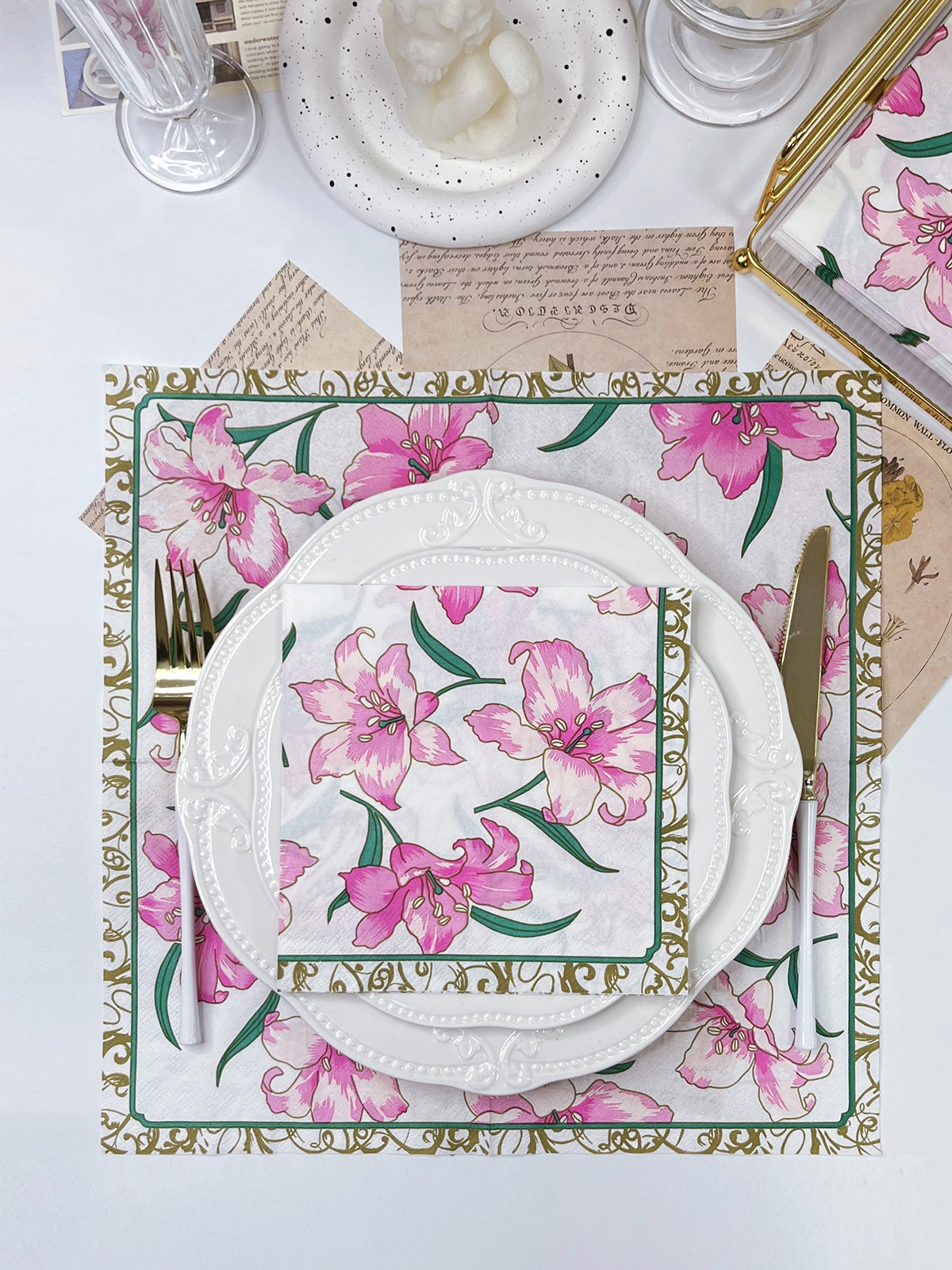
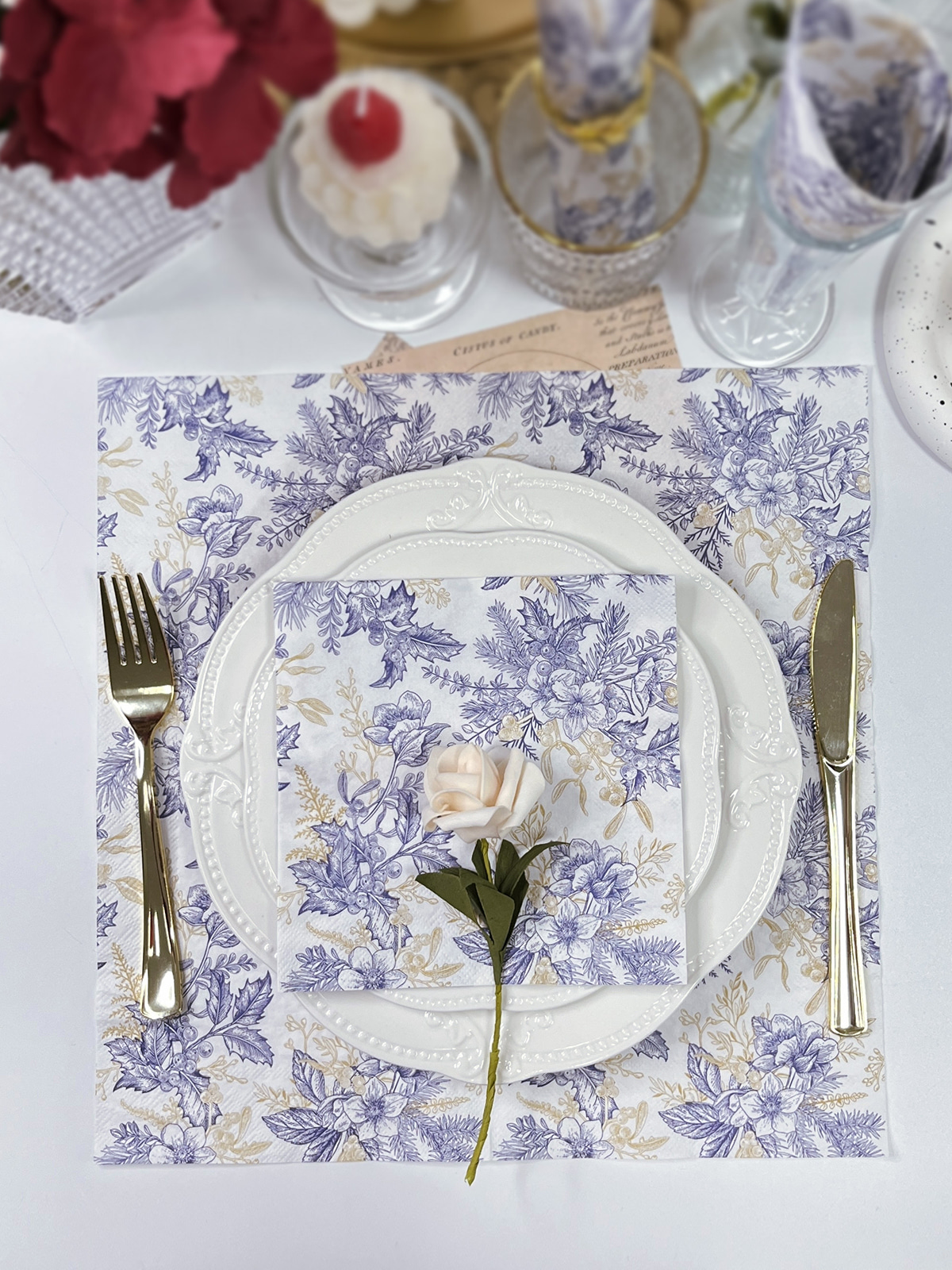
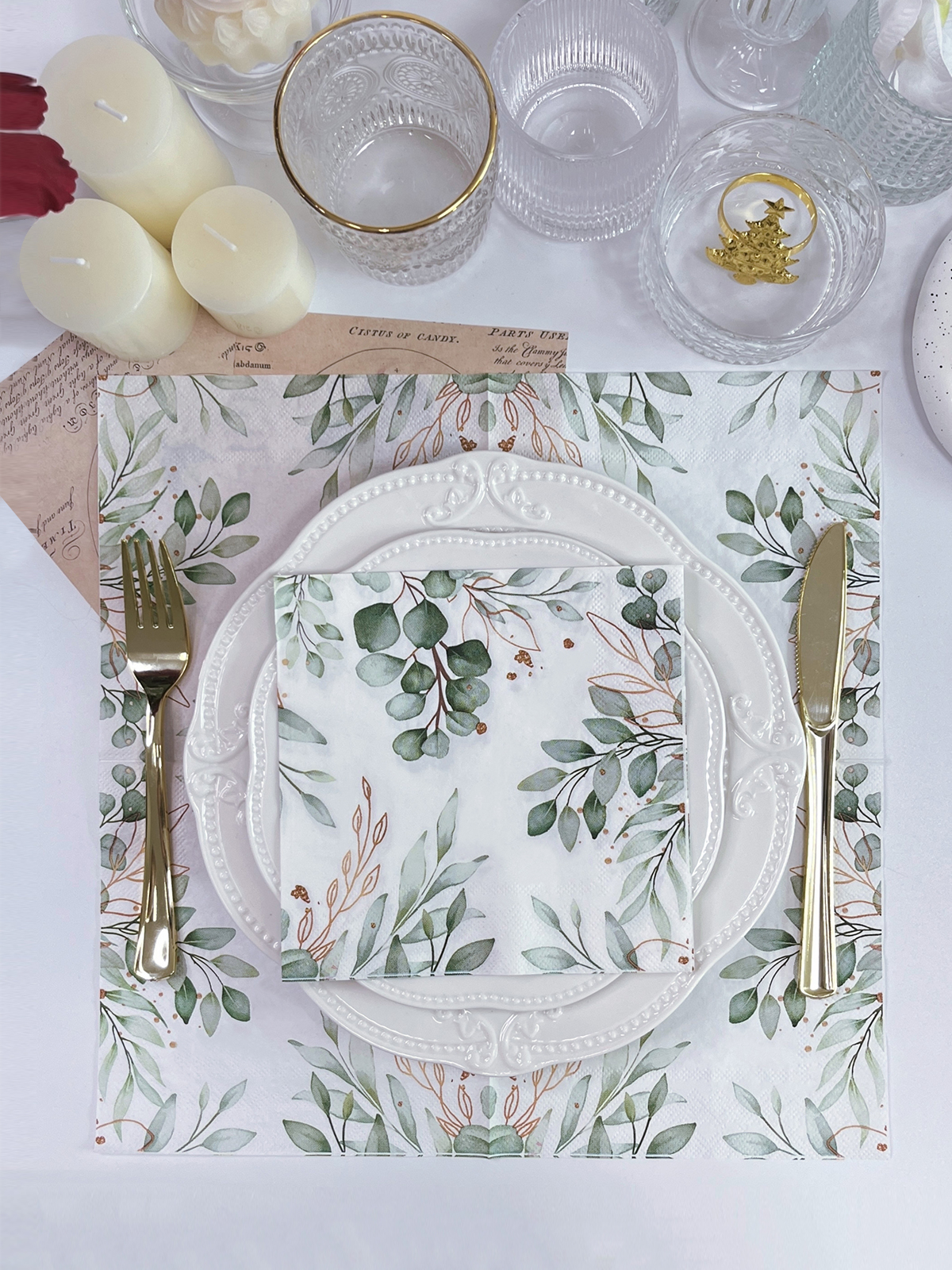
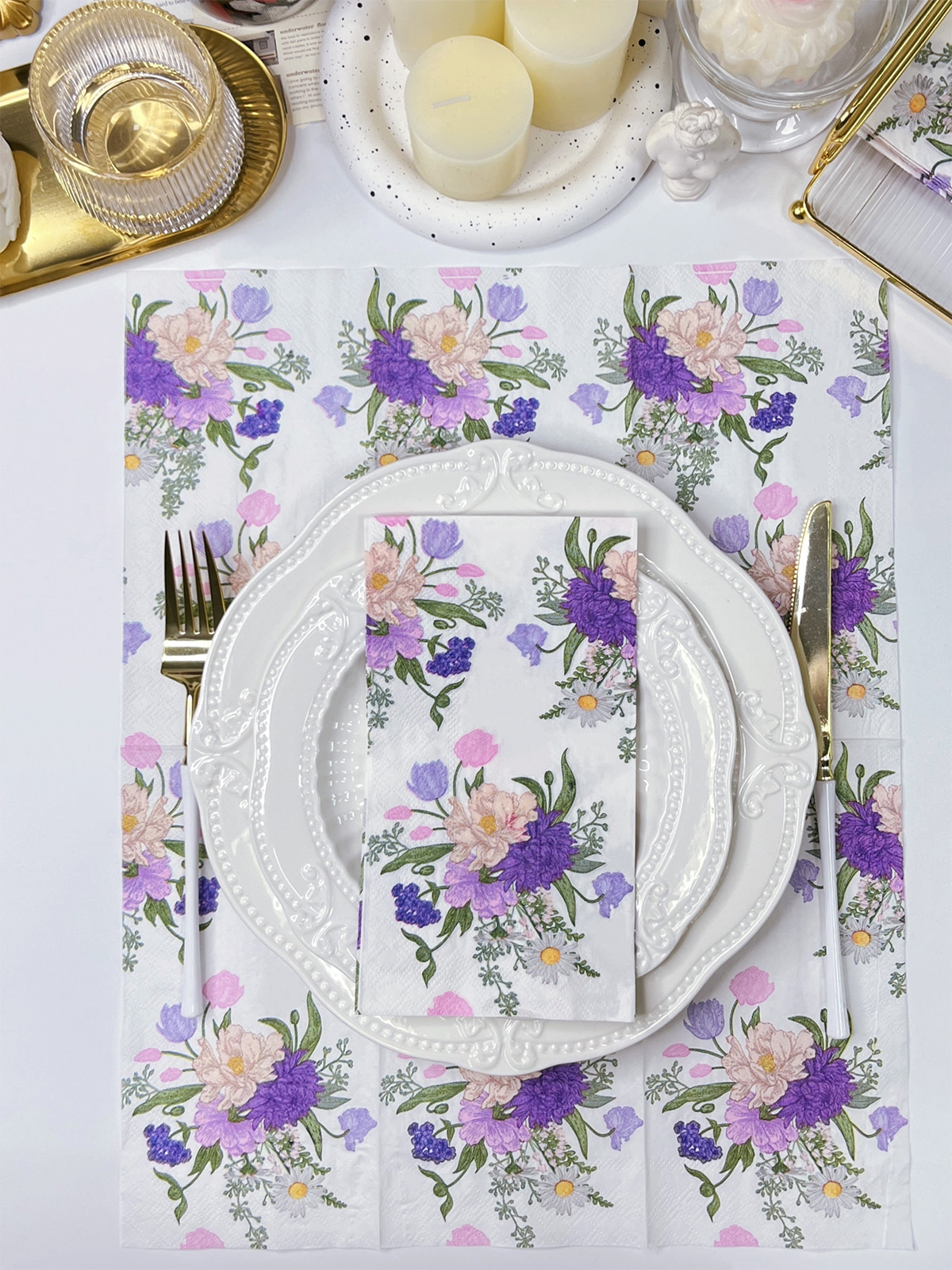
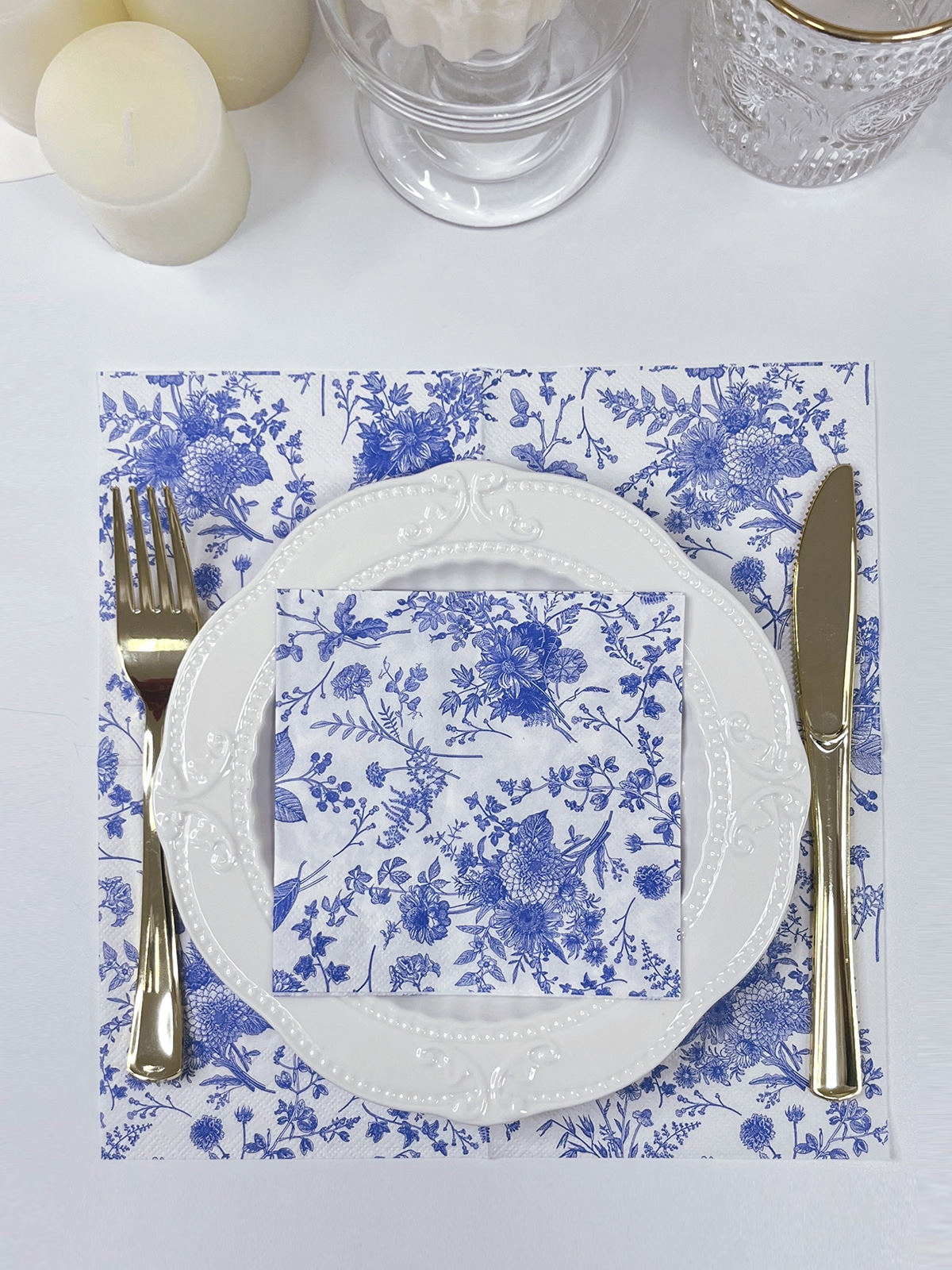
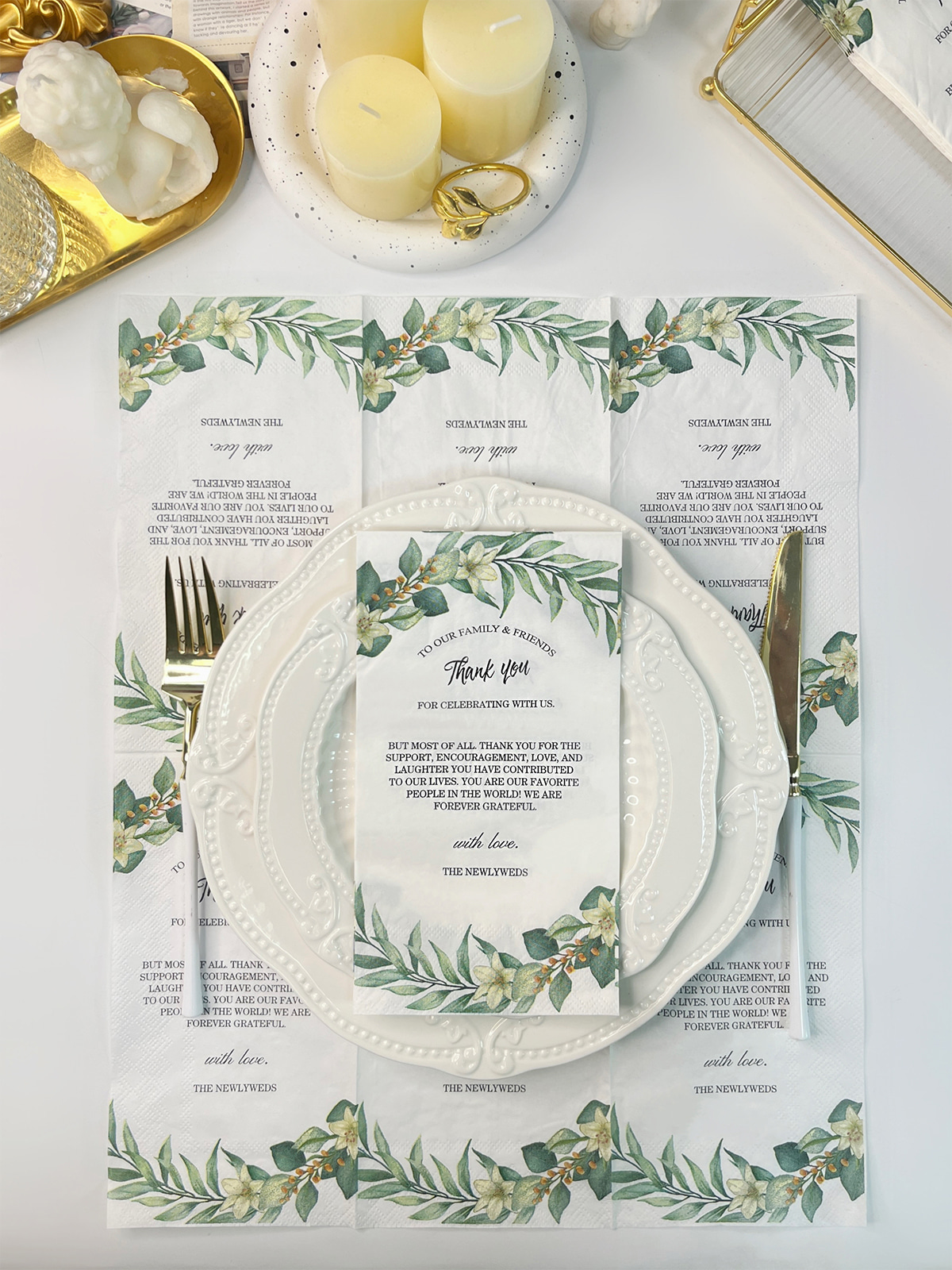
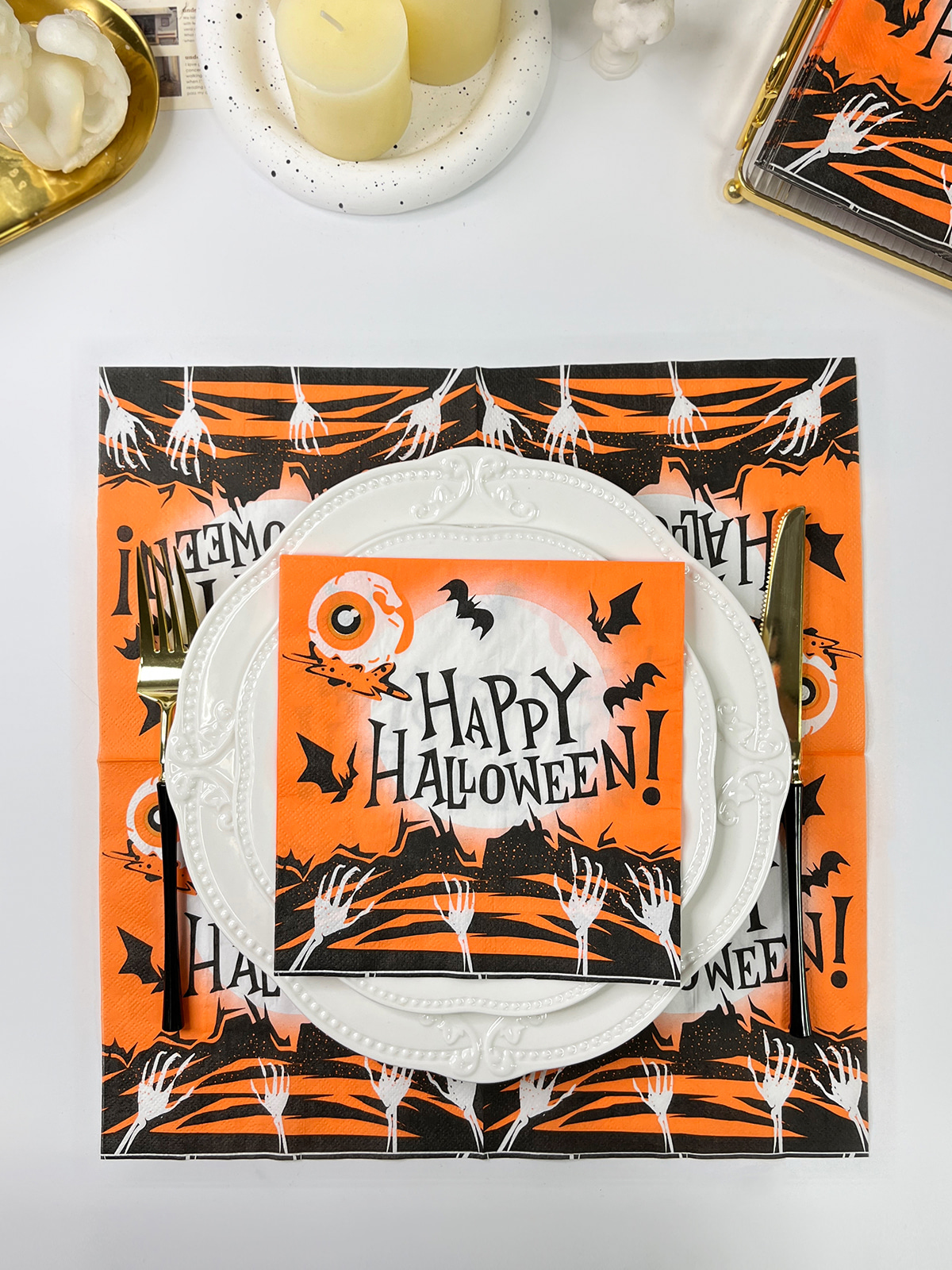
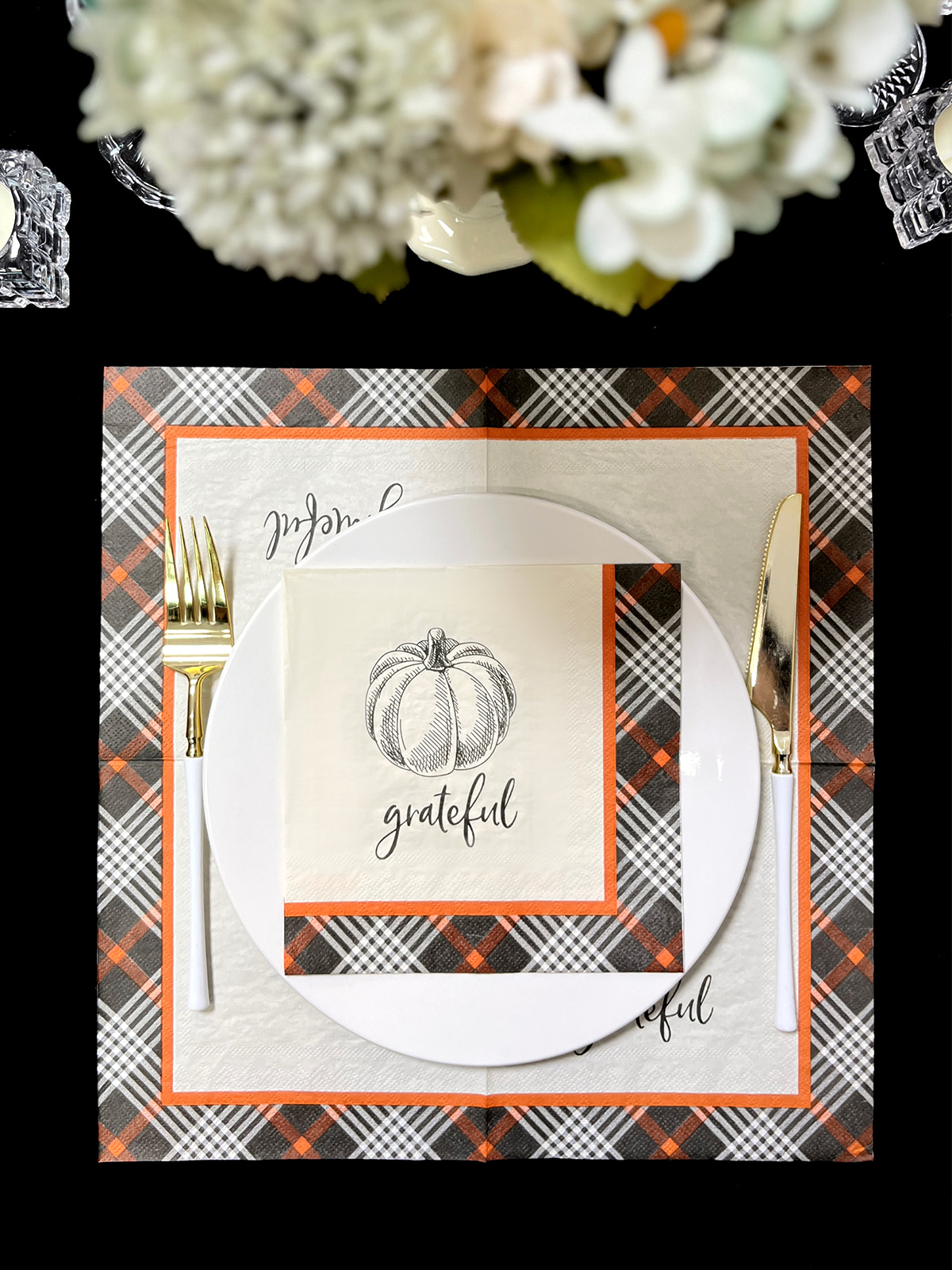
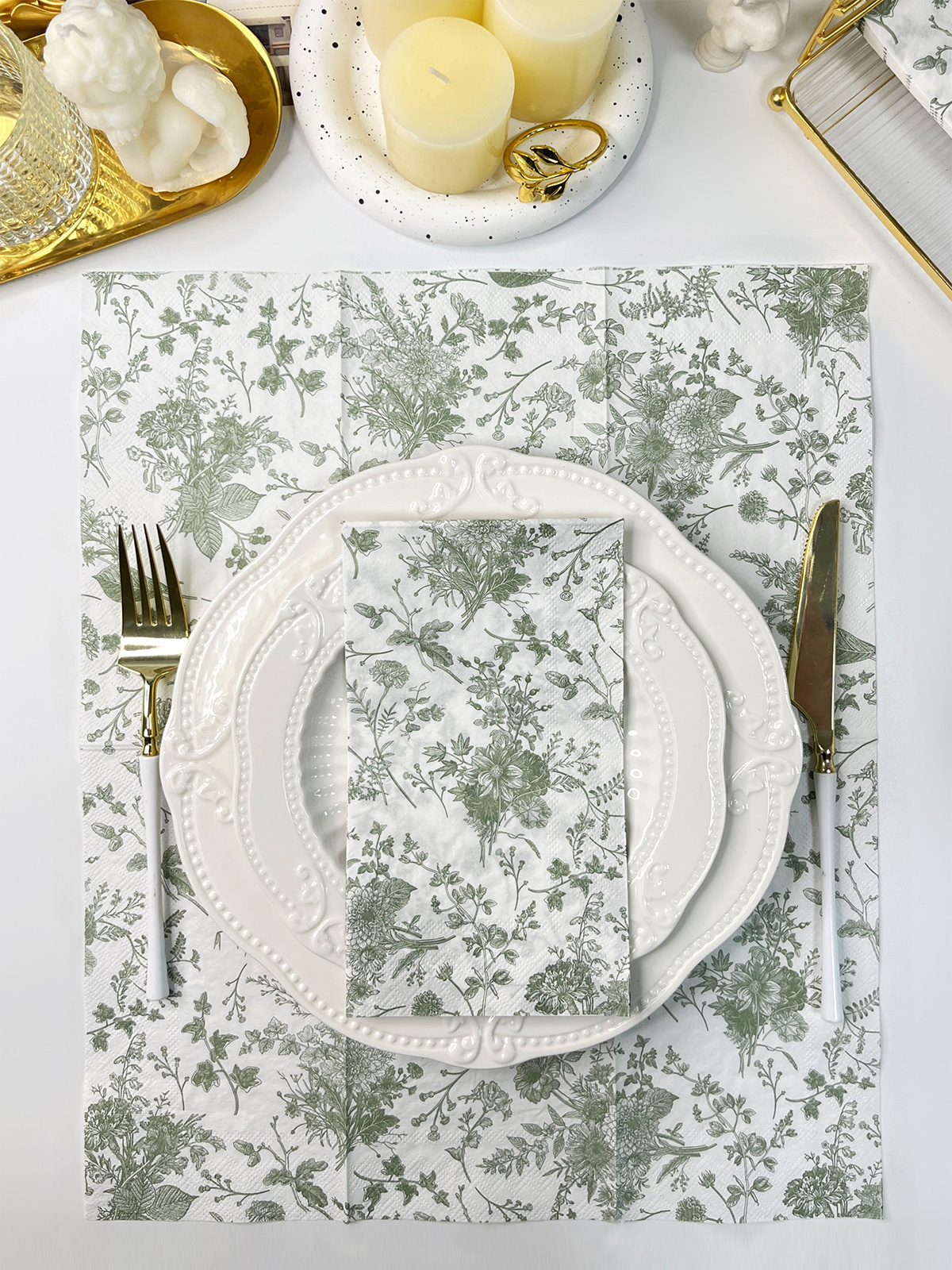
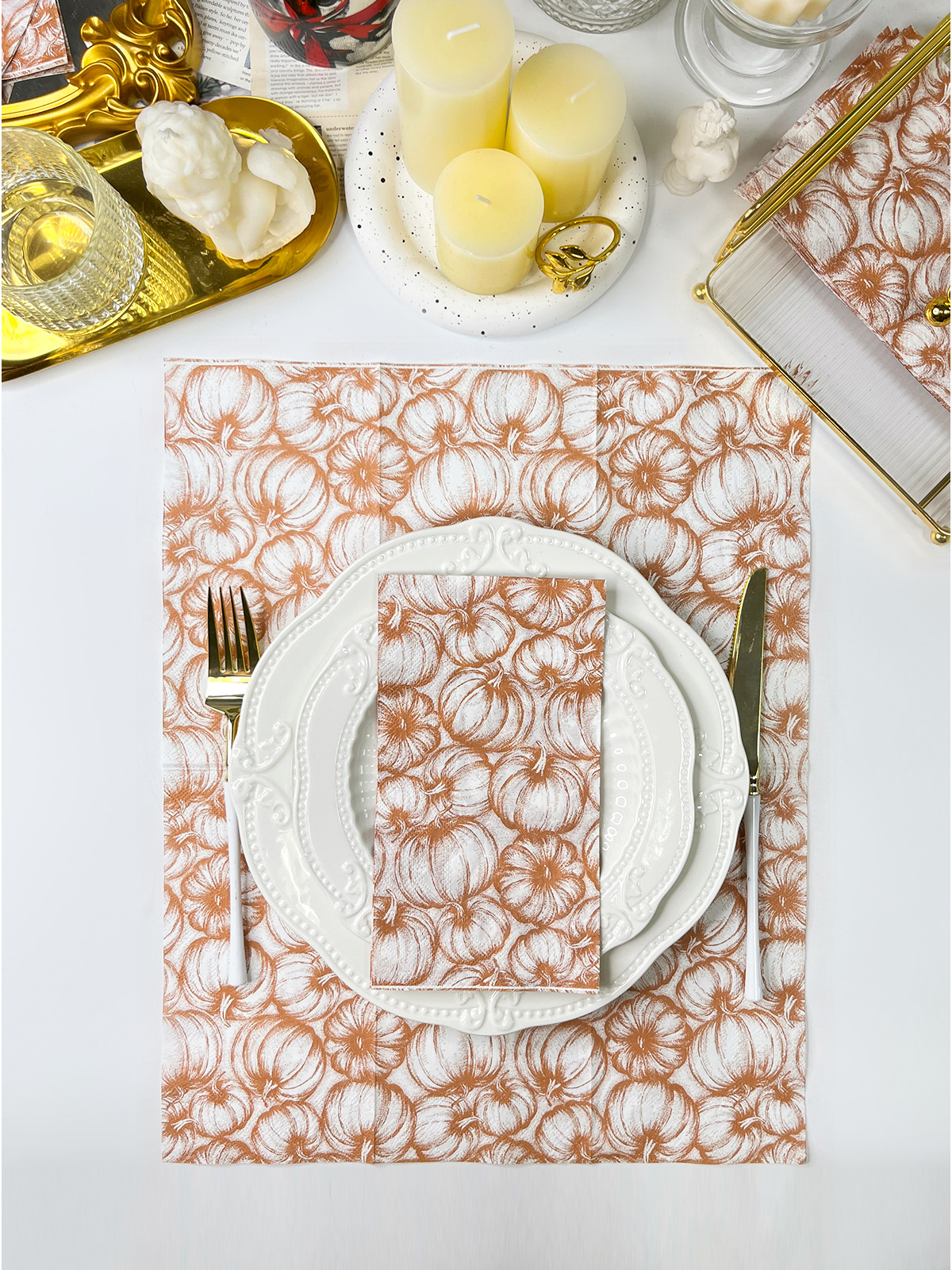
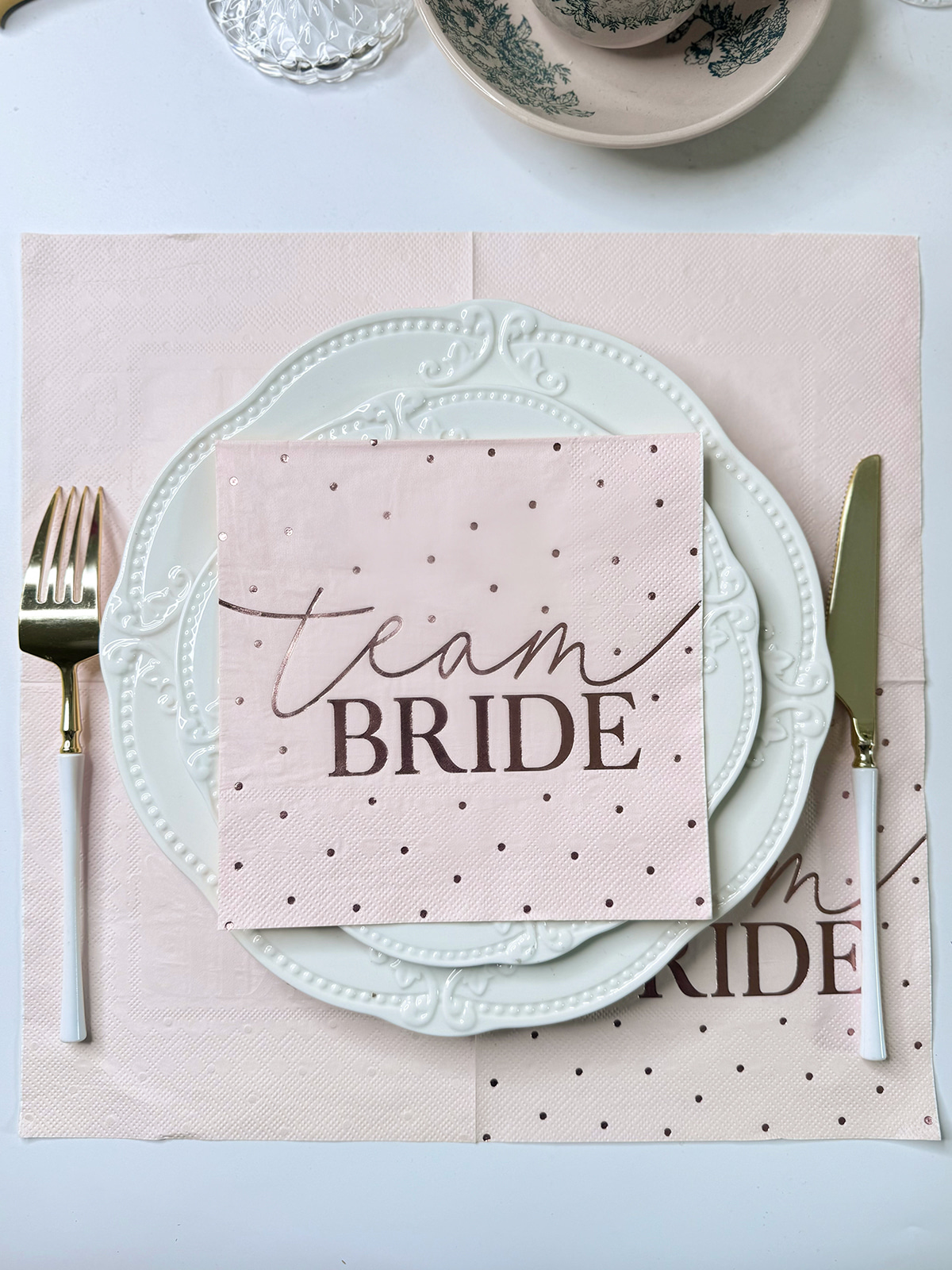
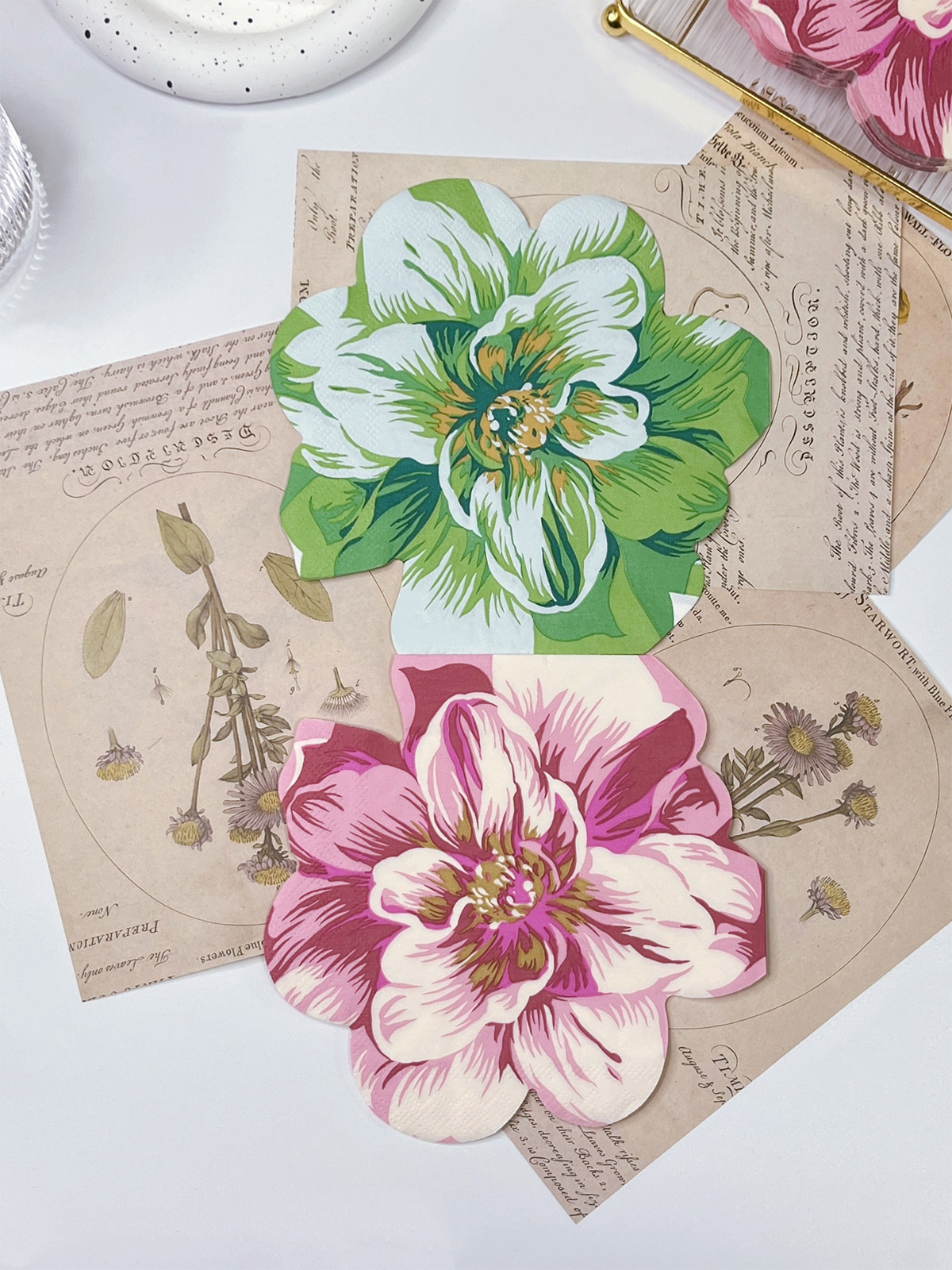
For certain events, printed disposable napkins offer unmistakable visual advantages. They can carry brand colors, motifs, or celebratory graphics, lending a themed cohesion to a party or promotion. Operators consider printed disposables as one tool among many rather than a replacement for cloth.
Use cases:
Perception management:
One phrase that has shown up in event-planning briefs is “Party Printed Paper Napkins,” which speaks to the role of decorative disposables in themed settings. In newsrooms tracking hospitality trends, that kind of phrase signals a niche of design-focused, short-run products that cater to special occasions.
No sector discussion is complete without sustainability concerns. Guests increasingly ask how materials are sourced and what happens after use. For operators, that means balancing visual and operational needs with clear practices for waste diversion.
Operations can respond by:
The napkin conversation reflects a broader tension in hospitality: how to align visual storytelling, operational limits, and environmental responsibility. Cloth remains a marker of formality and sustained investment in the guest’s sensory experience. Decorative single-use napkins open doors for flexible design and easy turnover. The practical reality for many operators is a hybrid approach, tailoring choices to event type, guest expectation, and venue capacity.
Industry observers say the next phase will emphasize clearer choices rather than default reactions. Expect to see more venues outline napkin strategies in event literature, and more front-of-house training on rapid inspection and sorting. Design-forward single-use options will continue to find a place in casual and themed settings, even as cloth retains its role for more formal service.
For operators and planners, the key takeaway is simple: intentionality. Whether investing in linen care or selecting decorative disposables, the decision should answer a few basic questions about guest experience, throughput, and downstream handling. Thoughtful choices keep the table visually unified and let the food reclaim center stage.For readers interested in seeing a variety of decorative options for casual events and gatherings, visit papernapkinfactory.
Related Products
Shopping for a reliable source of napkins?
Established in 2007 and located in Zhuji City, Zhejiang Province, Zhuji Furong Paper Products Co., Ltd. is a professional manufacturer of color-printed napkins. Enhance Your Event With Custom Printed Napkins.
Telephone
+86-15325932613
Address
Jianglong Industrial Park, Jiyang Street, Zhuji City, Shaoxing, Zhejiang, China.
Contact Us
Products
Contact Us
+86-15325932613
+86-575-87765556
+86-575-87765559
Jianglong Industrial Park, Jiyang Street, Zhuji City, Shaoxing, Zhejiang, China.
Party Printed Paper Napkins Manufacturer Customized Napkins And Paper Towels Factory
Copyright © by Zhuji Furong Paper Products Co., Ltd. Rights Reserved.

 English
 中文简体
中文简体