2026-01-05
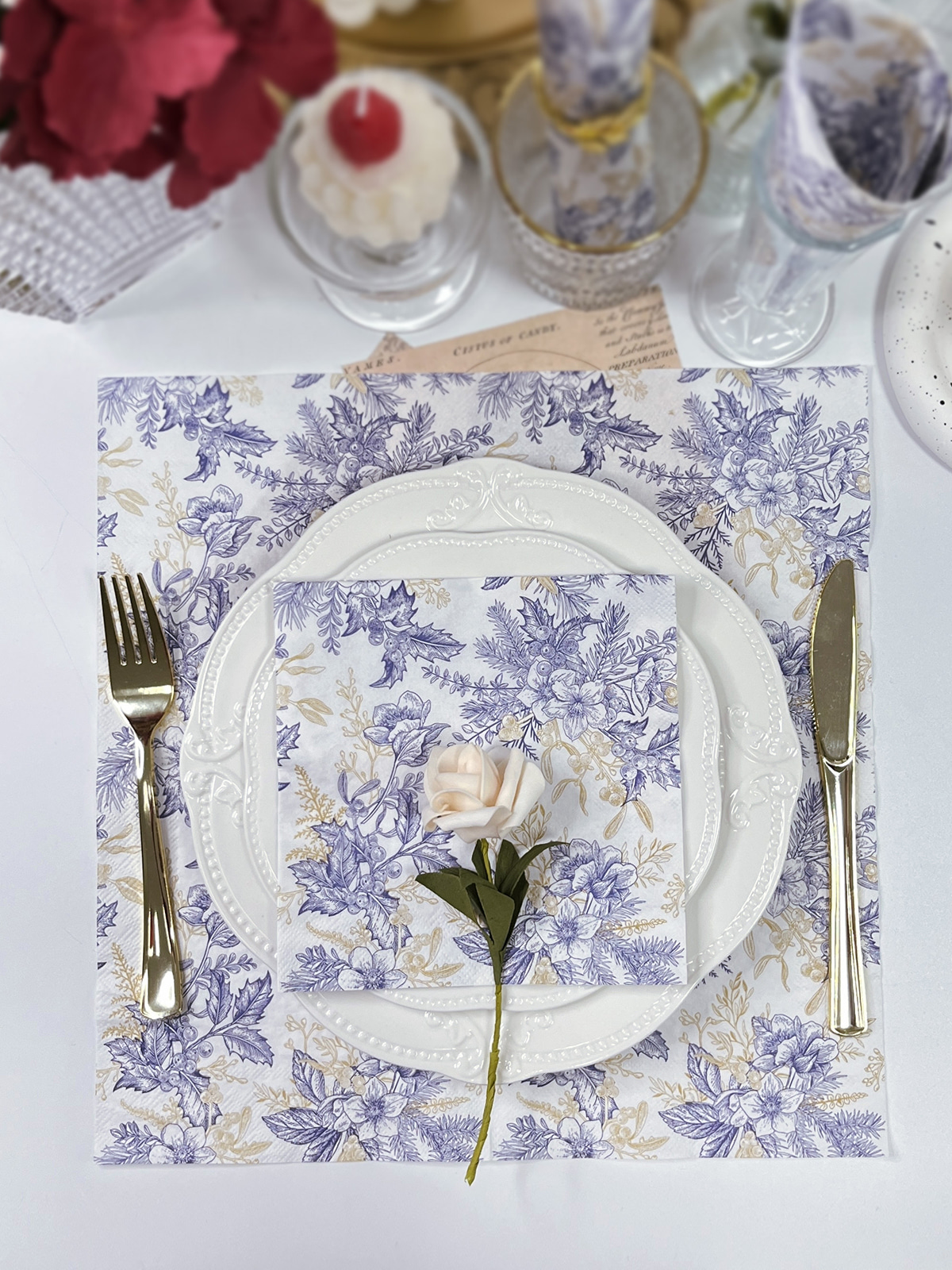
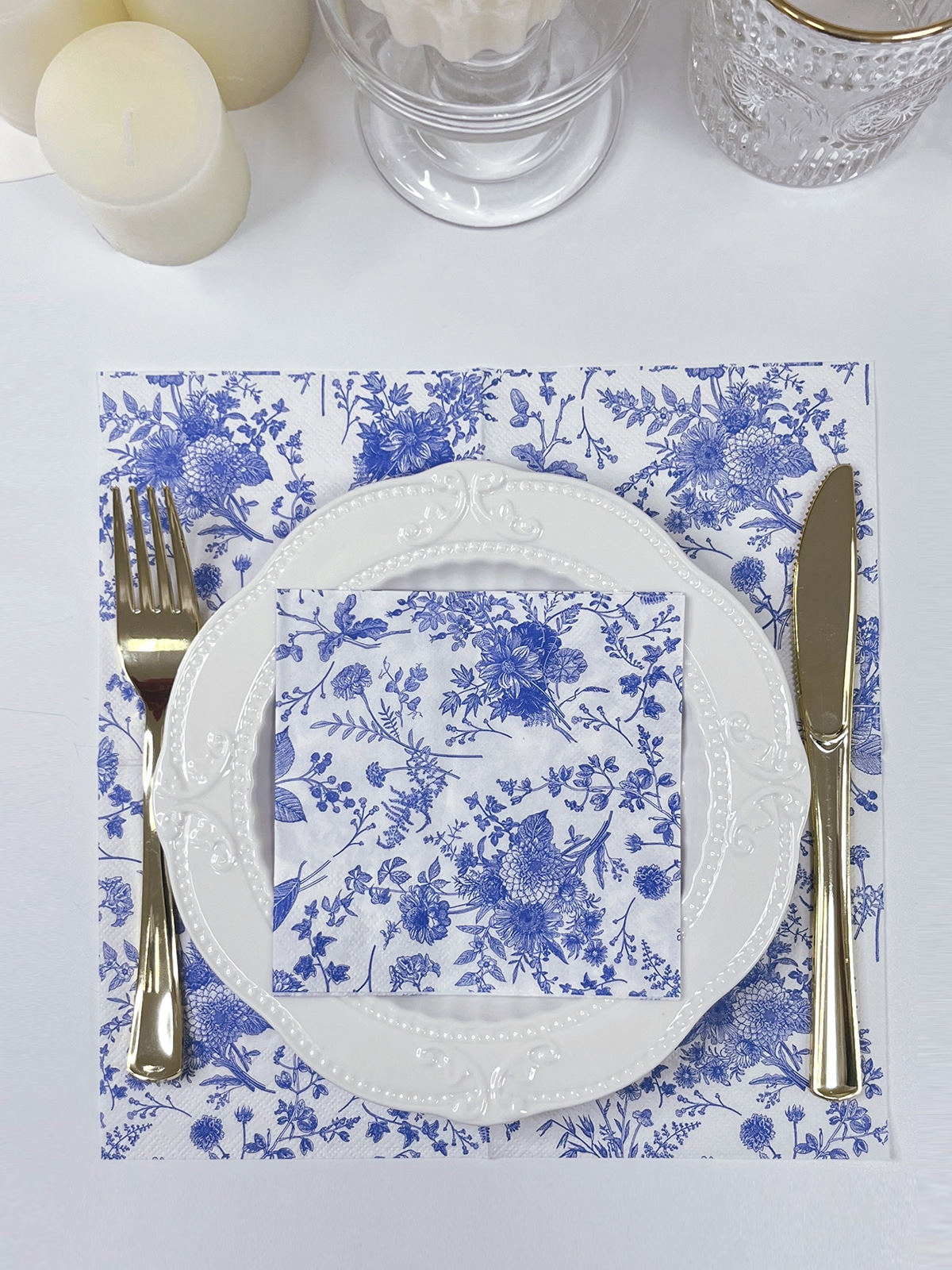
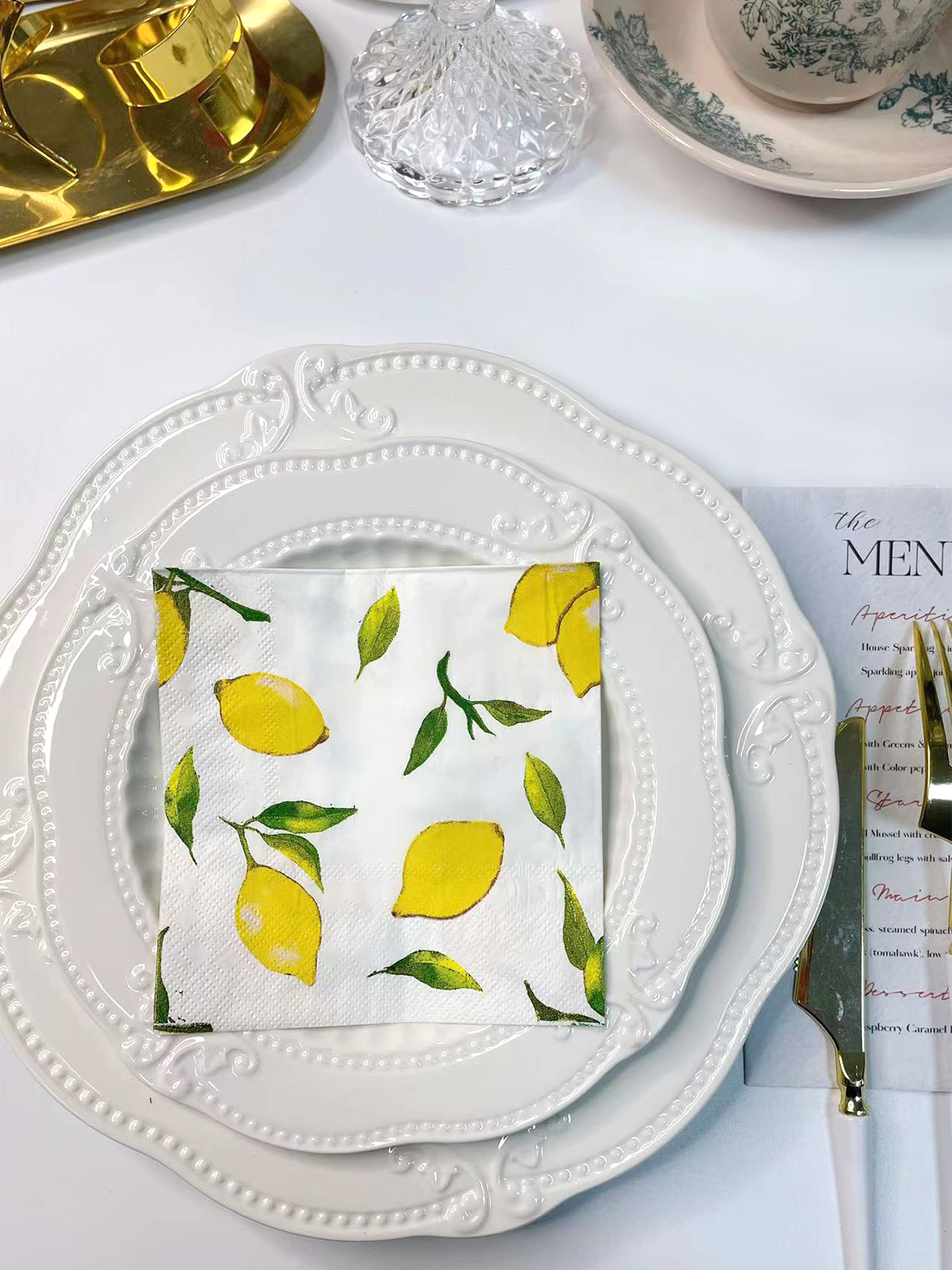
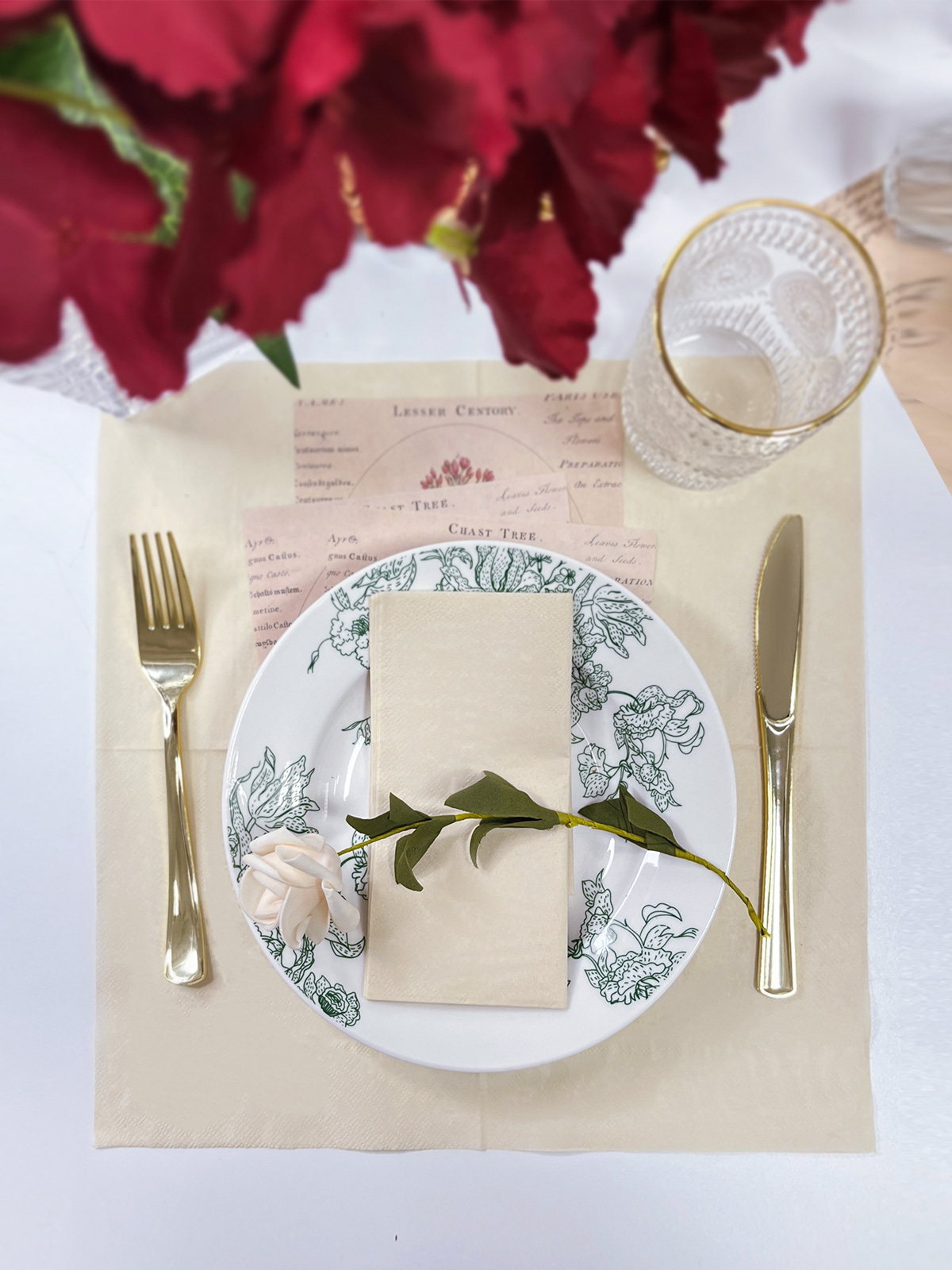
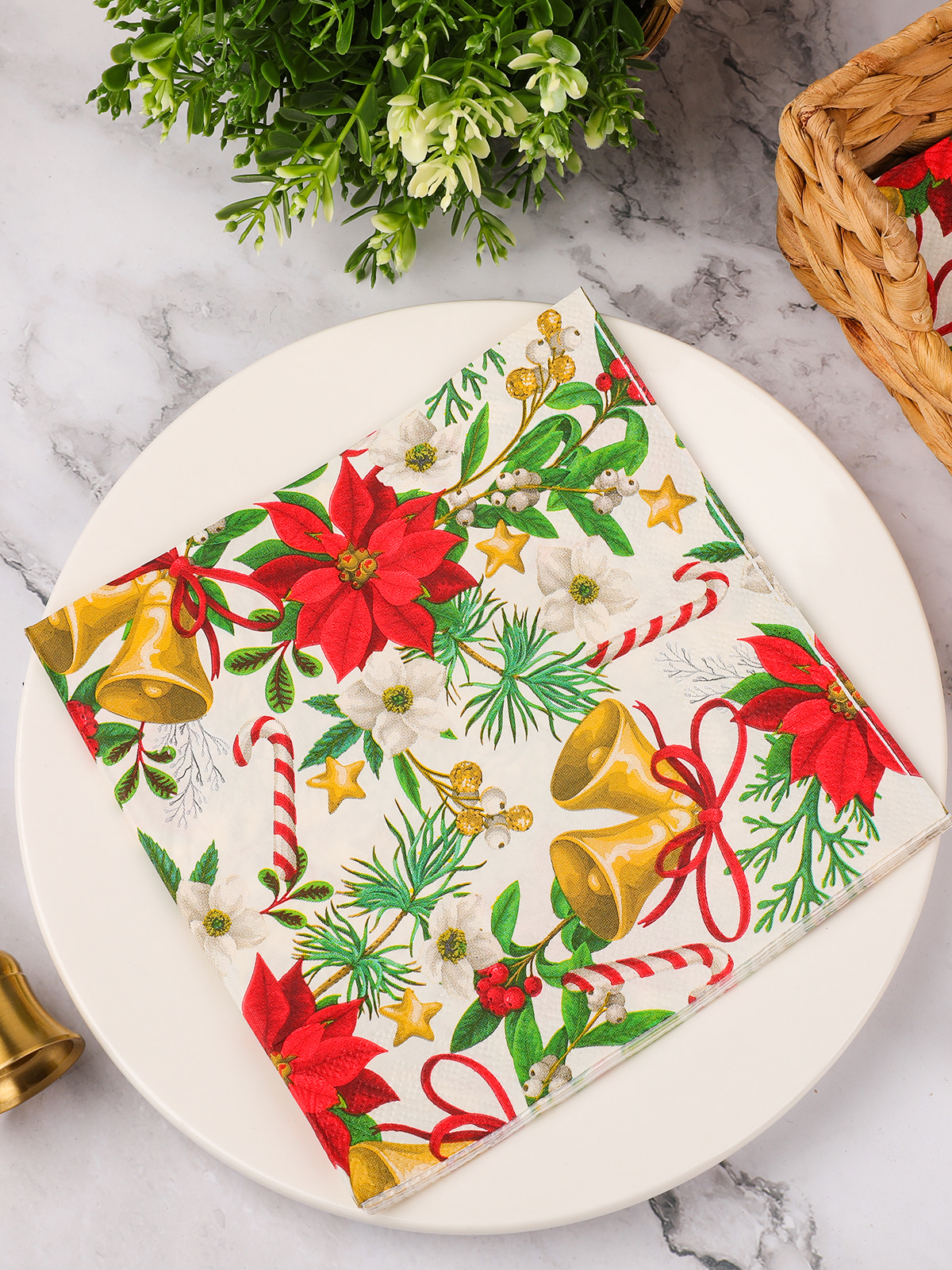
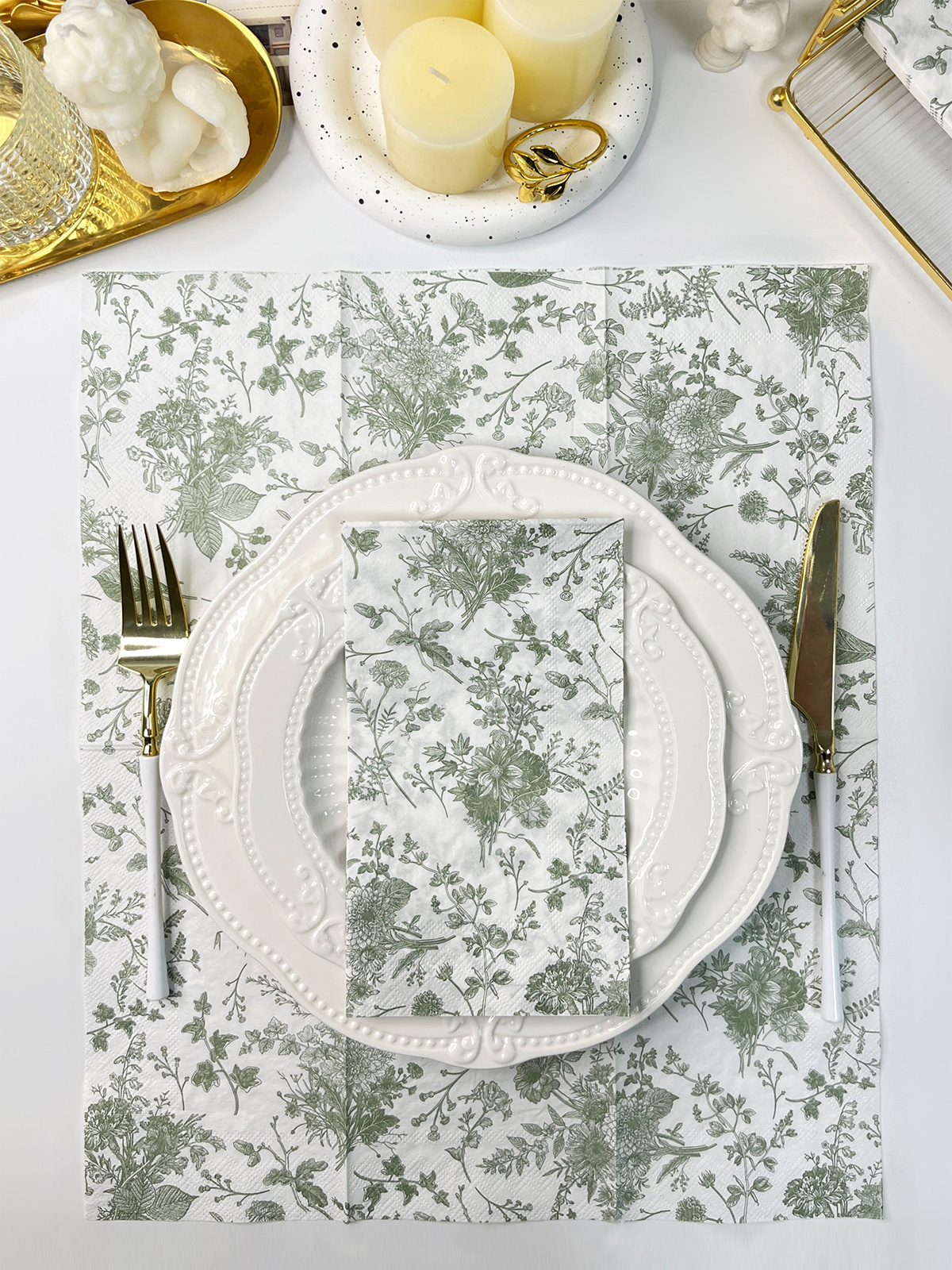
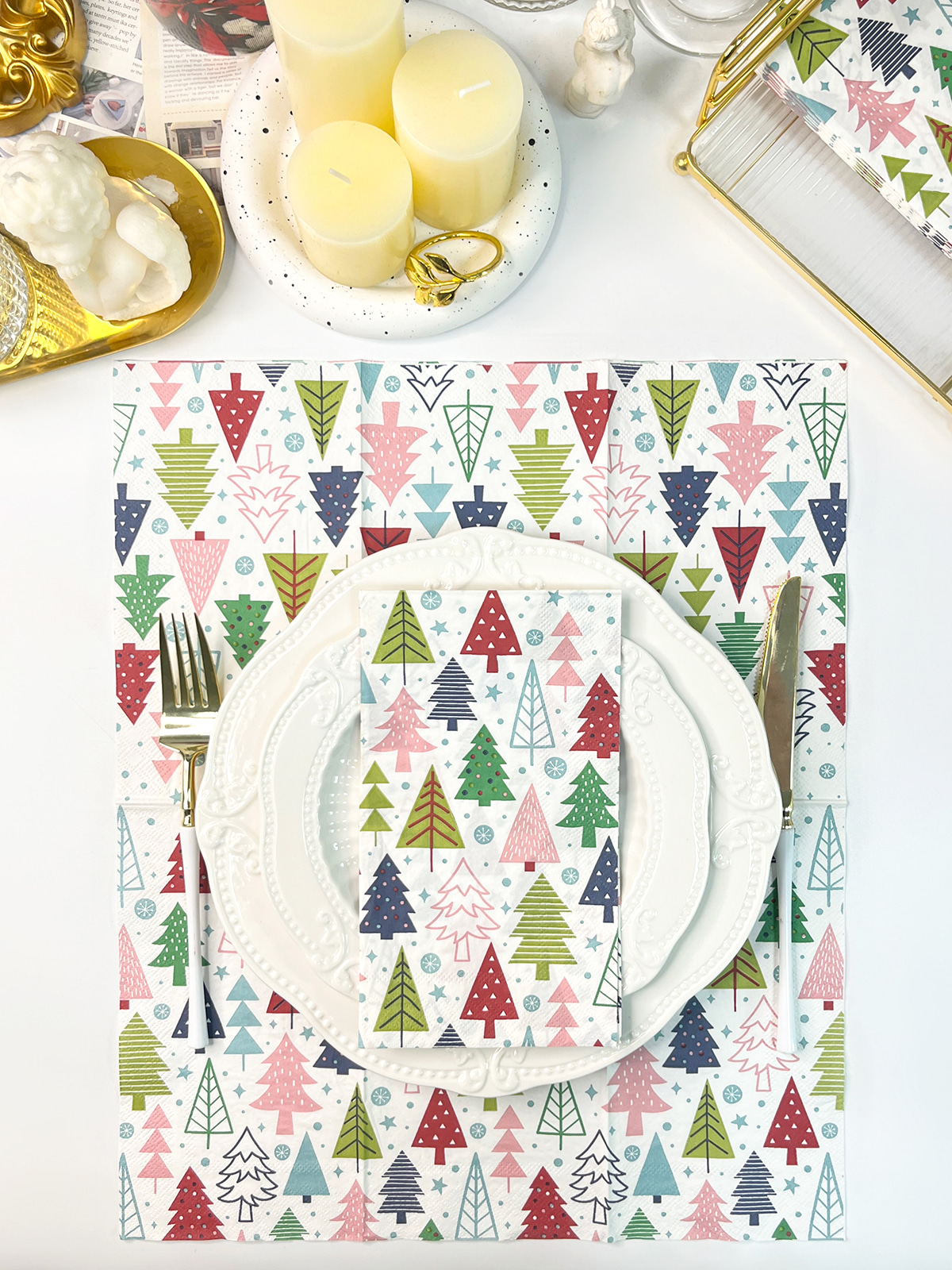
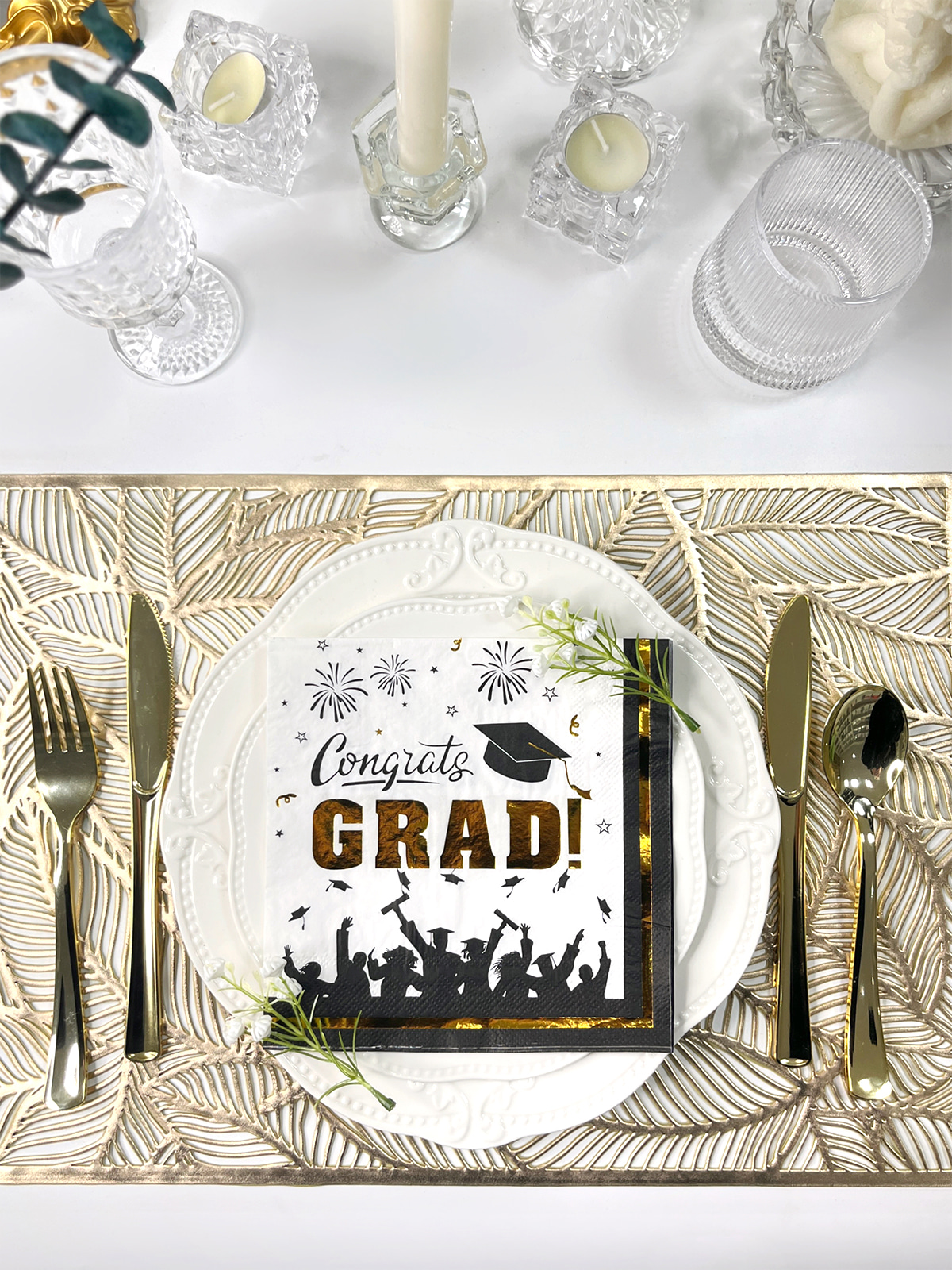
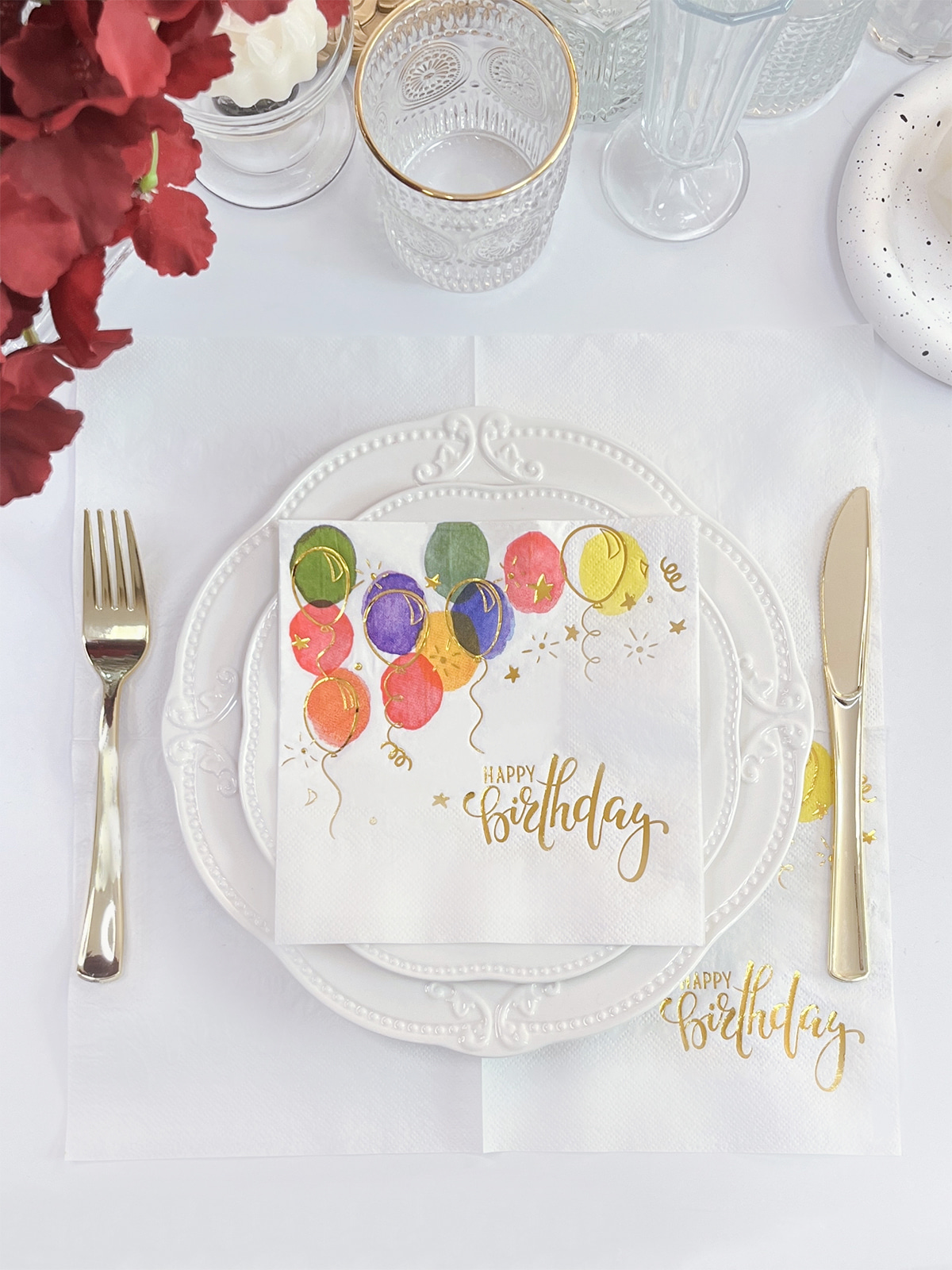
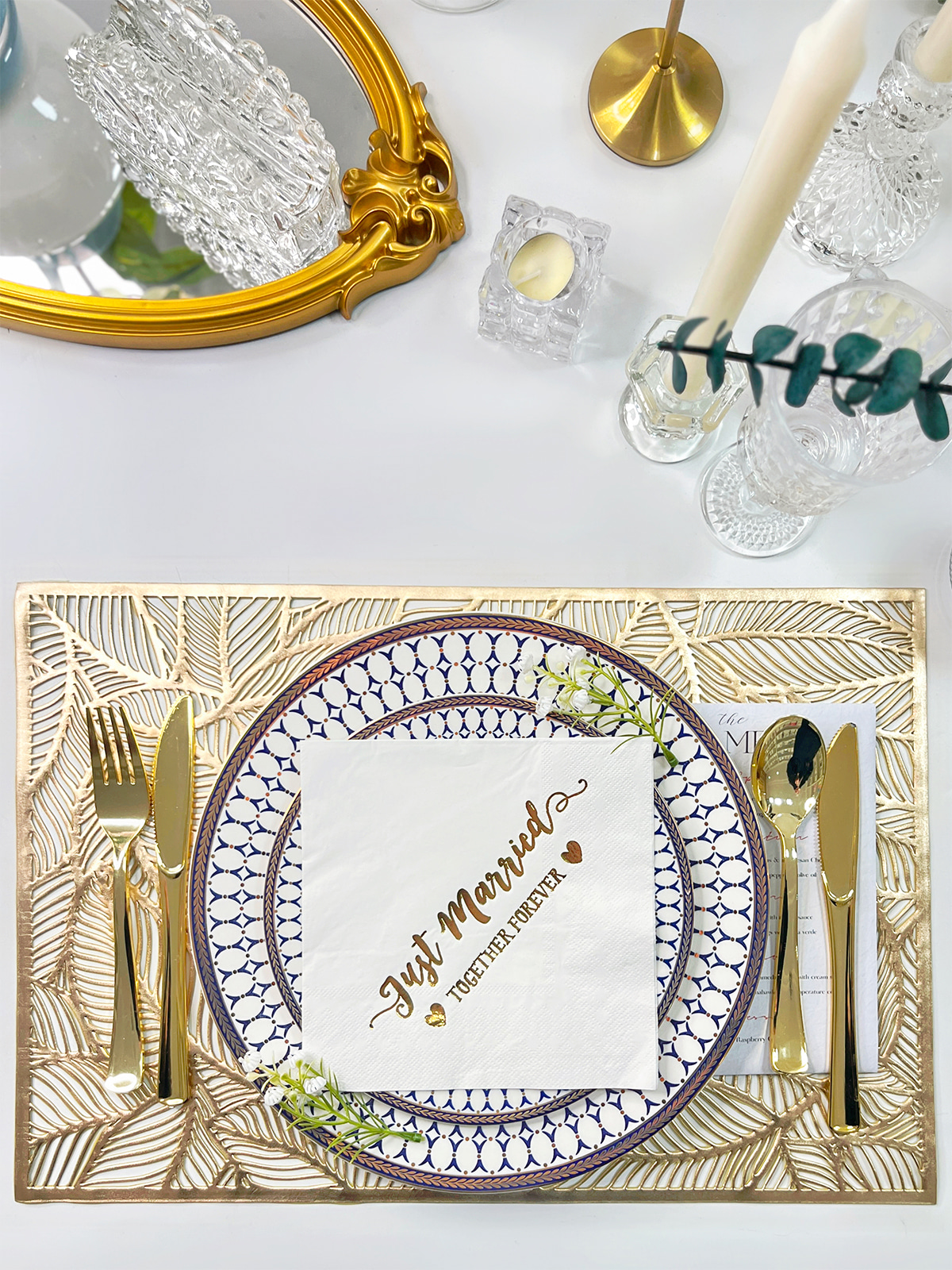
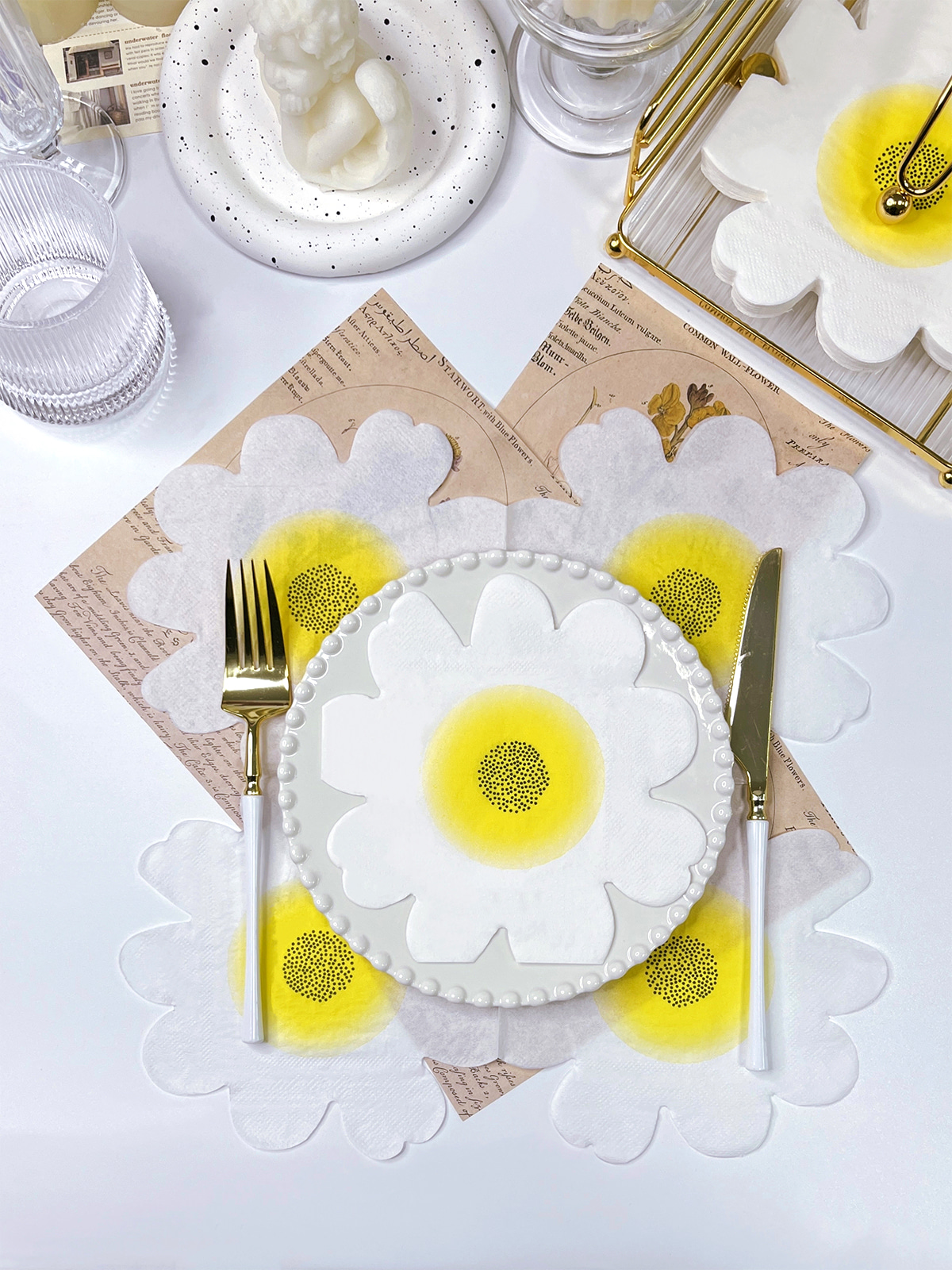
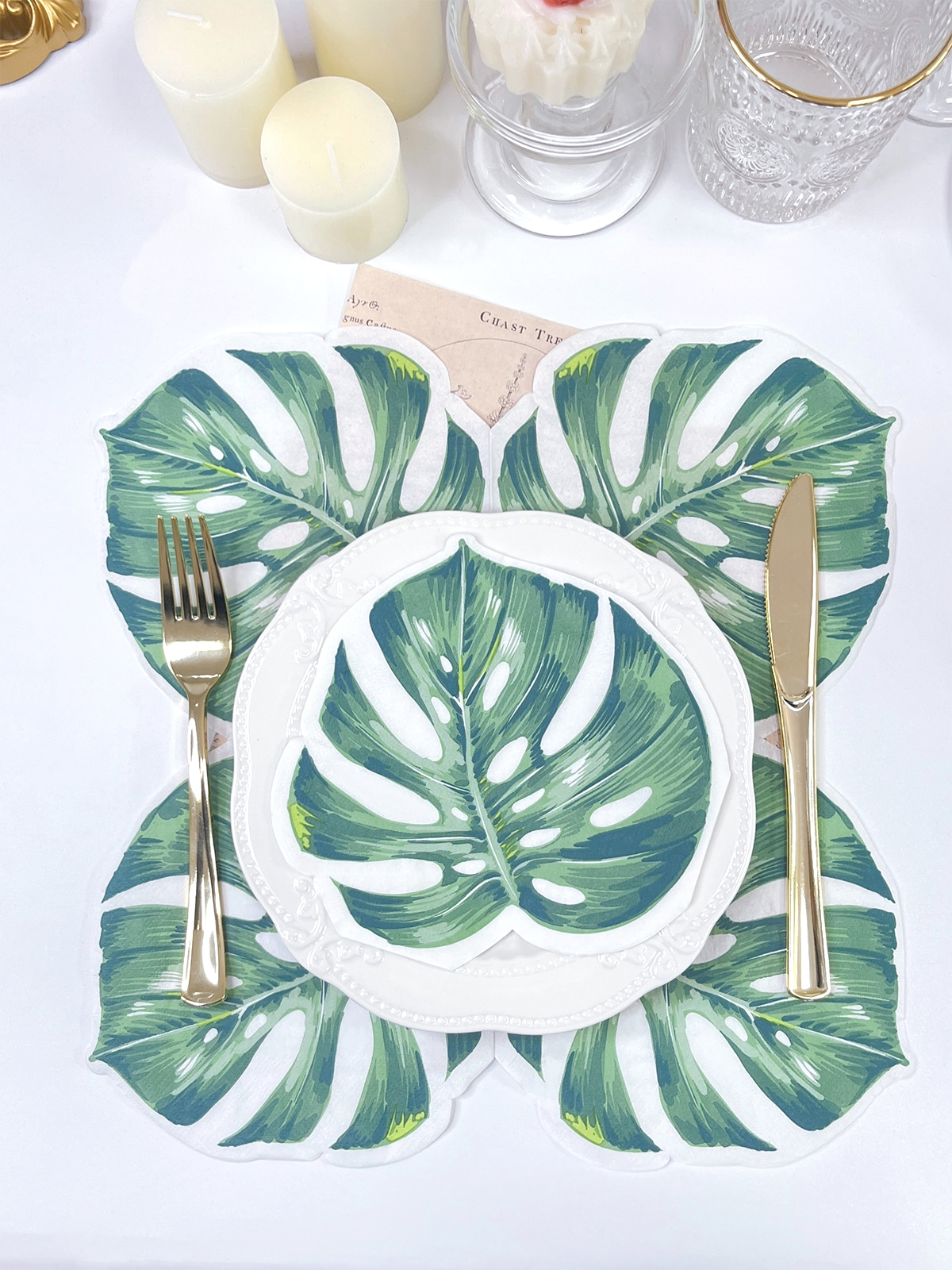
In dining rooms, cafes, and event halls, a quiet shift is underway: decorative tableware that once played a supporting role is stepping into the spotlight. As gatherings return to greater frequency and themed experiences gain traction, decorative napkins are drawing attention for their role in presentation and user experience.
Content
What used to be a simple disposable has become part of the mood and message of a meal. Organizers and retailers note that items designed for the table are now chosen not only for utility but also for how they contribute to atmosphere. The result: decisions about napkins increasingly reflect trade-offs between tactile quality, decorative finish, and unit cost.
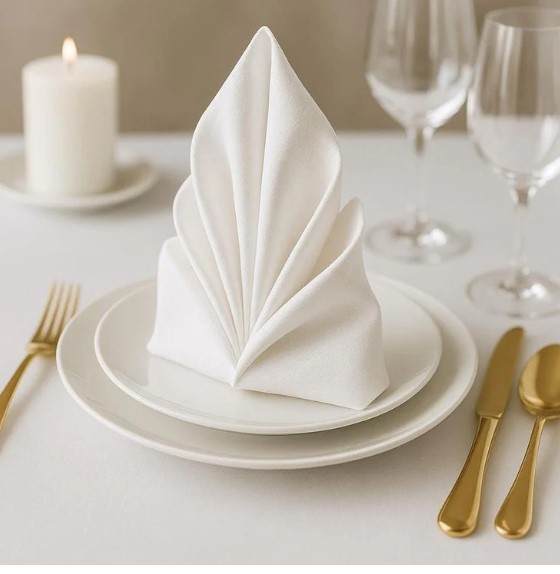
Both napkins and cleaning paper come from the same raw material family, yet their intended roles shape the way they are made and marketed.
Function and intent
How usage drives production
Several production and market factors help explain why decorative napkins typically cost more than plain cleaning paper.
Manufacturing steps and finishing
Material selection
Packaging and perceived value
| Characteristic | Table Napkins | Cleaning Paper |
|---|---|---|
| Primary role | Personal dining use | Household cleaning |
| Design focus | Softness, aesthetics | Absorbency, durability |
| Common finishing | Embossing, printing | Texture embossing for strength |
| Packaging | Event- or display-friendly | Bulk or utility packs |
| Price factors | Materials, finishing, design runs | Volume, sheet performance |
Purchasing choices vary by context. Event planners may prioritize coordinated tableware to create a cohesive setting, while facilities managers lean toward cost-effectiveness and robustness for day-to-day cleaning.
Volume commitments and design consistency can shift the cost equation. Larger, single-design orders typically lower per-unit cost, while varied or bespoke prints demand more complex scheduling and higher setup expenses.
Sustainability questions influence choices across both categories. Buyers increasingly ask about fiber sourcing, recyclability, and end-of-life impacts. Decorative treatments such as inks or coatings may complicate recycling streams, while simpler, unadorned papers can fit more easily into established waste-processing systems.
Catering managers and supply coordinators describe a balancing act. For front-of-house presentation, a more refined napkin can meaningfully affect guest perception. Behind the scenes, custodial staff prioritize speed and efficacy. Communication between teams helps align purchases with event goals and upkeep realities.
Napkins and cleaning paper are not substitutes in many contexts; they serve complementary needs. As social gatherings continue to value curated experiences, table-focused items gain importance among designers and buyers who prioritize user perception. At the same time, practical cleaning products remain essential for maintaining spaces. The market is responding with more choices that allow purchasers to match product attributes to specific use cases.
For planners or buyers looking for themed tabletop solutions, decorative options present a pathway to enhance the atmosphere without losing sight of budget and environmental priorities. Those exploring tableware options can weigh tactile quality and finish against logistics and lifecycle impact to arrive at balanced choices. For further product selection ideas, visit papernapkinfactory.
Related Products
Shopping for a reliable source of napkins?
Established in 2007 and located in Zhuji City, Zhejiang Province, Zhuji Furong Paper Products Co., Ltd. is a professional manufacturer of color-printed napkins. Enhance Your Event With Custom Printed Napkins.
Telephone
+86-15325932613
Address
Jianglong Industrial Park, Jiyang Street, Zhuji City, Shaoxing, Zhejiang, China.
Contact Us
Products
Contact Us
+86-15325932613
+86-575-87765556
+86-575-87765559
Jianglong Industrial Park, Jiyang Street, Zhuji City, Shaoxing, Zhejiang, China.
Party Printed Paper Napkins Manufacturer Customized Napkins And Paper Towels Factory
Copyright © by Zhuji Furong Paper Products Co., Ltd. Rights Reserved.

 English
 中文简体
中文简体