2026-01-12
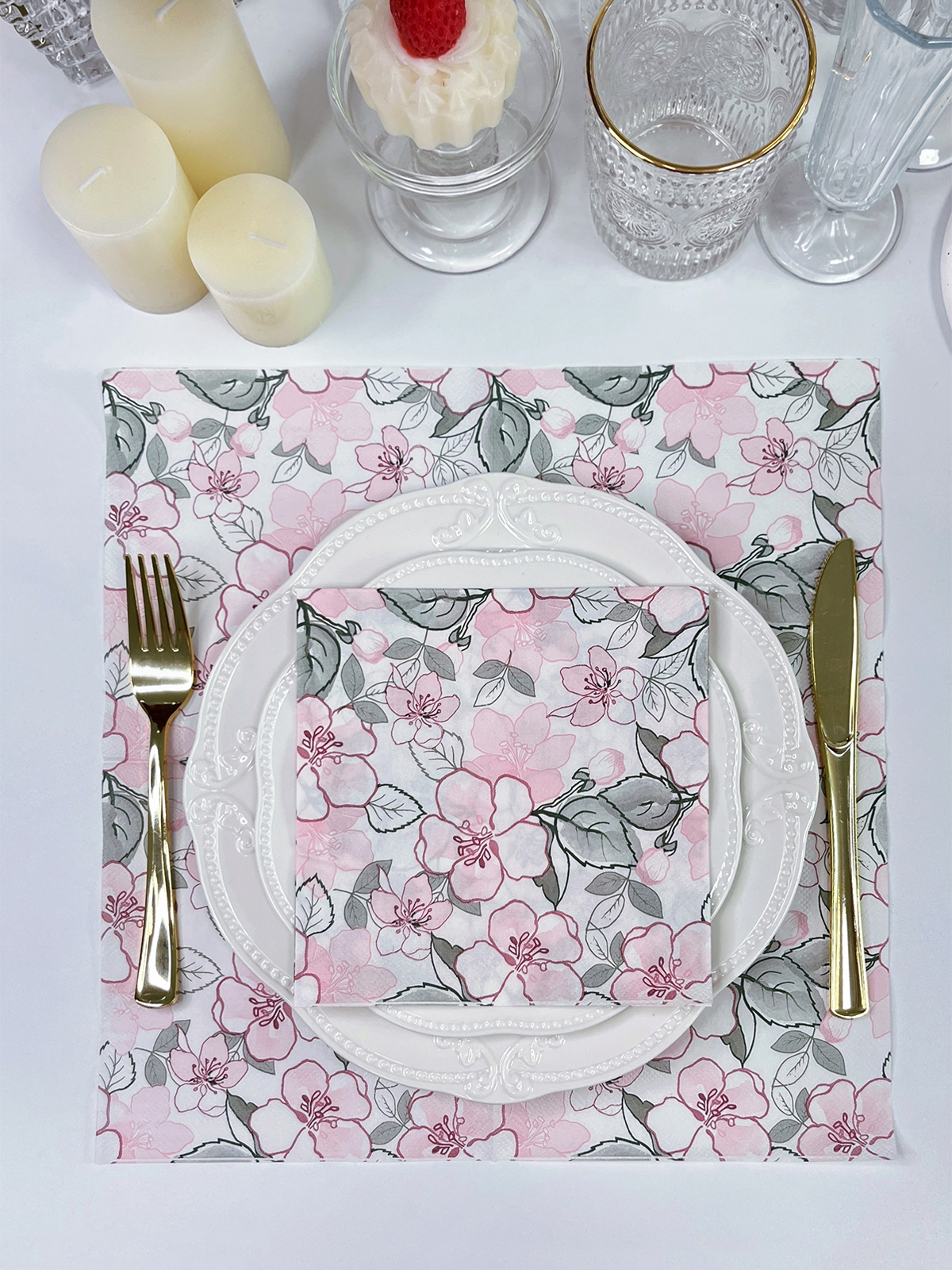
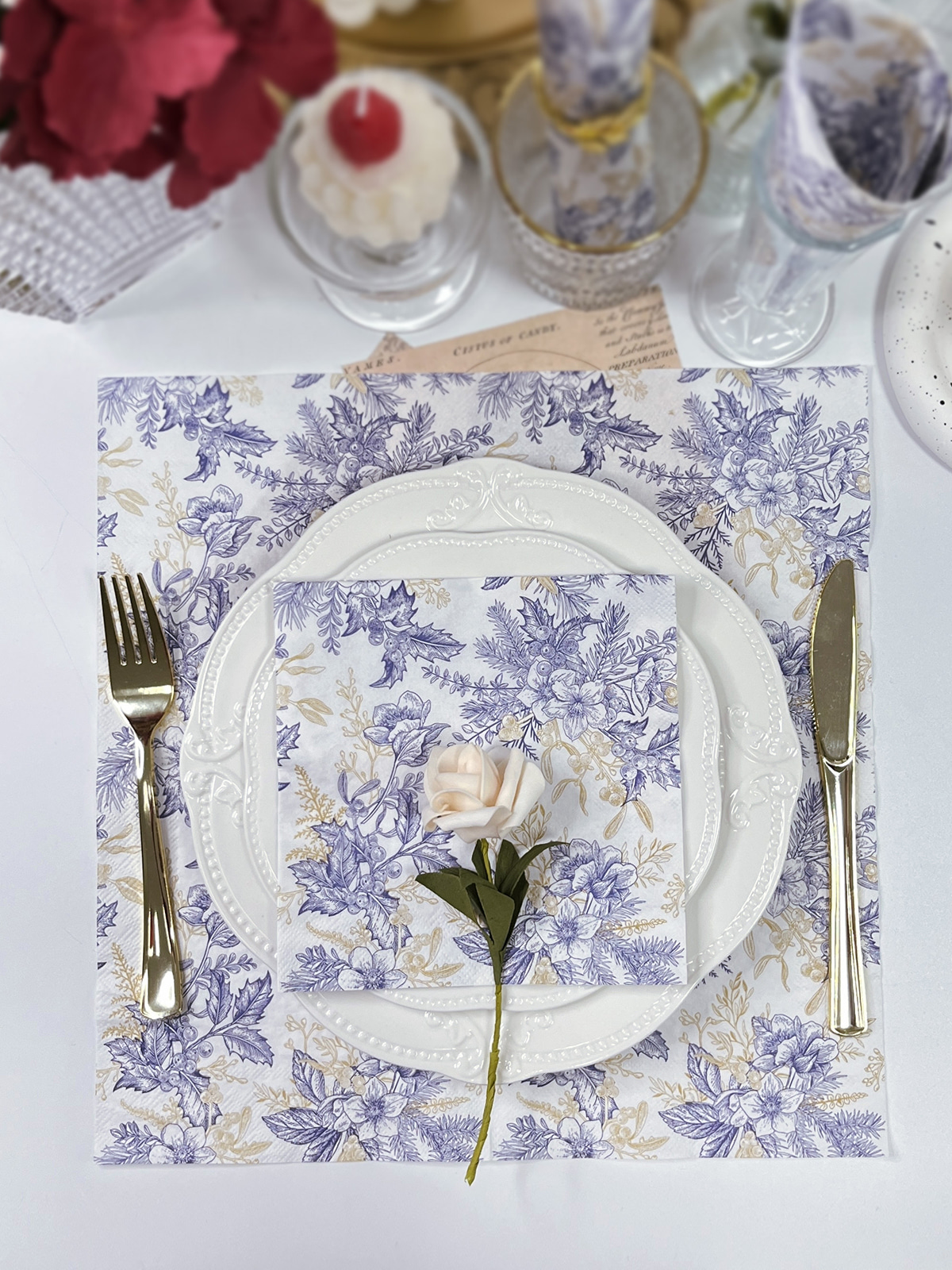
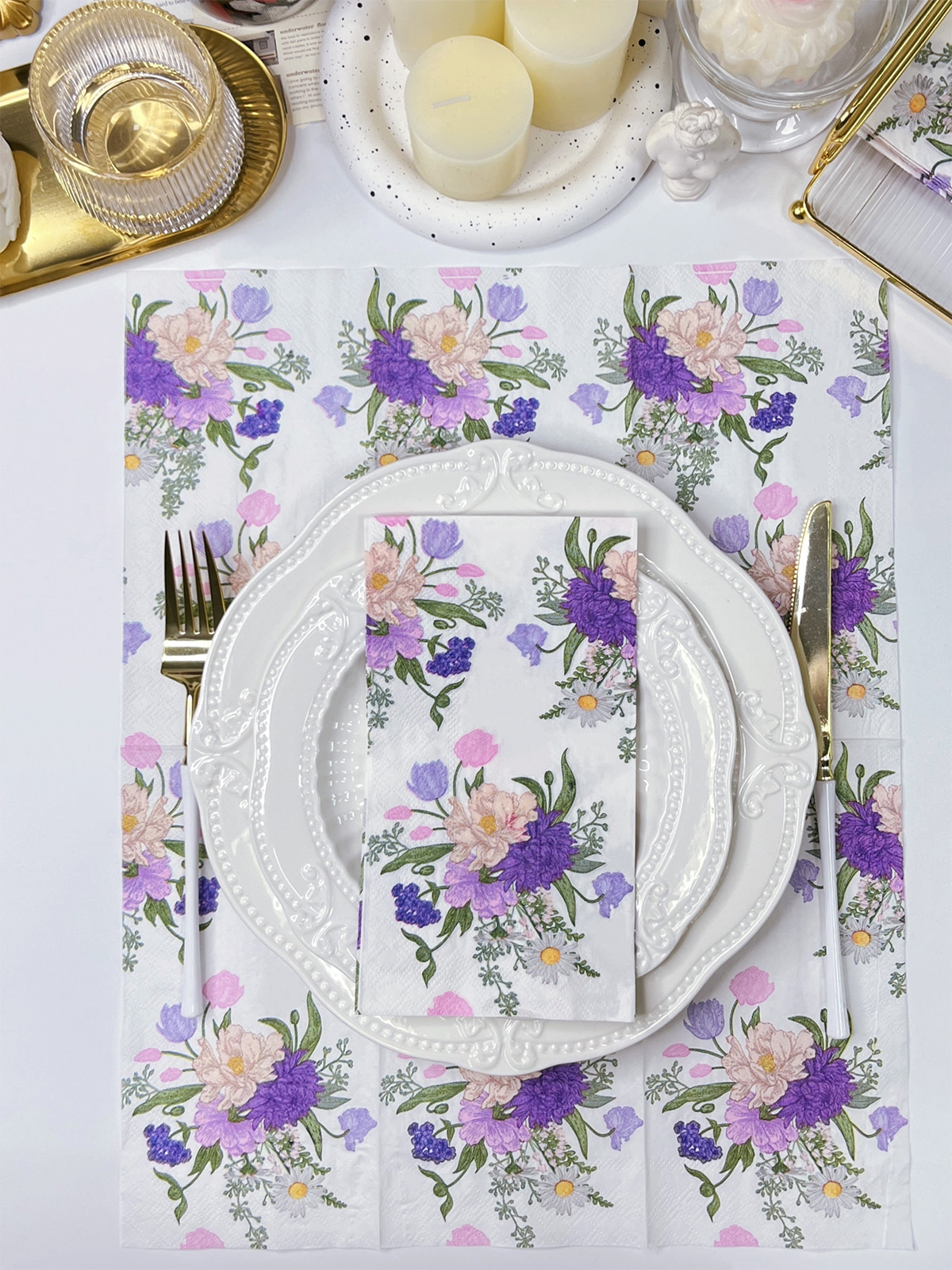
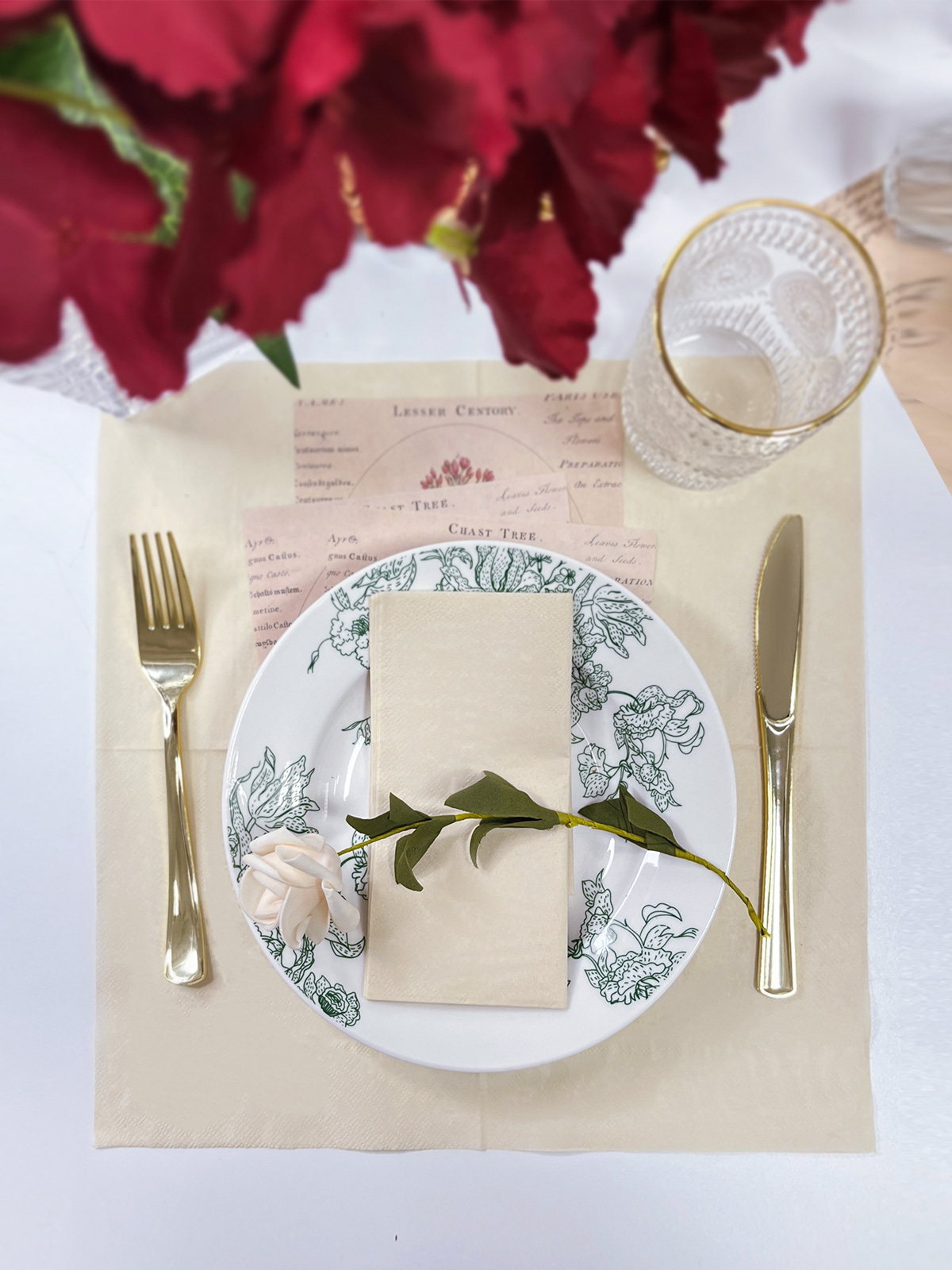
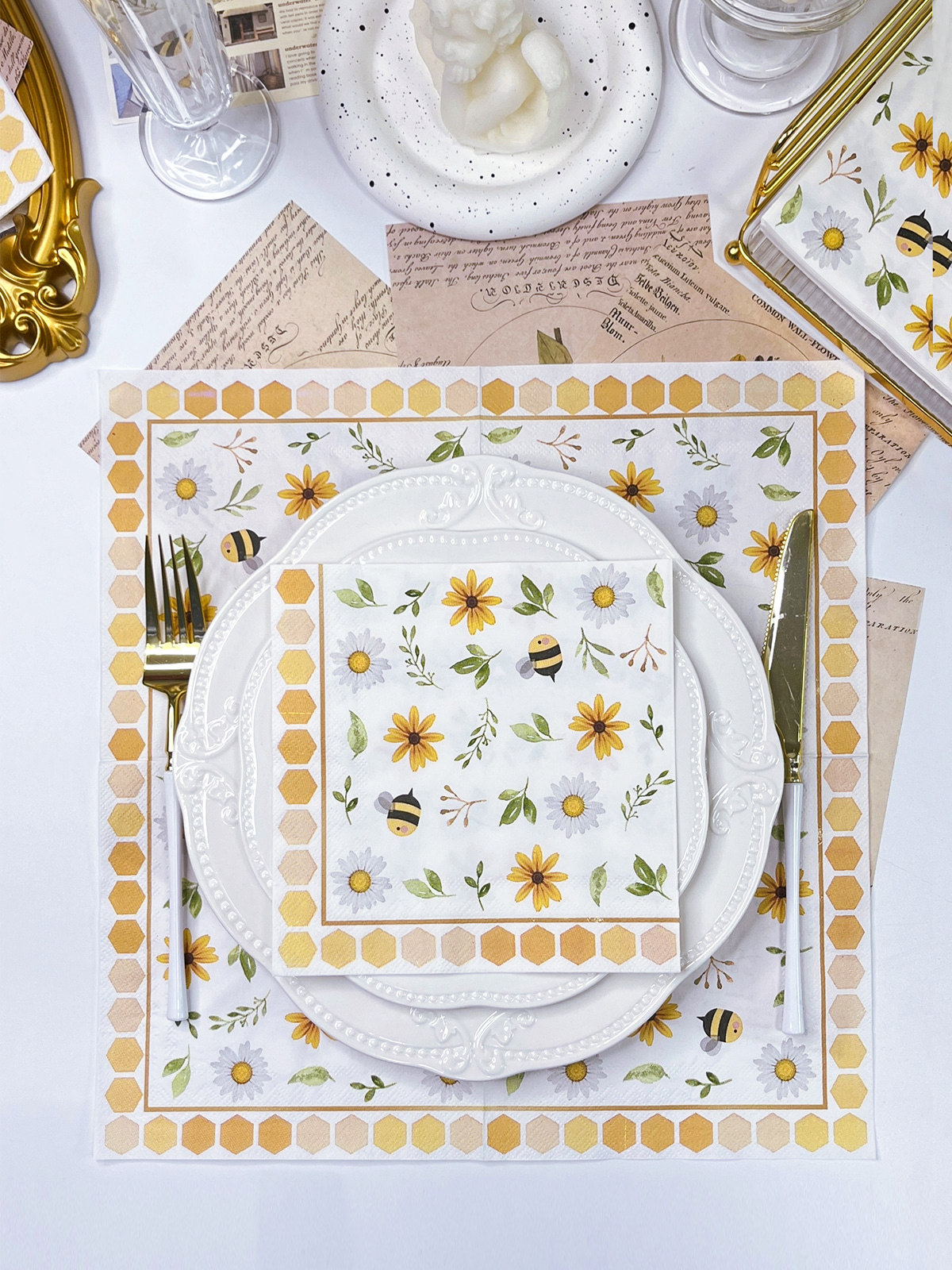
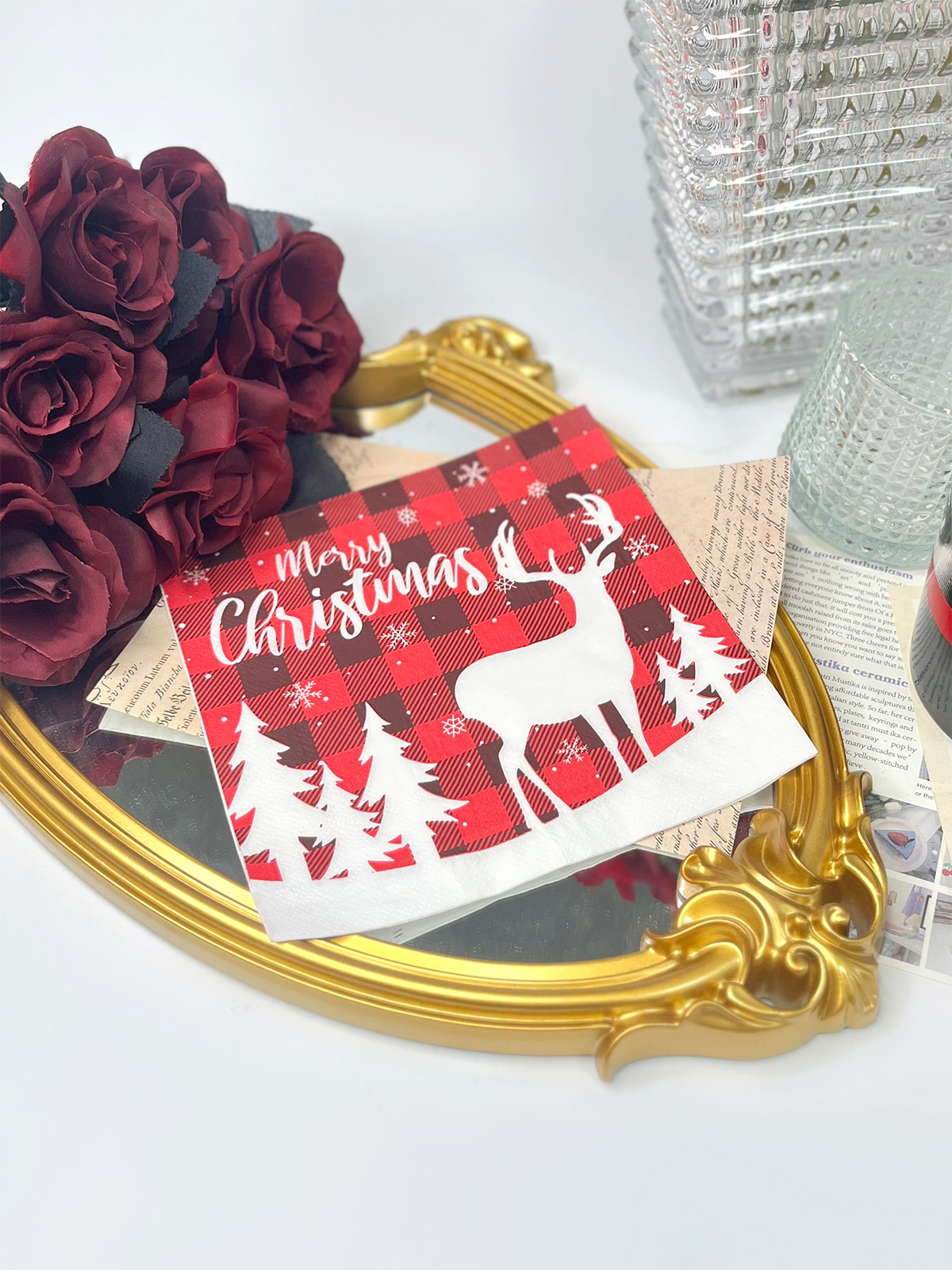
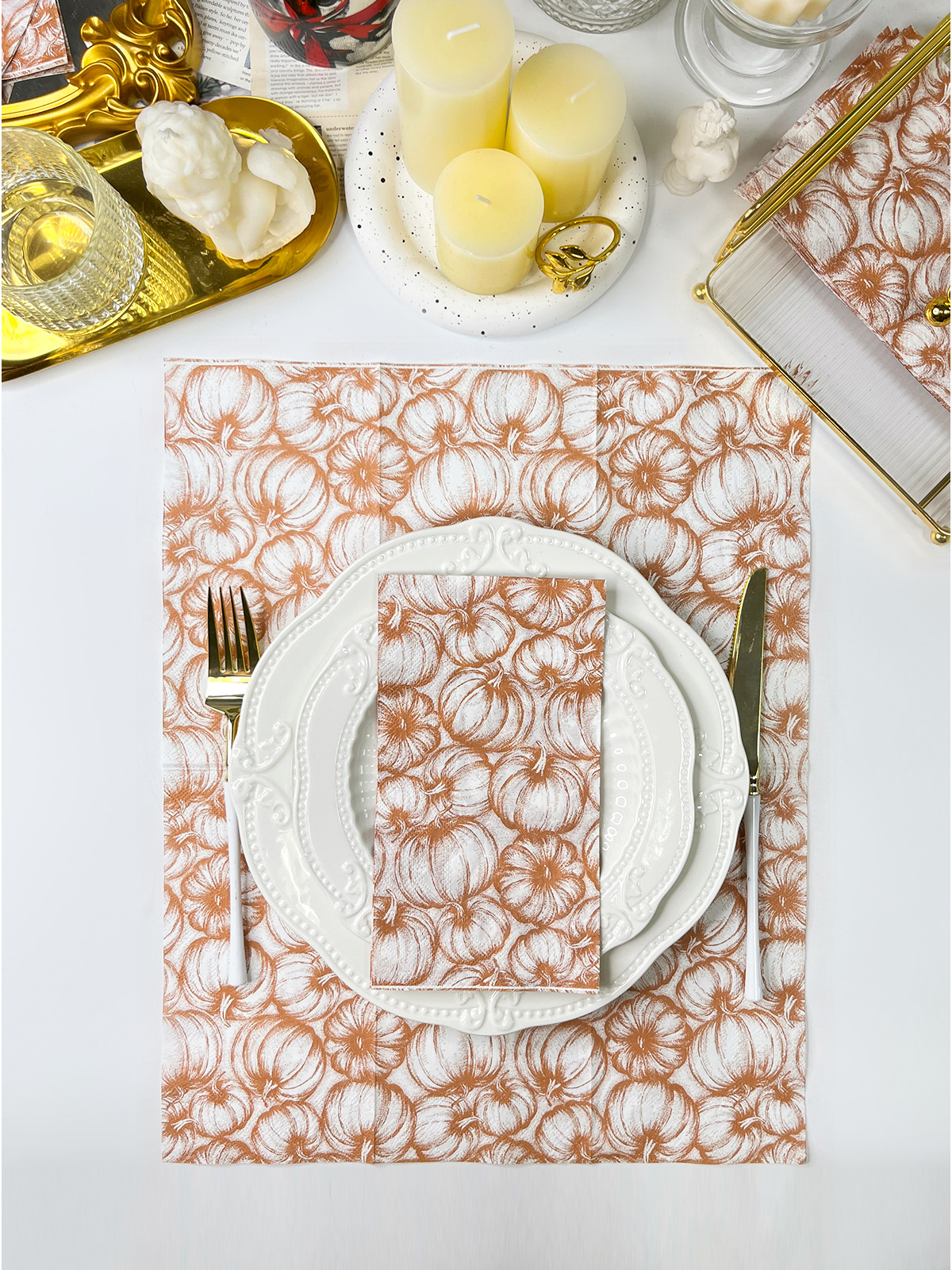
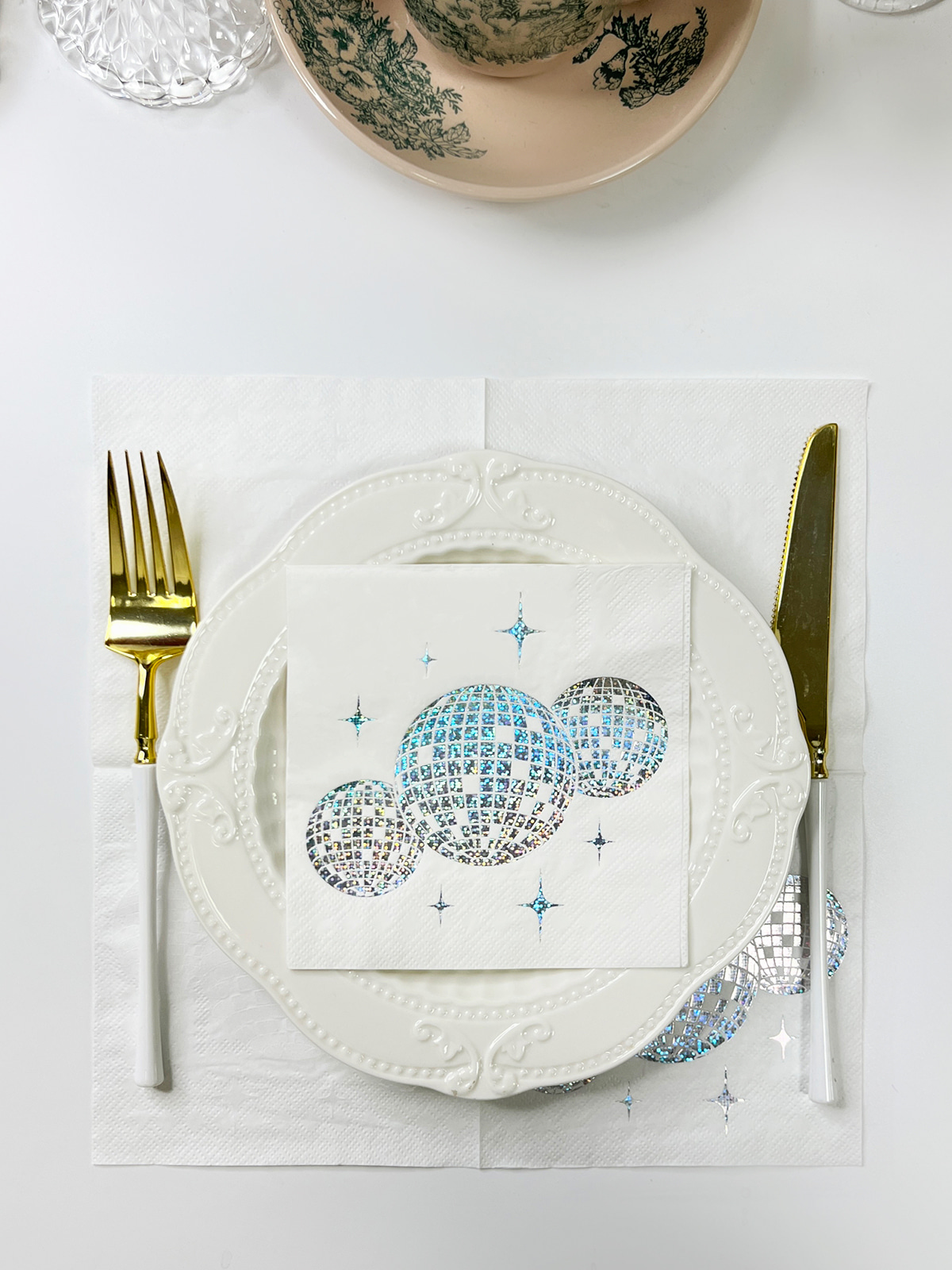
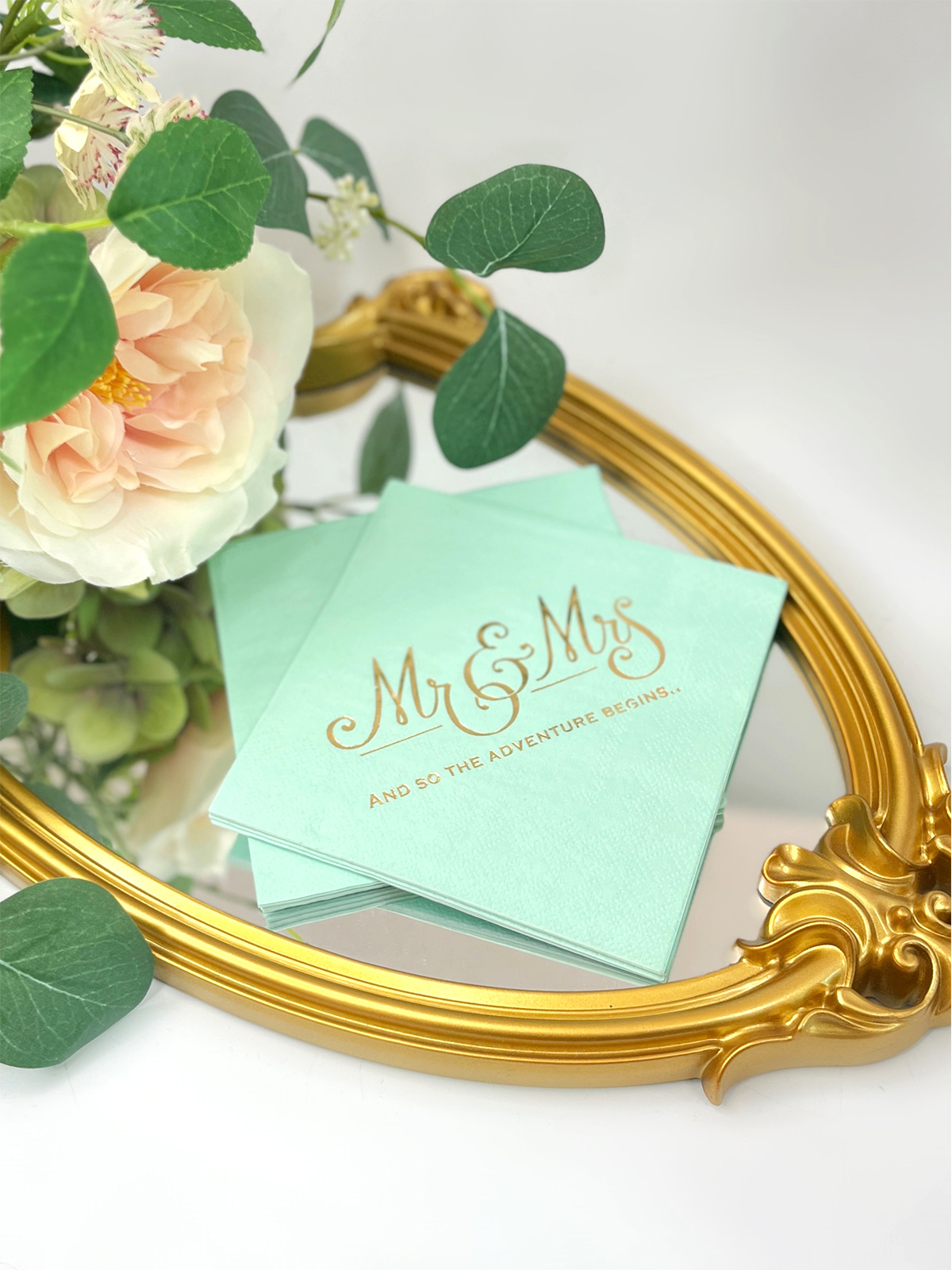
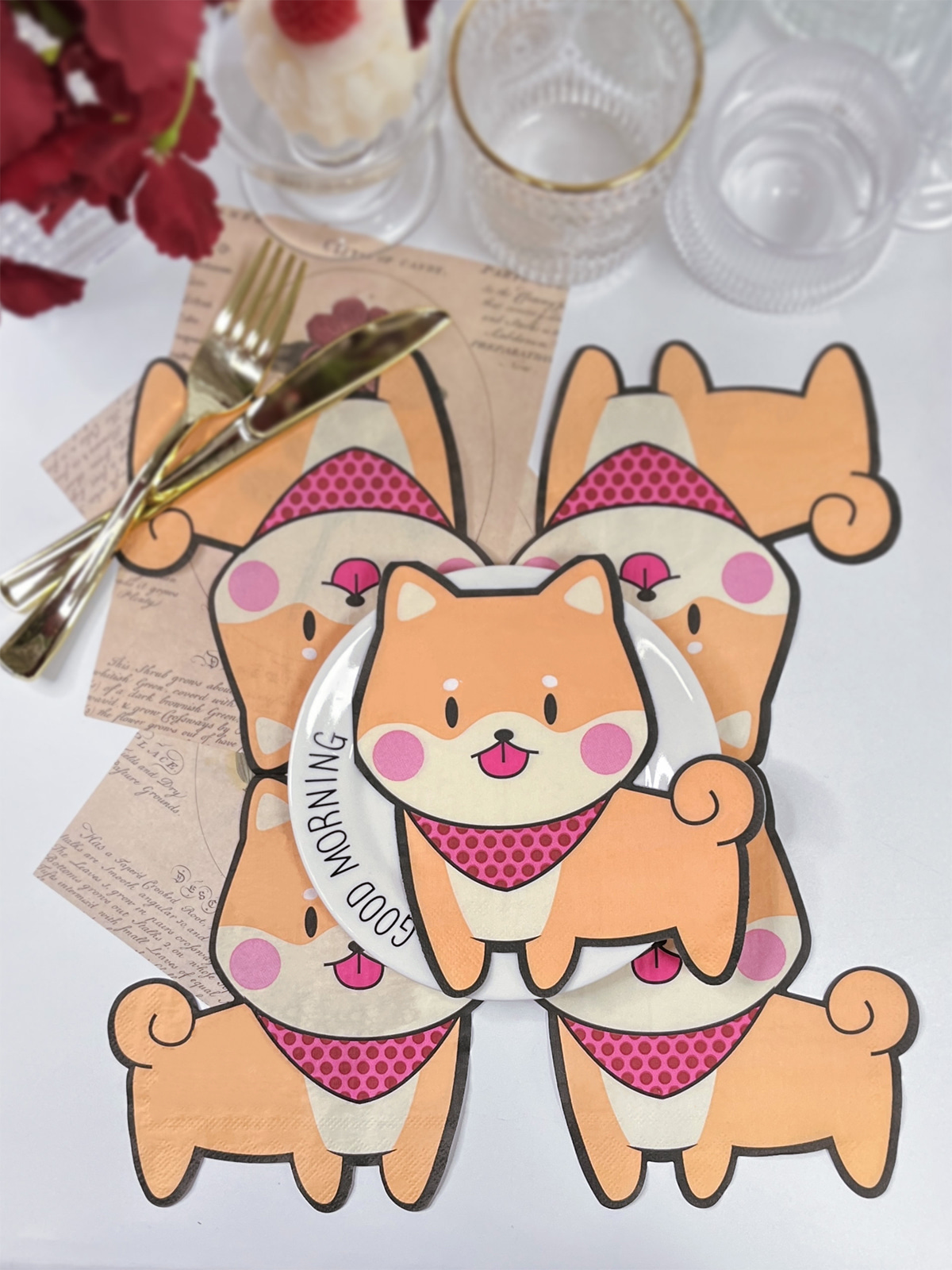
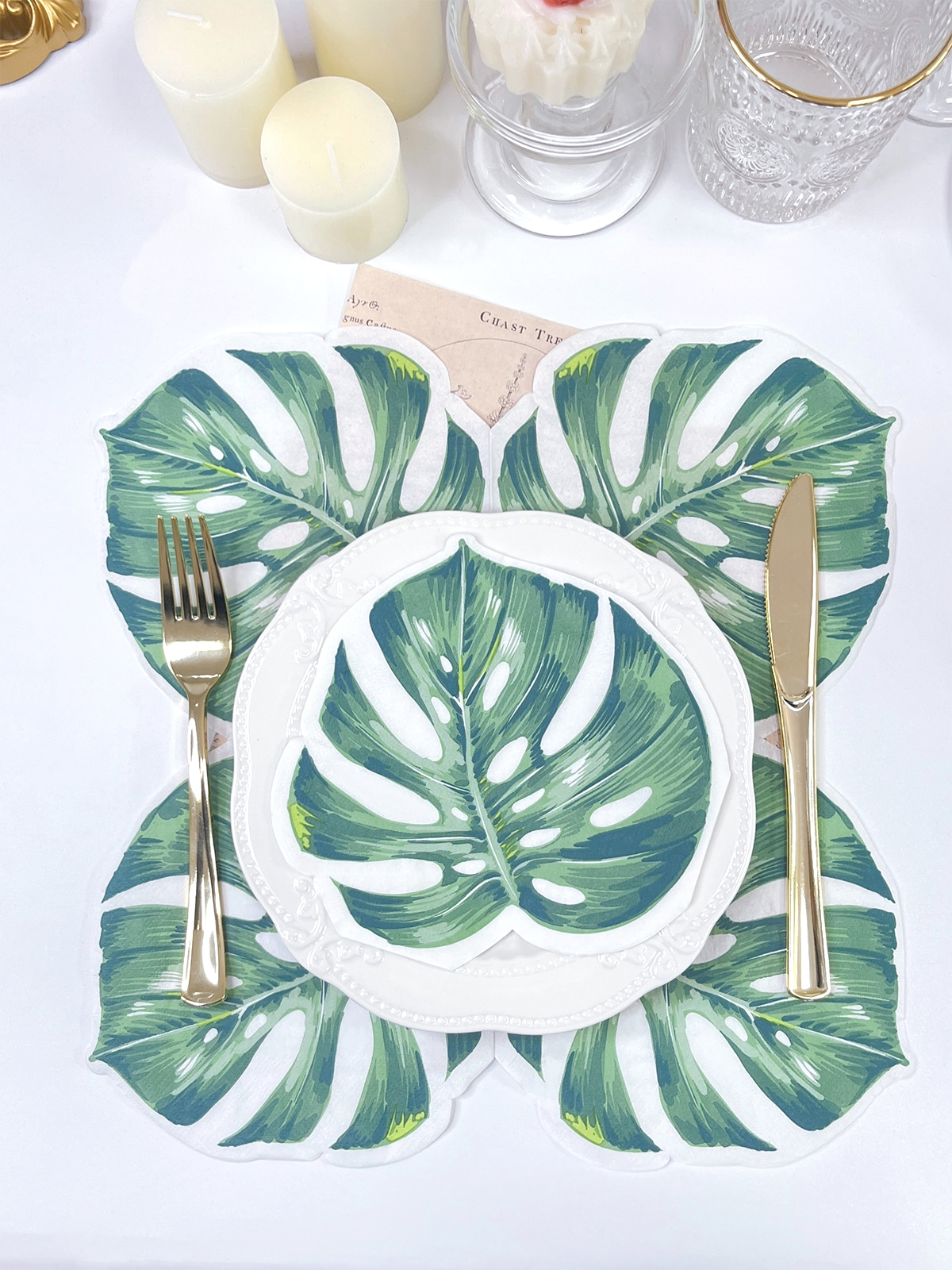
As sustainability becomes a routine part of event planning and foodservice procurement, the question of which paper items can be composted has gained fresh attention. Party Printed Paper Napkins are a visible choice at celebrations and gatherings, but their environmental value depends on how they are made and how they are handled after use. Operators and hosts who seek to reduce landfill waste are now asking whether printed napkins can be treated as a compost resource rather than trash.
Content
Composting-friendly paper tends to be plain, uncoated, and free of plastic or heavy chemical treatments. In public and residential composting systems, such materials add carbon and structure to mixed food scraps, helping microbes convert waste into useful soil amendments. When paper is heavily soiled with food oil or contains synthetic coatings, it can slow decomposition or contaminate the compost stream.
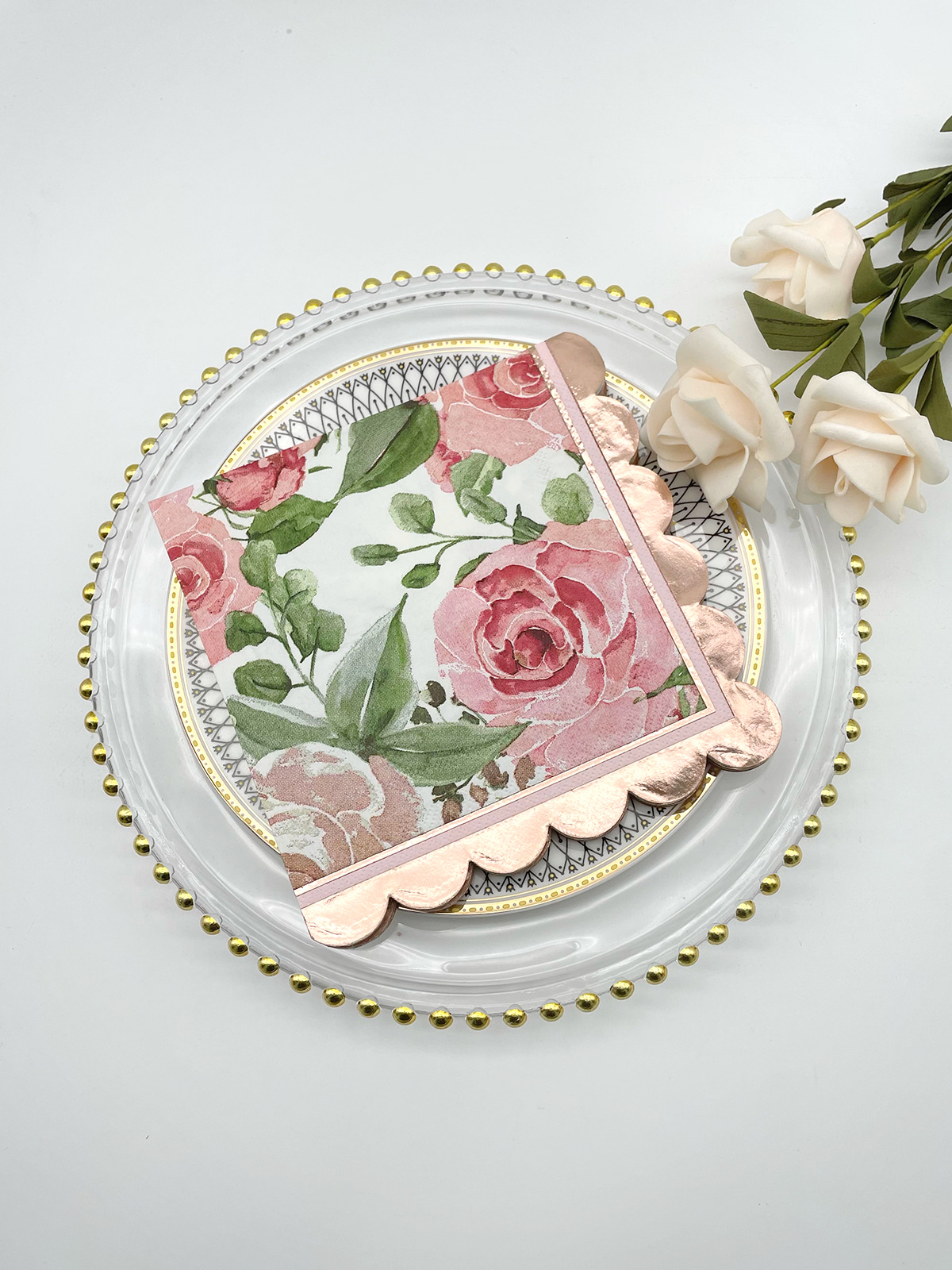
Printed napkins introduce two questions: the type of ink used, and whether the paper carries surface treatments. Many modern inks are water-based and degrade naturally, but metallic, plastic-based, or laminated finishes do not. For venues, the safe route is to select printed napkins that specify uncoated paper and inks that are described as compostable or water-based. Where such information is uncertain, collection practices can still reduce impact by separating heavily soiled items from cleaner paper waste.
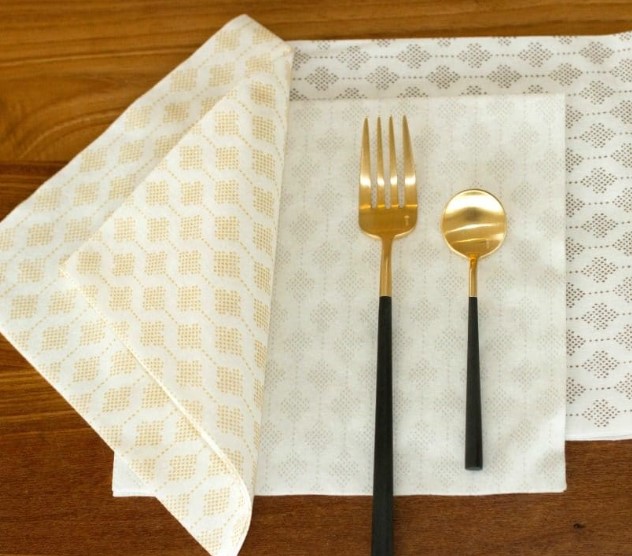
Effective diversion at events requires clear collection points and staff guidance. Signage and simple sorting rules encourage guests to place used napkins in compost bins rather than mixed waste. Staff training helps — for example, instructing teams to remove non-paper items like napkin rings or adhesive labels before disposal.
| Factor | What to check | Why it matters |
|---|---|---|
| Paper finish | Is the surface uncoated and porous? | Coatings can block decomposition |
| Ink type | Water-based or pigment inks vs metallic/plastic | Some inks break down faster in compost |
| Soil load | Light food residue vs heavy oil/grease | Heavy grease slows microbial action |
| Add-ons | Staples, plastic wrappers, or labels | Non-paper items contaminate the stream |
| Local acceptance | Does the local compost program accept printed paper? | Rules differ by facility and scale |
Event teams can take several low-effort steps to keep napkin waste out of landfill. First, choose napkins that are plainly labeled as suitable for composting when possible. Second, set up easy-to-use collection points and provide staff with quick checklists for sorting. Third, coordinate with the local composting service to understand what they accept; some facilities will take lightly soiled printed paper, while others prefer only unprinted or minimally treated paper.
Diverting eligible paper napkins into compost brings ancillary advantages. Composting reduces transport and landfill costs, lowers methane generation from organic waste, and returns organic matter to soil when processed. For organizations seeking to report sustainability metrics, properly documented compost diversion can be a measurable outcome of event planning choices.
Not every printed napkin will behave the same in a compost system. Party Printed Paper Napkins can be a workable option for venues that confirm ink and finish compatibility and prepare simple sorting and collection procedures. Trial runs during smaller gatherings allow teams to refine sorting workflows before larger events. With modest preparation and attention to local composting rules, printed napkins can move from single-use waste toward a managed organic stream that supports circular resource goals. For sourcing specifics and collection guidance, see papernapkinfactory.
Related Products
Shopping for a reliable source of napkins?
Established in 2007 and located in Zhuji City, Zhejiang Province, Zhuji Furong Paper Products Co., Ltd. is a professional manufacturer of color-printed napkins. Enhance Your Event With Custom Printed Napkins.
Telephone
+86-15325932613
Address
Jianglong Industrial Park, Jiyang Street, Zhuji City, Shaoxing, Zhejiang, China.
Contact Us
Products
Contact Us
+86-15325932613
+86-575-87765556
+86-575-87765559
Jianglong Industrial Park, Jiyang Street, Zhuji City, Shaoxing, Zhejiang, China.
Party Printed Paper Napkins Manufacturer Customized Napkins And Paper Towels Factory
Copyright © by Zhuji Furong Paper Products Co., Ltd. Rights Reserved.

 English
 中文简体
中文简体