2026-03-18
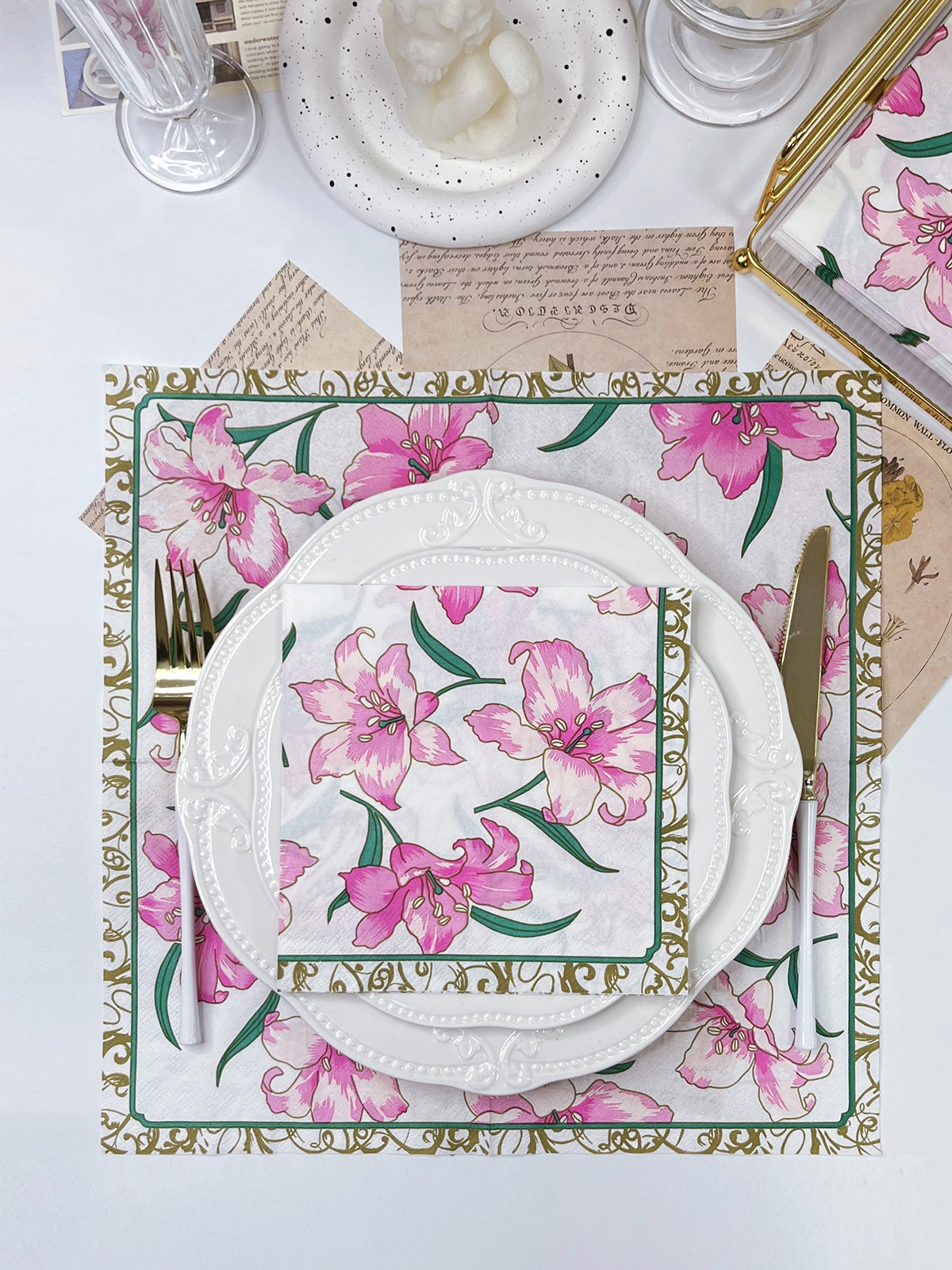
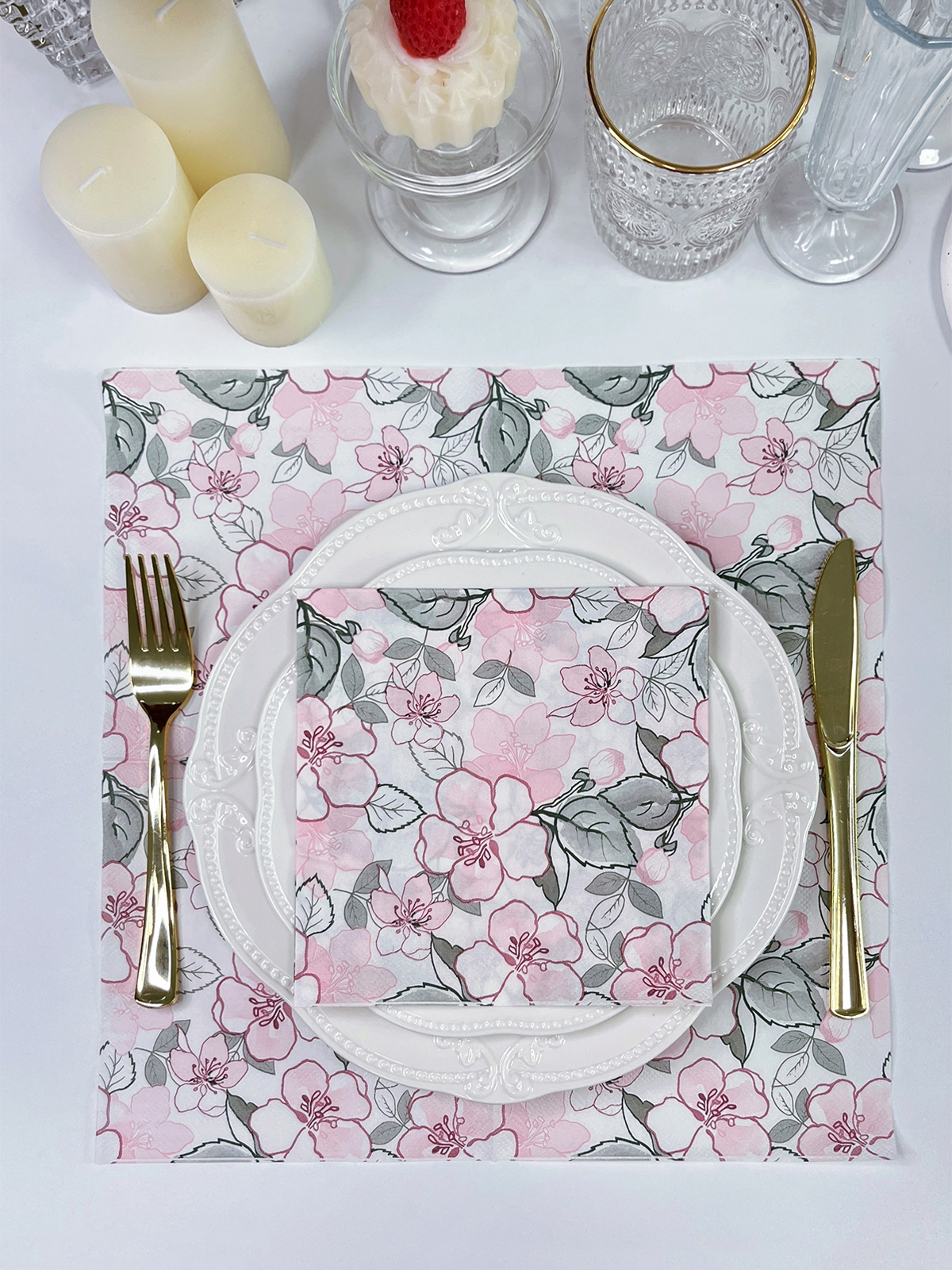
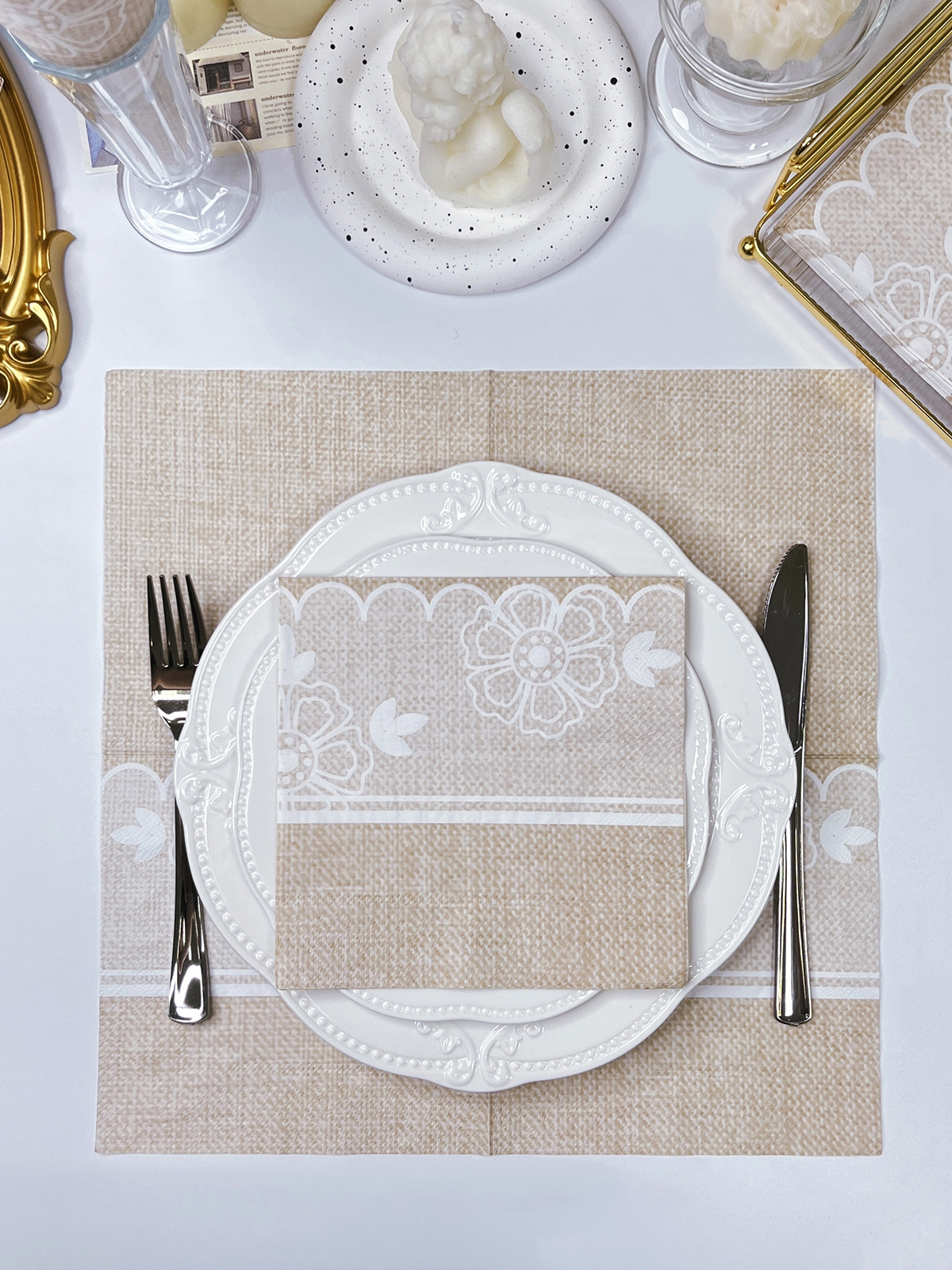
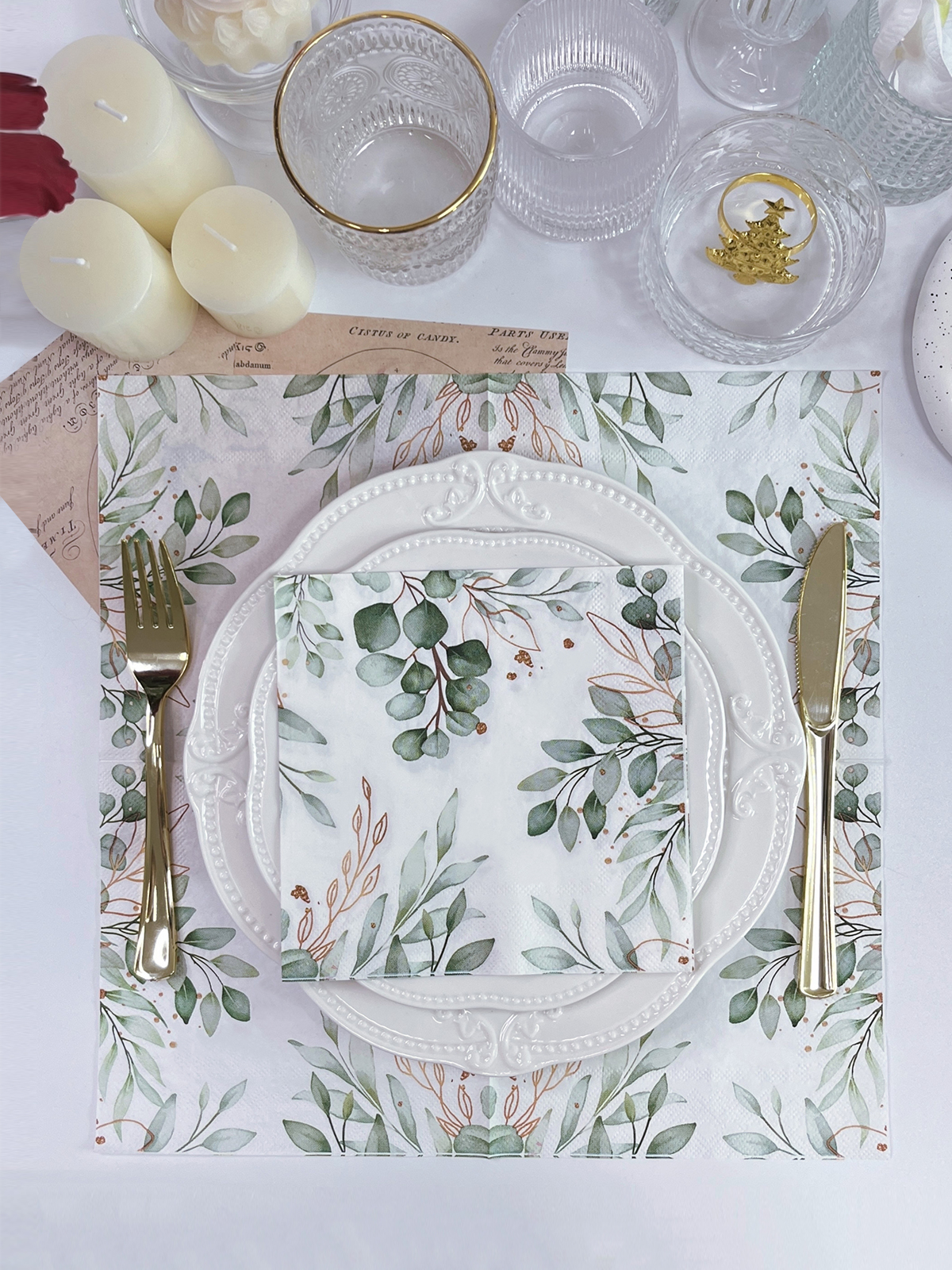
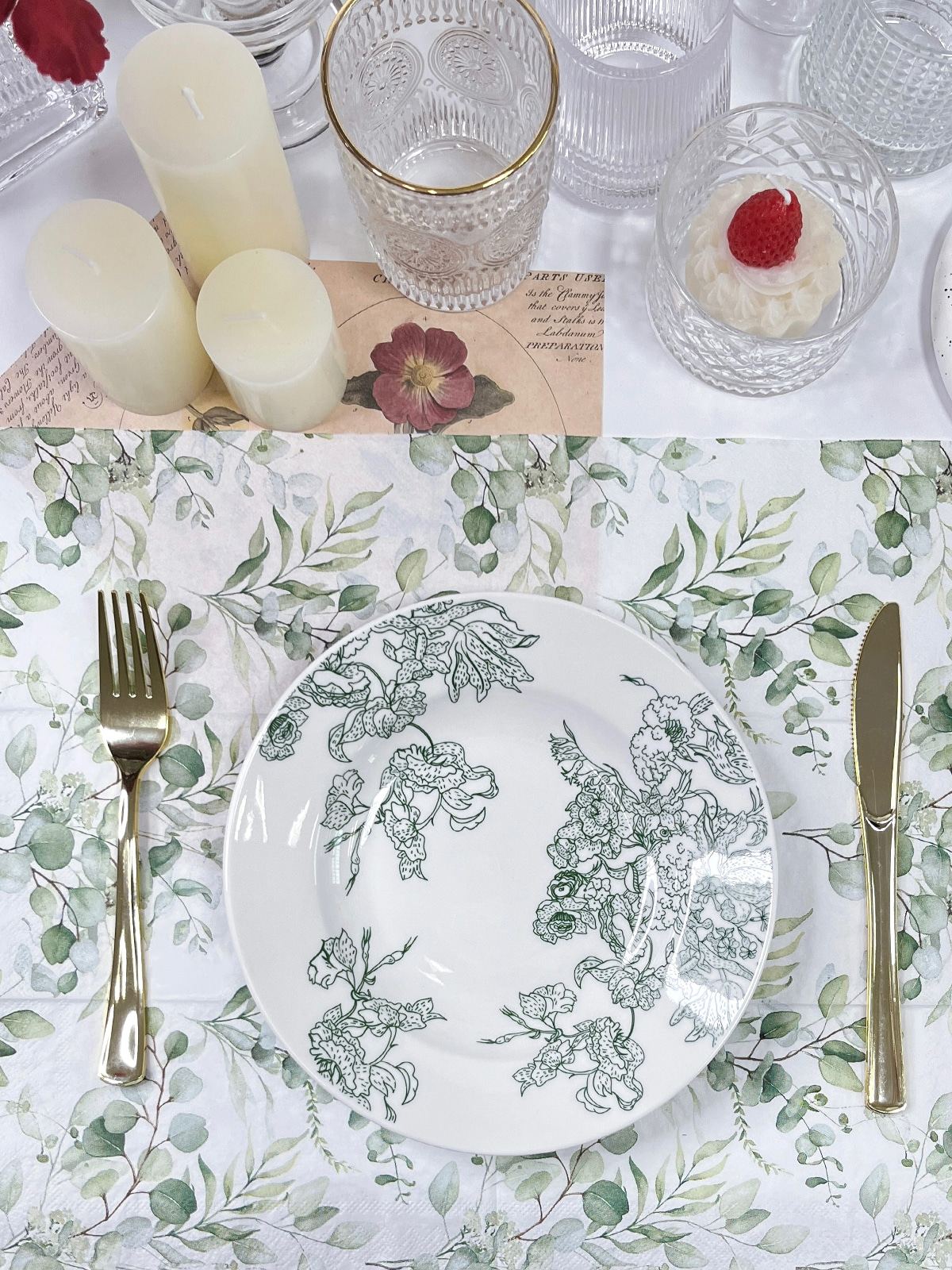
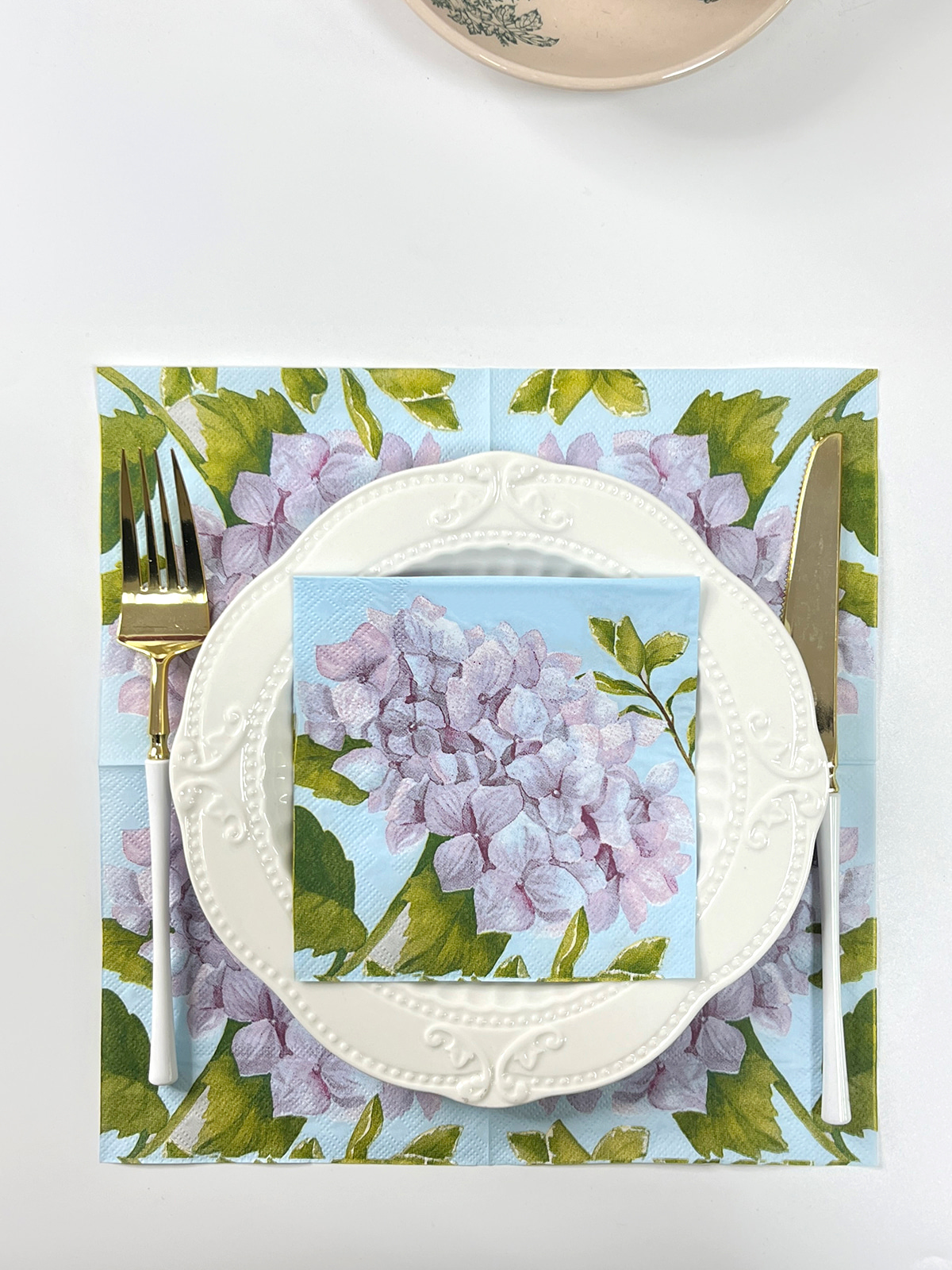
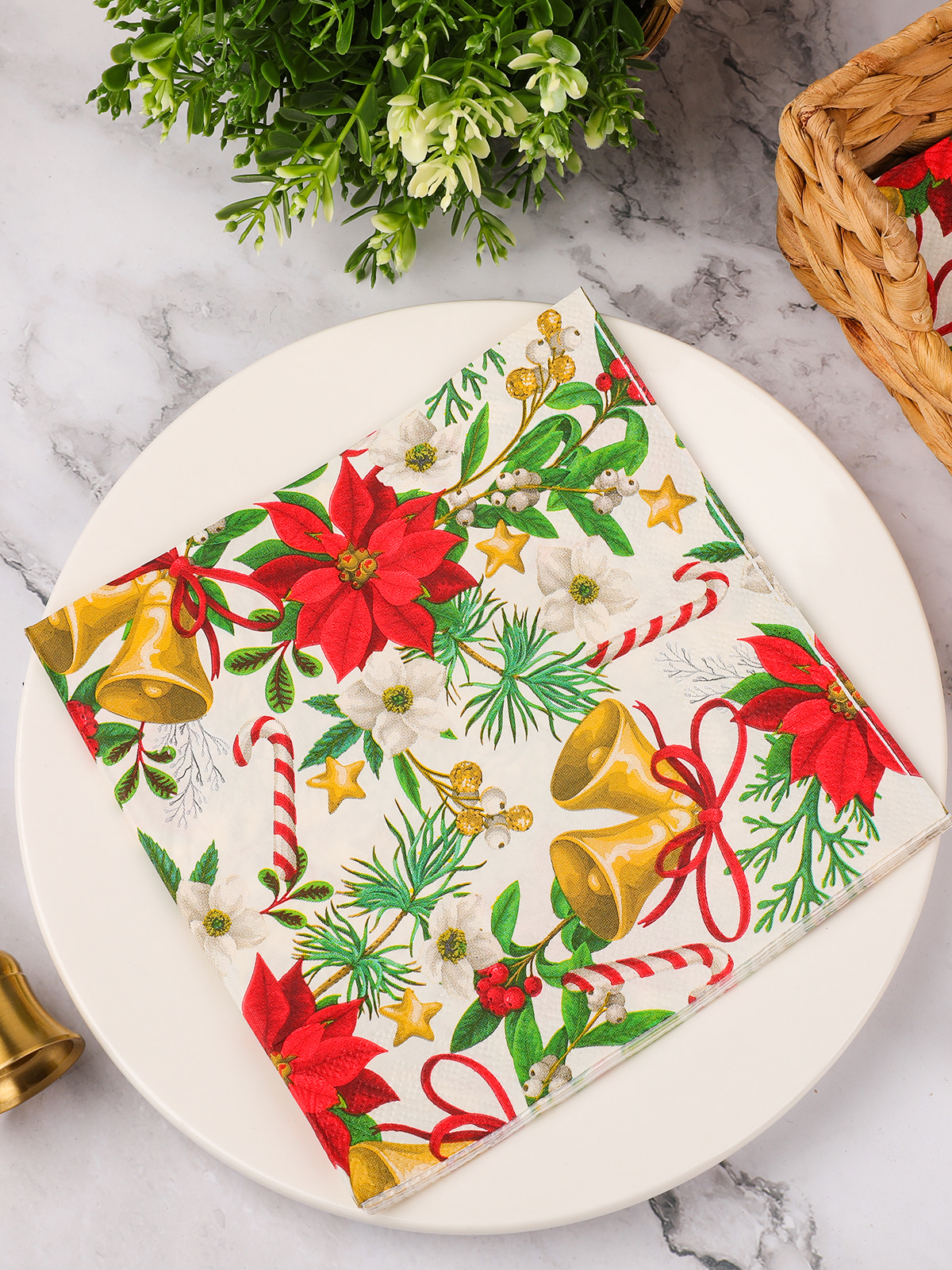
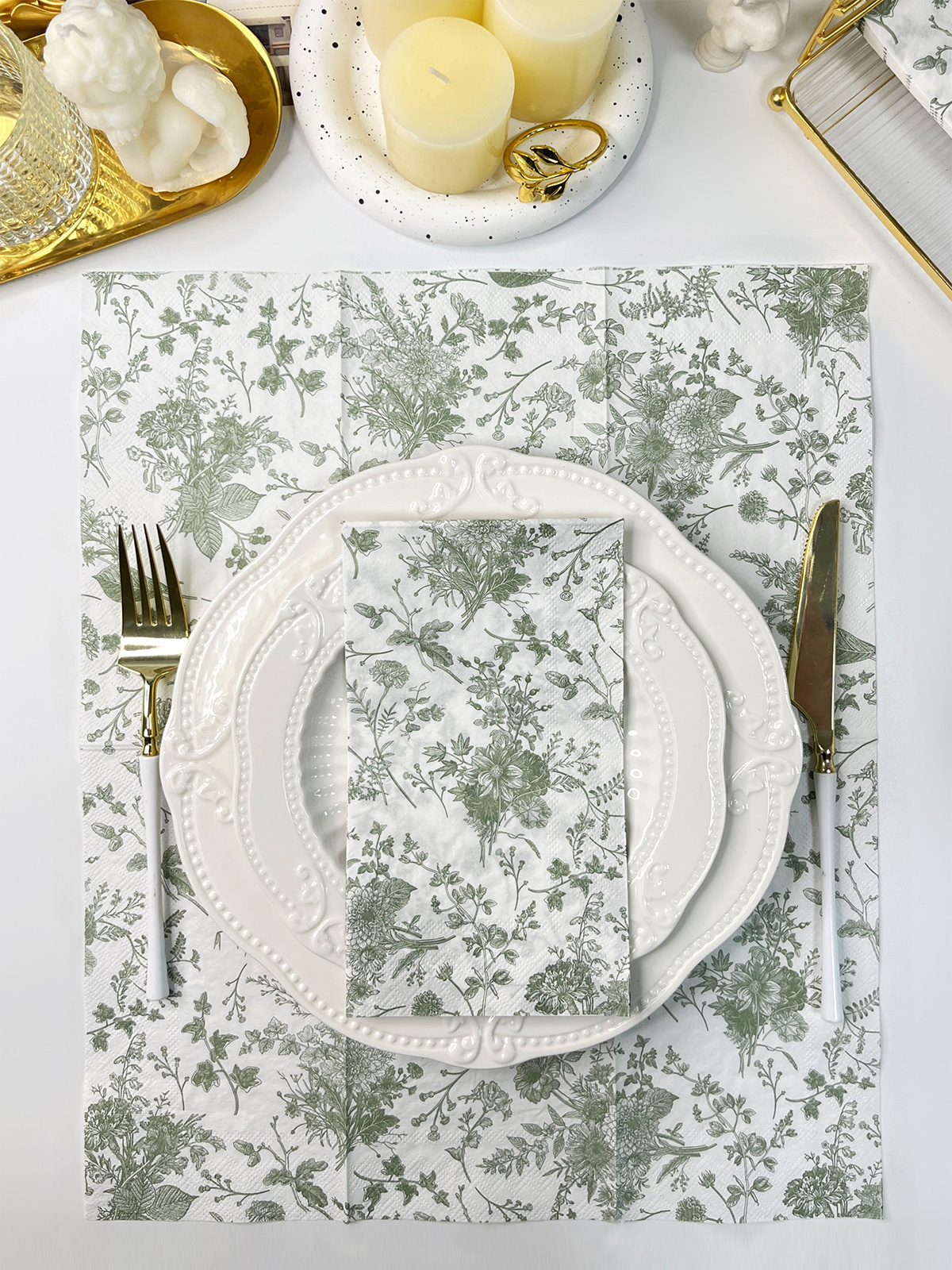
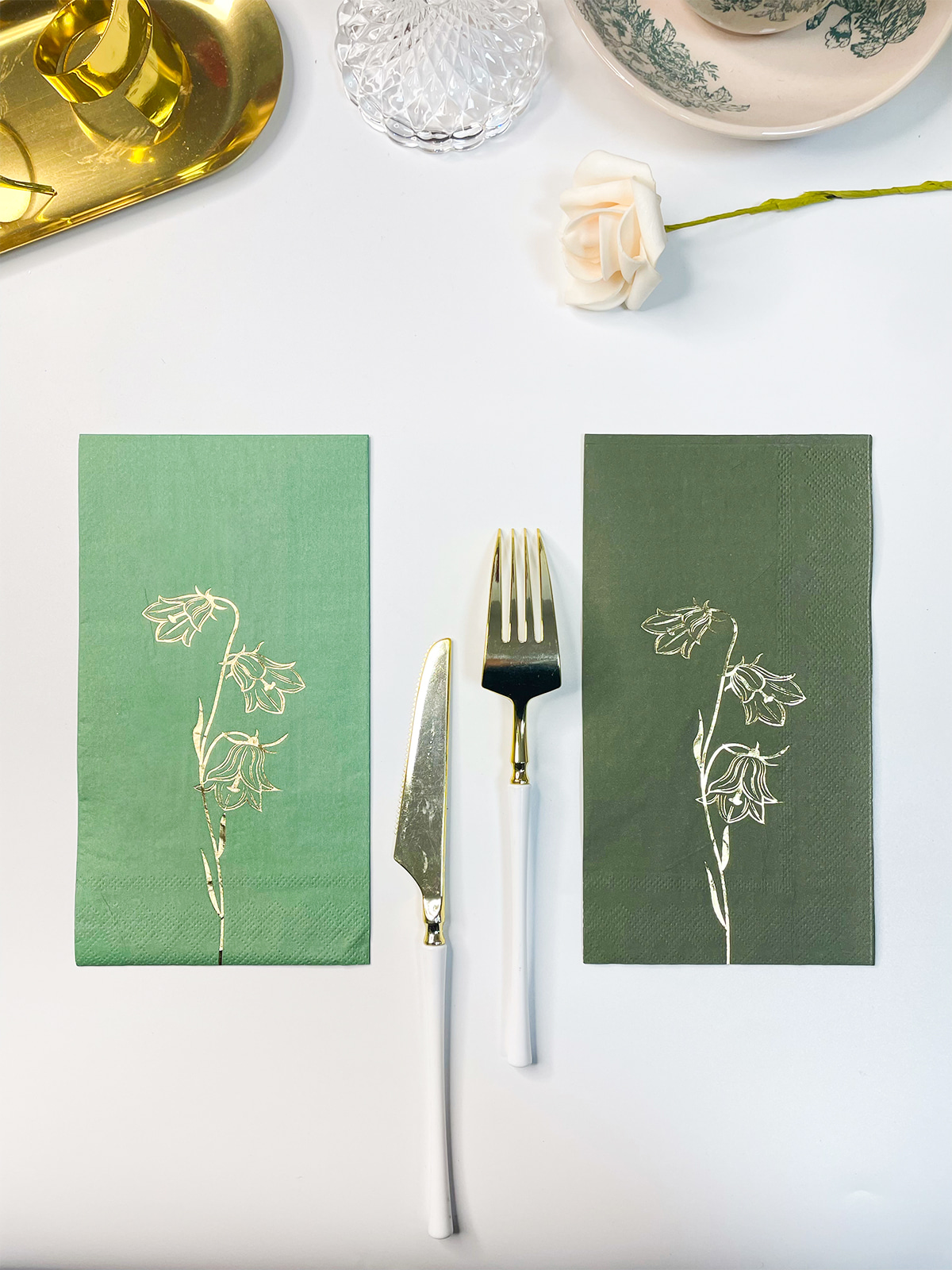
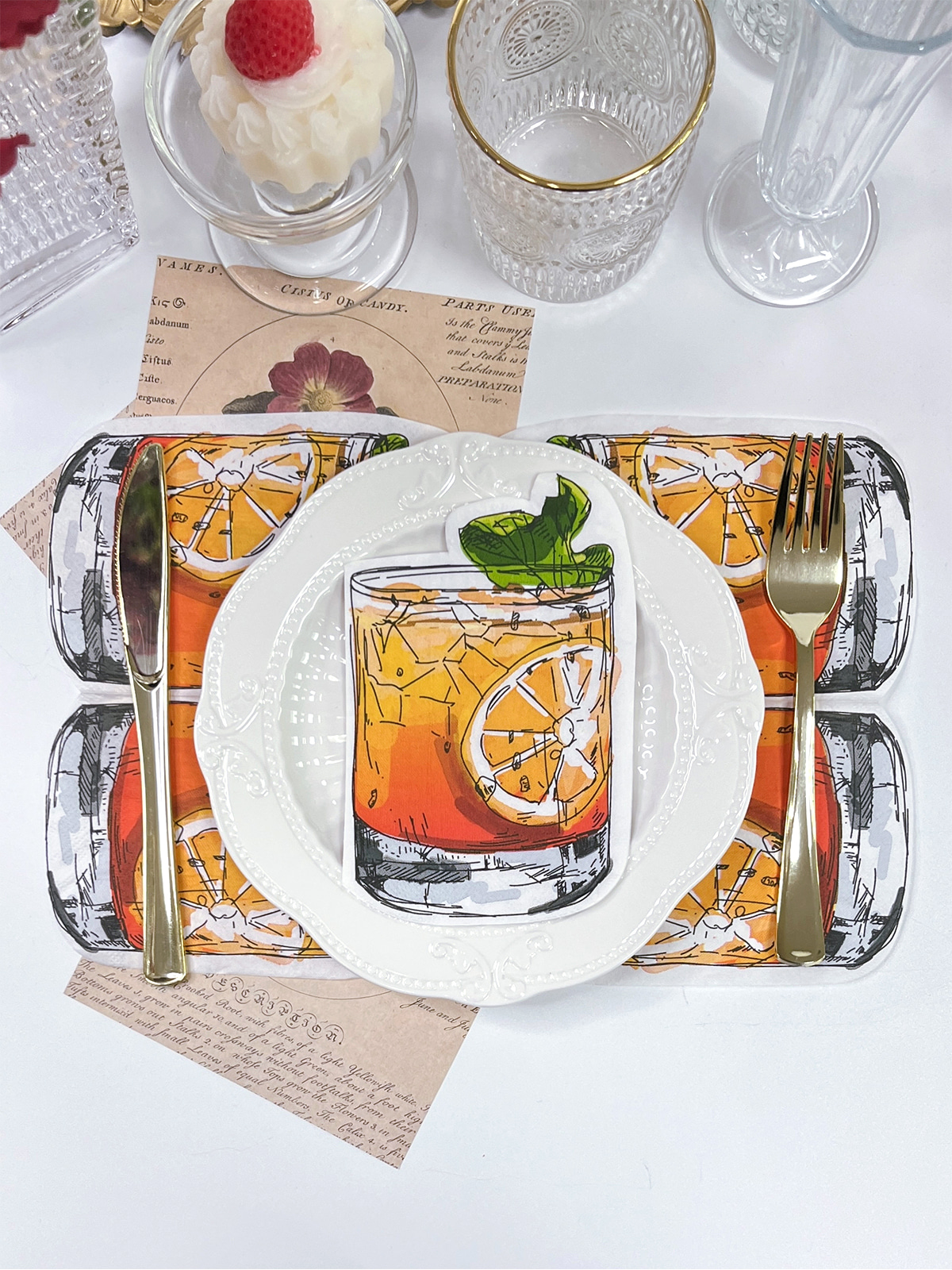
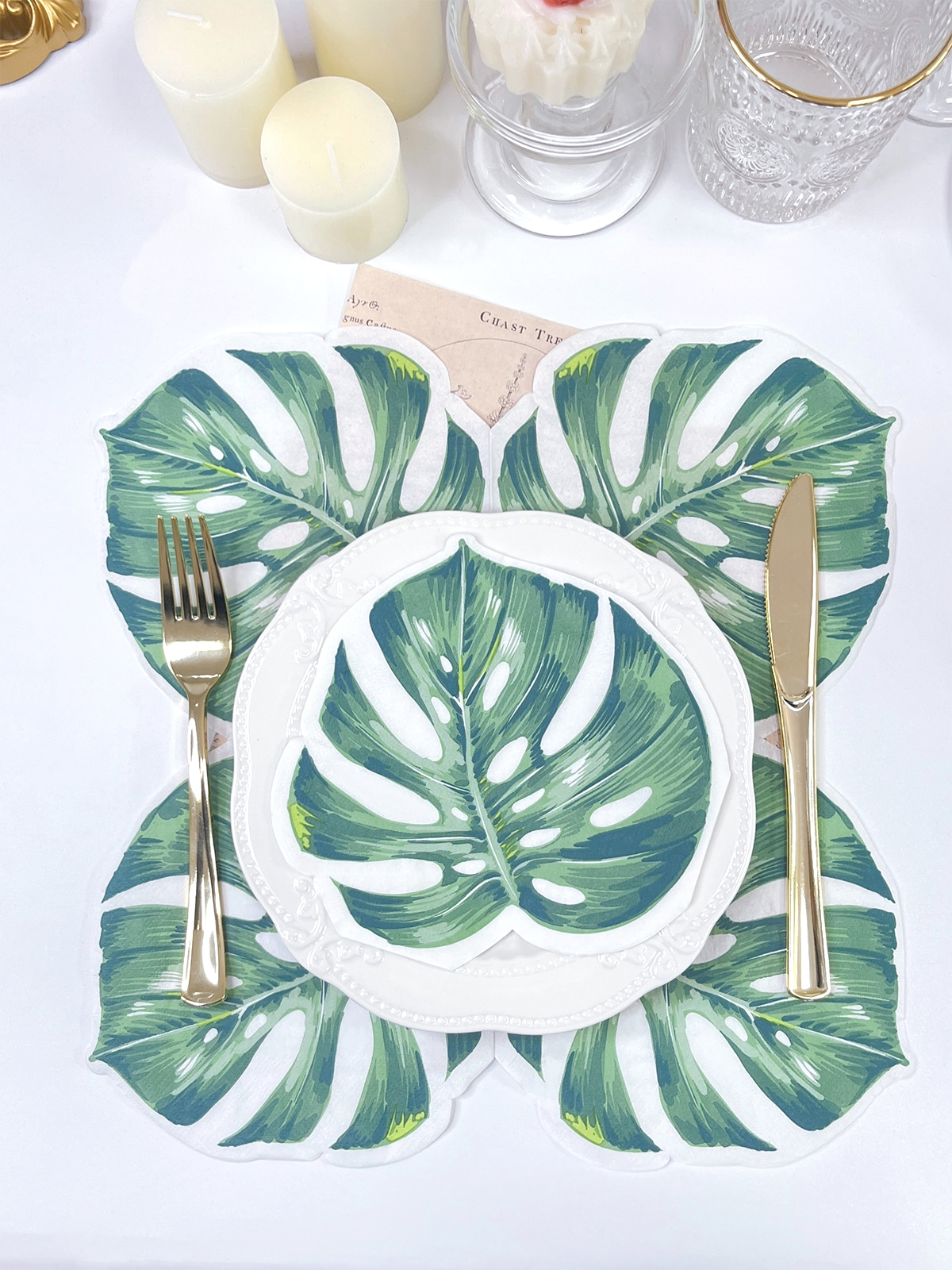
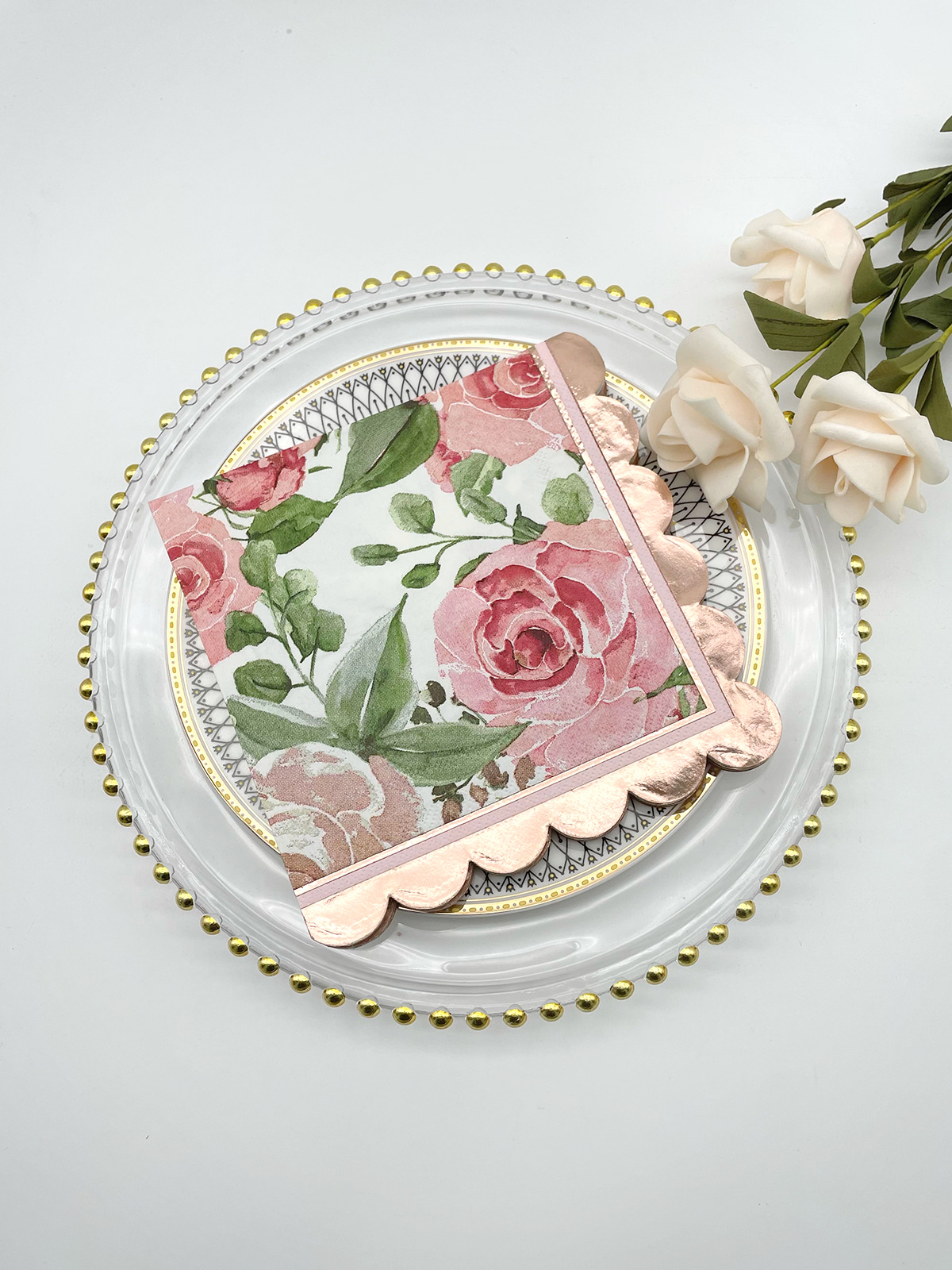
Decorative napkins add color and personality to celebrations, but their usefulness ends when the last song finishes and the plates are cleared. Party Printed Paper Napkins are a common disposable choice for gatherings, yet not all are created equal when it comes to disposal or returning to the soil. This report looks at which paper items are suited for home composting, which should be diverted, and practical steps hosts can take to reduce environmental impact without sacrificing style.
Content
At good glance, a napkin is just a napkin. But small differences in how a napkin is made — the fibers, printing process, and any coatings — determine whether it will break down naturally. Natural fiber napkins without coatings generally compost well. Conversely, any plastic, wax, or synthetic finish prevents microbes from doing their work and can contaminate a backyard pile.
A printed napkin can behave either way. If the print uses simple dyes on an uncoated napkin, it will usually break down without issue. But a napkin with a shiny finish, plastic-like feel, or added waterproofing should not be placed in a home compost pile. In practice, a quick touch test and a look for shine go a long way: if it feels plasticky or looks glossy, it is safer to discard it via other waste channels.
| Item | Compostable in home pile? | Quick note |
|---|---|---|
| Plain paper napkins | Yes | Light food residue okay; shred for faster breakdown |
| Party Printed Paper Napkins (uncoated) | Often | Check surface; water-based ink is preferable |
| Shredded office paper | Yes | Good for aeration and carbon balance |
| Glossy magazine pages | No | Coatings hinder microbial action |
| Thermal receipts | No | Chemical coatings not suitable for compost |
| Napkins soaked in oil | No | Excess grease disrupts compost microbes |
Imagine a backyard brunch where a stack of bright, patterned napkins is used for a buffet. The host assumes they can add them to the compost bin after the meal — only to find the pile slows, smells, or fails to heat up properly. Often the culprit is a coating or excessive oil. By contrast, a host who chooses uncoated napkins or tears paper into strips and mixes them through the pile will see steady breakdown and fewer issues.
A common mistake is treating municipal and home compost the same. Some local compost programs accept a wider range of materials because they operate at higher temperatures and with industrial processes. Home piles are more limited and benefit from conservative sorting.
Choosing disposables need not mean sacrificing the planet. Simple choices — selecting uncoated napkins, placing clear waste stations at events, and training volunteers or guests to sort compostables from trash — make a big difference. For large gatherings, add signage that shows which napkins and plates go into the compost bin and which do not.
If a community compost program is available, check their list of accepted materials. They may take a wider range of items than a home composter. When in doubt for home composting, err on the side of excluding shiny, laminated, or heavily soiled paper.
Decorative napkins have a place at any celebration, and Party Printed Paper Napkins can be part of a responsible event if their composition is considered ahead of time. Choosing uncoated, fiber-based products and adopting simple sorting and shredding habits will keep compost piles healthy and reduce waste. Thoughtful event planning — small signage, clear bins, and a few minutes of sorting — can turn a colorful table setting into a circular outcome that respects both guests and the soil. For ideas about styles and material choices, see papernapkinfactory.
Related Products
Shopping for a reliable source of napkins?
Established in 2007 and located in Zhuji City, Zhejiang Province, Zhuji Furong Paper Products Co., Ltd. is a professional manufacturer of color-printed napkins. Enhance Your Event With Custom Printed Napkins.
Telephone
+86-15325932613
Address
Jianglong Industrial Park, Jiyang Street, Zhuji City, Shaoxing, Zhejiang, China.
Contact Us
Products
Contact Us
+86-15325932613
+86-575-87765556
+86-575-87765559
Jianglong Industrial Park, Jiyang Street, Zhuji City, Shaoxing, Zhejiang, China.
Party Printed Paper Napkins Manufacturer Customized Napkins And Paper Towels Factory
Copyright © by Zhuji Furong Paper Products Co., Ltd. Rights Reserved.

 English
 中文简体
中文简体