2026-02-02
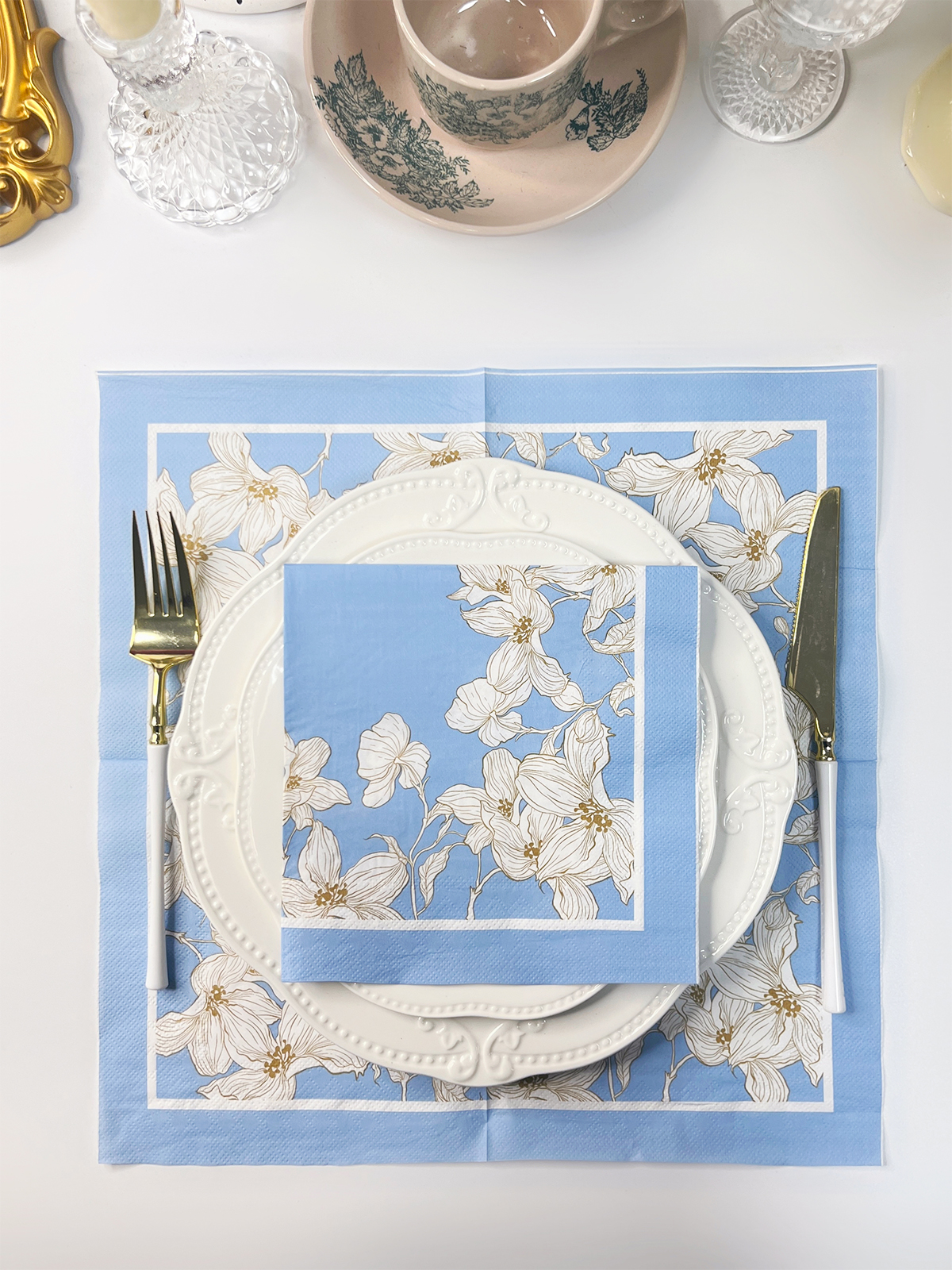
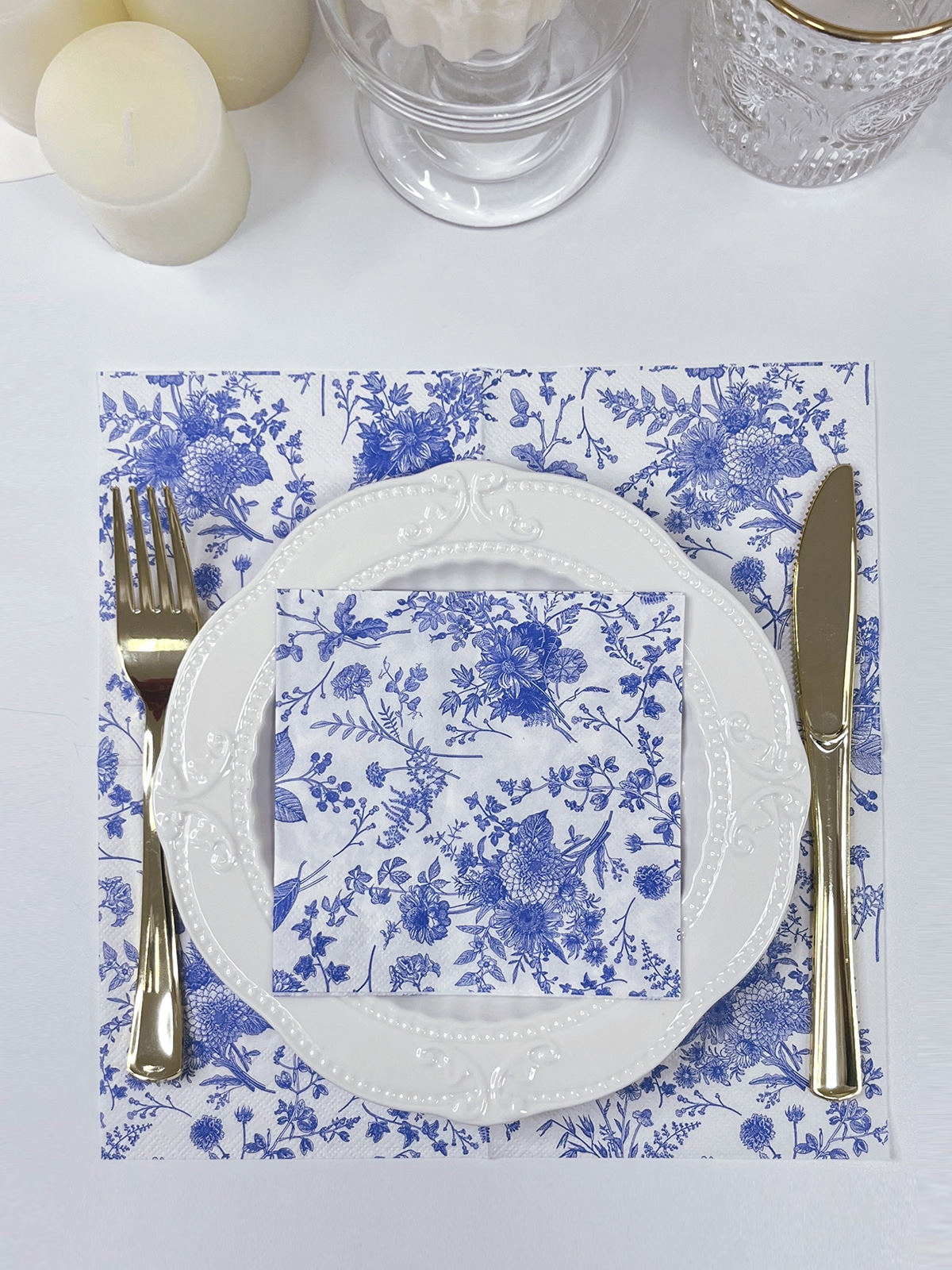
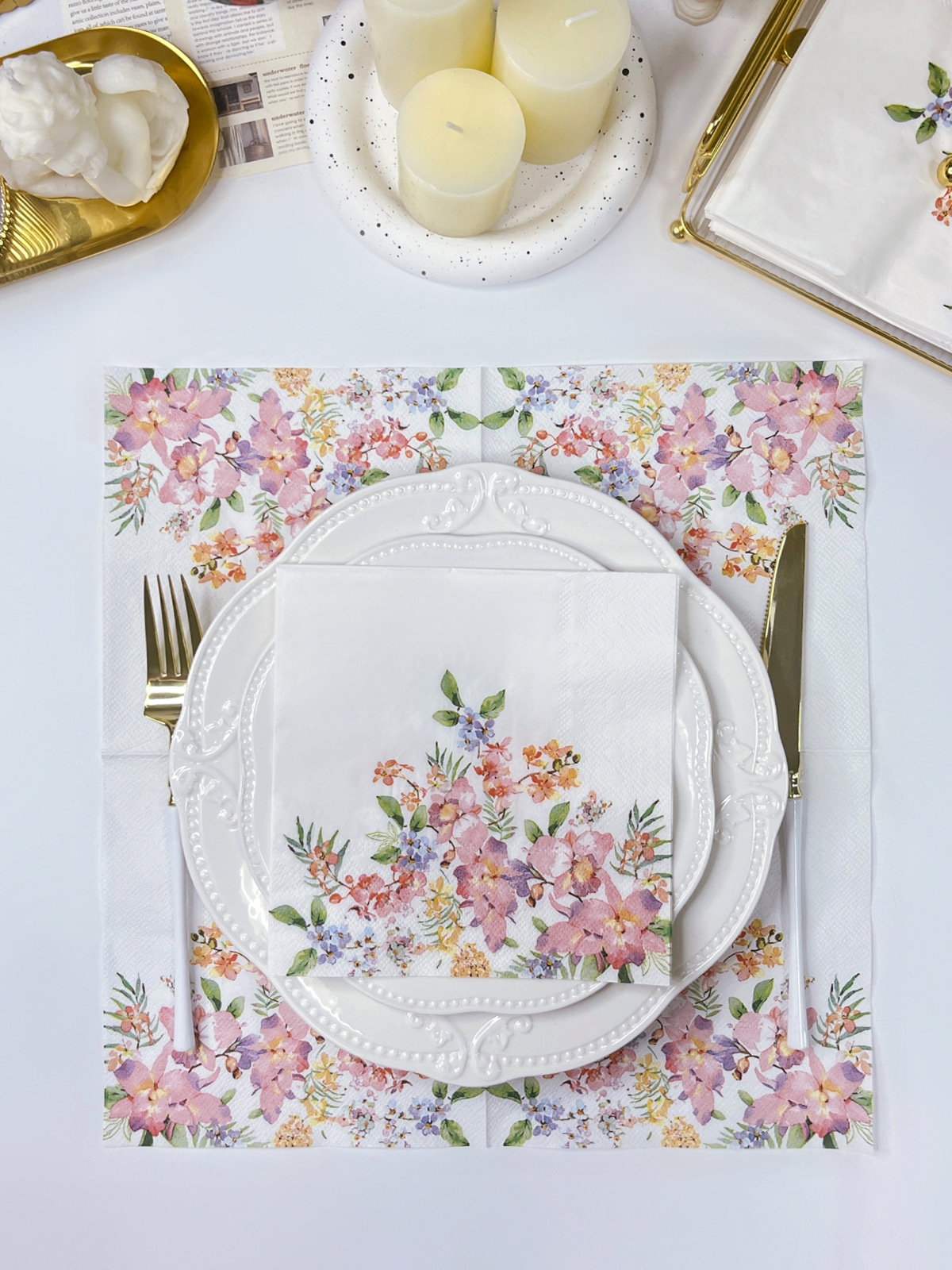
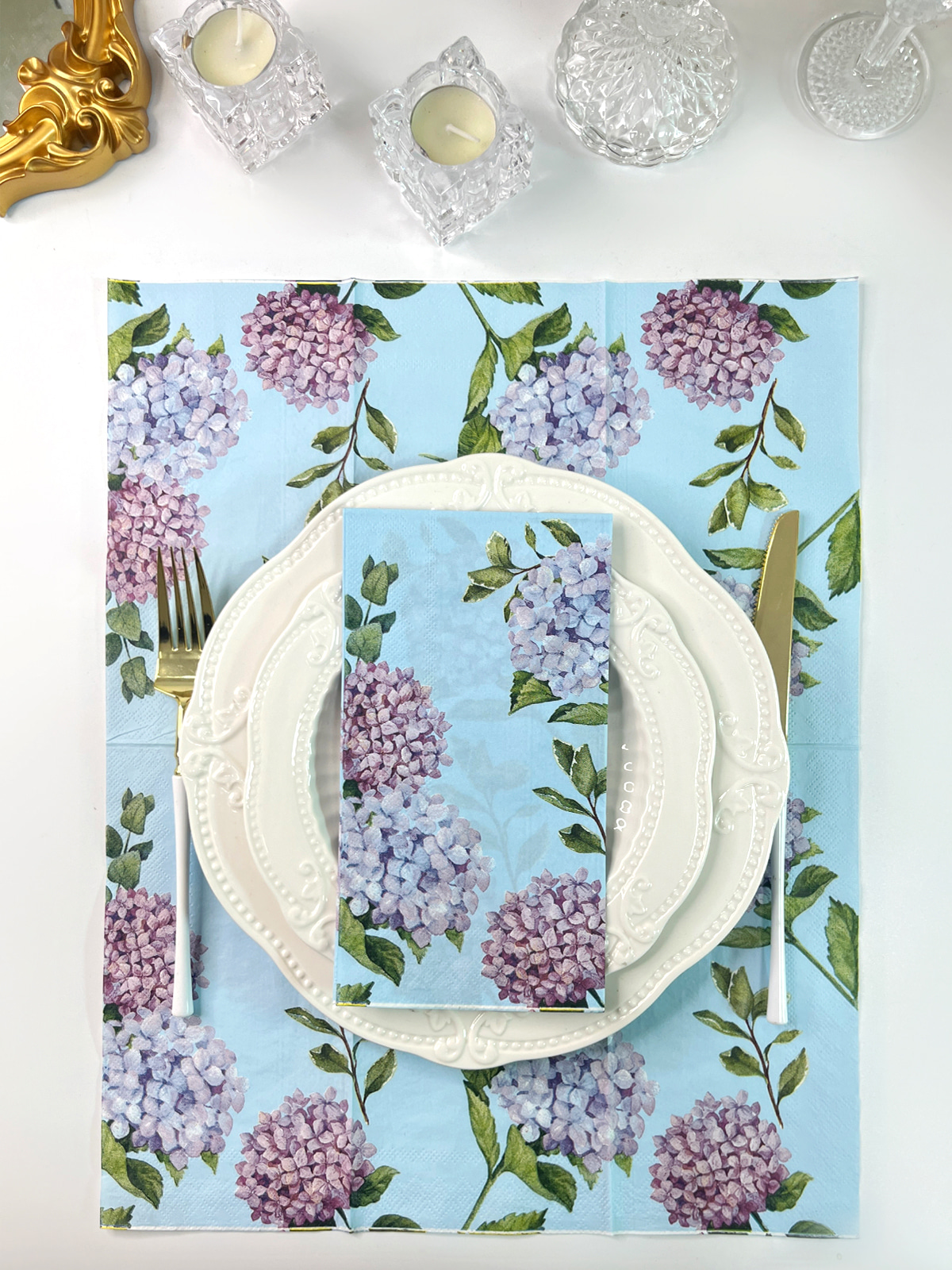
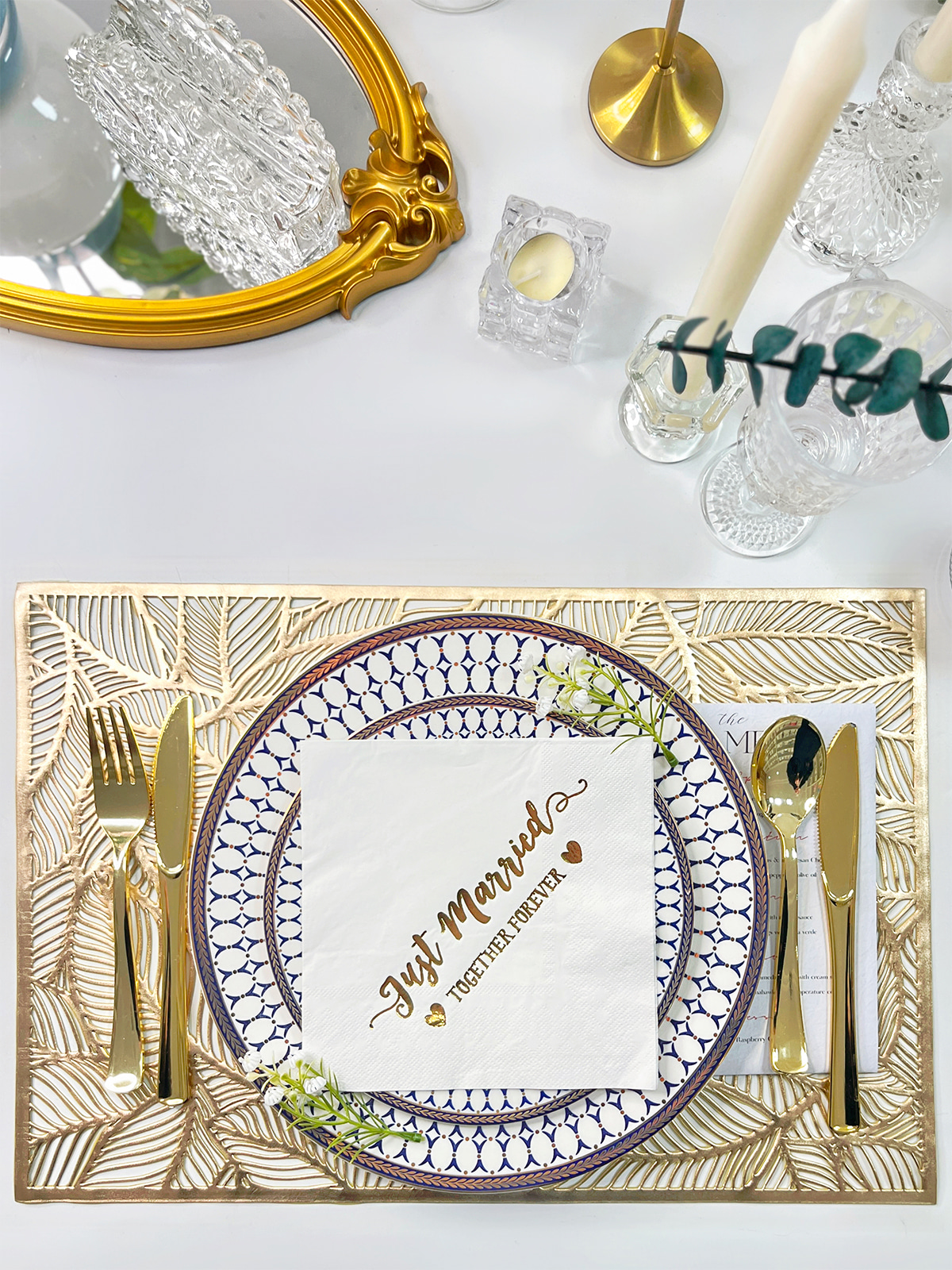
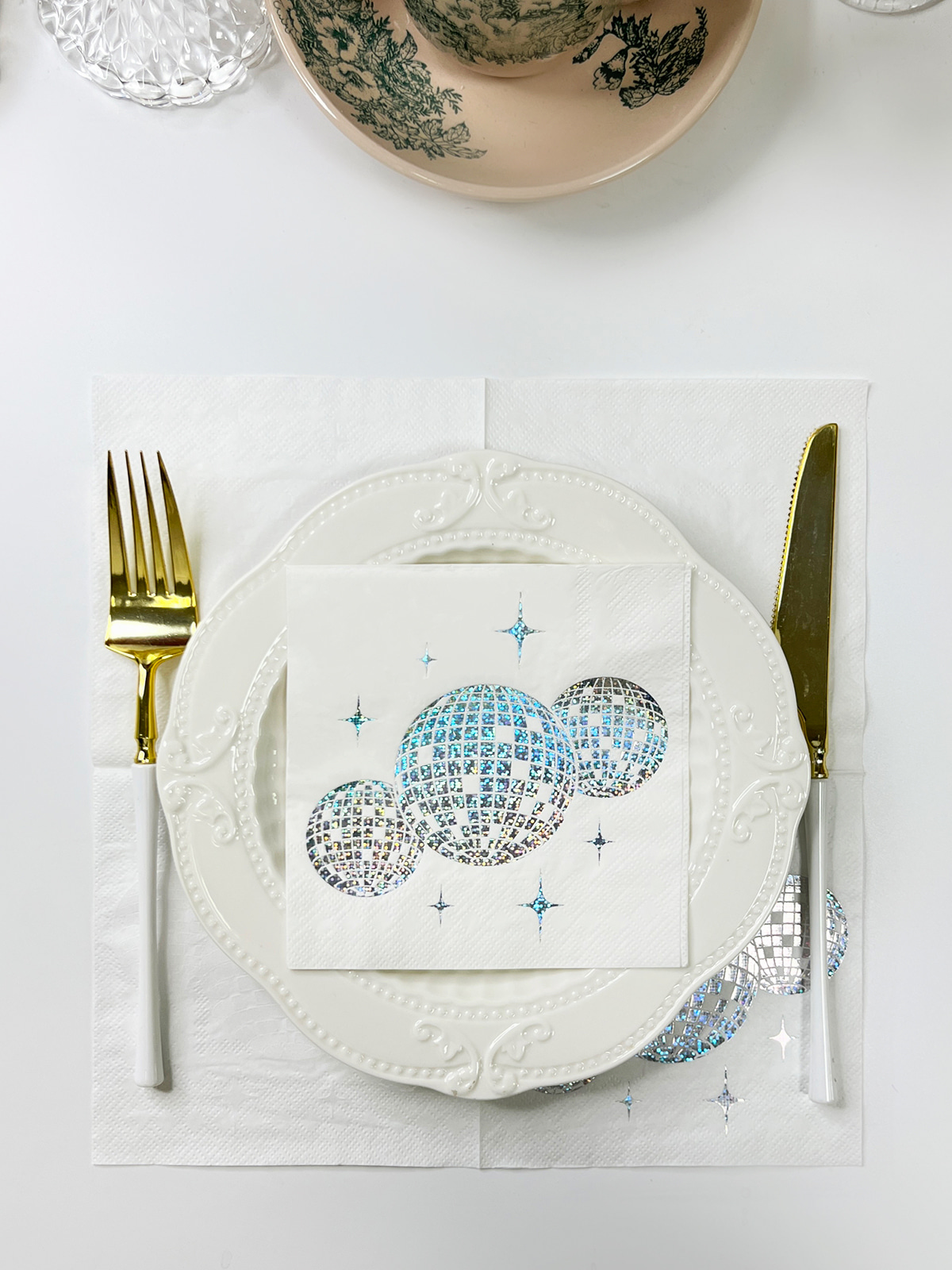
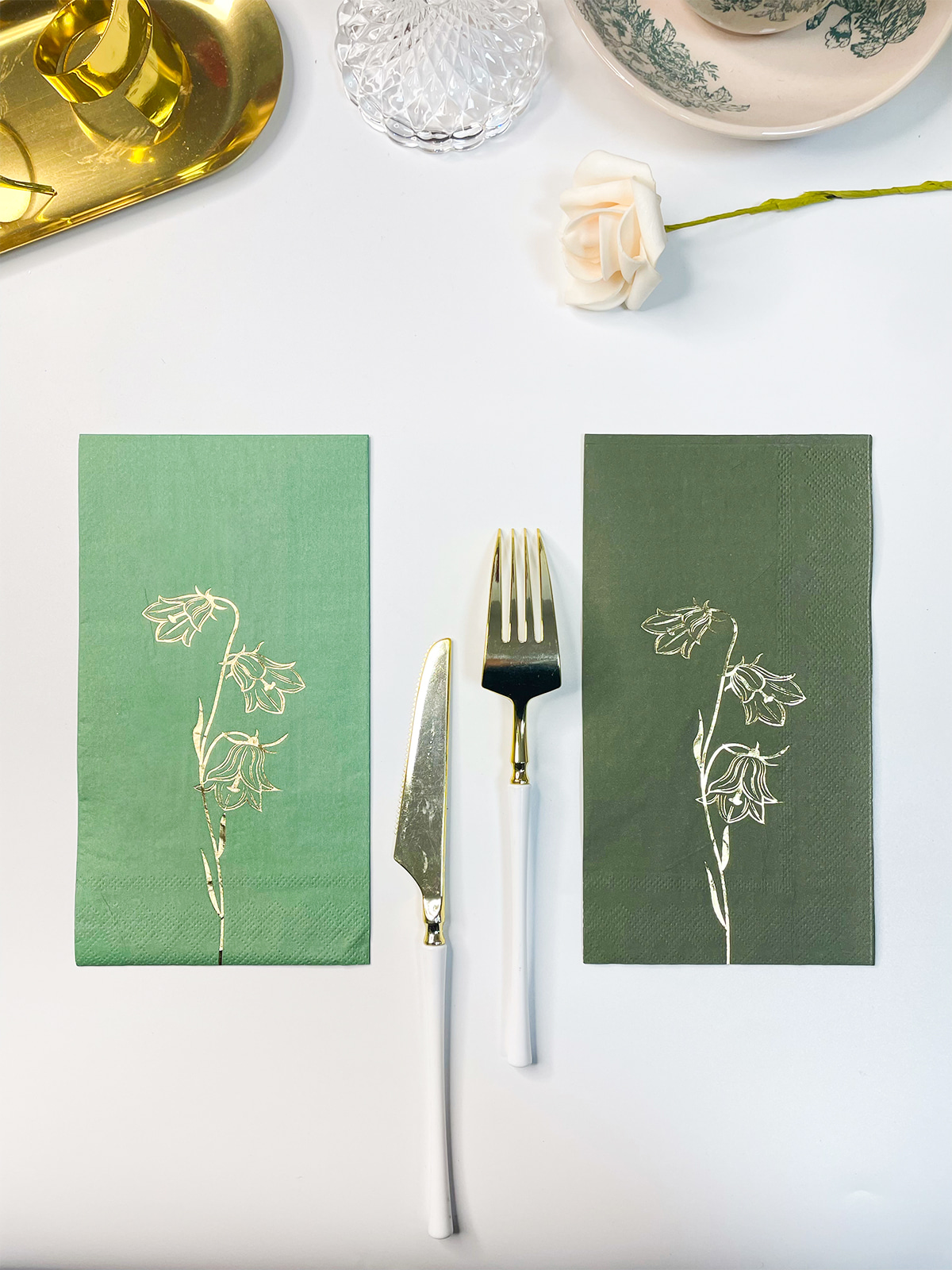
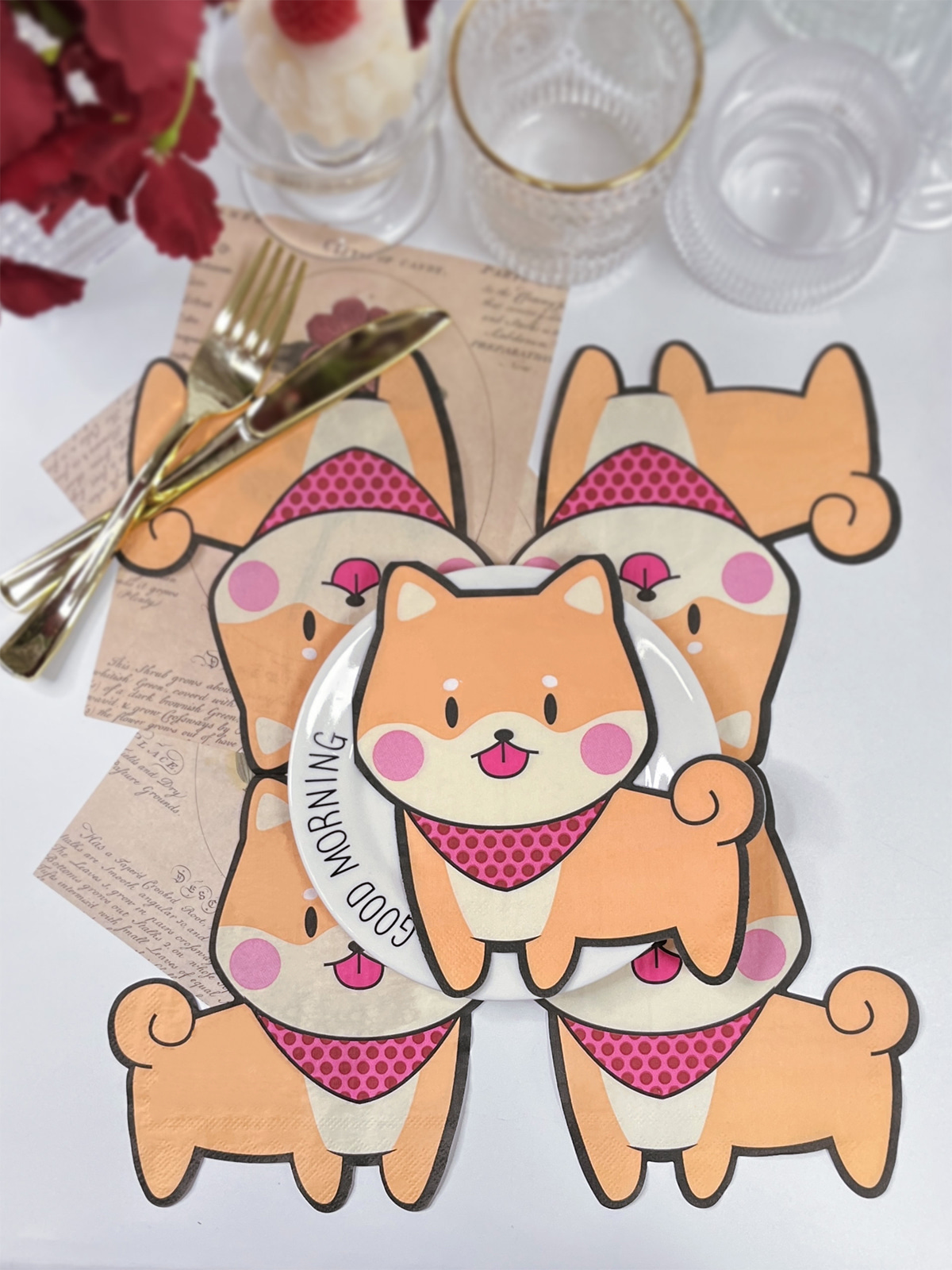
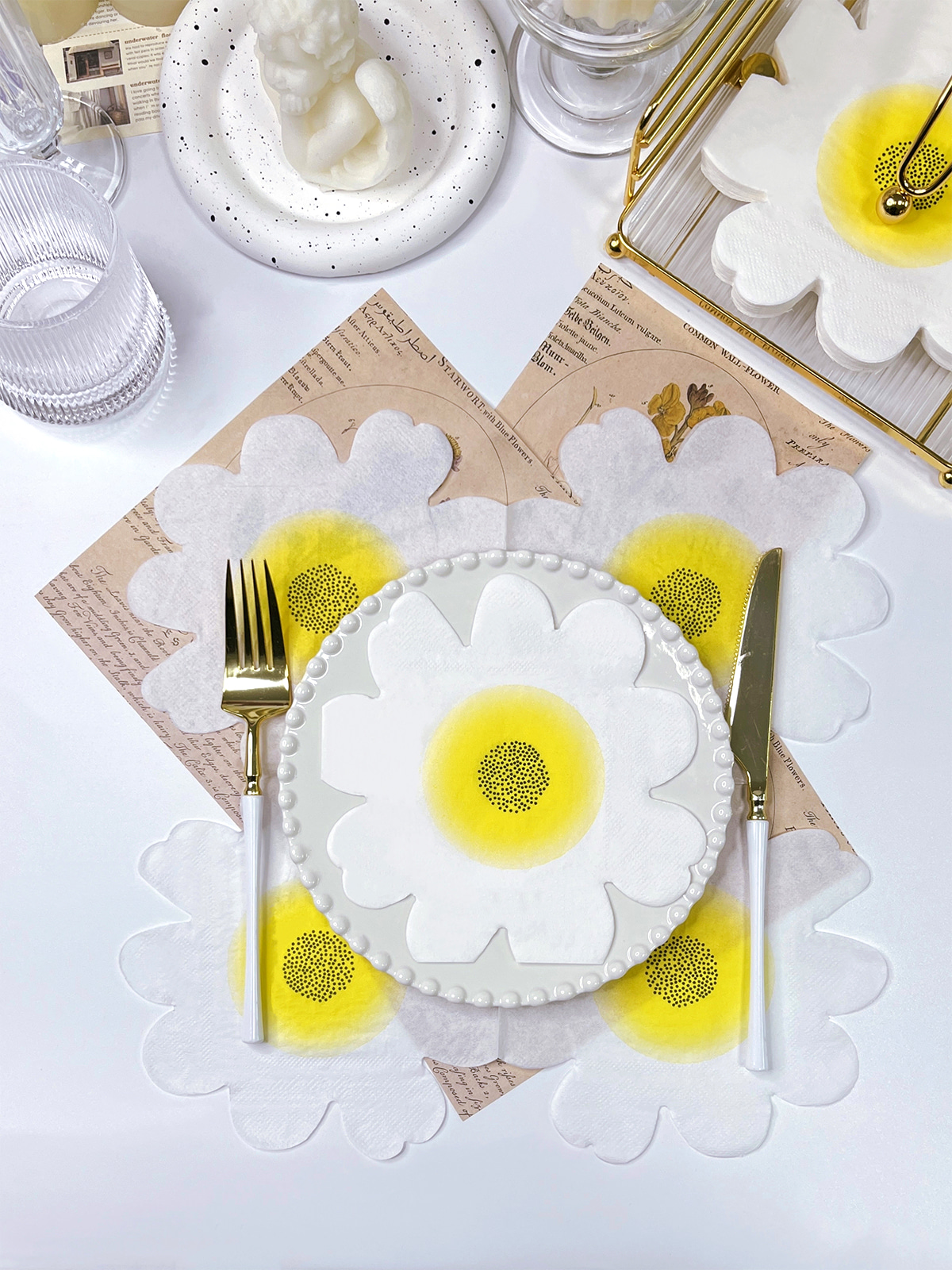
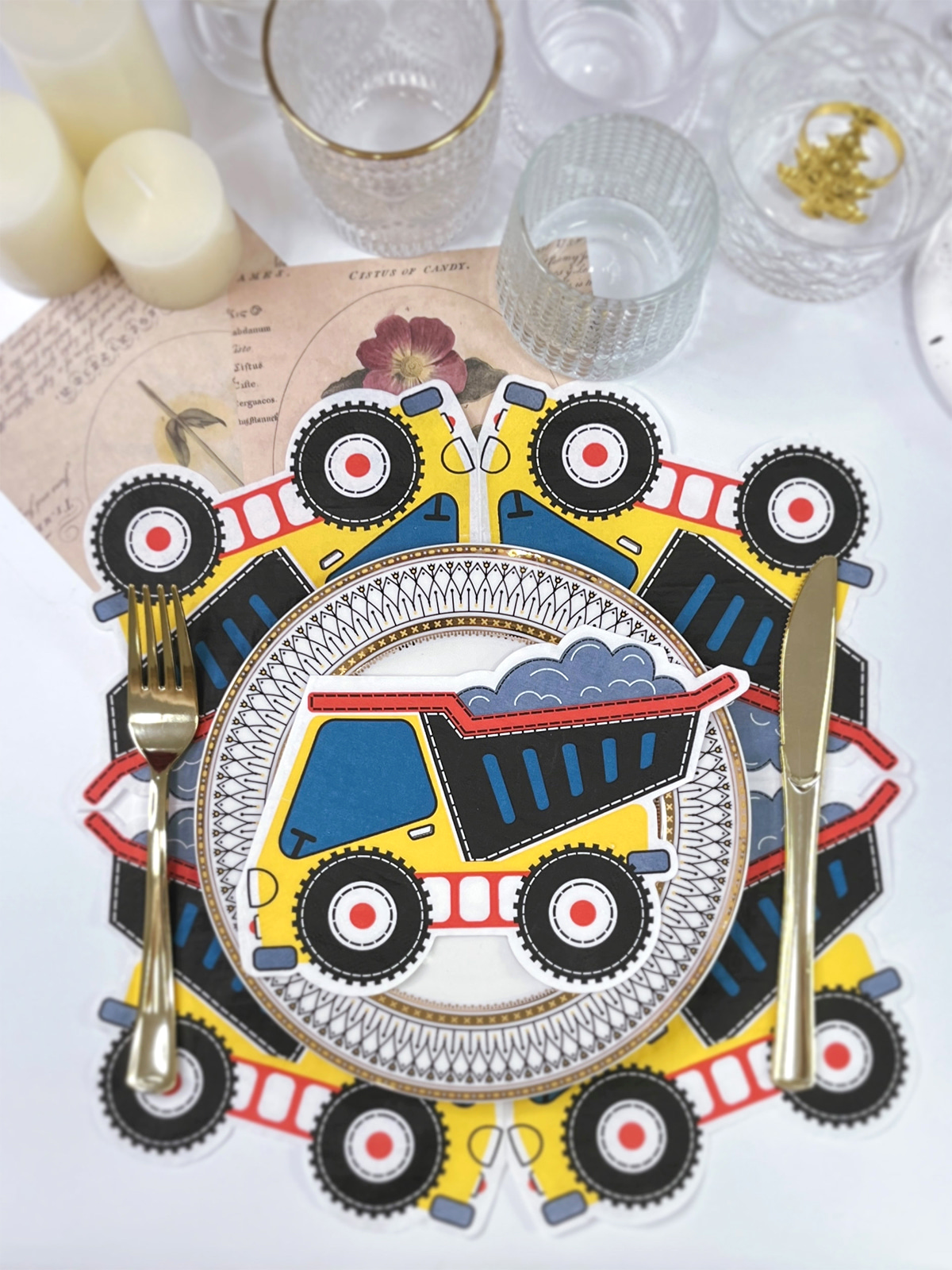
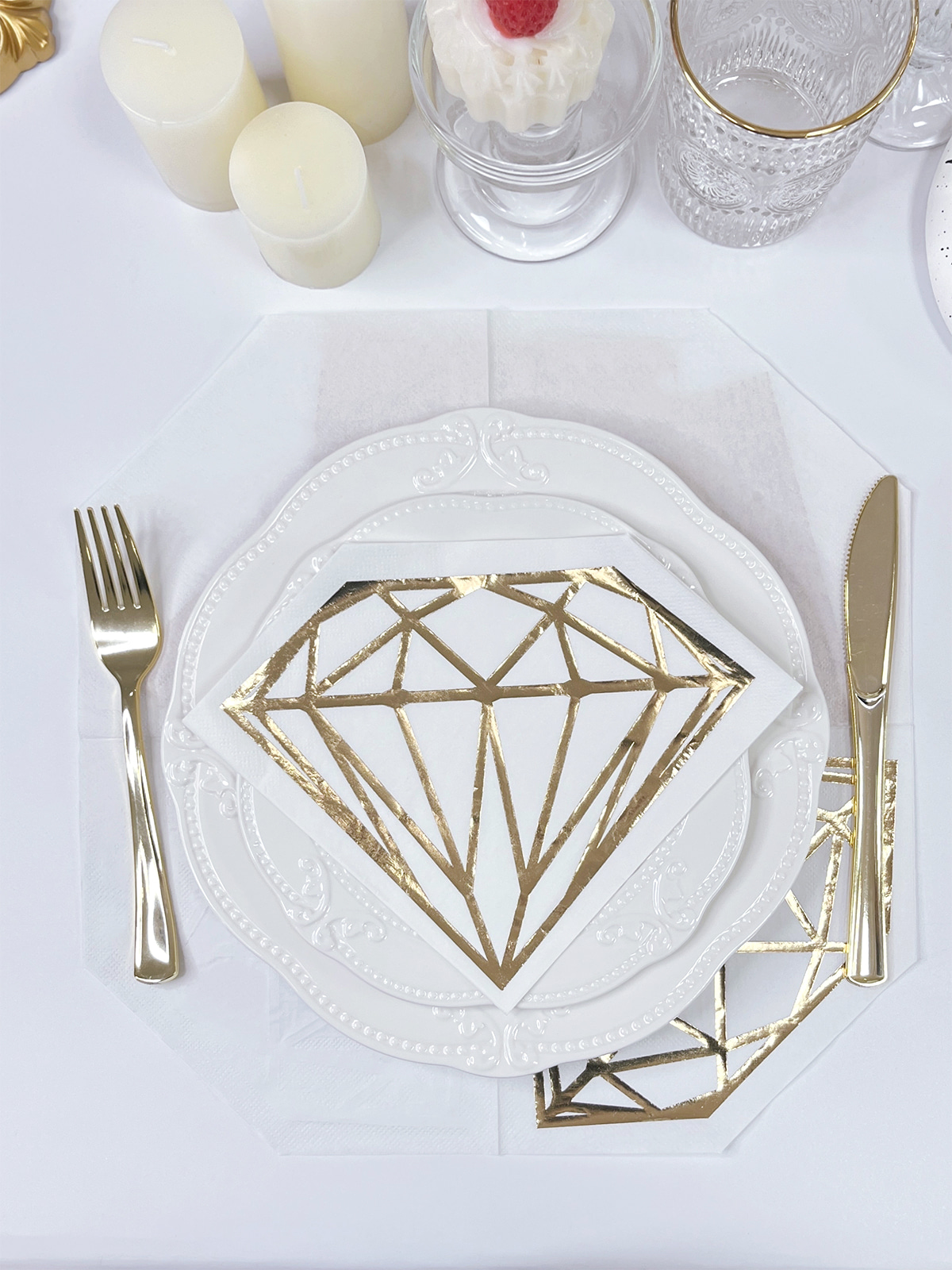
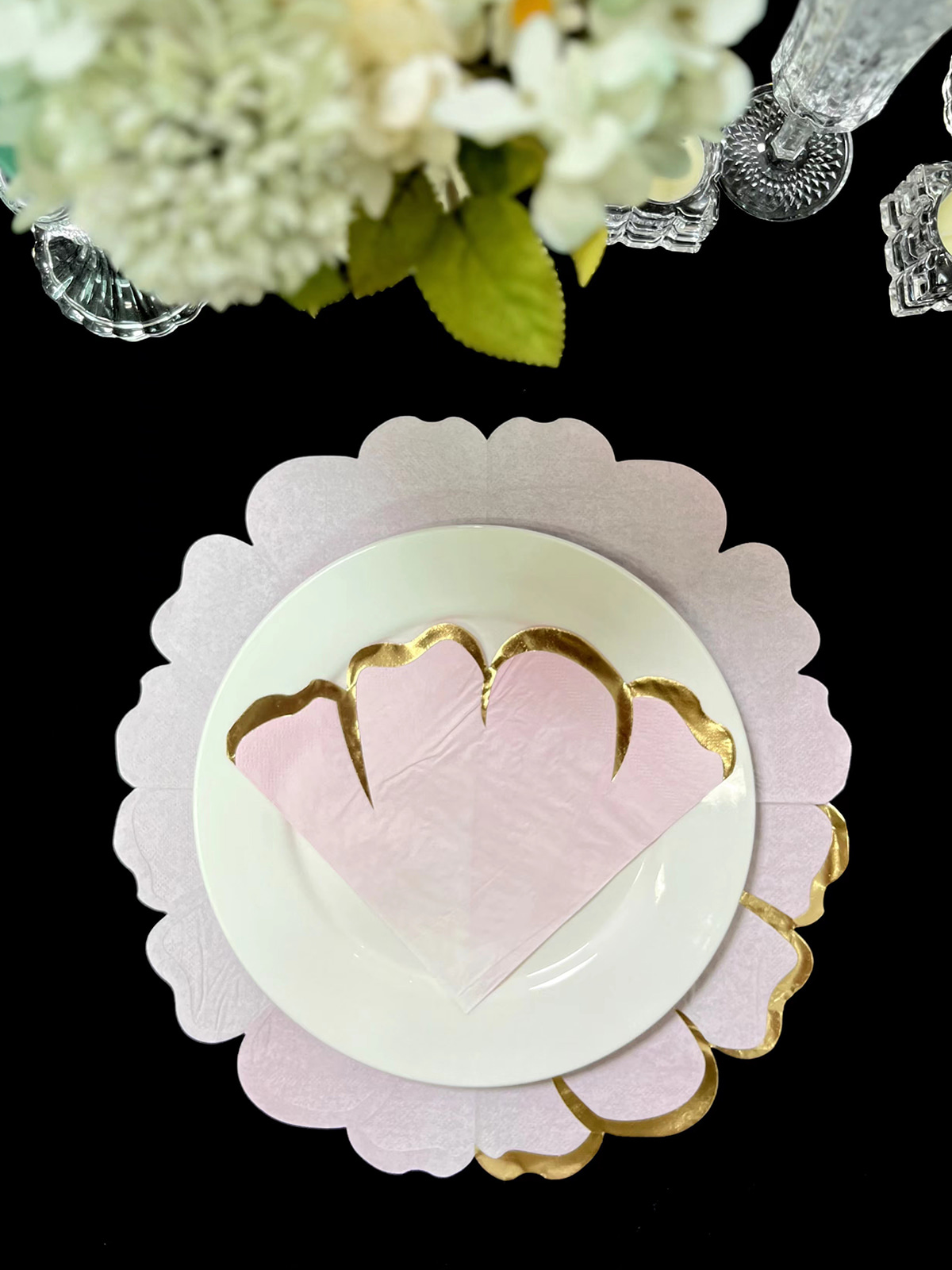
As gatherings of all sizes creep back into normal rhythms, small hosting decisions are taking on outsized importance. One subtle item getting fresh attention is the humble patterned napkin. This story examines how Party Printed Paper Napkins are being used by everyday hosts, why they’re finding a place at many tables, and the practical trade-offs to weigh before you stock up.
Content
Imagine a weekday dinner that turns into a last-minute game night. The table needs to look inviting, cleanup must be quick, and guests should feel comfortable. In that instant, a stack of printed disposable napkins can serve as a visual cue and a practical tool — adding color while cutting the host’s chores. That moment, repeated across kitchens and backyard patios, explains the rising use of decorative single-use napkins.
Offers a quick way to tie together a theme or color scheme.
Can be swapped easily for different occasions without extra storage demands.
Eliminates the need for laundering after casual events.
Keeps fresh napkins on hand for each guest.
The appeal of single-use printed napkins is not just about aesthetics. For many, it’s a pragmatic response to modern life: busier schedules, mixed guest groups, and a desire to simplify hosting. They provide a predictable, clean surface without the logistics that come with cloth service.
Single-use items reduce the chance of cross-contamination between uses.
They are particularly useful in situations where quick turnover is needed, such as community potlucks or schools.
Beyond napkin duty, patterned options frequently double as quick placemats, makeshift coasters, or a surface for serving small bites.
Their disposability makes them handy for outdoor events where washing facilities are limited.
Single-use products often trigger concerns about waste. That’s a reasonable consideration, and it’s one driving a shift in how people shop for disposable tableware. Instead of relying on assumptions about recyclability or biodegradability, a growing number of consumers look for clearer claims about materials and disposal paths.
Choose options that specify recycled content or responsible sourcing where available.
Favor products with straightforward end-of-life instructions to match local waste systems.
Match quantity to likely use to avoid surplus waste from bulk buying.
Printed napkins don’t replace cloth in every context, but they complement many hosting approaches. Families often use them for everyday meals and casual weekends, while hosts might reserve cloth for formal dinners. This dual approach lets households gain convenience without losing ritual for special occasions.
Weekday family dinners: quick, low-maintenance, and tidy.
Casual brunches and picnics: lightweight and portable for outdoor settings.
Themed parties: fast coordination of colors and motifs with minimal storage fuss.
| Consideration | Patterned disposable napkins | Reusable cloth napkins |
|---|---|---|
| Ease of use | Immediate, no cleanup required | Requires laundering and storage |
| Sanitary convenience | Fresh every use | Dependent on washing frequency |
| Decorative variety | Wide range of designs readily available | Limited by existing inventory and care |
| Environmental profile | Depends on material and disposal | Lower per-use impact if washed efficiently |
| Ideal situations | Informal events, outdoor gatherings, quick meals | Formal dinners, traditions, long-term decor planning |
This comparison is meant to clarify trade-offs rather than declare a single correct option. Practical needs and values will tilt the decision for each household.
Selecting designs is partly a matter of taste and partly logistics. Neutral prints cover many occasions, while themed designs shine at specific events. Equally important is buying amounts that reflect actual use — too many extras good to avoidable waste, while too few mean last-minute runs to the store.
Match patterns to the event tone you host good often.
Keep a mix: a few neutral designs plus a couple of themed options.
Store a small pack in a travel bag for impromptu gatherings away from home.
While disposable napkins remove laundering costs from the equation, they add a recurring purchase. Smart buyers balance frequency of use with budget by buying moderate quantities, choosing multi-purpose patterns, and rotating inventory to avoid obsolete themed designs becoming clutter.
Track how quickly you go through a pack to inform future purchases.
Buy seasonal patterns only in quantities you can reasonably use that season.
People who host regularly describe a mental shift: printed disposables become part of a flexible hosting toolkit rather than a replacement for all table linens. They are embraced for particular occasions where convenience, hygiene, and visual impact align.
“They’re what I reach for when I want the table to look planned but not precious.”
“For picnics and kids’ parties, the convenience is worth it.”
Party Printed Paper Napkins can be a strategic choice — not always the only one — in a host’s repertoire. They offer a blend of convenience, decorative flexibility, and situational hygiene that suits many modern lifestyles. Used thoughtfully, they complement rather than supplant traditional linens: pick them for casual, fast-moving gatherings and keep cloth for moments when texture and ceremony matter more. If you’d like to explore patterns and learn about material options, visit papernapkinfactory for additional ideas and guidance.
Related Products
Shopping for a reliable source of napkins?
Established in 2007 and located in Zhuji City, Zhejiang Province, Zhuji Furong Paper Products Co., Ltd. is a professional manufacturer of color-printed napkins. Enhance Your Event With Custom Printed Napkins.
Telephone
+86-15325932613
Address
Jianglong Industrial Park, Jiyang Street, Zhuji City, Shaoxing, Zhejiang, China.
Contact Us
Products
Contact Us
+86-15325932613
+86-575-87765556
+86-575-87765559
Jianglong Industrial Park, Jiyang Street, Zhuji City, Shaoxing, Zhejiang, China.
Party Printed Paper Napkins Manufacturer Customized Napkins And Paper Towels Factory
Copyright © by Zhuji Furong Paper Products Co., Ltd. Rights Reserved.

 English
 中文简体
中文简体