2026-02-09
Hosts, caterers, and venue operators are rethinking everyday disposables as small levers that can improve service flow, guest experience, and environmental outcomes. Among these items, printed paper napkins are receiving renewed attention: they offer visual cohesion and practical use at events where fast turnover, easy cleanup, and clear stationing matter. Reporters speaking with planners, designers, and waste coordinators found that a considered choice of napkin can help simplify logistics while still supporting a tasteful table.
Content
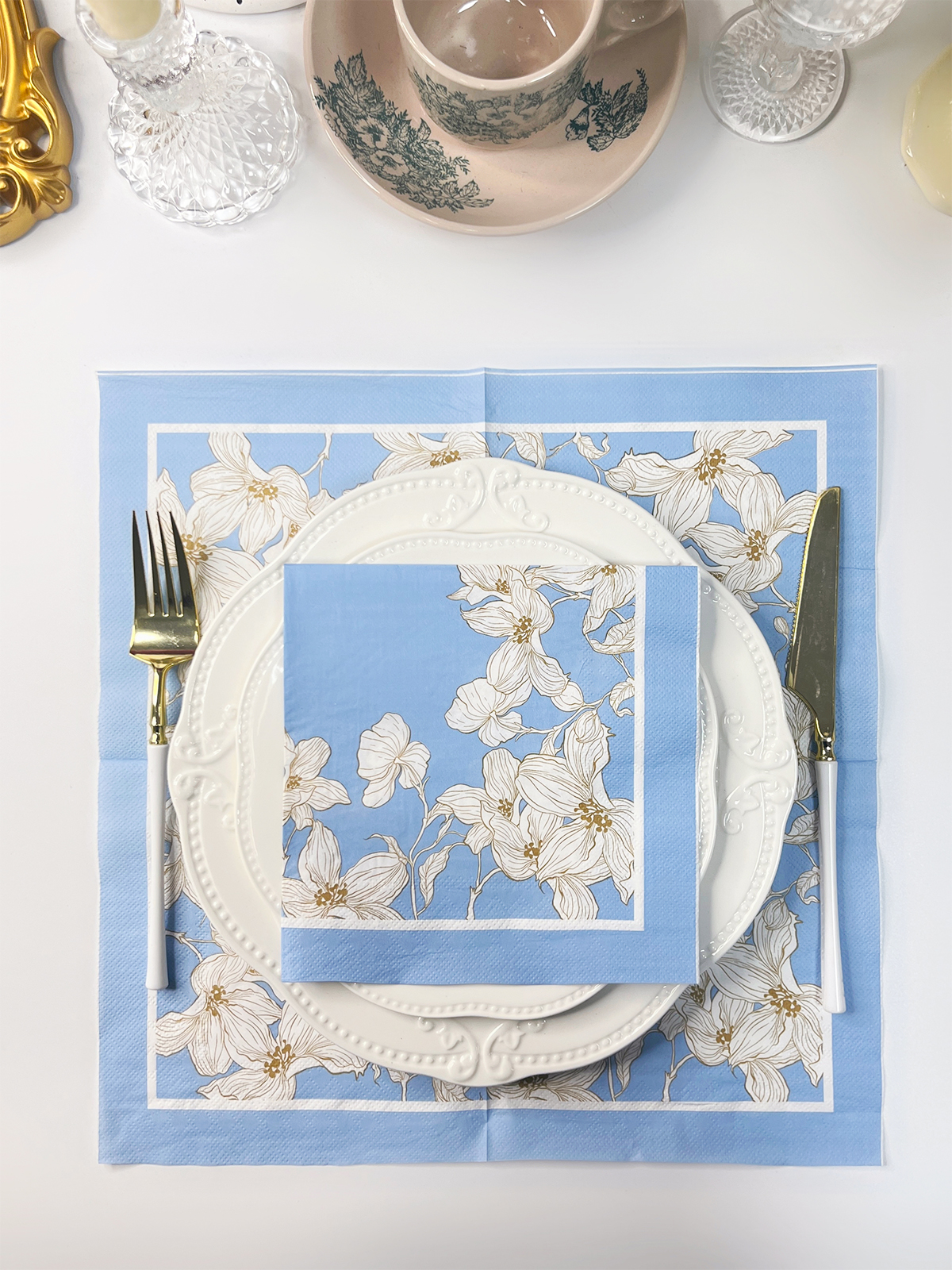
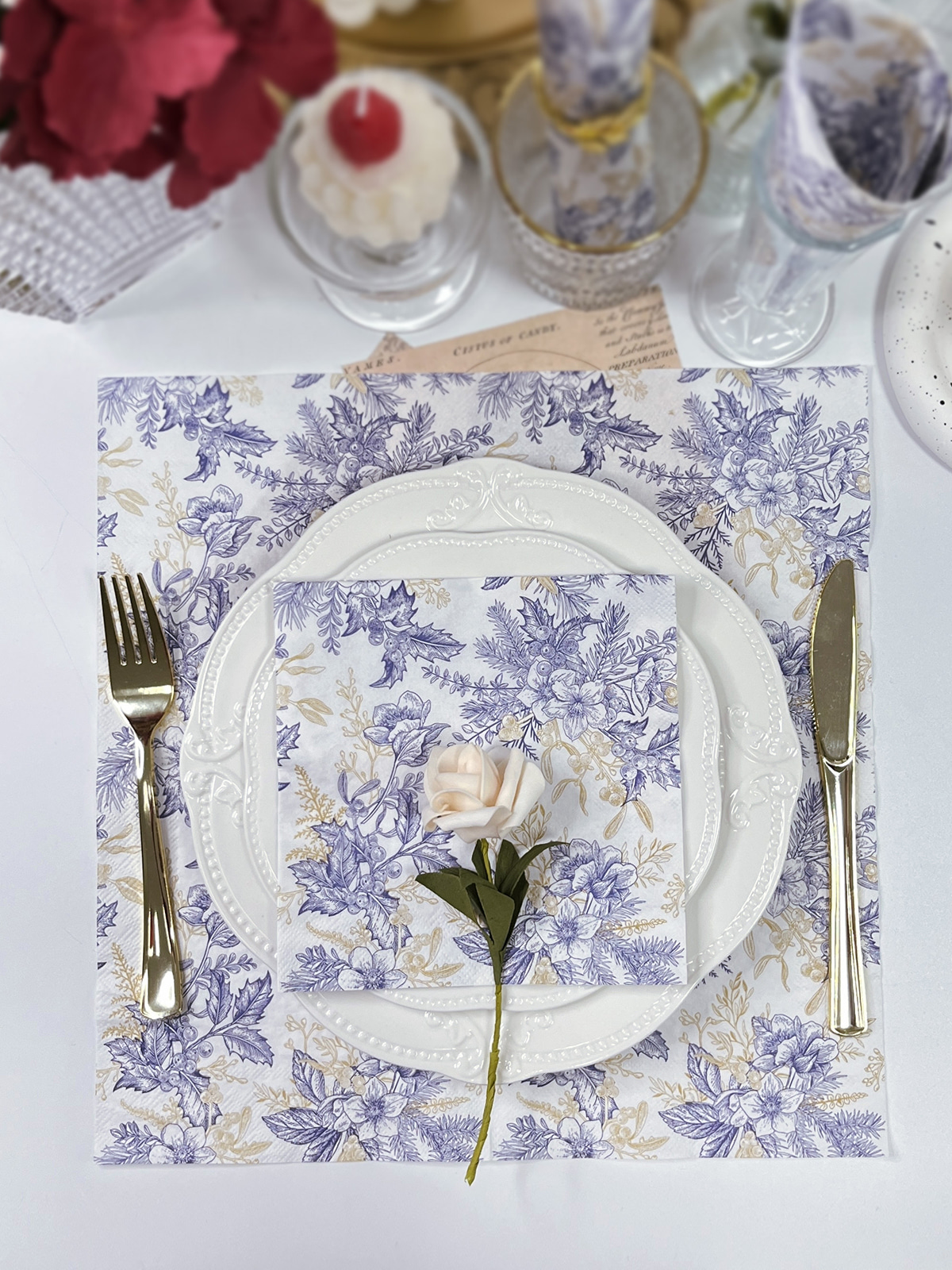
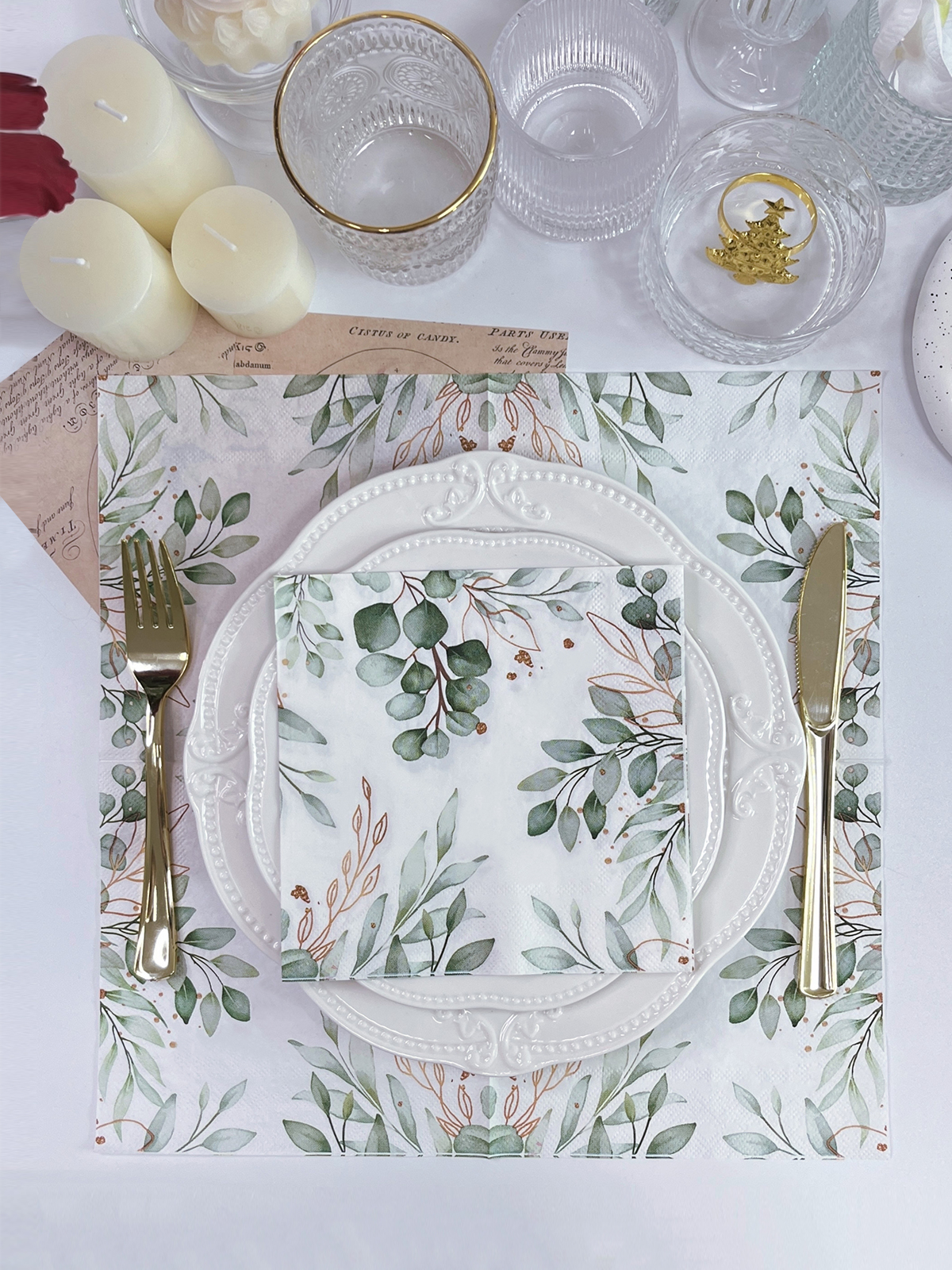
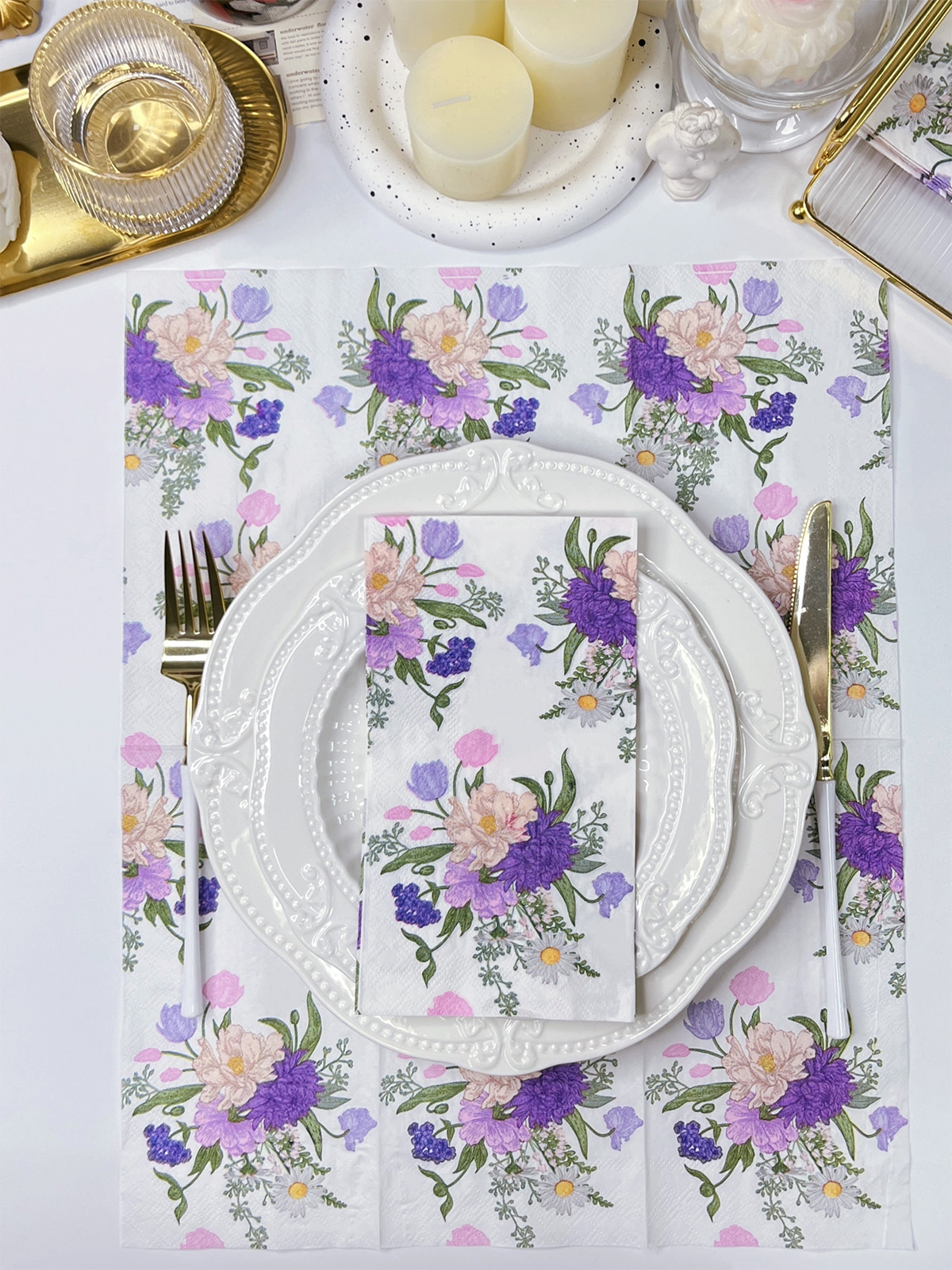
Napkins have long been a low-profile element of hospitality. Lately, however, they are being used strategically. Instead of seeing them solely as a cleanup tool, planners are using printed napkins to signal zones, reinforce a theme, and reduce staff handling. The effect is subtle but measurable: fewer hands on linens, faster table changeovers, and an immediately recognizable visual thread that ties a space together.
Why the change matters
Not all printed napkins perform the same way; their behavior depends on how they are made and finished. Material choice, surface treatment, and printing approach all influence absorbency, softness, and how well a design holds up under use. Planners with an eye on sustainability say that moderate ink coverage and responsibly sourced fiber make it easier to handle disposal in venues that offer composting or recycling.
Production points to consider
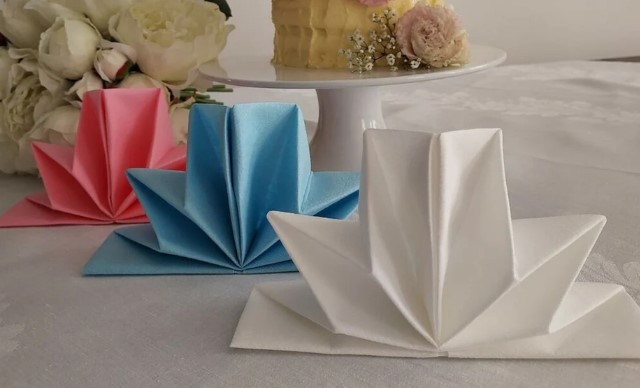
Planners identified several settings where printed napkins reliably help:
| Event situation | Napkin attribute to prioritize | Why it works |
|---|---|---|
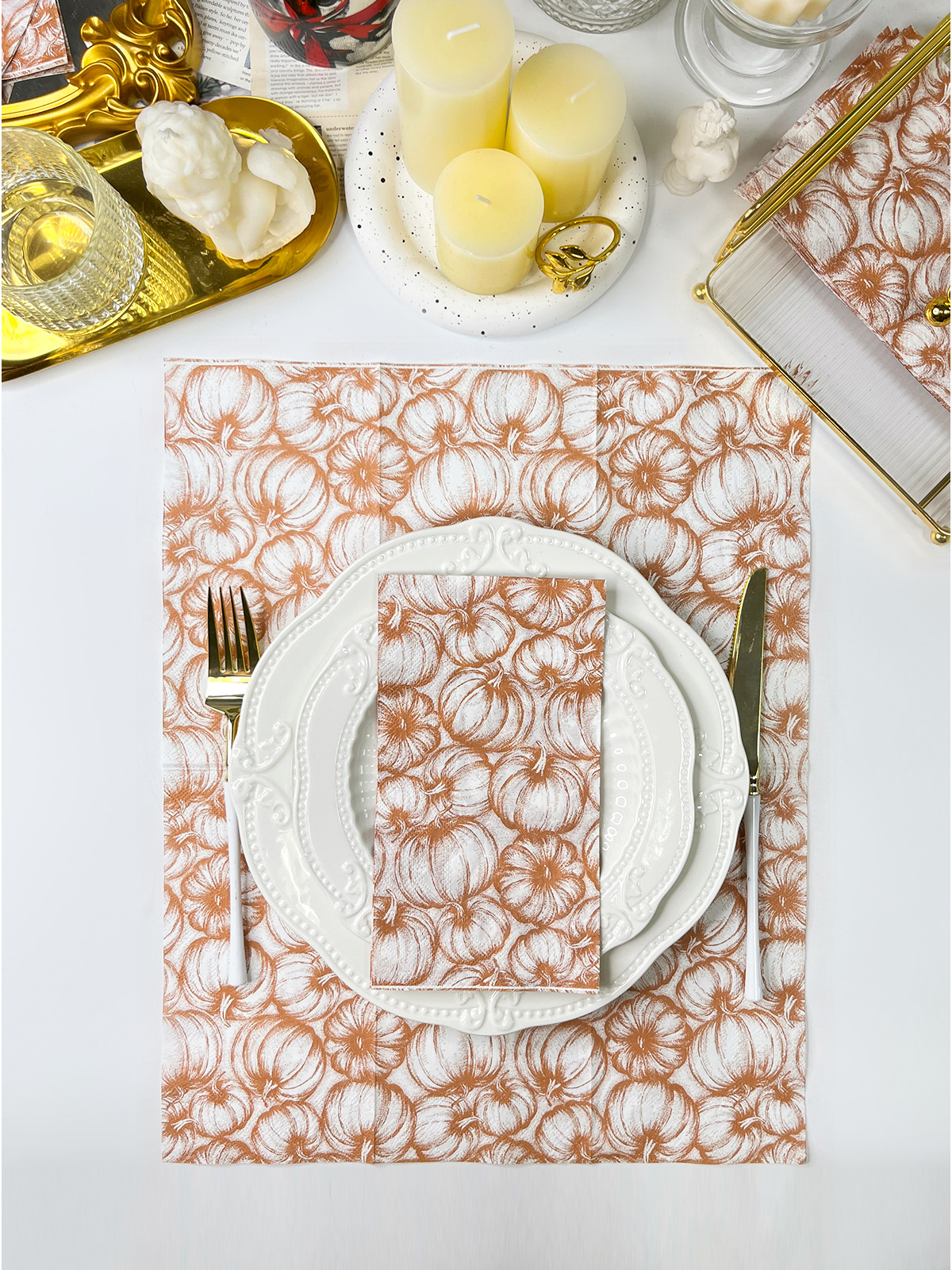
| Fast turnaround receptions | Light, neatly folded printed napkins | Speeds setup and replacement; looks coordinated |
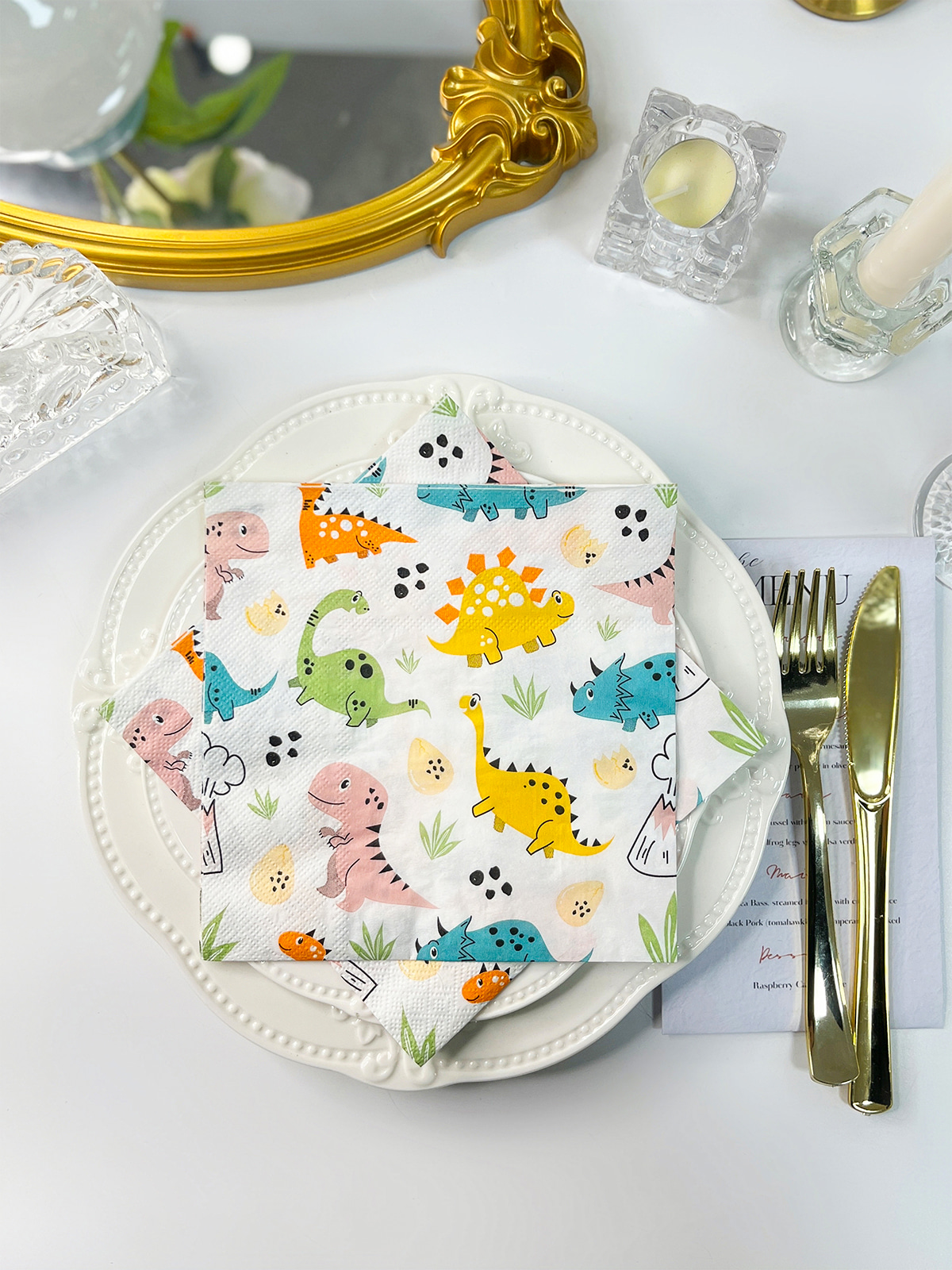
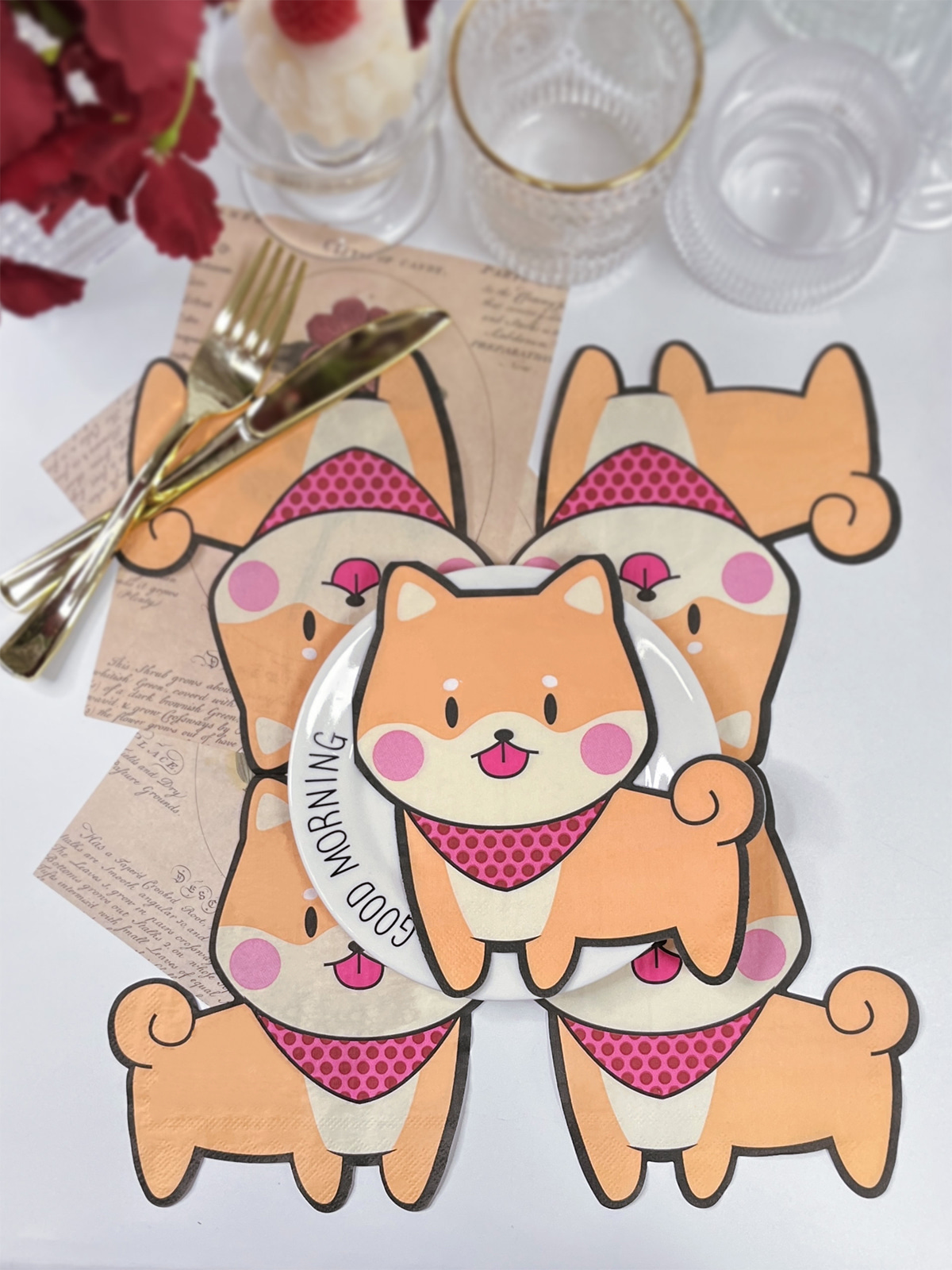
| Kid-friendly parties | Low-ink, soft-feel napkins | Gentler on skin and reduces visible ink transfer |
| Outdoor food service | Easy-dispose, absorbent napkins | Keeps cleanup quick and lowers staff contact points |
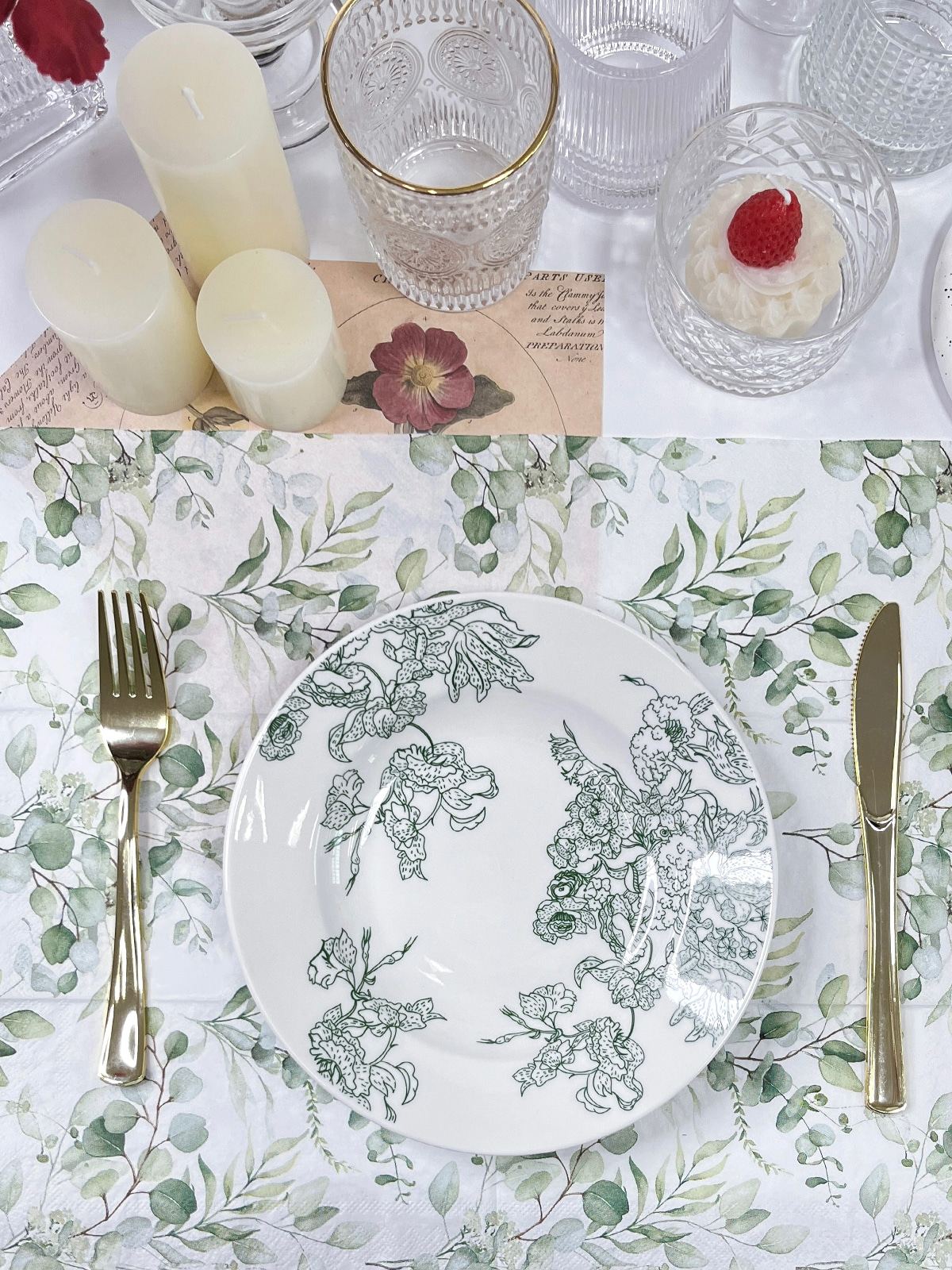
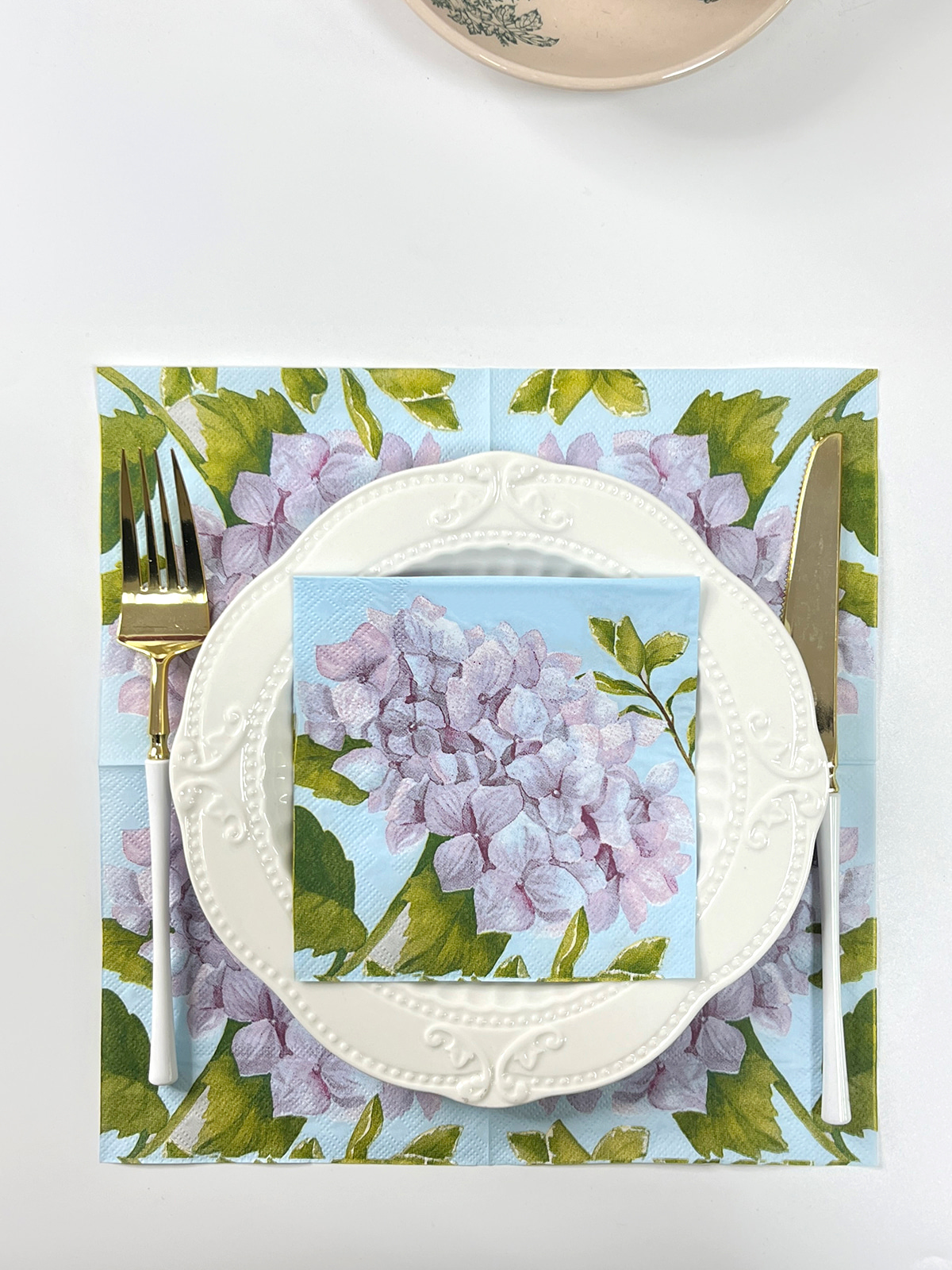
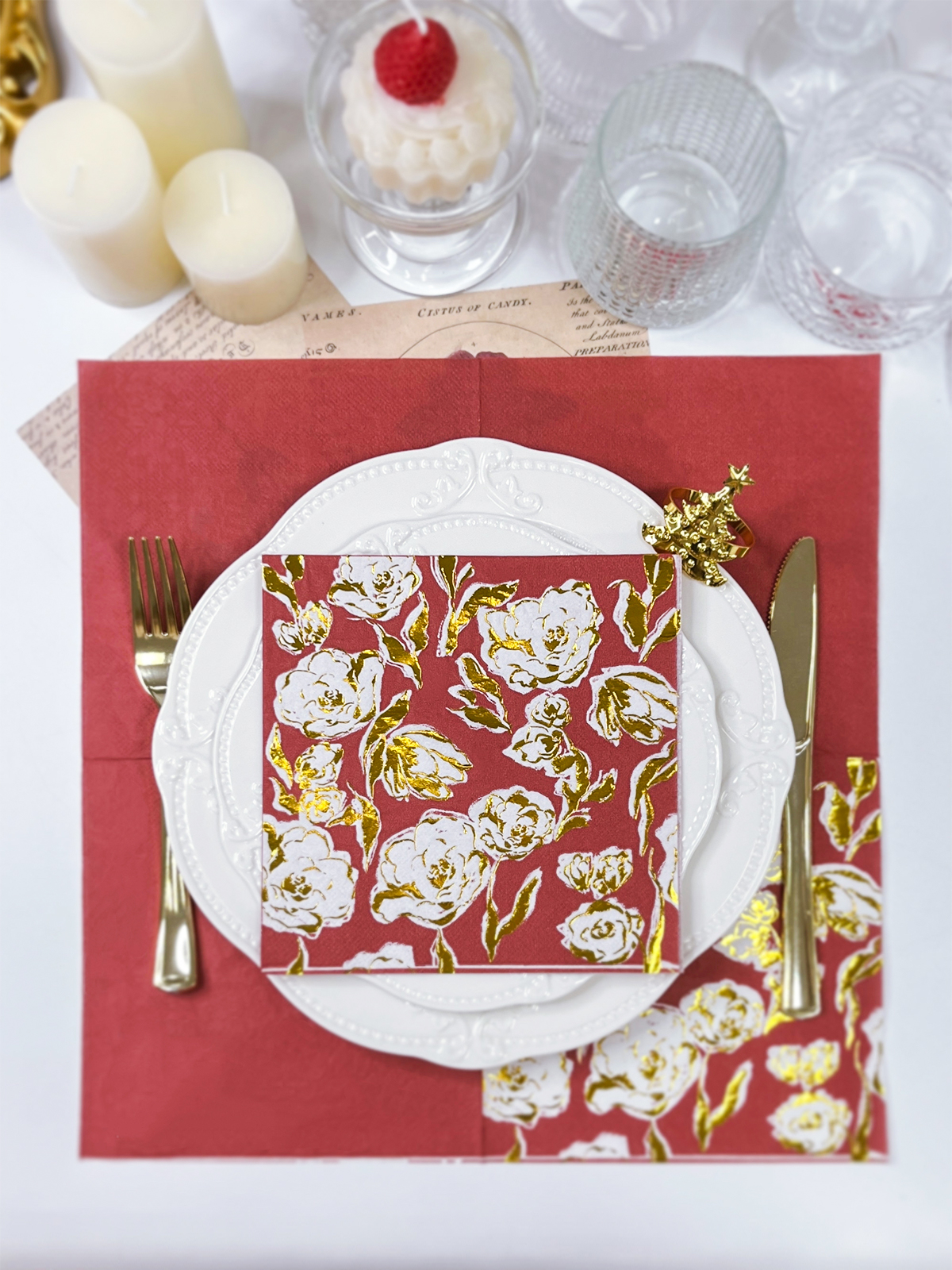
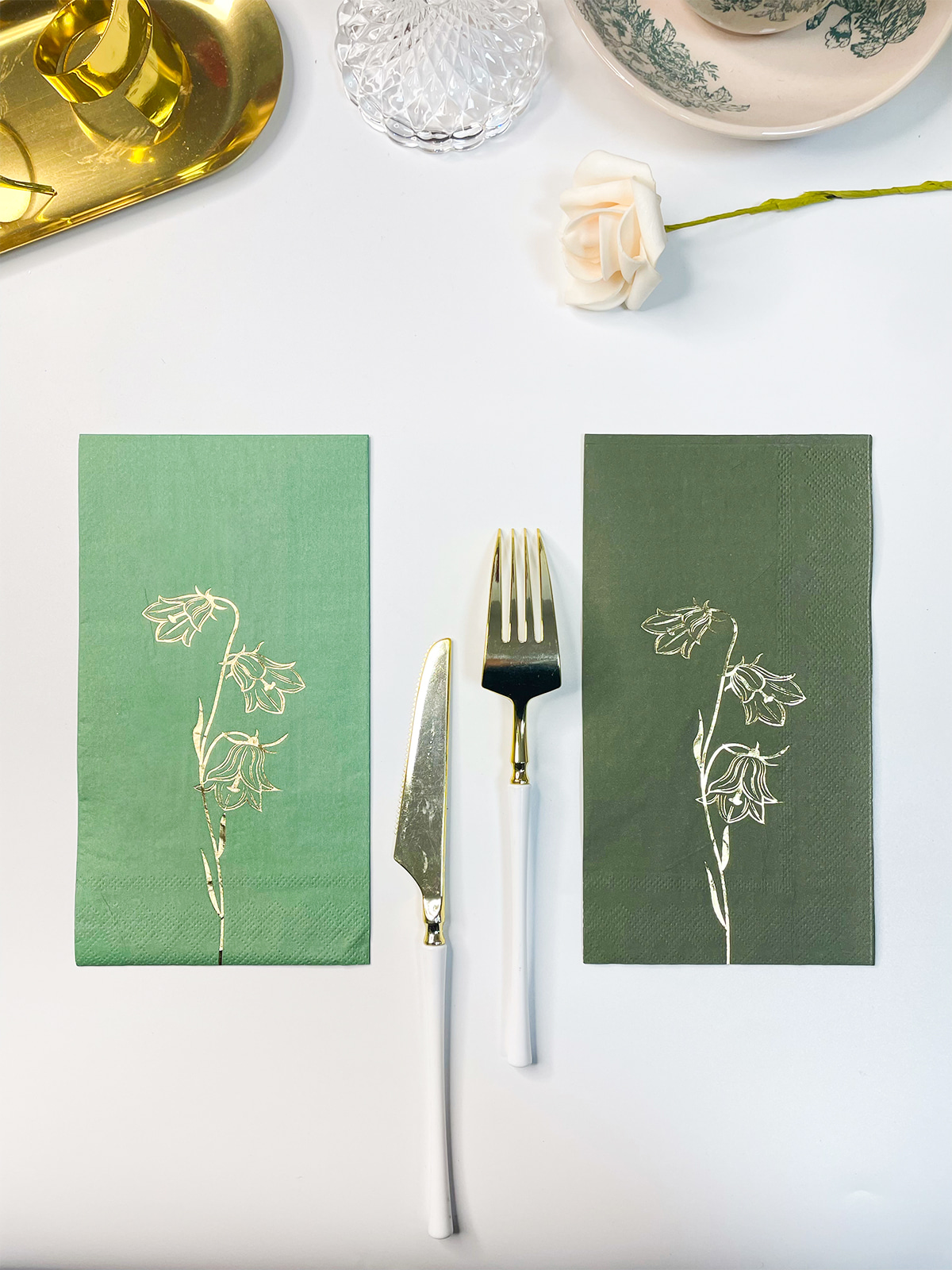
| Styled sit-down meals | Coordinated prints with subtle palettes | Adds cohesion without bulky linens |
Using printed napkins well is as much about placement as it is about selection. Simple staging choices reduce cross-contact and keep supplies accessible.
These small moves help staff anticipate needs and avoid unnecessary movement during service windows.
When children are present, hosts often look for napkins that balance playful design with safe materials and gentle finishes. Prints that are colorful but not heavily saturated tend to behave better under repeated handling. Hosts report fewer issues when they place thicker sheets near messy activities and use smaller sizes for handheld snacks.
Kid-oriented checklist
Sustainability is a frequent topic among planners. While reusable linens have a clear life-cycle advantage in many cases, disposable printed napkins can be the lower-impact option for certain scenarios — for example, short pop-ups or events where laundering would require long-distance transport. The key is matching the product to the venue’s disposal pathways.
Practical green practices
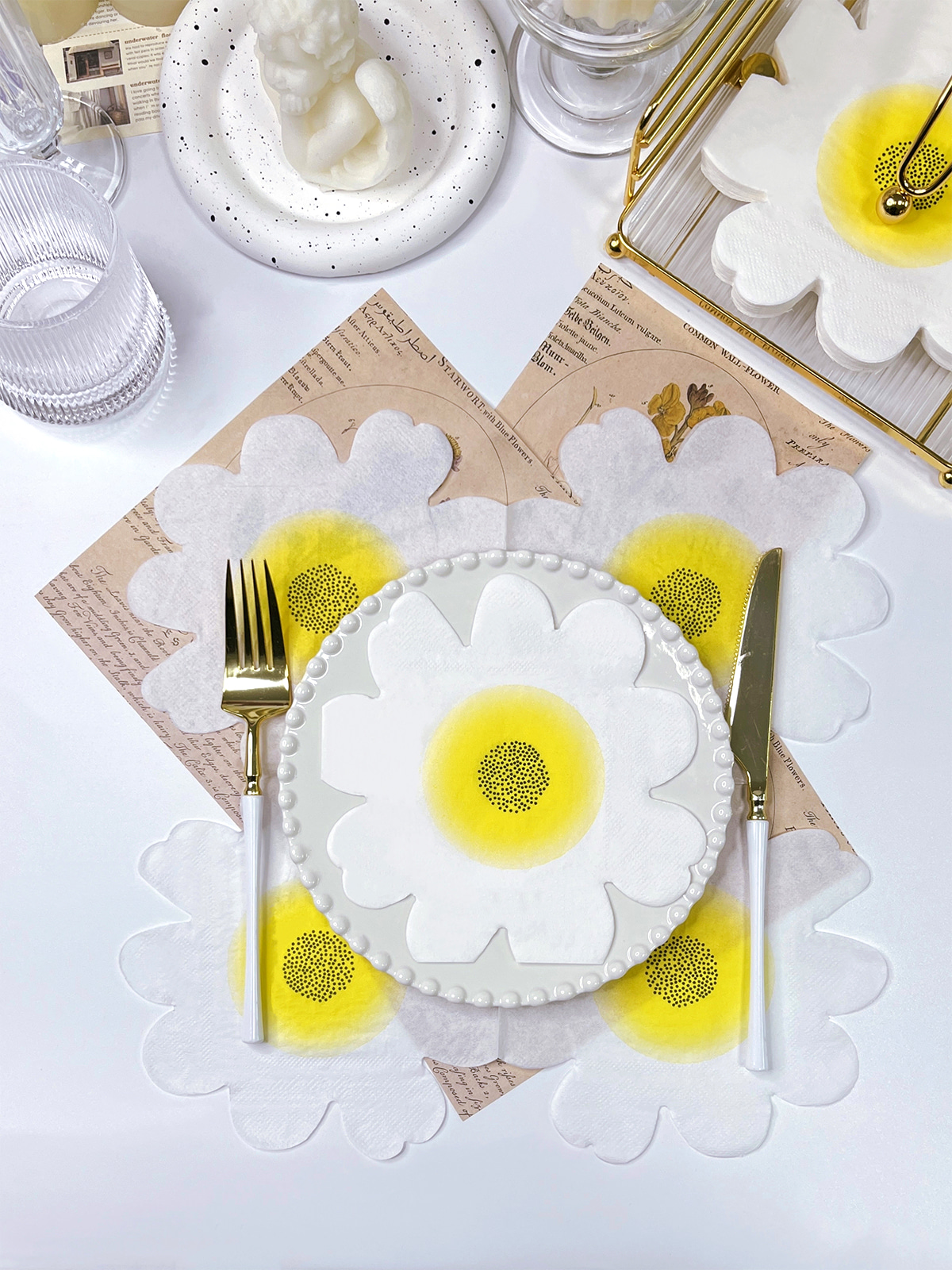
Designers are adopting prints that do more than decorate. Multifunctional motifs — such as patterns that double as a simple program layout or a place marker — reduce the need for separate printed materials. Limited palettes and single-motif repeats create a refined look that stacks neatly and simplifies presentation.
Low-effort design tips
Caterers and venue staff often praise printed napkins when they reduce back-of-house friction. A predictable stack that resists tearing and presents a unified color makes setup faster and keeps service running smoothly. At the same time, staff caution that untested materials can cause problems — heavy inks that transfer under damp conditions or weak sheets that shred can create extra work.
A brief, practical trial prevents surprises. Simulate real conditions by testing napkins with a range of common spills and handling scenarios to evaluate ink stability, absorbency, and tearing. Observe how they fold and stack during a mock setup so staff learn the fastest presentation technique.
Pilot checklist
Minor choices can shape guest perception and operational efficiency. Thoughtfully selected printed napkins offer a simple tool for hosts who need speed, clarity, and a coordinated visual touch. When production choices, placement, and disposal are considered together, printed napkins can help events run cleaner and smoother. For pattern ideas and practical examples that work across event types, explore papernapkinfactory.
Related Products
Shopping for a reliable source of napkins?
Established in 2007 and located in Zhuji City, Zhejiang Province, Zhuji Furong Paper Products Co., Ltd. is a professional manufacturer of color-printed napkins. Enhance Your Event With Custom Printed Napkins.
Telephone
+86-15325932613
Address
Jianglong Industrial Park, Jiyang Street, Zhuji City, Shaoxing, Zhejiang, China.
Contact Us
Products
Contact Us
+86-15325932613
+86-575-87765556
+86-575-87765559
Jianglong Industrial Park, Jiyang Street, Zhuji City, Shaoxing, Zhejiang, China.
Party Printed Paper Napkins Manufacturer Customized Napkins And Paper Towels Factory
Copyright © by Zhuji Furong Paper Products Co., Ltd. Rights Reserved.

 English
 中文简体
中文简体