 English
 中文简体
A gathering asks a host to settle many small things: what to cook, where people sit, and what sits within arm's reach of every plate. Napkins rarely make the list until the supply runs short halfway through dinner. By then, guests are already holding greasy fingers over the table.
3 Ply Paper Napkins suit family dinners, birthday parties, and backyard barbecues alike. The quantity depends on who is coming, what is served, how long people stay, and how the food is set out. A quiet afternoon with tea needs far fewer than a long barbecue with sauces, side dishes, and cake.
Content
Why Does Napkin Planning Matter?
How Do Guests Use Napkins During an Event?
Guests wipe their mouths, clean their fingers, and soak up small drips. Many grab a fresh one after switching dishes or walking from the dining table to the snack counter.
Habits differ. Someone eating a plain sandwich barely touches the stack, while a person working through ribs or a loaded burger may need several. Children change napkins often, especially around finger foods and sticky sweets.
What Does Early Preparation Change?
Keep a stack near the food, place a napkin at each seat, and store a spare pack in a clean cupboard. Guests can help themselves, allowing the host to stay at the grill without searching through drawers.
Unused napkins belong in their packaging or a clean holder. Open drinks, sauce bowls, and greasy hands are all easy ways to spoil a stack before anyone has used it.
How Do Guests, Menu, and Time Shape the Quantity?
How Should You Use the Guest Count?
Headcount gives a starting point. From there, adjust for the food and the pace of the event. A family dinner works with one napkin at each plate and a few extras nearby. A bigger crowd moves around more, so several small stacks spread through the space work better than one large pile.
Think in stages too: arrival snacks, the main meal, dessert, then drinks. Each stage can bring a new round of wiping, especially when guests drift between stations.
| Guest Situation | What to Consider | Preparation Approach |
| Small family meal | Familiar habits, one shared table | Napkins at each setting, small reserve nearby |
| Friends dropping in | Guests return for snacks and drinks | Central holder with extra supplies |
| Large group | Several serving areas in use | Stacks spread across reachable spots |
| Children present | Spills and sticky fingers | Extra napkins within easy reach |
A modest reserve covers the surprises, so there is no need to predict every guest.
How Does the Menu Change the Count?
Crackers and pastries leave little behind. Sauced, glazed, or oily dishes need repeated wiping, and a spread of finger foods sends hands through many plates.
Layered paper does not guarantee that one napkin handles every spill. Ribs, wings, and glazed skewers leave sticky hands, so keep one stack beside the grill and another at the seats. Burgers drip condiments, pizza leaves oil and cheese, and shared fries add grease on top.
Dessert needs its own supply. Frosting, chocolate, and fruit juice stick to fingers long after the main course is cleared, and a fresh stack by the cake saves a trip back to the dinner table.
| Menu Type | Likely Napkin Use | Useful Preparation |
| Dry snacks | Crumbs and light wiping | Small stack by the snack area |
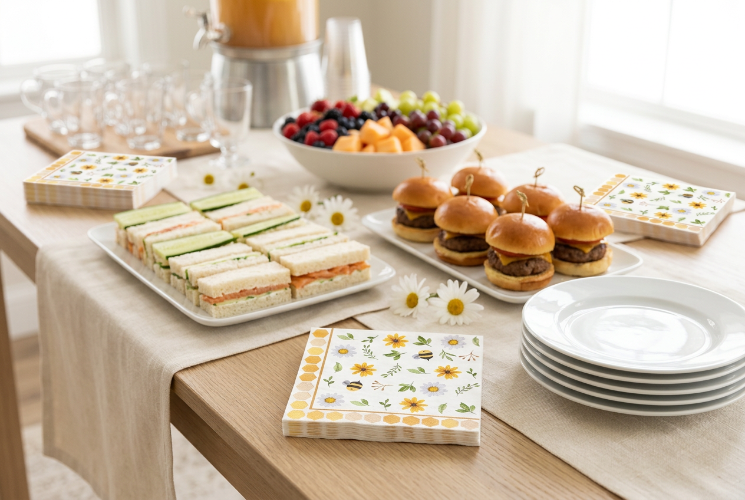
| Burgers and sandwiches | Condiments and greasy fingers | Napkins near plates and trays |
| Barbecue and saucy dishes | Sticky residue, repeated wiping | Supplies at food and seating areas |
| Pizza | Oil and melted cheese | Napkins around the dining table |
| Desserts | Sticky fingers and small drips | Fresh stack near the dessert station |
With a mixed menu, plan around the messiest dish. Piles on every surface are unnecessary. A clean napkin just needs to sit close to wherever the mess happens.
Does the Length of the Event Matter?
A long afternoon stretches across snacks, a meal, dessert, and drinks. Guests wander off, return for another glass, and settle in a new spot. A damp or greasy napkin gets replaced quickly.
Give the dining table, drink station, and dessert corner a small stack each, and a shortage shows up early. Keep part of the supply covered indoors instead of setting it all out at once. Wind, damp air, and splashes ruin exposed paper.
How Do Event Format and Reserves Work in Practice?
Where Should Napkins Go for Each Format?
At a seated dinner, napkins sit beside plates with a shared reserve close by. At a buffet or standing reception, they belong near the food and around the seating, so nobody reaches over serving dishes with a full plate.
| Event Format | Napkin Placement | Planning Consideration |
| Seated dinner | Beside plates or in a table holder | Individual napkins plus a shared reserve |
| Buffet | Near serving stations and seating | Reachable without blocking the food |
| Backyard barbecue | Grill-side area and tables | Shield from wind and splashes |
| Birthday party | Near snacks, cake, and play areas | Allow for sticky foods and movement |
| Picnic | Covered container near the food | Keep dry and within reach |
Outdoors, a covered holder protects the supply, and a waste bin nearby keeps used napkins off chairs and picnic blankets. At a children's party, snacks travel to the garden or the living room floor, so a clean stack near the play area stops small spills from spreading.
How Do You Keep a Reserve Without Waste?
Hold some napkins back and refill the visible stack as it shrinks. Store the reserve away from the prep counter, open drinks, and cleaning sprays. Close opened packs or move the contents into a clean holder.
Check supplies each time the food changes. If the grill station runs low while the dining table still has a full stack, carry some over instead of opening a new pack. The paper stays clean, and less of it gets thrown away.
What Should You Check When Choosing Napkins?
Which Features Suit a Gathering?
Quantity is one part of the decision. Size, texture, folding style, and packaging also affect how well a product fits the day.
Size: A small folded napkin works for drinks and light snacks, while a larger one gives more room for sauces and grease.
Texture and softness: Napkins touch hands and lips, so comfort matters over a long meal.
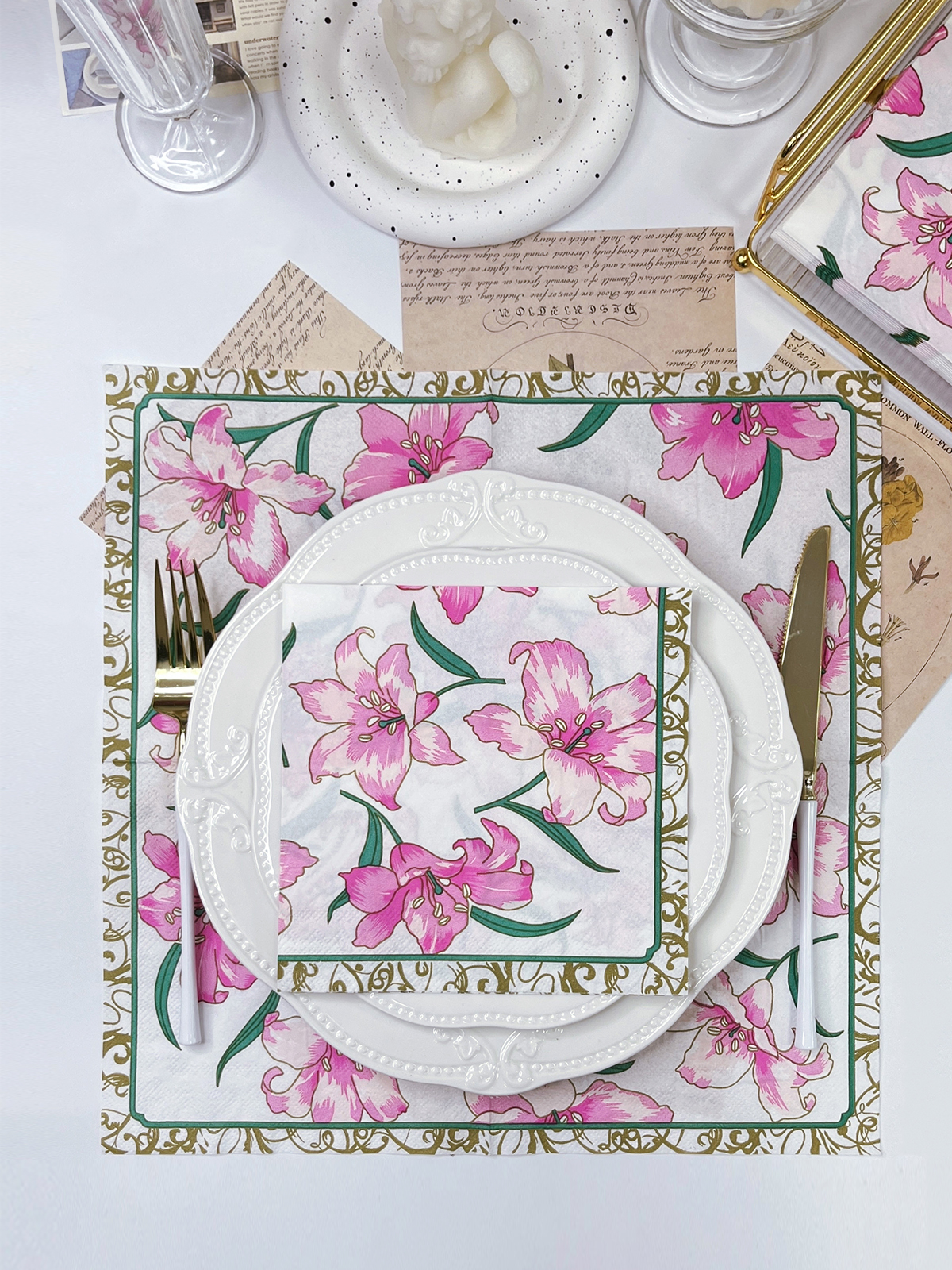
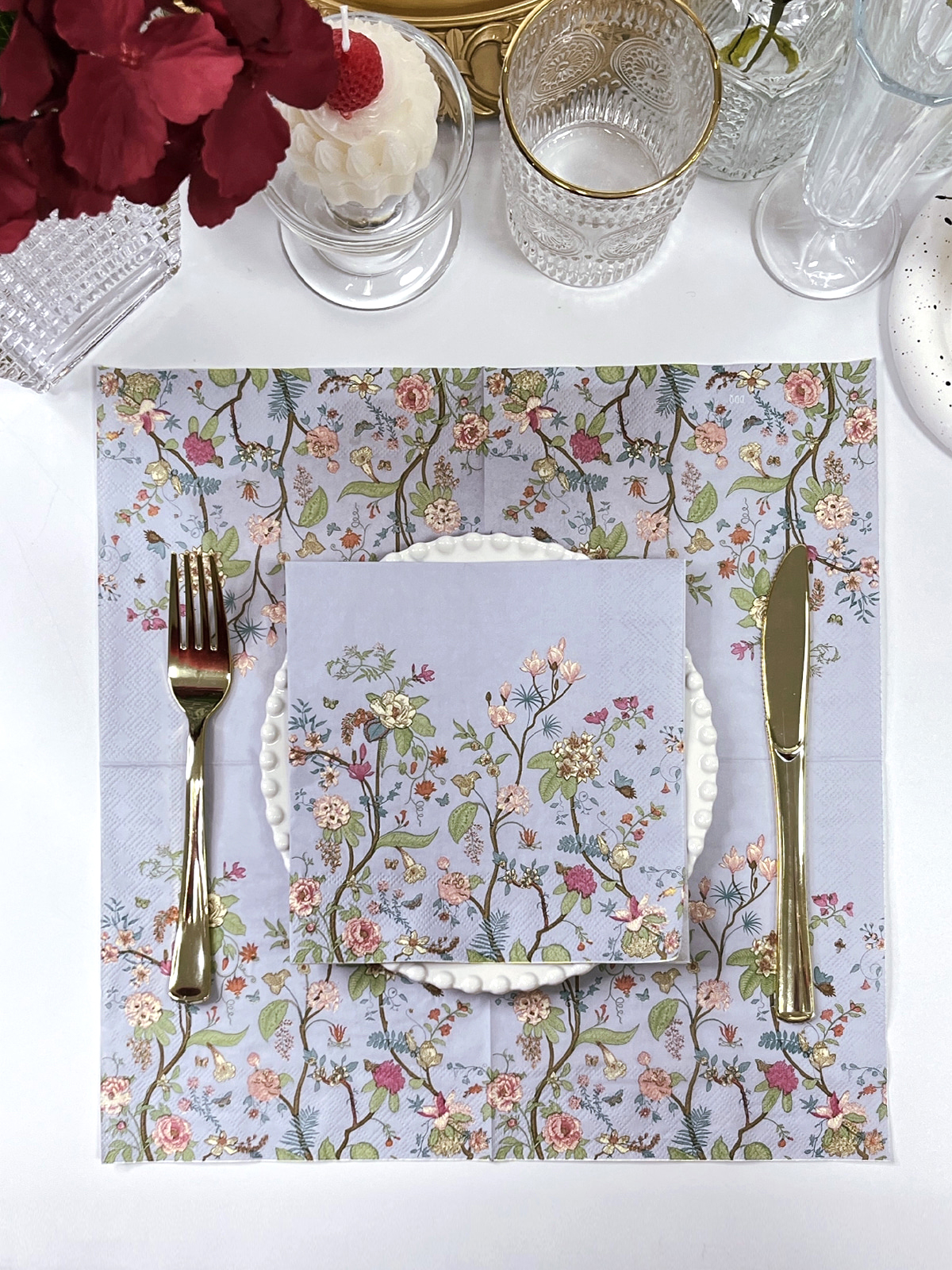
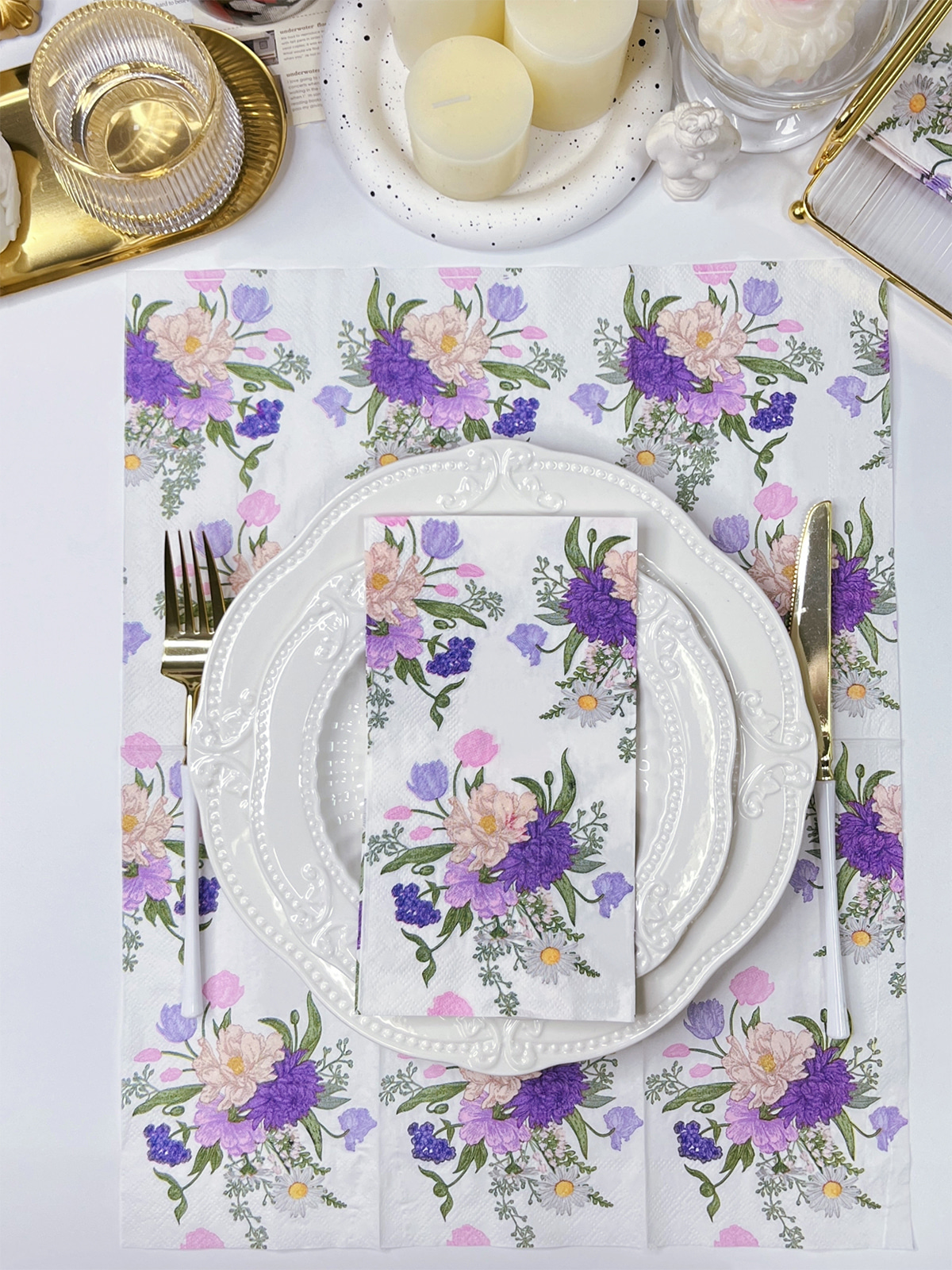
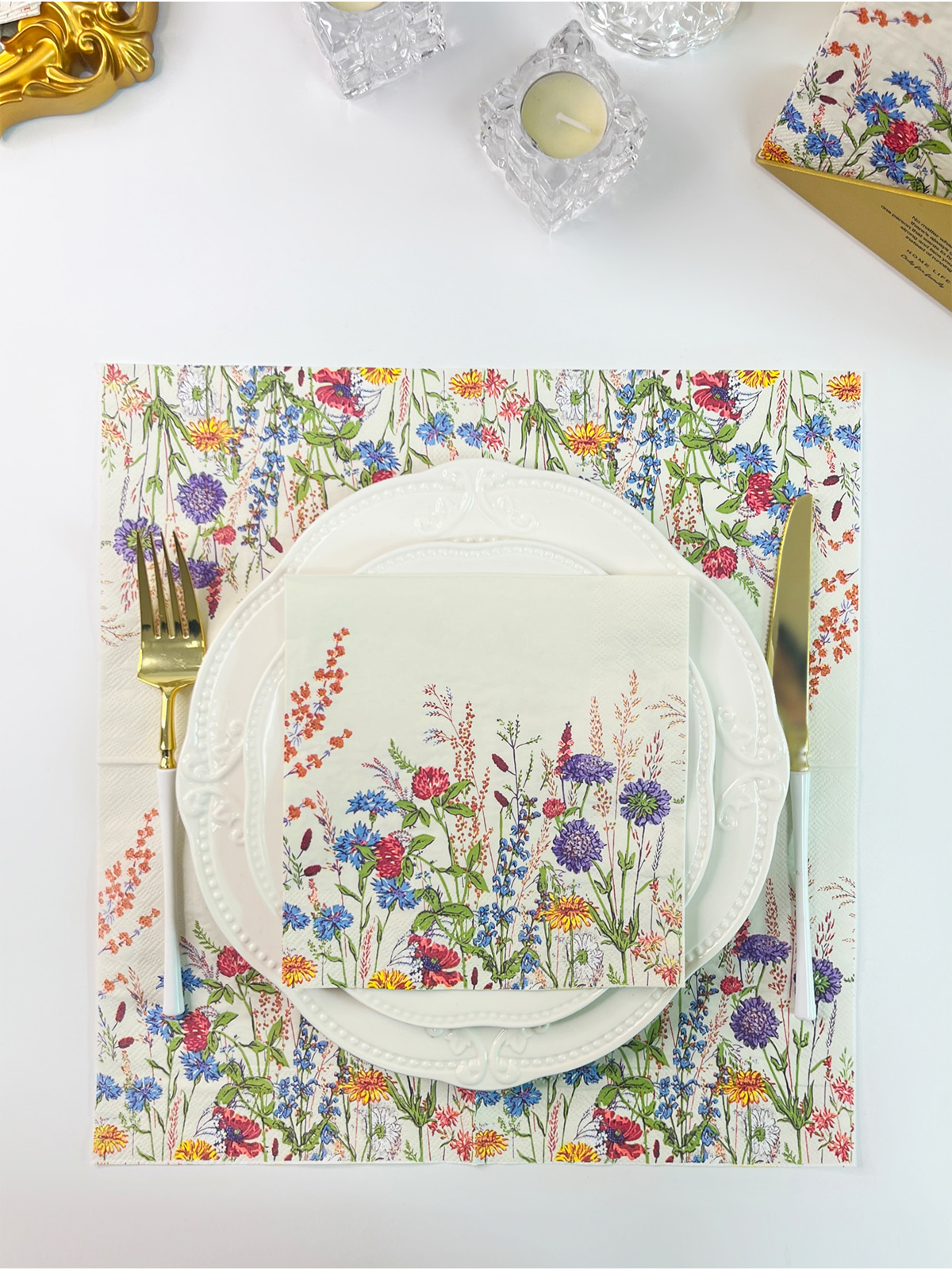
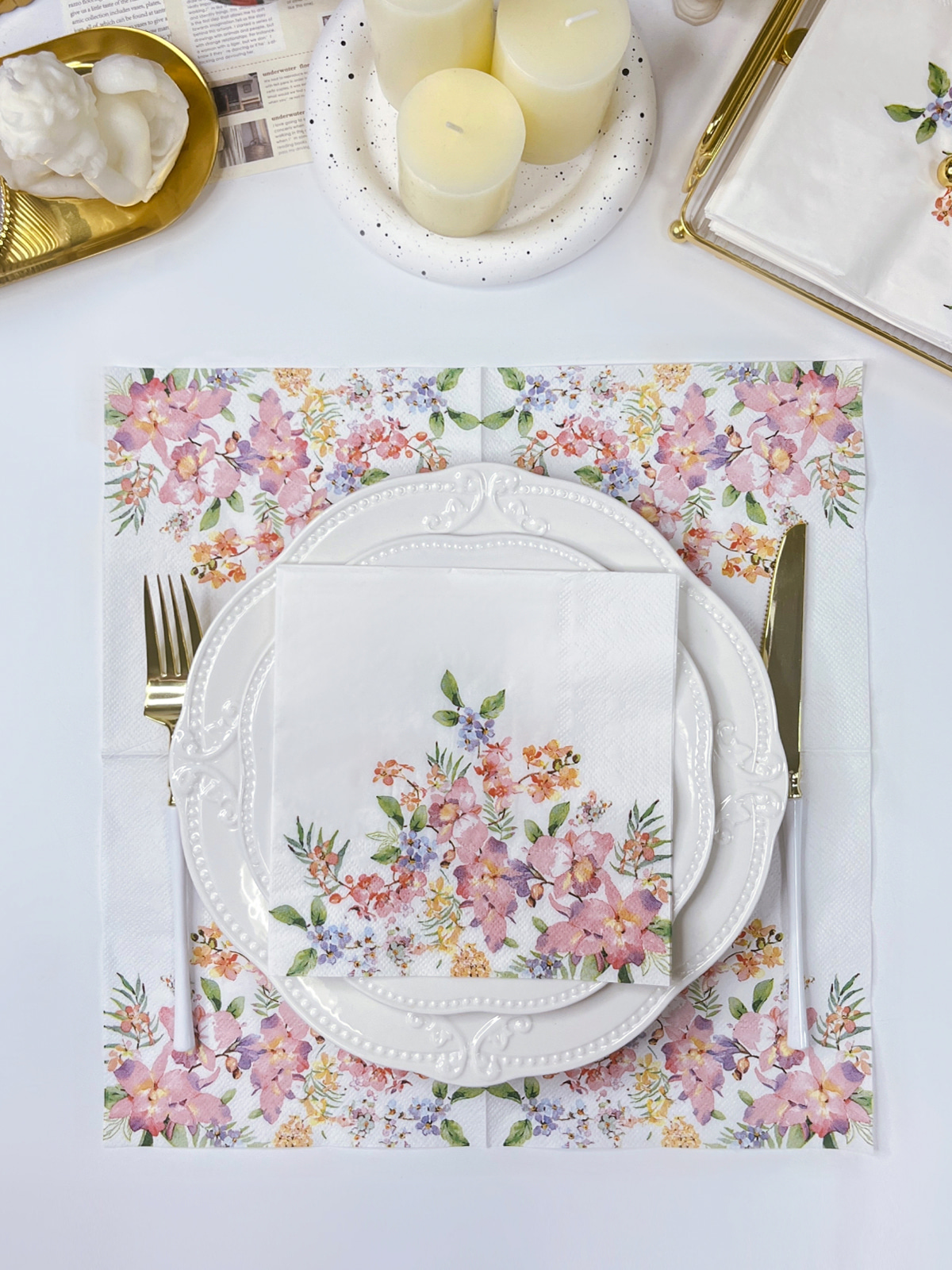
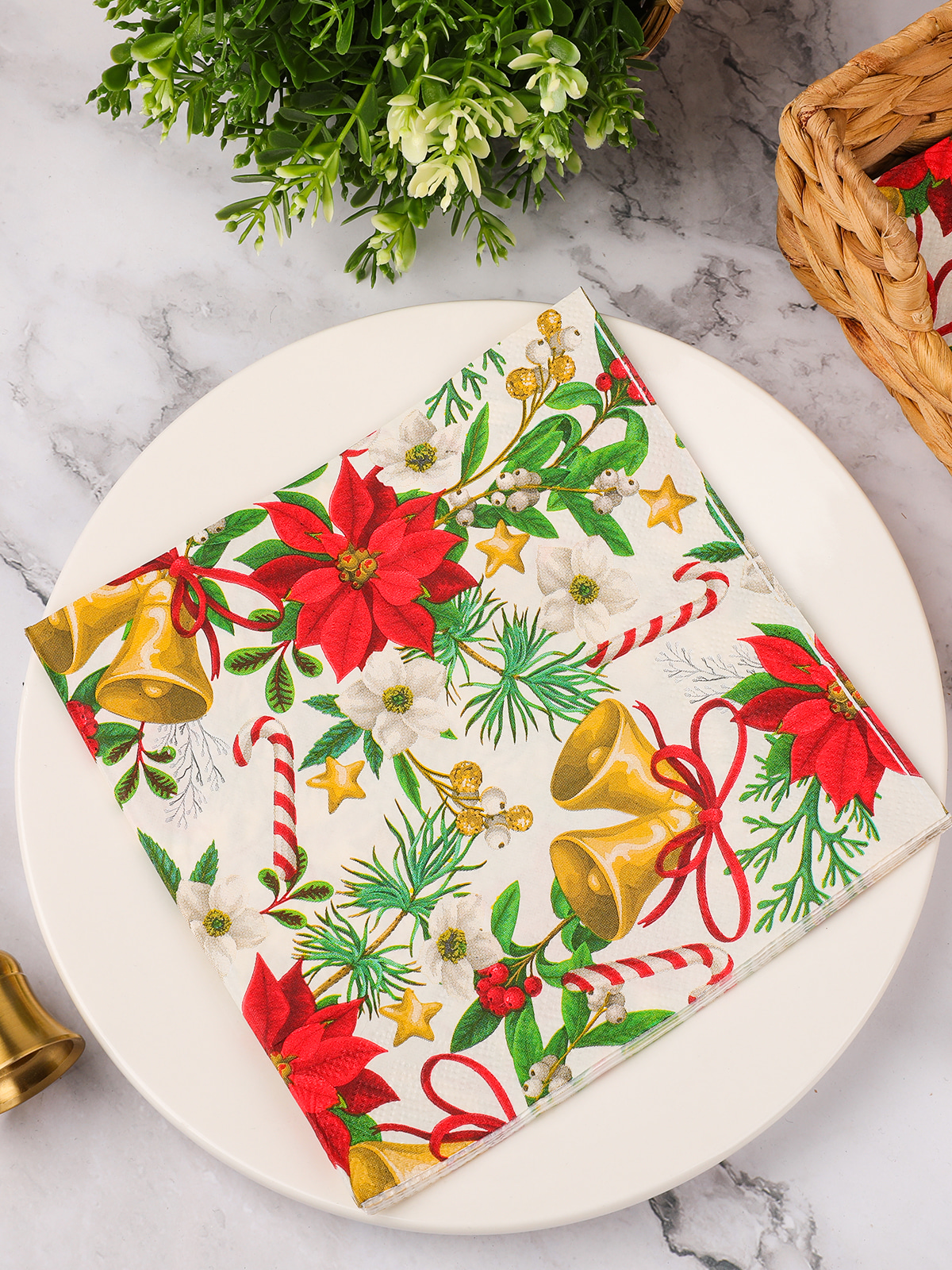
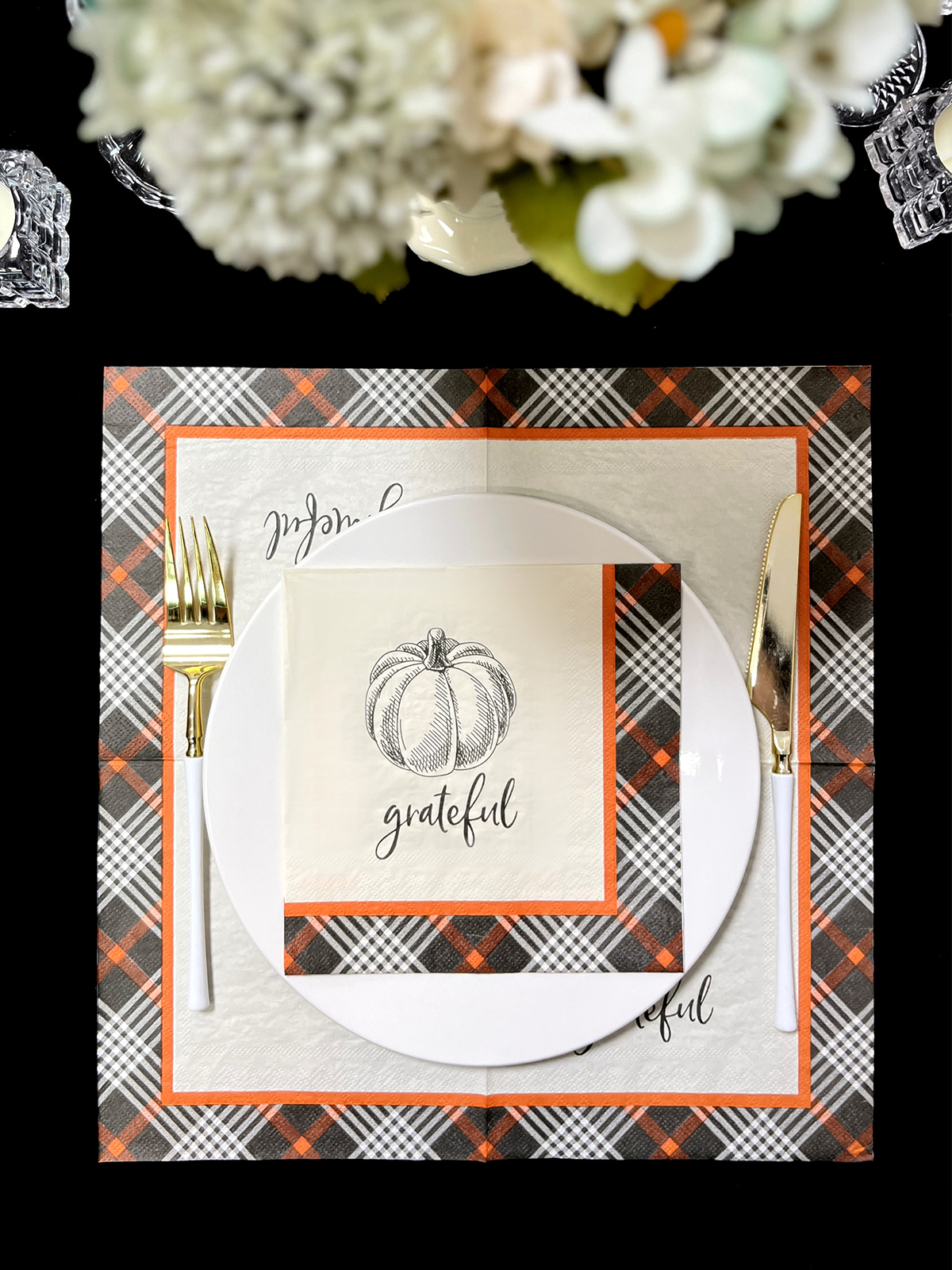
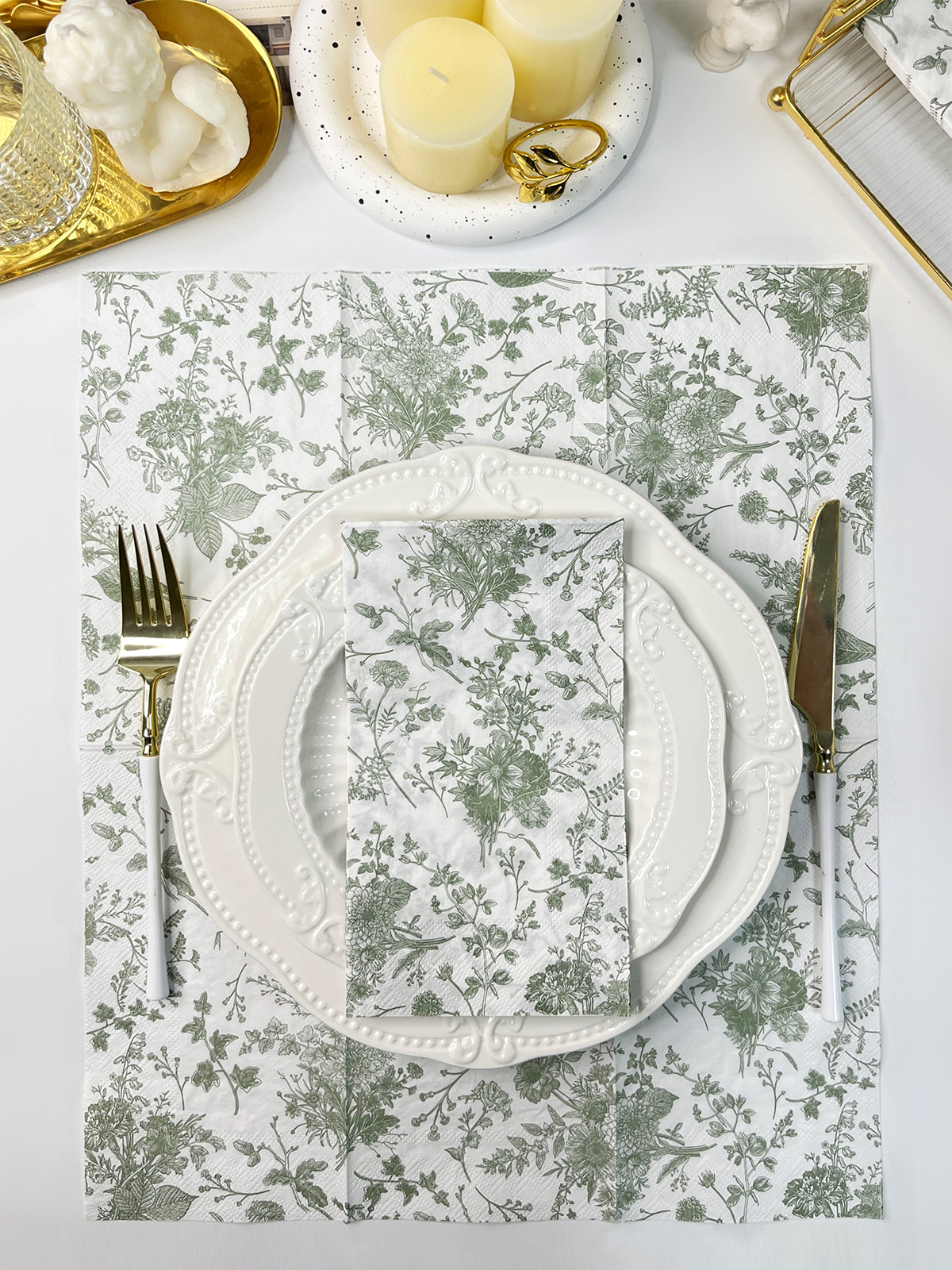
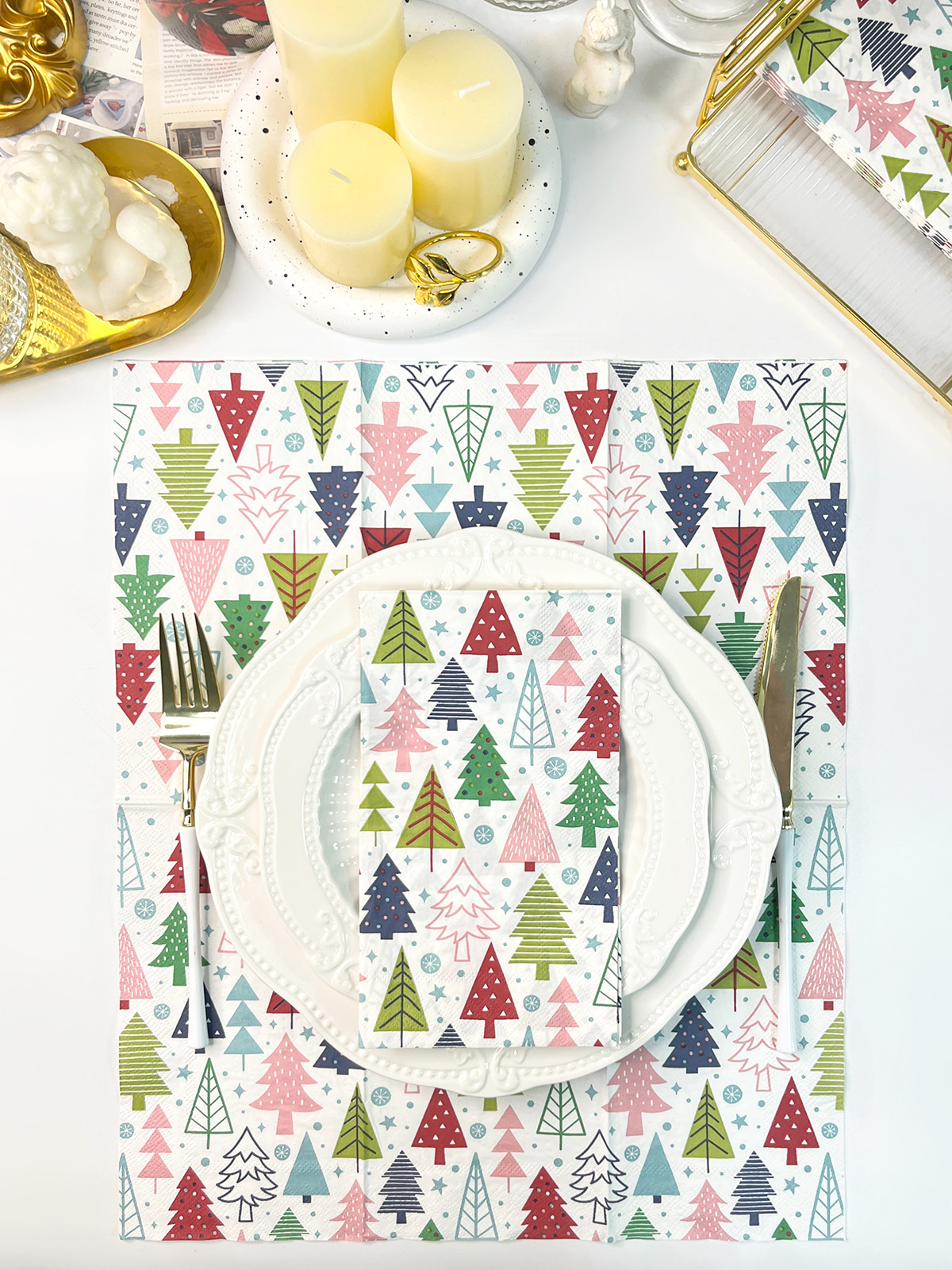
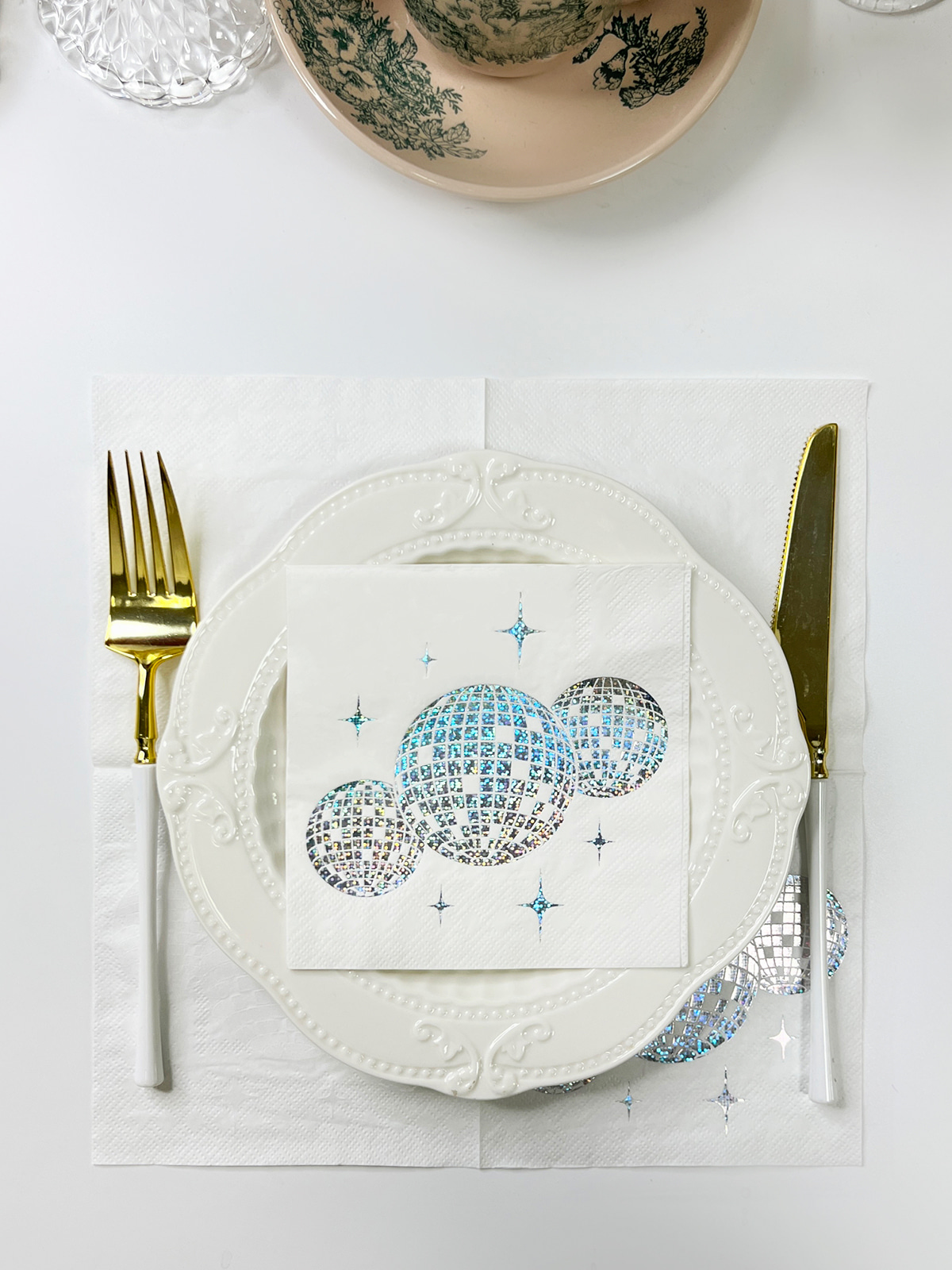
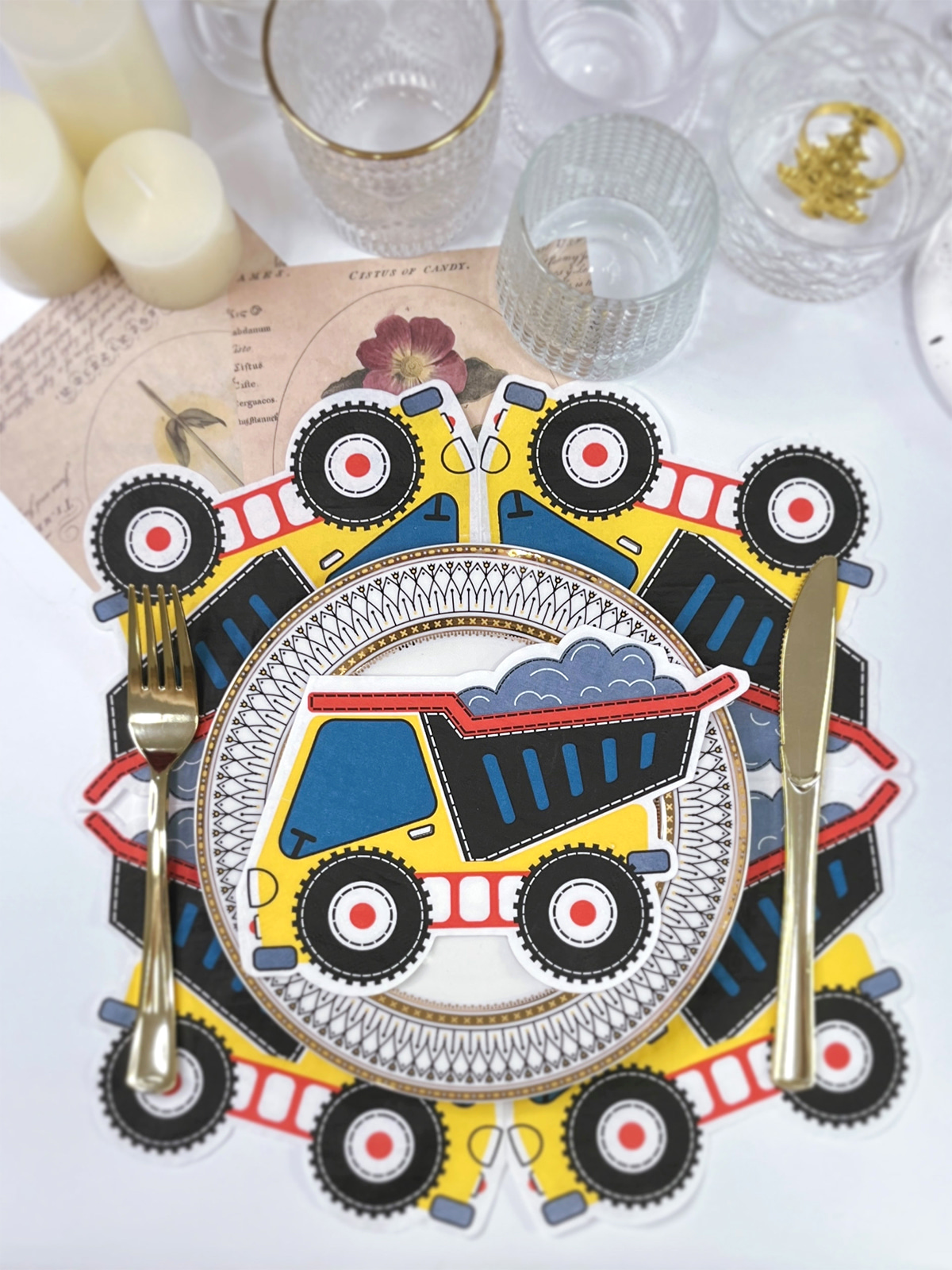
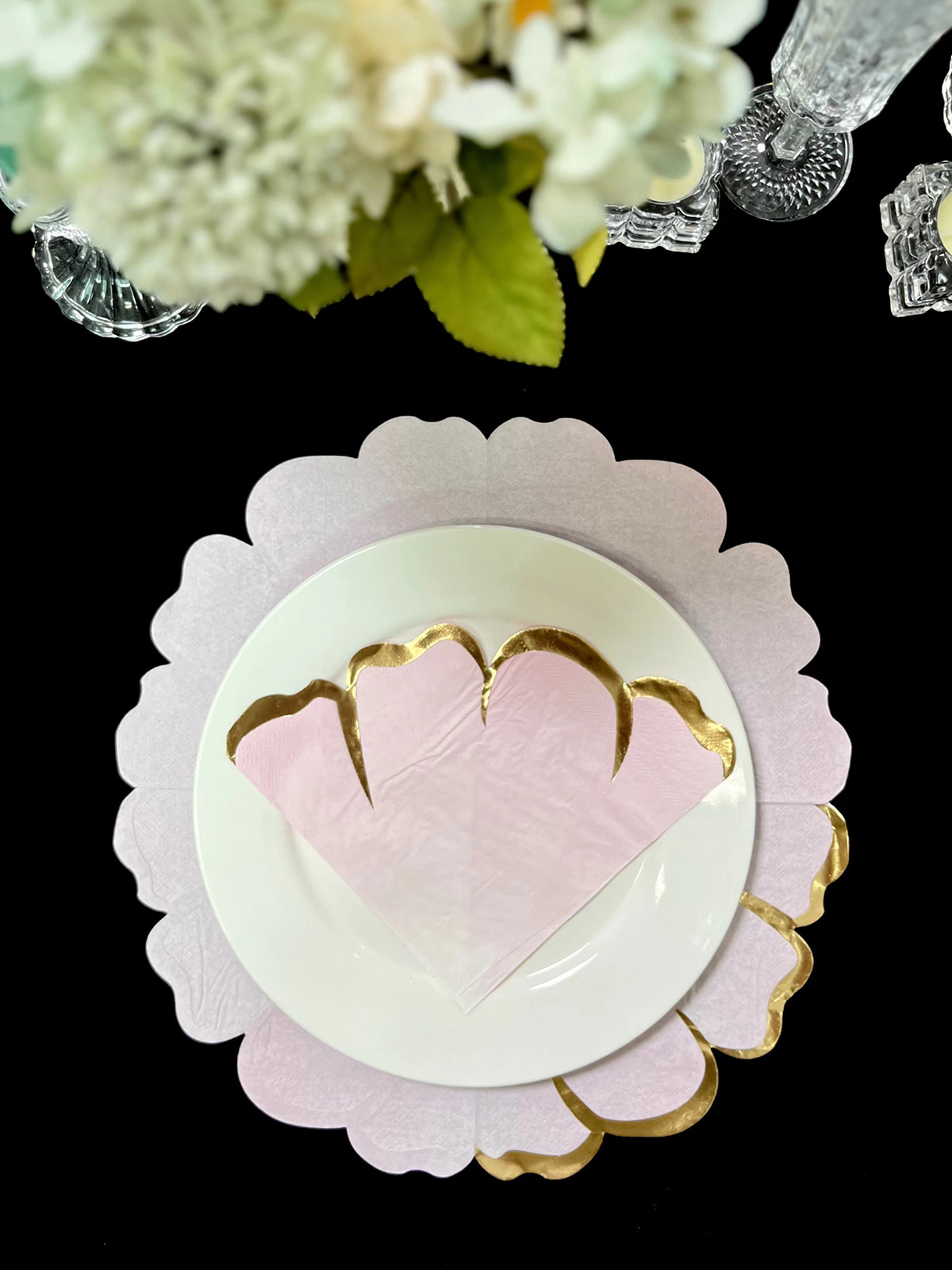
Appearance: Plain napkins suit casual meals, while folded or decorative styles suit a set table. Decoration should not make a napkin hard to open with a plate in one hand.
Packaging: A pack that closes easily keeps unused napkins clean once the party begins.
Picture how the day will run: how messy the food is, how long guests stay, where they sit, and how often they will reach for another napkin. That picture lets a host stock enough without turning napkin planning into a chore.