2026-04-27
Content
Table settings have been getting more attention in small, everyday ways. What used to be a simple setup of plates and disposable items now tends to carry more thought in how everything looks together.
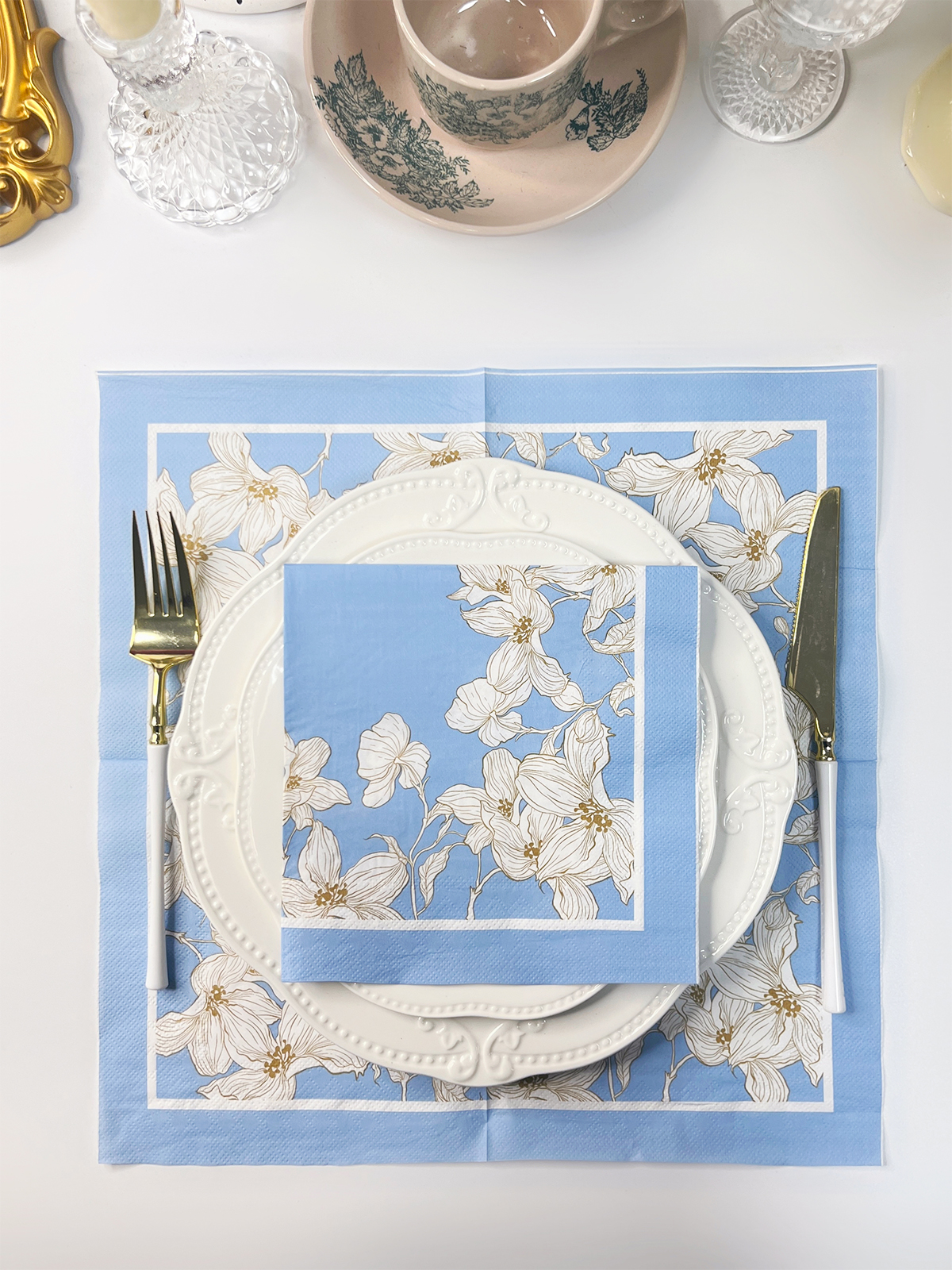
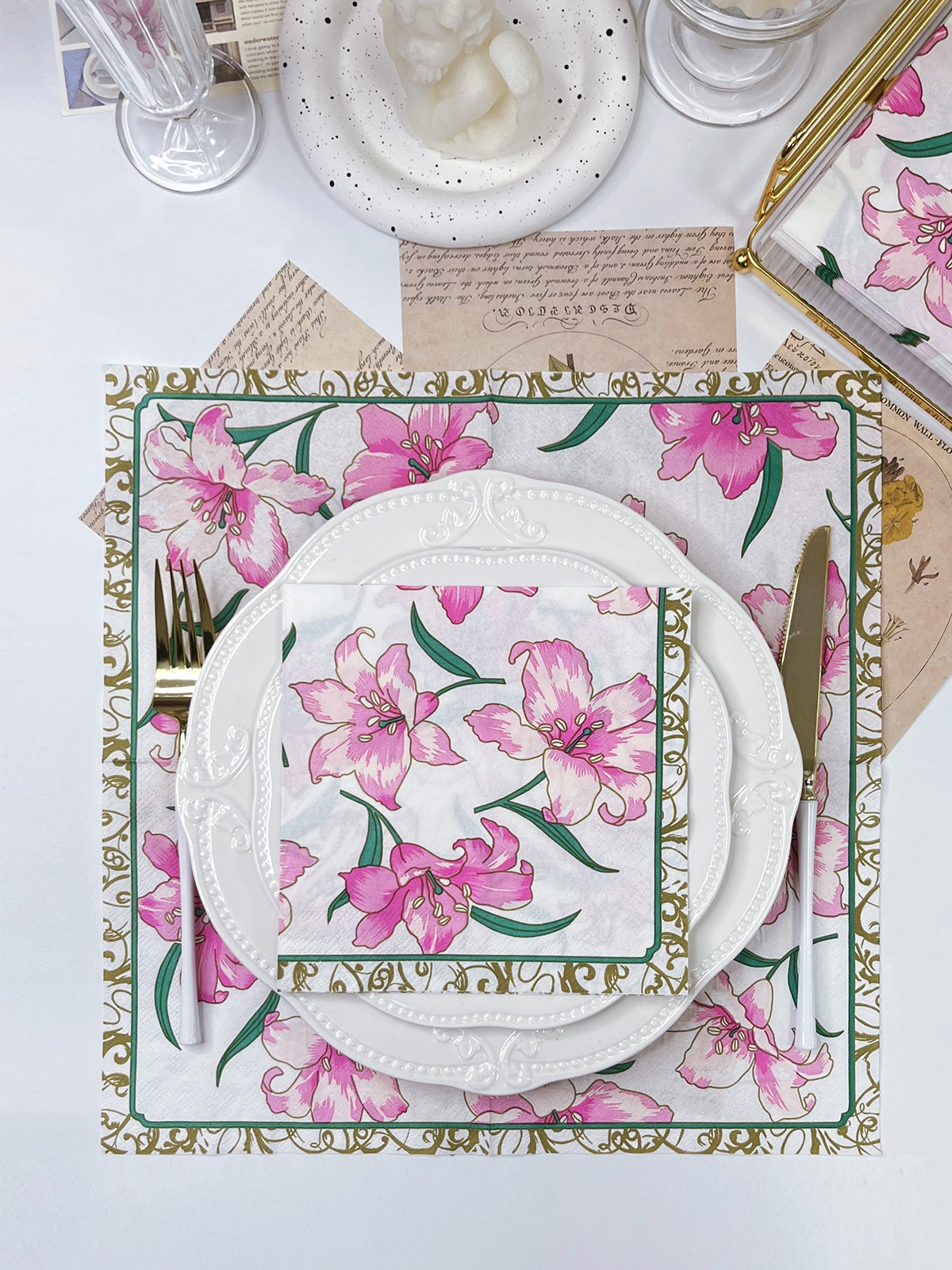
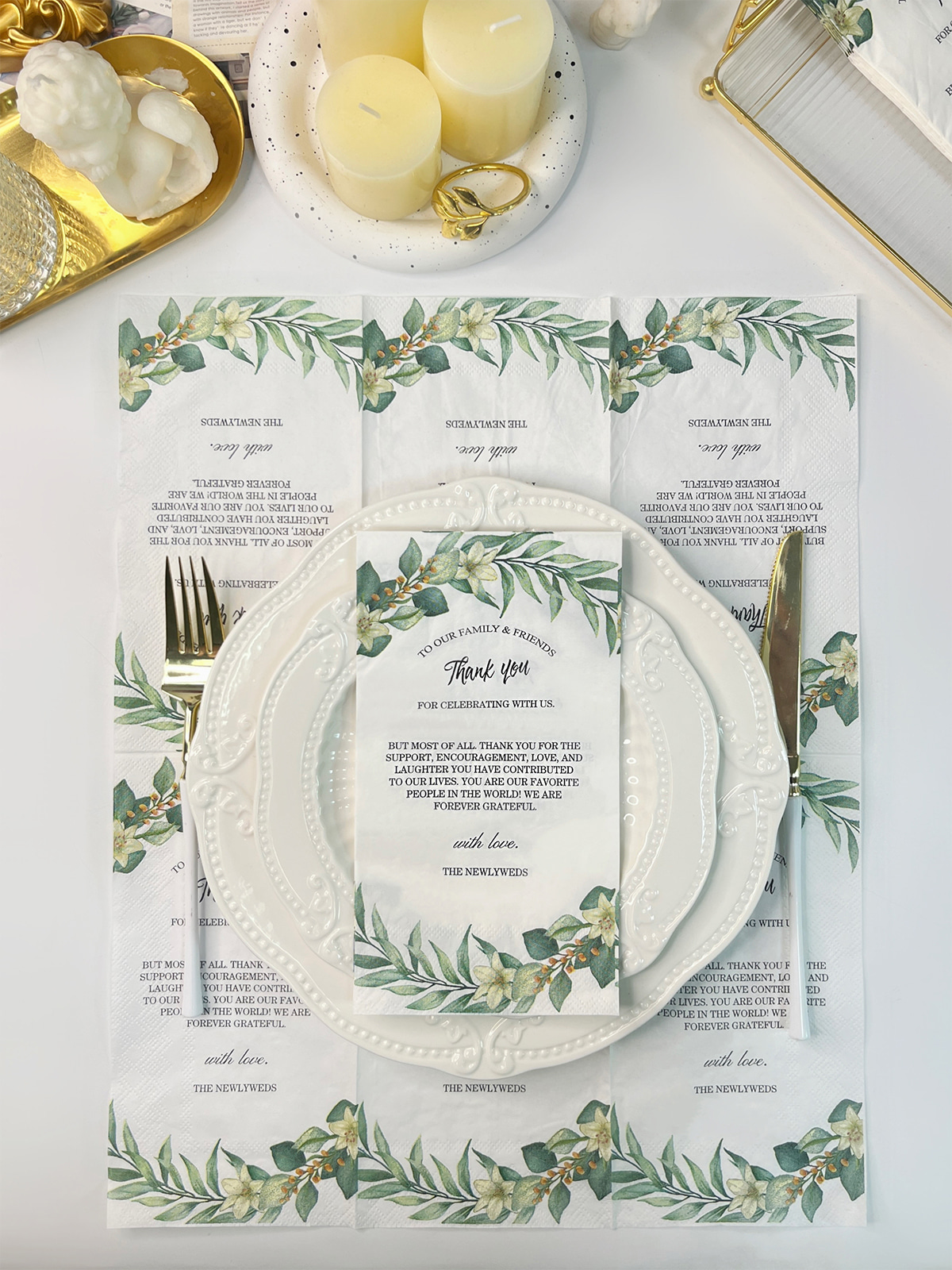
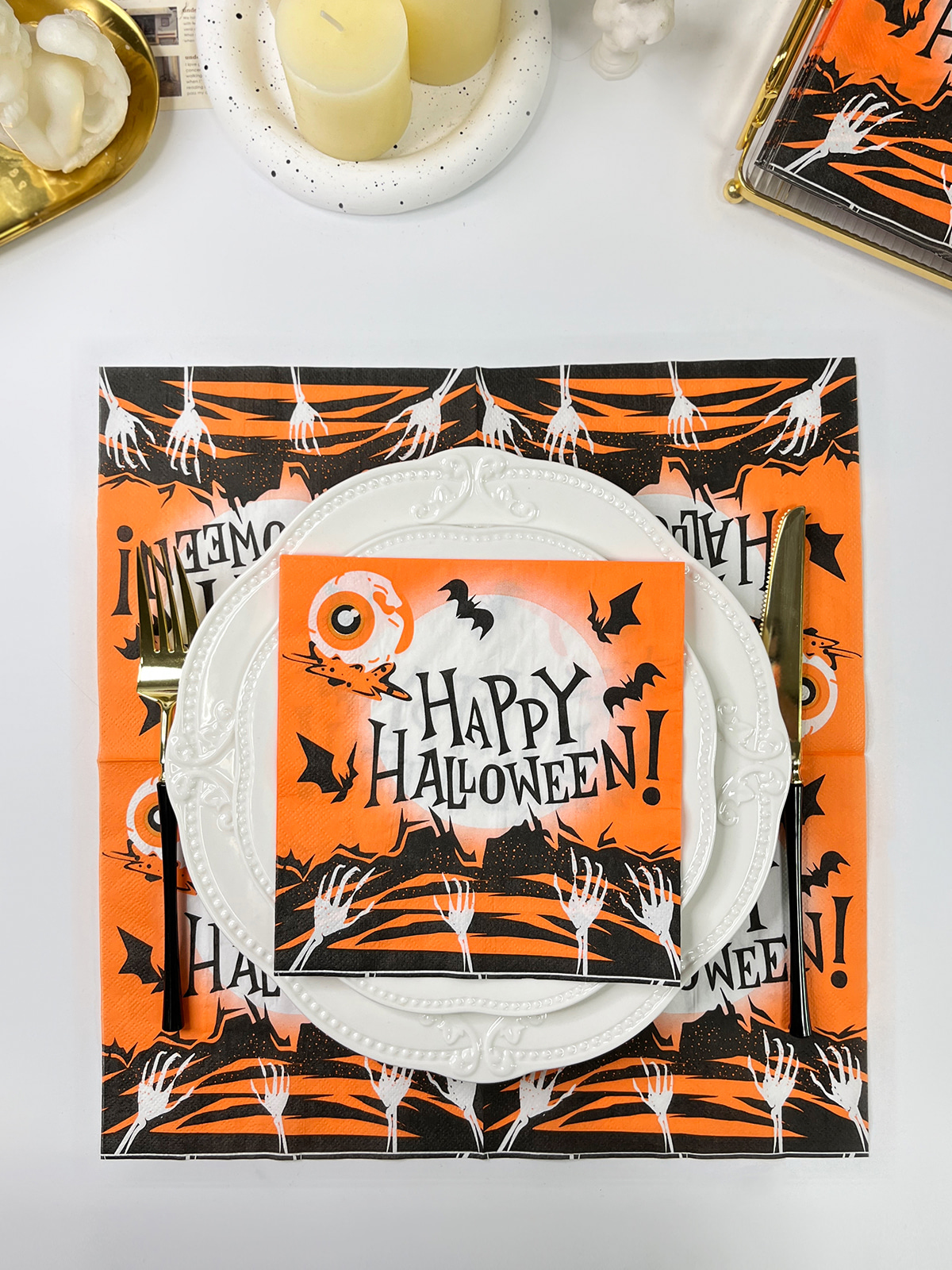
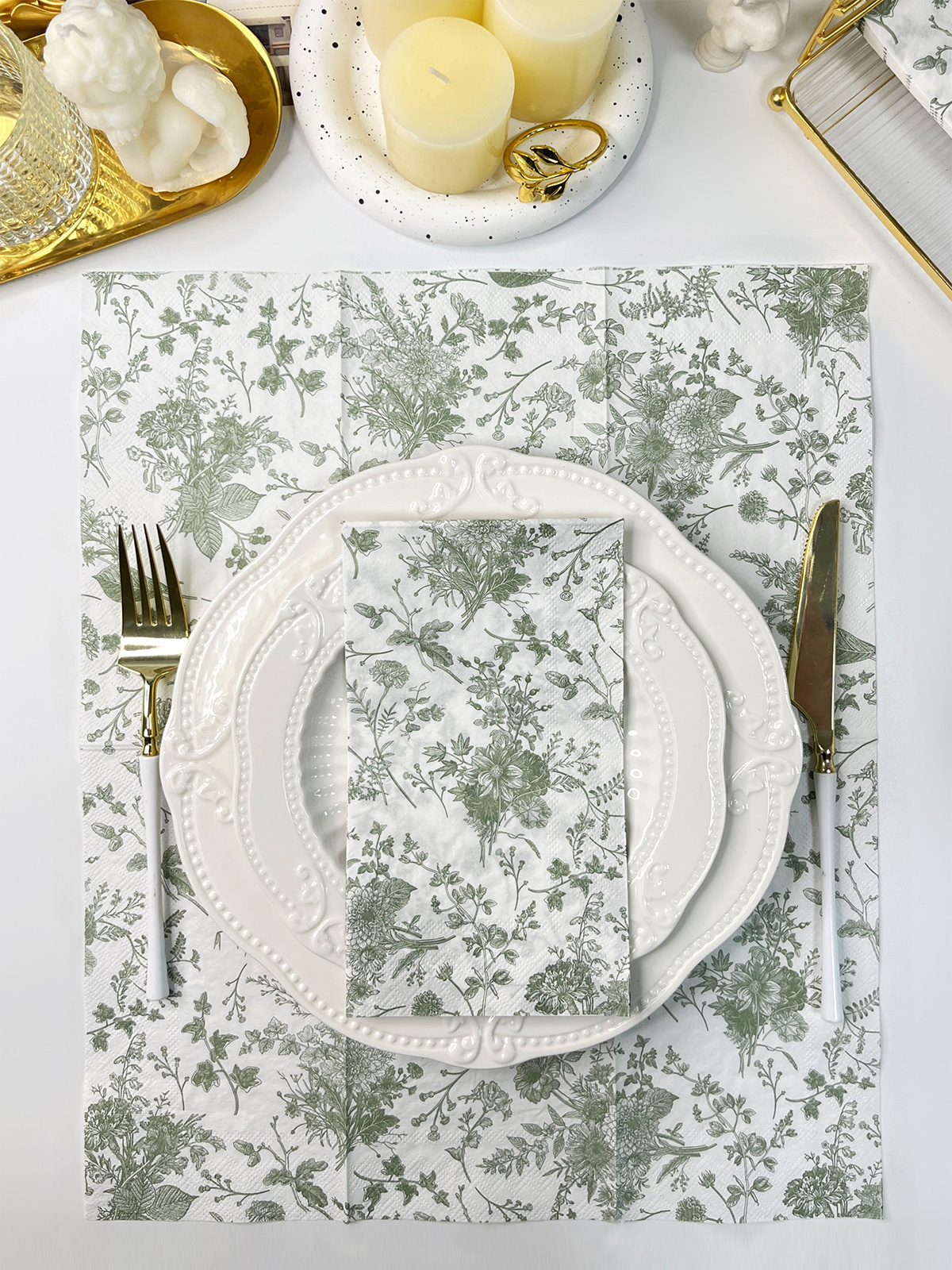
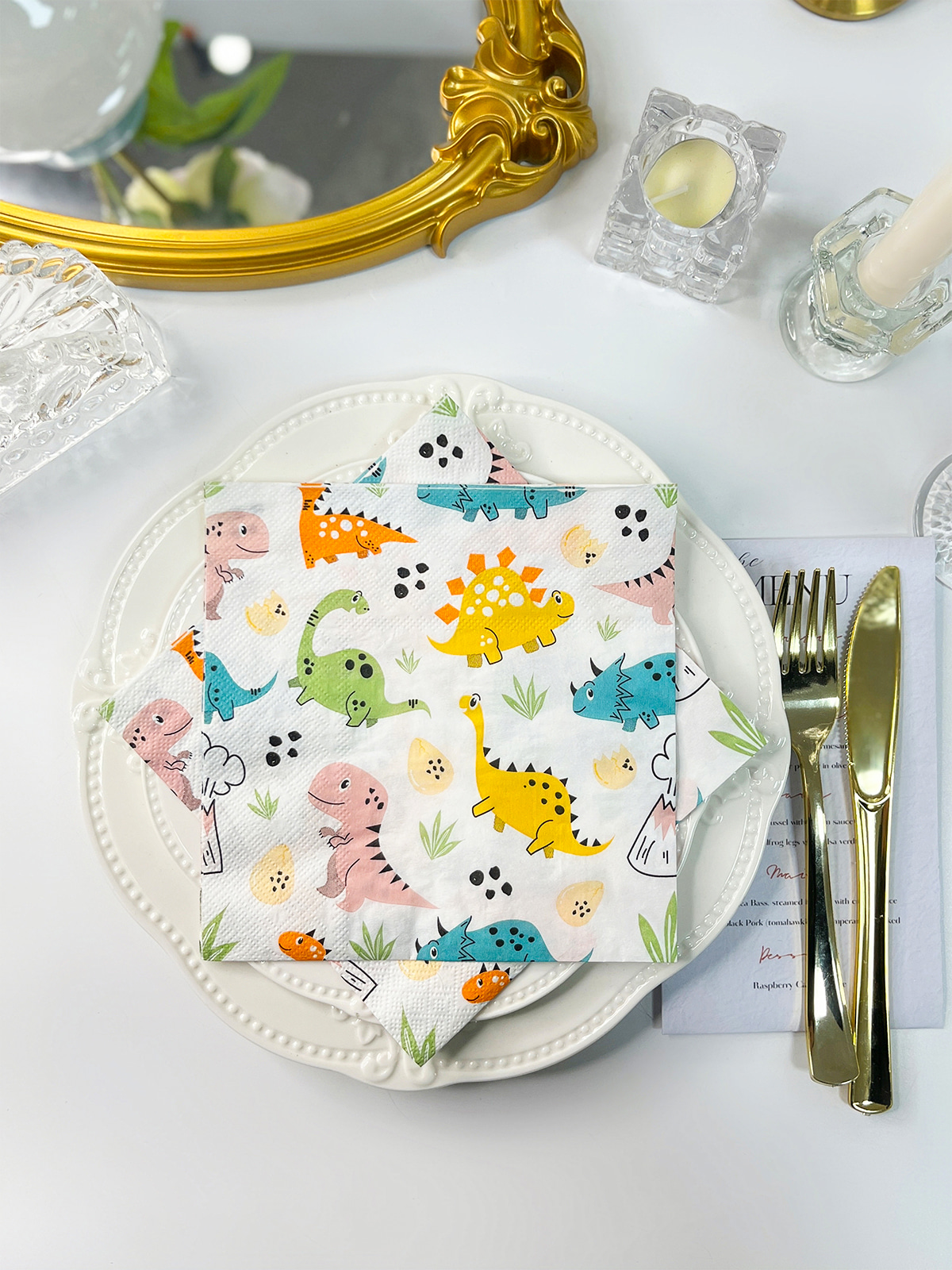
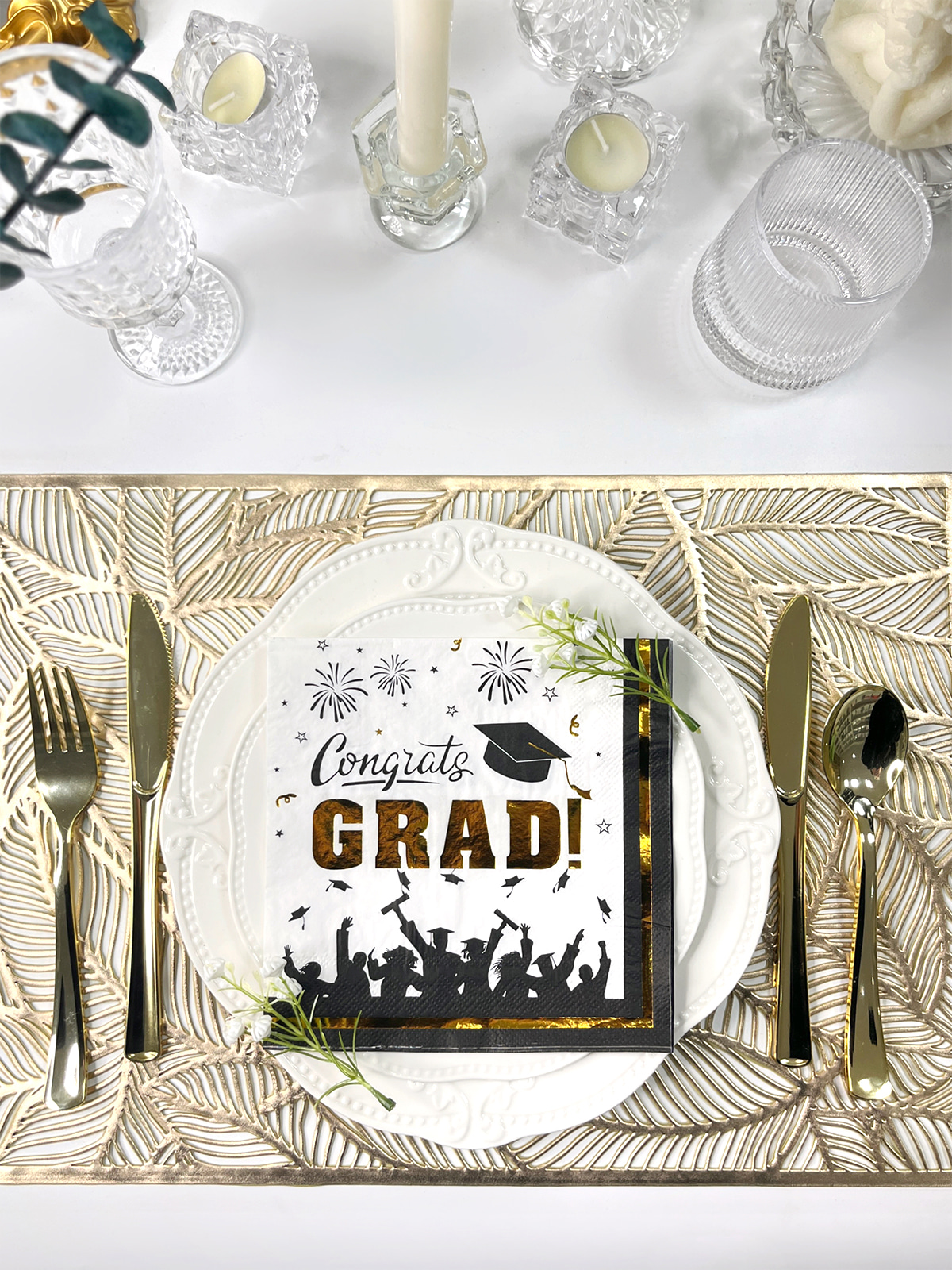
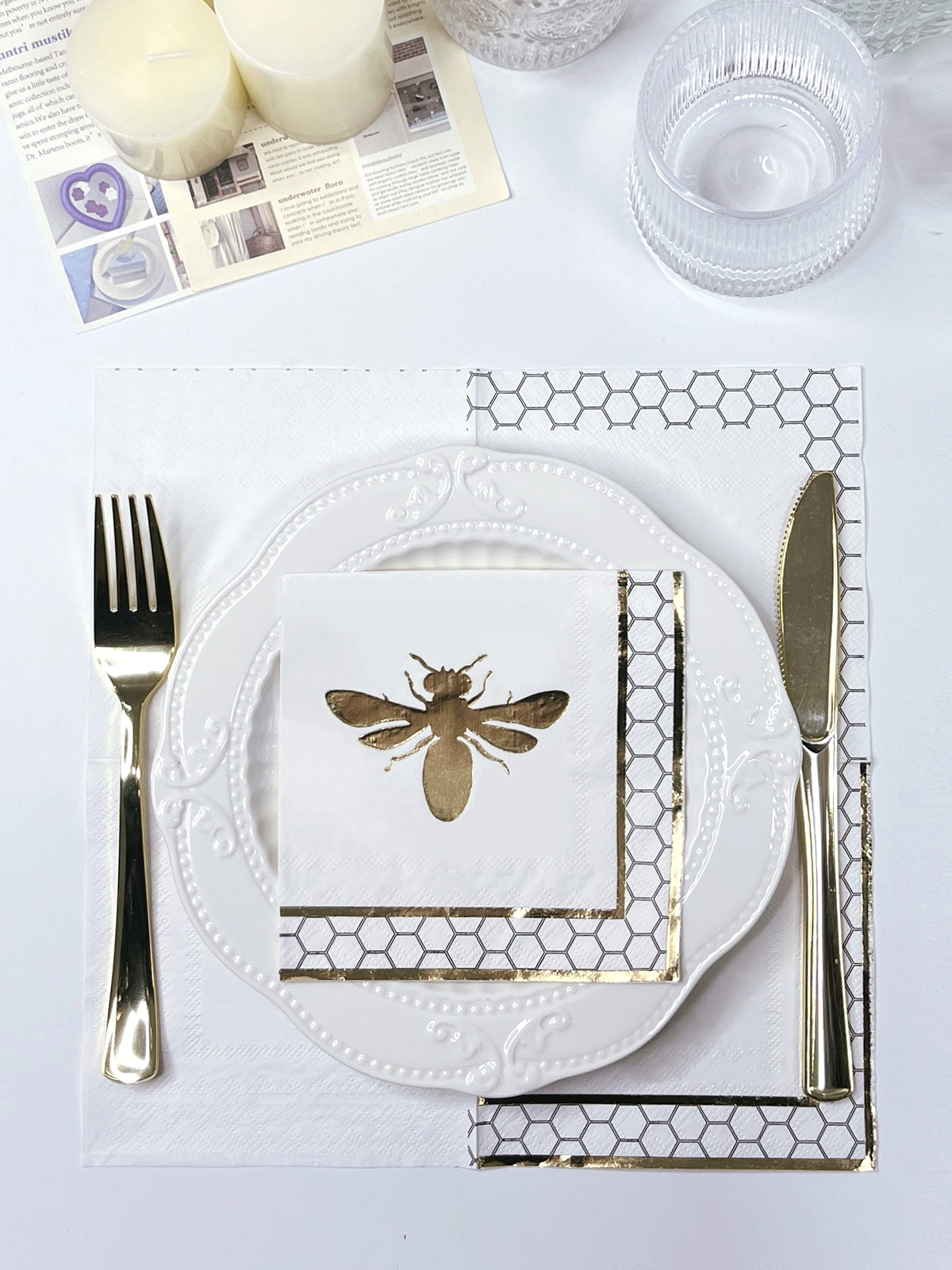
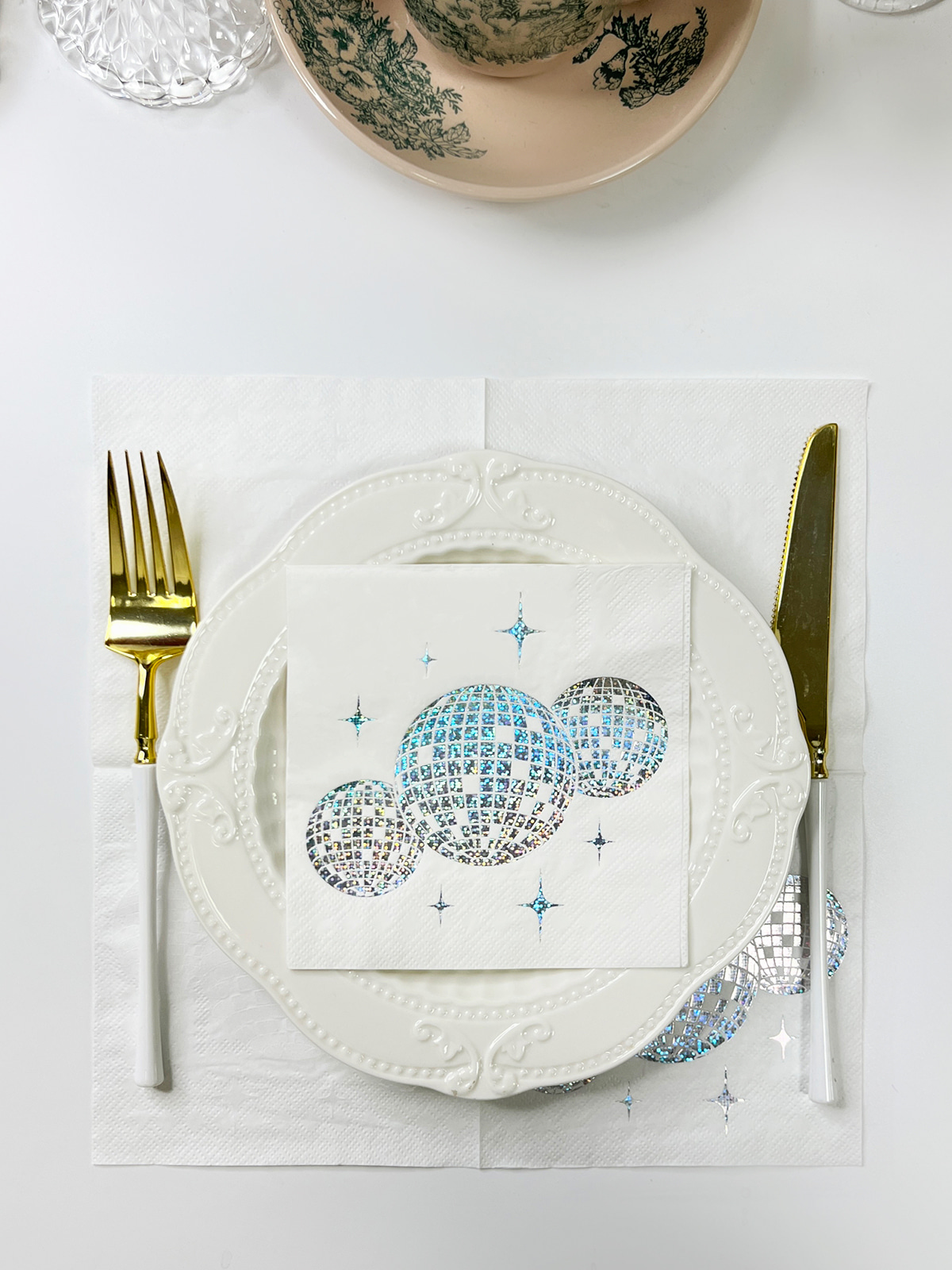
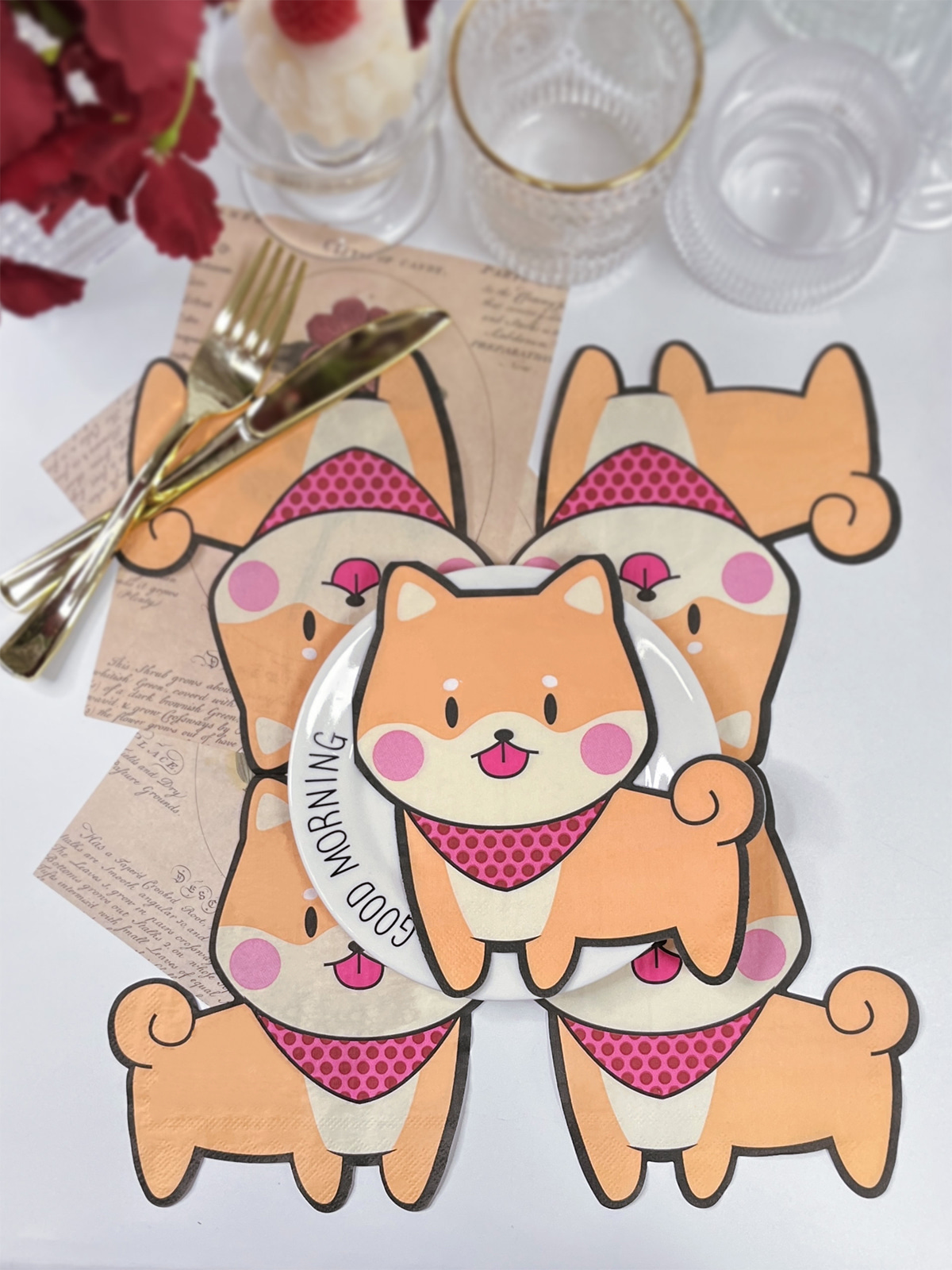
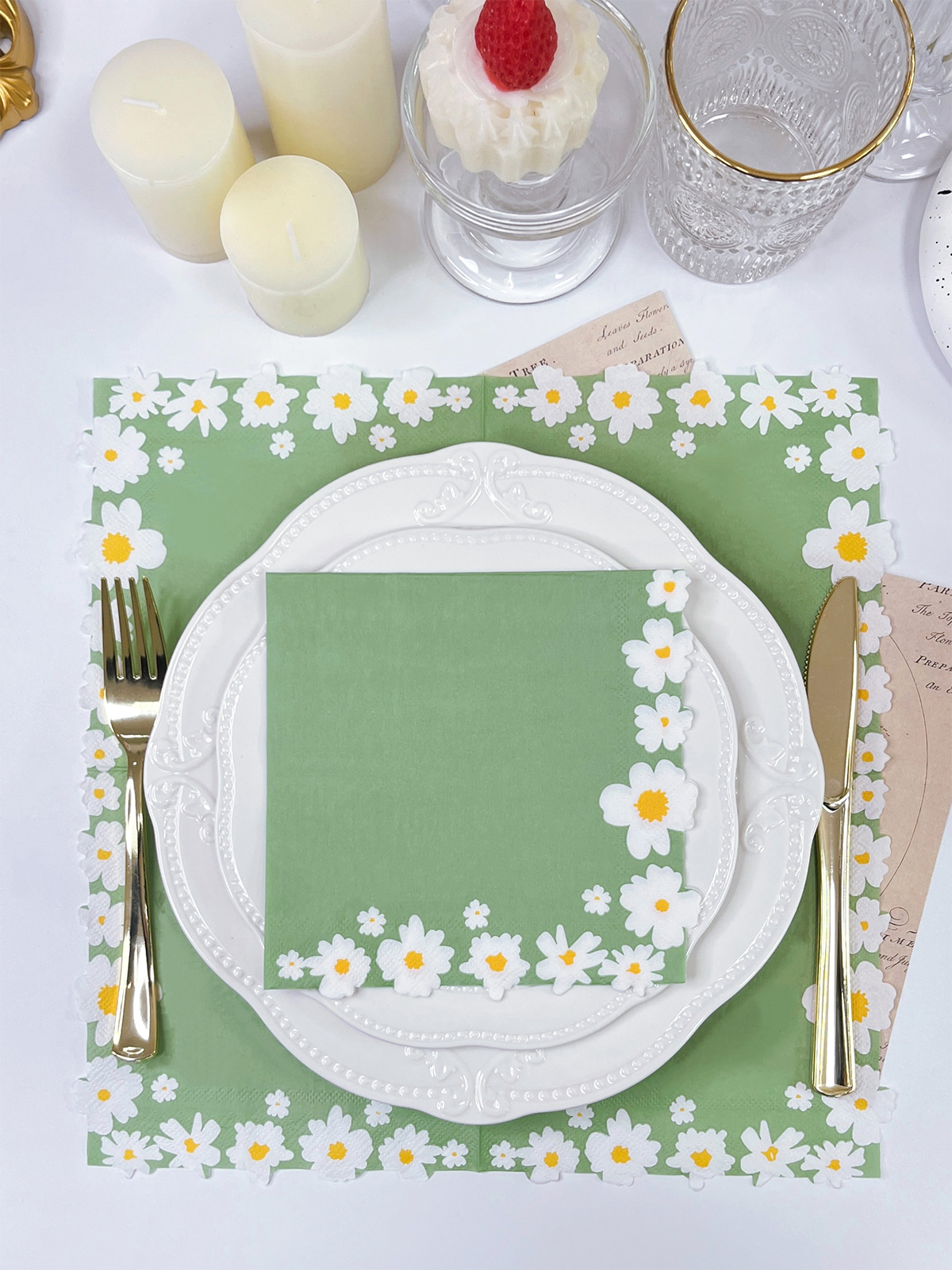
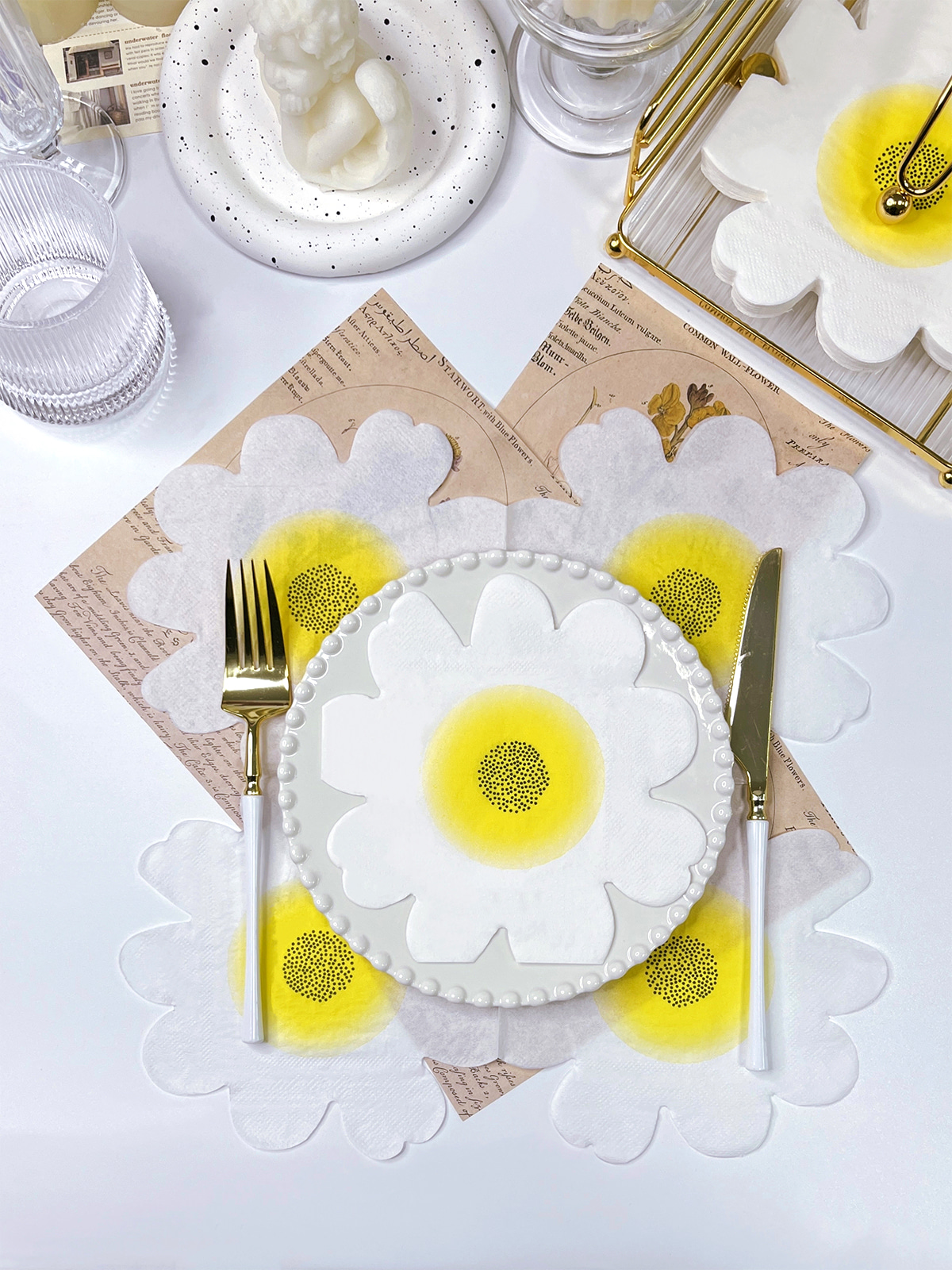
Napkins are part of that shift. They are handled directly, placed in visible spots, and often noticed without much effort. In many gatherings, Party Printed Paper Napkins sit between decoration and utility, doing a bit of both without drawing too much focus.
The way people judge them is often subtle. The feel in the hand, how easily they unfold, how they sit next to a plate. None of these points are spoken about directly, but they still affect how the table is experienced.
In supply discussions, names like Zhuji Furong Paper Products Co., Ltd. sometimes come up when talking about how production adjusts to these quiet changes in preference, especially around material feel and sizing choices.
Printed napkins have become more common across different kinds of gatherings. They are no longer reserved for special occasions alone and now appear in simple, everyday setups as well.
The change is gradual rather than sudden. People start noticing how printed surfaces can match a table theme or bring a bit of structure to a casual setting.
Some patterns are light and barely noticeable, while others are more expressive. Neither approach dominates; they just serve different moods.
In actual use, a few patterns show up often:
Party Printed Paper Napkins often become part of the background rhythm of the table instead of standing out on their own.
Thickness is usually something people notice without needing to think about it. It becomes clear the moment the napkin is picked up or folded.
A lighter sheet bends easily and takes shape without resistance. It can feel flexible, but it may not hold structure for long. A denser sheet feels more grounded in the hand, holding its form even after repeated folding.
Neither option is strictly better. They behave differently depending on how they are used.
Some simple observations from everyday use:
In many cases, thickness is chosen based on expectation rather than appearance.
There is rarely a fixed rule for thickness. It shifts depending on how the napkin is expected to perform in a specific setting.
In light snack situations, thinner material is usually enough. When food contact is more frequent or longer lasting, a denser structure tends to feel more reliable.
Environment also matters. Outdoor spaces can make lightweight material harder to control, while indoor tables allow more flexibility.
Some common points that influence selection include:
Thickness ends up being shaped by usage rather than preference alone.
Once in use, differences in thickness become clearer. A very light napkin may shift too easily or lose its shape. A thicker one stays in place but may feel less adaptable when folded into different forms.
Durability is often noticed during handling. Pressing, wiping, or folding places stress on the material, and how it reacts under that pressure makes a difference in daily use.
There is also a middle range that tends to feel more balanced in practice.
Some typical points noticed during use:
These small differences add up during actual gatherings.
Size influences how napkins fit into a table before they are even touched. It affects spacing, layout, and overall visual balance.
Smaller formats sit easily beside glasses or small plates. Larger formats take up more space and are often used where food handling is more active.
Folding also changes perception. A large napkin can appear compact once folded, while a smaller one may look more prominent depending on placement.
Several elements shape how size is experienced:
Size becomes part of how the table feels, not just how it is measured.
Different gatherings naturally call for different napkin sizes. The choice usually follows how the table is used rather than the formality of the occasion.
Smaller napkins tend to fit light-use situations. They are easy to place and replace, especially where food handling is minimal.
Larger ones are often used when meals take longer or involve more interaction at the table.
Some common tendencies include:
Size selection often comes down to how much coverage feels practical in a given setting.
A large napkin with very light material may not hold its shape well during use. A small one with heavier material might feel more rigid than necessary.
Balance between the two helps maintain usability without making the napkin feel mismatched.
| Size Type | Suggested Thickness Approach | General Use Context |
|---|---|---|
| Compact | Light to moderate | Light snacks and drinks |
| Medium | Moderate | Mixed use settings |
| Large | Moderate to slightly thicker | Meals and extended use |
Printed patterns do not behave the same across all sizes and thickness levels. The way a napkin folds or holds shape affects how much of the design is visible.
Some patterns feel open and clear on larger surfaces but become partially hidden when folded. Others are designed to remain noticeable even in compact forms.
Color strength also changes perception. Strong contrasts stand out more, while softer tones blend into the table environment.
When size and thickness are matched well, printed designs tend to feel more natural within the setting rather than appearing forced.
Paper napkins with printed patterns begin as simple sheet material, yet small differences in structure change how they behave later on. Some sheets feel soft and open, others feel tighter and more compact. Neither direction works for every situation.
When material becomes too light, movement during handling becomes noticeable. When it turns dense, folding loses ease and the surface can feel less natural in use. Production often stays somewhere in between, adjusting based on expected handling.
Ink interaction adds another layer. Certain paper absorbs color quickly, softening outlines. Other surfaces keep ink closer, giving clearer visuals but slightly altering texture during touch.
A Party Printed Paper Napkins Manufacturer usually shifts material balance depending on size and thickness requirements, since the same design reacts differently across formats.
Printing on napkins involves more than placing a pattern onto a surface. Once dimensions or thickness change, alignment and ink behavior need small corrections.
Larger formats create more space for patterns, but also expose alignment issues more clearly. Smaller formats require tighter control so designs do not feel interrupted or compressed.
Material density also plays a part. Softer sheets may shift slightly during processing, while firmer ones stay more stable through printing stages.
Common production concerns include:
After production, napkins are stacked and packed for storage. At this stage, protection and shape retention matter more than appearance.
Light stacks may shift if not supported properly. Larger formats often need folding adjustments to avoid edge bending. Thickness affects how tightly stacks can be arranged without pressure marks.
Handling issues usually appear in quiet ways:
Packaging decisions try to keep these effects from showing up during use, even if they remain unnoticed in the background.
Disposable table items often raise quiet concerns about material balance. Napkins with printed designs sit within that discussion because both size and thickness affect consumption.
Heavier material tends to last longer during use, but requires more resources. Lighter material reduces input but may require more frequent replacement depending on setting.
Size also shifts perception of use. Larger formats in simple settings can feel excessive, while very small ones in active use may not hold up well.
Practical adjustments often revolve around:
Focus usually stays on practical fit rather than appearance alone.
Table habits differ from place to place, which naturally affects how napkins are chosen. Some environments lean toward simpler designs and lighter material feel, while others prefer more visible patterns and firmer structure.
Size expectations vary as well. Compact formats may feel natural in one setting, while broader coverage is preferred elsewhere depending on how tables are arranged.
Thickness perception also shifts with usage habits. Softer sheets may be preferred where casual handling dominates, while more structured material appears in settings where presentation matters more.
These preferences evolve slowly rather than suddenly, shaped by daily use rather than fixed rules.
Design direction and practical use tend to influence each other in a quiet loop.
A certain pattern style may appear in one type of gathering and gradually move into others, sometimes with changes in size or thickness. Over time, usage habits begin to associate specific formats with specific situations.
At the same time, feedback from handling feeds back into production choices. If a certain size feels inconvenient, adjustments follow. If material feels too rigid or too light, variation appears over time.
Change usually happens gradually, not in sharp shifts.
No single napkin format fits every table. Usage changes depending on time, space, and type of gathering.
Smaller and lighter formats tend to suit short use periods where handling is minimal. Larger and more stable formats often appear in longer settings where food and movement are more active.
Practical alignment often looks like:
Selection usually follows how the table behaves rather than how it looks at setup.
Choosing size and thickness for Party Printed Paper Napkins often comes down to matching small physical details with real table behavior. No single setting covers every situation.
Work from a Party Printed Paper Napkins Manufacturer usually adjusts around these variations so different combinations remain usable across different environments.
When material, size, and design align with actual handling needs, napkins tend to sit naturally within the table arrangement without drawing attention away from the gathering itself.
Related Products
Shopping for a reliable source of napkins?
Established in 2007 and located in Zhuji City, Zhejiang Province, Zhuji Furong Paper Products Co., Ltd. is a professional manufacturer of color-printed napkins. Enhance Your Event With Custom Printed Napkins.
Telephone
+86-15325932613
Address
Jianglong Industrial Park, Jiyang Street, Zhuji City, Shaoxing, Zhejiang, China.
Contact Us
Products
Contact Us
+86-15325932613
+86-575-87765556
+86-575-87765559
Jianglong Industrial Park, Jiyang Street, Zhuji City, Shaoxing, Zhejiang, China.
Party Printed Paper Napkins Manufacturer Customized Napkins And Paper Towels Factory
Copyright © by Zhuji Furong Paper Products Co., Ltd. Rights Reserved.

 English
 中文简体
中文简体