2025-12-10
When shoppers compare options on shelves or in online listings, the variation in cost between different paper napkin ranges can stand out. Focusing on production processes, material decisions, packaging, consumer habits, and market dynamics that collectively shape retail pricing for decorative tableware.
Content
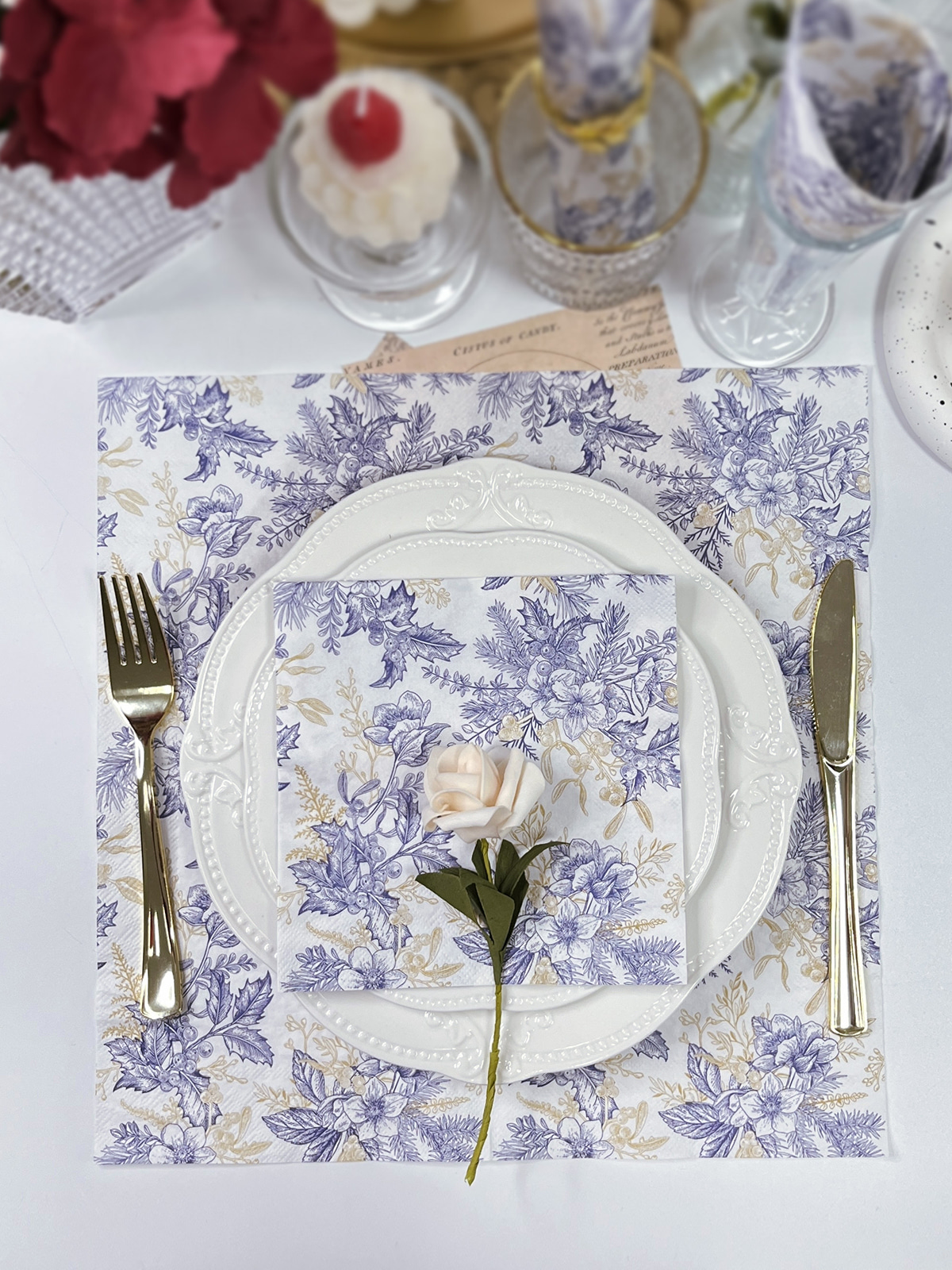
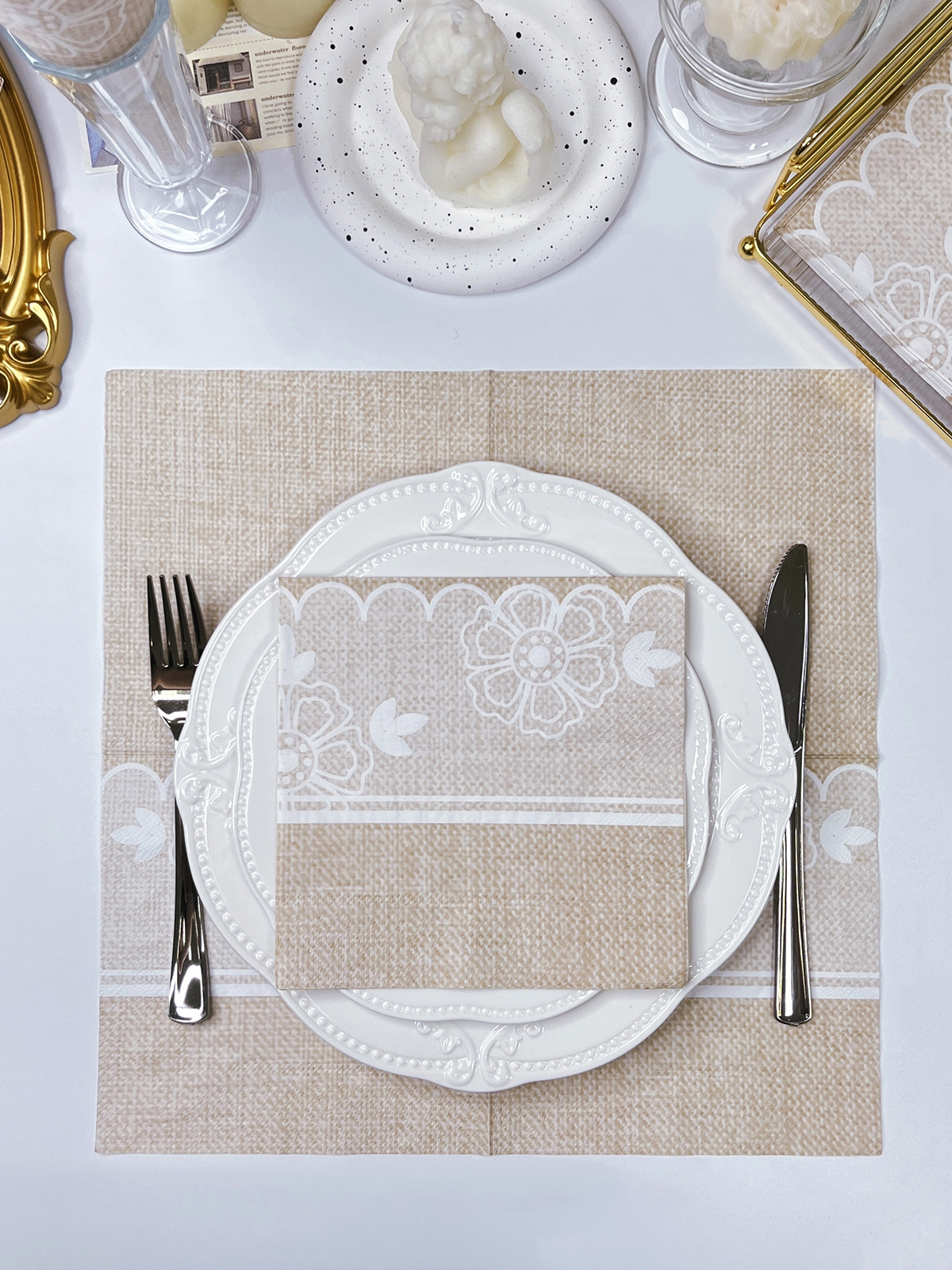
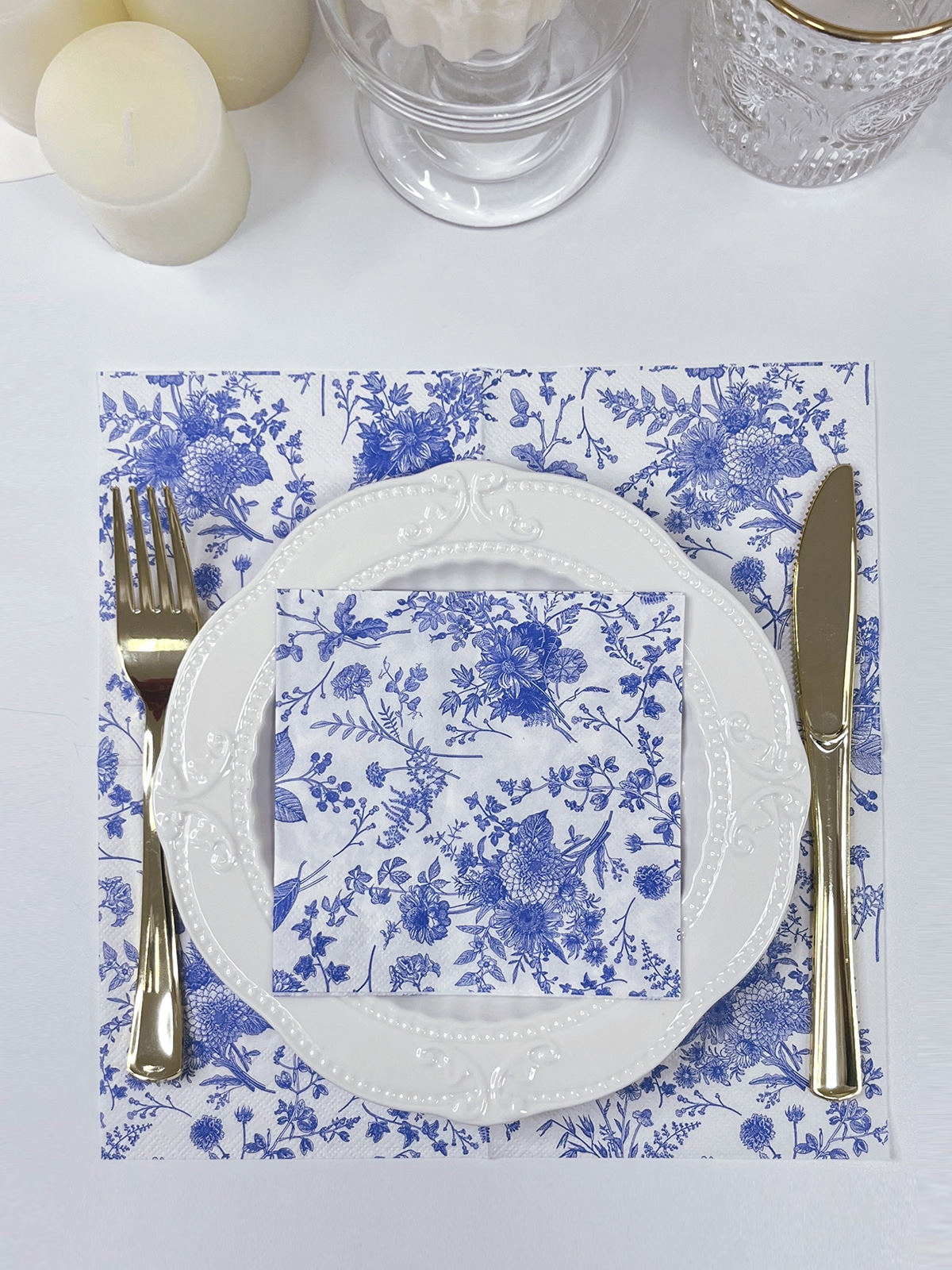
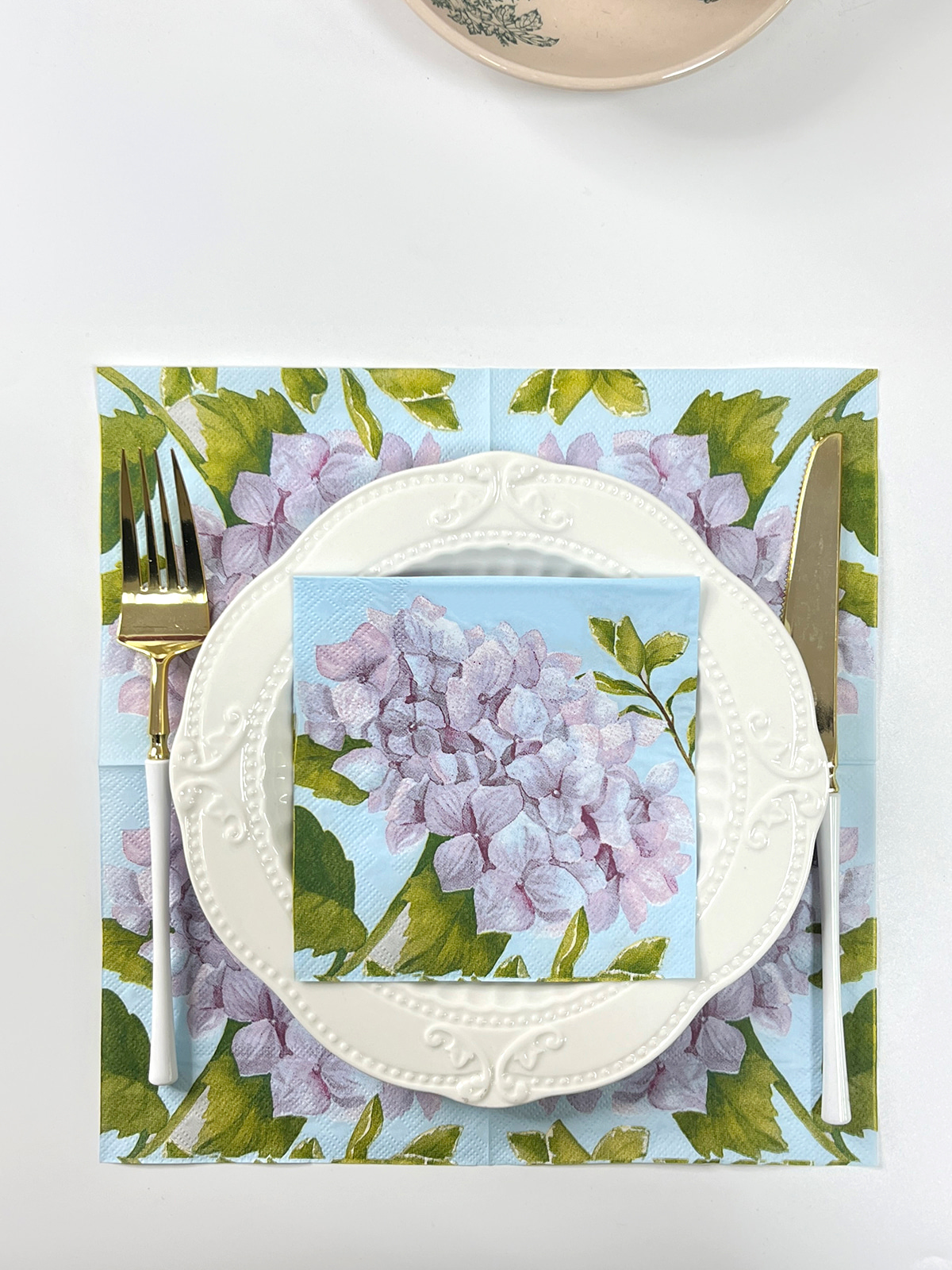
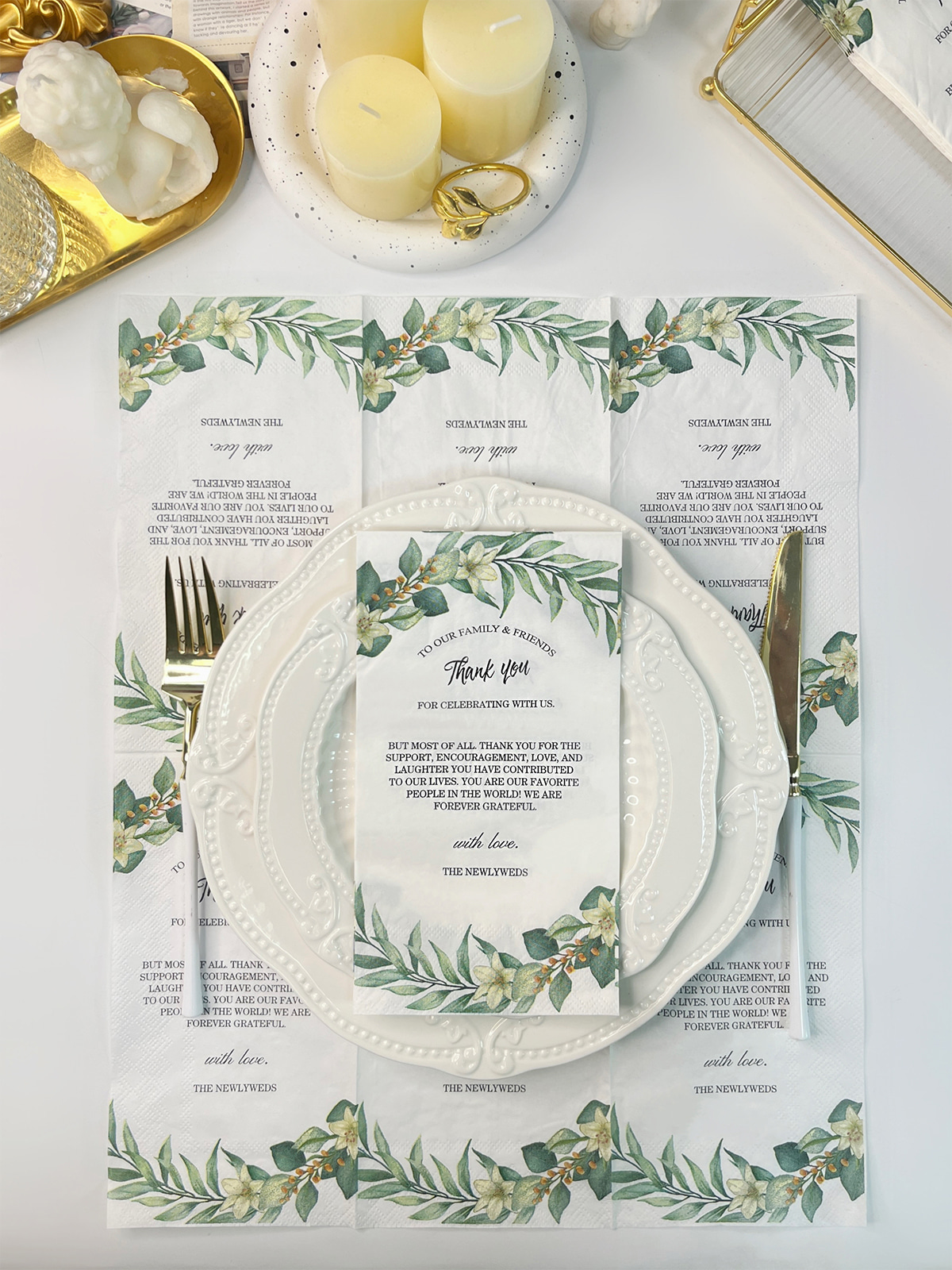
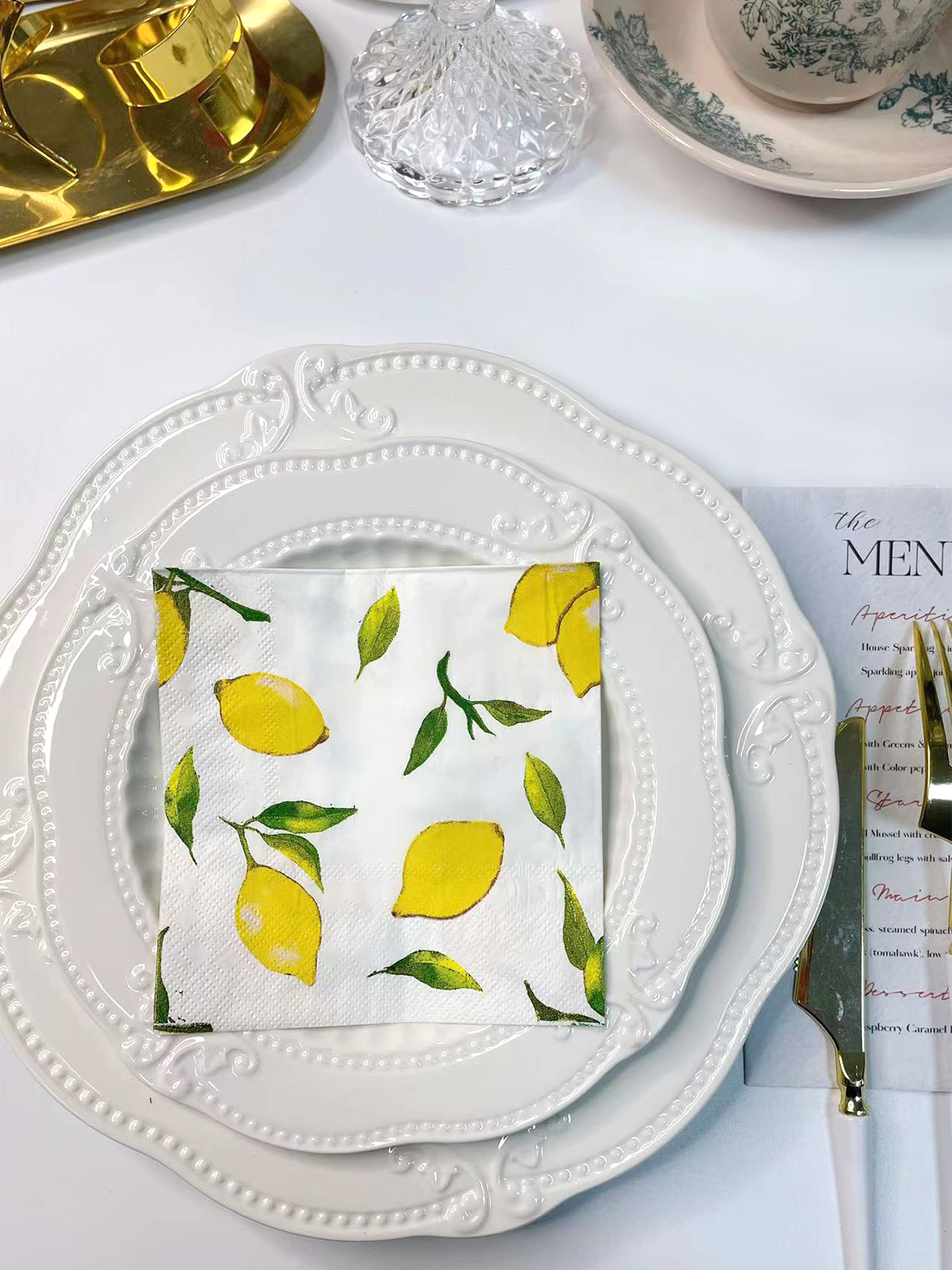
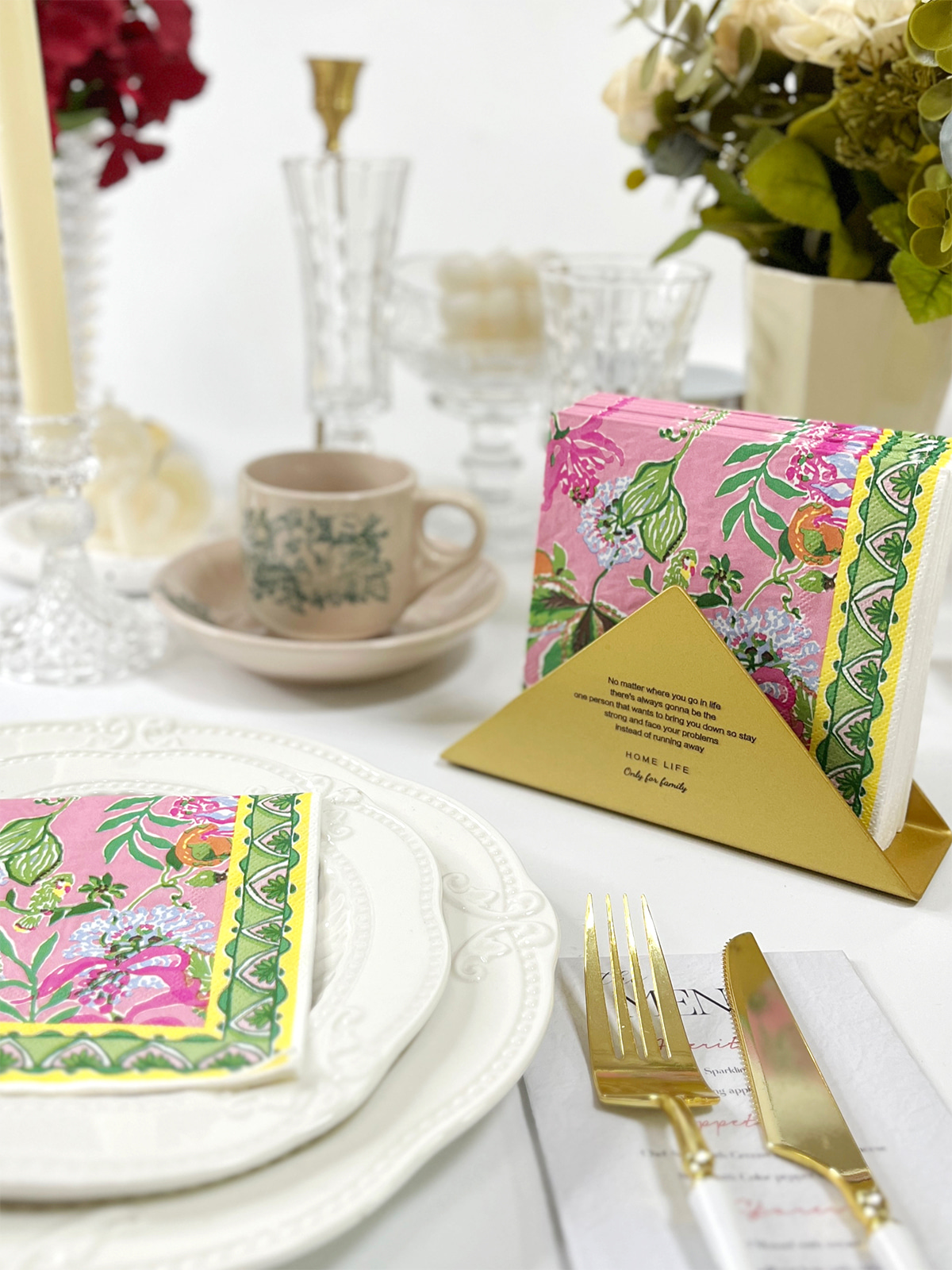
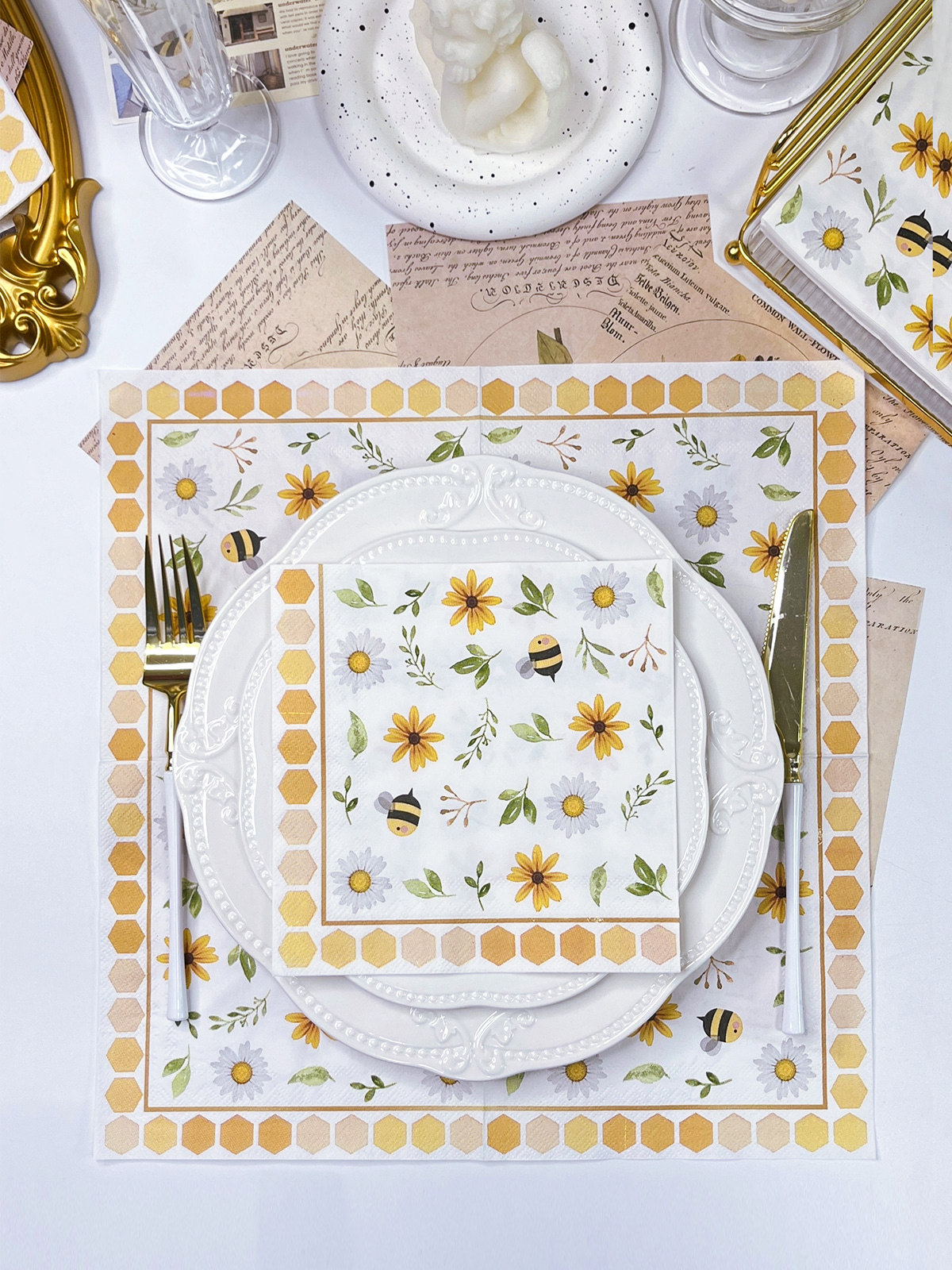
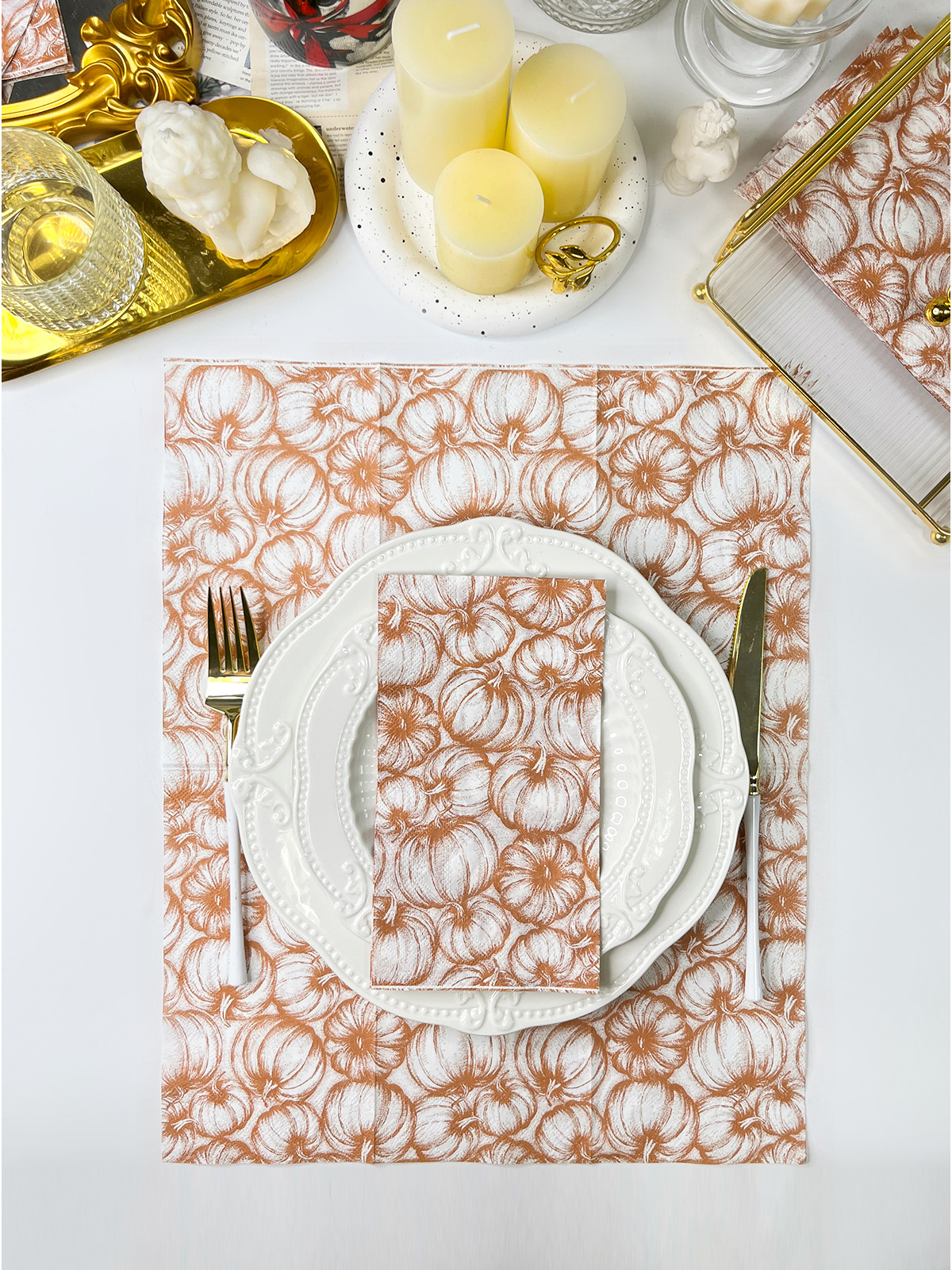
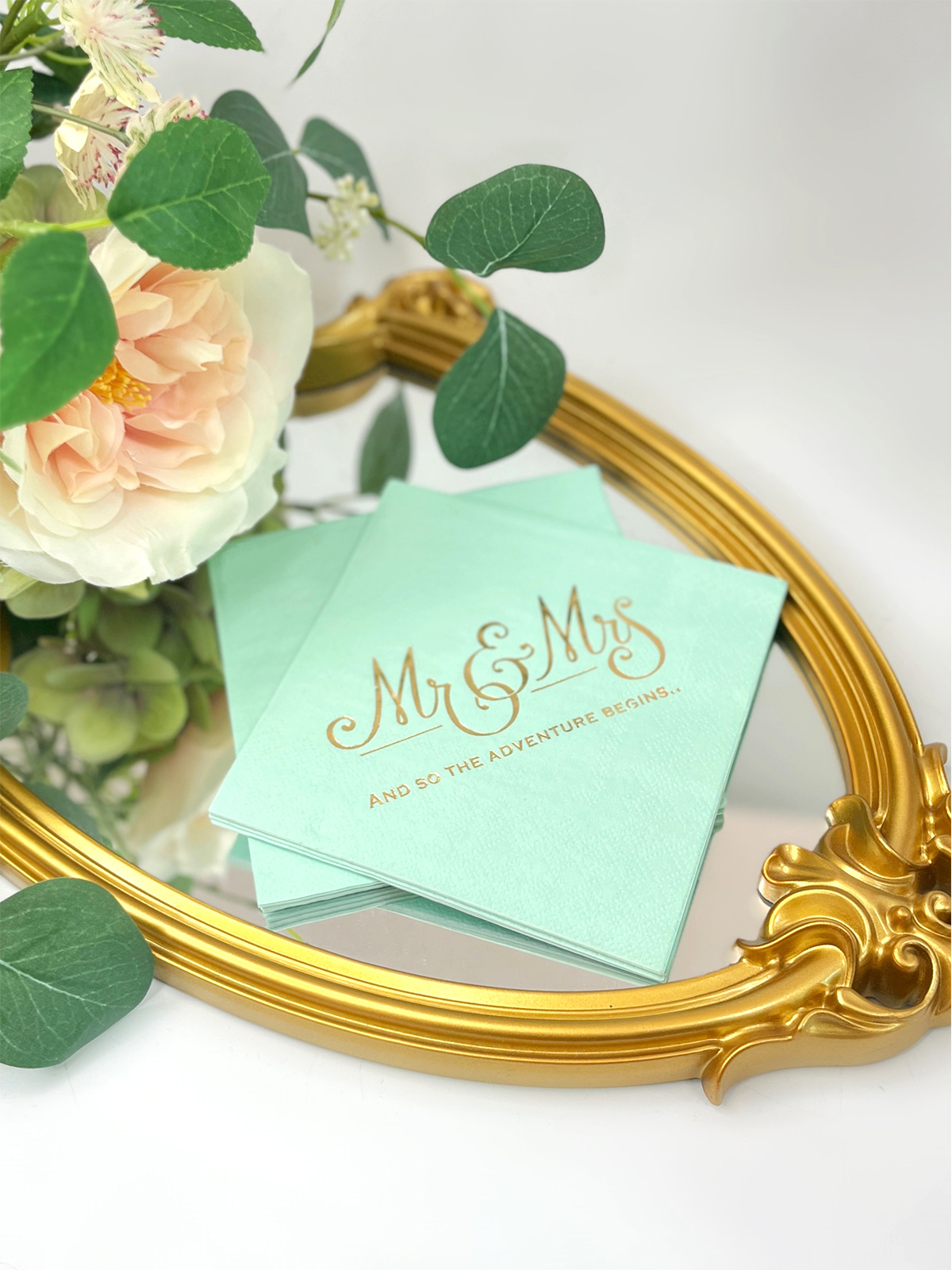
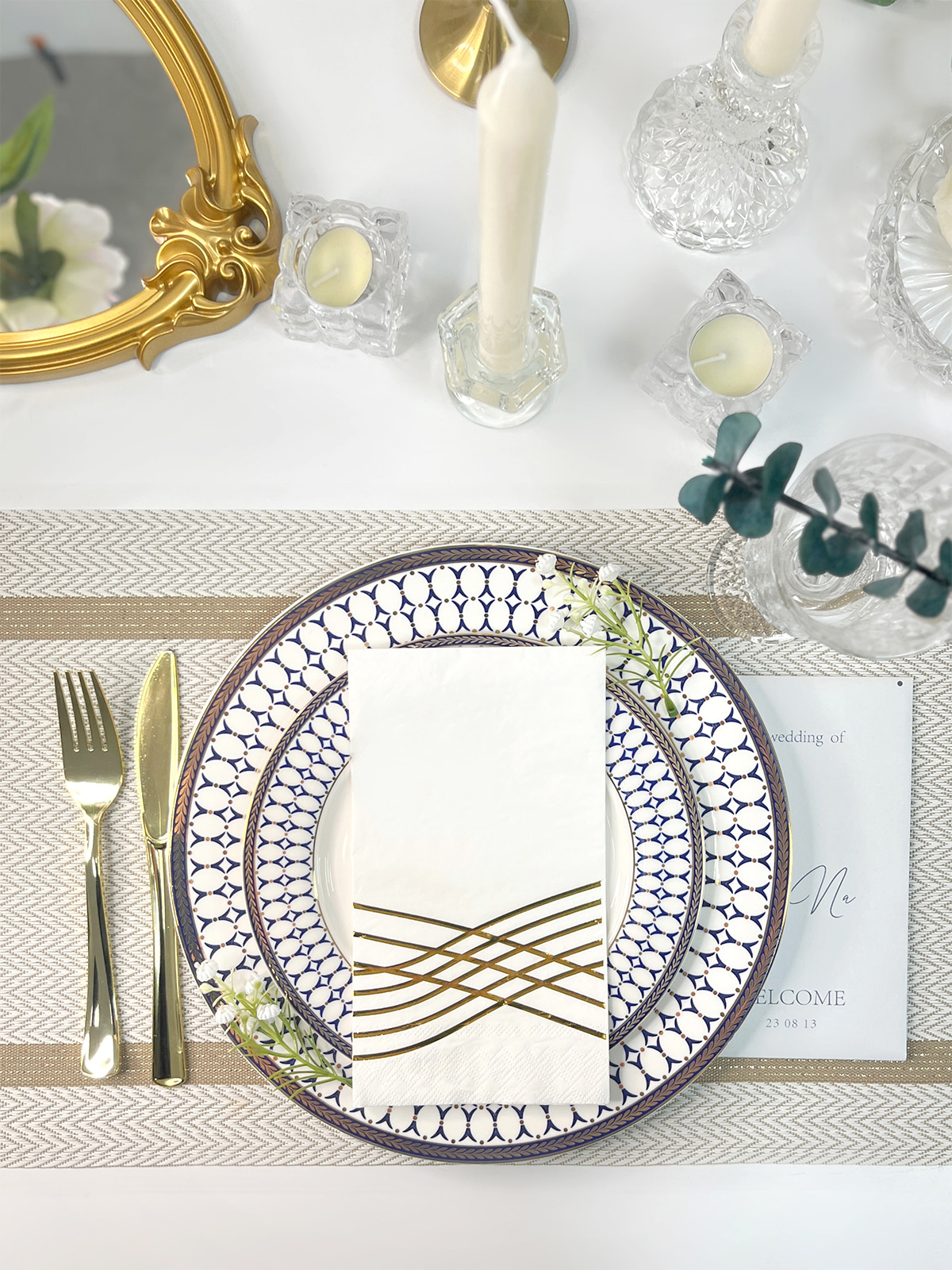
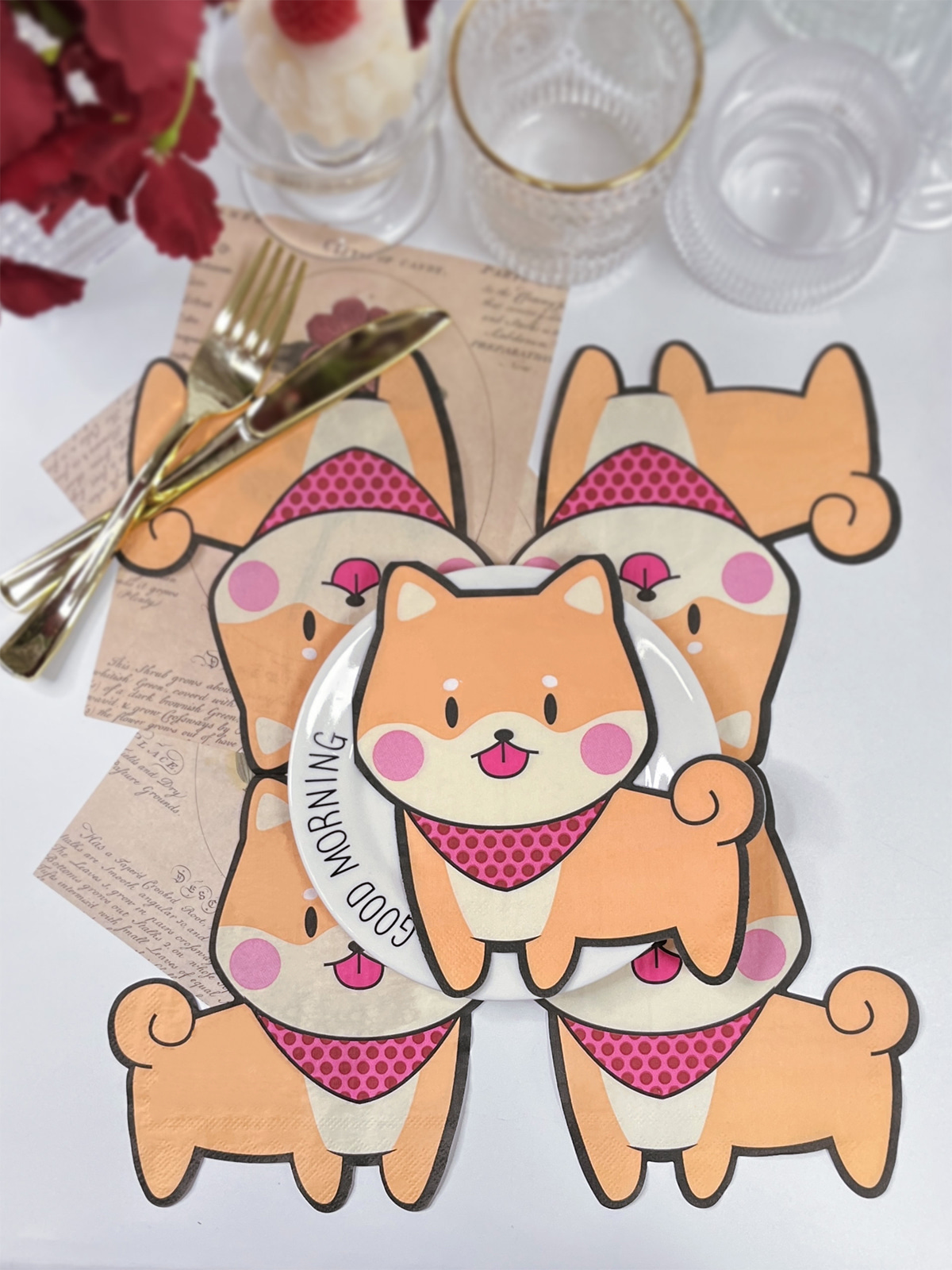
Manufacturing napkins intended for celebrations typically involves additional operations beyond the basic sheet forming used for utility products. These added operations influence cost in several ways.
These production considerations increase manufacturing hours and handling requirements, which contribute to a higher unit cost for decorative napkins intended for event use.
Material choices play a central role in both user experience and cost. Napkins designed for table presentations usually prioritize tactile qualities and image reproduction, while everyday sheets emphasize absorbency and durability.
Because of these material choices, items intended for table display typically carry a different cost structure than multipurpose cleaning sheets.
Packaging for party napkins is frequently part of the product proposition. Attractive wraps or display-ready boxes not only protect printed designs but also position the product as a table accessory rather than a simple consumable.
The cost of appealing presentation is passed along the value chain, influencing the final shelf price.
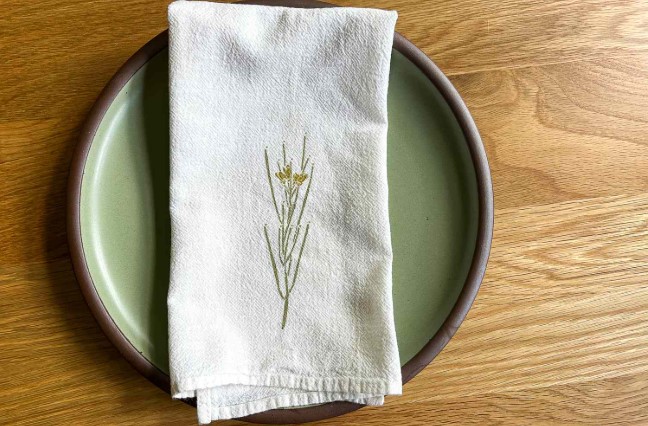
How consumers use a product affects how it is priced. Items expected to be used frequently are often marketed for volume, while occasion-specific goods are positioned for experience.
Retailers and suppliers set pricing to reflect these consumption patterns, balancing turnover with margin objectives.
Where and how a product is sold influences price. Channel choice reflects the intended shopper and the perceived value of the item.
Distribution strategy, together with channel margins, shapes retail pricing outcomes.
Evolving consumer interest in environmental considerations and local regulations can change sourcing and production practices, which in turn affect costs.
These elements can increase cost or require trade-offs between price and sustainability credentials.
The table below summarizes common cost contributors and how they typically differ between decorative party napkins and basic utility sheets.
| Cost Category | Party Printed Napkins (Decorative) | Basic Utility Sheets |
|---|---|---|
| Raw material (fiber quality) | Higher — chosen for softness and printability | Lower — focused on absorbency and strength |
| Printing and finishing | Higher — color printing, embossing, registration | Minimal or none |
| Packaging design | Higher — display-ready, protective | Lower — bulk packaging |
| Production handling | Higher — quality checks, careful packing | Lower — automated bulk runs |
| Design and seasonal SKUs | Higher — artwork and tooling updates | Lower — stable core SKUs |
| Distribution channel | Can be higher — specialty retail | Lower — mass retail focus |
| Sustainability costs | Variable — certified materials add cost | Variable — depends on choices |
This breakdown clarifies how multiple small differences compound into the final retail price.
Industry participants describe decorative napkin production as a blend of craft and manufacturing. Producers that specialize in event-oriented ranges typically work closely with designers, run targeted production batches, and present products in retail-friendly formats. Buyers evaluate whether the visual appeal and packaging will drive sales enough to justify higher shelf prices.
In trade discussions, the term Party Printed Paper Napkins Manufacturer is commonly used to identify suppliers with these capabilities. Working with a Party Printed Paper Napkins Manufacturer can provide access to custom patterns and manageable short runs for themed assortments.
For purchasers and merchandising teams, aligning product choice with use case and timing helps control costs and meet customer expectations.
Match product to use: Prioritize utility sheets for cleanup tasks and decorative napkins for table settings.
Time promotions to occasions: Rotate themed ranges around celebrations to improve turnover.
Evaluate packaging formats: Bulk packs lower per-unit packaging cost; display packs support impulse purchases.
Thoughtful assortment and timing reduce the need to carry slow-moving SKUs and help maximize return on shelf space.
Further Guidance and Links
Understanding the mix of material, production, packaging, and market factors behind napkin pricing enables smarter purchasing and merchandising choices. For those seeking a directory of suppliers or to explore decorative ranges and sample assortments, consider visiting papernapkinfactory for additional references and catalog options.
Related Products
Shopping for a reliable source of napkins?
Established in 2007 and located in Zhuji City, Zhejiang Province, Zhuji Furong Paper Products Co., Ltd. is a professional manufacturer of color-printed napkins. Enhance Your Event With Custom Printed Napkins.
Telephone
+86-15325932613
Address
Jianglong Industrial Park, Jiyang Street, Zhuji City, Shaoxing, Zhejiang, China.
Contact Us
Products
Contact Us
+86-15325932613
+86-575-87765556
+86-575-87765559
Jianglong Industrial Park, Jiyang Street, Zhuji City, Shaoxing, Zhejiang, China.
Party Printed Paper Napkins Manufacturer Customized Napkins And Paper Towels Factory
Copyright © by Zhuji Furong Paper Products Co., Ltd. Rights Reserved.

 English
 中文简体
中文简体