2026-07-13
Disposable Party Napkins appear at birthday celebrations, family meals, holiday gatherings, weddings, business events, and many other occasions where convenient table service is preferred. After every event ends, another question naturally follows. Instead of asking only whether a paper napkin has finished its purpose, many people now pay closer attention to what happens after disposal and whether another use for its paper fibers remains possible.
A simple answer is difficult because recycling depends on more than the product itself. Material selection, manufacturing methods, decorative finishes, food residue, moisture, and the condition of the paper after use all influence the next stage of its life. Two napkins that look almost identical before use may follow completely different disposal paths after leaving the table.
Environmental awareness has also changed the way paper products are evaluated. Appearance and softness still matter, although increasing attention is now given to responsible material use, resource recovery, and waste reduction. Rather than focusing only on convenience, many purchasing decisions include questions about recyclability and environmental impact.
Understanding those factors helps avoid common misunderstandings. A paper napkin is not automatically recyclable simply because it is made from paper, and an environmentally friendly product does not necessarily belong in every recycling stream. Material condition often becomes more important than material type once a napkin has been used.
Content
Paper products share similar raw materials, yet their intended use creates noticeable differences in structure and performance. Disposable Party Napkins are produced to absorb moisture quickly, remain soft during use, and fold easily for dining occasions. Those characteristics make them different from writing paper, cardboard, or paper packaging.
Softness begins with fiber preparation. Paper intended for dining generally contains fibers arranged to create a gentle surface while maintaining enough strength for handling. Multiple layers may also be combined to improve absorbency without making the product feel stiff.
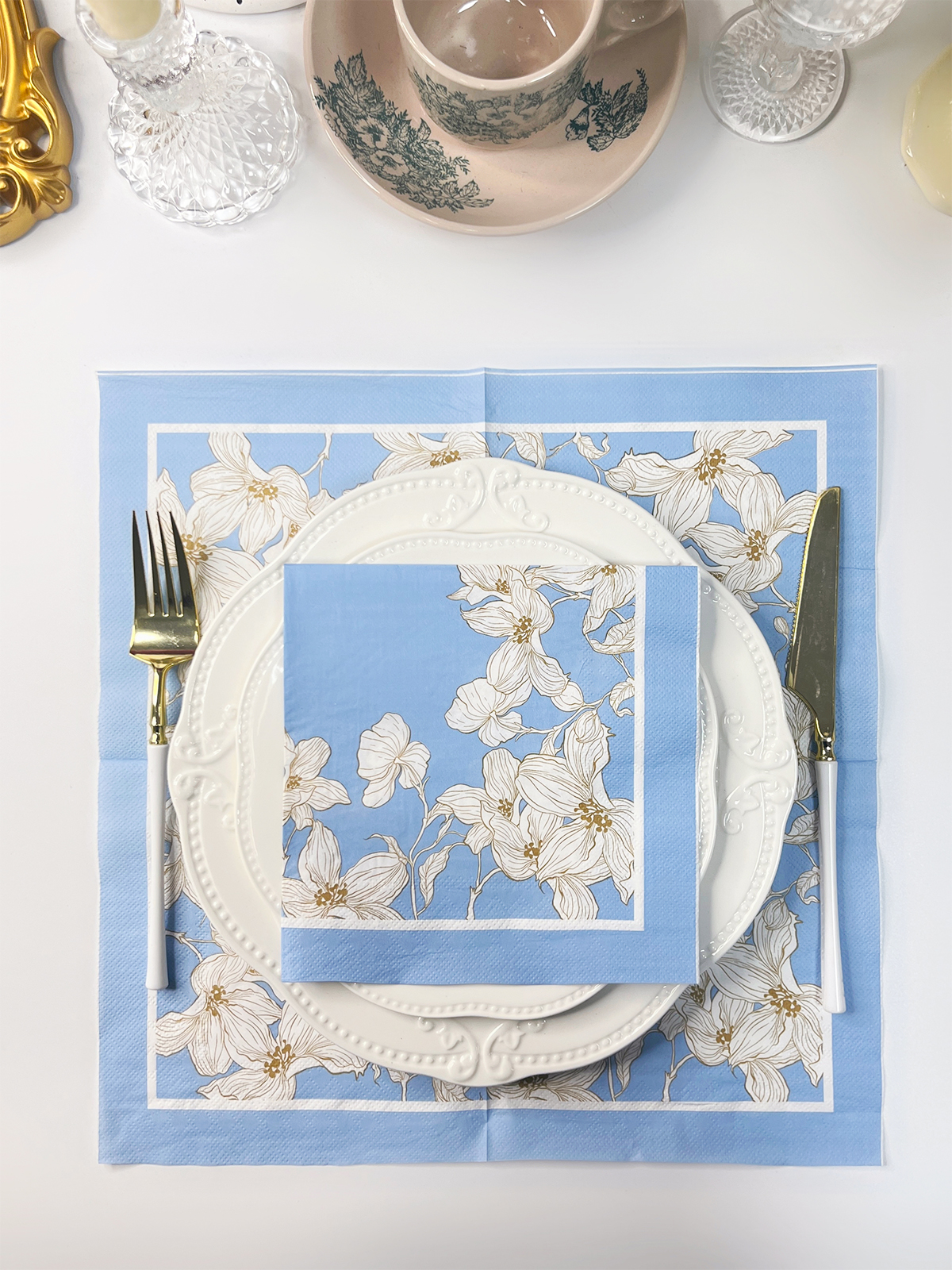
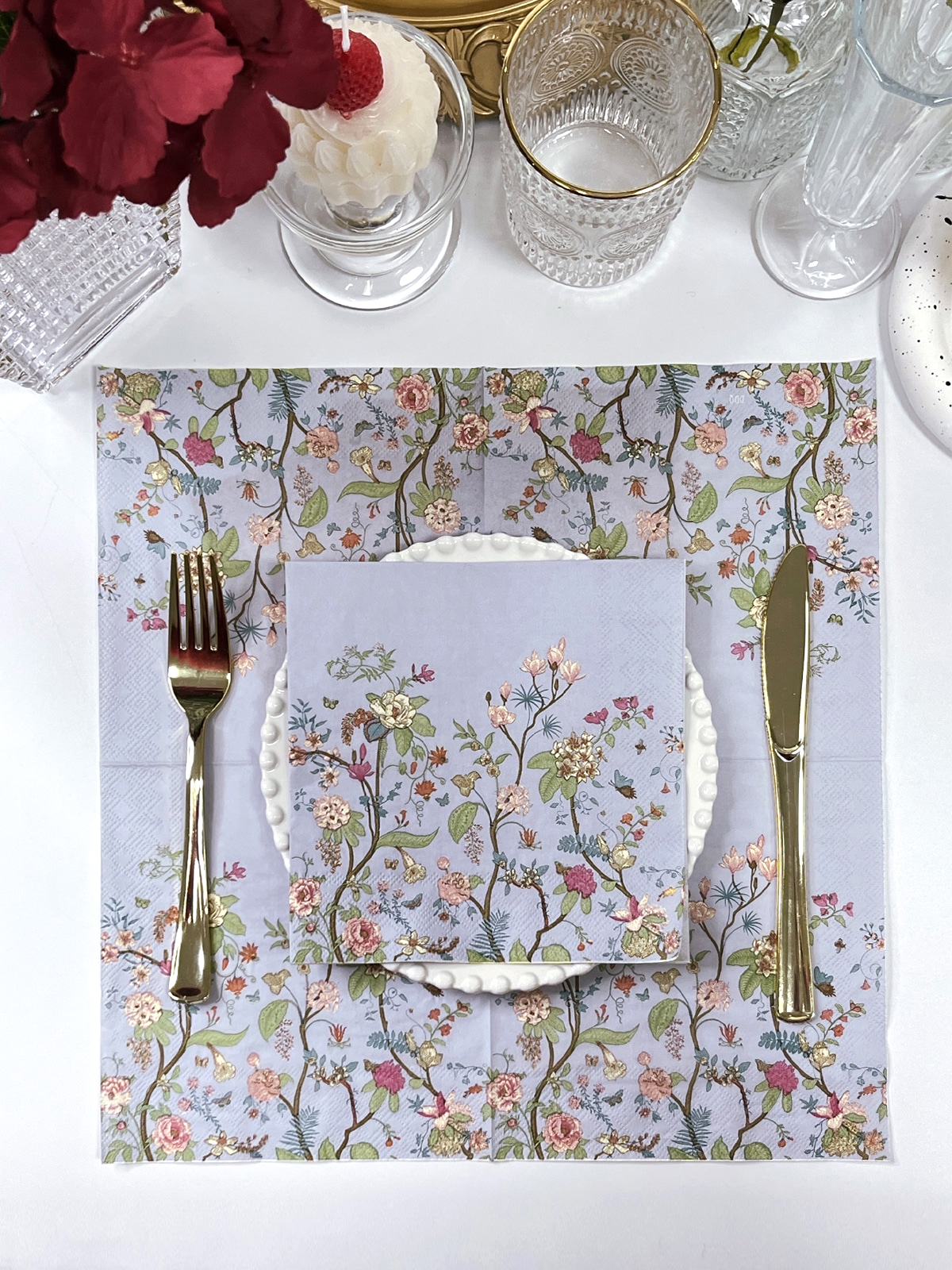
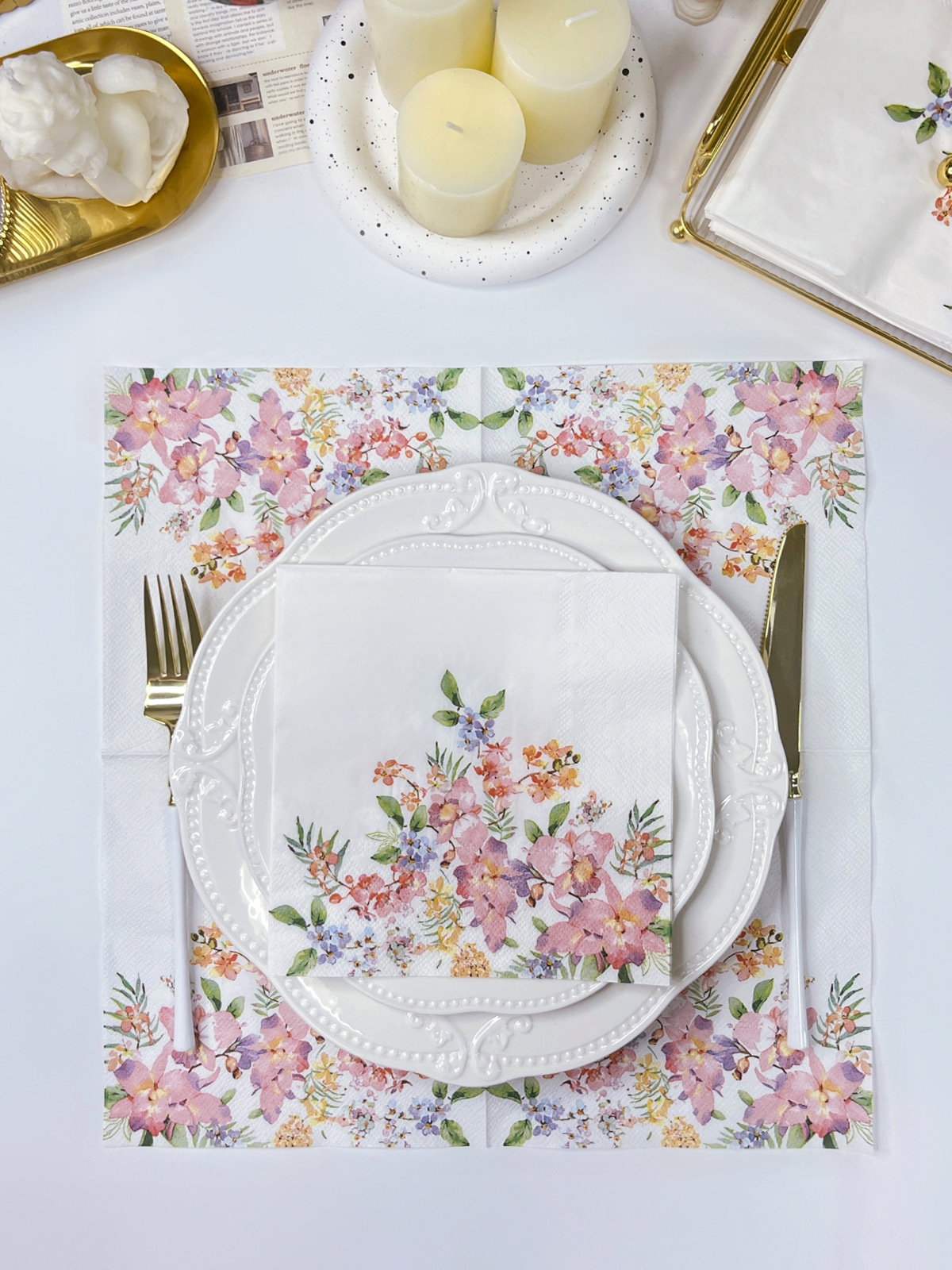
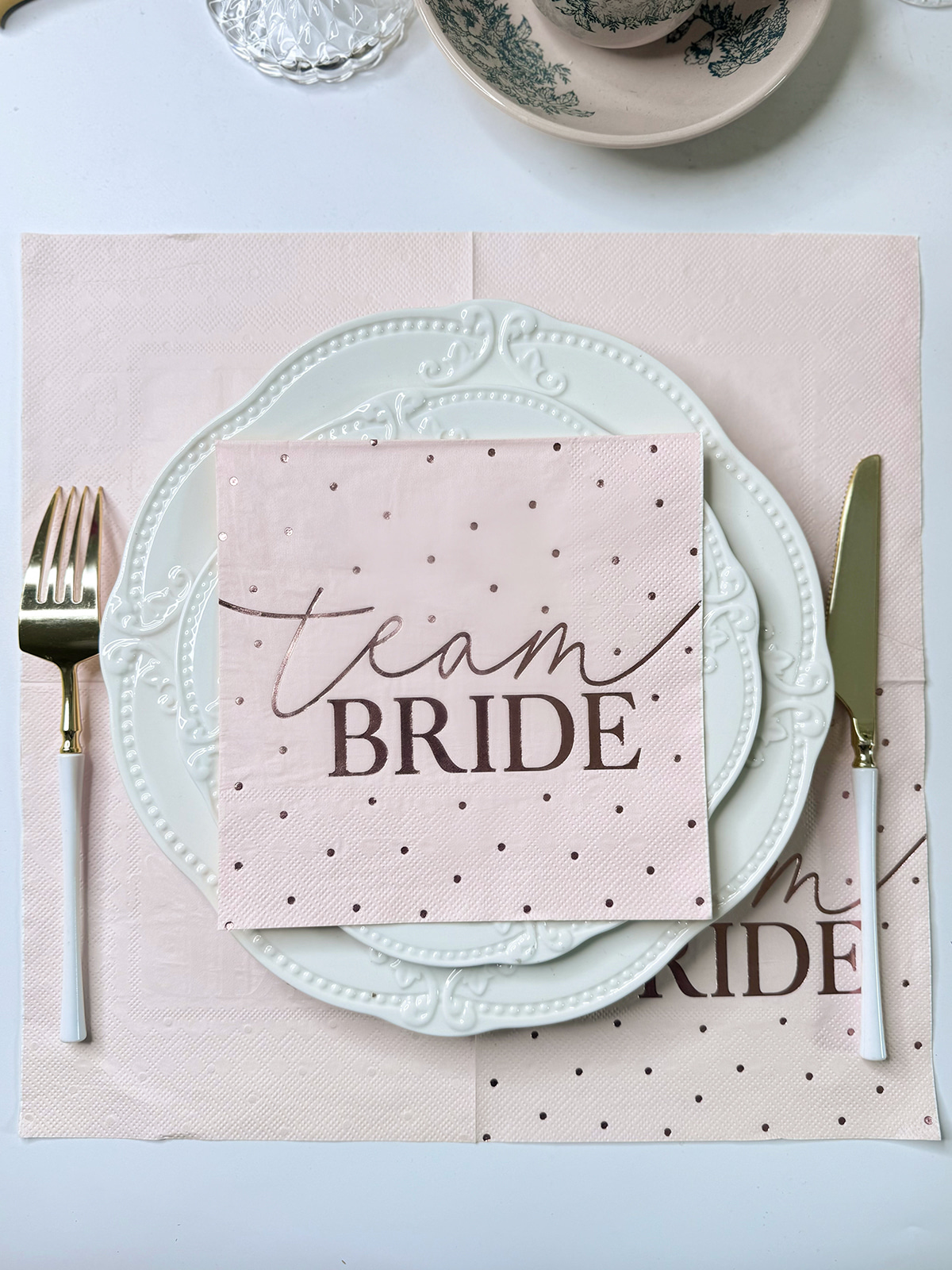
Surface treatment varies according to the intended application. Some napkins remain plain, while others include decorative printing, embossed textures, or metallic finishes for formal events. Each additional treatment changes the final product in subtle ways and may also influence how the paper behaves after disposal.
Another difference comes from daily use itself. Office paper usually stays clean throughout its life, while table napkins are expected to absorb liquids, collect food residue, and contact oils during meals. Once fibers become saturated with contaminants, recovering usable paper becomes far more complicated than recycling clean sheets.
Although both products belong to the paper category, their working conditions are entirely different. Recycling systems therefore evaluate their condition rather than simply their material.
Many people expect a simple answer to this question, yet paper recovery depends largely on what happens after the napkin leaves the package. A clean unused napkin has very different recycling potential from one that has been used during a meal.
Unused paper generally remains in a condition where fibers are still suitable for recovery. Since contamination has not yet occurred, separation from other recyclable paper is usually much easier.
After use, several changes begin to affect paper quality. Oil from food can spread through the fibers, beverages may weaken the paper structure, and sauces often leave stains that cannot be removed during ordinary recycling processes. Once contamination reaches a certain level, recovering clean paper fibers becomes increasingly difficult.
| Napkin Condition | Recycling Possibility | Main Reason |
|---|---|---|
| Clean And Unused | Often More Suitable | Fibers Remain Clean |
| Slightly Damp | Depends On Condition | Fiber Quality May Still Be Maintained |
| Food Stained | Often Limited | Residue Enters Paper Fibers |
| Oil Soaked | Usually Difficult | Oil Interferes With Fiber Recovery |
Location also plays a role because different waste management systems accept different paper products. Rather than assuming every paper napkin belongs in a recycling container, checking local collection practices remains a practical step.
Material condition, rather than appearance alone, usually determines whether recovery remains possible.
Several factors work together once paper enters a recycling process, and none of them should be viewed separately because each one influences the condition of the fibers in a different way.
Food residue is one of the more common challenges. Small particles trapped within soft paper can remain attached even after drying, making fiber cleaning more difficult than many people expect. Moisture creates another concern because wet fibers lose strength more easily during handling and transportation.
Oil creates an additional obstacle. Unlike clean water, cooking oils can spread throughout paper fibers and remain attached long after the napkin has dried. During recycling, separating those substances from delicate fibers requires more processing, and heavily contaminated paper may no longer provide suitable raw material for new paper products.
Decorative finishes deserve attention as well. Some printed designs cover only a small area, while others include larger amounts of color or additional surface decoration. Decorative treatments do not automatically prevent recycling, although heavier finishes may require additional processing depending on the recycling method being used.
Several common factors influence recycling potential:
Paper condition usually results from a combination of those influences rather than a single cause. Even similar products may follow different disposal routes because each one has experienced different conditions during use.
Terms related to environmental protection often appear together, making it easy to assume they all describe the same characteristic. In reality, recyclable, biodegradable, compostable, and environmentally friendly describe different aspects of a product rather than identical qualities.
A paper napkin produced from responsibly managed raw materials may reduce pressure on natural resources, although its condition after use still determines whether recycling remains practical. Likewise, paper designed to break down naturally does not automatically belong in every recycling stream.
Environmental performance involves the entire life cycle instead of only one stage. Material selection influences resource consumption during production, manufacturing methods affect energy use and waste generation, while disposal determines whether remaining fibers continue serving another purpose.
Several ideas are often confused:
Understanding those differences helps avoid incorrect disposal choices. A product may perform well in one environmental category without necessarily meeting another, making proper identification an important part of responsible waste handling.
Printing changes the surface of a paper napkin in ways that are not always visible, and those changes can affect what happens after use. A simple printed pattern usually leaves the paper closer to its original condition, while heavier decoration, larger ink coverage, or added surface treatment can make fiber recovery more complicated once the napkin enters a waste stream.
Light printing tends to create fewer problems than thick decorative layers, although even small design changes still matter once paper is mixed with food residue, moisture, or oil. Recycling works by separating paper into fibers and cleaning those fibers for another use, so anything that stays attached to the paper surface may become part of the recycling challenge.
Foil decoration adds another layer to think about. While it can improve appearance for celebrations or formal dining, it also introduces material that does not behave like paper during recovery. A paper napkin with foil details may still be treated differently from a plain paper napkin because recycling facilities need to deal with more than one surface material.
Printing should not be viewed as the only factor, since paper condition after use usually matters more. Still, when design coverage becomes heavier, the recycling route often becomes less straightforward.
Responsible disposal begins with use, not only with throwing something away after a meal or event. When fewer napkins are taken than needed, less paper enters the waste stream, and clean napkins that remain unused can often stay separate from food-soiled paper.
Once an event is over, sorting matters more than many people expect. Clean paper may still have a chance to move into a paper recovery path, while napkins covered with sauces, grease, or food scraps often follow a different route because contamination makes fiber recovery harder.
A few simple habits can help reduce unnecessary waste:
Small actions like these can make disposal easier to manage. Clean material is much simpler to process than paper mixed with different substances, so careful sorting can support better resource recovery later on.
Responsibility at the end of use still depends on what happened before disposal. A napkin handled carefully during the event may remain easier to sort afterward, while one mixed with grease or heavy residue becomes harder to place in a paper recovery path.
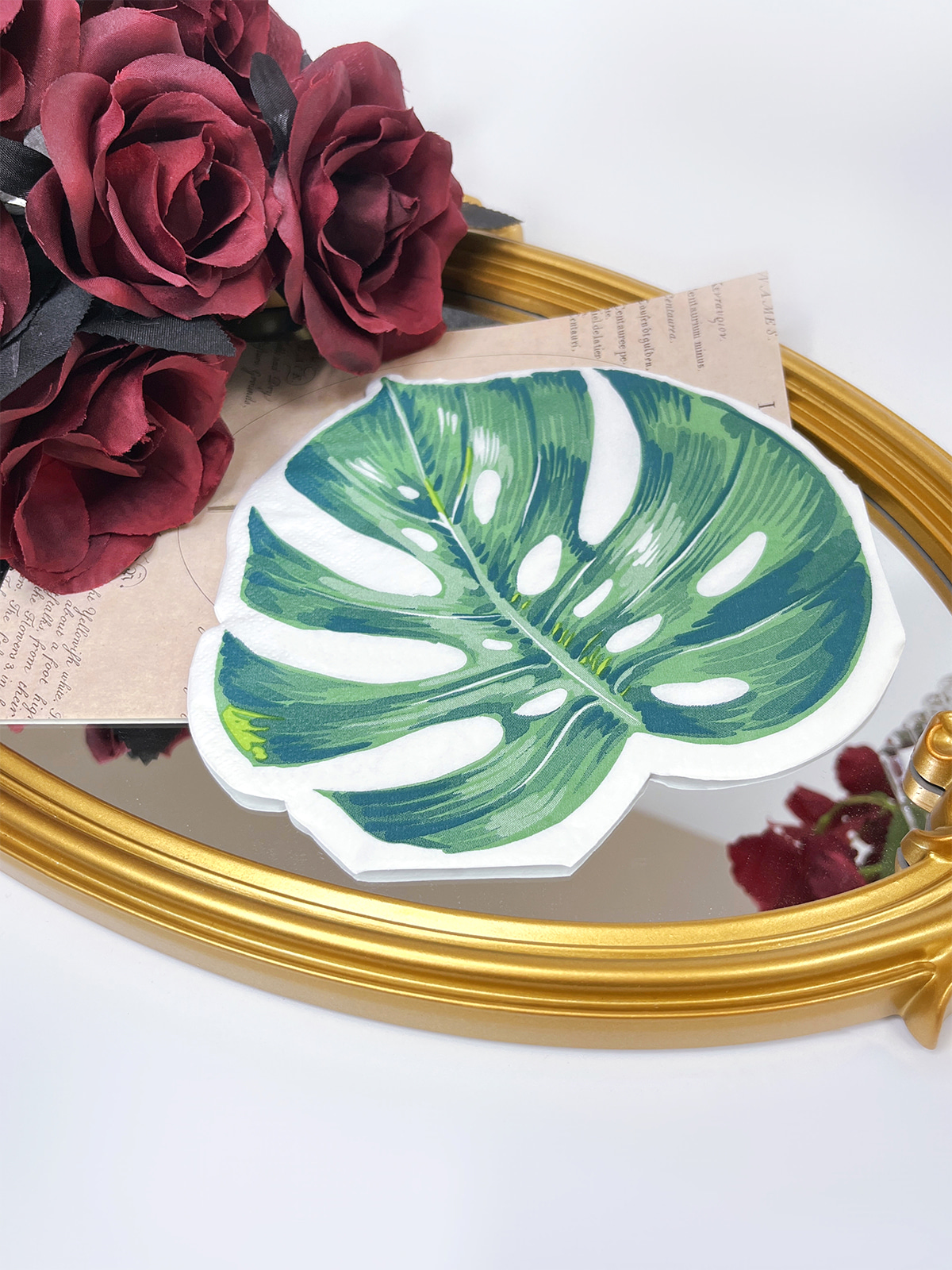
Selection often starts with appearance, yet environmental behavior deserves equal attention. Paper type, printing coverage, decorative treatment, and packaging all affect how the product performs during use and after disposal.
Some napkins are made with a simple structure that stays closer to plain paper, while others include more decoration or surface treatment for special occasions. A simpler design may be easier to handle after use, although decorative products still have their place when appearance matters for the event.
Several points are worth checking before choosing:
The right choice often depends on how the napkin will actually be used. A formal banquet may call for a more decorative look, while a family meal or casual gathering may work well with a simpler paper option that creates less disposal complexity later on.
Choosing with the end of use in mind can make a real difference. A product that suits the occasion and stays easy to manage afterward often supports more practical waste handling.
Interest in sustainability has changed how paper products are discussed. Appearance and absorbency still matter, though buyers now pay more attention to raw material use, waste generation, and disposal behavior after the event ends.
Manufacturing choices play a role here. Some production methods use simpler material combinations, while others reduce unnecessary decoration or packaging. Small changes in the production process can reduce material waste without changing the basic function of the napkin during normal use.
Packaging has also become part of the discussion. Paper needs protection from moisture and damage, although excessive packaging creates more waste than necessary. A balanced approach keeps the product usable while limiting extra material where possible.
Sustainability is usually shaped by several connected steps rather than one isolated feature. Material selection, printing, packaging, use, and disposal all affect the final footprint, so gradual improvements across those stages often matter more than a single visible change.
Paper napkins are likely to remain part of dining and event use, although future development may focus more on how easily they can be managed after use. Simpler material combinations and cleaner production methods may become more common as recycling and waste handling continue to receive attention.
Decorative design may also change in response to recovery needs. Strong visual effects can still have a place, although future products may place more weight on how the napkin behaves once it leaves the table rather than only how it looks during the event.
Comfort, appearance, and disposal are becoming more closely connected. A paper napkin now needs to fit the event, handle use well, and remain practical after disposal, which means product development will likely keep moving toward better balance rather than toward one single feature.
Disposable Party Napkins will continue serving daily gatherings and special occasions, while recyclability and environmental behavior remain central points in how those products are chosen, used, and handled afterward.
Related Products
Shopping for a reliable source of napkins?
Established in 2007 and located in Zhuji City, Zhejiang Province, Zhuji Furong Paper Products Co., Ltd. is a professional manufacturer of color-printed napkins. Enhance Your Event With Custom Printed Napkins.
Telephone
+86-15325932613
Address
Jianglong Industrial Park, Jiyang Street, Zhuji City, Shaoxing, Zhejiang, China.
Contact Us
Products
Contact Us
+86-15325932613
+86-575-87765556
+86-575-87765559
Jianglong Industrial Park, Jiyang Street, Zhuji City, Shaoxing, Zhejiang, China.
Party Printed Paper Napkins Manufacturer Customized Napkins And Paper Towels Factory
Copyright © by Zhuji Furong Paper Products Co., Ltd. Rights Reserved.

 English
 中文简体
中文简体