2026-07-08
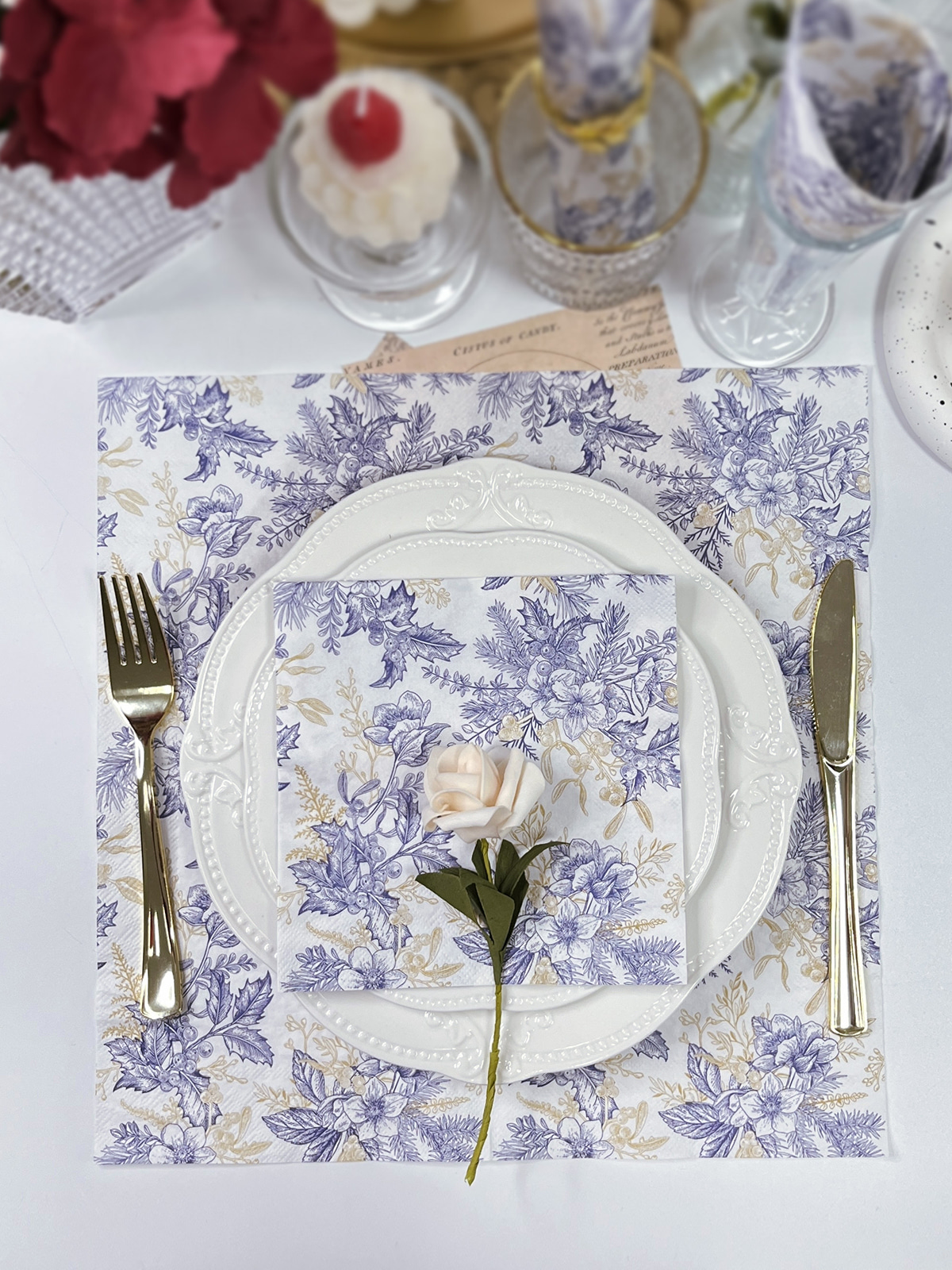
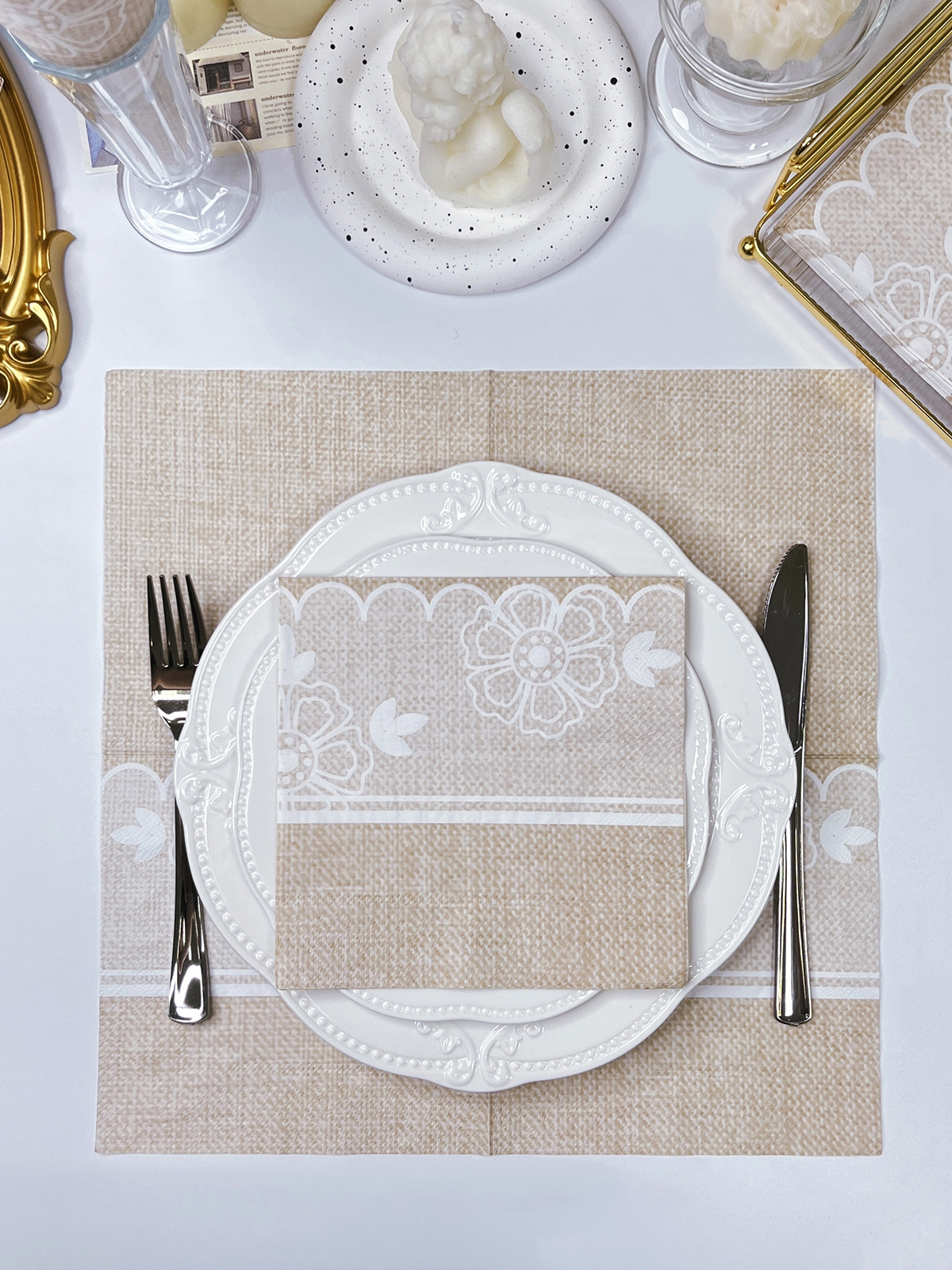
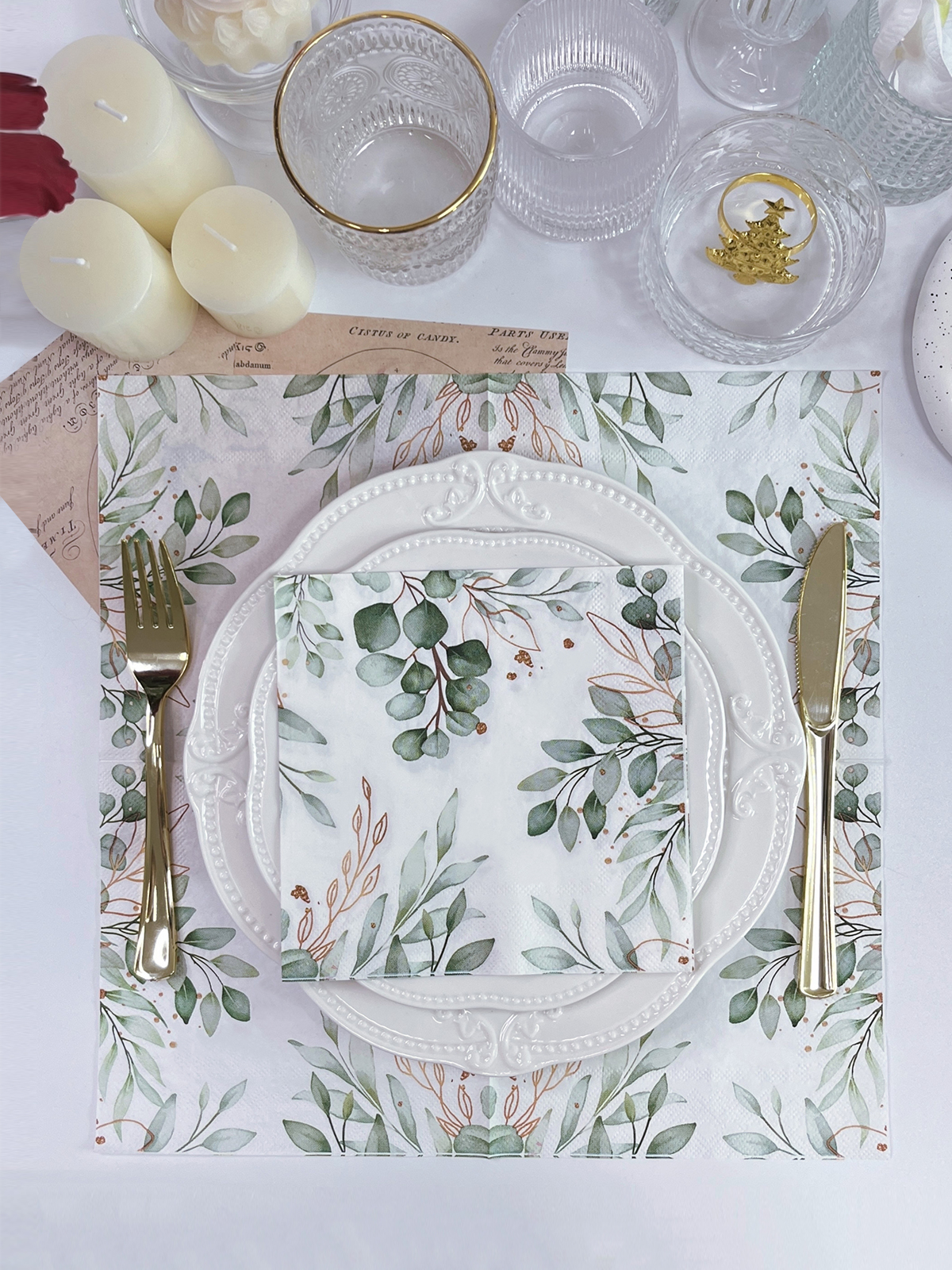
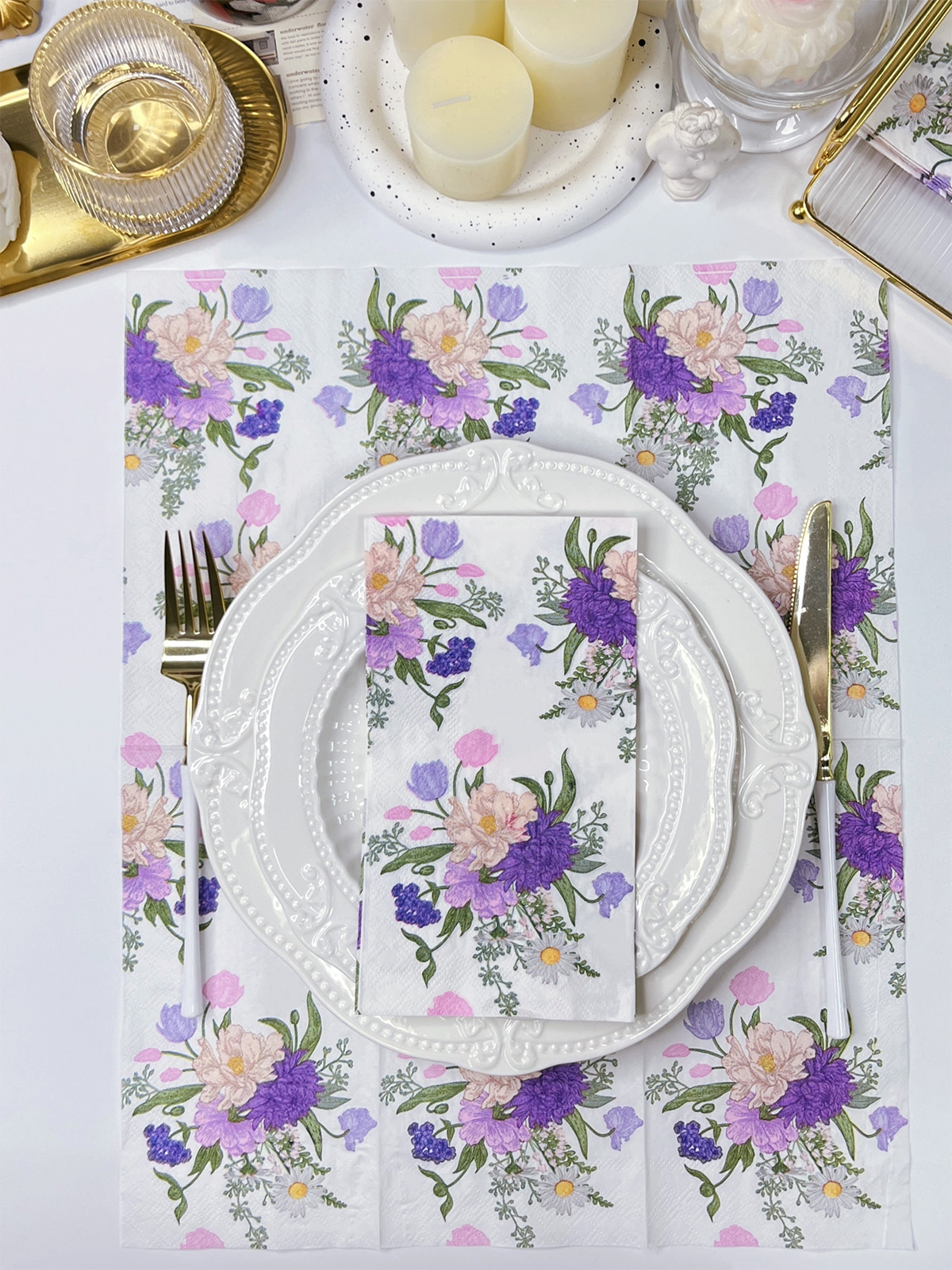
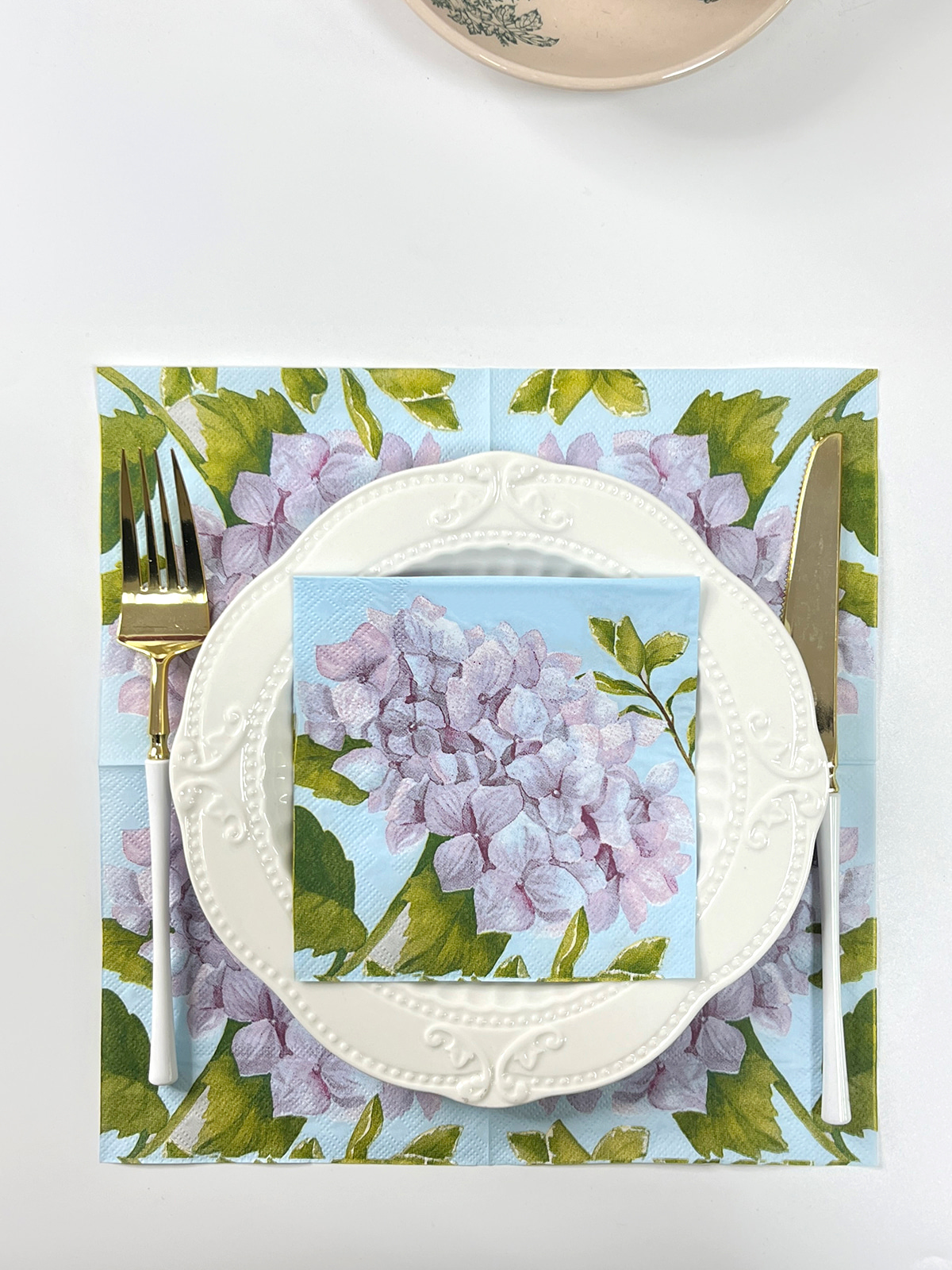
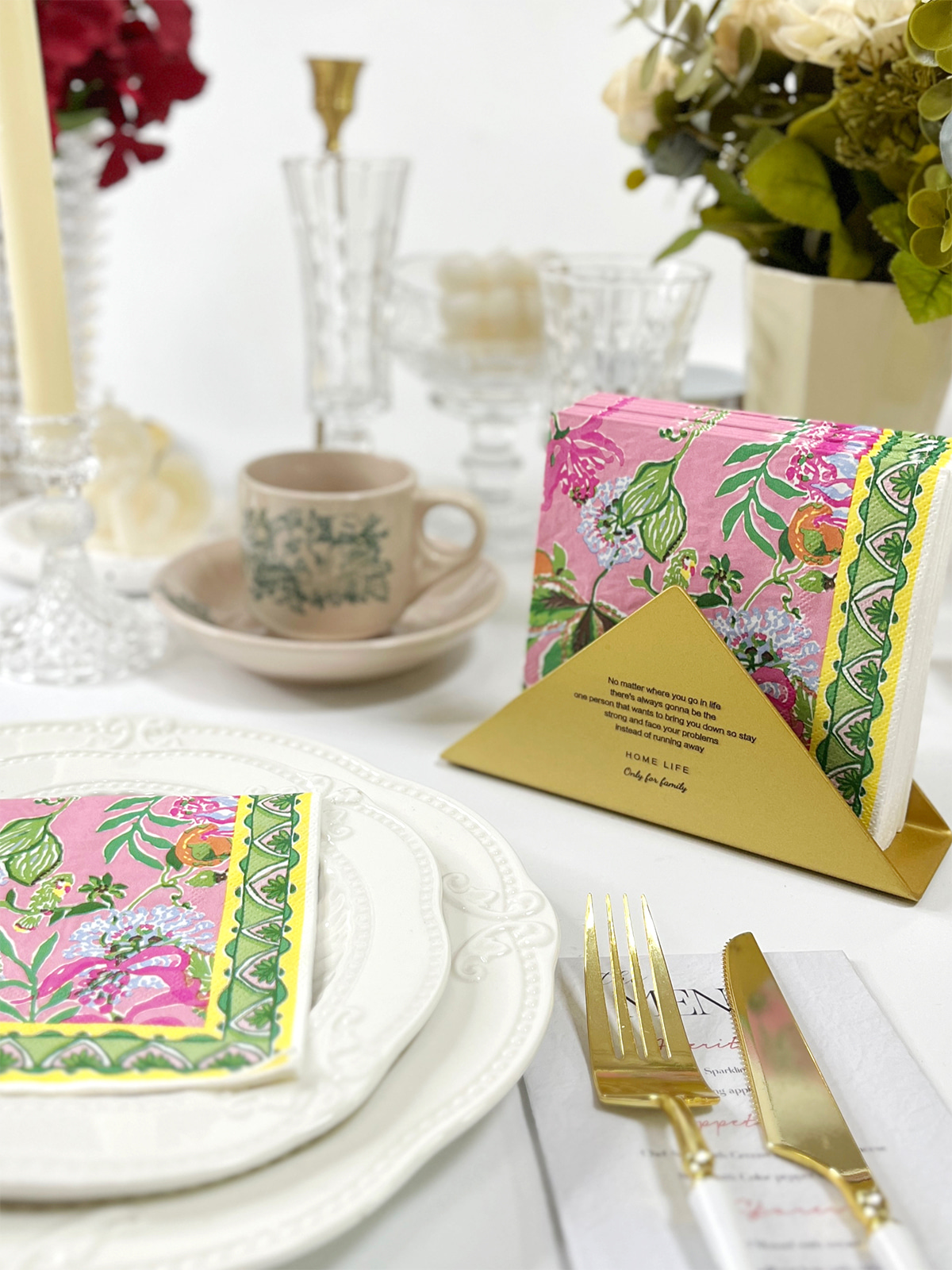
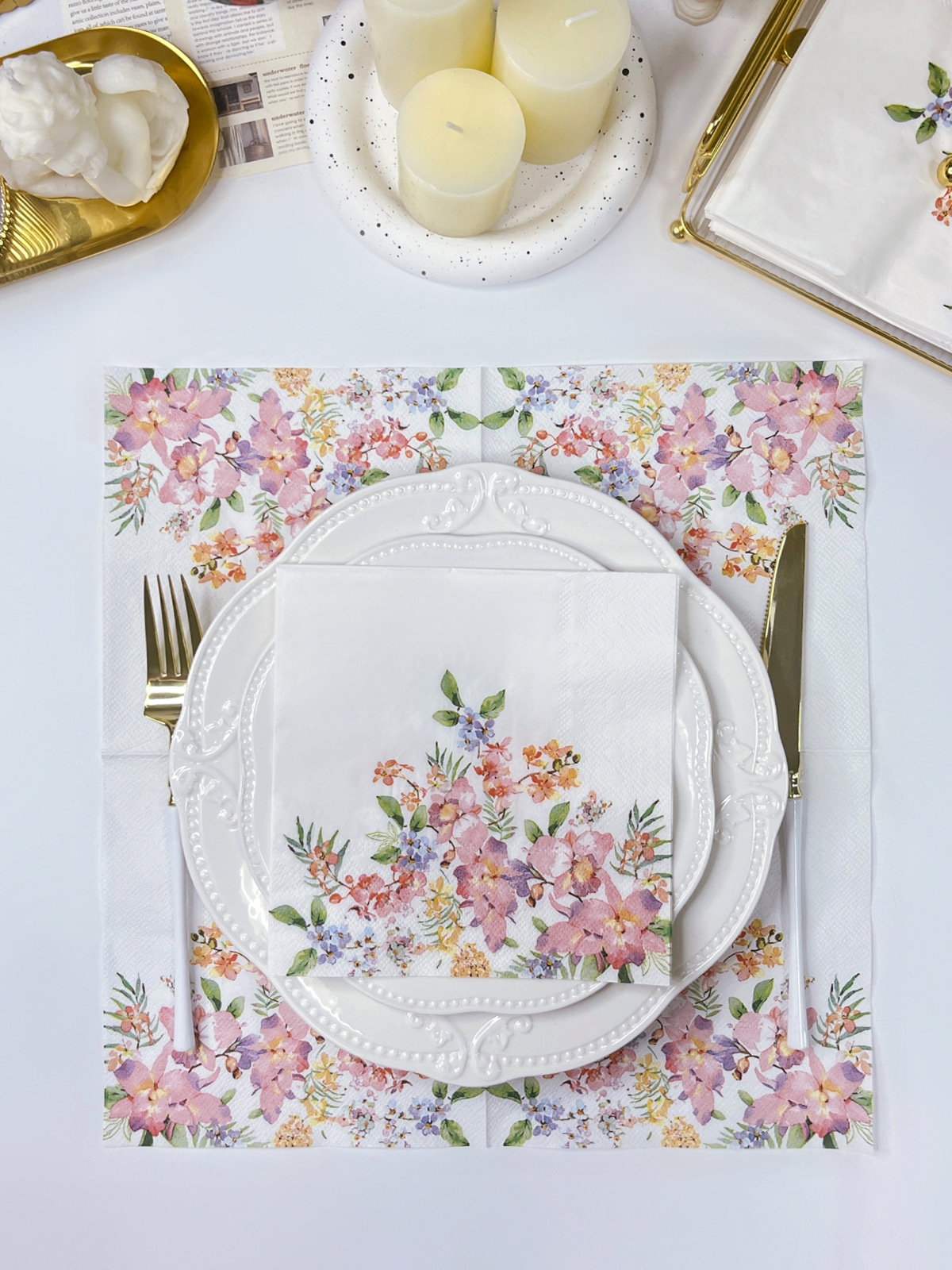
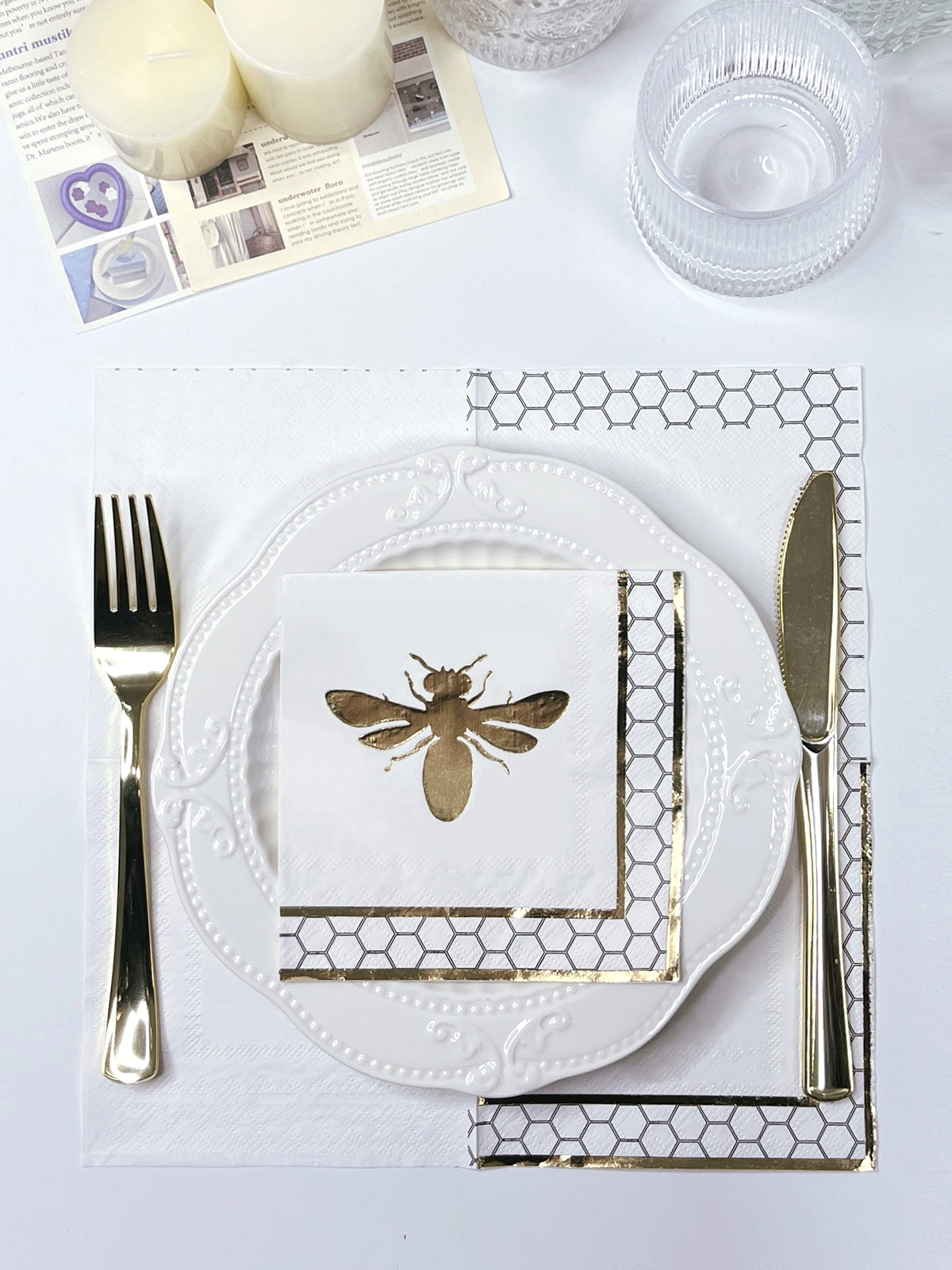
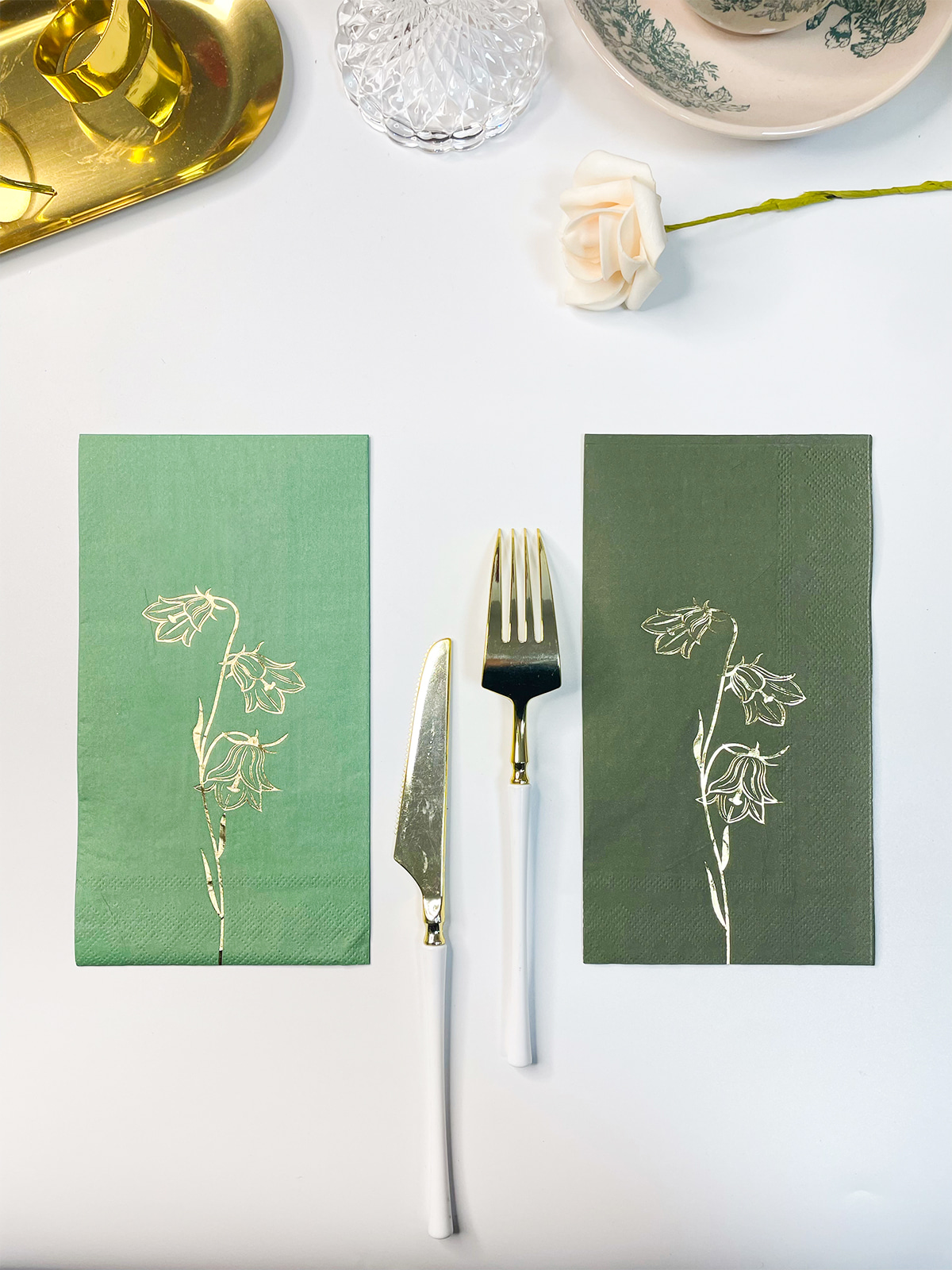
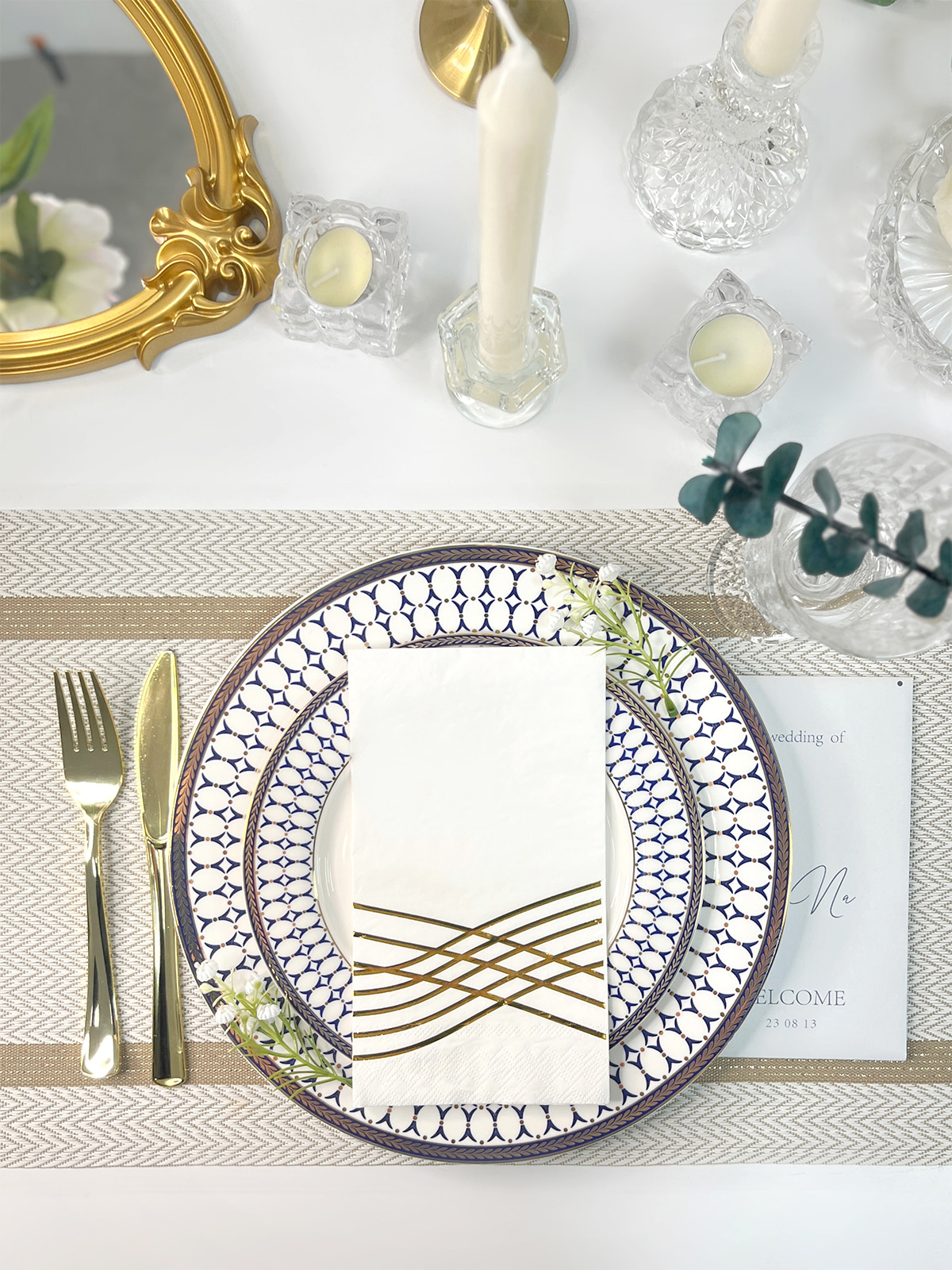
Printed paper napkins appear in many dining situations, from family meals to birthday parties, afternoon tea, seasonal gatherings, and casual celebrations. Decorative patterns help create a pleasant table setting, while paper still needs to perform ordinary tasks such as wiping hands or handling small food spills.
Many people pay attention to color or pattern before purchasing. Print durability often becomes noticeable only after use. A design that fades easily or becomes blurred after light moisture reduces visual appeal long before paper reaches the end of its normal use.
A well-made Printed Table Napkins product usually balances decoration with everyday function.
Daily use often requires paper to remain:
Print quality depends on more than colorful artwork. Paper structure and ink behavior work together from production until final use.
Content
Ink does not simply sit on top of paper. Once printing begins, countless tiny fibers interact with liquid color almost immediately.
Every sheet contains a network of fibers connected in different directions. Small gaps between fibers control how quickly ink moves below the surface.
Several situations may appear during printing.
When absorption becomes too rapid:
When absorption becomes too slow:
Balanced absorption allows pigment to remain close to surface while gently entering upper fiber layers. That balance helps printed graphics remain cleaner during normal handling.
A simple example appears with handwritten notes. Ink spreads on tissue paper much faster than on writing paper because fiber structure is different. Decorative dining products require a balance between those two extremes.
Some people associate heavier paper with better print quality. Practical experience often shows another result.
Imagine wrapping a gift with thick cardboard. Surface stays firm, though folding becomes difficult. Thin wrapping paper folds easily, although it tears more quickly. Table napkins require a balance between those characteristics rather than moving toward either extreme.
Material balance includes several connected properties:
Paper that becomes too stiff may hold color well while feeling less natural during meals. Very soft material may absorb moisture quickly and slightly change printed appearance after handling.
Balanced construction supports decoration without reducing daily usability.
A printed design begins changing from the moment someone picks up a napkin.
Hands contain natural moisture. Glasses leave small drops on tables. Warm dishes create gentle humidity nearby. Small actions gradually affect printed surfaces.
Color retention depends on how paper reacts to ordinary situations such as:
When fibers remain stable, printed graphics usually keep cleaner outlines through those everyday actions.
Indoor gatherings provide a familiar example. A napkin may stay under a drinking glass before being unfolded later during a meal. Gentle pressure, slight moisture, and repeated handling all influence how printed decoration appears by the end of dinner.
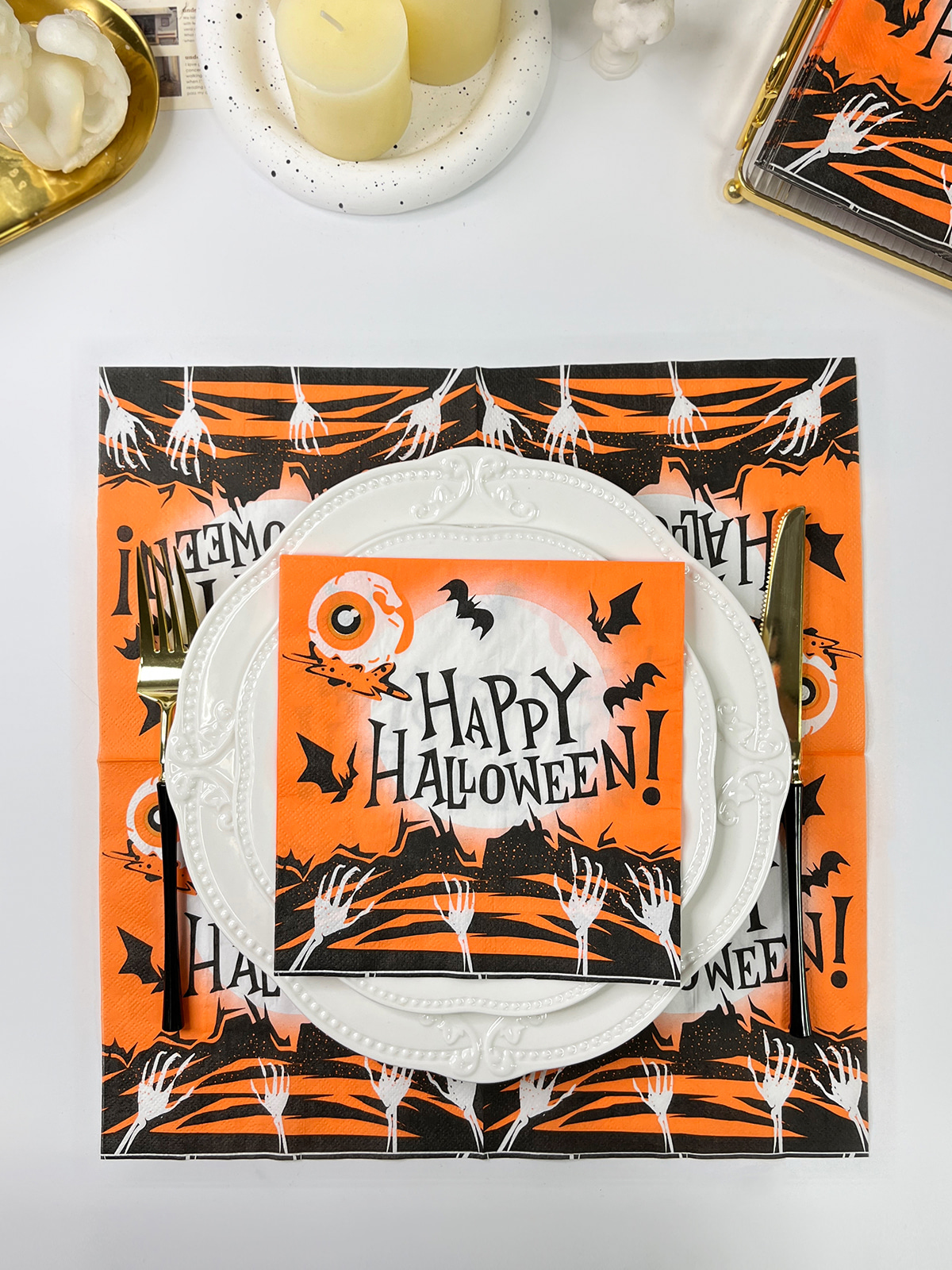
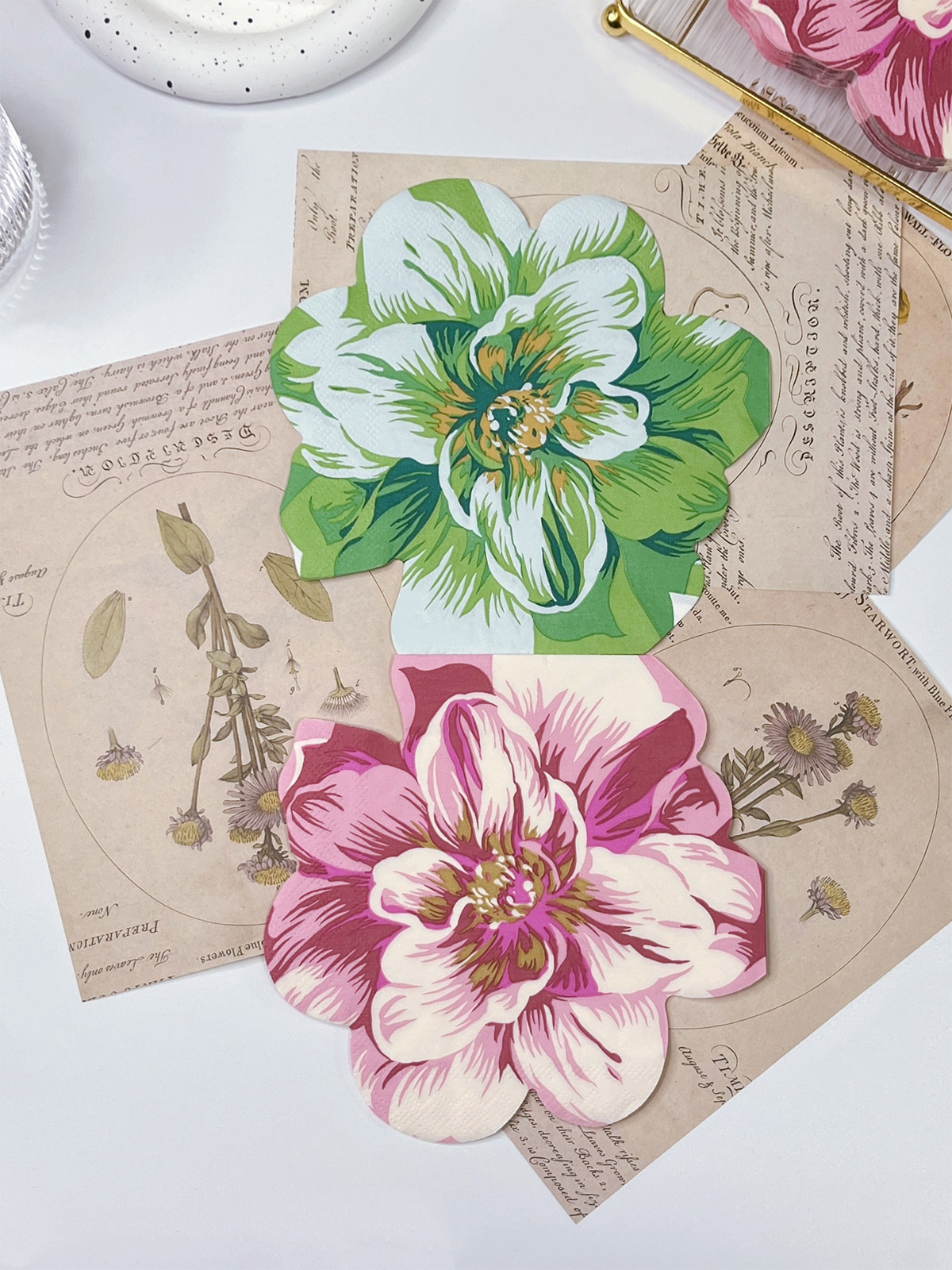
Decorative birthday designs often include balloons, cakes, candles, stars, flowers, or colorful lettering. Compared with simple dining patterns, decorative layouts usually contain finer lines and more color variation.
Because of that, Printed Birthday Napkins often place greater attention on print placement and surface consistency.
Important considerations include:
Children and adults often open birthday napkins quickly while moving around tables or serving food. Printed images should remain easy to recognize even after ordinary handling throughout an event.
Color stability is connected with fiber arrangement as much as printing itself.
When fibers remain evenly distributed, ink settles more consistently across the surface. Uneven paper formation may create small differences that become visible after printing.
| Paper Structure | Effect on Printed Color | Everyday Performance |
|---|---|---|
| Balanced fiber network | Cleaner image edges | Opens smoothly during meals |
| Rough surface | Slightly uneven color | Feels textured in hand |
| Highly absorbent paper | Softer printed details | Absorbs moisture quickly |
| Balanced absorbency | Stable color appearance | Comfortable for normal dining |
A balanced sheet allows decorative patterns to remain attractive while still performing ordinary dining tasks.
Paper naturally exchanges moisture with surrounding air throughout production and storage.
Material carrying too much moisture may absorb ink differently from sheet to sheet. Paper becoming overly dry may react differently during folding and finishing.
Production therefore pays attention to paper condition before printing begins.
Several practical steps support stable printing:
Small adjustments during early production often influence print quality much later, even after products have been packaged and transported.
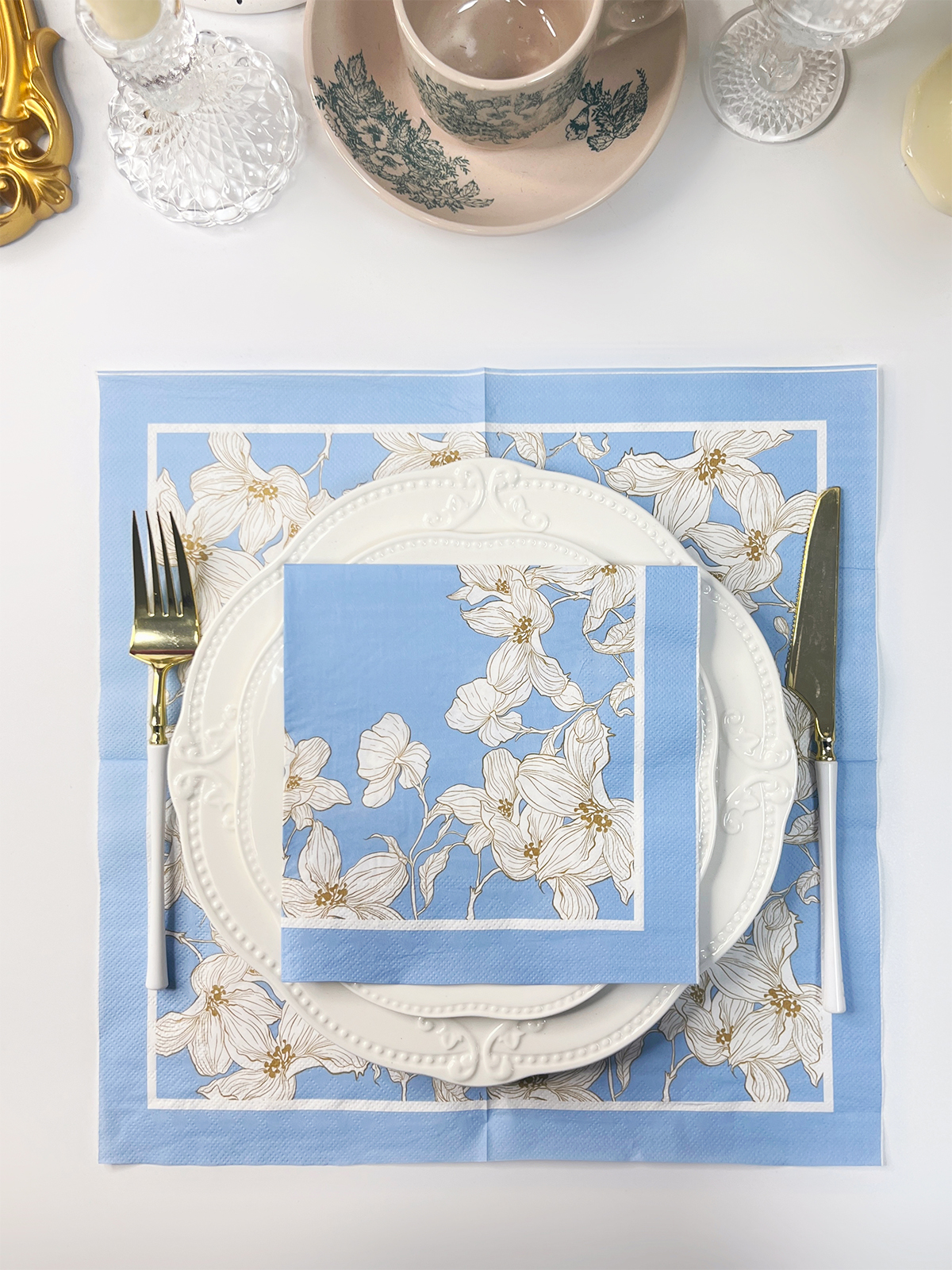
Printing quality depends on more than artwork. Paper and ink need to respond to each other in a stable way throughout production. Even a carefully prepared design may look different once it reaches paper with uneven surface characteristics.
During printing, ink should spread in a controlled manner instead of flowing too deeply into paper or remaining completely on the surface.
A balanced printing process usually supports:
When one part of a sheet absorbs ink differently from another, small differences become easier to notice after folding or under indoor lighting. Decorative graphics may still be recognizable, although overall appearance becomes less consistent.
A napkin spends much of its life in a folded condition. Decorative graphics are printed before folding, so every fold places light pressure on colored areas.
Repeated opening and closing gradually changes paper shape.
Several everyday situations illustrate this process:
Balanced paper keeps fold lines neat without causing printed graphics to lose their original appearance too quickly.
Fine decorative elements especially benefit from stable paper structure because tiny details remain easier to recognize after several folds.
Printed napkins are designed for dining, making regular contact with moisture almost unavoidable. Water droplets, fruit juice, cooking steam, or slightly damp hands all interact with paper during normal use.
Paper does not need to stay completely dry to keep a pleasant appearance. What matters is how evenly moisture moves through fiber structure.
A balanced sheet usually offers practical advantages such as:
Consider a family dinner where a cold drink leaves small drops on a table. A napkin placed underneath may absorb part of that moisture while still being used later. Stable paper structure helps reduce noticeable changes in printed decoration during such ordinary situations.
Print quality is often associated with color alone. Hand feel also influences how printed products are judged.
A pleasant texture allows guests to unfold and hold a napkin naturally without feeling that paper is overly stiff or too delicate.
Comfort often comes from several characteristics working together:
When paper responds naturally to handling, printed graphics remain part of an enjoyable dining experience instead of becoming a separate decorative feature.
Printing does not finish once color dries. Finished products usually pass through several simple inspections before entering final packaging.
Attention often focuses on practical details that become visible during normal use.
Inspection may include:
Some pieces are unfolded more than once during inspection because repeated handling often reveals small surface changes that cannot be seen while paper remains folded.
Careful observation at this stage helps reduce variation before products move to storage and transport.
Paper behaves differently when fiber structure changes from one batch to another. Decorative designs may remain unchanged, while printing results gradually shift because material properties are no longer the same.
For that reason, production often pays close attention to paper preparation before printing begins.
Stable material supports:
Small differences during early processing may become easier to notice after colorful graphics are added. Keeping paper characteristics close from batch to batch helps decorative products maintain a familiar appearance.
Dining products serve a practical purpose, although appearance also contributes to the atmosphere of a meal or celebration. A printed pattern remains attractive when paper continues performing ordinary tasks without noticeable changes.
Guests may unfold a napkin, place it beside a plate, wipe their hands, fold it again, or move it several times during a gathering. Every action places gentle stress on printed areas.
Good color retention depends on many small details working together rather than one single feature. Fiber arrangement, surface smoothness, absorbency, flexibility, moisture behavior, and careful production all contribute to how long printed decoration keeps its original look.
For that reason, Printed Table Napkins are often evaluated by more than color alone. Paper structure supports ink adhesion from printing through everyday use, while Printed Birthday Napkins rely on that same balance to keep decorative graphics clear during celebrations, family meals, and other social occasions.
Related Products
Shopping for a reliable source of napkins?
Established in 2007 and located in Zhuji City, Zhejiang Province, Zhuji Furong Paper Products Co., Ltd. is a professional manufacturer of color-printed napkins. Enhance Your Event With Custom Printed Napkins.
Telephone
+86-15325932613
Address
Jianglong Industrial Park, Jiyang Street, Zhuji City, Shaoxing, Zhejiang, China.
Contact Us
Products
Contact Us
+86-15325932613
+86-575-87765556
+86-575-87765559
Jianglong Industrial Park, Jiyang Street, Zhuji City, Shaoxing, Zhejiang, China.
Party Printed Paper Napkins Manufacturer Customized Napkins And Paper Towels Factory
Copyright © by Zhuji Furong Paper Products Co., Ltd. Rights Reserved.

 English
 中文简体
中文简体