2026-03-04
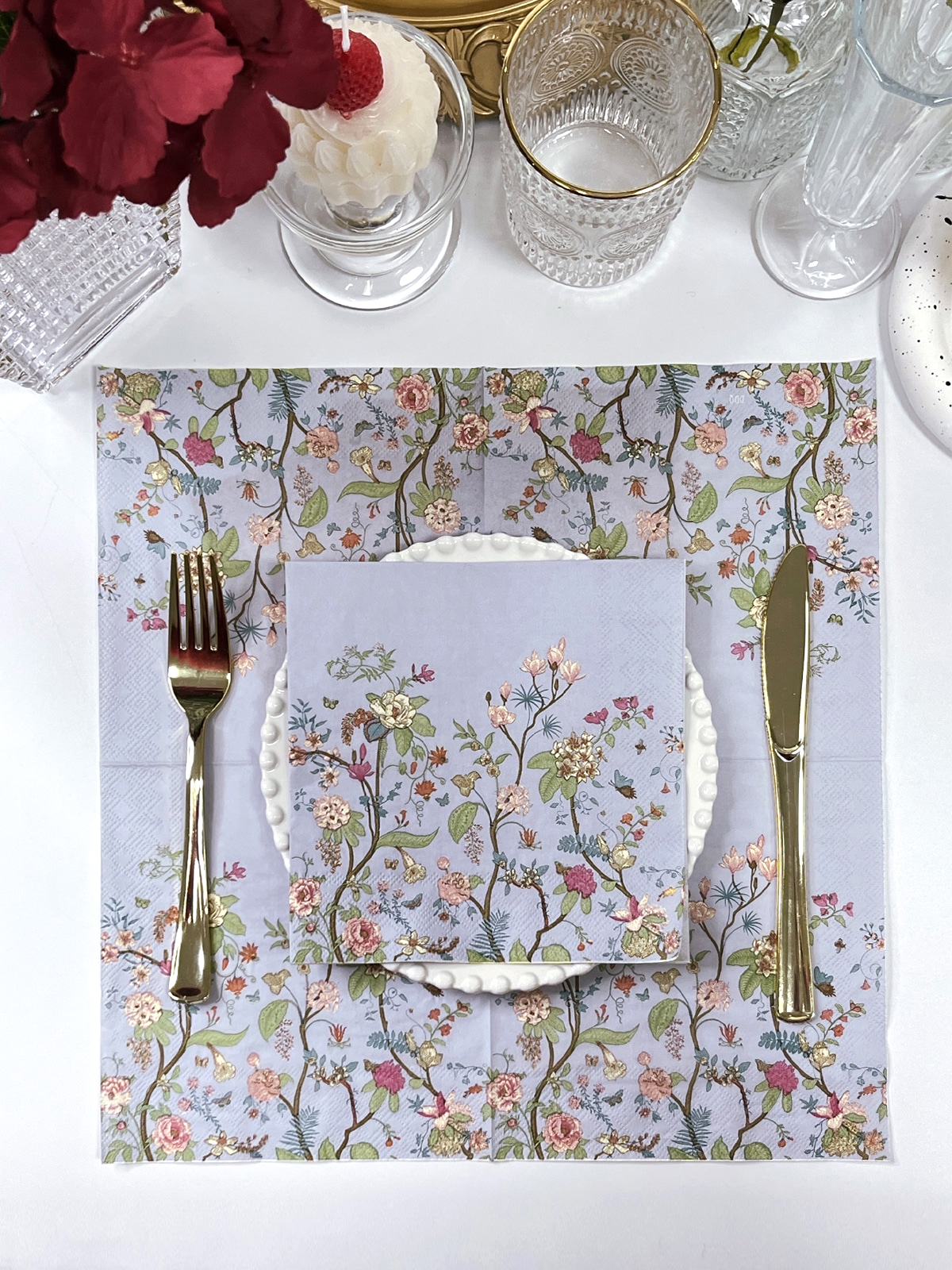
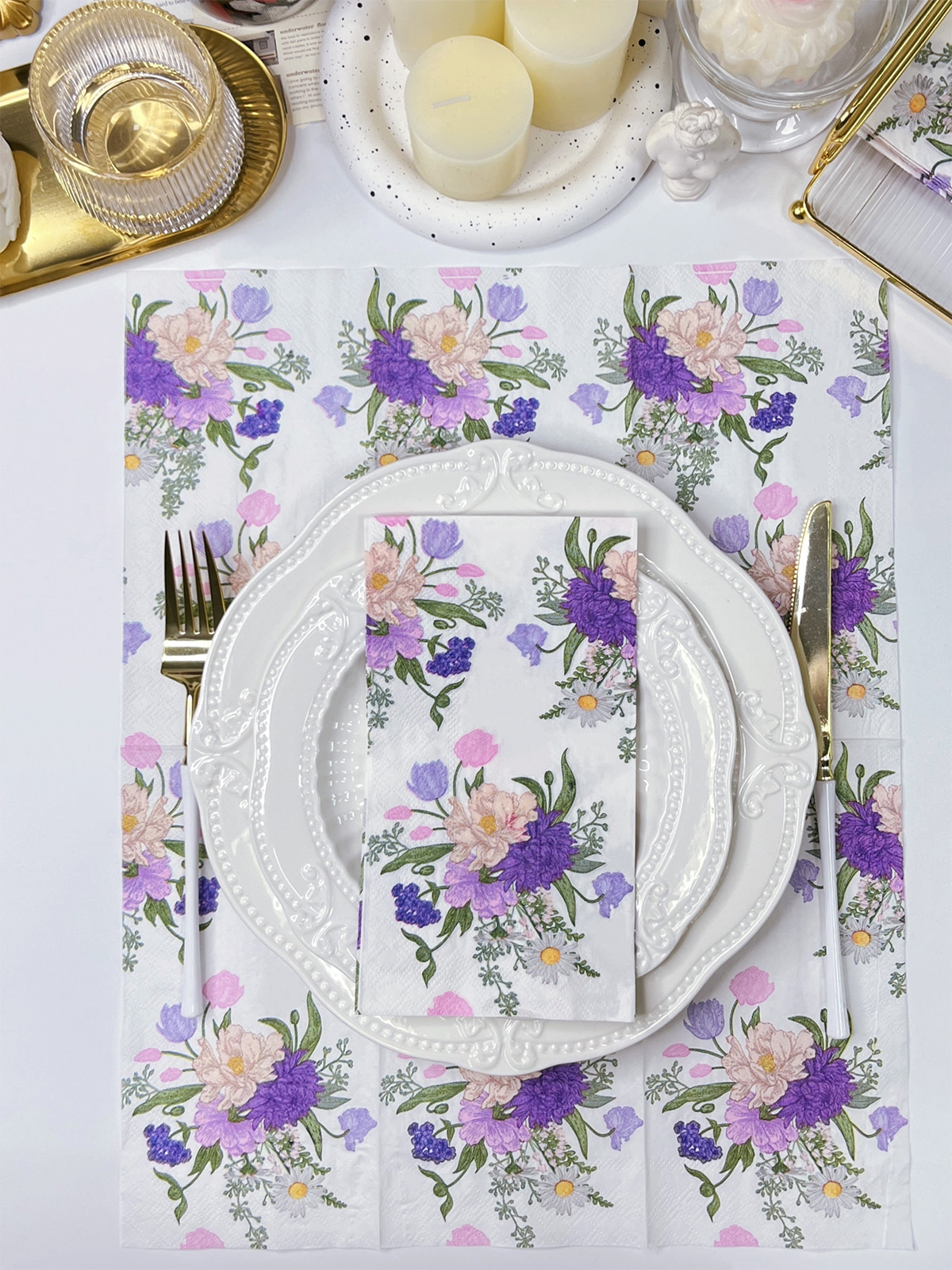
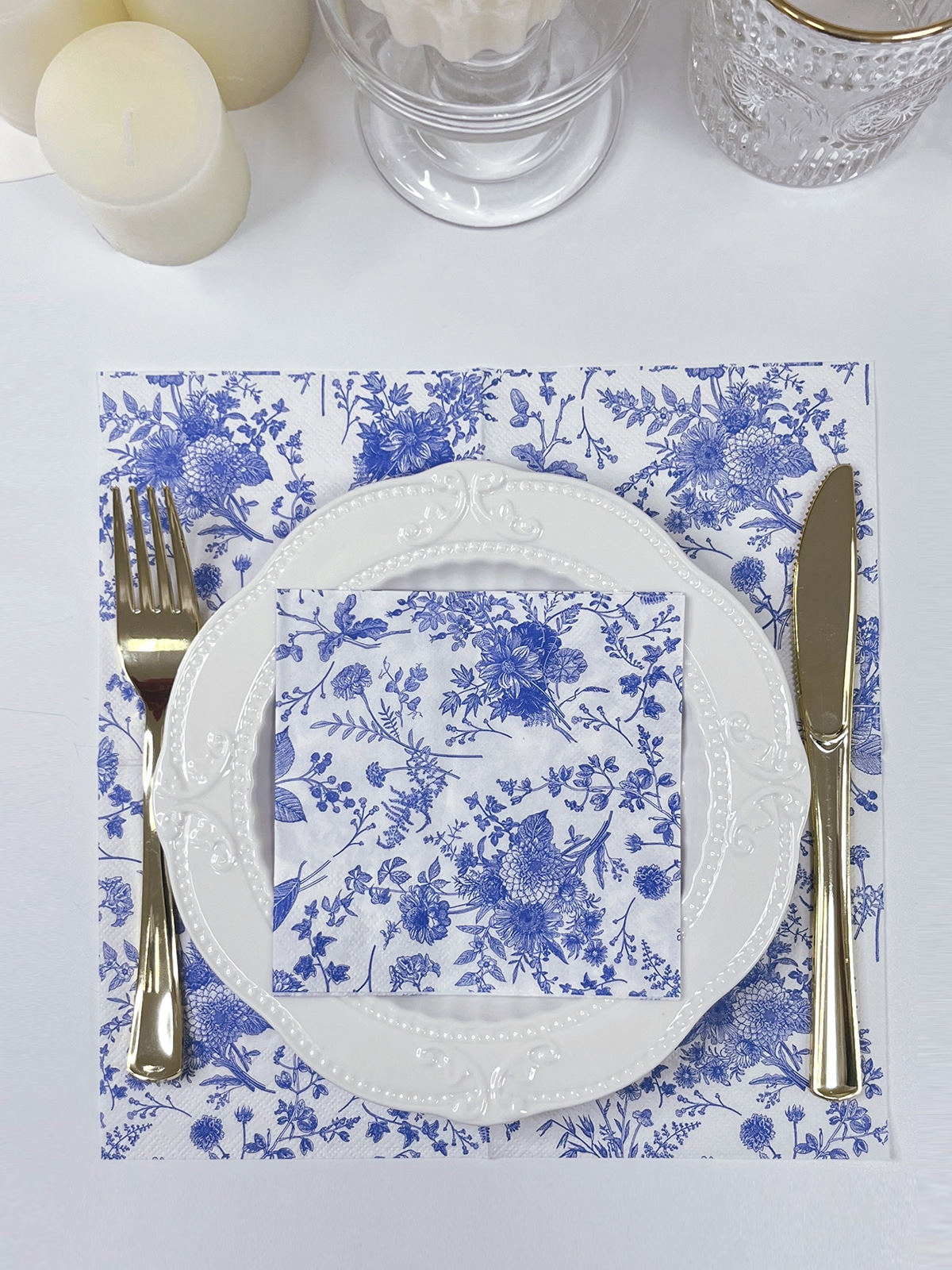
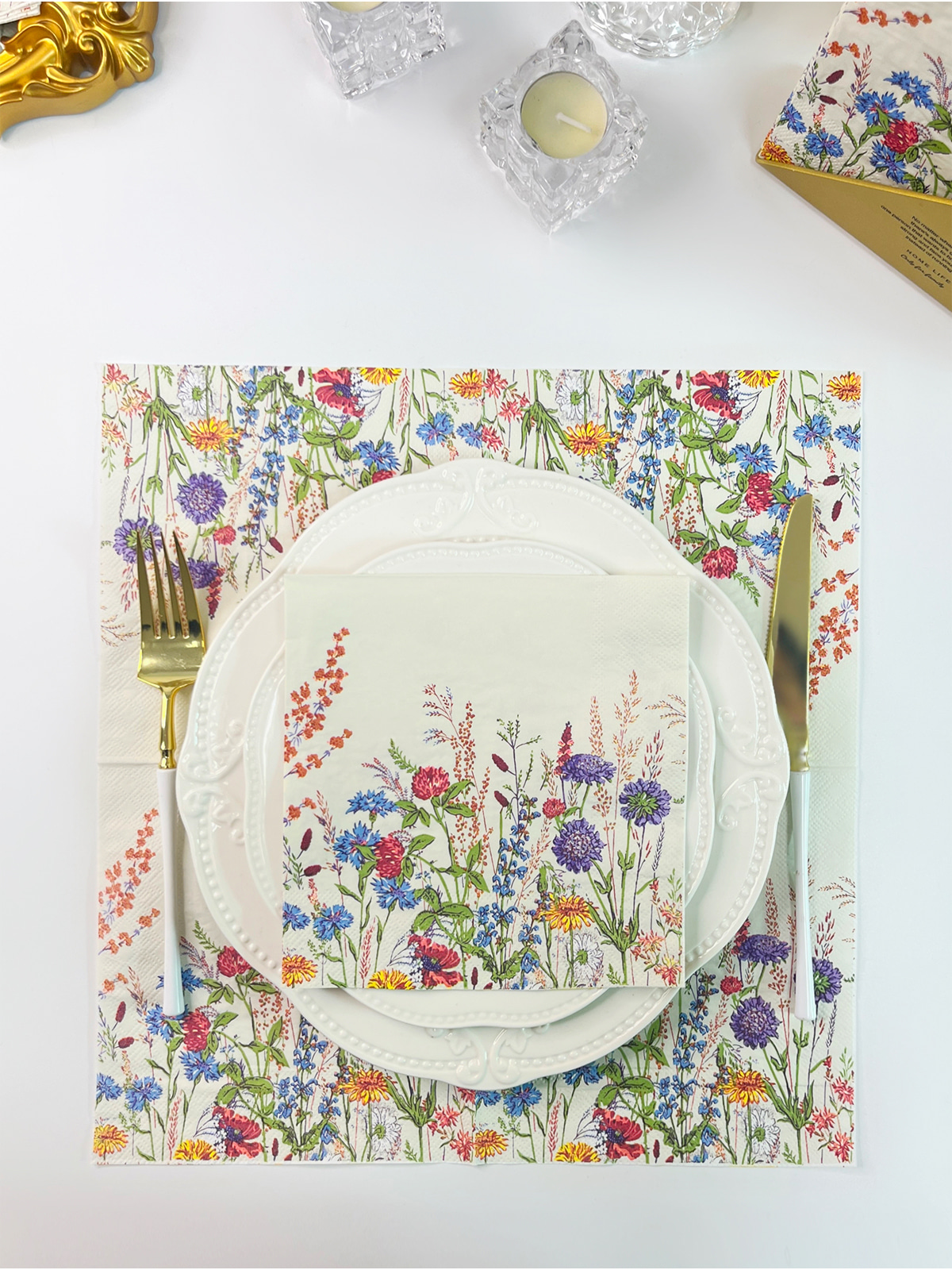
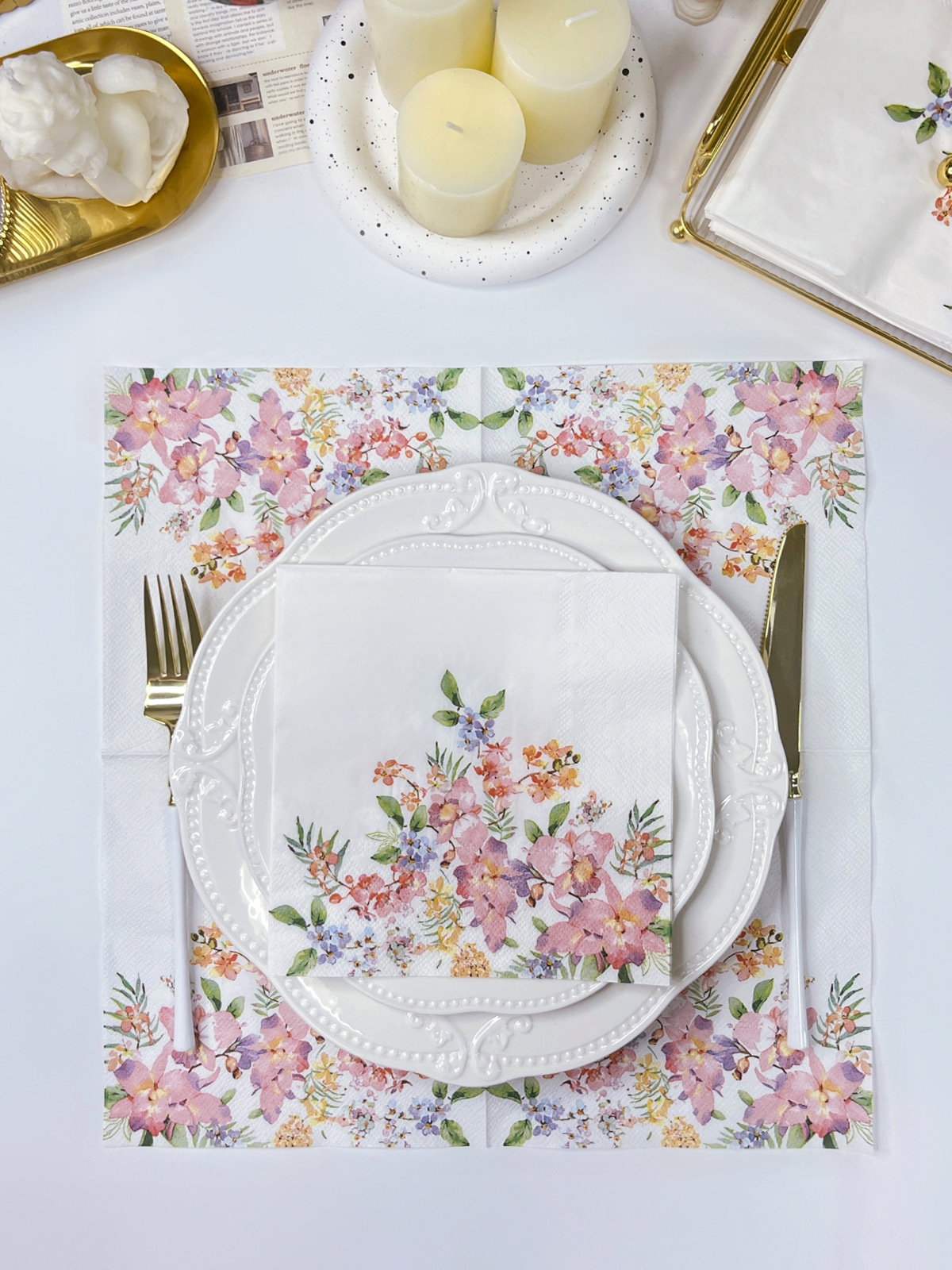
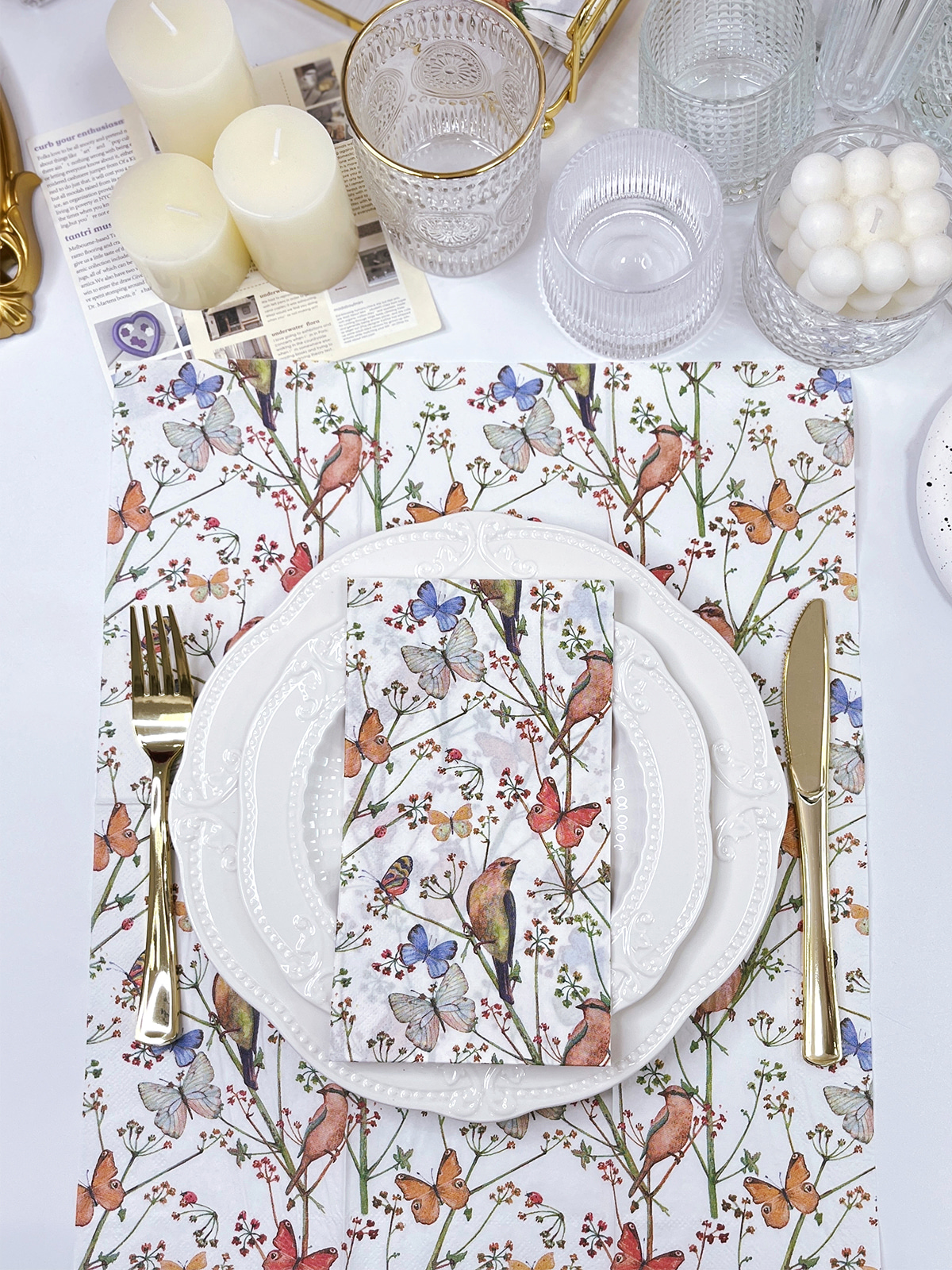
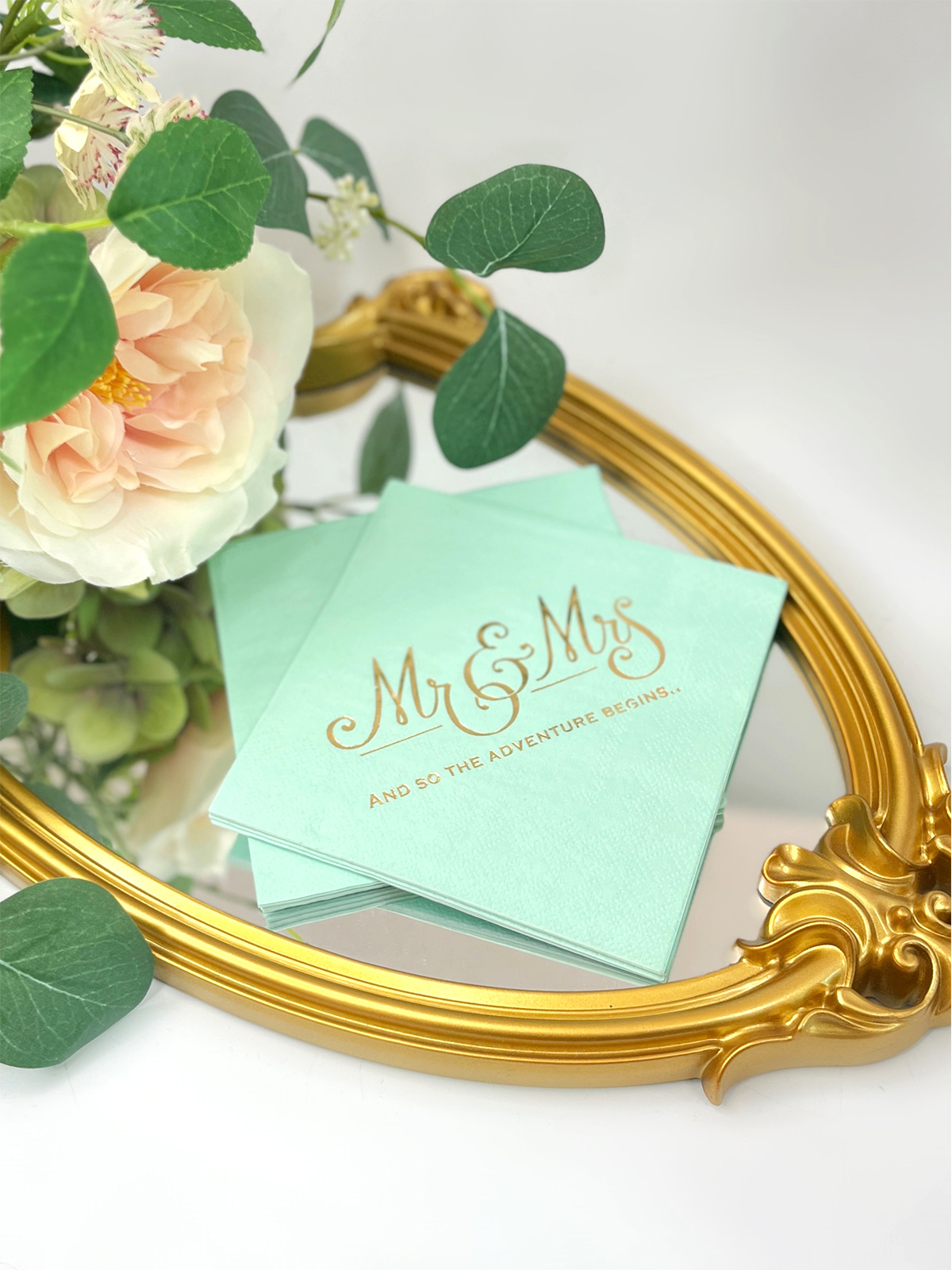
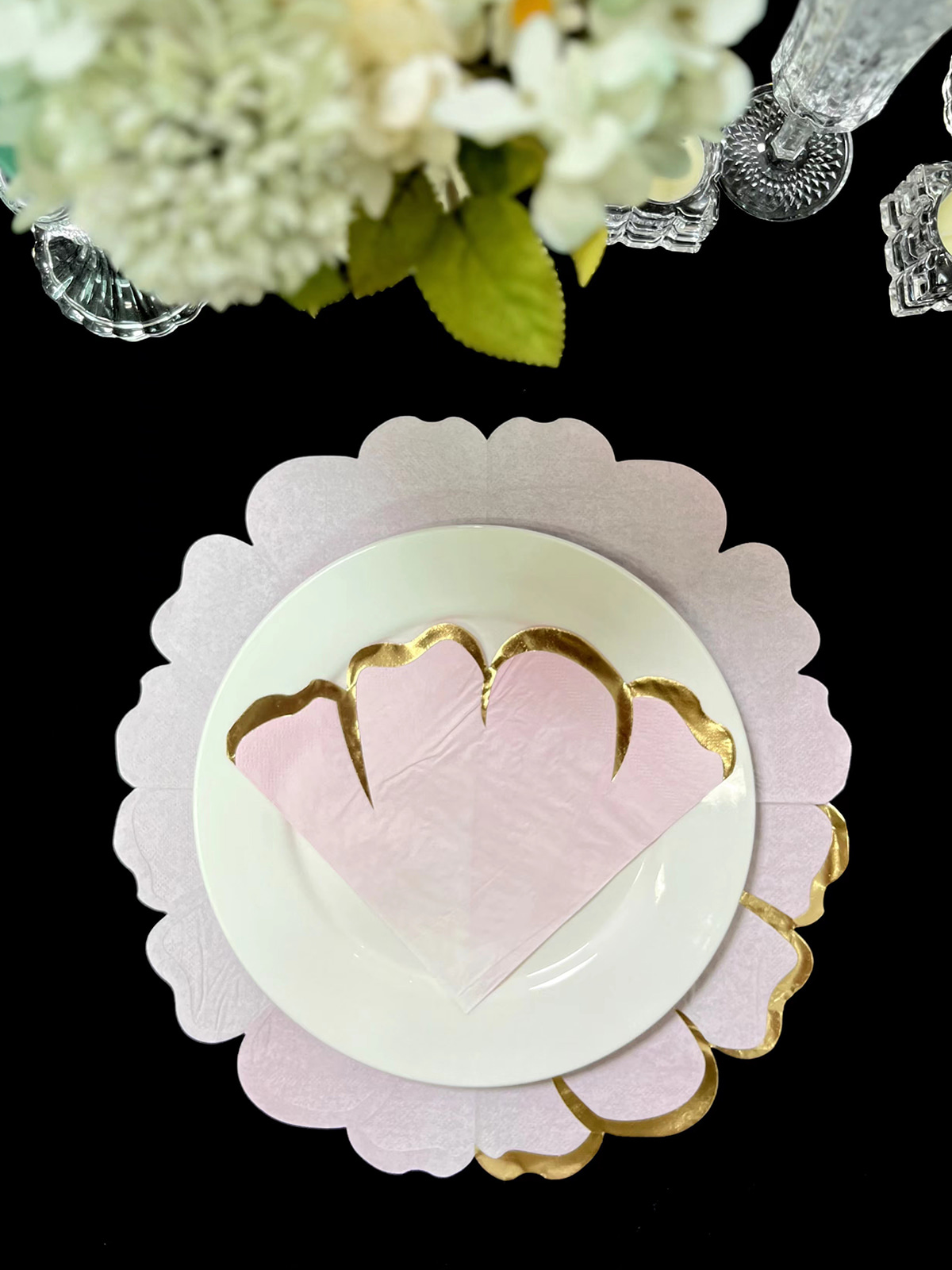
As gatherings return to fuller calendars, hosts and event designers are paying renewed attention to every visible element — including the napkin on the table. Party Printed Paper Napkins are no longer just a place to catch a spill; they are a means to express style, support material goals, and communicate a subtle message about care and choice.
Content
Napkins have always had practical value, but their role has expanded. Event planners and consumers want tableware that complements a theme, photographs well, and aligns with sustainability preferences. As a result, napkin choices are reviewed more carefully in procurement meetings and shopping carts alike.
These three factors are combining to make napkin selection an active part of event planning rather than an afterthought.
Different raw materials lend different personalities to napkins. Understanding how common fibres behave helps buyers match product choices to event needs.
Each fibre choice carries trade-offs in texture, appearance, and environmental messaging. The right selection depends on whether the event leans formal, casual, rustic, or playful.
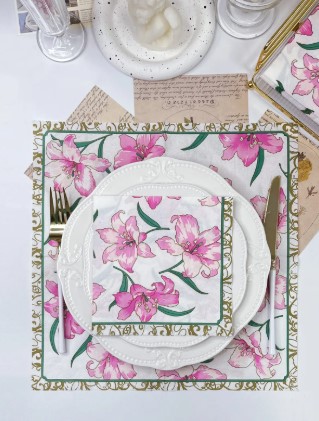
Print methods and finishing steps must be chosen with the base material in mind. Ink absorption, surface sizing, and fibre consistency affect how a pattern reads on the finished napkin.
Designers often collaborate with material specialists to ensure that a chosen print reproduces well and that the finished product performs reliably in use.
Shoppers are increasingly curious about the origins and afterlife of paper products. Clear, straightforward information about fibre content and end-of-life options helps consumers make choices that reflect their values.
This trend is prompting retailers to include clearer labels and for producers to provide material summaries that are easy to scan.
| Material focus | Visual impression | Typical event fit | Disposal guidance |
|---|---|---|---|
| Wood-based fibres | Clean, uniform | Large gatherings, casual events | Varies by local recycling/compost rules |
| Cotton blends | Soft, refined | Formal dinners, keepsake settings | Durable; may be compostable depending on processing |
| Agricultural byproducts | Textured, artisanal | Craft markets, eco-focused events | Often compostable; check local facilities |
| Hemp & resilient fibres | Natural, robust | Outdoor events, rustic themes | Low-input crop origins; disposal varies |
Procurement for events requires balancing cost, availability, and material story. Several practical approaches can guide decision-making:
These strategies reduce risk and allow hosts to select napkins that serve both visual and logistical goals.
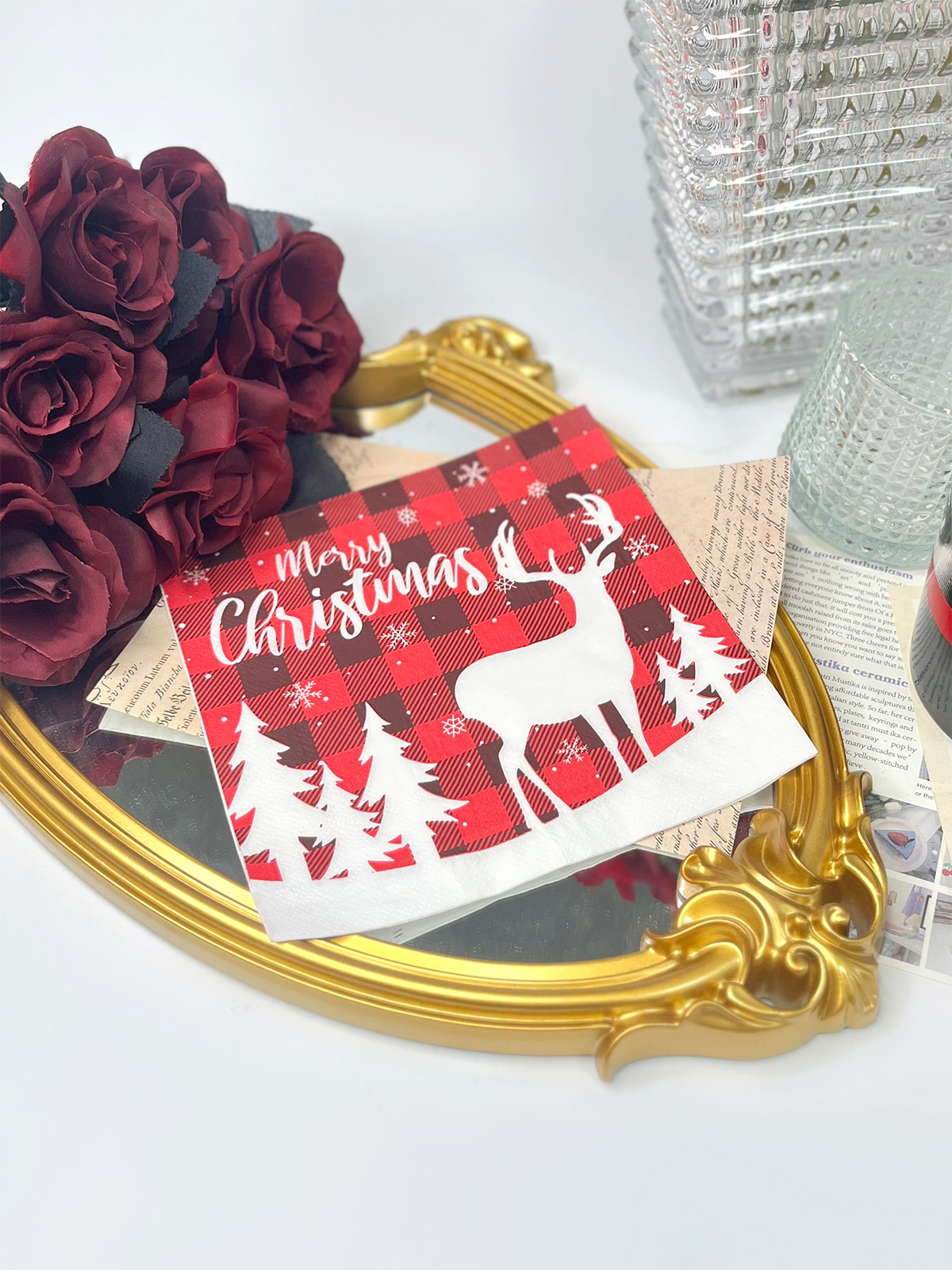
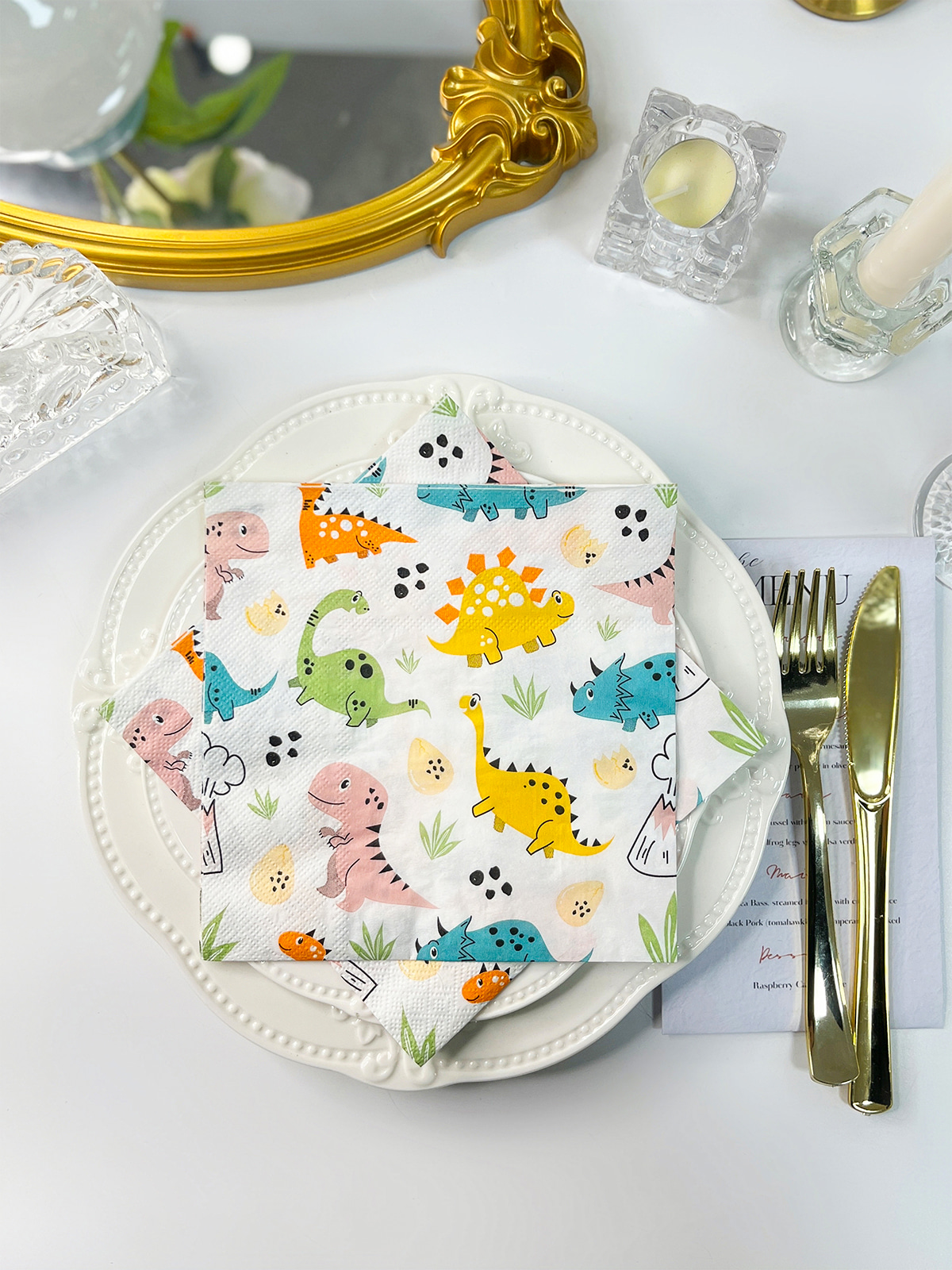
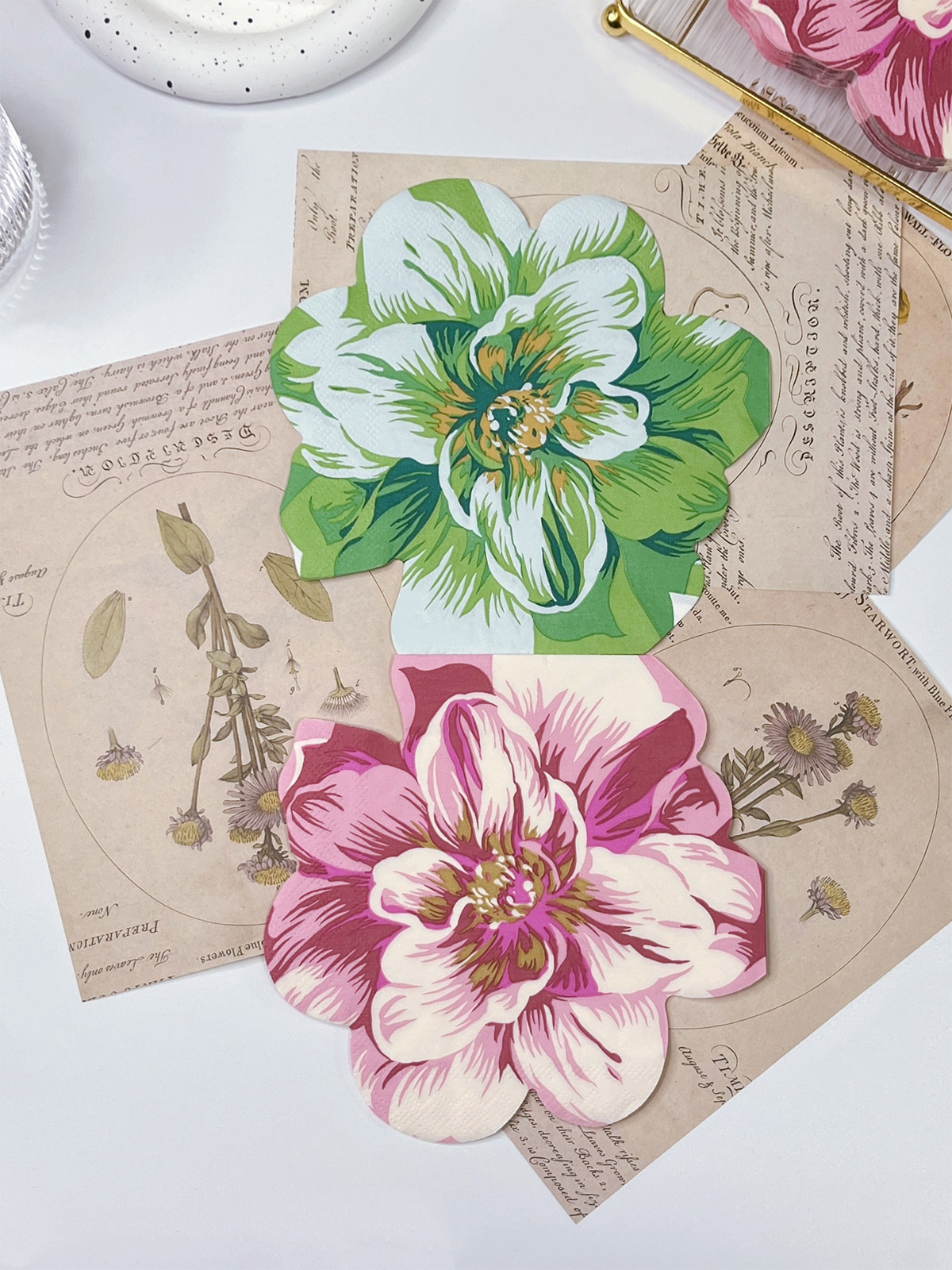
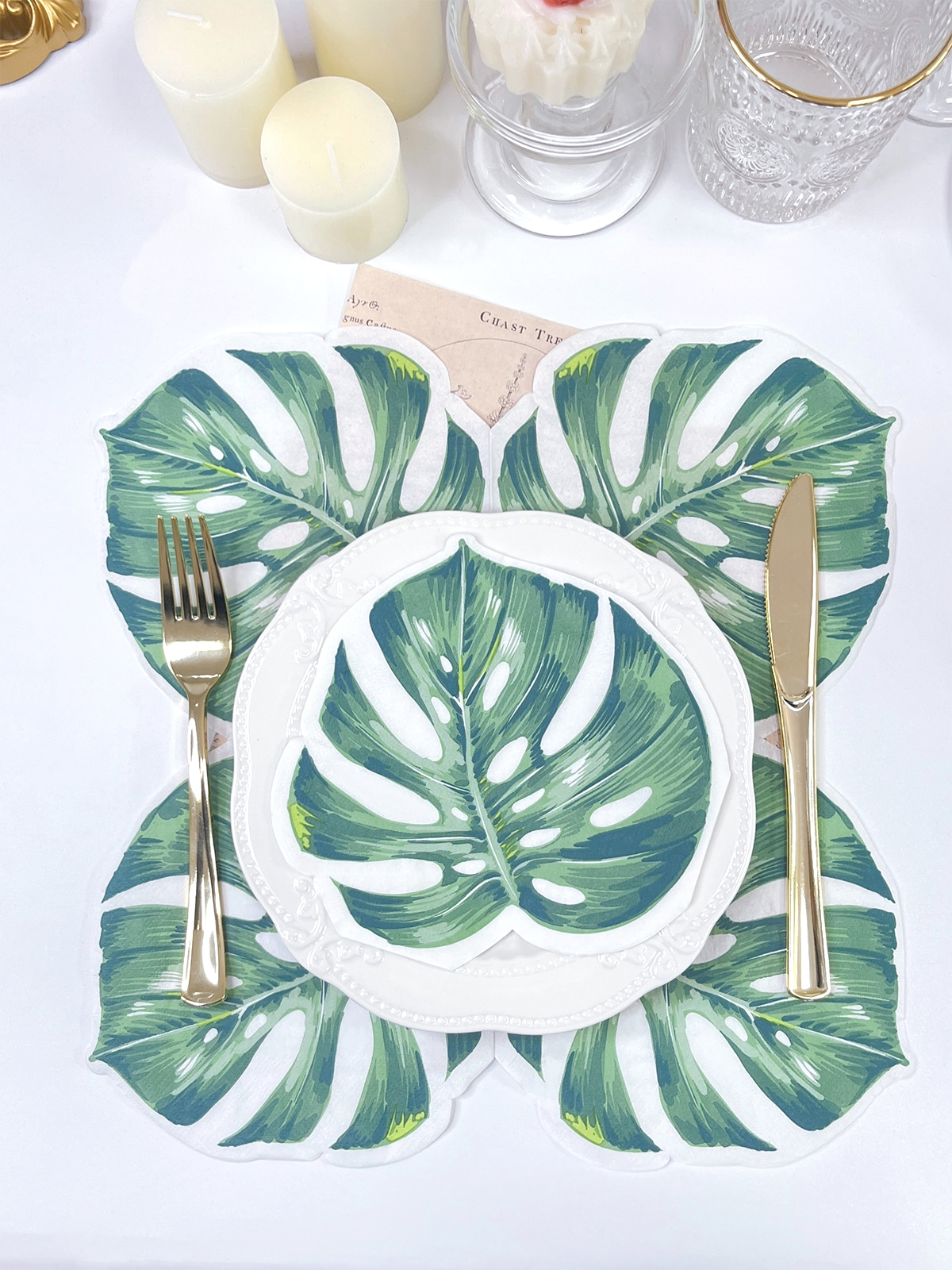
Current stylistic directions show a blend of nostalgia and minimalism. Designers are using both bold motifs and subtle textures to tap into different moods.
These trends suggest that napkin design is being treated like other elements of event styling — a deliberate choice rather than a purely functional one.
While a single napkin may seem insignificant, the cumulative effect of material choices across many events can be substantial. Key practices that reduce environmental impact include:
Transparency about these aspects allows consumers and planners to make informed trade-offs between convenience, cost, and environmental priorities.
Selecting napkins for a specific event can be simplified by asking a few quick questions:
Using these prompts helps narrow choices quickly and aligns material qualities with event goals.
As a modest, everyday item, Party Printed Paper Napkins now carry outsized potential to reflect taste and values. Whether the aim is to deliver a cohesive visual story, to choose materials with a clear lifecycle, or to provide a practical, pleasant user experience, the napkin can be a meaningful design choice. For suppliers, designers, and hosts alike, paying attention to fibre selection, production practices, and clear communication will keep napkins relevant to both style and sustainability conversations. For more product details and material options, consider exploring a specialist supplier such as papernapkinfactory or visit papernapkinfactory for further information.
Related Products
Shopping for a reliable source of napkins?
Established in 2007 and located in Zhuji City, Zhejiang Province, Zhuji Furong Paper Products Co., Ltd. is a professional manufacturer of color-printed napkins. Enhance Your Event With Custom Printed Napkins.
Telephone
+86-15325932613
Address
Jianglong Industrial Park, Jiyang Street, Zhuji City, Shaoxing, Zhejiang, China.
Contact Us
Products
Contact Us
+86-15325932613
+86-575-87765556
+86-575-87765559
Jianglong Industrial Park, Jiyang Street, Zhuji City, Shaoxing, Zhejiang, China.
Party Printed Paper Napkins Manufacturer Customized Napkins And Paper Towels Factory
Copyright © by Zhuji Furong Paper Products Co., Ltd. Rights Reserved.

 English
 中文简体
中文简体