2026-03-09
As gatherings continue to evolve — blending casual moments with carefully curated experiences — planners and hosts are paying closer attention to elements once considered trivial. One such element, Party Printed Paper Napkins, is emerging as a deliberate tool in event design, operations, and communications. Far from being merely disposable accessories, printed napkins are being used to shape atmosphere, support logistics, and send subtle messages to guests.
Content
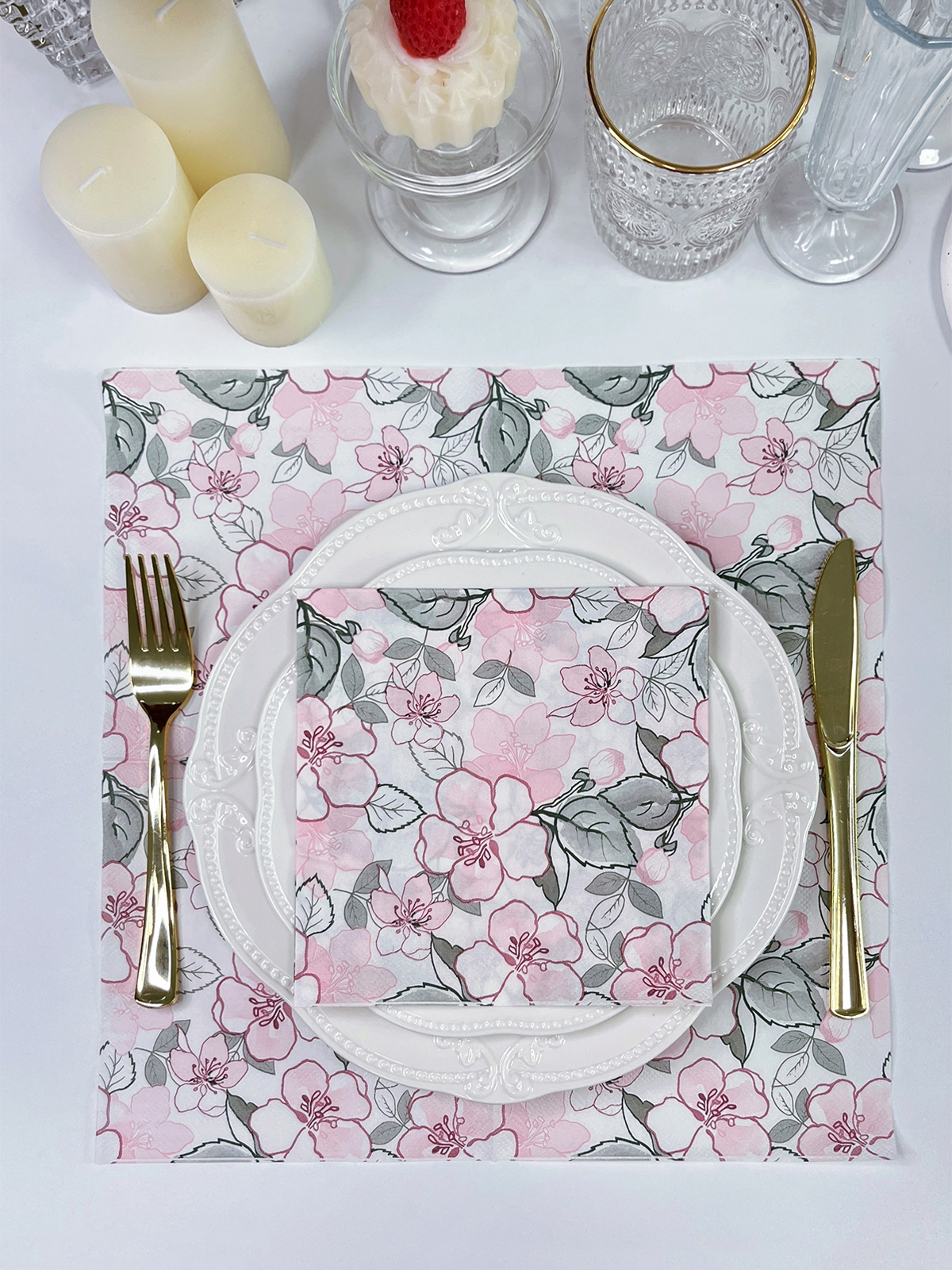
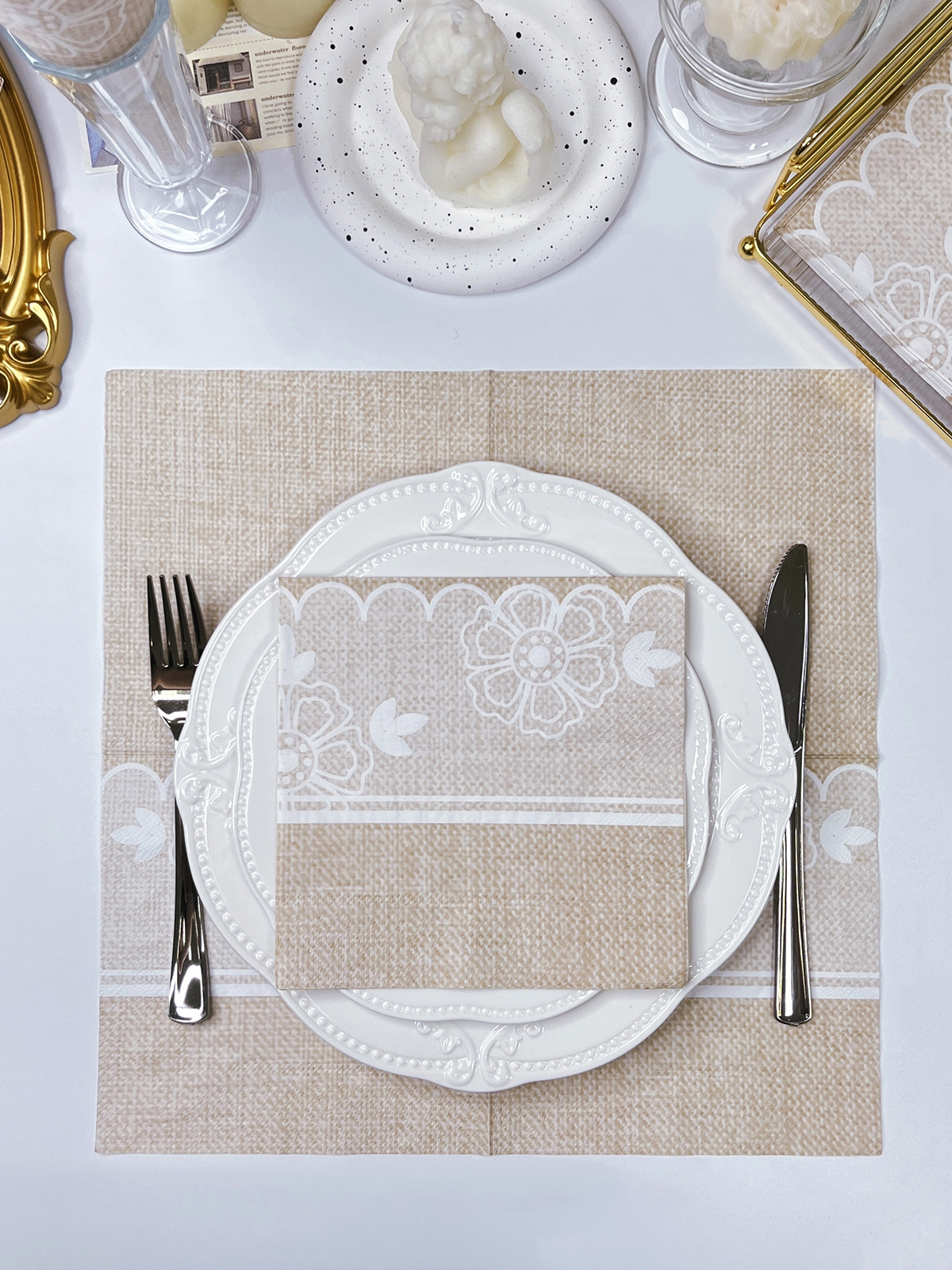
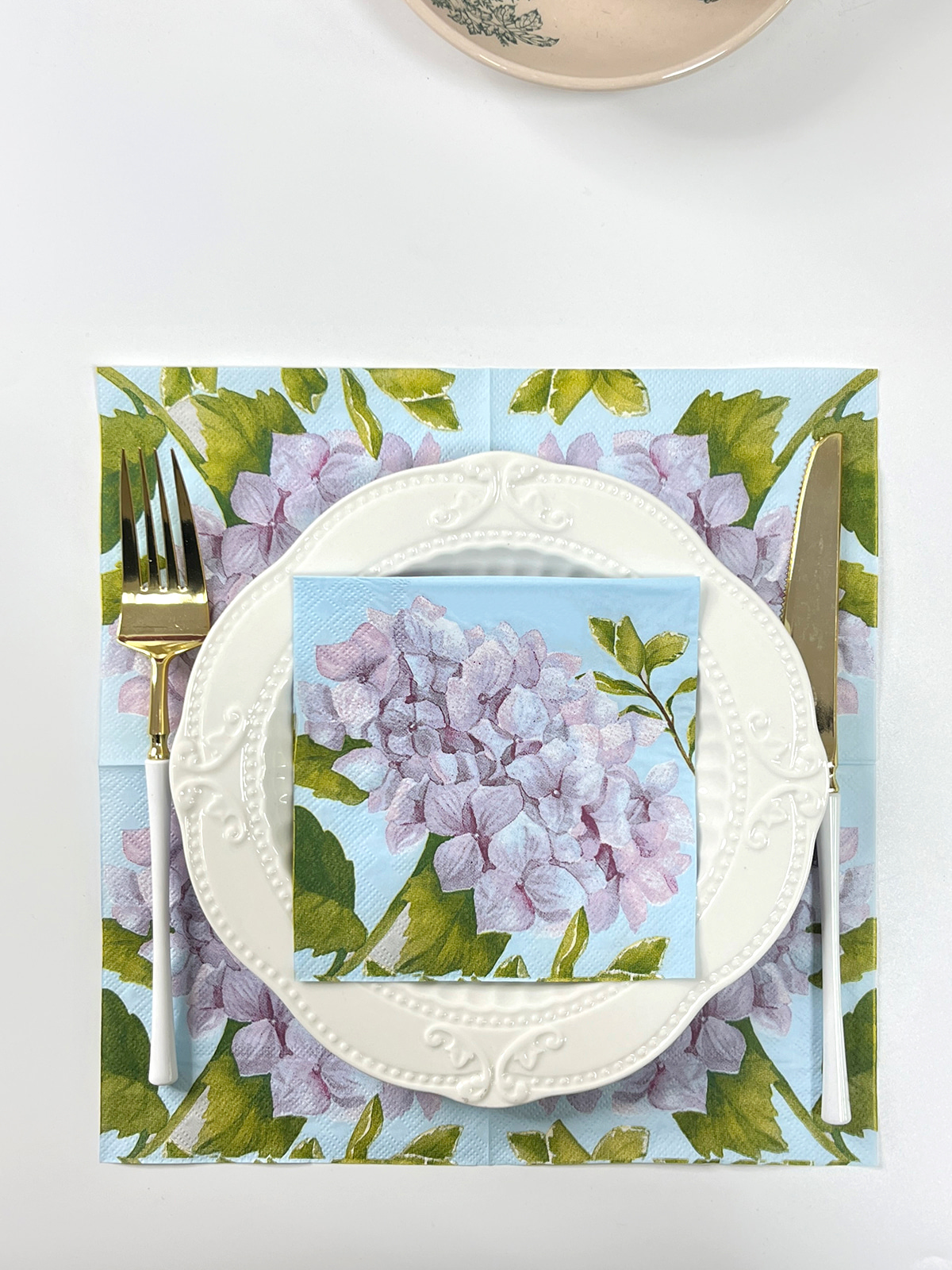
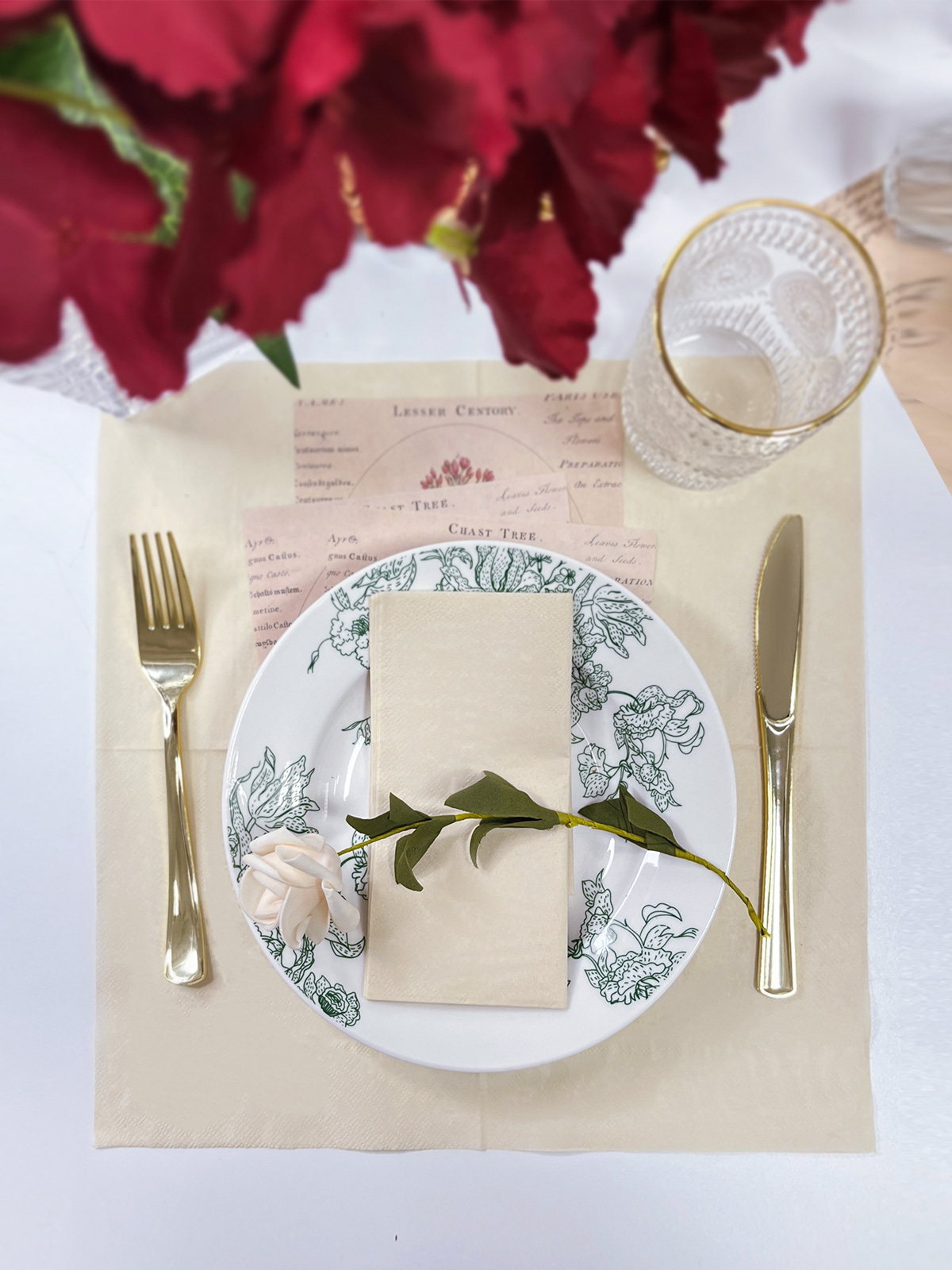
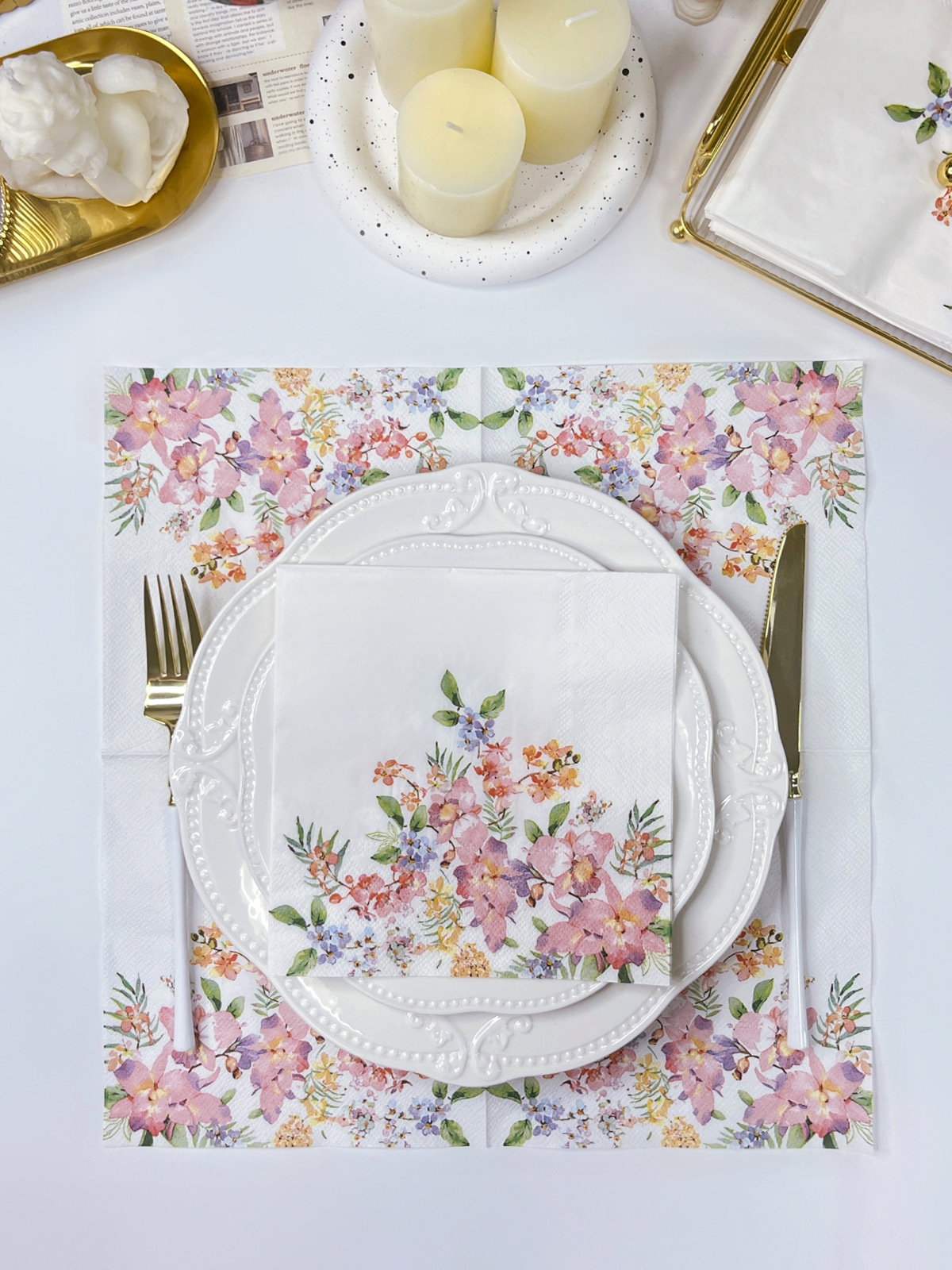
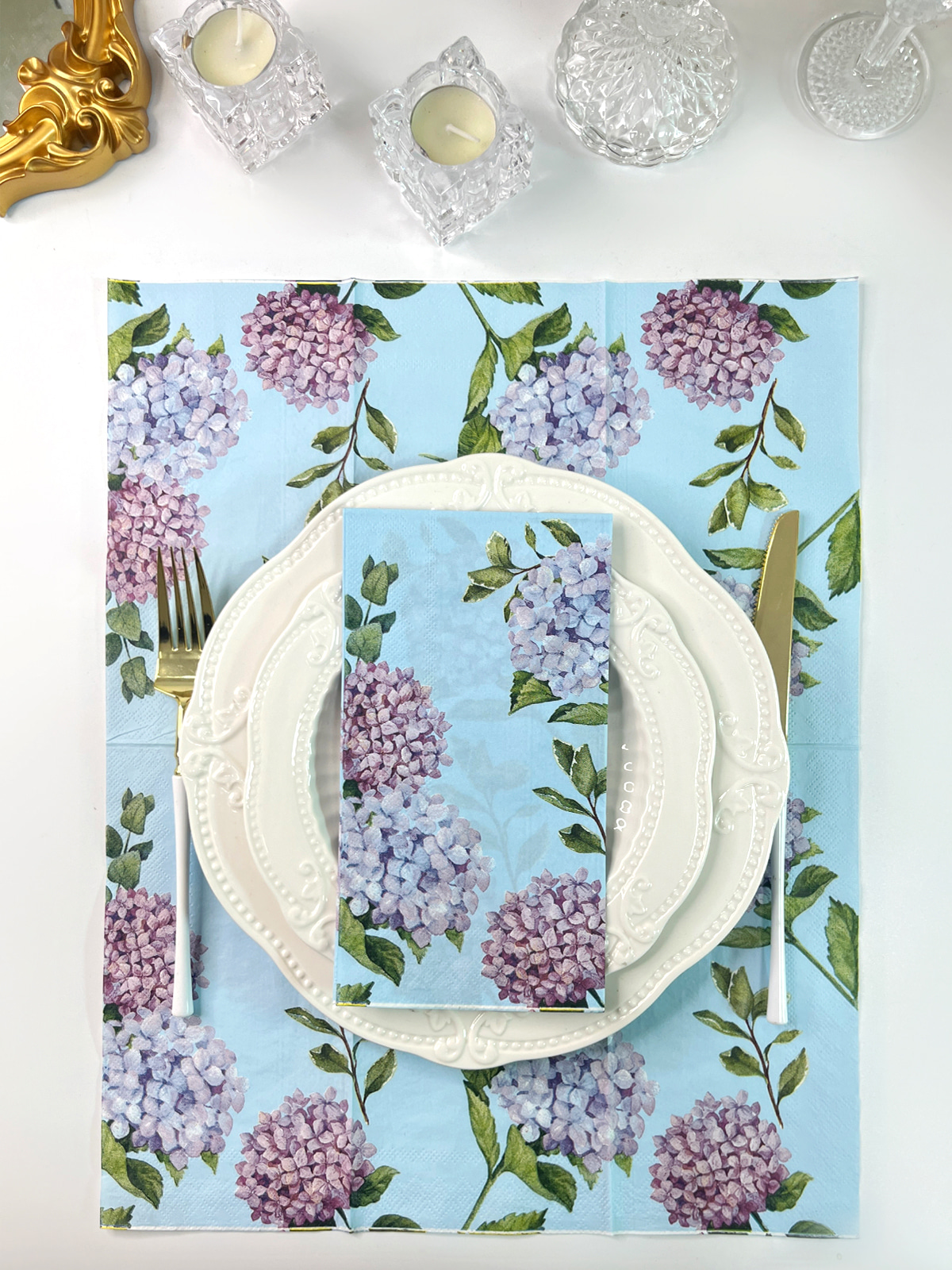
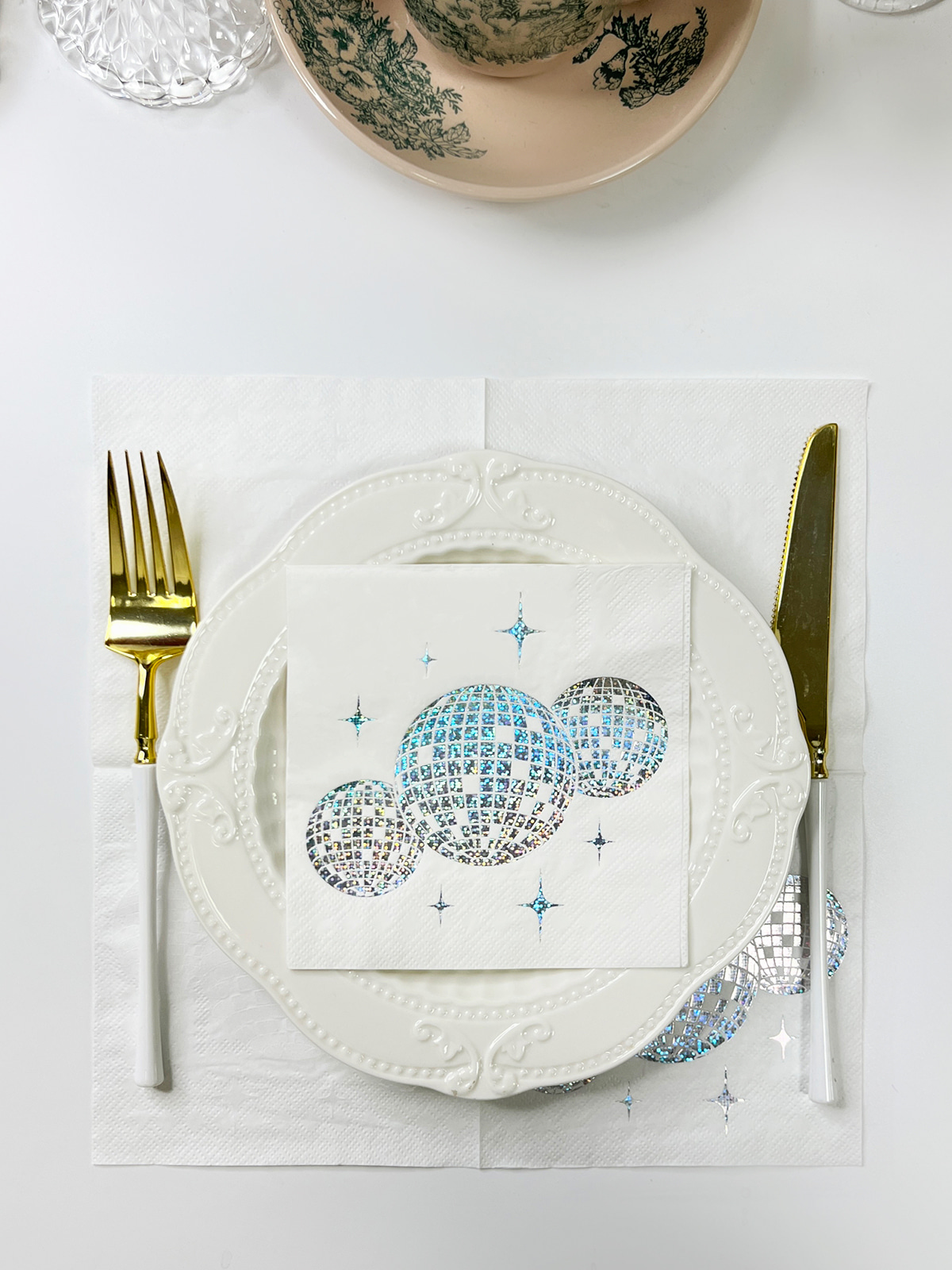
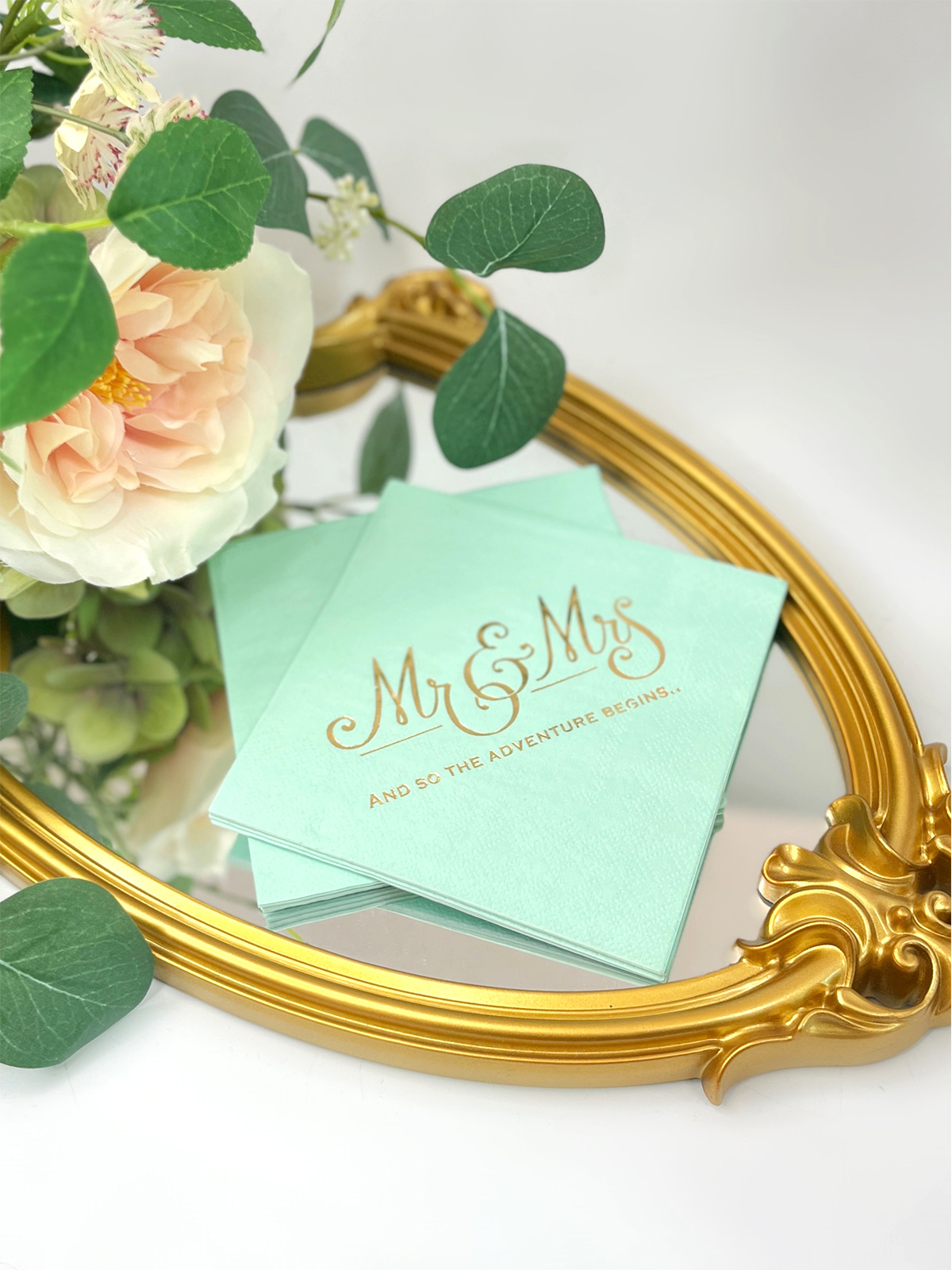
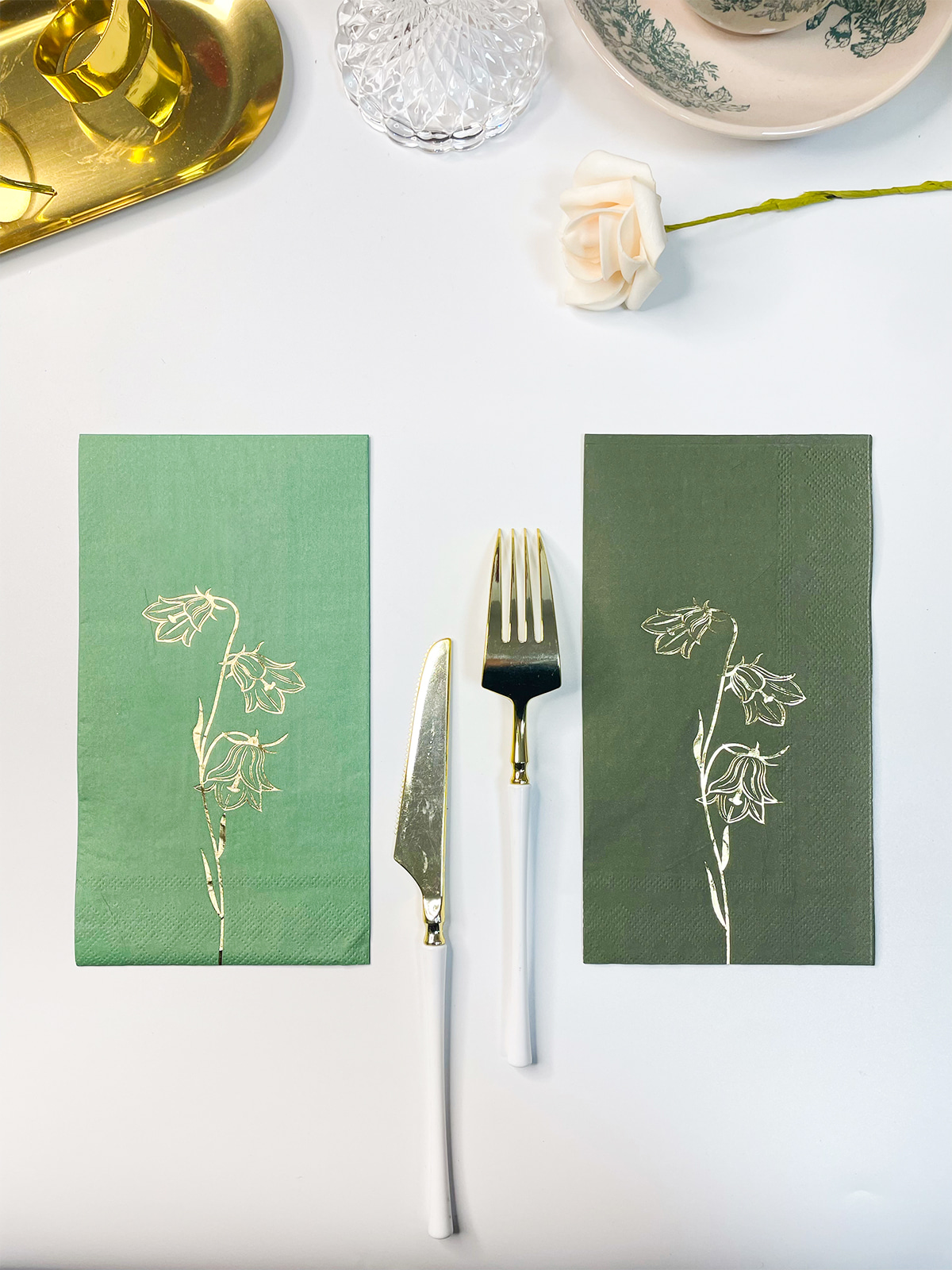
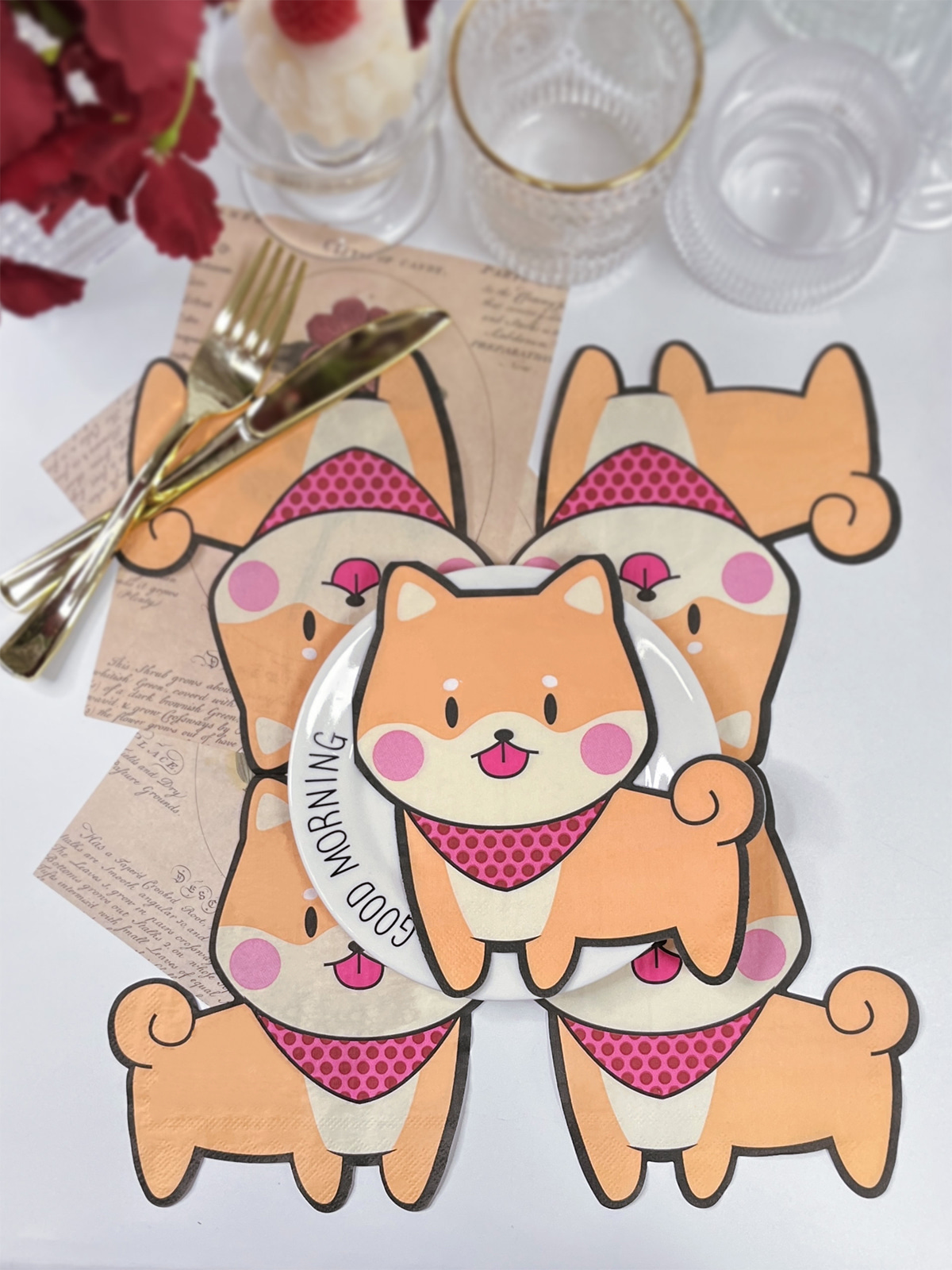
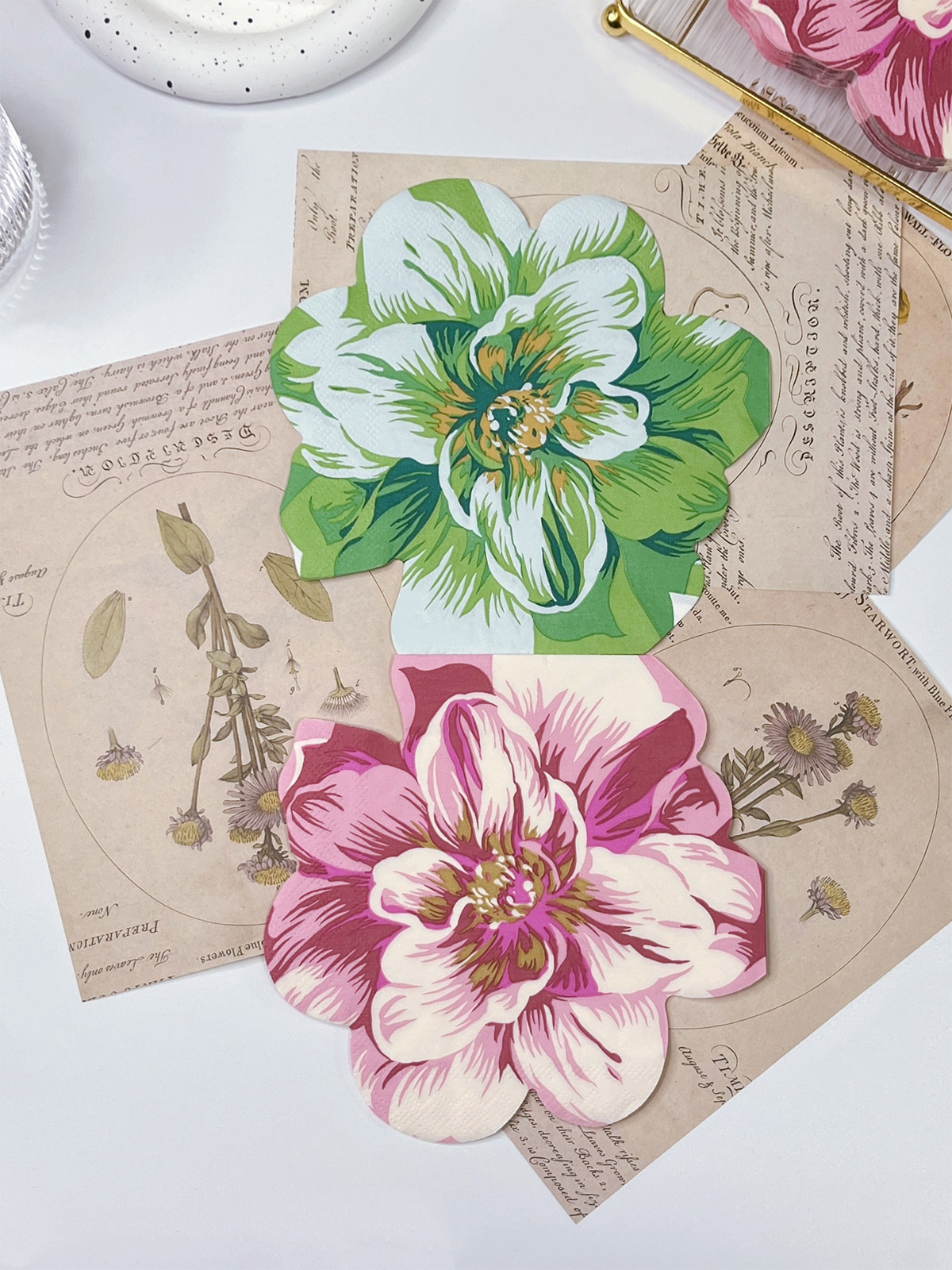
In venues across cities and at backyard celebrations alike, napkins are no longer an afterthought. The printed surface provides a compact canvas that can reinforce a color story, echo a motif, or introduce a tone-setting graphic. For hosts who want a coordinated table without elaborate linens or heavy investment, printed paper options present a flexible compromise.
Designers note that a small, printed element can anchor a place setting and reduce the need for multiple matching pieces. The result: a table that looks intentional even when other items are mixed or sourced from different places.
For gatherings that include messaging — whether celebratory, informational, or promotional — the napkin becomes a subtle channel. A motif, a single word, or a simple icon can orient guests to the event’s theme without overwhelming the visual field.
Beyond style, printed paper napkins affect how events run. For mobile or temporary setups, they reduce the burdens associated with linen inventory and laundering. That convenience is drawing interest from small caterers, pop-up operators, and hosts organizing outdoor or short-duration events.
Staff can deploy printed napkins quickly and remove them without adding to laundry cycles. In fast-paced service environments, this can free time for guest-facing tasks.
Ordering by event size allows teams to match supply to demand without long-term storage concerns. For one-off activations, this flexibility can lower logistical friction.
The guest encounter remains the central measure of any hospitality choice. How a printed napkin feels and how it presents at the table both influence impressions.
Paper napkins vary in texture and folding behavior. Hosts report that poorly chosen paper can undermine the dining moment, while thoughtfully selected designs maintain dignity and ease of use.
Where a napkin sits, how it is folded, and whether its printed side faces up or down can subtly alter the formality of a setting. Simple placement rules help maintain consistency for larger events.
Sustainability is a recurring concern for many planners. Printed paper napkins can be part of an environmentally aware approach if choices are made with disposal and sourcing in mind.
Hosts should consider whether napkins will enter composting, recycling, or landfill streams and choose products that align with available waste-handling systems.
Clear signals — for example, short notes at beverage stations or on menus — can help guests dispose of items properly and appreciate the host’s intent.
Printed napkins are being used in inventive ways that extend their value beyond table service. Emerging practices highlight their role in storytelling and guest interaction.
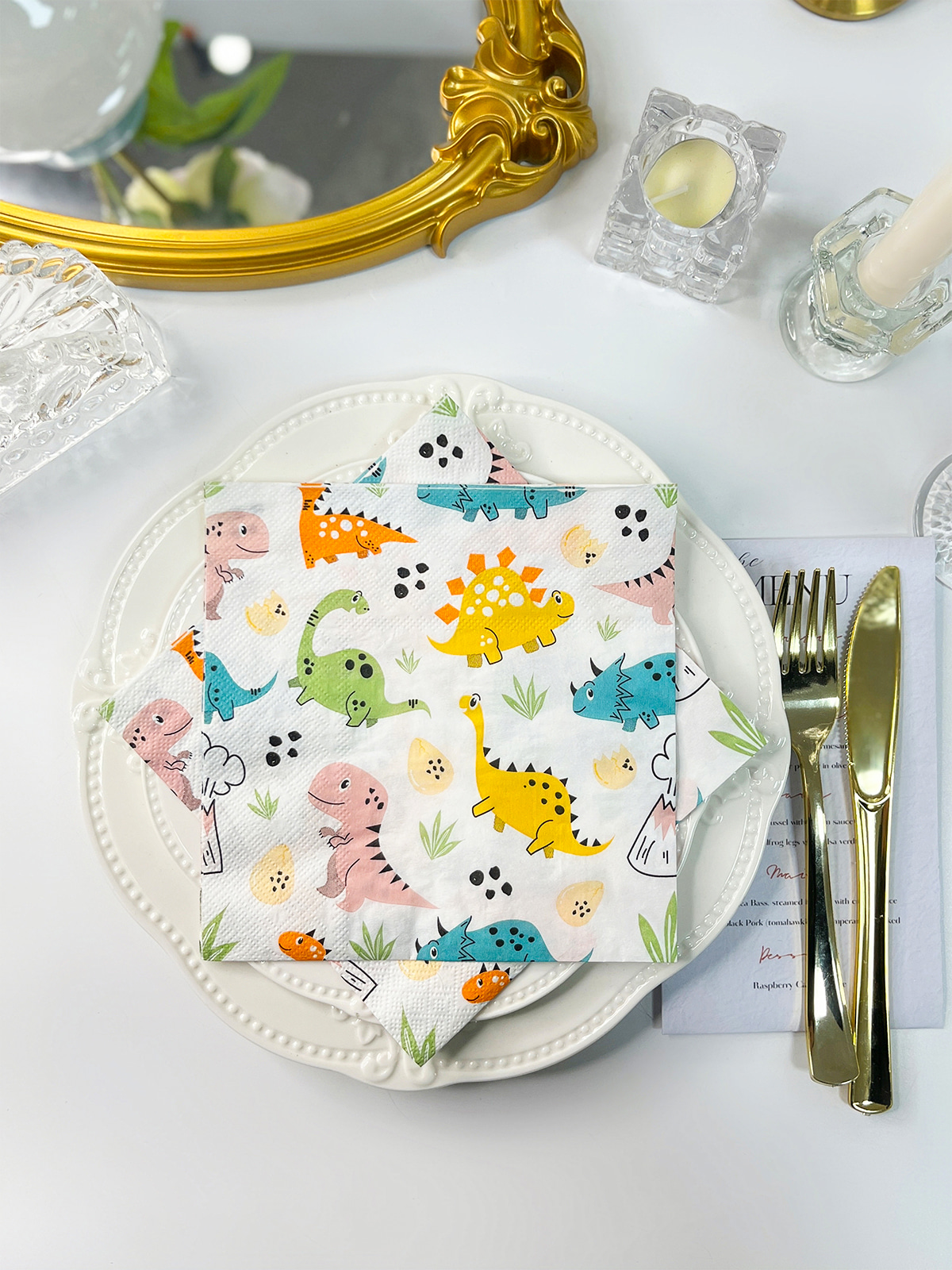
At family celebrations and themed parties, printed napkins that carry a date, celebratory phrase, or small graphic become casual keepsakes that guests tuck away.
Some hosts have used napkins to display short prompts — a conversation starter, a hashtag for social posts, or an itinerary snippet — turning a functional item into an engagement tool.
Cost perception balances against practical savings. For venues that run frequent events, reusable linens may still make sense; for occasional hosts, printed paper is often the more predictable expense.
Because printed paper items can be ordered per event, budgeting becomes straightforward. There is less risk tied up in inventory or damaged textile replacements.
Labor saved on laundering and sorting can translate into lower operating costs or the ability to reallocate staff to guest service tasks.
| Event Type | Why printed napkins work | When to reconsider |
|---|---|---|
| Casual gatherings | Quick setup, playful motifs support relaxed tone | If guests expect formal service items |
| Corporate mixers | Consistent visual branding without linen logistics | If long-term brand standards require textile materials |
| Outdoor pop-ups | Lightweight, easy to transport and discard responsibly | If waste disposal infrastructure is limited |
| Family celebrations | Keepsake potential, thematic reinforcement | If heirloom linens are part of tradition |
| Large public events | Scalability and predictable supply | If durability for multiple days is needed |
Hosts should consider how napkin choices interact with cultural expectations. In some circles, cloth remains associated with formality and hospitality; in others, well-designed paper is fully acceptable.
Matching napkin style to the expected tone of guests reduces the risk of sending unintended signals.
Even a single paper element feels more considered when other tabletop items follow a coherent visual logic.
Printed napkins are not a universal solution. They have real limitations — chiefly in tactile experience and long-term sustainability if disposal is not planned.
For fine-dining experiences or venues that maintain a textile-based identity, paper options may feel out of place.
Without planning for disposal, the convenience of single-use items can quickly become an environmental liability.
Planners advise testing. A small sample run at a rehearsal or a staff tasting can reveal whether a chosen paper design folds well, resists light spills, and complements other table elements. Chefs and service leads often recommend selecting printed napkins only after plates and centerpieces are confirmed — so the napkin’s design can harmonize rather than compete.
Selecting a printed napkin should be an intentional decision tied to the event’s goals. Hosts can follow a simple decision path: define the tone, confirm operational constraints, test a sample, and plan disposal. When those steps align, Party Printed Paper Napkins can become a practical expression of design and logistics, deployed where they add clarity or delight.
Party Printed Paper Napkins are not a one-size solution, but they provide a useful option in a host’s toolkit — particularly for events where flexibility, visual cohesion, and straightforward cleanup are priorities. For guidance on design options and sourcing, suppliers such as Zhuji Furong Paper Products Co., Ltd. can offer product images and examples that help teams visualize how a printed napkin could fit into a specific event plan.
Related Products
Shopping for a reliable source of napkins?
Established in 2007 and located in Zhuji City, Zhejiang Province, Zhuji Furong Paper Products Co., Ltd. is a professional manufacturer of color-printed napkins. Enhance Your Event With Custom Printed Napkins.
Telephone
+86-15325932613
Address
Jianglong Industrial Park, Jiyang Street, Zhuji City, Shaoxing, Zhejiang, China.
Contact Us
Products
Contact Us
+86-15325932613
+86-575-87765556
+86-575-87765559
Jianglong Industrial Park, Jiyang Street, Zhuji City, Shaoxing, Zhejiang, China.
Party Printed Paper Napkins Manufacturer Customized Napkins And Paper Towels Factory
Copyright © by Zhuji Furong Paper Products Co., Ltd. Rights Reserved.

 English
 中文简体
中文简体