2026-03-11
A modest item on the table is quietly finding a new role in modern entertaining. Once purely functional, napkins are now a visible part of event styling and supply chains, reflecting broader choices about convenience, appearance, and environmental impact.
Content
Paper napkins begin their journey as plant-based fibers that are separated from the rest of the wood material through industrial processing. The conversion from raw fiber to soft sheet involves stages that focus on fiber separation, conditioning, and sheet formation. Each manufacturing step affects how the end product looks and performs at the table.
After initial fiber separation, the material is refined to improve flexibility and bonding. This refining helps sheets resist tearing when damp and gives them a tactile softness that users expect. The paper web is then formed and dried in ways that determine thickness and hand feel without referencing numerical specifications.
Once the sheet material is ready, finishing treatments are applied to improve surface absorbency and handle. When napkins are intended to carry a printed design, the surface is prepared to accept inks in a manner that reduces smudging and color migration. Advances in ink formulation and application have broadened the range of patterns and motifs that can be reproduced on paper without affecting functionality.
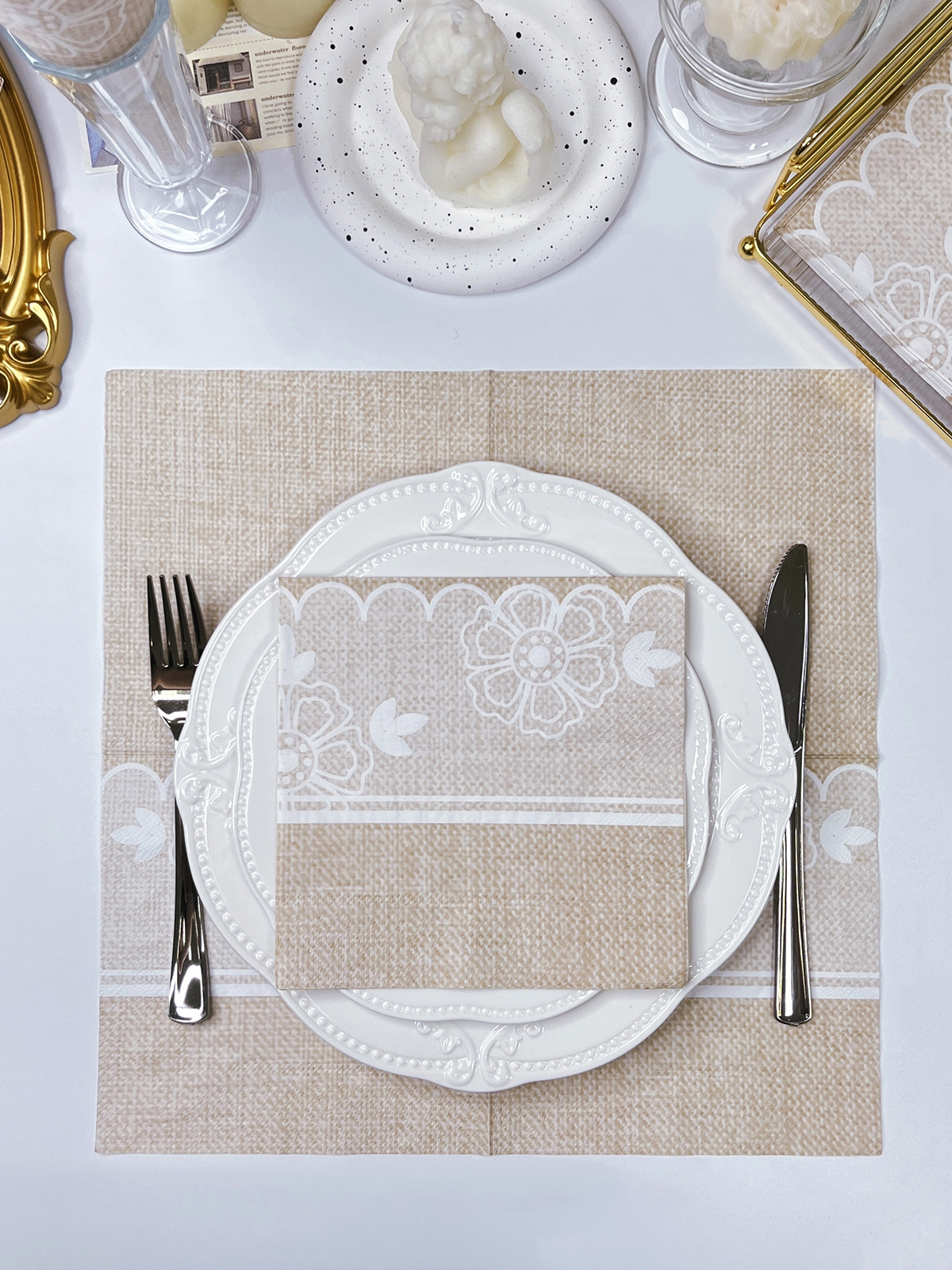
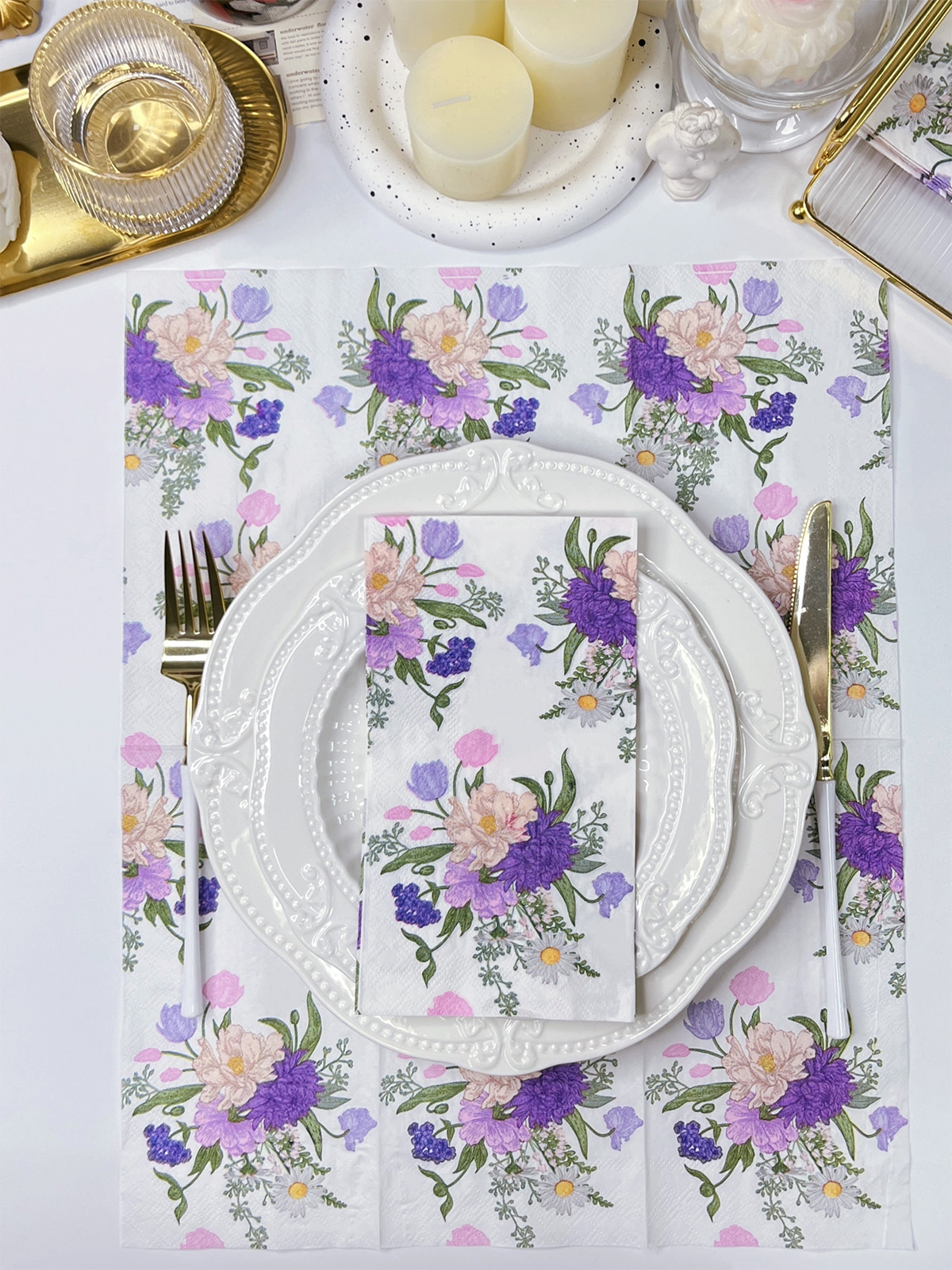
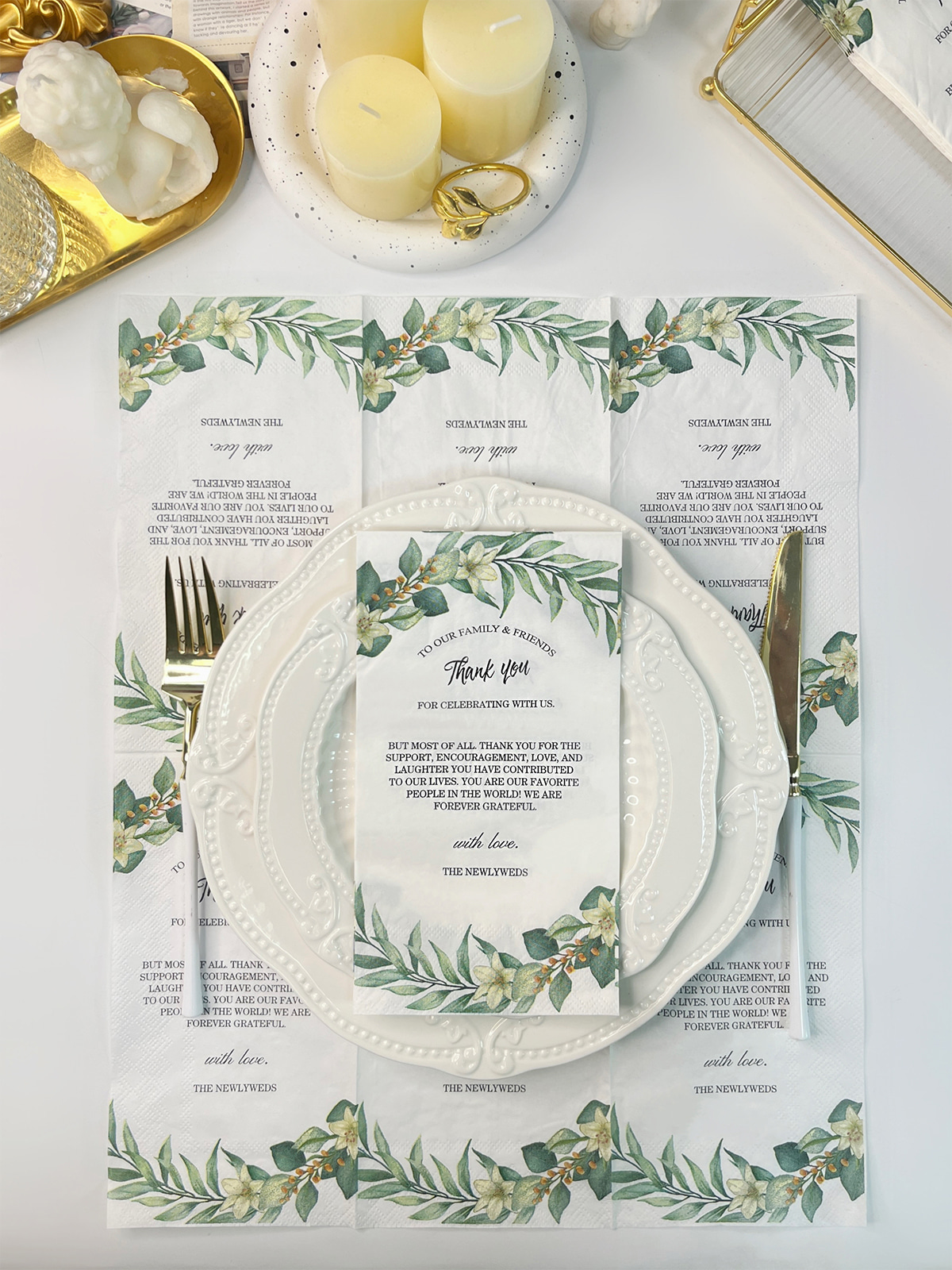
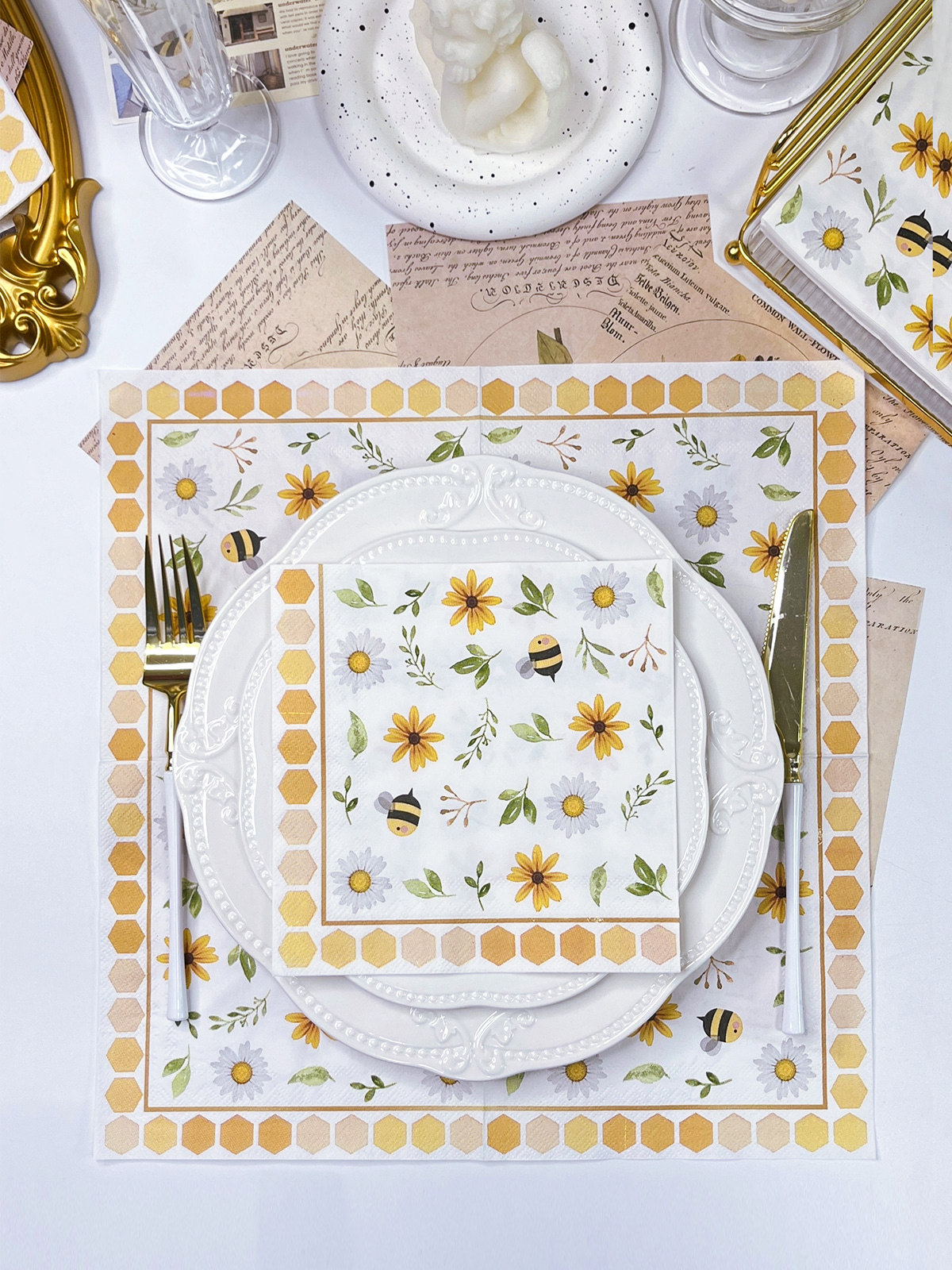
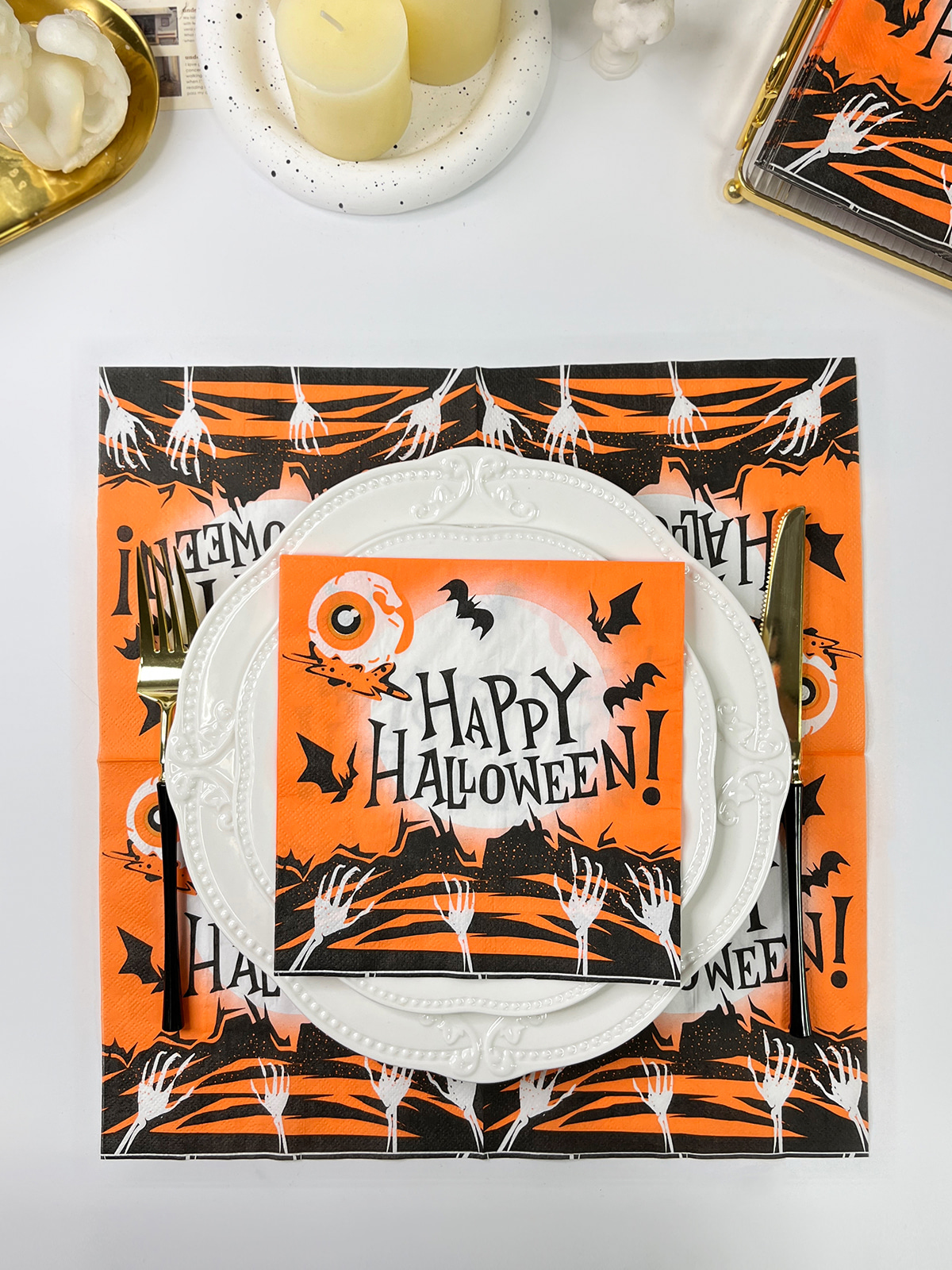
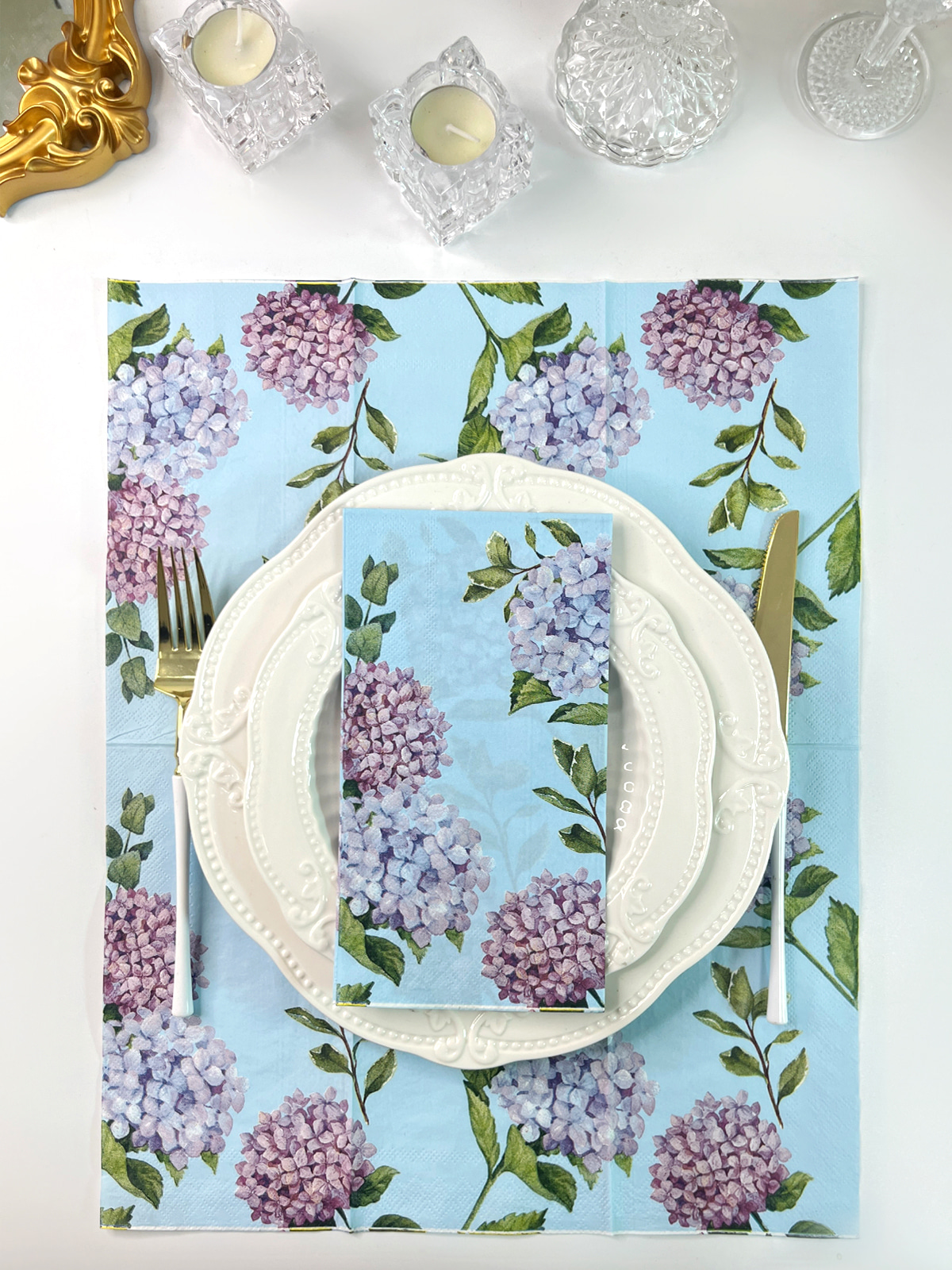
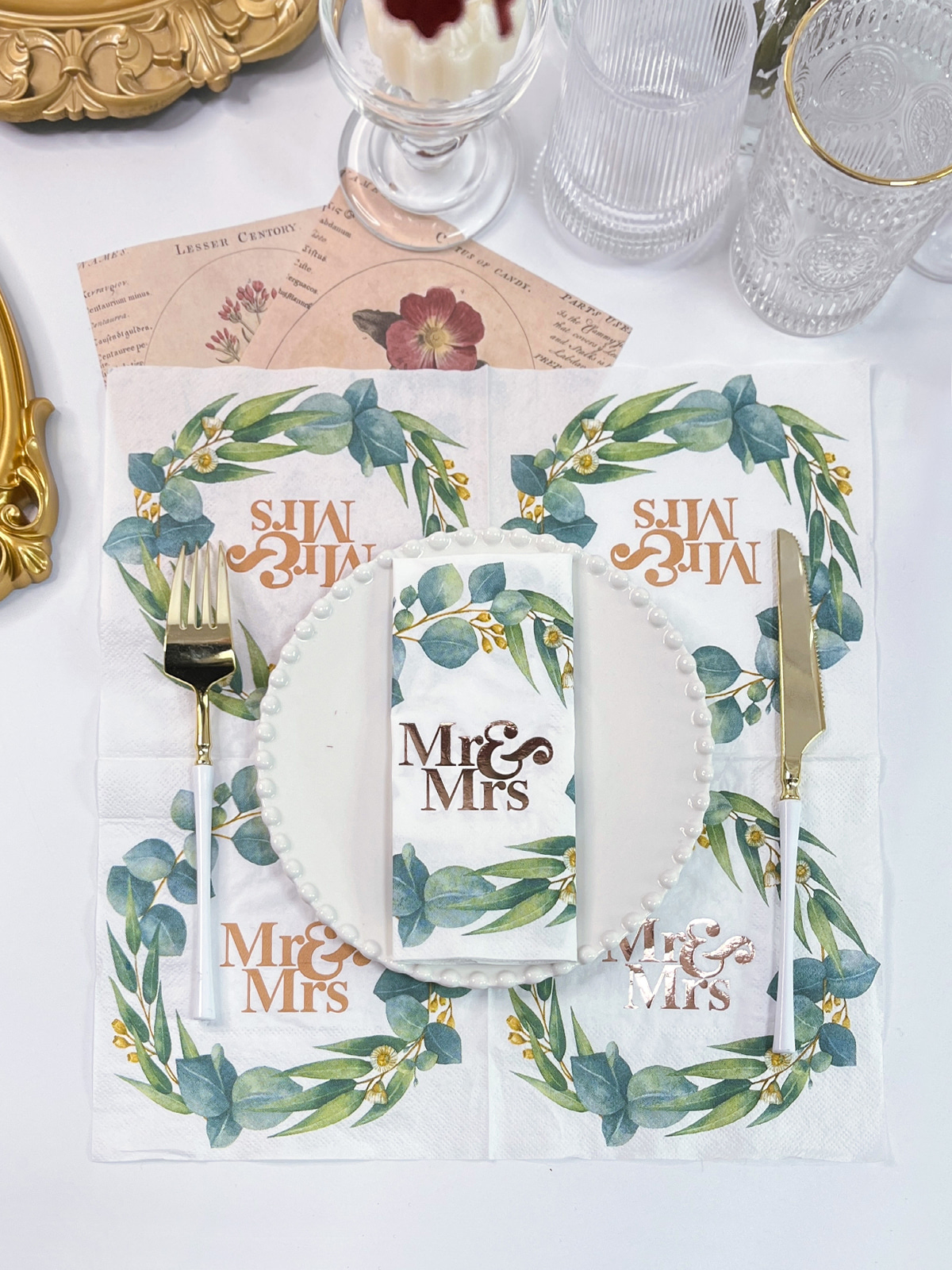
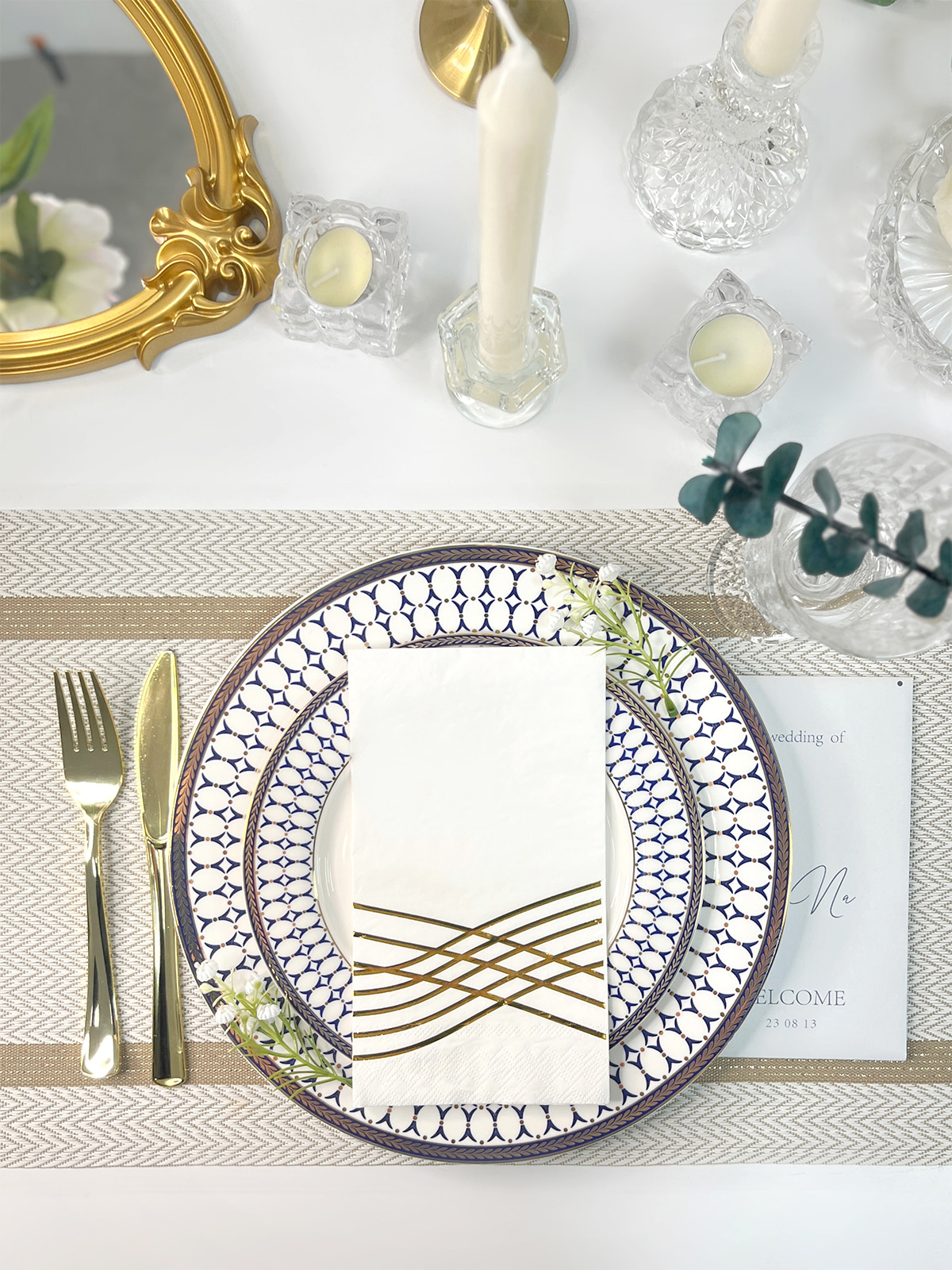
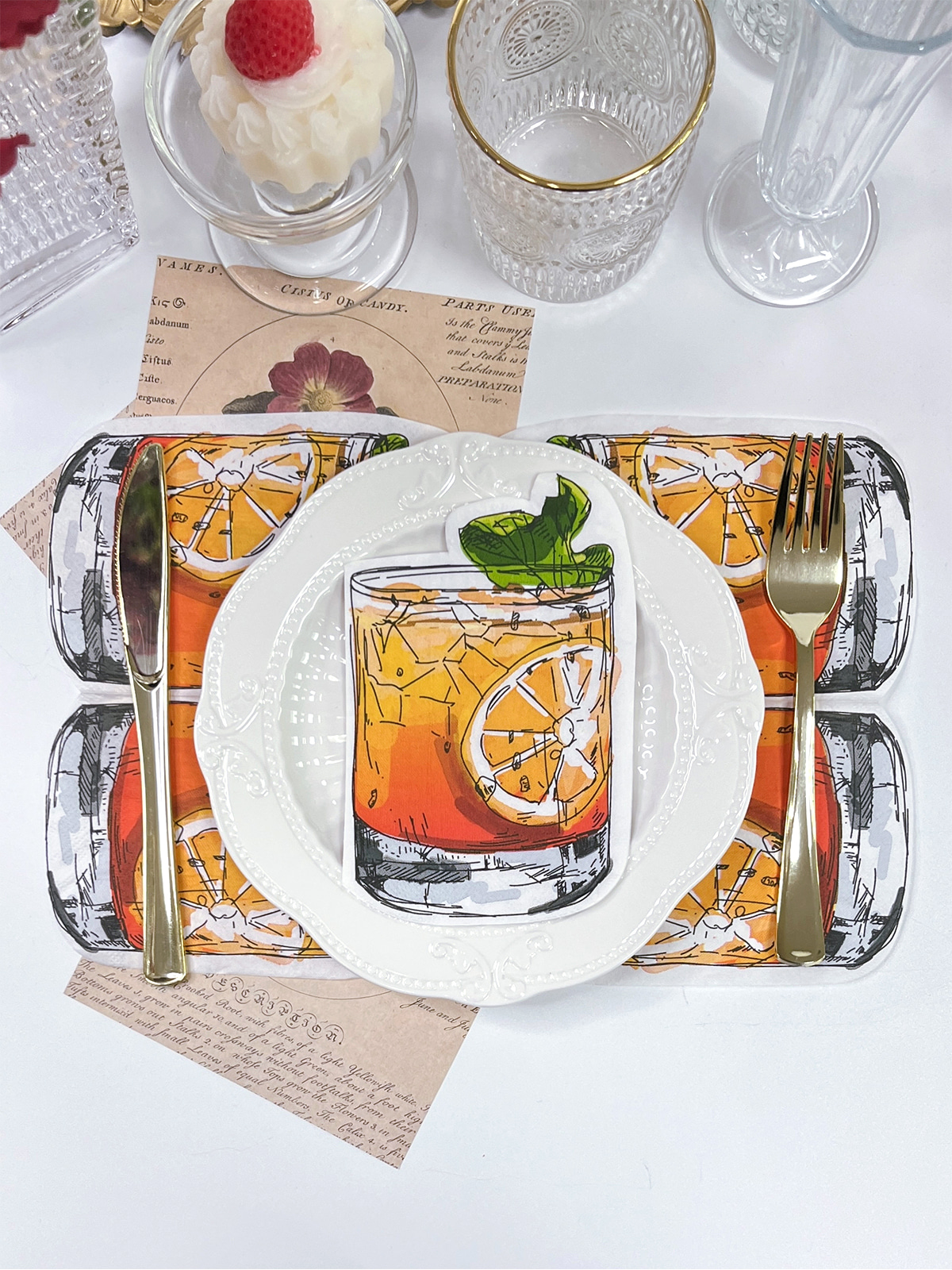
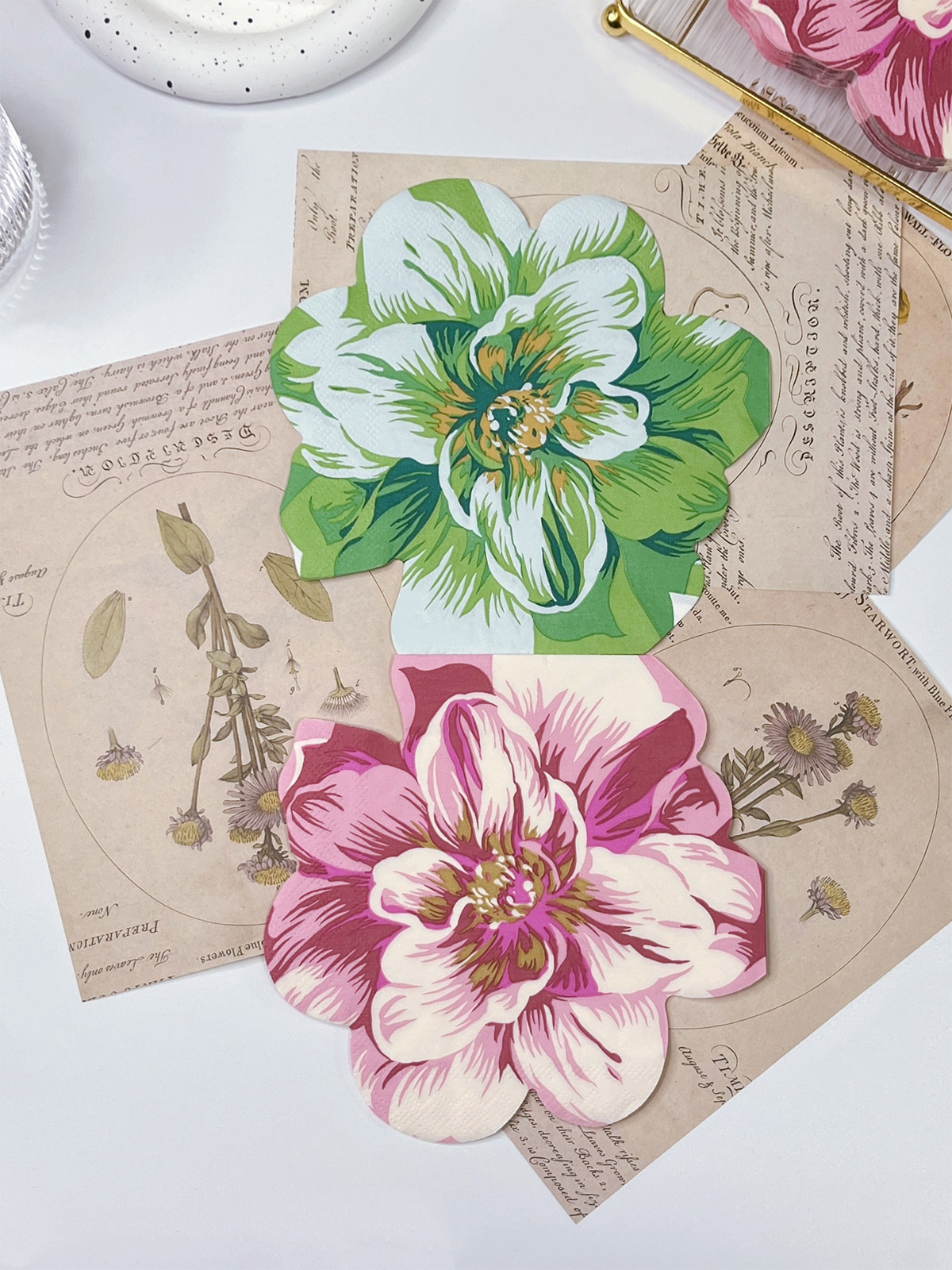
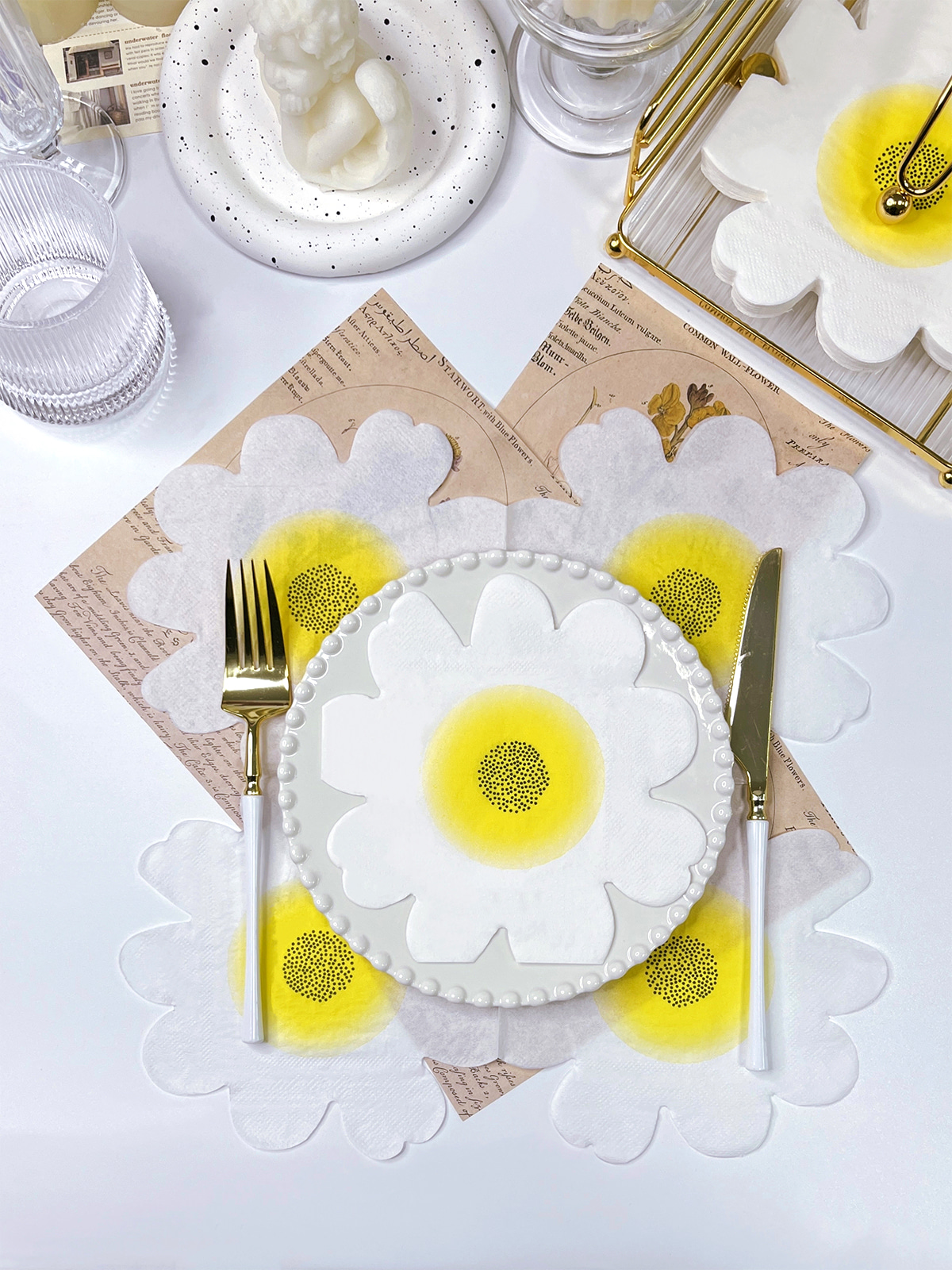
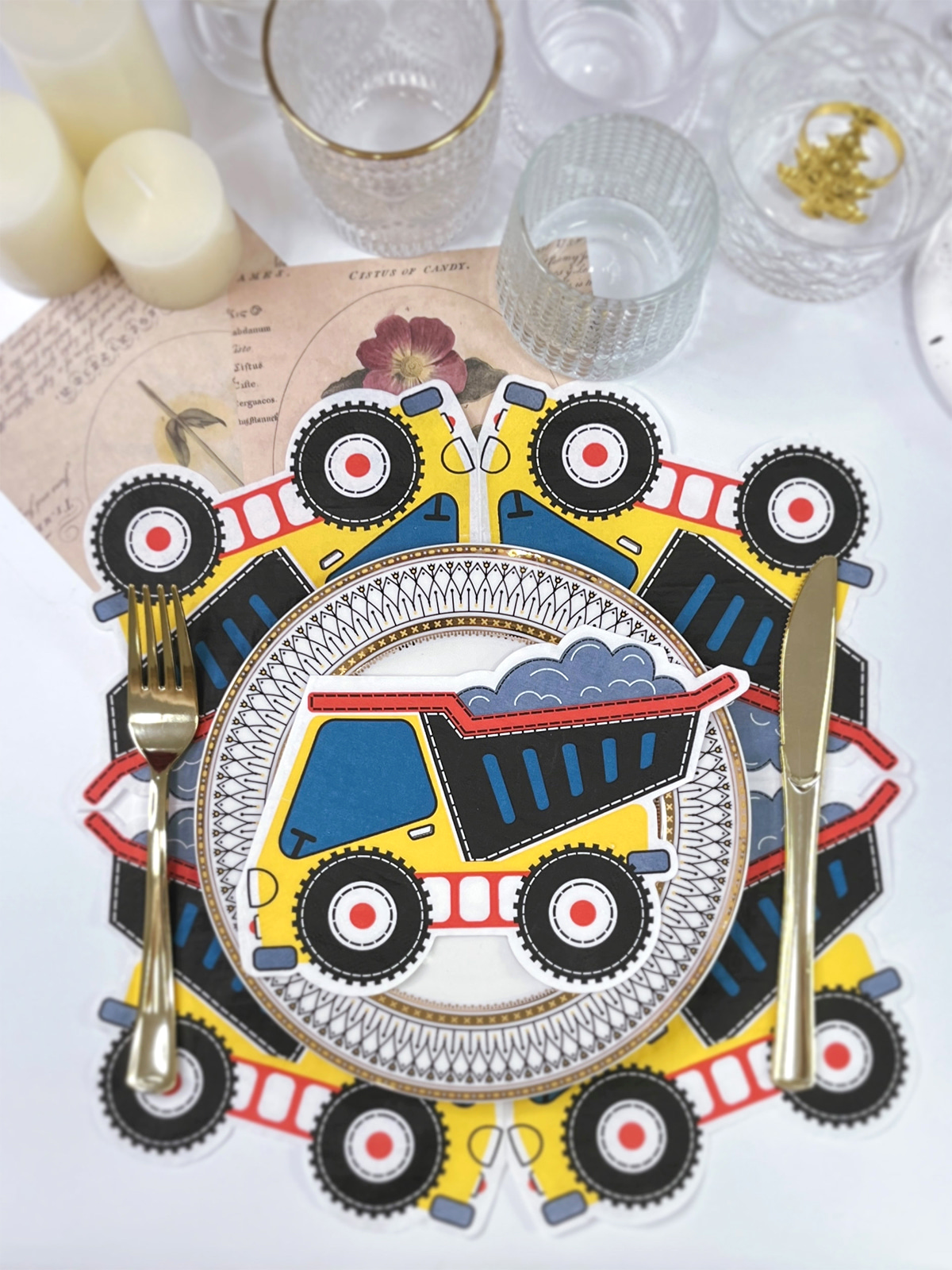
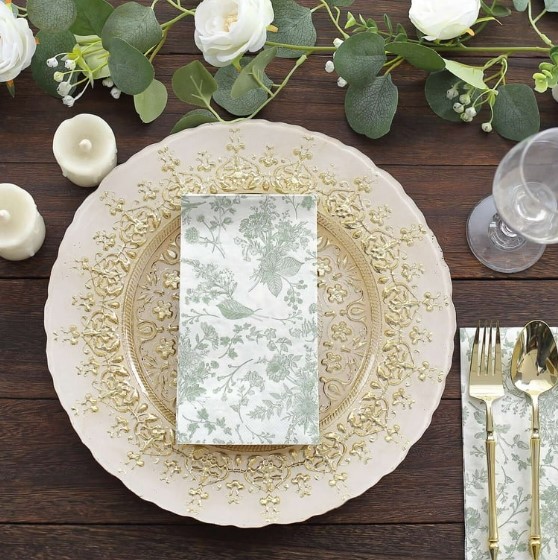
Many hosts prize the speed and simplicity that disposable napkins bring to event setup and cleanup. Printed options allow a visual theme to be extended to the tabletop in an affordable way, supporting coordinated color schemes and celebratory motifs. Because printed napkins are single-use, they are convenient for large gatherings or situations where laundering is impractical.
Visual cohesion without storage needs.
Themed designs that match décor choices for short-term events.
Quick turnover for busy venues or outdoor settings.
Cloth napkins follow a different set of preparation steps. Textile selection and fabric pre-treatment shape their long-term behavior, especially when they will be laundered and reused. Cloth conversion focuses on cutting precision and edge treatments that preserve form across many uses.
Fabric rolls are inspected and prepped to remove temporary finishes applied during weaving. These preparatory steps stabilize the fabric so that cutting yields consistent pieces and so that subsequent finishing behaves predictably.
After cutting, edges are secured through stitching or folded hems. Decorative approaches are available for hosts who want a distinctive look, and surface coloration is chosen with laundering and color retention in mind.
Decision-makers who plan events increasingly weigh lifecycle and operational factors when choosing napkin types. Disposable paper napkins eliminate the need for washing and reduce labor after an event, but they bring considerations related to resource sourcing and manufacturing. Cloth napkins introduce an ongoing laundering footprint, but they can reduce material throughput when used repeatedly over time.
| Aspect | Paper Napkins | Cloth Napkins |
|---|---|---|
| Source material | Processed plant fibers formed into sheets | Woven textiles from fiber sources |
| Typical finishing | Surface treatments and printed designs | Hemming, stitching, and textile printing/dyeing |
| Intended use | Single use and disposal after an event | Reuse through laundering and storage |
| Customization | Cost-effective printing for themed events | Durable surface decoration and trims |
| Operational needs | No laundering required | Requires laundering plan and storage |
Several practical and aesthetic trends are influencing how hosts and planners select napkins today. Color palettes that coordinate with venue themes, minimalist prints that complement modern settings, and designs that reflect seasonal or cultural motifs are all in demand. On the production side, manufacturers are expanding options that aim to reduce environmental footprint without sacrificing appearance or performance.
Subtle patterns and muted palettes that support broader décor.
Playful or seasonal motifs for casual gatherings.
Coherent looks across disposable items to simplify styling.
Inventory simplicity for short-term events.
Robust construction for repeated use in hospitality settings.
Alignment of product finish with laundering practices.
For those organizing an event, a short checklist helps clarify the right direction. Consider the expected number of guests, whether laundering is available afterward, the importance of a tactile, reusable textile, and how visible the tabletop will be in photographs. Sample items, whether paper or cloth, are helpful when assessing color matching and handling expectations.
Quick planning points
Manufacturers and suppliers are responding to these emerging preferences by broadening the design language available for single-use items and by improving textile treatments for cloth options. The net effect is more flexibility for hosts who want a specific aesthetic without committing to complicated logistics.
As table design continues to evolve, napkins have moved from a hidden utility to a deliberate design element that helps tell a story about an event. Party Printed Paper Napkins provide a fast route to themed styling, while cloth napkins offer durability and a different sensory experience for repeat occasions. Hosts who weigh convenience, visual goals, and handling logistics can select the option that fits their event rhythm. For inspiration and sourcing ideas, resources are available—see Zhuji Furong Paper Products Co., Ltd..
Related Products
Shopping for a reliable source of napkins?
Established in 2007 and located in Zhuji City, Zhejiang Province, Zhuji Furong Paper Products Co., Ltd. is a professional manufacturer of color-printed napkins. Enhance Your Event With Custom Printed Napkins.
Telephone
+86-15325932613
Address
Jianglong Industrial Park, Jiyang Street, Zhuji City, Shaoxing, Zhejiang, China.
Contact Us
Products
Contact Us
+86-15325932613
+86-575-87765556
+86-575-87765559
Jianglong Industrial Park, Jiyang Street, Zhuji City, Shaoxing, Zhejiang, China.
Party Printed Paper Napkins Manufacturer Customized Napkins And Paper Towels Factory
Copyright © by Zhuji Furong Paper Products Co., Ltd. Rights Reserved.

 English
 中文简体
中文简体