2026-11-04
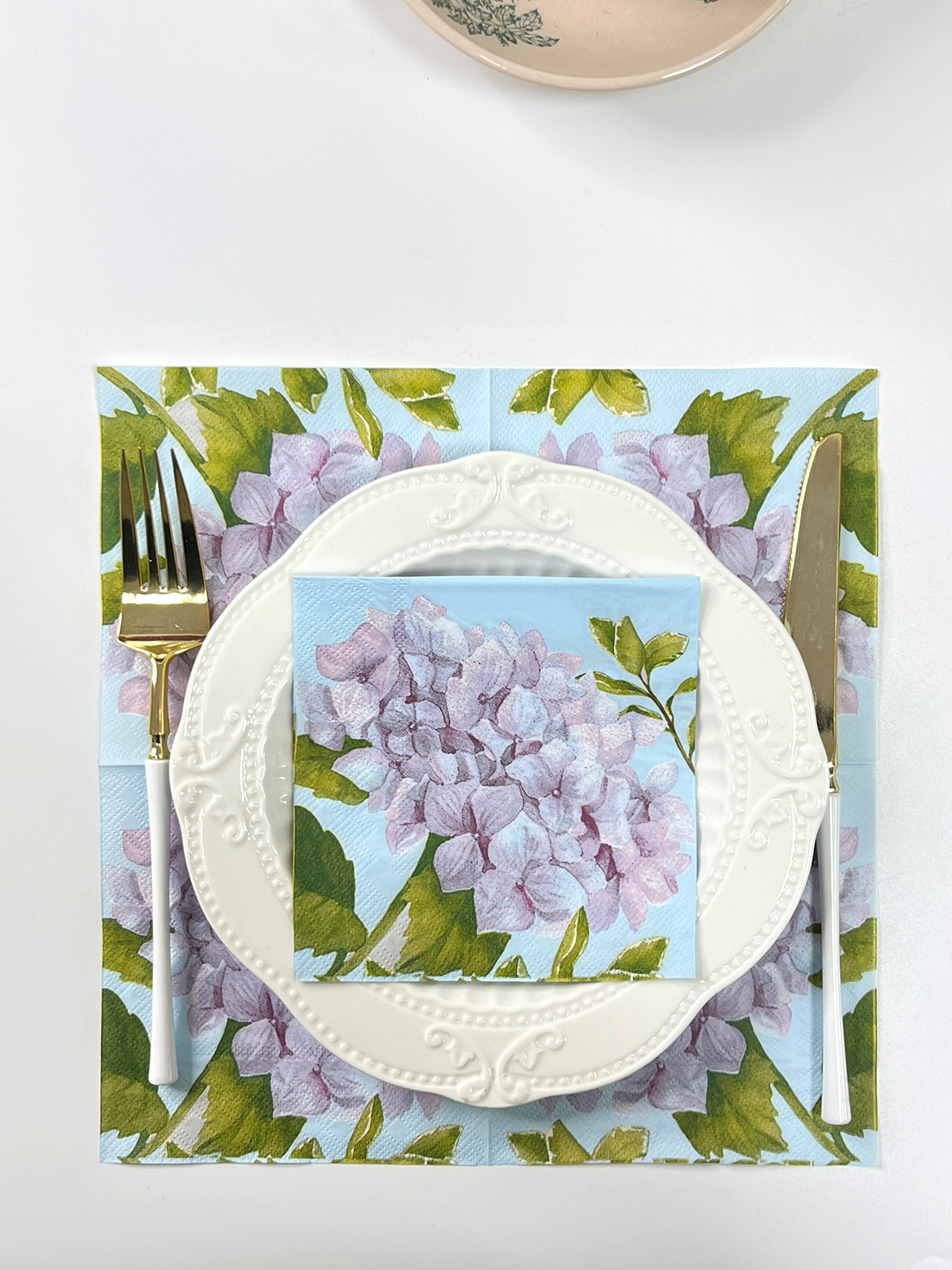
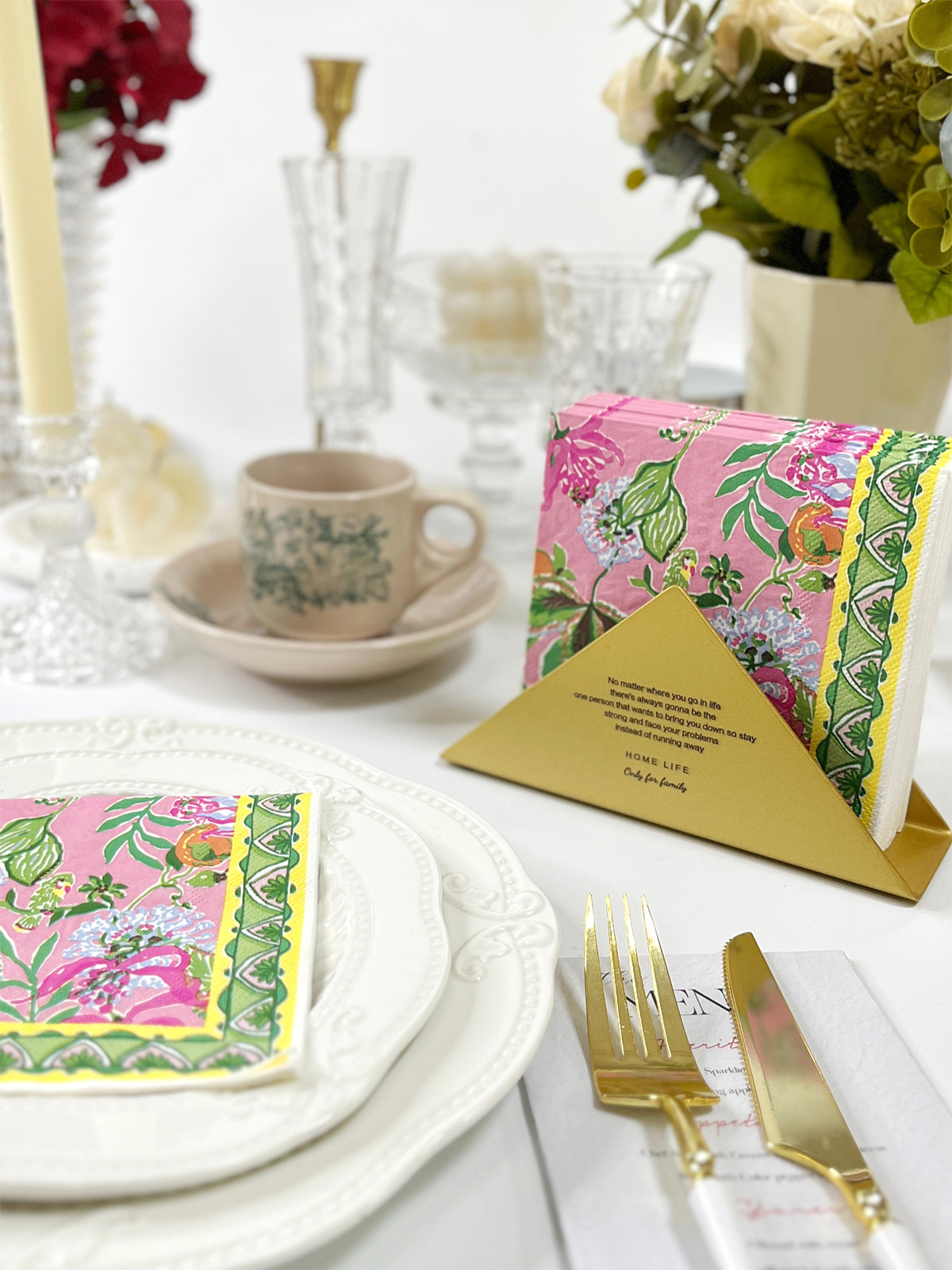
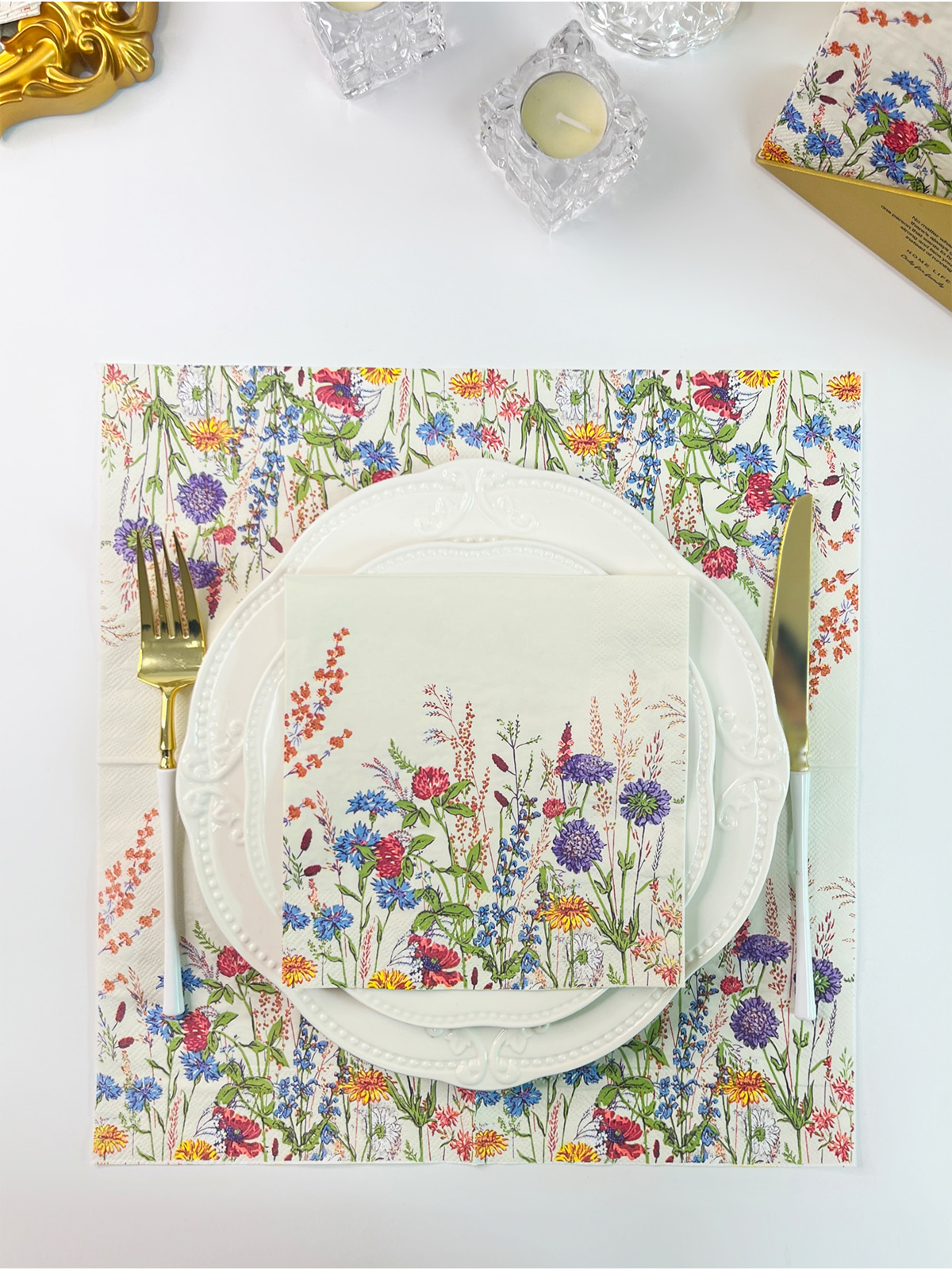
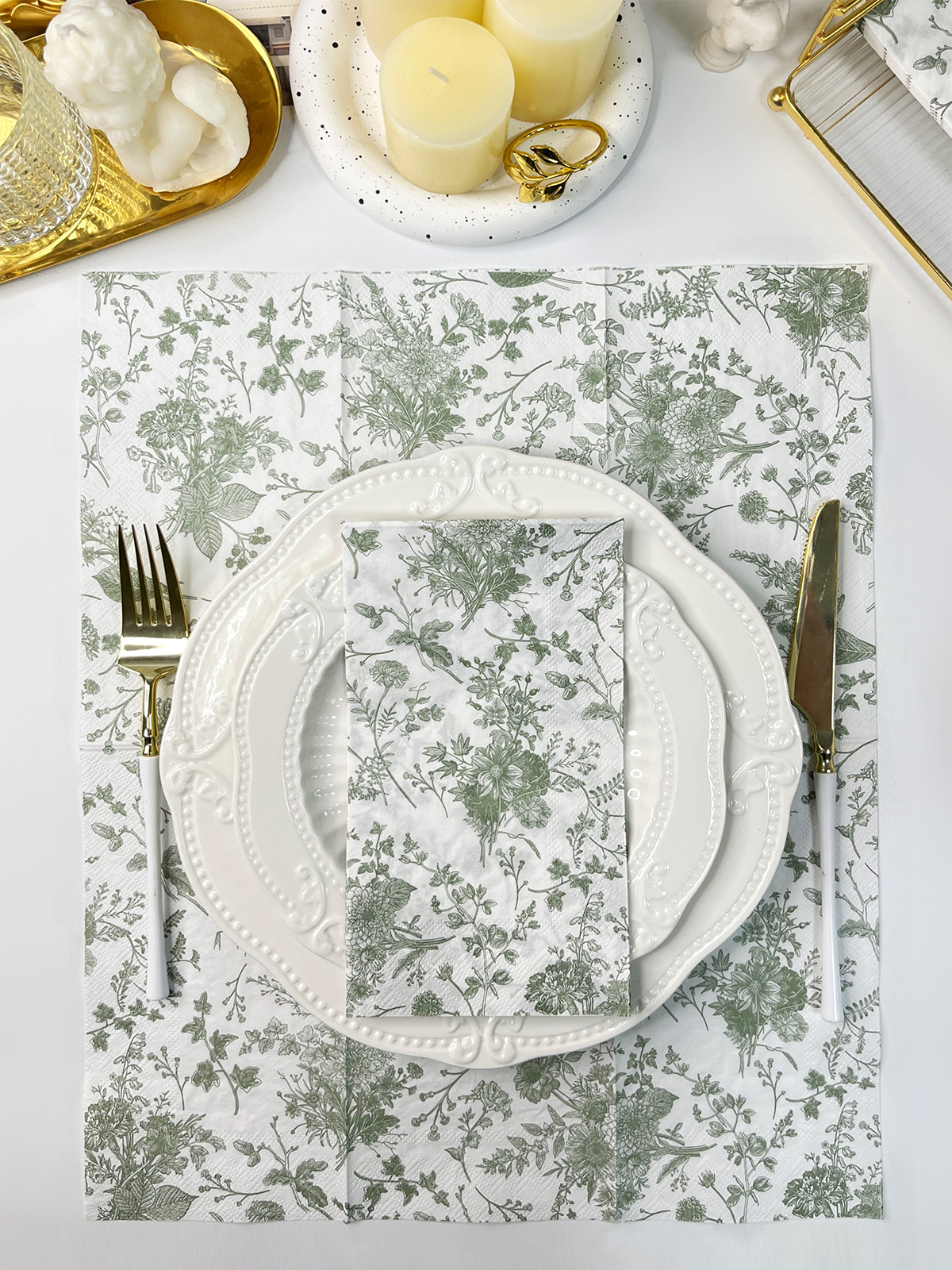
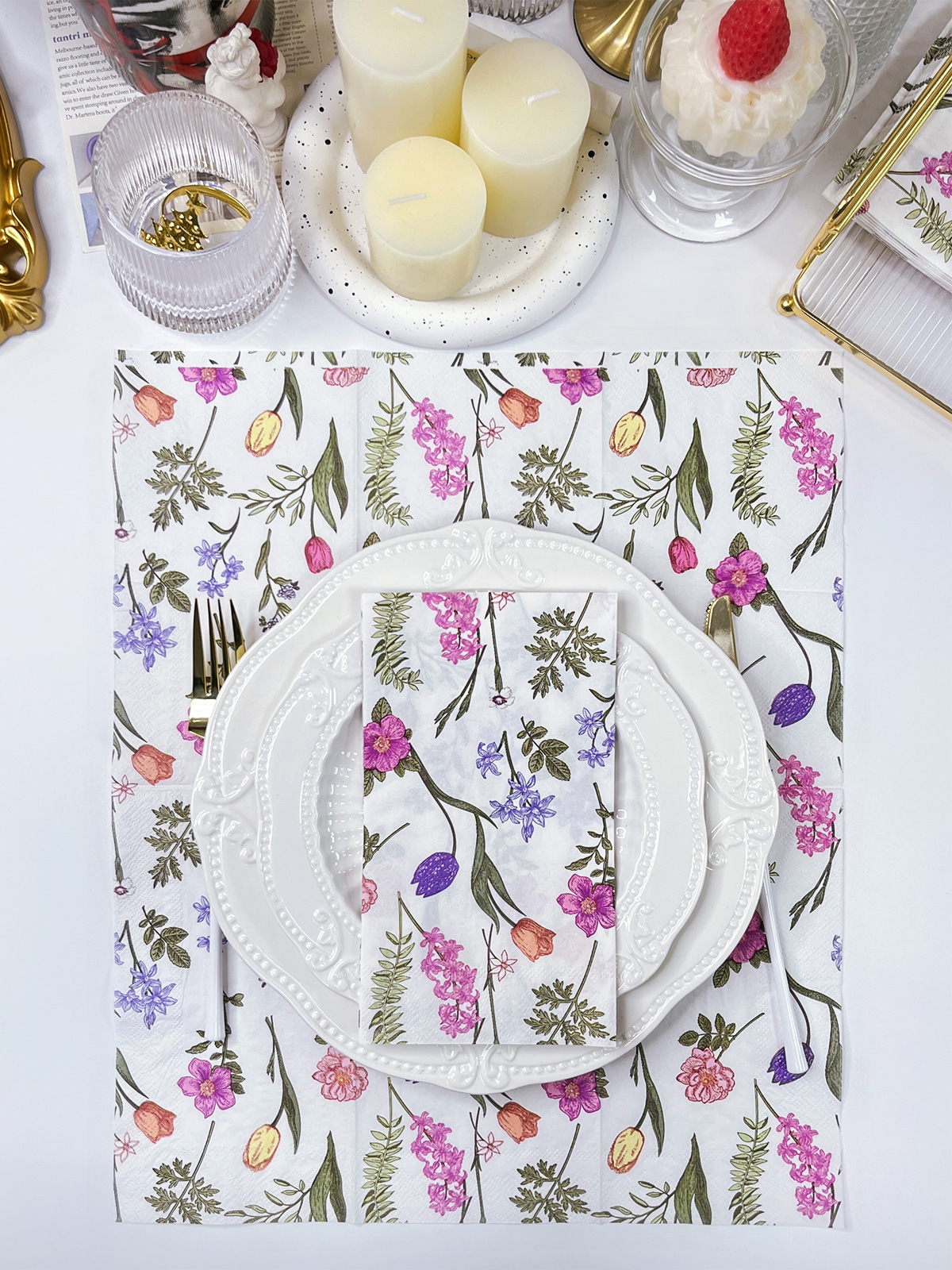
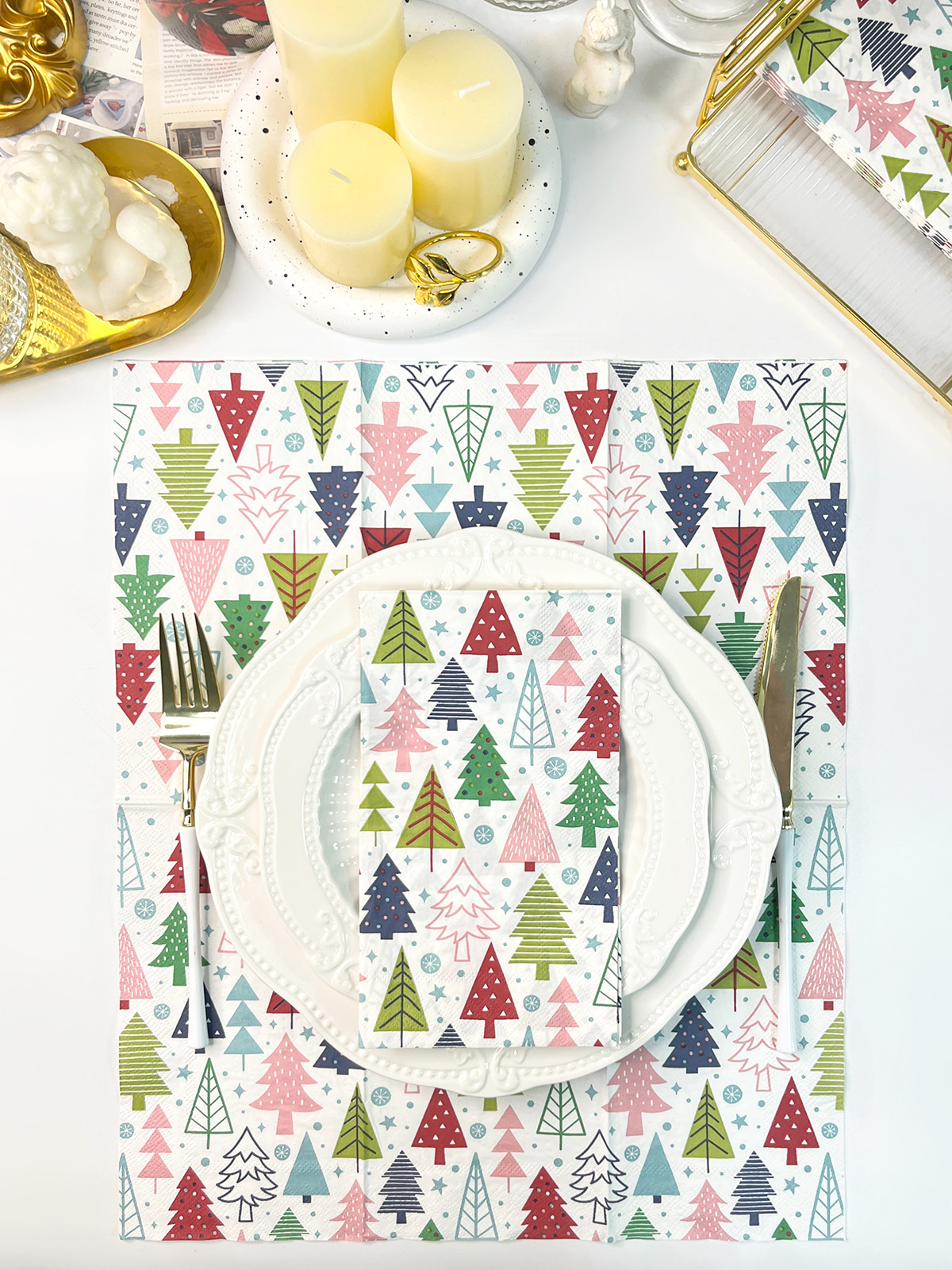
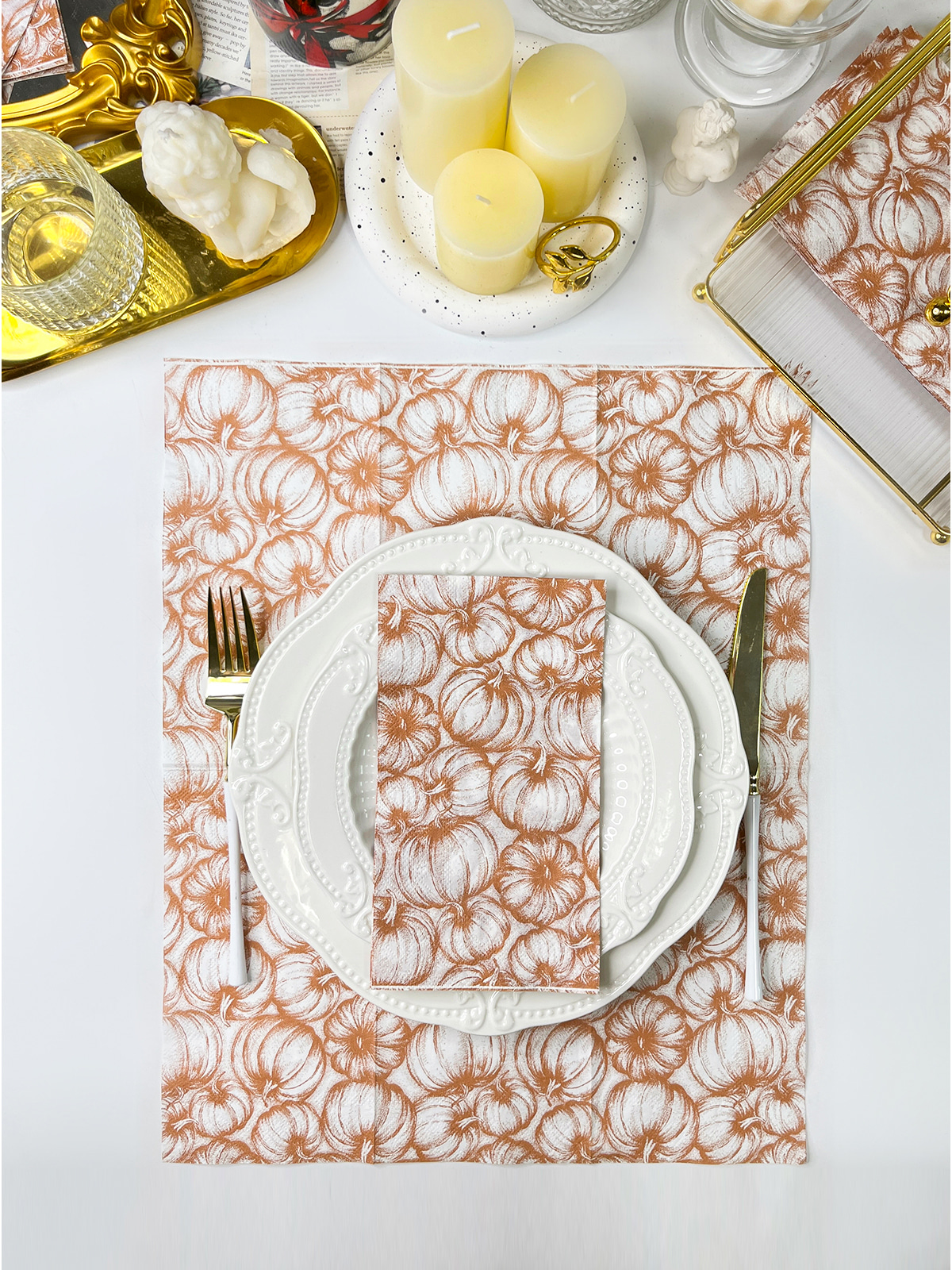
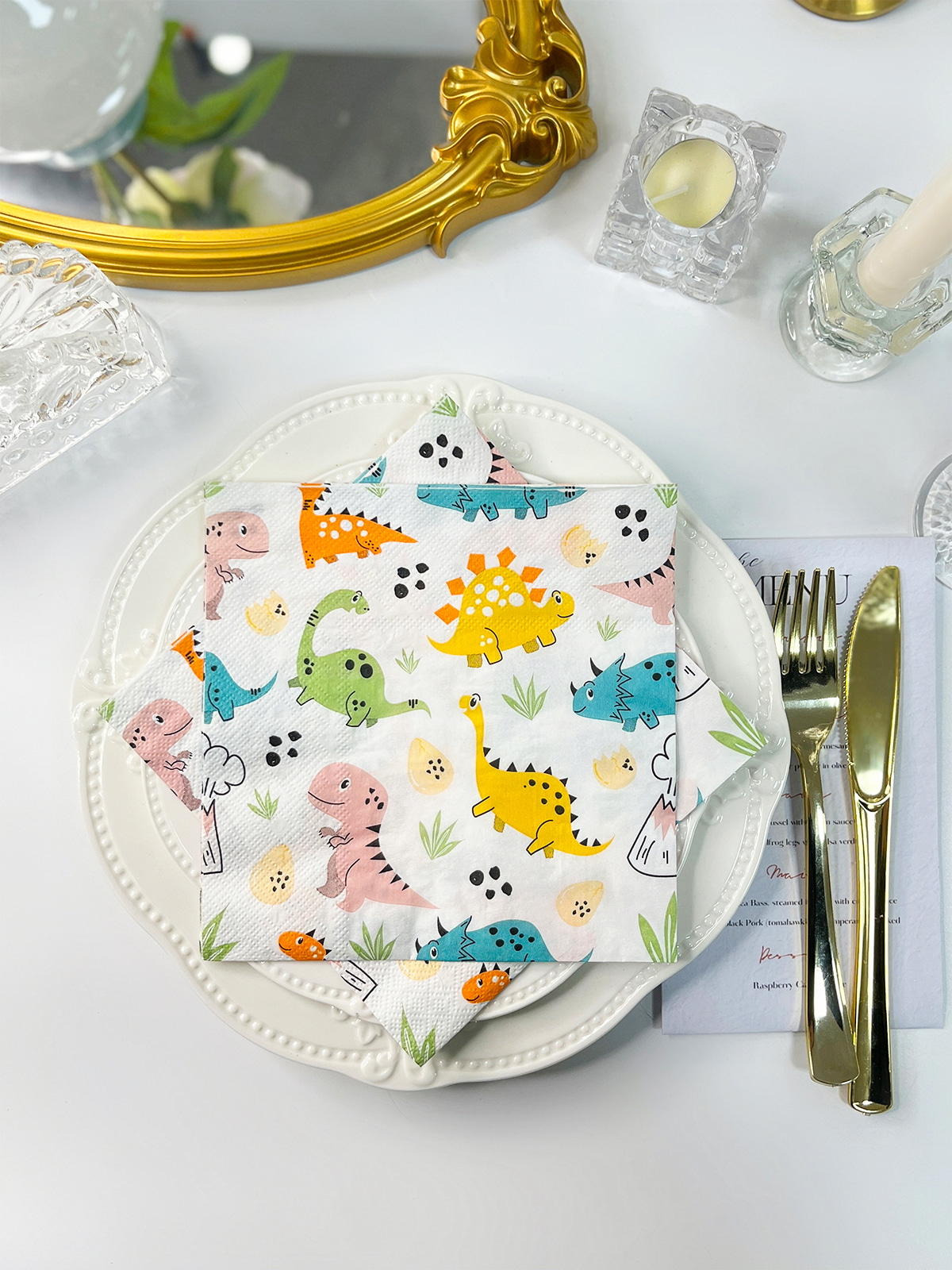
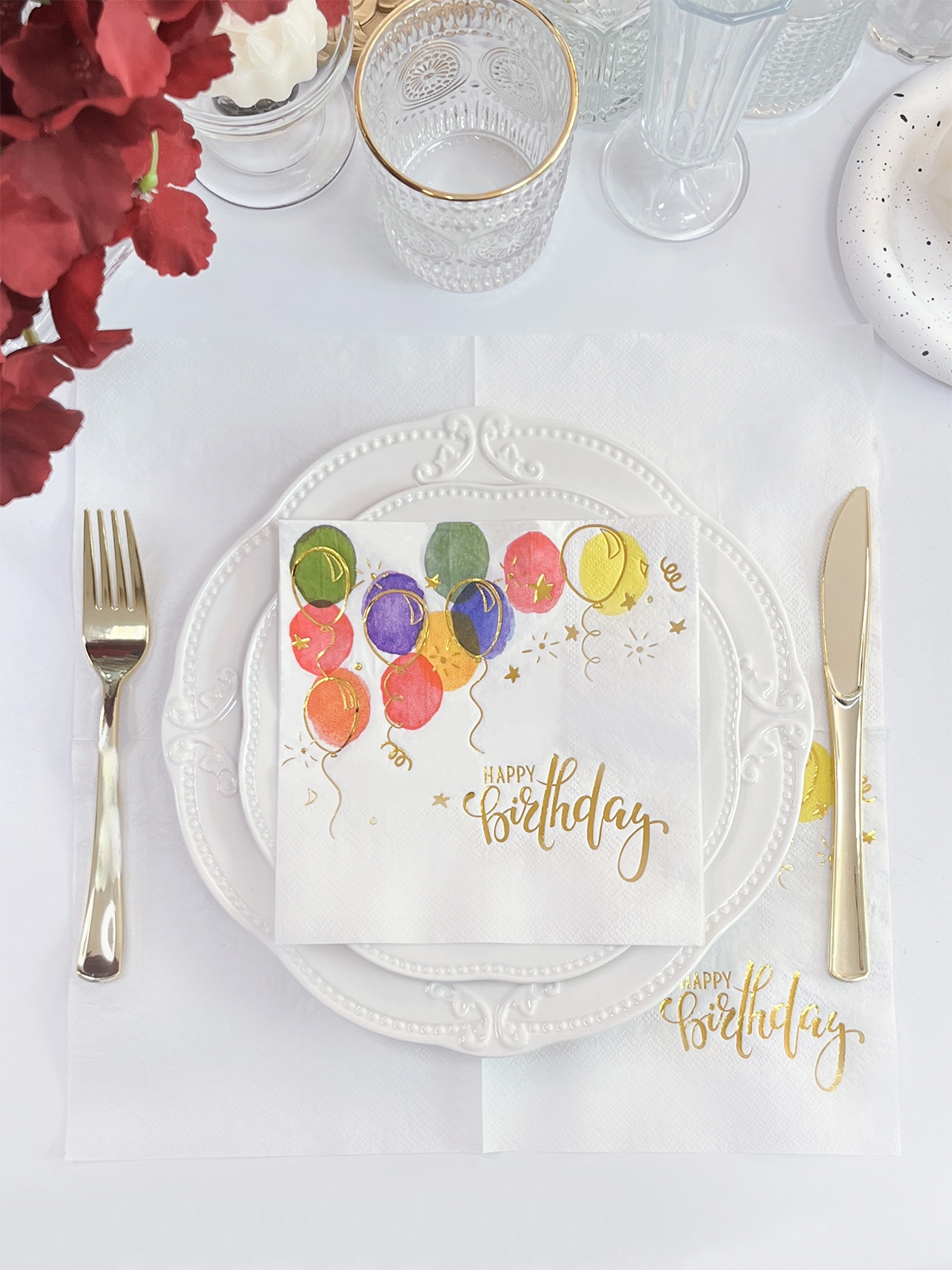
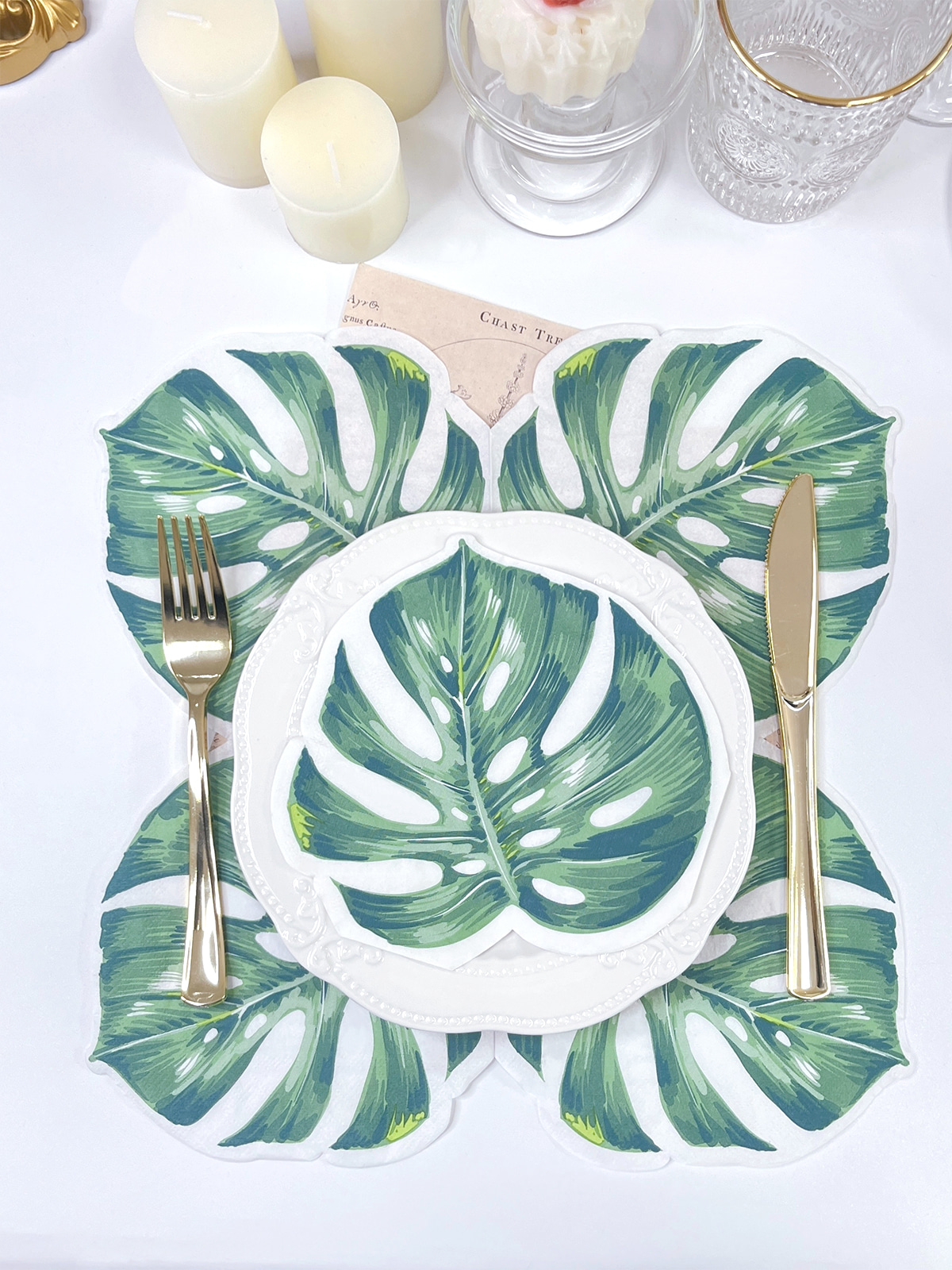
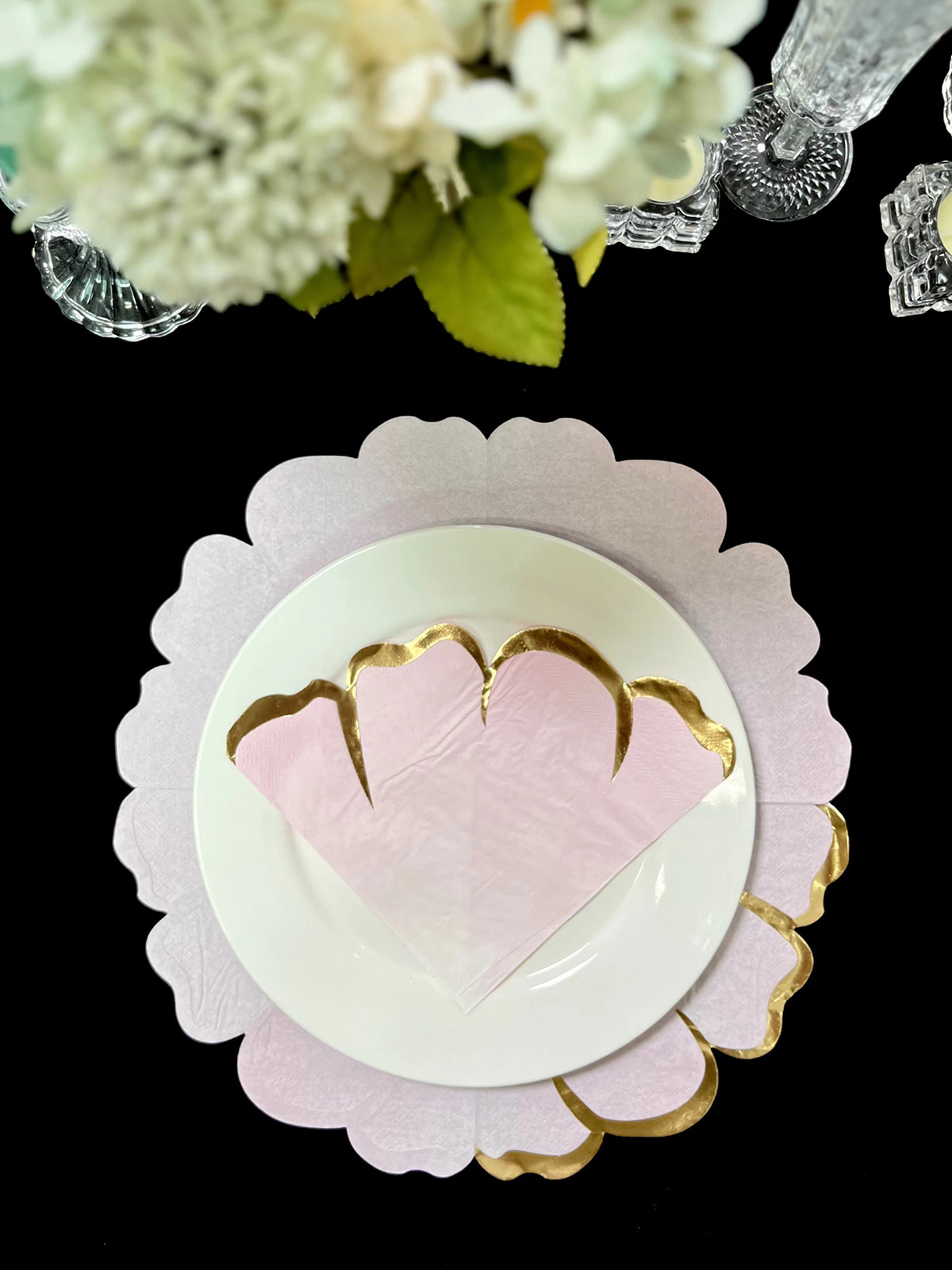
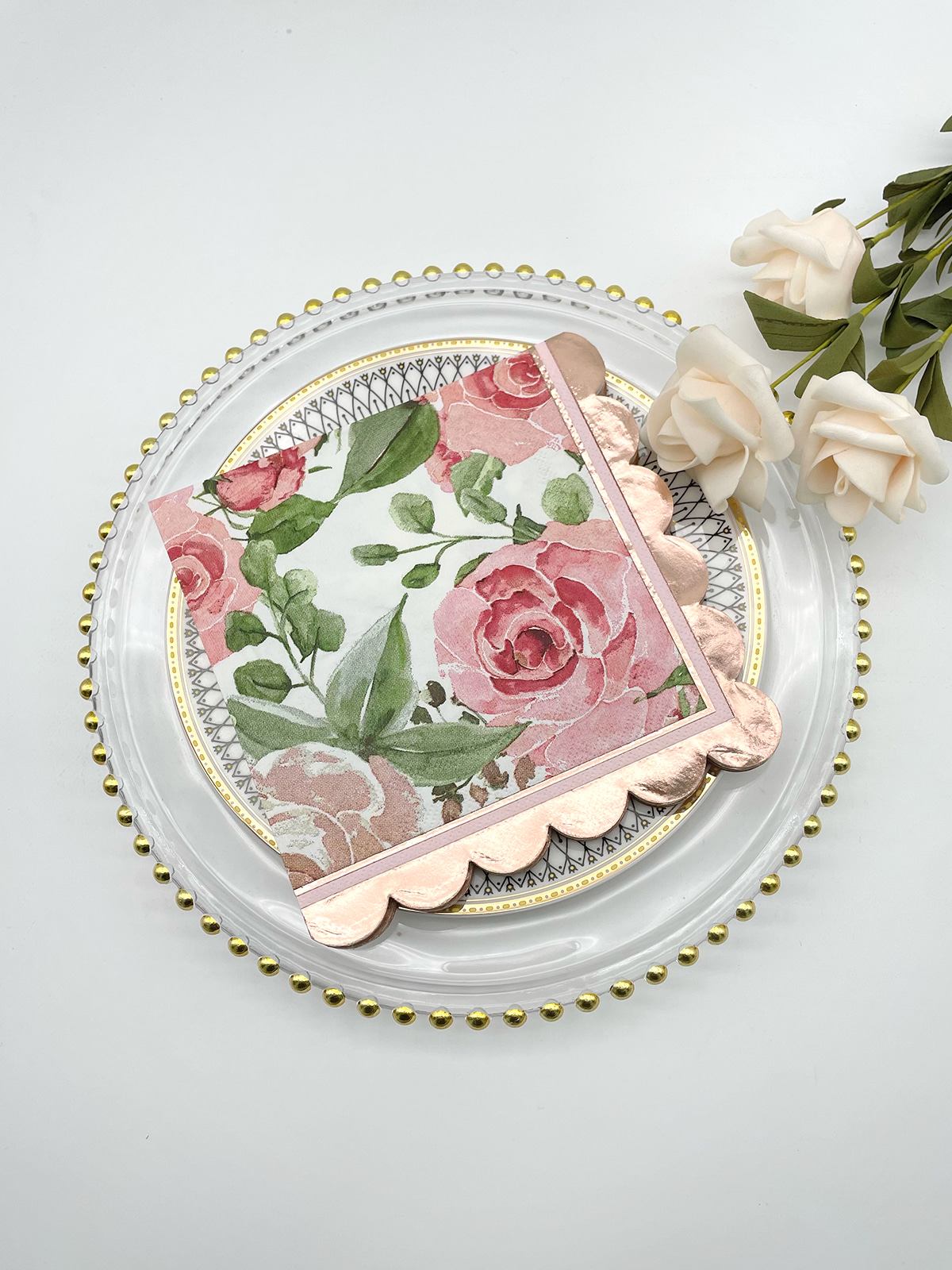
A plain wooden box, a glass jar or a tired serving tray can look very different with one printed layer of paper on top. That is the appeal of Luncheon Paper Napkins in decoupage. The prints run from delicate florals to vintage illustrations, the paper is thin enough to follow curves and edges, and the cost is low enough to experiment. For anyone who likes to reuse and personalize what they already own, they are one of the easiest ways to start.
Content
Luncheon napkins are made for the table, but their printed designs work well on craft surfaces. Unlike stiff decorative paper, a napkin ply can adapt to curved edges, small details and uneven shapes when it is handled gently.
Not every napkin behaves the same way once it is wet with adhesive, so a few details are worth checking.
| Project | Suitable design | Look |
|---|---|---|
| Wooden storage boxes | Small floral prints | Delicate, decorative |
| Glass jars | Botanical illustrations | Light, natural |
| Serving trays | Larger patterned prints | Coordinated, expressive |
| Furniture accents | Vintage or botanical art | Layered, artistic |
| Handmade gifts | Seasonal illustrations | Personal, thoughtful |
| Ceramic ornaments | Small motifs | Detailed, charming |
A napkin should complement the object, not fight its shape.
Consider the shape as well. A curved jar needs a different arrangement from a flat tray. Small motifs wrap narrow surfaces more easily, while large illustrations suit broad, flat areas.
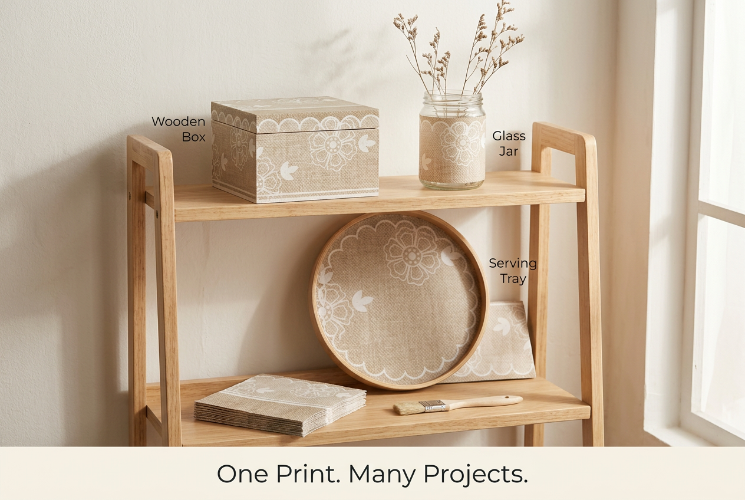
Tearing happens when the paper is saturated or brushed too hard. Separate the layer gently, avoid lifting and repositioning wet paper, use a soft brush and apply adhesive in controlled amounts.
Wrinkles and bubbles can form when the napkin is applied unevenly or shifted after the adhesive begins to set. Prepare the surface, position the design in advance, and smooth it gently from the center toward the edges. Slight variations in the finish can add to its handmade character.
Too much adhesive makes the printed layer fragile and can leave visible patches. Apply an even coat and allow enough drying time before the next layer.
| Surface | Preparation | Note |
|---|---|---|
| Wood | Clean and smooth | Check for rough edges |
| Glass | Remove grease and fingerprints | Use compatible adhesive |
| Ceramic | Clean and dry thoroughly | Test adhesion on a small area |
| Painted furniture | Check paint condition | Make sure the coating is fully dry |
| Cardboard | Keep dry and firm | Avoid excess moisture |
A small test patch can reveal problems before you decorate the whole object.
Pick paint, ribbon or wooden details that echo colors in the napkin. Muted green, cream and soft pink suit floral prints, while warm neutrals and aged finishes suit vintage designs. Avoid stacking too many competing patterns on a small surface.
Napkin artwork also pairs well with other materials: natural twine for rustic containers, wooden beads for storage pieces, ribbon for gift boxes, pressed botanicals for nature-inspired designs and paint for borders. Check that adhesives, paints and finishes are compatible before combining them.
Small projects are ideal for practice. Try a few ornaments or tiny boxes to learn how different Luncheon Paper Napkins behave, then display them together as a personal collection.
Ready to give an ordinary object a new look? Explore our collection of Luncheon Paper Napkins, compare florals, vintage illustrations and seasonal artwork, and pick the designs that suit your next decoupage project. Browse the collection today and turn simple paper into something that feels like yours.
Related Products
Shopping for a reliable source of napkins?
Established in 2007 and located in Zhuji City, Zhejiang Province, Zhuji Furong Paper Products Co., Ltd. is a professional manufacturer of color-printed napkins. Enhance Your Event With Custom Printed Napkins.
Telephone
+86-15325932613
Address
Jianglong Industrial Park, Jiyang Street, Zhuji City, Shaoxing, Zhejiang, China.
Contact Us
Products
Contact Us
+86-15325932613
+86-575-87765556
+86-575-87765559
Jianglong Industrial Park, Jiyang Street, Zhuji City, Shaoxing, Zhejiang, China.
Party Printed Paper Napkins Manufacturer Customized Napkins And Paper Towels Factory
Copyright © by Zhuji Furong Paper Products Co., Ltd. Rights Reserved.

 English
 中文简体