 English
 中文简体
中文简体
A party table can change the way a gathering feels before guests even take their seats. The arrangement of plates, glasses, decorations, and serving dishes creates a visual impression that helps set the mood for the occasion. Small details matter, and paper napkins offer a simple way to bring these elements together.
Party Paper Napkins serve a practical purpose, but they also contribute to the overall appearance of a table. Their colors can connect different decorations, their patterns can introduce a theme, and their placement can make each setting feel more considered. They can suit casual birthday gatherings, family meals, holiday celebrations, and formal social occasions.
For hosts, event planners, retailers, and party supply buyers, choosing napkins involves more than selecting a color that looks attractive. The design should fit the event, work with other tableware, and remain convenient throughout the gathering. Understanding these details helps create a table that feels welcoming without becoming crowded or overly decorated.
Content
- 1 Why Do Paper Napkins Matter in Party Table Settings?
- 2 How Can Napkin Colors Shape the Mood of a Gathering?
- 3 What Role Do Patterns Play in Party Table Decoration?
- 4 How Can Napkin Folding Change the Appearance of a Table?
- 5 Why Should Napkin Material and Texture Be Considered?
- 6 How Can Party Supplies Napkins Support Different Event Themes?
- 7 Where Should Paper Napkins Be Placed for Convenient Use?
- 8 Can Paper Napkins Help Create a More Coordinated Buffet Table?
- 9 How Do Luncheon Paper Napkins Fit Casual and Formal Occasions?
- 10 What Should Retailers Consider When Selecting Paper Napkins for Party Use?
- 11 How Can Paper Napkins Support Coordinated Party Product Collections?
- 12 What Should Buyers Review When Sourcing Party Paper Napkins?
Why Do Paper Napkins Matter in Party Table Settings?
Guests may notice the main decorations when they enter a room, but the table is where many of the event's details come together. Napkins sit close to plates and serving items, so their color, texture, and arrangement can influence how the whole setting looks.
A plain table can feel more coordinated when the napkins repeat a color found in the flowers, table runner, or party decorations. Patterned napkins can also add interest to a simple arrangement without requiring additional decorative objects.
Their practical role remains important. Guests need something accessible for wiping their hands and managing small spills during a meal. When napkins are placed conveniently, people can use them without interrupting conversation or reaching across other guests.
The combination of function and appearance makes napkins useful for different kinds of gatherings.
| Table Setting Element | How Napkins Can Contribute |
| Tablecloth | Connect colors or create contrast |
| Plates and bowls | Add visual interest around each place setting |
| Centerpiece | Repeat a color or pattern from the decoration |
| Glassware | Balance the overall arrangement |
| Party favors | Support a coordinated theme |
| Serving area | Keep napkins accessible during food service |
The aim is not to make every item match exactly. A thoughtful combination of related colors and textures can create a more natural atmosphere than a table where every object competes for attention.
How Can Napkin Colors Shape the Mood of a Gathering?
Color influences how people perceive a decorated space. Soft shades can create a relaxed feeling, while bright colors may bring energy to a lively celebration. Darker tones can introduce contrast, and neutral colors can help a table feel calm and balanced.
The right choice depends on the occasion and the surrounding decorations. A child's birthday party may use playful colors that reflect the theme. A family luncheon may call for softer shades that work well with flowers and everyday tableware.
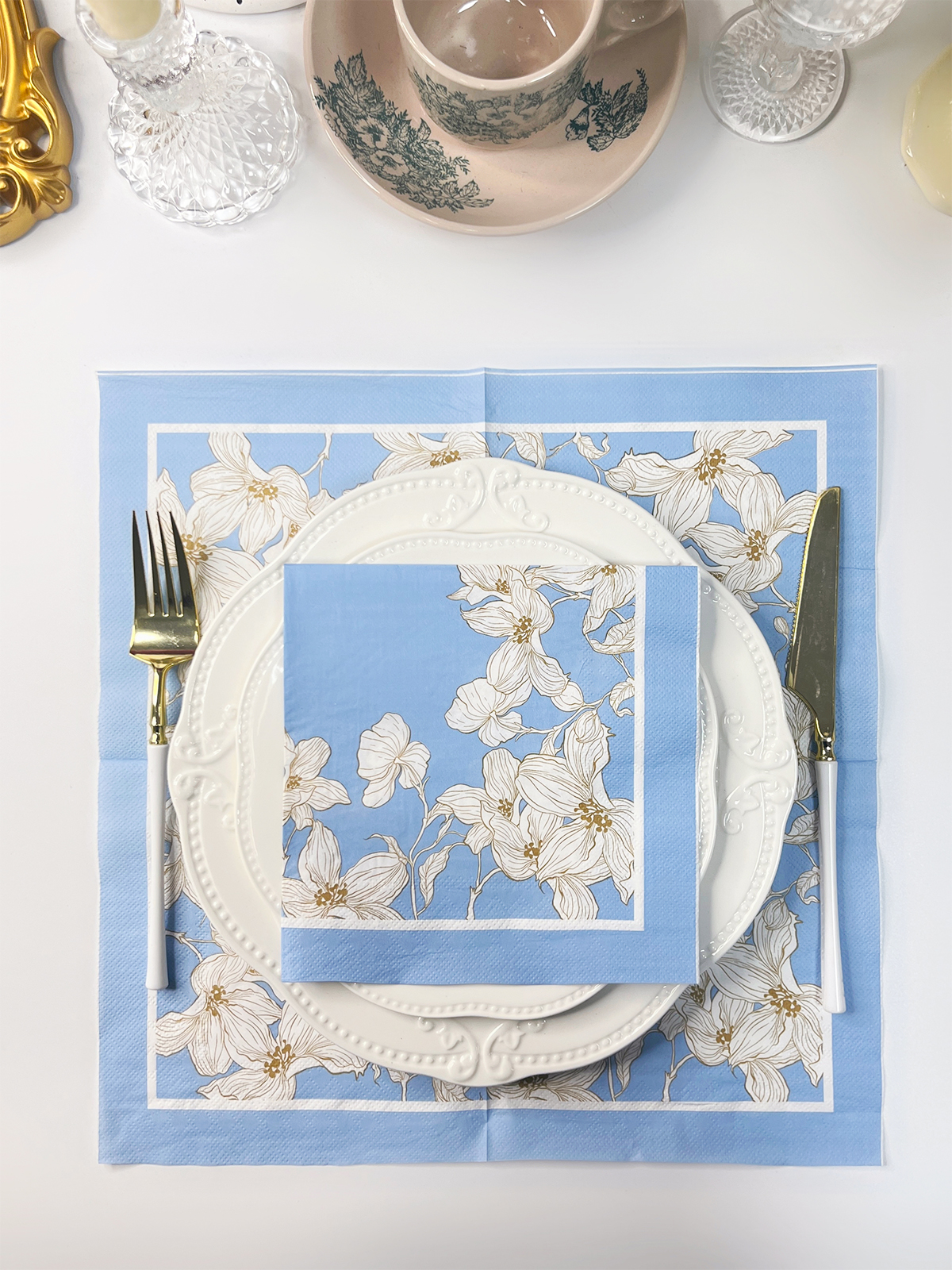
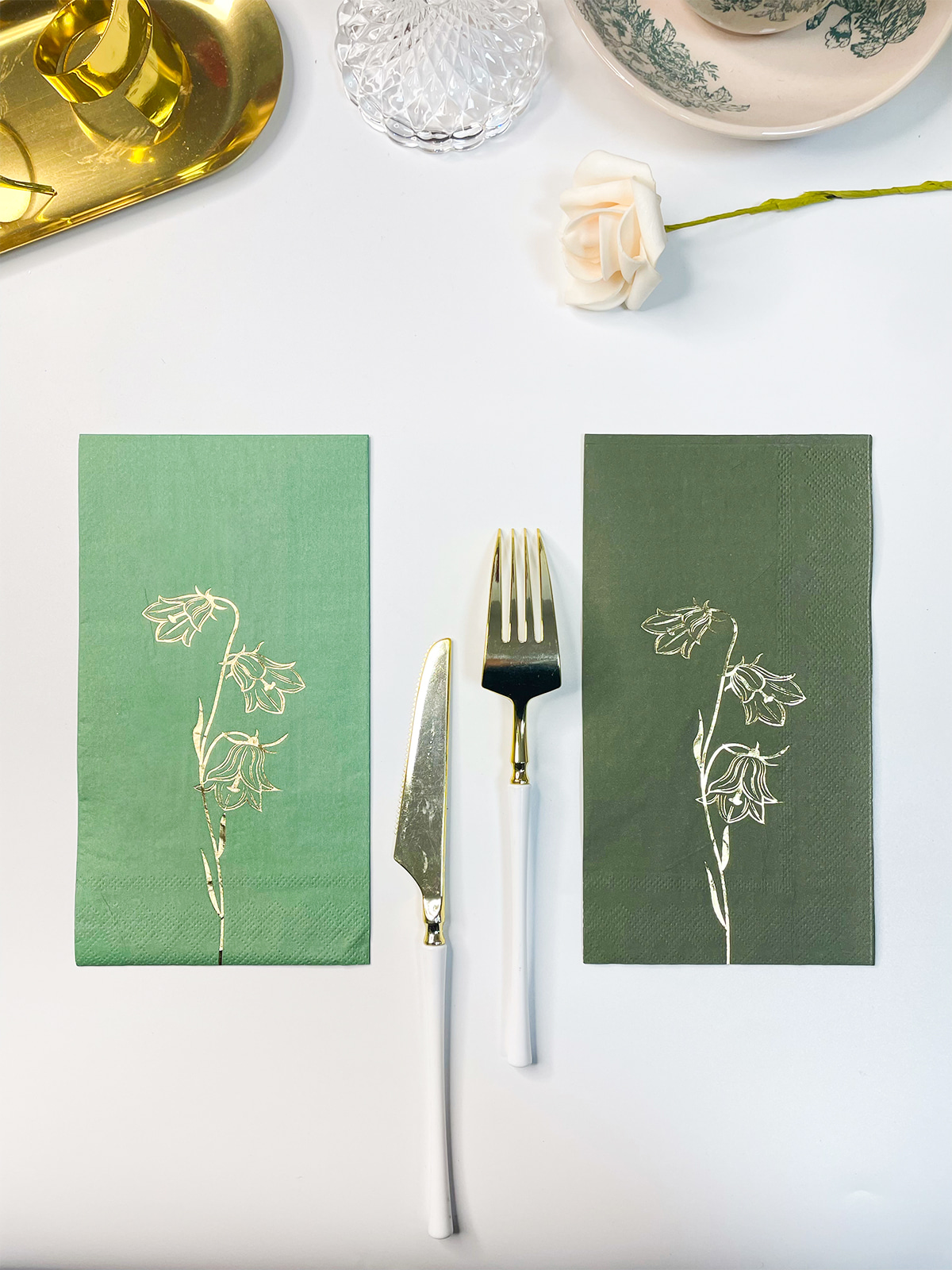
Luncheon Paper Napkins can be selected to suit both casual meals and more carefully arranged daytime gatherings. Light colors may work well with fresh flowers and simple tablecloths, while a contrasting border or subtle print can add detail without making the table feel busy.
Color coordination does not require every item to share the same shade. Napkins can complement the plates or provide a small contrast that makes the place setting easier to distinguish visually.
For example, a table with plain white plates may benefit from colored napkins, while a patterned tablecloth may pair more naturally with a simpler design. Considering the entire arrangement helps prevent too many visual elements from competing with one another.
What Role Do Patterns Play in Party Table Decoration?
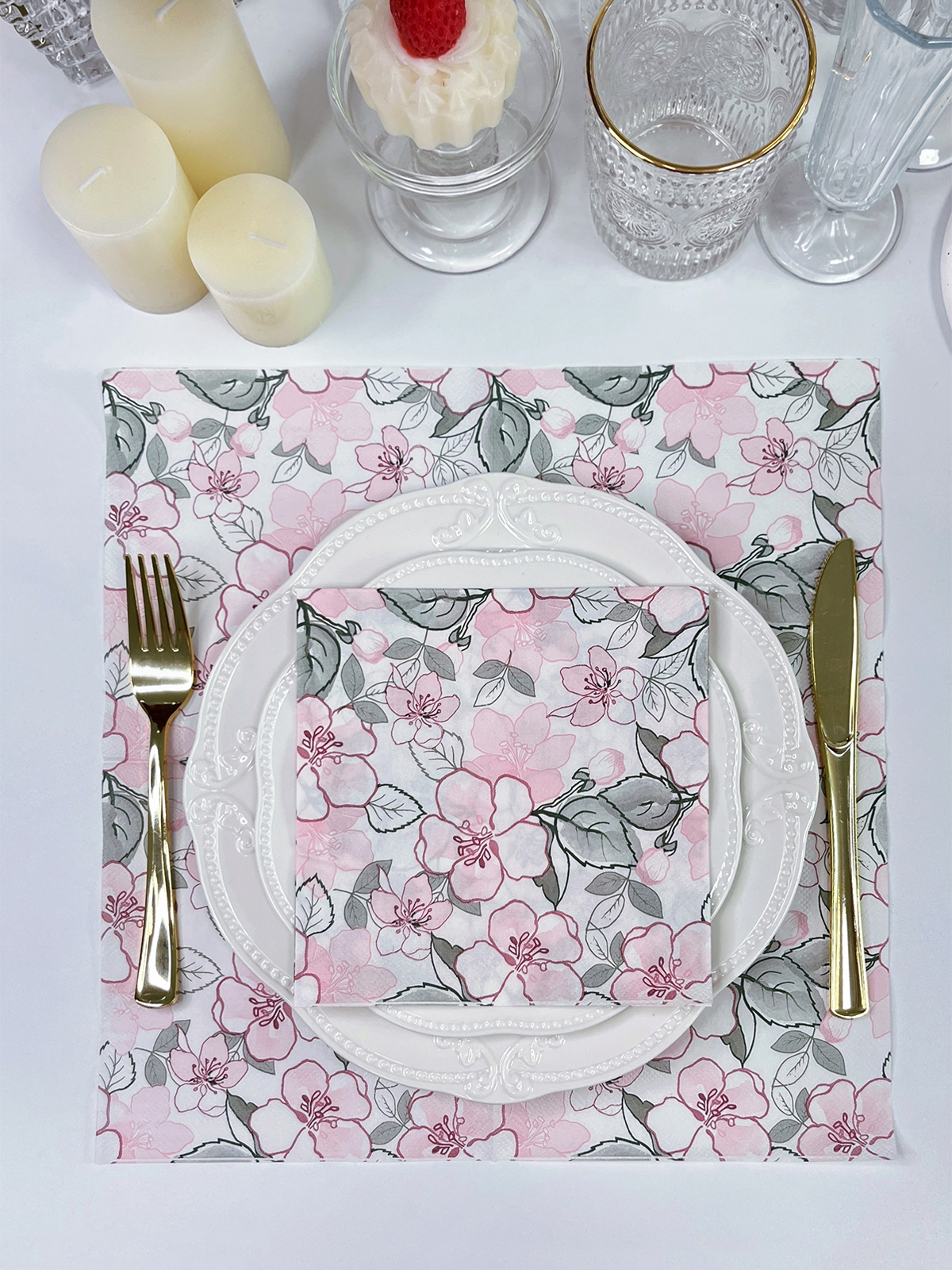
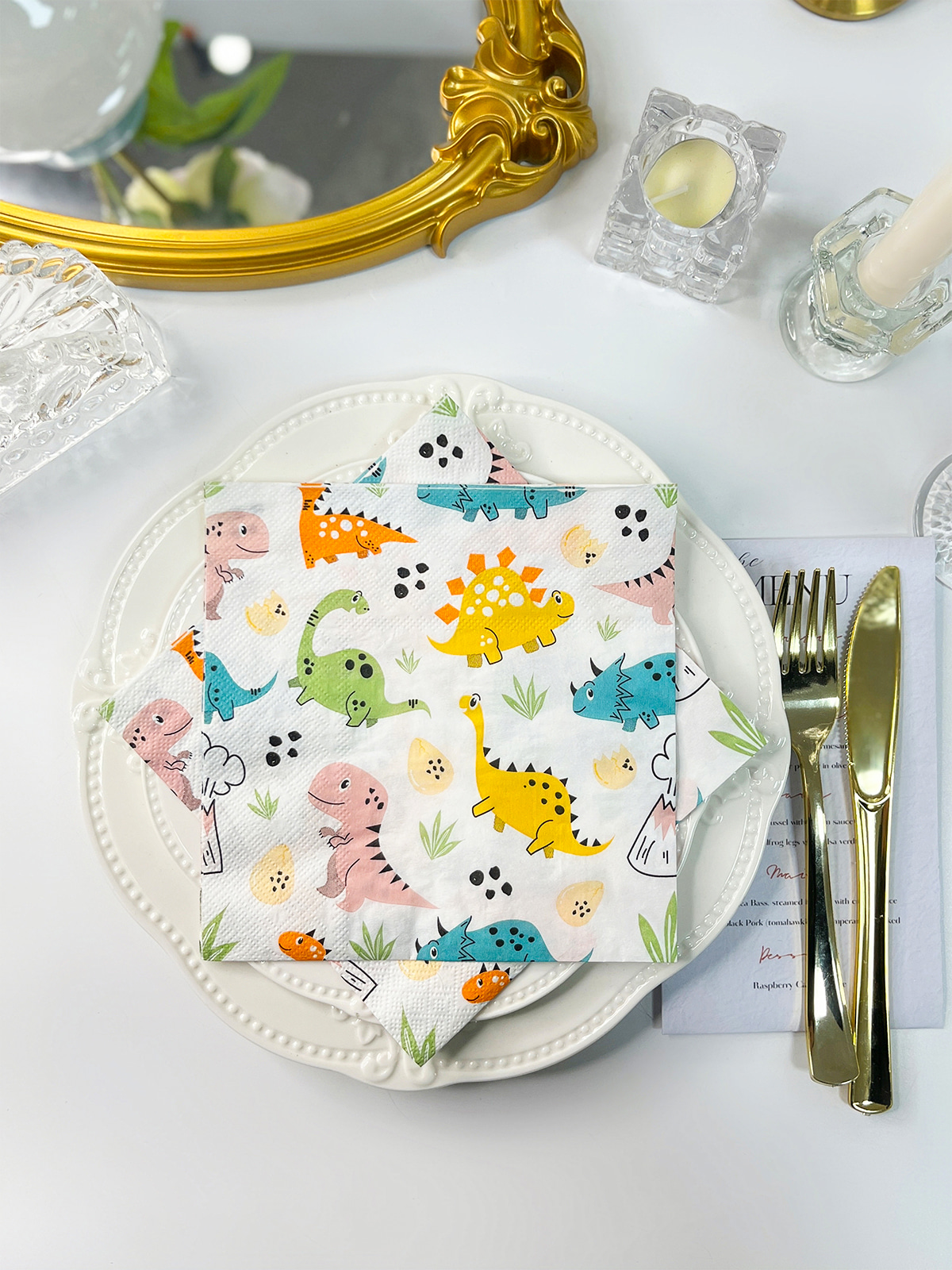
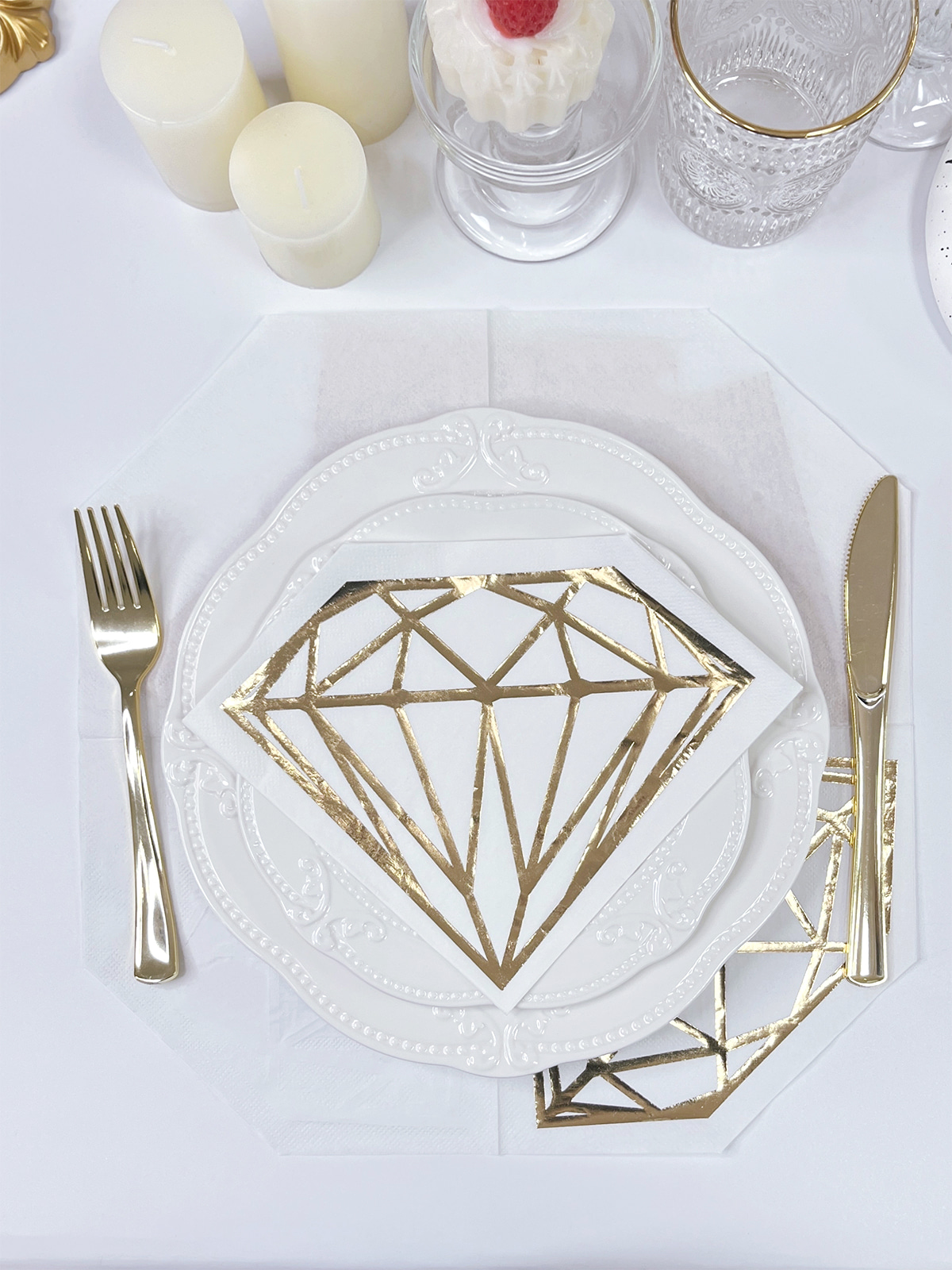
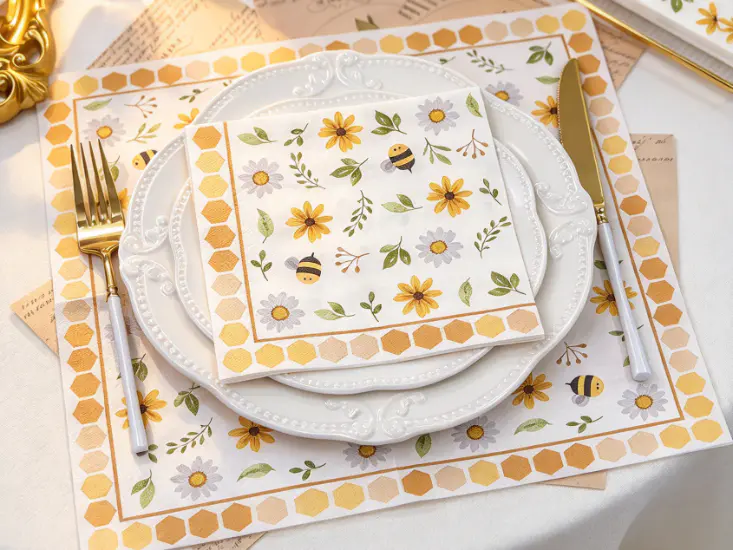
Patterns can communicate the character of an event. Florals may suit a garden gathering, geometric designs can create a contemporary look, and playful illustrations may fit a children's celebration.
The pattern also affects how much visual attention the napkin receives. A large print can become a noticeable part of the table arrangement, while a small repeating motif may work as a background detail.
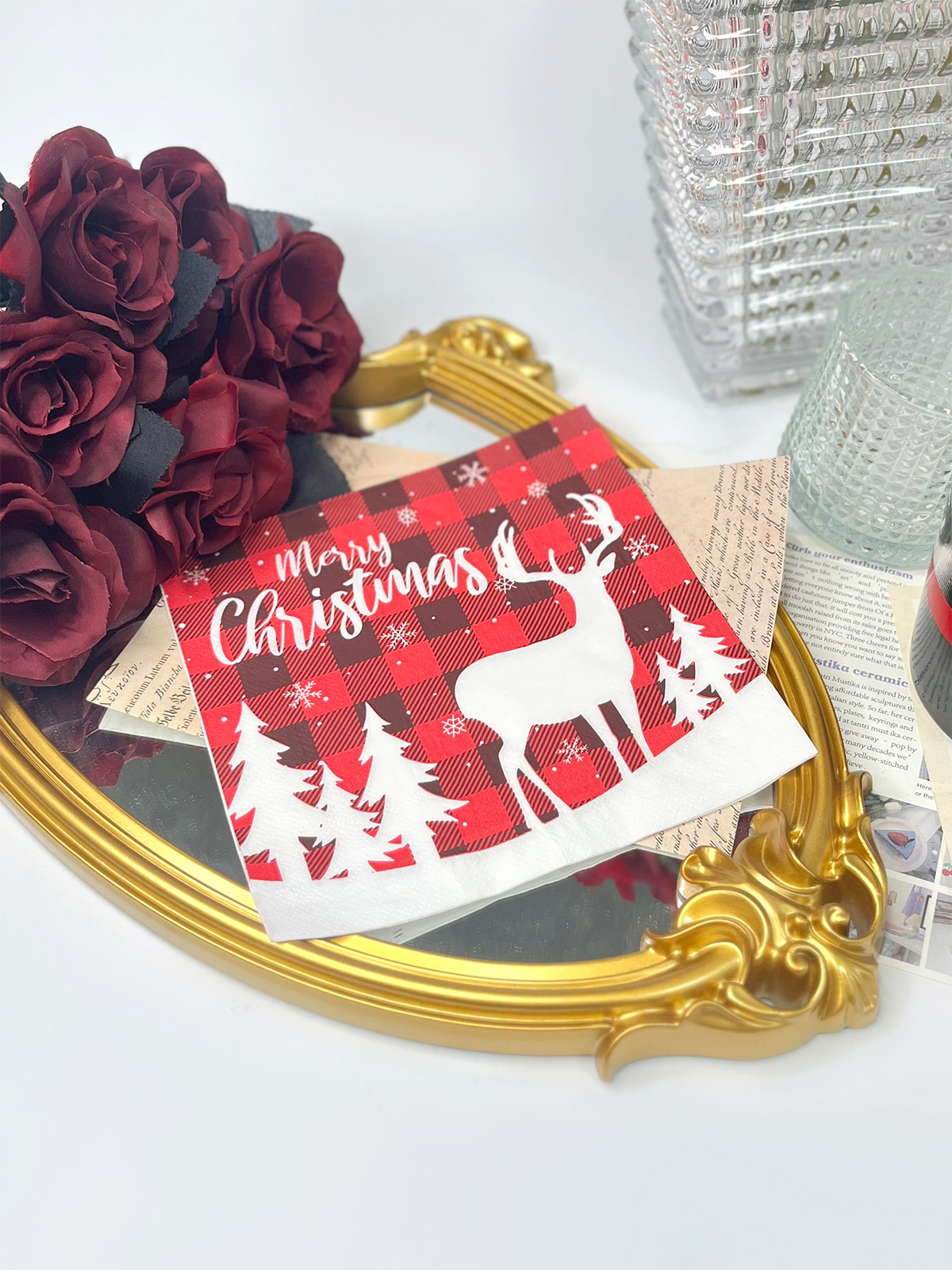
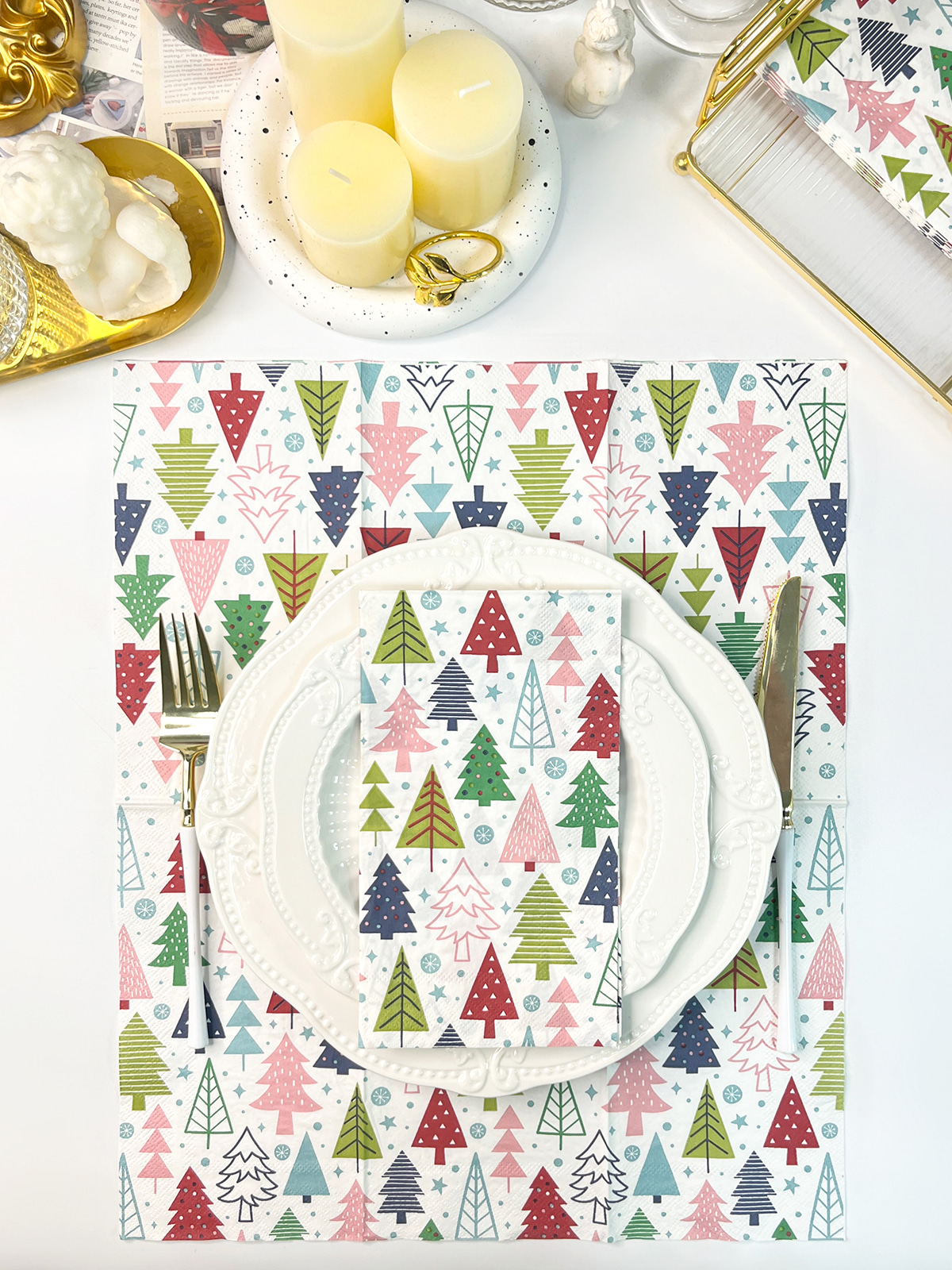
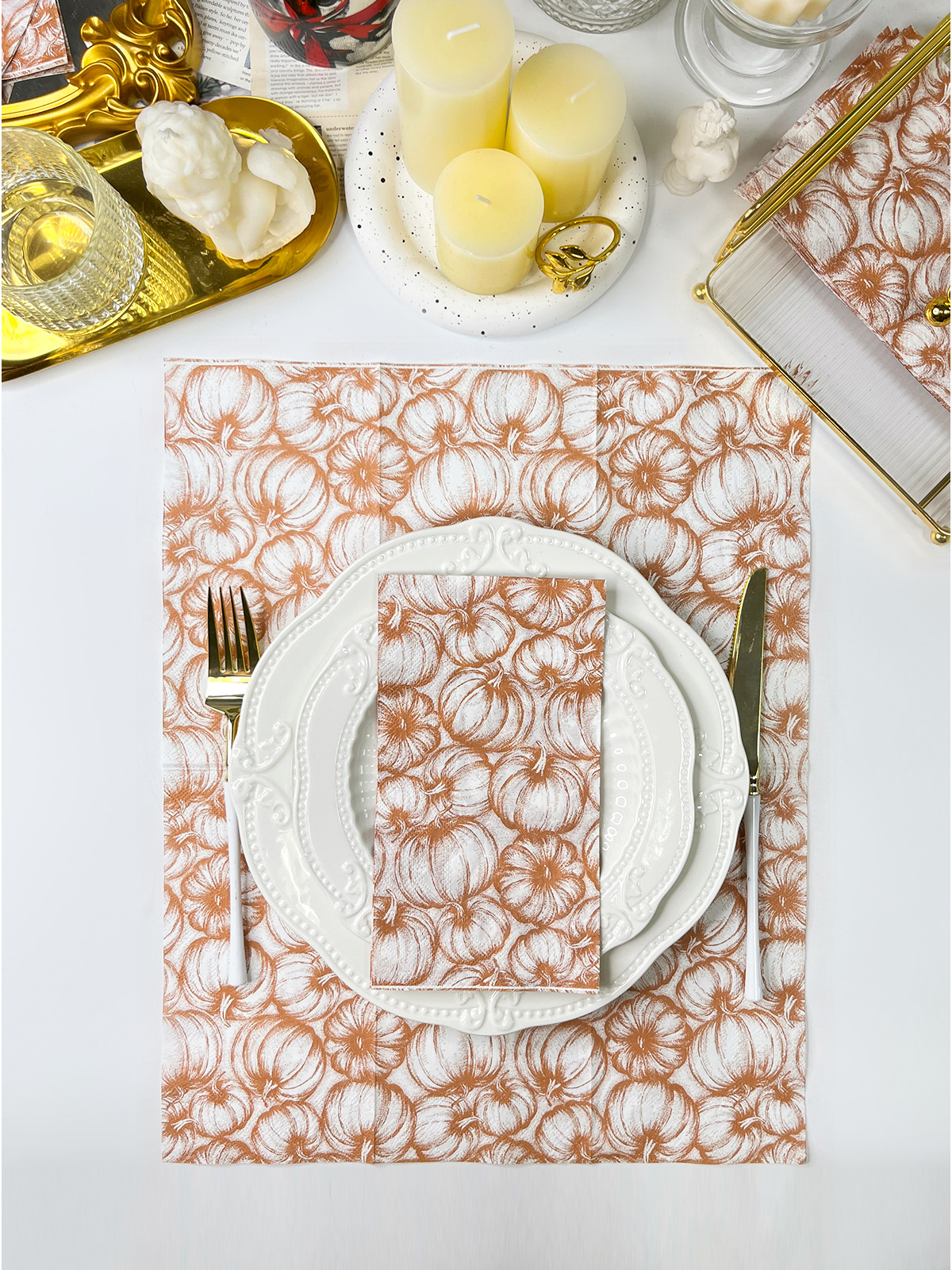
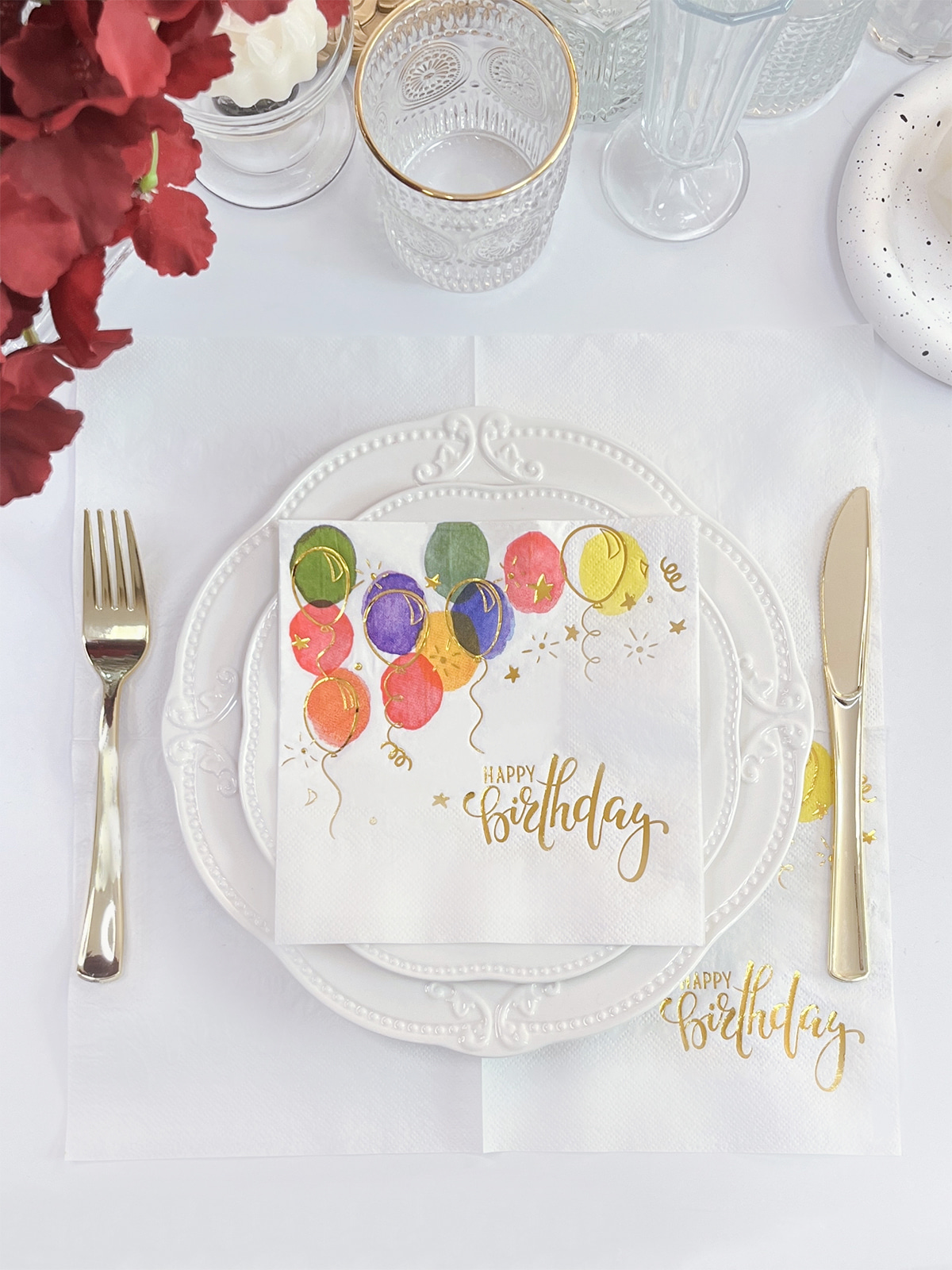
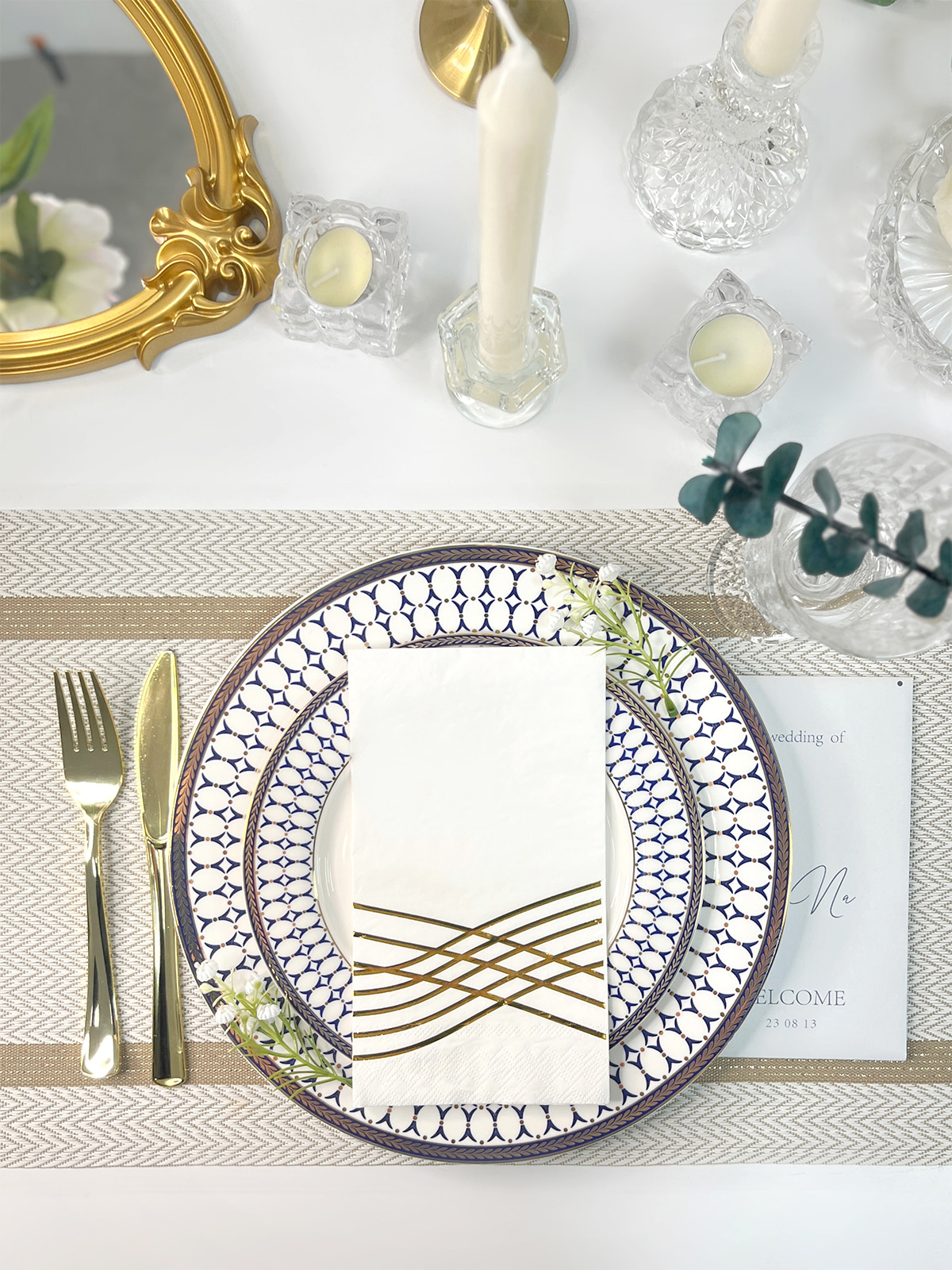
Fancy Party Napkins often appeal to buyers who want a decorative feature without adding extra objects to every place setting. Printed designs, decorative borders, and coordinated colors can help create a specific atmosphere while keeping the table functional.
The surrounding tableware should guide the pattern choice. If the plates already contain detailed illustrations, a simpler napkin may create a more balanced appearance. When the plates are plain, a patterned napkin can introduce personality.
A useful way to select patterns is to consider three connected details:
- Occasion: Choose a design that suits the gathering.
- Existing decorations: Consider how the pattern will look beside the tablecloth, flowers, and serving dishes.
- Visual balance: Avoid combining several competing prints in the same small area.
Patterns can also help distinguish different areas of an event. A coordinated design at the dining table, buffet, and dessert station can make the decoration feel connected even when each area serves a different purpose.
How Can Napkin Folding Change the Appearance of a Table?
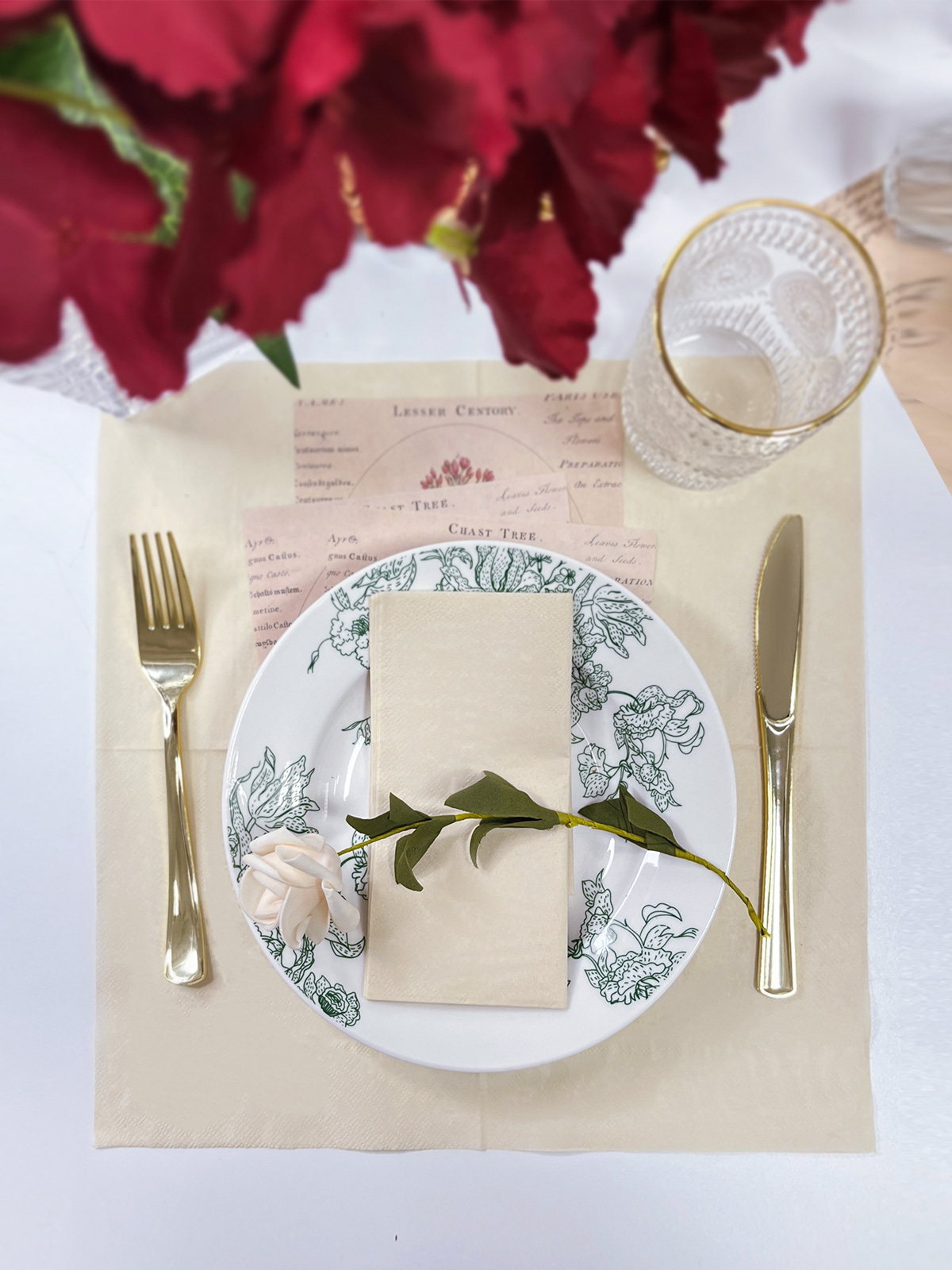
Folding changes the shape and presence of a napkin. A flat napkin can keep a table setting simple, while a folded design can add height or create a decorative form beside a plate.
The amount of decoration should suit the event. A casual gathering may need only a neat fold that keeps the napkin easy to pick up. A formal dinner may use a more structured arrangement to bring attention to individual place settings.
Paper napkins vary in thickness, flexibility, and construction. These characteristics affect how easily they hold a fold. Some designs work well with simple folds, while others may tear or lose their shape if handled too much.
Hosts should also consider when the napkins will be arranged. Folding them shortly before the event can help preserve their appearance, especially when the design has several layers or points.
A decorative fold should never make the napkin difficult to use. Guests should be able to open it comfortably and place it on their laps or beside their plates. The practical function remains part of the table setting, even when the napkin is used as a visual detail.
Why Should Napkin Material and Texture Be Considered?
Appearance attracts attention, but the material affects how a napkin feels and performs during a meal. Paper napkins can vary in softness, absorbency, surface finish, and resistance to tearing.
A napkin used with snacks and light refreshments may have different needs from one provided during a meal involving sauces or oily foods. Buyers should consider the type of food being served and the amount of wiping guests may need to do.
Texture also influences the overall look. A simple paper surface can support a clean, understated table, while an embossed pattern may add visual depth. A printed finish can introduce decoration without requiring a separate accessory.
These features should be considered together rather than separately. A napkin may have an appealing print but still feel unsuitable for the meal if it is too delicate for the intended use.
| Napkin Feature | Practical Consideration |
| Softness | Comfort during use |
| Absorbency | Handling small spills and food residue |
| Strength | Resistance to tearing during normal use |
| Surface texture | Appearance and feel |
| Printed finish | Suitability for the intended theme |
| Layer construction | How the napkin feels and handles |
Buyers should review product descriptions and samples when possible. This helps them judge whether the material suits both the decorative purpose and the demands of the gathering.
How Can Party Supplies Napkins Support Different Event Themes?
A party theme provides a visual direction for decorations, tableware, invitations, and other details. Napkins can reinforce that direction without taking up extra space.
For a birthday gathering, the design may reflect a favorite color or a playful theme. For a wedding reception, it may coordinate with the flowers, table linens, or place cards. A seasonal celebration can use colors and motifs associated with the occasion without requiring every decoration to follow the same pattern.
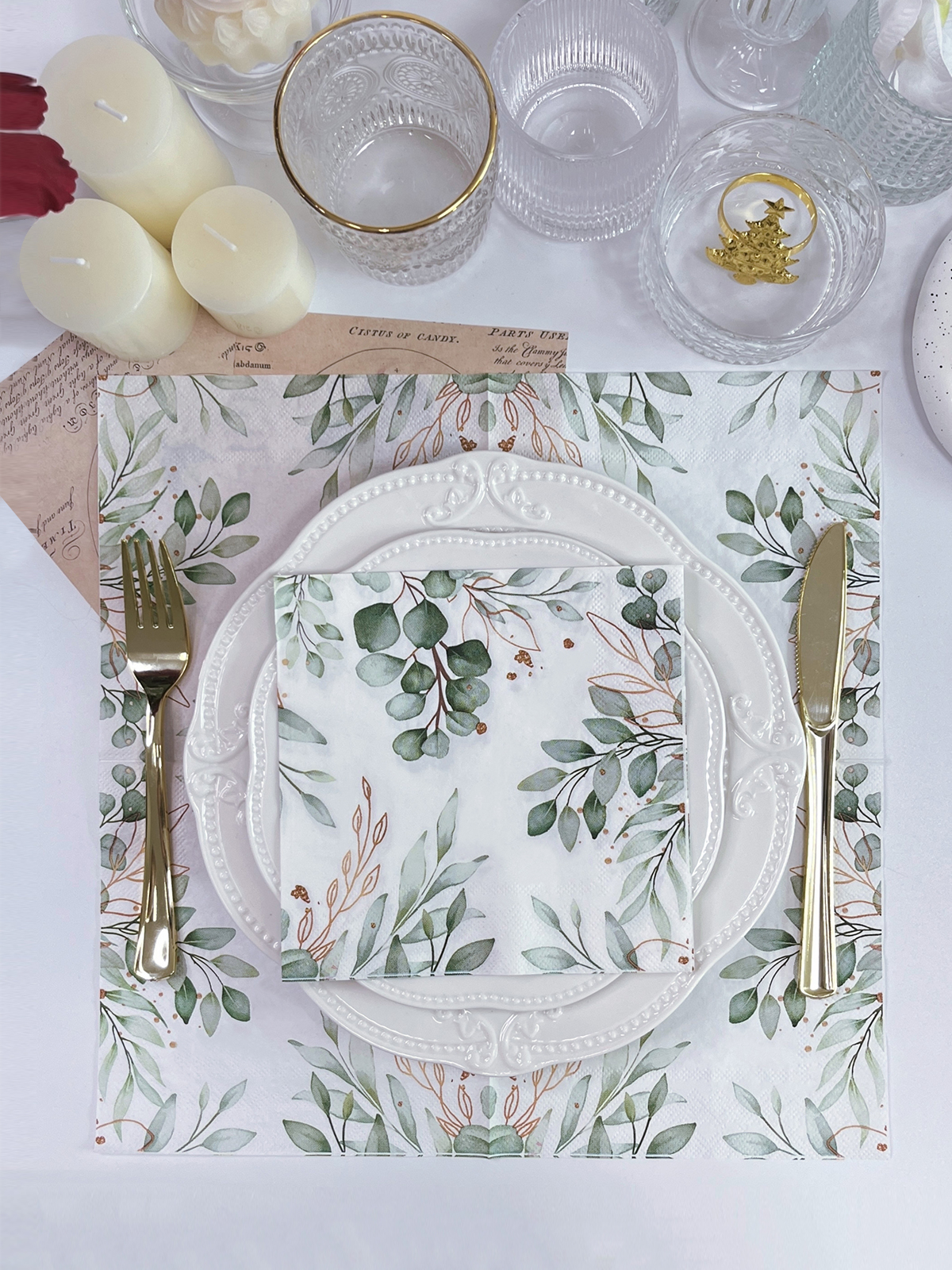
Party Supplies Napkins are useful because they can connect different parts of the table arrangement. A napkin color repeated in a centerpiece or paper decoration creates a visual link between items that serve different purposes.
The theme does not need to be complicated. A consistent color palette and a few related decorative details may be enough to create a recognizable style.
When selecting napkins, hosts can ask whether the design supports the occasion or distracts from it. A table with many bright decorations may benefit from simpler napkins, while a plain setting can accommodate a more expressive print.
This approach also helps buyers develop product assortments for different customer groups. A retailer may carry understated designs for everyday celebrations alongside colorful options for themed parties and family events.
Where Should Paper Napkins Be Placed for Convenient Use?
Placement affects both the look of the table and the guest experience. Napkins should be easy to reach without forcing guests to move plates, stretch across the table, or disturb decorative items.
At an individual place setting, a napkin can sit beside the plate, on top of it, or beneath the cutlery when the arrangement allows. The choice depends on the table style and the amount of space available.
For buffet-style gatherings, keeping napkins near plates and serving utensils can make the food area easier to navigate. Guests can take what they need without searching across the room.
A separate stack near the dessert or drinks station may also be useful when guests are likely to return for refreshments. The placement should support the movement of people through the space rather than create another obstacle.
A few practical principles can help:
- Keep napkins within easy reach of the people using them.
- Leave enough space around plates and glasses.
- Avoid placing stacks where they may be knocked over.
- Keep spare napkins near food and drink areas.
- Use a holder when it suits the table and the way napkins are distributed.
Decorative arrangements should remain easy to access. A napkin tucked tightly beneath several objects may look carefully arranged, but it can frustrate guests who need to use it during the meal.
Can Paper Napkins Help Create a More Coordinated Buffet Table?
Buffet tables contain many functional items, including serving dishes, plates, cutlery, drinks, and food labels. Without a clear arrangement, the area can appear crowded even when the food is prepared and displayed neatly.
Napkins can help define a serving area and connect it with the rest of the event. A stack placed beside the plates gives guests a clear point of access, while a coordinated color can repeat the theme used on the dining tables.
The design should remain practical. Napkins placed too close to open dishes may become damp or stained during service. They should also be positioned where guests can take them without reaching over hot food or crowded serving utensils.
For a self-service event, a holder may help keep napkins together and reduce movement as people take them. At a smaller gathering, a neat stack may be enough.
The goal is to make the buffet easier to use while maintaining a consistent appearance. Decorative details work better when they support the flow of the event rather than interfere with serving.
How Do Luncheon Paper Napkins Fit Casual and Formal Occasions?
Daytime gatherings can range from informal family lunches to organized business meals. Napkins should suit the atmosphere while remaining comfortable for everyday use.
For a casual lunch, a simple print or soft color may complement the food and tableware. The arrangement can remain relaxed, with napkins placed beside plates or in an accessible stack.
For a more formal luncheon, coordinated colors and a consistent folding style can help the table feel orderly. The napkins may match the table linens or introduce a subtle contrast that makes each place setting distinct.
The event itself should guide the decision. Formality does not require elaborate folding, and a casual setting does not have to look careless. A neat arrangement and suitable materials can work across different occasions.
For event planners, this flexibility is useful when preparing tables for guests with different preferences. The same basic tableware may be adapted through color, napkin design, and placement rather than replacing every item.
What Should Retailers Consider When Selecting Paper Napkins for Party Use?
Retailers and distributors need to think about how customers choose napkins and how the products will be displayed, stored, and sold. Some buyers look for a design that matches a specific celebration, while others want versatile colors that can be used for different gatherings.
A product range can reflect these different needs. Plain colors can serve as flexible options, while themed prints can appeal to customers planning a particular event. Decorative designs may attract shoppers looking for coordinated table settings or party gift sets.
Product information should explain relevant features clearly. Buyers may want to know about the material, surface design, intended use, packaging, and whether the napkins coordinate with other items in the range.
Retail presentation also matters. Images that show the napkins beside plates, cutlery, or table decorations can help customers understand how the design may look in use. Product photographs should represent the colors and patterns accurately.
For wholesale purchasing, consistency between product samples and delivered goods is an important consideration. Clear specifications and appropriate quality checks help buyers assess whether the napkins meet their intended requirements.
How Can Paper Napkins Support Coordinated Party Product Collections?
Napkins are often purchased alongside cups, plates, table covers, banners, and other party accessories. Coordinated collections can make planning easier for customers who want a connected appearance without selecting every item separately.
A collection may use a shared color palette, repeated motifs, or related graphic elements. The napkins can carry a smaller version of the main decoration, helping connect the tableware with larger items around the room.
Paper Napkins for Party use can also fit different product combinations. A casual birthday set may include colorful tableware, while a wedding or dinner collection may use more restrained patterns and finishes.
Product coordination should not come at the expense of choice. Customers may want to combine napkins with existing tableware rather than purchase a complete set. Offering designs that work with several related products can support this flexibility.
For suppliers, coordinated collections also create opportunities to consider packaging, design consistency, and product presentation together. The aim is to make selection more convenient while ensuring that each item remains useful on its own.
What Should Buyers Review When Sourcing Party Paper Napkins?
Sourcing decisions should consider appearance, practical performance, and the needs of the intended market. A decorative napkin must still work during a meal, and a practical product should fit the occasion for which it is purchased.
Buyers can review several areas when comparing options:
- Design suitability: Check whether colors and patterns match the intended event.
- Material performance: Consider softness, absorbency, and handling.
- Printing and finish: Review how clearly the design appears and whether it suits the product's purpose.
- Packaging: Check whether the package protects the napkins and makes storage convenient.
- Product range: Consider whether the design fits alongside related party supplies.
- Customer needs: Think about how the napkins will be used, displayed, and purchased.
Samples can help buyers evaluate the product before placing a larger order. They can inspect the print, feel the material, try simple folds, and check how the napkins look beside common tableware.
For customized orders, clear communication about the artwork, colors, packaging, and intended use can help align the finished product with the buyer's requirements.
These practical checks allow hosts, event planners, retailers, and suppliers to choose napkins that support the atmosphere of a gathering while remaining convenient throughout the meal.