2026-07-29
A party menu usually includes a range of foods. Some items are dry and leave only crumbs. Others come with sauce that drips. Some foods leave grease on fingers. A single type of napkin does not serve all these foods equally well. The right napkin for a cookie may fail on a plate of ribs. The napkin that works for ribs may be more than a cookie needs.
The choice of napkin affects how guests experience the meal. A napkin that tears or fails to absorb creates frustration. One that does its job quietly goes unnoticed. Matching the napkin to the food keeps the focus on the gathering rather than on cleanup.
Content
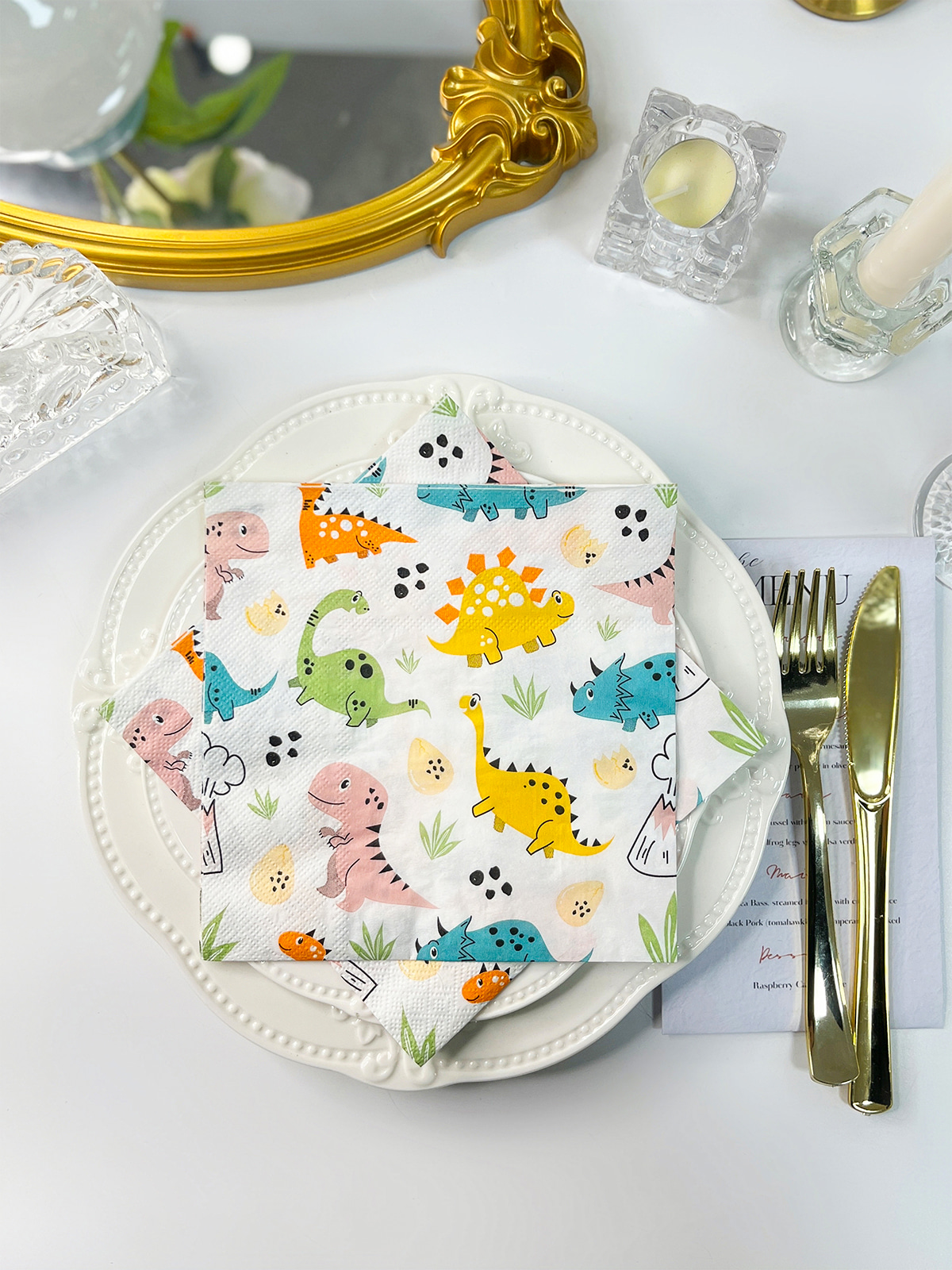
Dry foods like chips, pretzels, and cookies leave crumbs and light dust on fingers. The mess stays on the surface and does not soak through. A small Disposable Party Napkins, around 10 by 10 inches, handles these foods well. The size fits in the hand and catches crumbs without being oversized.
A single-ply or light two-ply napkin works for dry snacks. The paper does not need to absorb liquid, so a thinner napkin serves the purpose. The napkin clears crumbs and surface dust without tearing. A heavier napkin would add cost without improving performance for dry foods.
Oversized napkins waste paper on foods that do not need them. A guest eating chips does not need a dinner napkin. Matching the napkin to the food keeps waste down and costs in check.
Greasy foods like wings, sliders, and fries leave oil on hands. The oil transfers to the napkin and needs to stay there. A thin napkin allows the oil to soak through to the fingers or the table. A napkin with two-ply construction handles grease better.
A 13 by 13 inch luncheon napkin works well for greasy appetizers. The size provides enough paper to wipe hands clean. The two-ply construction absorbs oil without falling apart. Guests can clean their hands without the napkin breaking down.
The thickness of the napkin matters for greasy foods. A napkin that disintegrates when wiping oil leaves a mess on the hands. A sturdy napkin holds up to the task and leaves hands clean.
Wet foods like barbecue ribs, pasta, and tacos bring sauce and drippings. The liquid soaks through thin paper quickly. A larger napkin, around 16 to 18 inches, provides enough coverage. The extra surface area protects clothing from drips and spills.
A two-ply or three-ply napkin absorbs liquid without soak-through. The additional layers trap the moisture before it reaches the surface underneath. The napkin stays intact even when faced with heavy sauce.
The size of the napkin matters as much as the thickness. A small napkin cannot cover a lap or handle a large spill. A dinner-sized napkin provides the coverage needed for saucy dishes.
Cocktail napkins suit drinks and light snacks. The small size fits in the hand and handles minimal mess. Luncheon napkins work for appetizers and casual meals. The medium size provides more coverage without being bulky. Dinner napkins cover larger plates and messier dishes. The size matches the scale of the meal.
Matching size to the menu reduces waste. A guest eating a dry snack does not need a large napkin. A guest eating a saucy main dish benefits from the extra coverage. The right size improves the dining experience without adding unnecessary cost.
Single-ply napkins work for dry foods with little mess. The single layer provides enough paper to wipe crumbs. Two-ply napkins handle grease and light sauces. The two layers provide more absorbency and strength. Three-ply napkins manage heavy liquids and rich sauces. The multiple layers resist tearing and hold up to wet foods.
| Food Type | Recommended Napkin Size | Recommended Ply | Key Consideration |
|---|---|---|---|
| Dry snacks (chips, pretzels, cookies) | 10x10 inch | 1-ply or light 2-ply | Crumbs only, no liquid |
| Greasy appetizers (wings, sliders, fries) | 13x13 inch | 2-ply | Oil absorption without tearing |
| Saucy entrées (ribs, pasta, tacos) | 16-18 inch | 2-ply or 3-ply | Liquid absorbency and lap coverage |
| Multi-course meals | 16-18 inch | 2-ply or 3-ply | Durability across multiple courses |
A variety of foods means a variety of napkin needs. Offering different napkin sizes gives guests options. A guest eating chips can take a small napkin. A guest eating ribs can take a larger one.
The host can match napkins to the messiest dishes on the table. Placing larger napkins near saucy foods and smaller ones near snacks makes sense. Guests can choose the napkin that fits their meal.
Planning ahead prevents running out of the right napkin. A mix of sizes and ply counts covers the full menu. The preparation takes little time and improves the dining experience.
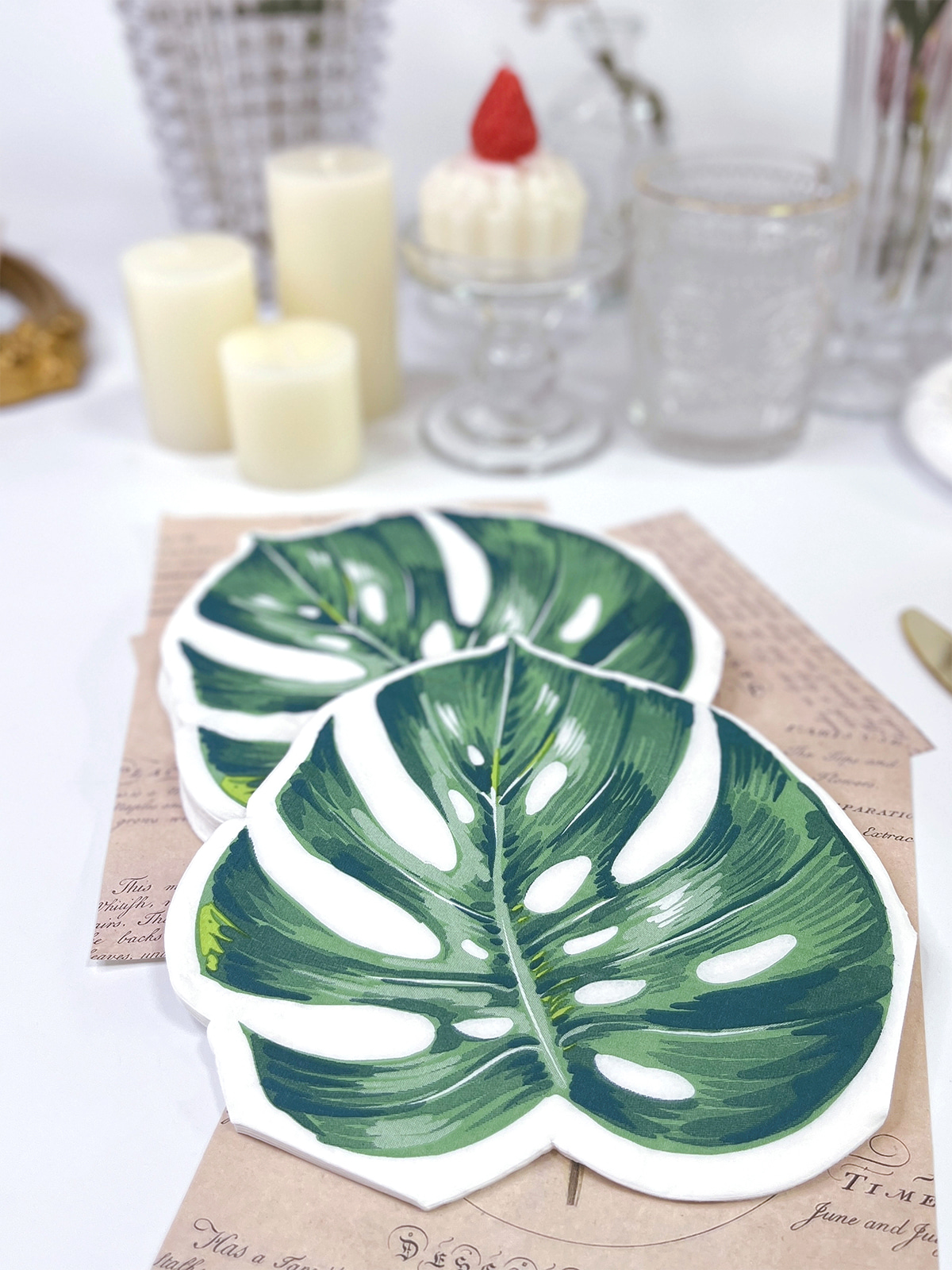
A formal dinner differs from a casual gathering in several ways. The food comes in multiple courses. The table settings look more polished. The expectations for quality run higher. A banquet paper napkin meets these expectations through its size and construction. The napkin typically measures 16 to 18 inches, with a two-ply or three-ply build.
The absorbency of a banquet paper napkin supports multi-course meals. A guest may use the same napkin through several courses. The napkin needs to hold up to soup, salad, a main course, and dessert without falling apart. The larger size also provides coverage for the guest's lap throughout the meal.
The durability of a banquet paper napkin matches the formality of the setting. Guests at a formal dinner expect napkins that do not tear or disintegrate. A banquet paper napkin that stays intact through the meal signals attention to quality.
A guest does not think about a napkin that works well. The napkin does its job and goes unnoticed. A guest does notice a napkin that tears, fails to absorb, or leaves paper bits on their hands. The poor napkin becomes the focus.
A sturdy napkin that does its job quietly contributes to a positive experience. The guest enjoys the meal without distraction. The host has chosen a napkin that supports the meal rather than detracting from it.
Small details like napkin choice affect the overall perception of an event. A guest who uses a flimsy napkin may wonder what other corners were cut. A guest who uses a quality napkin sees attention to detail.
Matching napkins to the messiest dishes avoids overbuying. A host does not need dinner napkins for a menu of dry snacks. A host serving saucy ribs does need larger, more absorbent napkins.
A mix of sizes and ply counts covers the full menu without excess cost. Smaller, lighter napkins work for the dry items. Larger, heavier napkins serve the wet dishes. The host buys only what each part of the menu requires.
Bulk purchasing of common sizes reduces cost per napkin. A host who buys in quantity pays less per unit. The savings can offset the cost of higher-quality napkins for the messier dishes.
A few ways to match napkins to the menu:
A thin napkin fails on messy dishes. The paper tears, the liquid soaks through, and the guest ends up with dirty hands or stained clothing. The frustration of a failed napkin lingers longer than the meal itself.
An oversized napkin adds cost without added benefit. A guest eating a cookie does not need a dinner napkin. The extra paper goes to waste, and the host pays for paper that serves no purpose.
Guests may use multiple napkins when one sturdy one would do. A guest who cannot clean their hands with a single napkin reaches for another. The waste adds up across a party with many guests.
The foods served determine the absorbency and size needed for a napkin. A menu of dry snacks requires different napkins than a menu of saucy ribs. The napkin choice should follow the menu rather than the other way around.
Matching napkins to the meal reduces guest frustration. A guest can clean their hands with a single napkin. The napkin stays intact and does its job. The guest moves on to the next part of the meal without interruption.
The right napkin supports the meal without drawing attention to itself. A napkin that works well goes unnoticed. A napkin that fails creates a distraction. A well-chosen napkin keeps the focus on the gathering.
Casual events allow for smaller, lighter napkins. The relaxed atmosphere matches a simpler table setting. Guests at a casual gathering do not expect formal napkins.
Formal events call for larger, more durable options. The napkin should match the quality of the meal and the setting. A banquet paper napkin fits the expectations of a formal dinner.
Outdoor events may need napkins that resist wind. A lightweight napkin can blow off the table. A heavier napkin stays in place. The setting affects which napkin works best.
A napkin that works well supports the meal quietly. The guest uses the napkin, the napkin does its job, and the guest moves on. The napkin does not become a topic of conversation because it performs as expected.
Guests use what they need and no more. A sturdy napkin reduces the need for multiple napkins. The single napkin handles the meal from start to finish.
The right napkin reduces waste and cleanup time. Less paper goes into the bin, and the cleanup takes less effort. A simple product, chosen thoughtfully, adds real value to any gathering.
The menu provides the guide for napkin selection. Size, ply count, and absorbency all depend on what is served. A menu of dry snacks works with smaller, lighter napkins. A menu of saucy foods requires larger, more absorbent options.
A thoughtful napkin choice improves the guest experience. The napkin supports the meal without drawing attention to itself. The guest enjoys the food and the company without dealing with a napkin that fails.
The right napkin does its job without being noticed. It sits on the table, serves its purpose, and disappears into the bin. A practical choice, made with the menu in mind, makes the meal smoother for everyone involved. The napkin may be a small detail, but getting it right matters.
Related Products
Shopping for a reliable source of napkins?
Established in 2007 and located in Zhuji City, Zhejiang Province, Zhuji Furong Paper Products Co., Ltd. is a professional manufacturer of color-printed napkins. Enhance Your Event With Custom Printed Napkins.
Telephone
+86-15325932613
Address
Jianglong Industrial Park, Jiyang Street, Zhuji City, Shaoxing, Zhejiang, China.
Contact Us
Products
Contact Us
+86-15325932613
+86-575-87765556
+86-575-87765559
Jianglong Industrial Park, Jiyang Street, Zhuji City, Shaoxing, Zhejiang, China.
Party Printed Paper Napkins Manufacturer Customized Napkins And Paper Towels Factory
Copyright © by Zhuji Furong Paper Products Co., Ltd. Rights Reserved.

 English
 中文简体
中文简体