2026-08-03
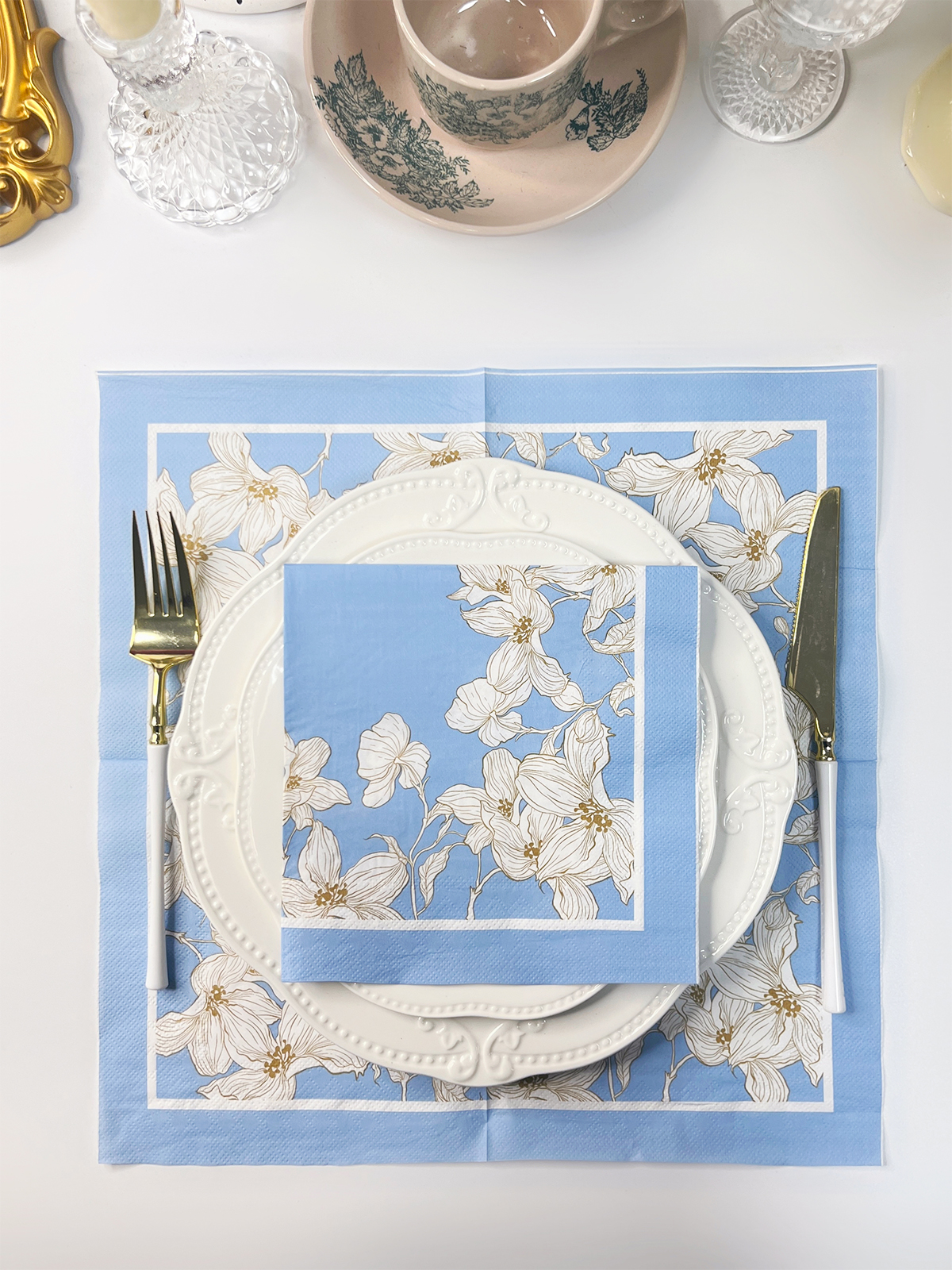
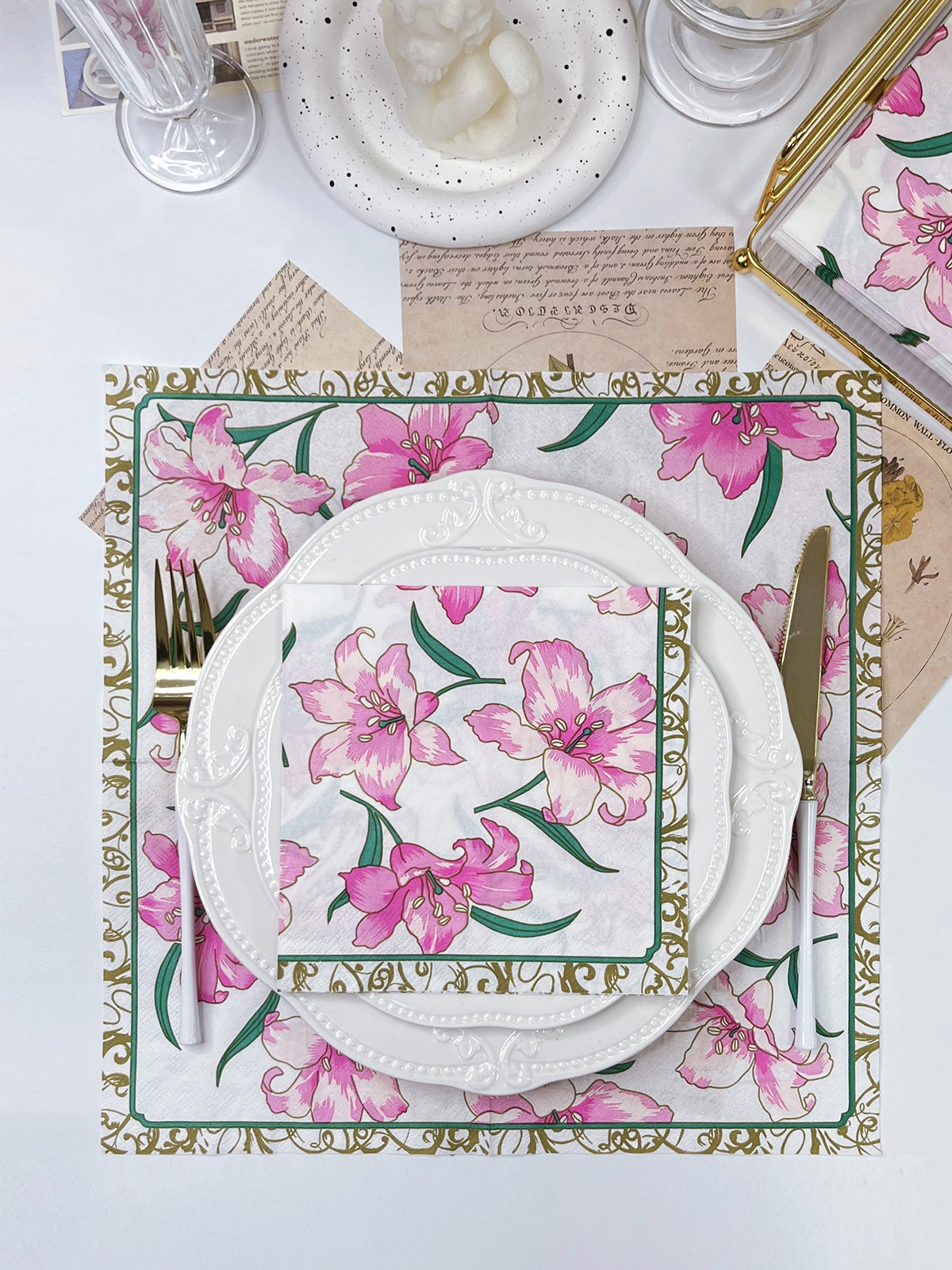
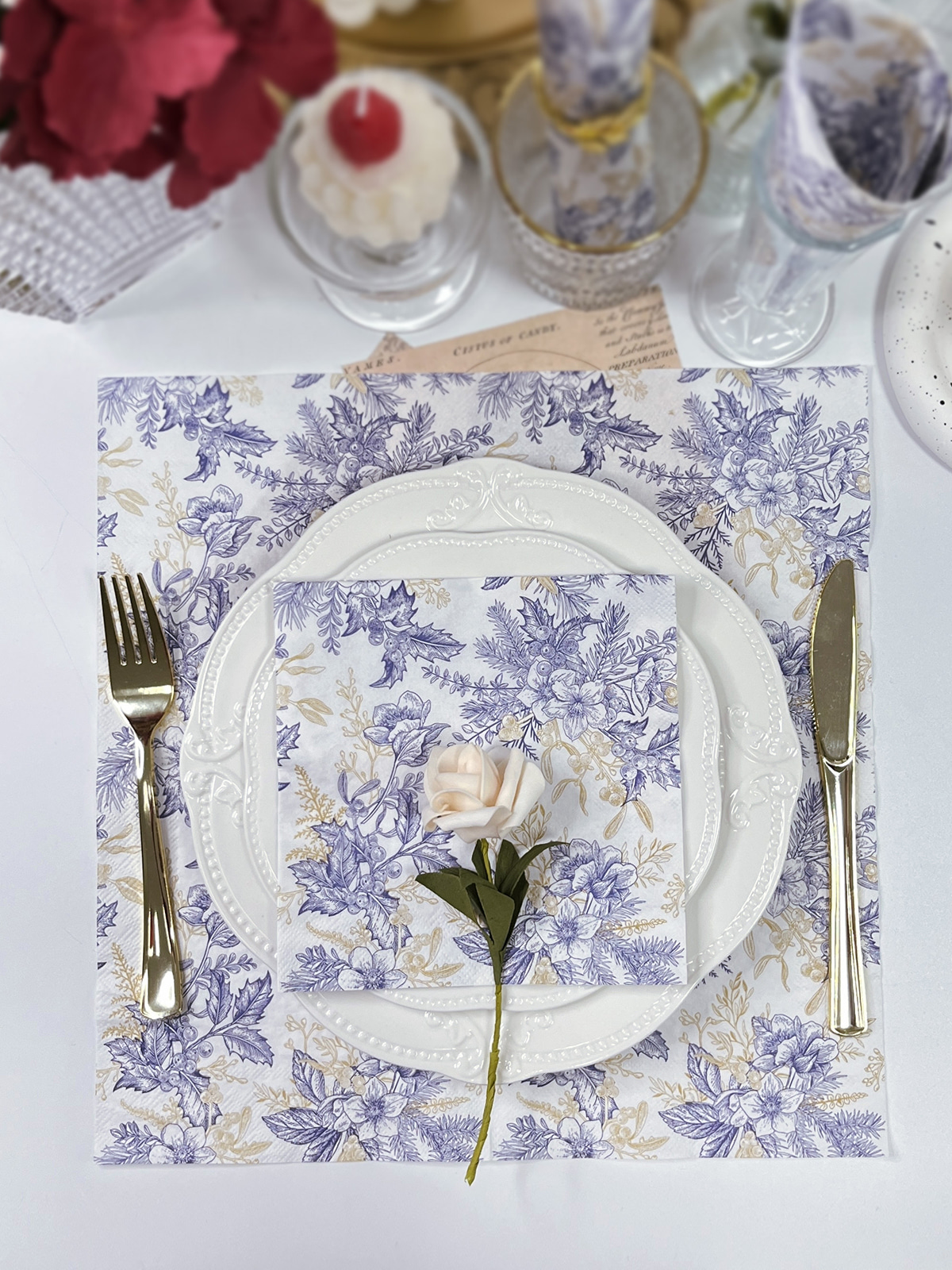
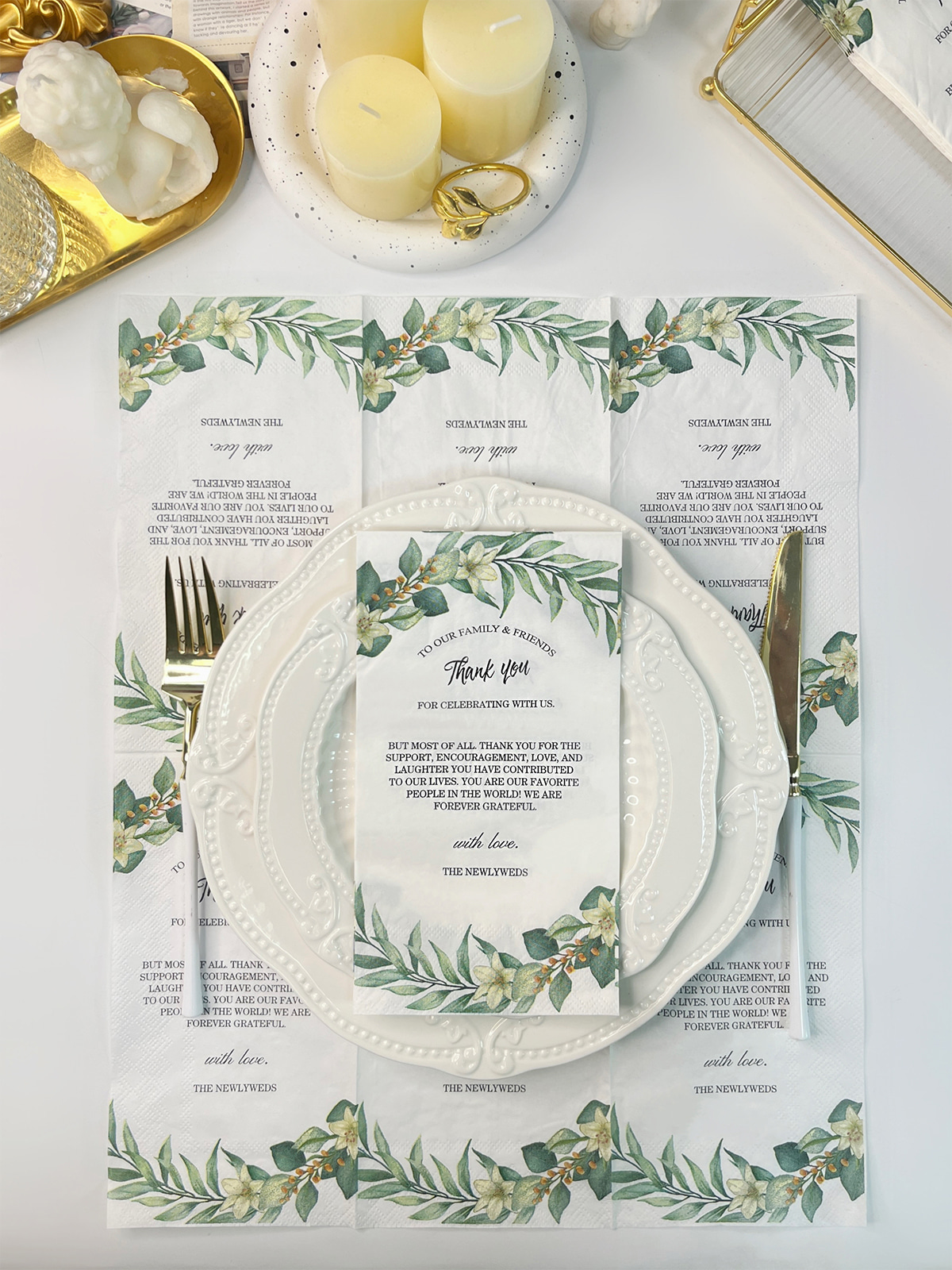
Printed napkins have become part of table presentation rather than simple disposable items. A carefully selected design can influence how a dining table feels before food is served. Color, texture, surface finish, and decorative details all contribute to that impression. Although two napkins may carry exactly the same artwork, they can create completely different visual results depending on the printing method.
Among decorative options, Foil Printed Napkins and conventionally printed napkins often receive attention because their appearance differs in ways that are easy to notice. One relies on a metallic film bonded onto the paper surface, while the other forms its pattern through ink absorbed into paper fibers. Such a difference changes not only appearance but also texture, production planning, and decorative style.
Understanding how both printing methods work makes it easier to choose suitable Printed Table Napkins for different occasions without focusing only on color or graphic design.
Content
A simple floral pattern printed with ink may appear soft and quiet. Apply exactly the same artwork using foil, and the result immediately feels different. Shape remains unchanged, while the way light interacts with the surface changes completely.
Visual perception depends on more than color alone. Human eyes naturally notice reflections, surface depth, and texture. Metallic decoration reflects surrounding light, allowing certain areas of a design to become more noticeable from different viewing angles. Ordinary printing keeps every detail on the same flat surface, creating a calmer visual effect.
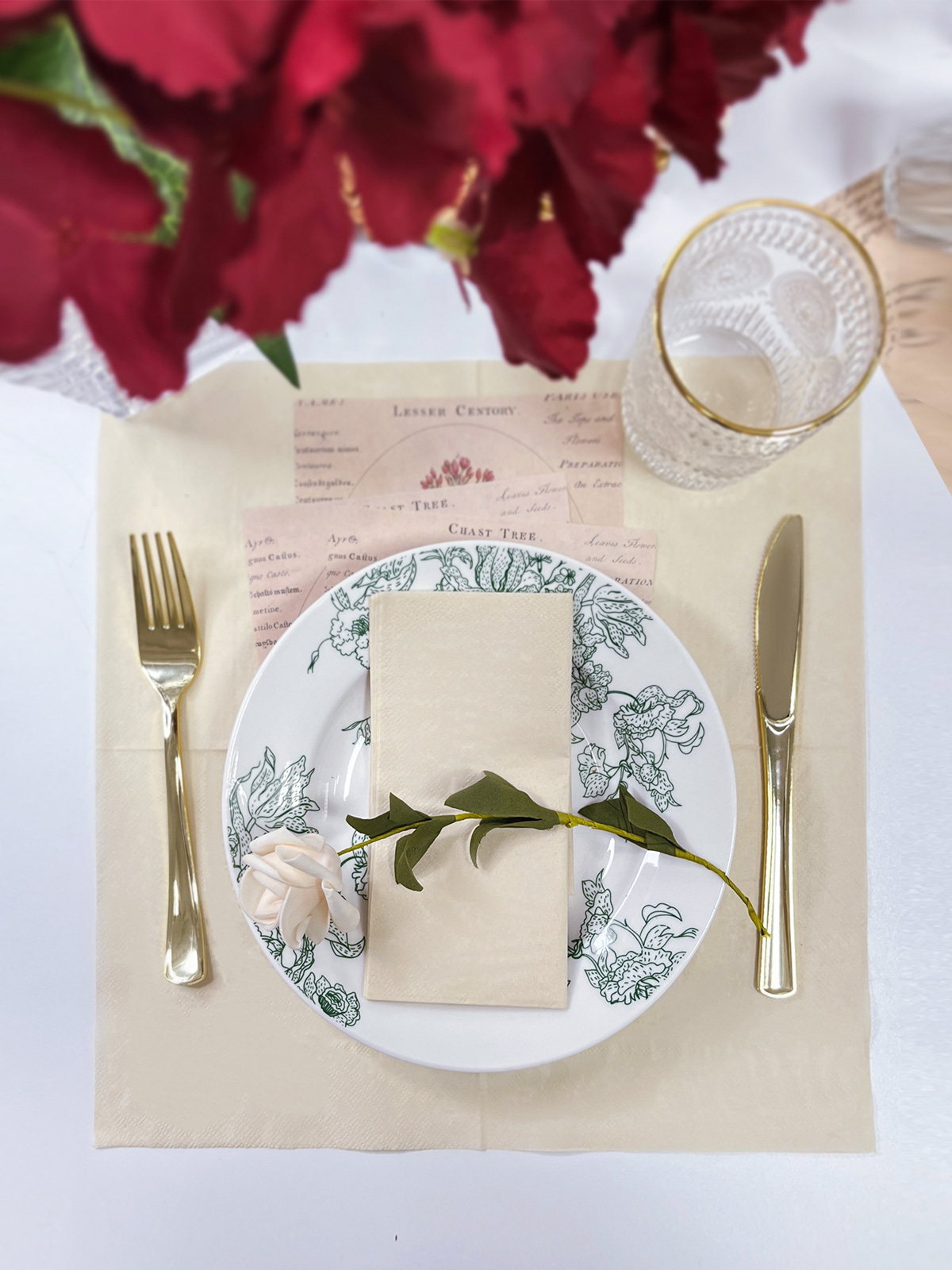
Table decoration often contains several elements working together. Plates, glasses, candles, flowers, menus, and napkins all contribute to the overall arrangement. A reflective decorative detail can connect naturally with surrounding objects without requiring complicated graphic patterns.
Differences become easier to recognize through several characteristics.
Even without touching the napkin, many people notice those differences almost immediately because reflective surfaces respond continuously as viewing angles change.
Although both methods transfer artwork onto paper, production principles are very different.
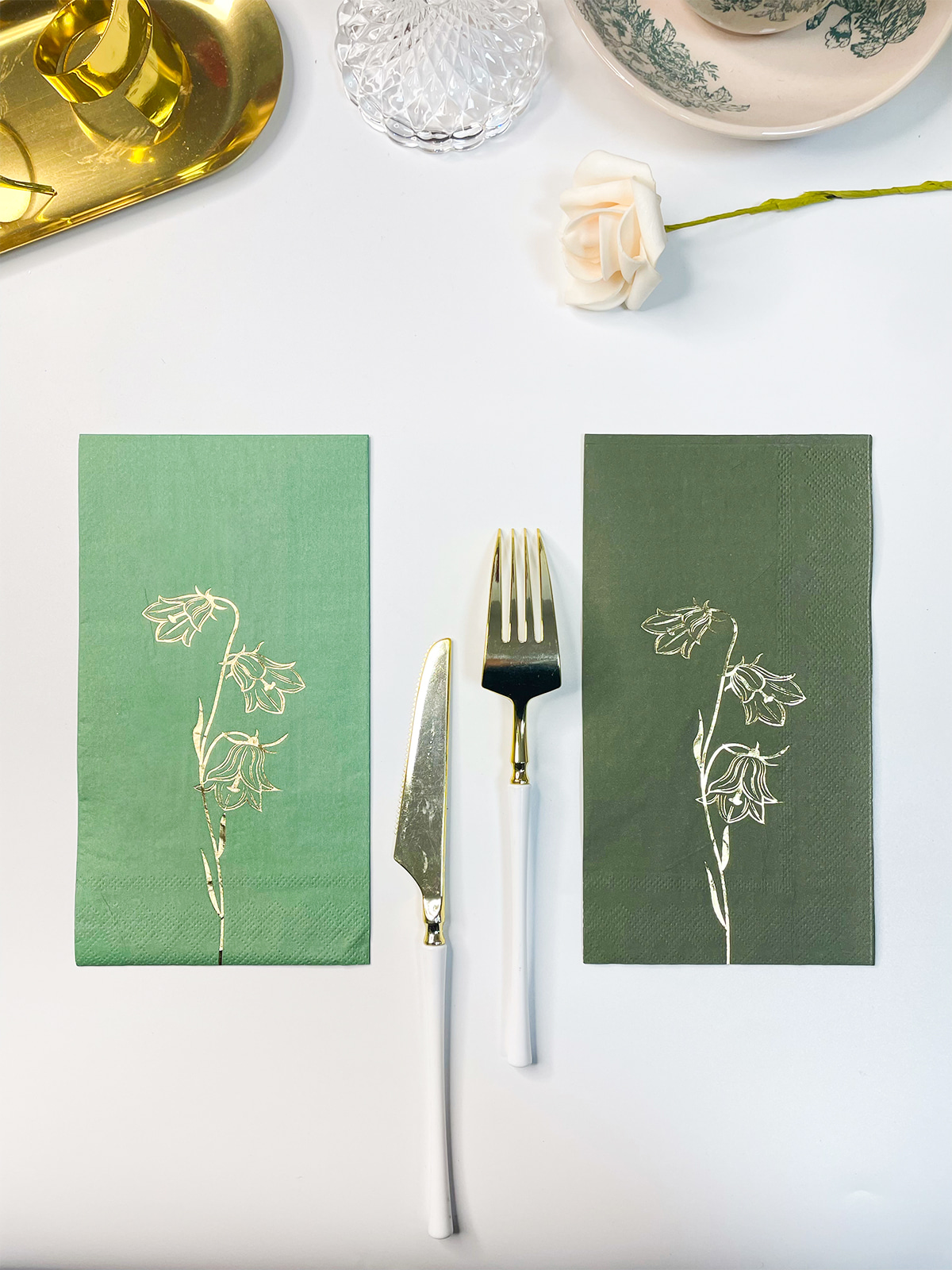
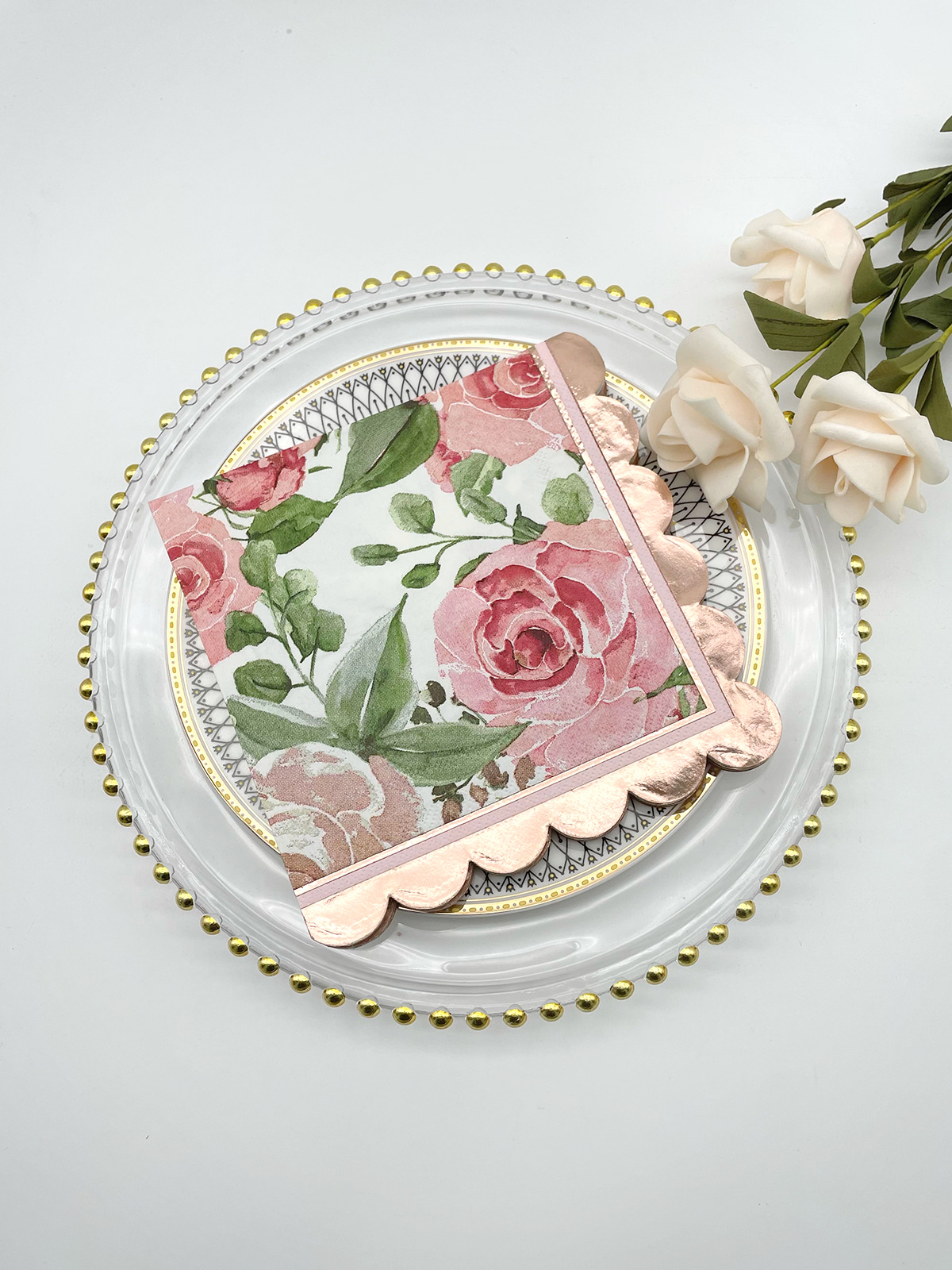
Foil decoration begins with a prepared design that is transferred through heat and pressure. Instead of applying colored liquid, a decorative film bonds to selected areas of the napkin. Once pressure is removed, only patterned sections remain covered with metallic or matte foil.
Regular printing follows another approach. Colored ink is placed directly onto the paper surface where it becomes part of the paper fibers. Since ink spreads naturally into the material, finished graphics remain flat without creating noticeable height differences.
Neither method changes the purpose of the napkin. Both create decorative patterns while keeping the product suitable for normal table use. Differences appear mainly in visual presentation and surface characteristics.
| Feature | Foil Printed Napkins | Regular Printed Napkins |
|---|---|---|
| Decoration Method | Metallic or matte film transferred by heat and pressure | Liquid ink absorbed into paper |
| Surface Finish | Slightly raised with reflective effect | Flat and matte |
| Visual Style | Bright decorative highlights | Soft printed appearance |
| Touch | Gentle texture can be felt | Smooth surface |
| Graphic Expression | Decorative emphasis on selected areas | Uniform color across the design |
Another interesting point involves graphic design itself. Foil decoration usually works well when only certain elements receive emphasis. Borders, lettering, leaves, geometric shapes, or small decorative accents often become focal points.
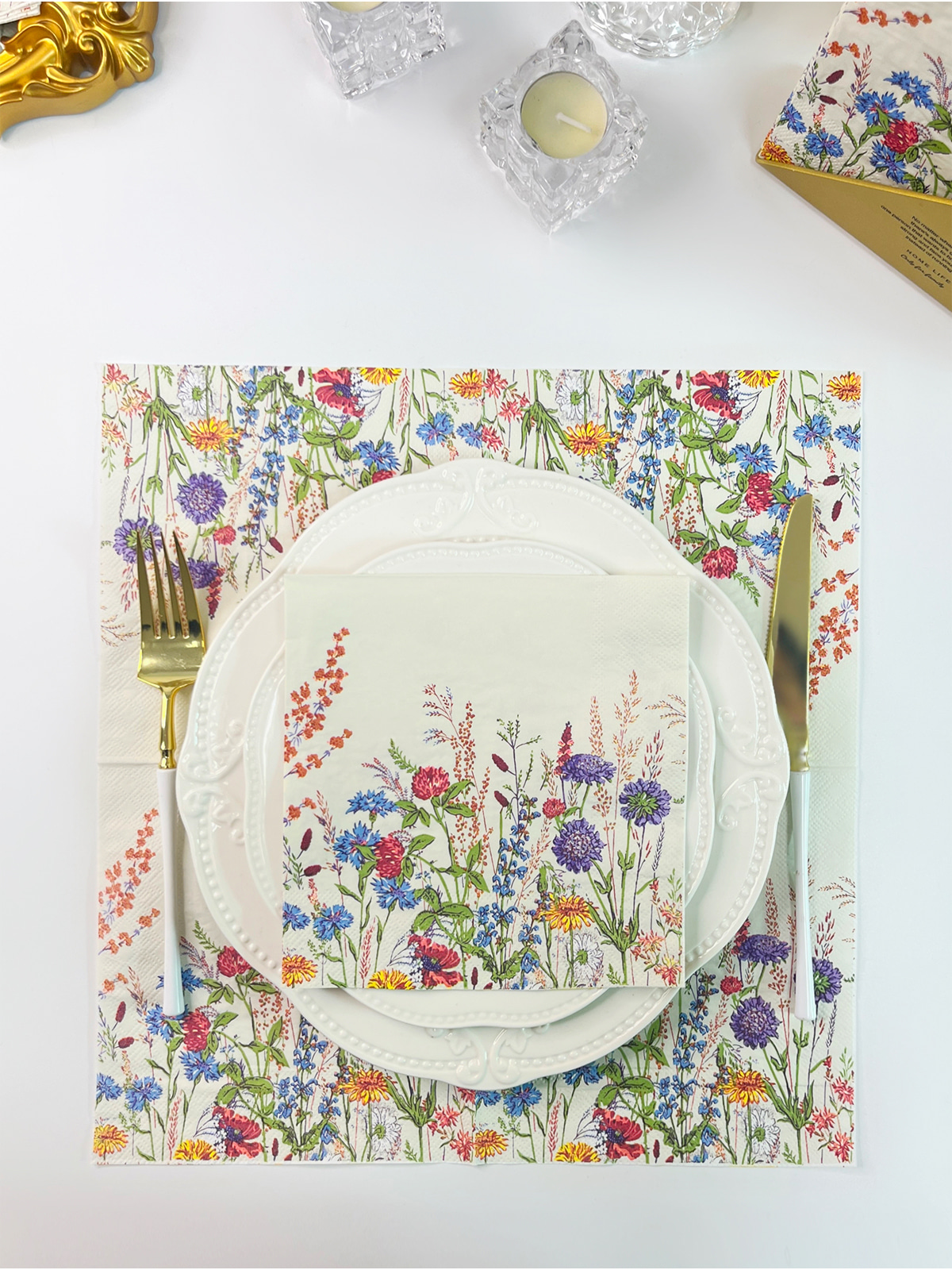
Conventional printing allows larger colored areas without changing the surface feel. Detailed illustrations and continuous patterns can spread naturally across the entire napkin.
Designers often think differently depending on which printing process will be used. Rather than changing artwork completely, they adjust which parts deserve visual attention.
Appearance forms only part of the experience. Touch also influences how people perceive decorative paper products.
After foil is transferred onto paper, decorative areas become slightly different from surrounding fibers. Fingers moving across the surface can notice gentle variation where metallic film sits above the paper.
Regular printed napkins remain almost completely flat because ink becomes part of the paper rather than forming another surface layer. Texture comes mainly from the paper itself instead of the printed artwork.
Such differences may appear small, yet they influence how decorative products are experienced during meals and celebrations.
People often associate texture with quality because hands naturally recognize surface variation even before closely examining printed details.
Another characteristic involves movement. As lighting changes throughout a room, metallic decoration responds continuously. Folding a napkin or changing viewing position creates subtle changes in reflection without altering the printed design itself.
Ordinary ink maintains a more consistent appearance regardless of lighting direction. Such stability can suit designs that depend more on illustration than reflective decoration.
Table decoration is built through balance rather than complexity. Every decorative object contributes a small visual element, and harmony often comes from how those elements interact instead of how many are present.
Foil stamping introduces another visual layer without requiring additional accessories. Metallic details can quietly complement surrounding tableware while allowing printed artwork to remain clean and readable.
Gold-colored accents often pair naturally with warm lighting. Silver-toned decoration may blend comfortably with glassware and polished serving pieces. Matte foil creates another style by reducing reflection while still adding texture.
Decorative balance becomes important because excessive reflective elements may compete with one another. Small foil details frequently create a calmer impression than covering large areas with metallic film.
Foil decoration often highlights:
Instead of replacing colorful graphics, foil usually works alongside them. A simple printed illustration combined with carefully positioned metallic details often creates greater visual contrast than relying on color alone.
Choosing between foil and regular printing often depends on the visual tone of the event rather than any single feature of the napkin itself. A relaxed meal usually calls for a quieter look, while a formal setting may benefit from stronger visual accents.
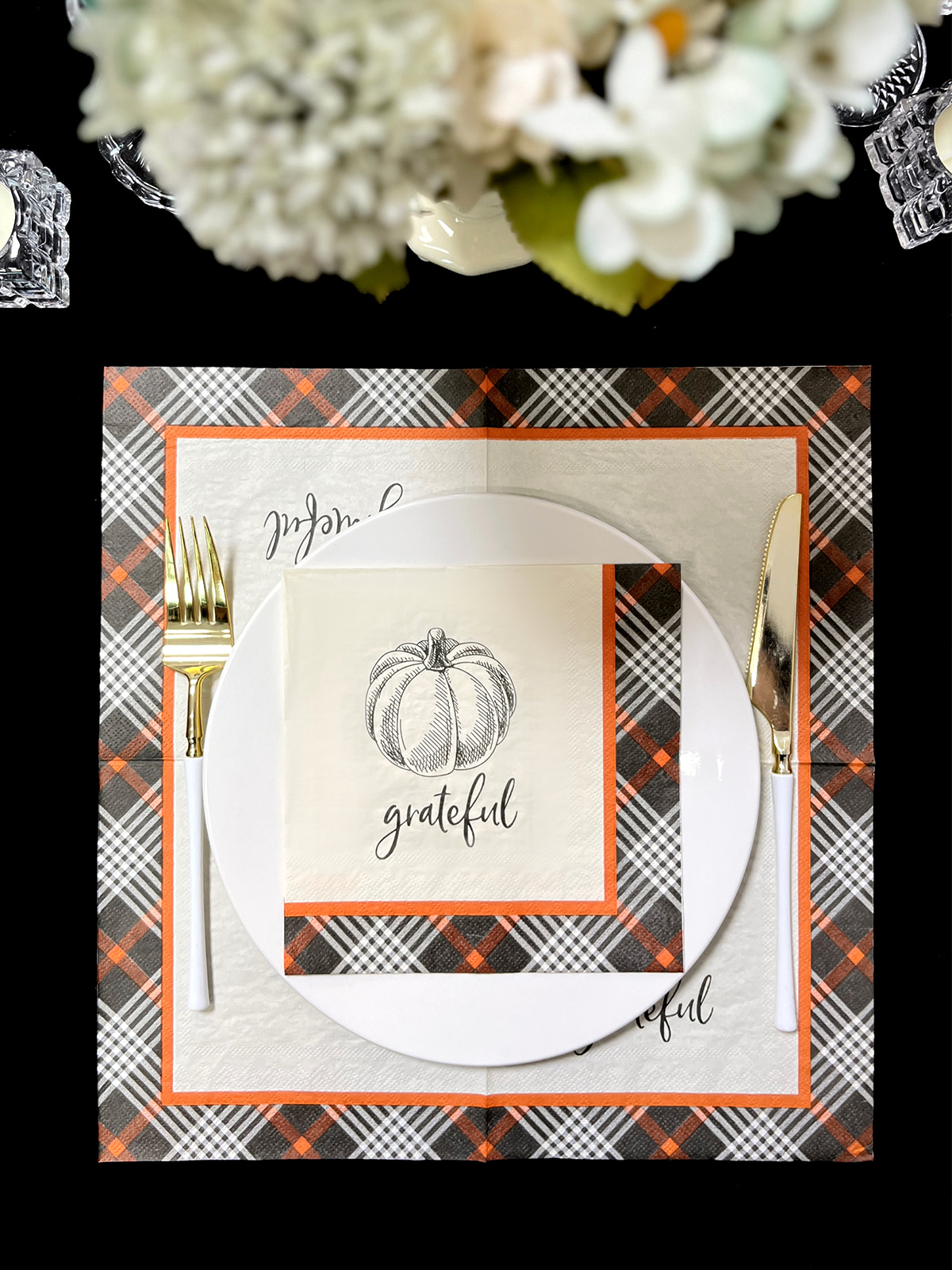
Regular printing works well where the table needs a simple and familiar appearance. Cafés, casual dining spots, office gatherings, and everyday family meals often use printed paper napkins with flat graphics because the style feels easy and unobtrusive. Color can still play a clear role, yet the surface remains calm and uniform.
Foil decoration fits situations where table presentation carries greater visual weight. Wedding tables, banquet setups, seasonal celebrations, and formal receptions often use metallic detail to create a cleaner focal point. A small reflective line around a folded napkin or a light metallic emblem can add a sense of order without filling the whole surface.
Some event planners prefer to keep the main pattern minimal, then use foil only on selected areas. That approach keeps the design readable while allowing the table setting to feel more composed. Catering Paper Napkins with foil decoration often work in exactly that way, combining practical use with a more decorative surface.
Paper structure plays a quiet but important role in how the decoration appears once printing is complete. A lighter paper may handle ordinary ink well, while foil stamping usually benefits from a sturdier sheet that supports pressure and keeps the design clear.
Foil application needs enough body in the paper so the metallic layer can sit properly on the surface. Thicker tissue or linen-style material tends to hold the decorative layer more cleanly, which helps the design keep its shape and reflect light in a steady way.
Regular ink printing behaves differently. Since liquid ink settles directly into paper fibers, even standard napkins can carry printed decoration effectively. The result stays flatter, softer, and more familiar to the eye.
Several paper-related differences stand out:
A design may look rich on one material and plain on another, even when the same artwork is used. That is why paper quality and printing method need to work together rather than being chosen separately.
Foil decoration usually involves extra preparation before production begins. A metal die needs to be prepared for the stamped design, and that setup adds time and planning. Once the design is approved, the process can create a distinctive metallic finish, yet the early preparation makes the method less flexible for very small or changing orders.
Regular printing uses a simpler route. Ink is applied directly to the paper surface, so production tends to move with fewer setup steps. That makes it easier to handle wider volume ranges and more routine order planning.
Cost differences come from the nature of the process rather than decoration alone. Foil stamping asks for more surface control and more precise alignment, especially when reflective areas need to stay clean and even. Regular printing uses a more direct color-transfer method, which often suits larger or simpler orders with less preparation.
Planning also changes depending on design complexity. A napkin with tiny foil borders may require careful placement, while a regular printed pattern can run with more continuous coverage across the surface. That difference influences how the order is arranged, stored, and produced.
| Planning Factor | Foil Printed Napkins | Regular Printed Napkins |
|---|---|---|
| Setup Need | Metal die preparation required | Simpler ink-based setup |
| Order Flexibility | Better suited for planned decoration runs | More adaptable for routine orders |
| Surface Control | Needs careful alignment for clean reflection | Less sensitive to surface height |
| Visual Effect | Decorative emphasis through shine and texture | Consistent flat print appearance |
For buyers, the choice often comes down to the balance between presentation goals and production planning. A decorative table setting may justify foil stamping, while regular printing can match larger-volume or everyday needs more comfortably.
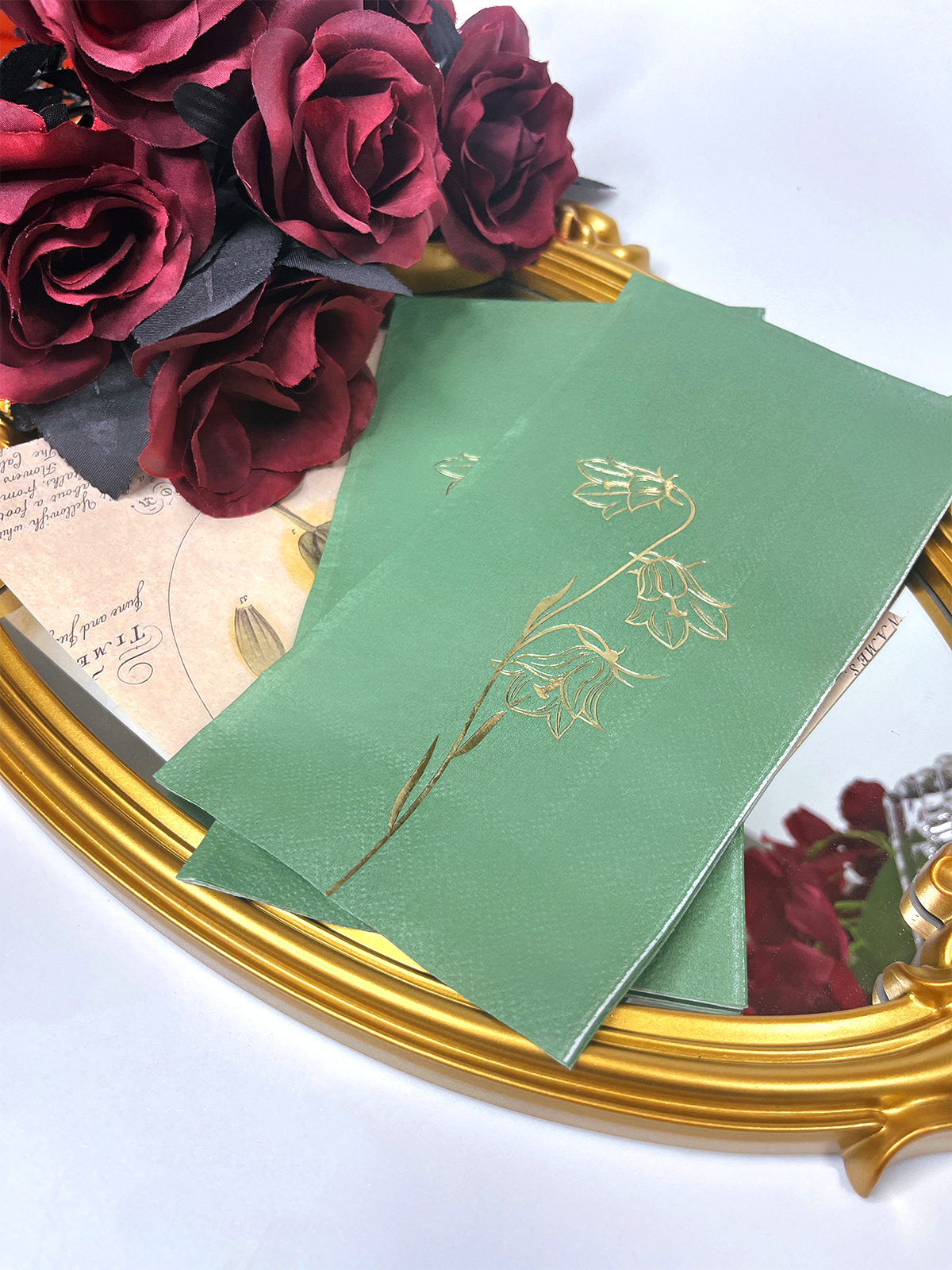
Long term visual value depends on how the napkin looks before use, how it holds up during handling, and how well the decoration matches the surrounding table scene. Foil stamping often creates stronger visual memory because reflective areas stand out more clearly under changing light.
That effect can be useful when presentation matters. Small foil details stay noticeable even when the rest of the table remains simple. For decorative tables, that kind of visual focus can help a setting feel more deliberate without becoming crowded.
Regular printing offers another kind of value. Instead of shining or catching light, it gives a steady graphic surface that feels suitable for everyday use. The design remains readable and calm, which can work well where the table needs a lighter decorative touch.
Durability also matters in visual terms. Before use, a napkin may be folded, stacked, moved, or stored for some time. Foil areas can preserve a strong decorative impression when handled with care, while flat printed graphics keep their look through a simpler surface structure.
Visual value may come from different strengths:
Neither method is universally better. Each one serves a different purpose in table presentation. A chosen design should match the mood of the setting, the paper quality available, and the type of visual impression expected from the finished napkins.
Foil printing and regular printing may start with the same basic product, yet they help to different outcomes once the decoration is applied. One focuses on reflection, texture, and highlighted details. The other relies on color laid flat across the paper surface. Together, they show how a small change in printing method can reshape the character of a table setting without changing the napkin's basic function.
Related Products
Shopping for a reliable source of napkins?
Established in 2007 and located in Zhuji City, Zhejiang Province, Zhuji Furong Paper Products Co., Ltd. is a professional manufacturer of color-printed napkins. Enhance Your Event With Custom Printed Napkins.
Telephone
+86-15325932613
Address
Jianglong Industrial Park, Jiyang Street, Zhuji City, Shaoxing, Zhejiang, China.
Contact Us
Products
Contact Us
+86-15325932613
+86-575-87765556
+86-575-87765559
Jianglong Industrial Park, Jiyang Street, Zhuji City, Shaoxing, Zhejiang, China.
Party Printed Paper Napkins Manufacturer Customized Napkins And Paper Towels Factory
Copyright © by Zhuji Furong Paper Products Co., Ltd. Rights Reserved.

 English
 中文简体
中文简体