 English
 中文简体
中文简体
Planning a celebration pulls a host's attention in a dozen directions at once — the food, the table setting, the decorations, how guests will move through the space. Napkins can feel like an afterthought in all that, yet they quietly shape both how a table looks and how comfortably people actually handle food and drinks once the event is underway.
Party paper napkins carry two jobs that stay closely tied together. Design feeds into the overall atmosphere, while absorbency handles the practical side — spills, crumbs, sticky fingers, the everyday mess of eating in a group. A napkin that photographs beautifully but falls apart mid-meal becomes a problem fast, and a napkin that soaks up everything but clashes with the rest of the table can feel just as out of place.
Which quality matters more really depends on the event, the menu, and what the guests themselves expect. A formal dinner calls for coordinated colors and a refined pattern, while a kid's birthday leans harder on cheerful prints and materials that hold up to cake and juice. Understanding how design and absorbency work together — rather than picking one over the other — helps hosts, retailers, and buyers land on something that actually fits.
Content
- 1 Why Does Napkin Design Matter at a Party?
- 2 How Does Absorbency Affect the Guest Experience?
- 3 Are Luncheon Paper Napkins Different From Decorative Party Napkins?
- 4 Can Fancy Party Napkins Combine Style With Practical Use?
- 5 How Can Hosts Match Napkin Design With Different Party Themes?
- 6 What Role Does Paper Material Play in Napkin Absorbency?
- 7 Does Napkin Layering Affect Both Appearance and Function?
- 8 How Should Party Supplies Napkins Be Selected for Large Events?
- 9 Can Paper Napkins for Party Use Support Different Food Service Styles?
- 10 How Can Buyers Compare Design and Absorbency Before Ordering?
- 11 How Can Suppliers Balance Design Expectations With Practical Performance?
Why Does Napkin Design Matter at a Party?
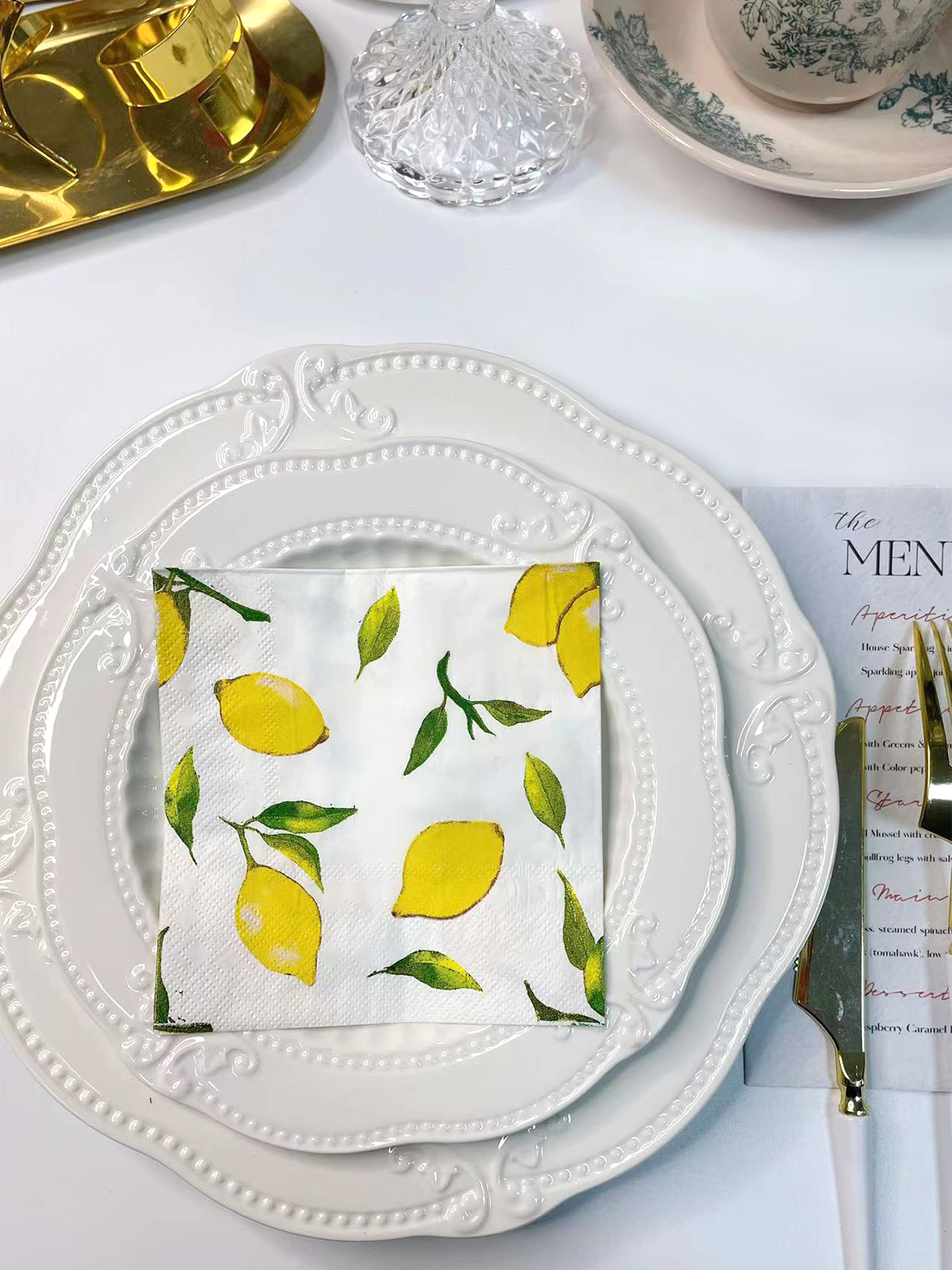
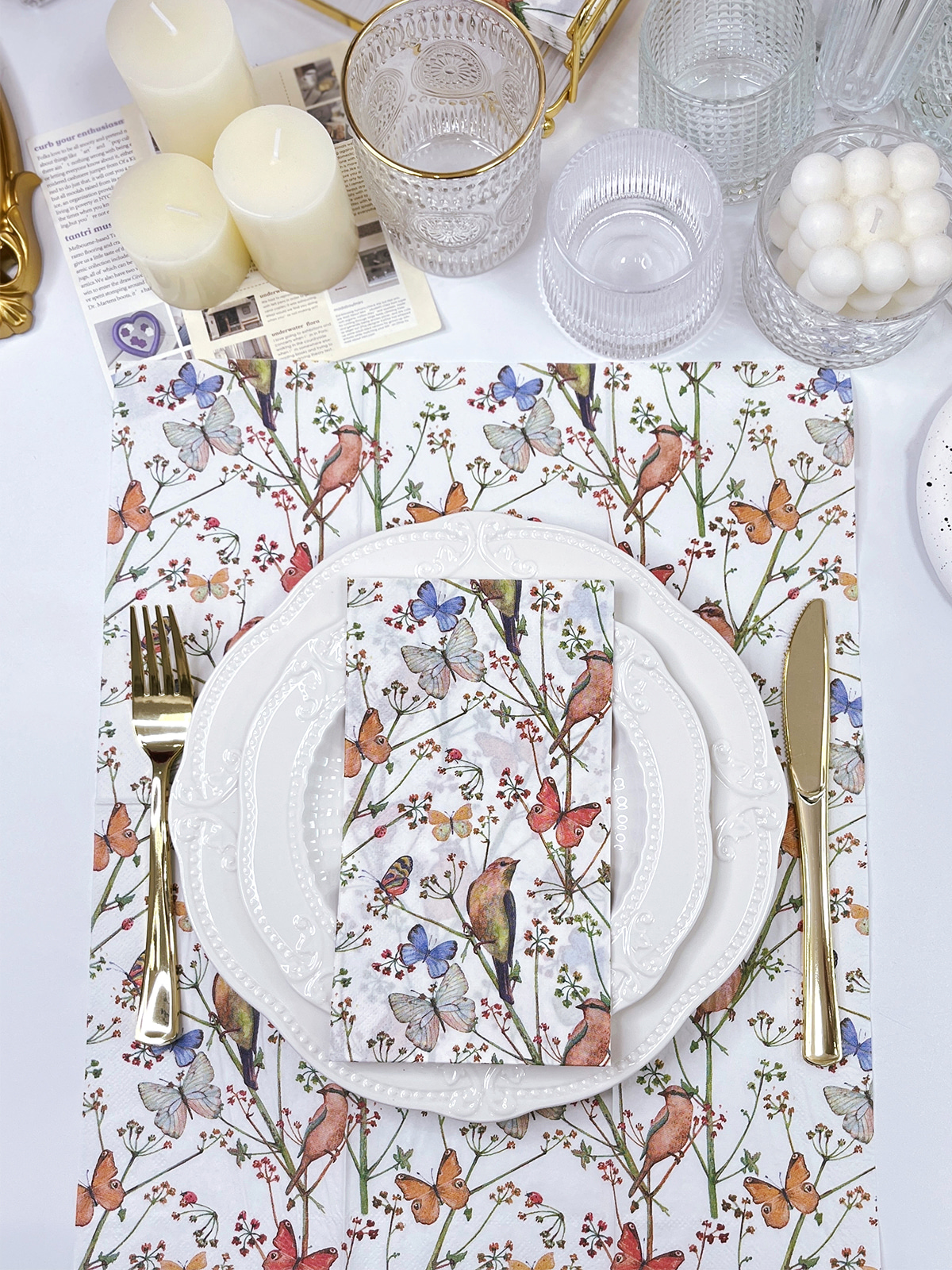
Table decorations set the mood before anyone sits down to eat. Colors, patterns, serving dishes, and tablecloths all build toward one overall look, and napkins sit right in the middle of that arrangement, visible enough that their appearance genuinely shapes how the whole setting feels.
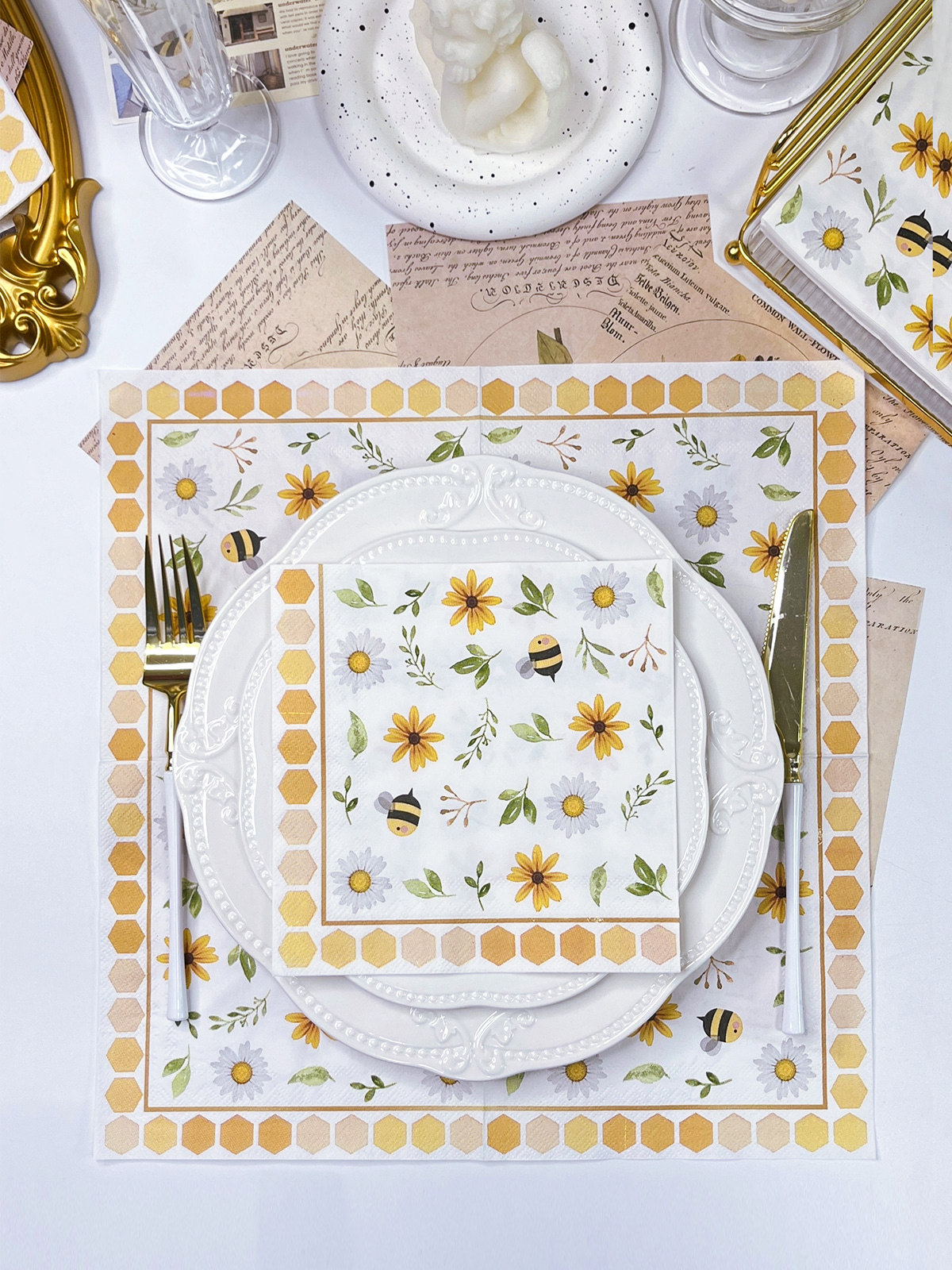
A coordinated design turns a table from "assembled" into "planned." Matching napkins against plates, a tablecloth, flowers, or other decorations draws a visual thread connecting pieces that would otherwise just sit beside each other. Even a modest setup starts feeling more intentional once the colors and patterns actually work together.
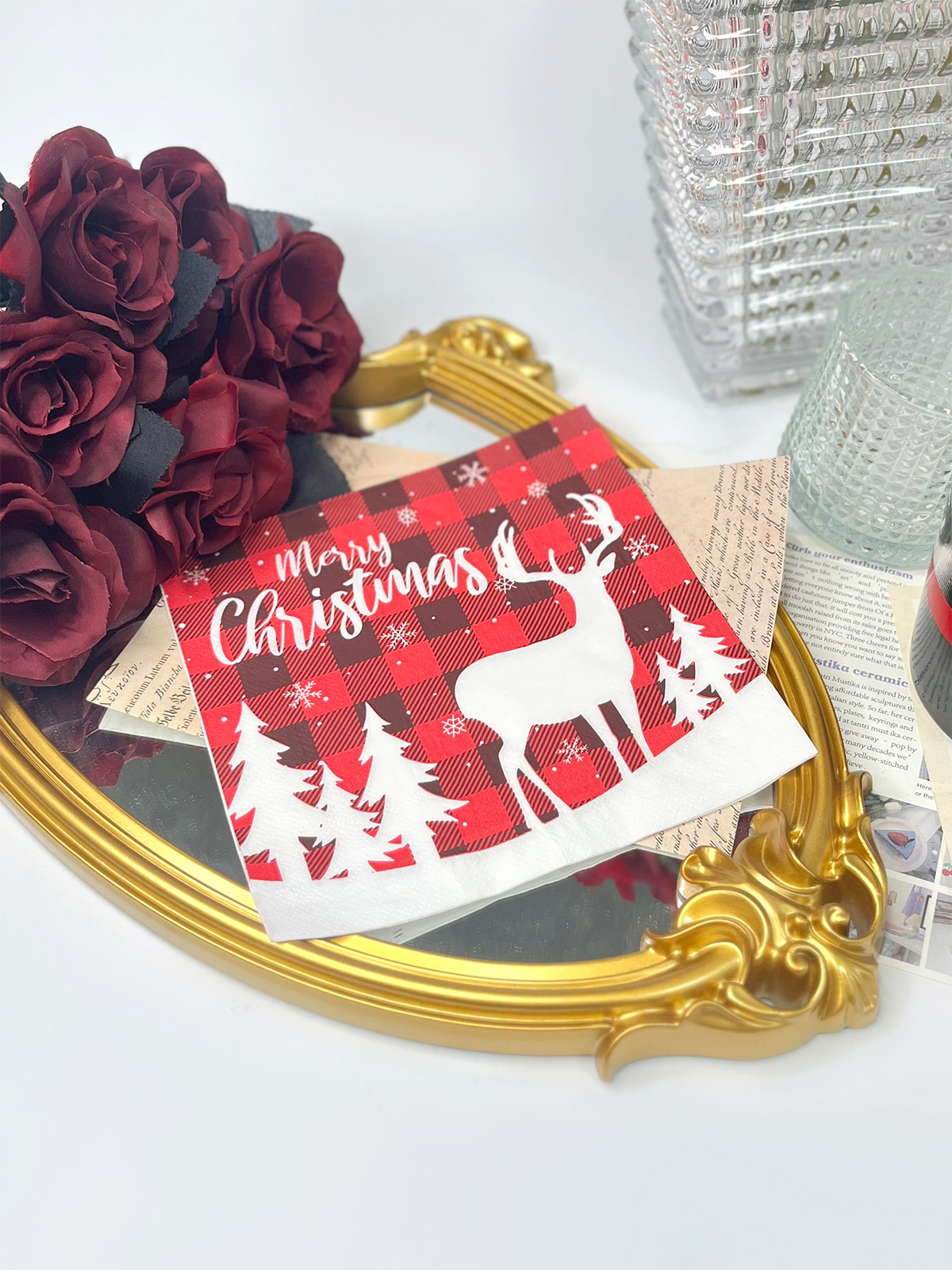
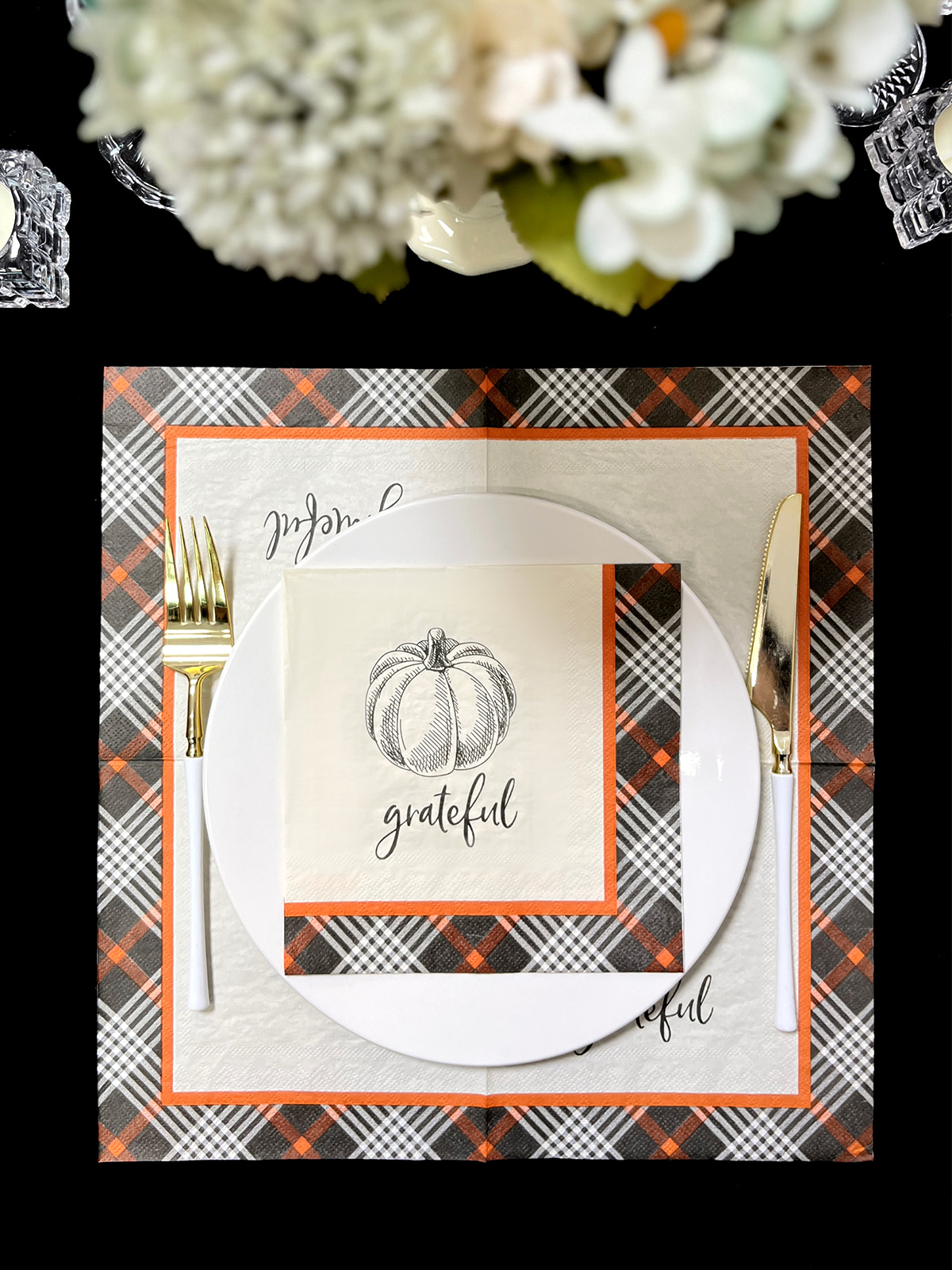
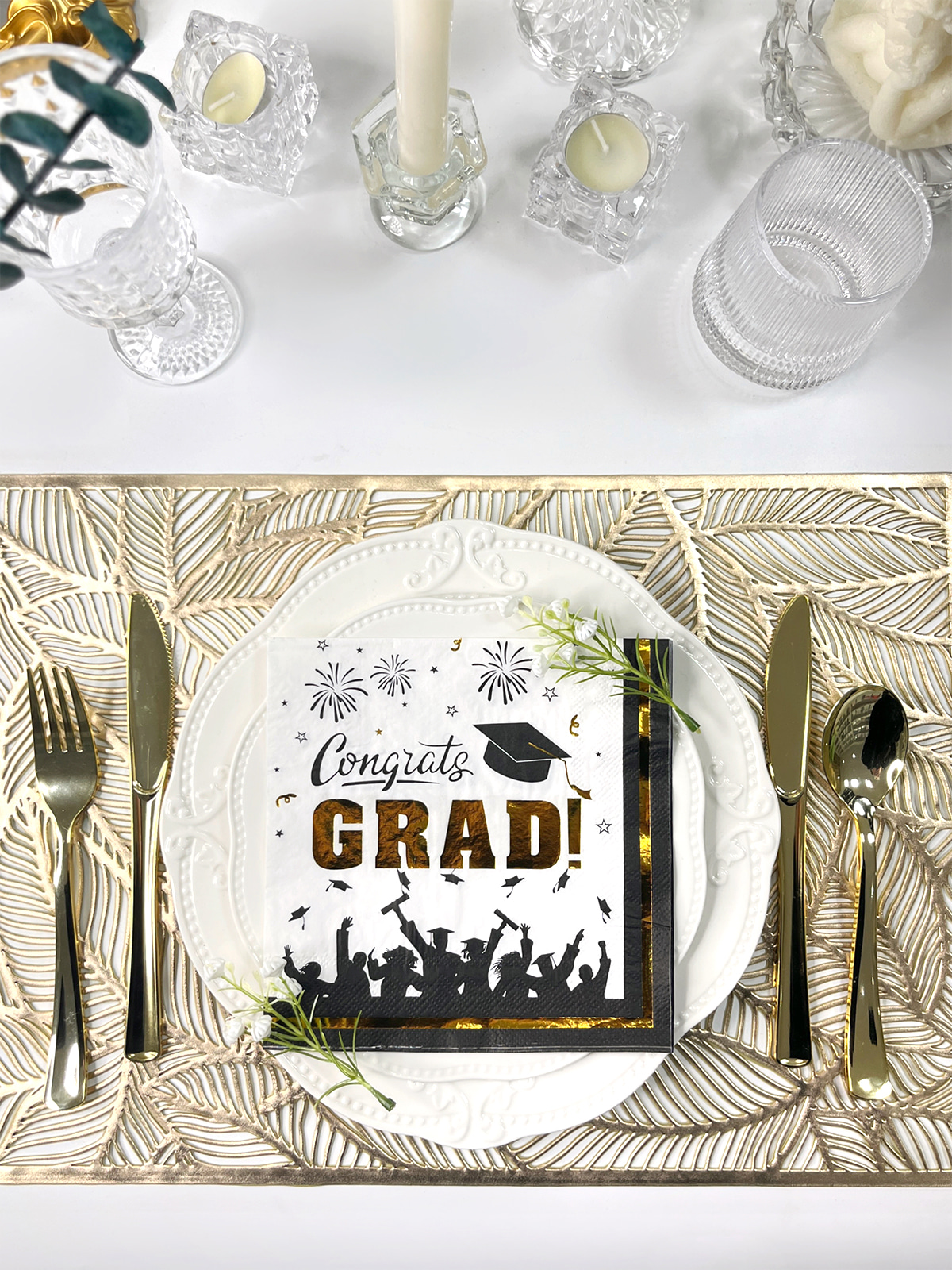
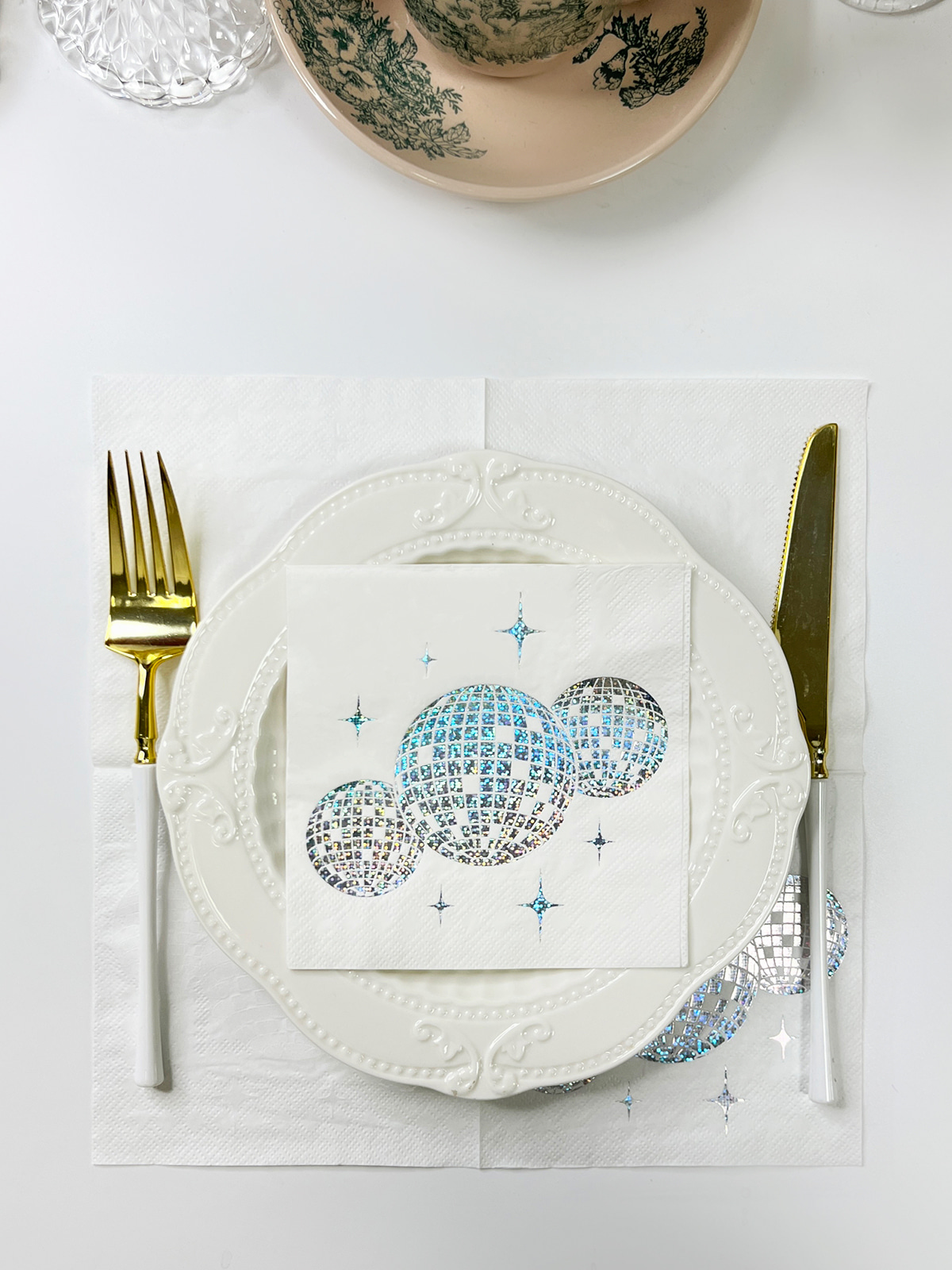
Design also says something about the character of the event itself. Soft colors suit a family gathering or a relaxed brunch, while geometric or metallic-style prints lean toward something more formal. Seasonal motifs add personality without demanding extra decoration layered on top.
Visual appeal still needs matching to the purpose of the gathering, though. A heavily printed napkin that looks great in its package can turn distracting once it's sitting beside colorful food and already-detailed tableware, and sometimes a quieter design actually balances the table better than a loud one would.
A few things worth weighing when picking party paper napkins: whether the shades actually work with the existing table setting, whether the print style suits the occasion rather than competing with other decorations already in place, how the napkin will be presented — folded, laid beside a plate, or displayed in a holder — and whether the whole design stays consistent with the mood the host is going for. Getting these right turns the napkin into part of the table arrangement instead of a random accessory tossed in at the last minute.
How Does Absorbency Affect the Guest Experience?
A napkin needs doing genuinely more than looking good on a shelf. Mid-meal, guests reach for it wiping fingers, catching a small spill, or dabbing sauce from the corner of a mouth, and how readily it takes in moisture decides whether that moment feels smooth or mildly annoying.
Absorbency comes down to the paper itself — the fiber structure, any surface treatment, how the whole sheet is put together. A napkin that soaks up liquid quickly handles ordinary dining messes without someone needing grabbing three more sheets off the stack. One that absorbs slowly, or lets liquid pass straight through, starts feeling genuinely less useful fast.
The menu plays a real role here too. Pastries, sandwiches, and dry snacks create far fewer cleanup demands than a spread built around sauces, oily dishes, or drinks flowing all evening, so the expected use really should steer the material choice.
| Dining Situation | Absorbency Consideration |
| Light snacks | Suitable handling of crumbs and small marks |
| Brunch or lunch | Comfort when wiping fingers and mouths |
| Saucy dishes | Ability to absorb small liquid spills |
| Outdoor refreshments | Practical use during casual dining |
| Dessert service | Handling of icing, cream, and drink residue |
None of this needs separating from appearance entirely. A napkin designed well can carry the table's visual theme while staying genuinely useful through the whole meal.
Are Luncheon Paper Napkins Different From Decorative Party Napkins?
The type of meal influences which napkin is suitable. Luncheon paper napkins are commonly used at lunch gatherings, buffets, office celebrations, and casual dining events. They are designed to handle everyday food residue while fitting naturally into the table setting.
For events like these, a balance between design and practical performance tends to serve better than leaning hard into either quality alone. A simple pattern can coordinate nicely with the serving dishes, while suitable paper construction keeps up with normal use across the meal.
Decorative party napkins often take on a more visible role instead — complementing themed decorations, adding color to a dessert table, or tying together the appearance of a larger event. Some designs lean toward display, others toward genuine dining use, and the product description should make that distinction clear. Buyers shouldn't assume a decorative look signals a certain absorbency level, and a plain design doesn't automatically mean the material performs well either.
Worth considering before comparing options: where the napkins will actually sit, what's being served, and how guests are likely to use them in practice. That approach beats picking something based purely on how it looks in a photo or on the package.
Can Fancy Party Napkins Combine Style With Practical Use?
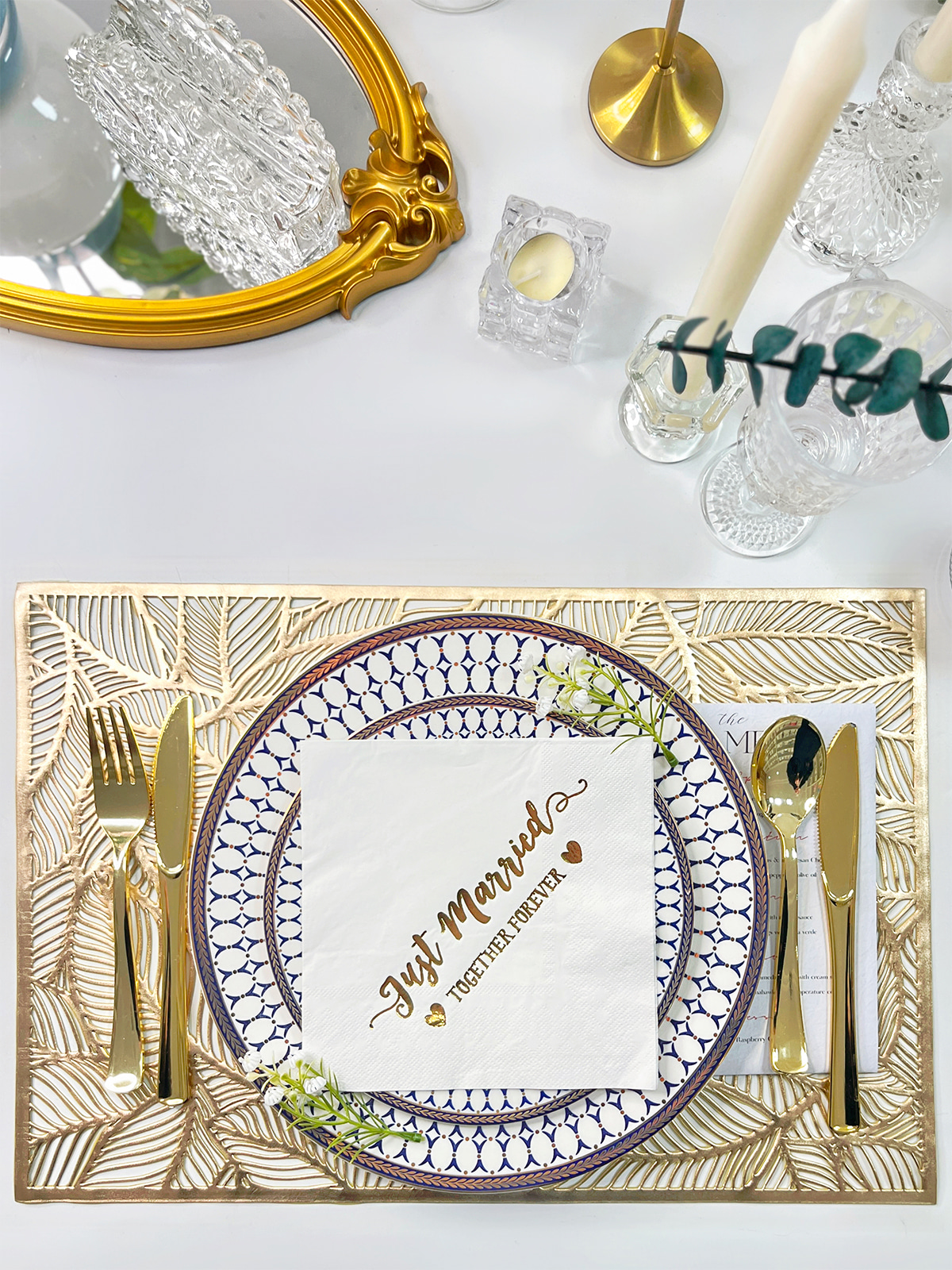
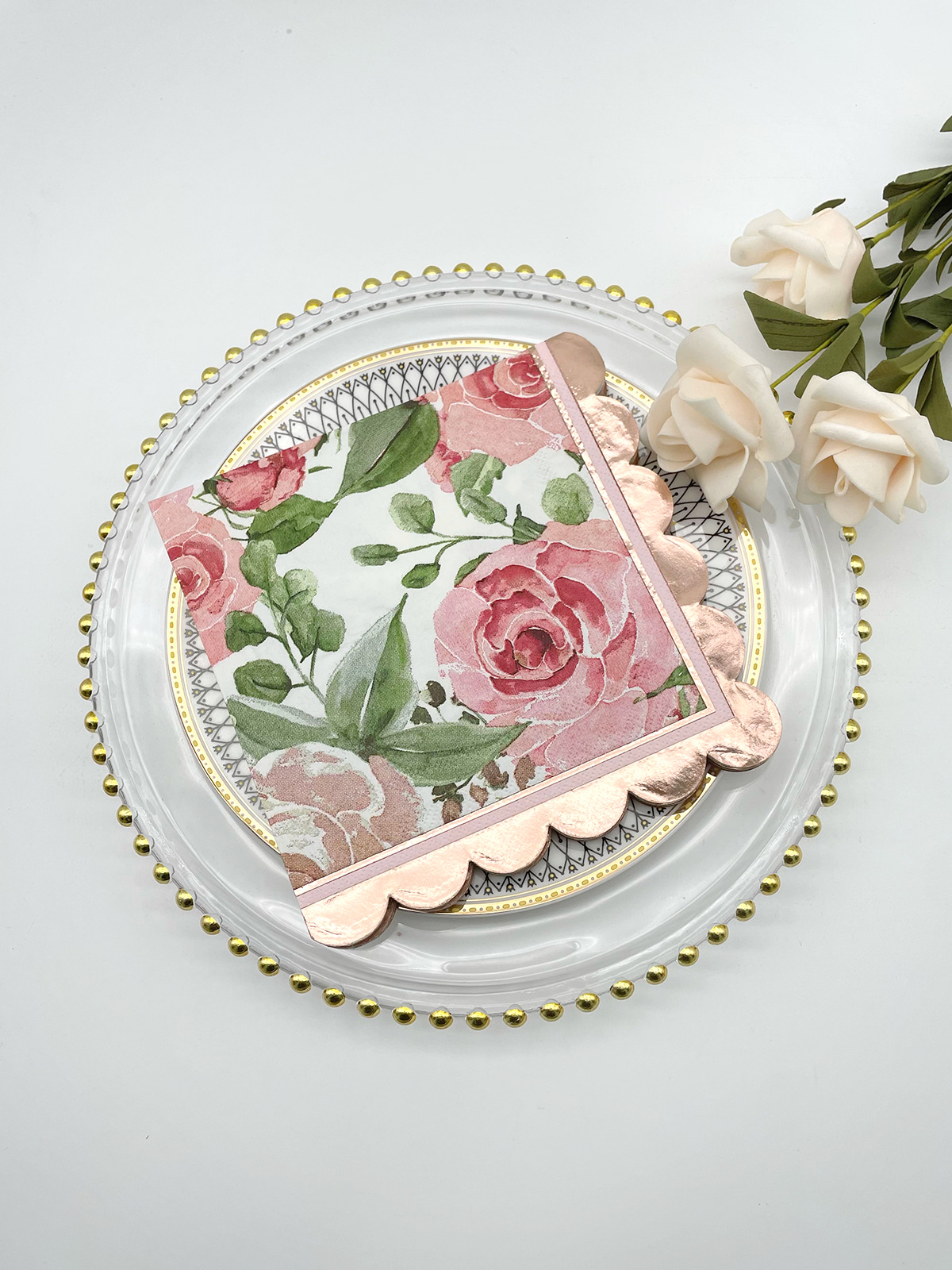
Fancy party napkins often bring detailed prints, coordinated colors, decorative borders, or textured surfaces to the table — details that suit celebrations where the table setting itself contributes to the overall experience, think engagement parties, anniversary dinners, holiday meals, themed gatherings.
Their decorative role shines when a host wants one consistent look running across plates, cups, table coverings, and the centerpiece. A napkin carrying a carefully chosen pattern can tie all those pieces together without needing extra decoration piled on.
Still, an elaborate look shouldn't get in the way of everyday usability. Guests at even a formal event still need wiping hands or managing the odd spill, so the material needs suiting the menu and the actual intended use. Decorative touches can also change how a napkin feels in hand — embossed patterns, printed surfaces, layered construction all create a genuinely different tactile experience from plain paper. Worth checking whether the finished product still feels comfortable to handle and absorbs enough for the occasion it's meant for.
Retailers and event planners do well explaining both the visual style and the practical purpose in their product descriptions, since clear information helps customers tell apart designs meant for light refreshments, full meals, decorative placement, or some mix of all three.
How Can Hosts Match Napkin Design With Different Party Themes?
A party theme gives hosts a natural starting point for picking colors and patterns, though the napkin doesn't need reproducing every decorative detail in the room — picking up just one or two visual elements already present elsewhere usually does the job.
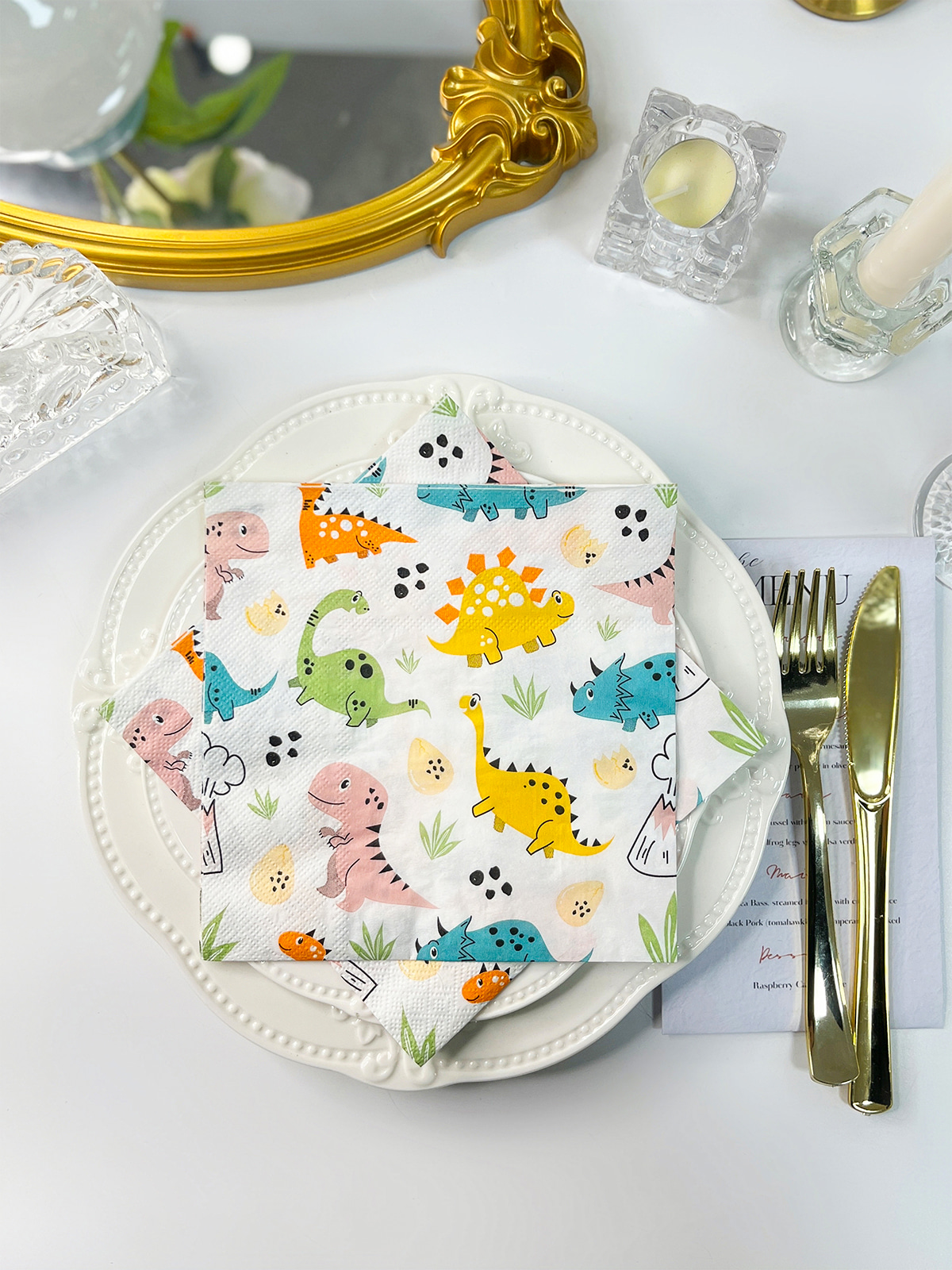
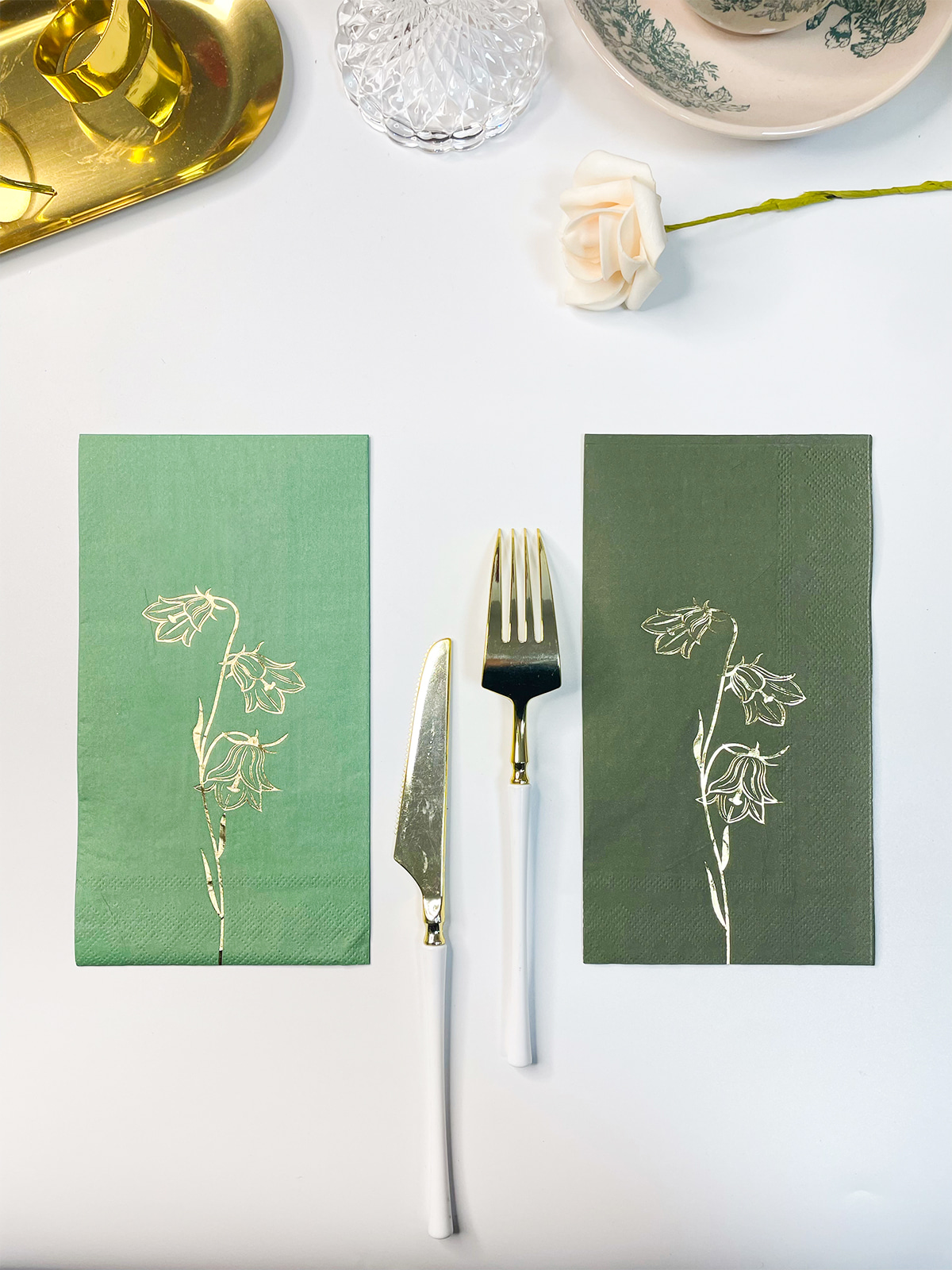
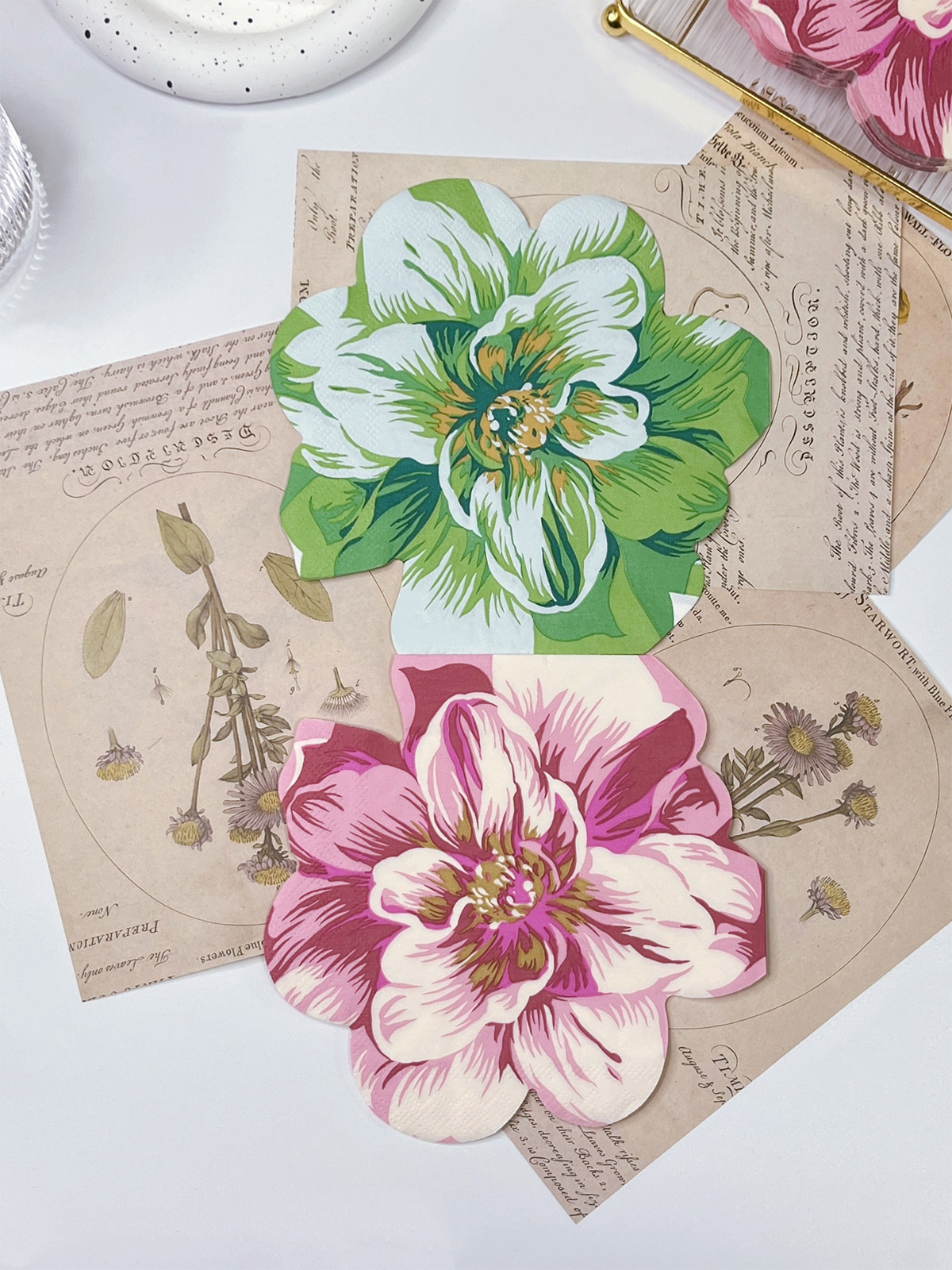
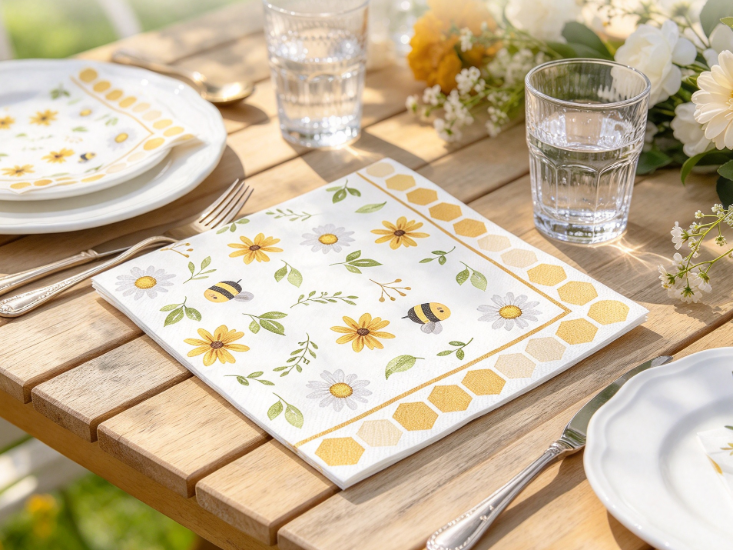
A garden gathering might lean on botanical patterns or soft greens. A kids' celebration suits playful illustrations and bright colors without much fuss. A dinner built around a simple table arrangement often benefits from solid colors or a subtle printed detail instead of anything louder.
The food matters here too. Strongly colored napkins look lively beside a dessert table, but a quieter design often works better when the dishes themselves already carry several colors. The real goal is a setting that feels connected without tipping into visually crowded.
| Party Type | Design Direction | Practical Consideration |
| Birthday gathering | Playful prints and lively colors | Suitable handling for snacks and cake |
| Family lunch | Familiar patterns and coordinated shades | Everyday absorbency |
| Formal dinner | Restrained colors and refined details | Comfortable use during a meal |
| Outdoor picnic | Casual prints and natural colors | Easy distribution and disposal |
| Holiday celebration | Seasonal motifs | Suitability for the planned menu |
Businesses organizing their own product ranges can lean on this same logic, building a collection with several design styles and clear descriptions so customers can compare options by event rather than digging through unrelated products.
What Role Does Paper Material Play in Napkin Absorbency?
Paper construction decides how a napkin responds to moisture and repeated handling. Fiber arrangement, layering, and surface finishing all shape how liquid enters the material and how the sheet actually feels in use.
A softer napkin feels pleasant against the skin, while a more structured one folds easily or sits neatly in a holder — and these two qualities don't always develop together. One napkin might feel soft but lose its shape the moment it gets wet; another might hold its form but feel stiffer in hand.
The intended use decides which combination actually fits. A meal built around drinks and sauces calls for paying real attention to absorbency and tear resistance, while napkins meant for decorative placement near a dessert display lean more on visual texture and how well they hold a fold.
Thickness alone shouldn't be the measure of quality here. A thicker sheet doesn't automatically absorb more liquid, and a thin napkin isn't necessarily a poor fit for light dining — material composition and construction decide the actual result. Handling samples directly, checking their feel and surface condition under ordinary use, gives a genuinely better basis for comparison than appearance alone ever could.
Does Napkin Layering Affect Both Appearance and Function?
Layering shapes how a napkin feels, how structured it looks, and how it handles moisture, though the actual result depends heavily on how those layers are made and joined together.
A layered napkin often feels more substantial in hand, which suits meals where guests expect something a bit more structured, and it tends to fold neatly around cutlery or sit cleanly beside a plate.
Layer count alone shouldn't be read as the full measure of performance, though. Fiber quality, construction, and how well the layers bond together all matter just as much — a napkin that separates easily or goes weak the moment it's wet creates real inconvenience no matter how many layers it claims. Decorative napkins sometimes lean on embossing or printed patterns for visual interest too, and those details should enhance the look without getting in the way of the napkin actually doing its job.
The practical question for buyers stays simple: does the napkin keep a comfortable feel and a useful structure through whatever kind of dining it's meant for.
How Should Party Supplies Napkins Be Selected for Large Events?
Large events bring a different set of purchasing questions than a small family gathering does. Organizers often need enough napkins covering several serving areas, multiple meal periods, or a genuinely large guest count, and the product still has to fit the event's visual theme and food service setup.
Party supplies napkins get chosen around the number of dining areas, the menu, how heavily they'll be used, and the presentation the host wants. A buffet calls for napkins that are easy reaching and distributing quickly, while a seated dinner leans more toward coordinated placement at each setting.
Consistency becomes a real issue once several tables share one theme — different shades or patterns across separate purchase batches can make the whole setup look uneven. Checking product descriptions and physical samples helps keep appearance consistent across a larger order.
Worth asking before placing that order: will these napkins handle meals, snacks, drinks, or purely decoration; does the design actually match the tableware and theme; does the material suit the menu being served; can the supplier explain the sheet construction and intended use clearly; and do the packaging and delivery timeline fit the event schedule. These checks cut down on last-minute scrambling and keep the final order matched to what the event genuinely needs.
Can Paper Napkins for Party Use Support Different Food Service Styles?
Paper napkins for party use often need covering several dining setups within one event. A single celebration might include a welcome drink area, a buffet, a dessert station, and seated tables, and each spot places slightly different demands on the napkin.
At a drink station, napkins handle condensation, small spills, and drink residue. At a buffet, guests use them to manage sauces and crumbs. A dessert table calls for napkins that can handle icing or cream while fitting in with the display.
Organizers can run one coordinated design across the whole event, or vary styles slightly by area. A single design keeps things visually consistent; a small set of related designs can help distinguish each service point without breaking the overall theme. Which approach fits depends on the scale of the event and how much coordination actually matters — too many unrelated patterns start feeling cluttered, while a planned mix adds variety without derailing the theme.
Placement deserves its own thought too. Napkins should sit within easy reach without blocking serving dishes or eating into table space guests actually need, letting people grab one naturally without even thinking about it.
How Can Buyers Compare Design and Absorbency Before Ordering?
A product photo shows color and pattern well enough, but it can't tell anyone how the paper actually feels or behaves once it's wet. Buyers who need a reliable supply benefit from reading the product description closely and, where possible, getting hands on physical samples before committing to a larger order.
A practical comparison focuses on the qualities that matter for the intended application, rather than expecting one napkin to suit every occasion.
| Evaluation Point | What to Check |
| Design | Color, print clarity, and coordination with tableware |
| Texture | Comfort and ease of handling |
| Absorbency | Response to small spills and moisture |
| Structure | Resistance to tearing during normal use |
| Folding | Ability to maintain the intended presentation |
| Packaging | Protection during storage and transport |
| Product information | Clear description of materials and intended use |
Testing should reflect everyday use rather than rely on visual inspection alone. A napkin may look appealing in its package but behave differently during a meal. Comparing several options under similar conditions makes the final choice easier to explain and apply to future orders. Wholesale buyers can also benefit from keeping specifications and sample notes organized to support repeat purchasing.
How Can Suppliers Balance Design Expectations With Practical Performance?
Suppliers serve customers who buy party napkins for different reasons. Some focus on matching a theme, while others value absorbency, comfort, packaging, or purchasing convenience. Many customers look for a combination of these qualities.
A useful product range covers simple designs for everyday dining, decorative styles for themed events, and coordinated options built for larger celebrations, with clear descriptions helping customers tell these categories apart rather than assuming every product does the same job.
Accurate information about material, layering, intended use, and care or disposal guidance matters too — any claims about absorbency, durability, or environmental qualities should hold up to real evidence rather than resting on broad promises.
For buyers sourcing party paper napkins, the whole decision gets genuinely easier once appearance and function are described side by side rather than separately. A decorative product can get judged on its visual style while its practical side gets confirmed through material details and hands-on sample checks, helping purchasing teams land on napkins that fit both the event's look and the guests' actual needs. That same clarity helps manufacturers, distributors, retailers, and event organizers talk to each other more productively — when product details reflect real-world use, comparing designs gets easier, and the whole purchasing process becomes a lot more predictable.