2026-08-24
Paper napkins show up everywhere — casual diners, quick-service counters, formal banquet tables. Their job stays simple: help people clean hands and faces during a meal. But not every napkin does that job the same way. Some are built from a single sheet of paper. Others stack two, three, even four layers pressed or glued together.
That layer count, known as ply, changes a lot more than people usually notice. It shapes how much liquid a napkin soaks up, how it feels against skin, how easily it tears under pressure. These aren't trivial details — they matter both to whoever's using the napkin at the table and to whoever's deciding which product to stock.
Manufacturers keep both single-ply and multi-ply options on the market because needs genuinely differ. A fast-food counter and a banquet hall aren't asking the same thing of their napkins. Knowing what ply count actually changes helps buyers pick something that matches what they actually need rather than guessing.
A few things shift as ply count goes up:
Content
Absorbency is really the whole point of a paper napkin. Liquid meets the napkin during a meal, and the napkin's job is to take it up. How the layers interact with that liquid determines both how much gets absorbed and how fast.
A single-ply napkin only has one layer to work with. Liquid soaks straight through from one side to the other, and once that layer is saturated, there's nowhere left for more liquid to go — it starts to drip instead.
This shows up clearly in everyday use — a two- or three-layer napkin picks up a spill noticeably better than a single layer of comparable paper weight, even before you factor in total capacity.
Napkins get pulled, pressed, and wiped hard during real use, so strength isn't a minor consideration.
Multiple layers reinforce each other structurally. When something pulls at the napkin, the load spreads across layers instead of concentrating on one — so if a tear starts in one layer, the others often hold the whole thing together anyway.
Single-ply napkins don't have that backup. One layer means no reinforcement, so a small nick can run clean across the sheet, and pressing down while wiping can cause the whole thing to give way.
Multi-ply napkins generally hold together better through these more demanding uses, which translates into a smoother, less frustrating experience overall.
Thickness is mostly about touch, but it carries real weight in how people judge quality. A thicker napkin just feels more capable in the hand — more substantial, less likely to fall apart.
Multi-ply napkins deliver that immediately. The stacked layers create a noticeable thickness, giving the napkin a kind of presence rather than feeling flimsy or throwaway.
Single-ply napkins feel thinner, sometimes almost see-through, and people often end up grabbing two or three of them just to match the feel of one multi-ply sheet.
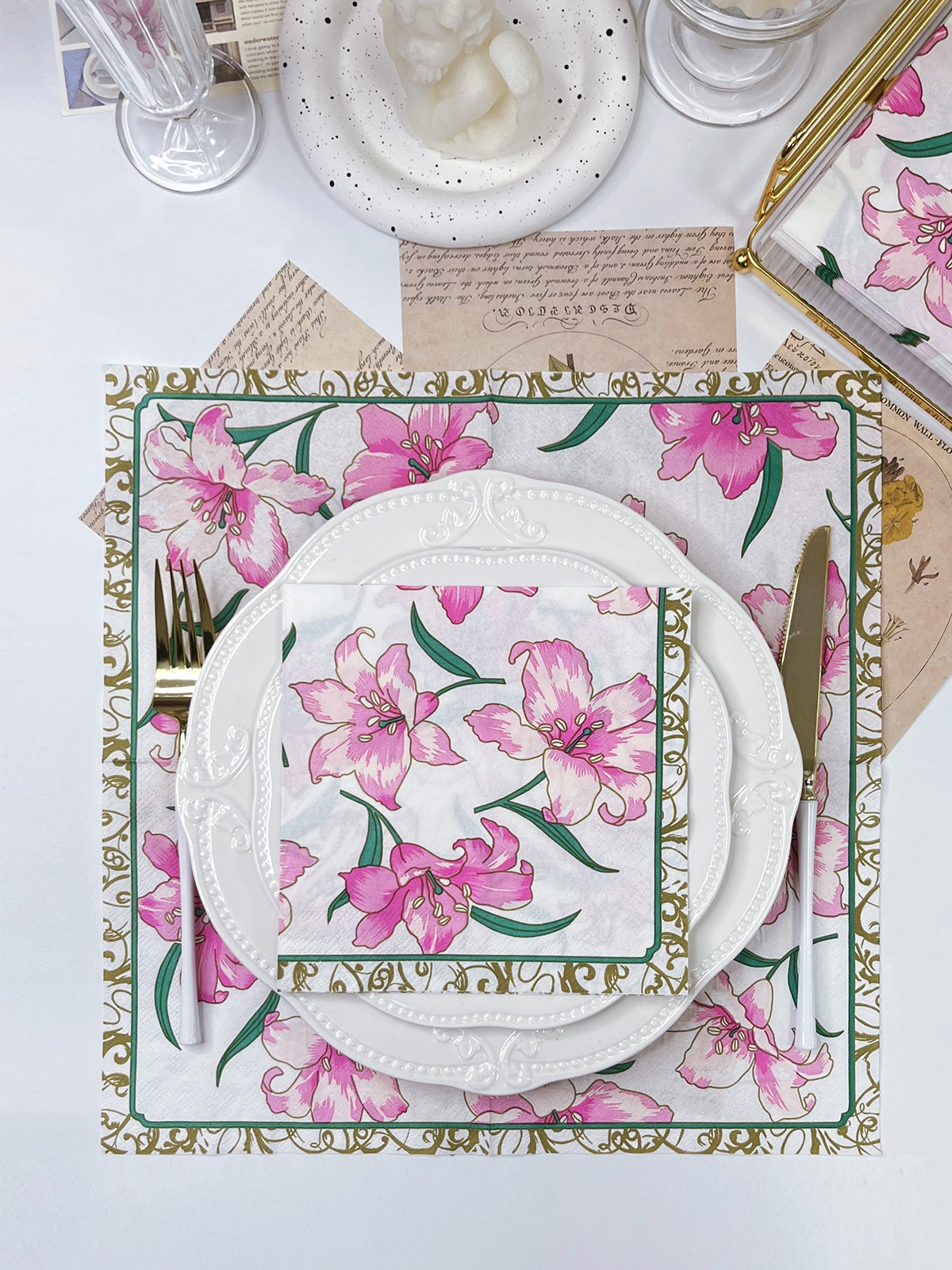
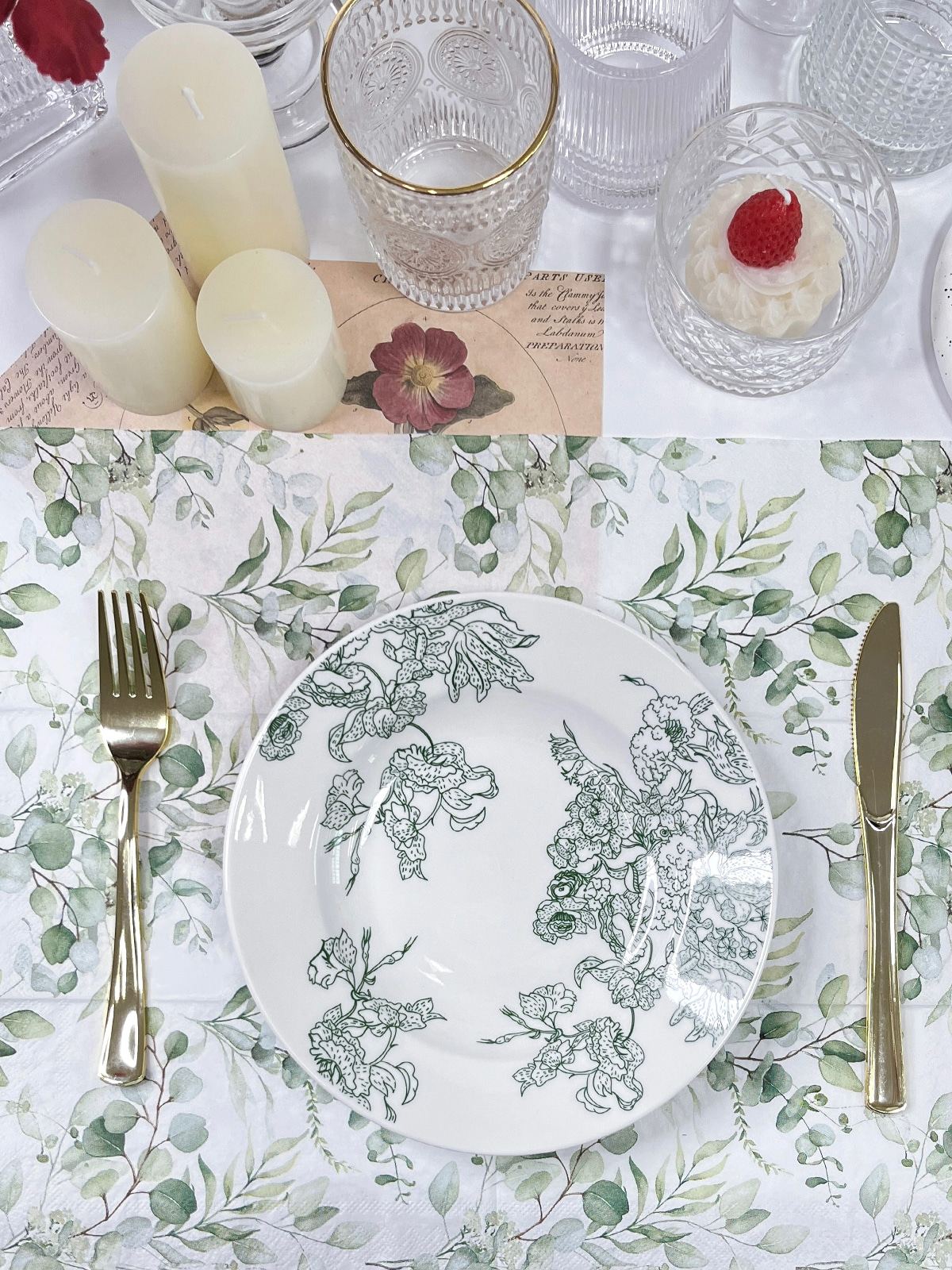
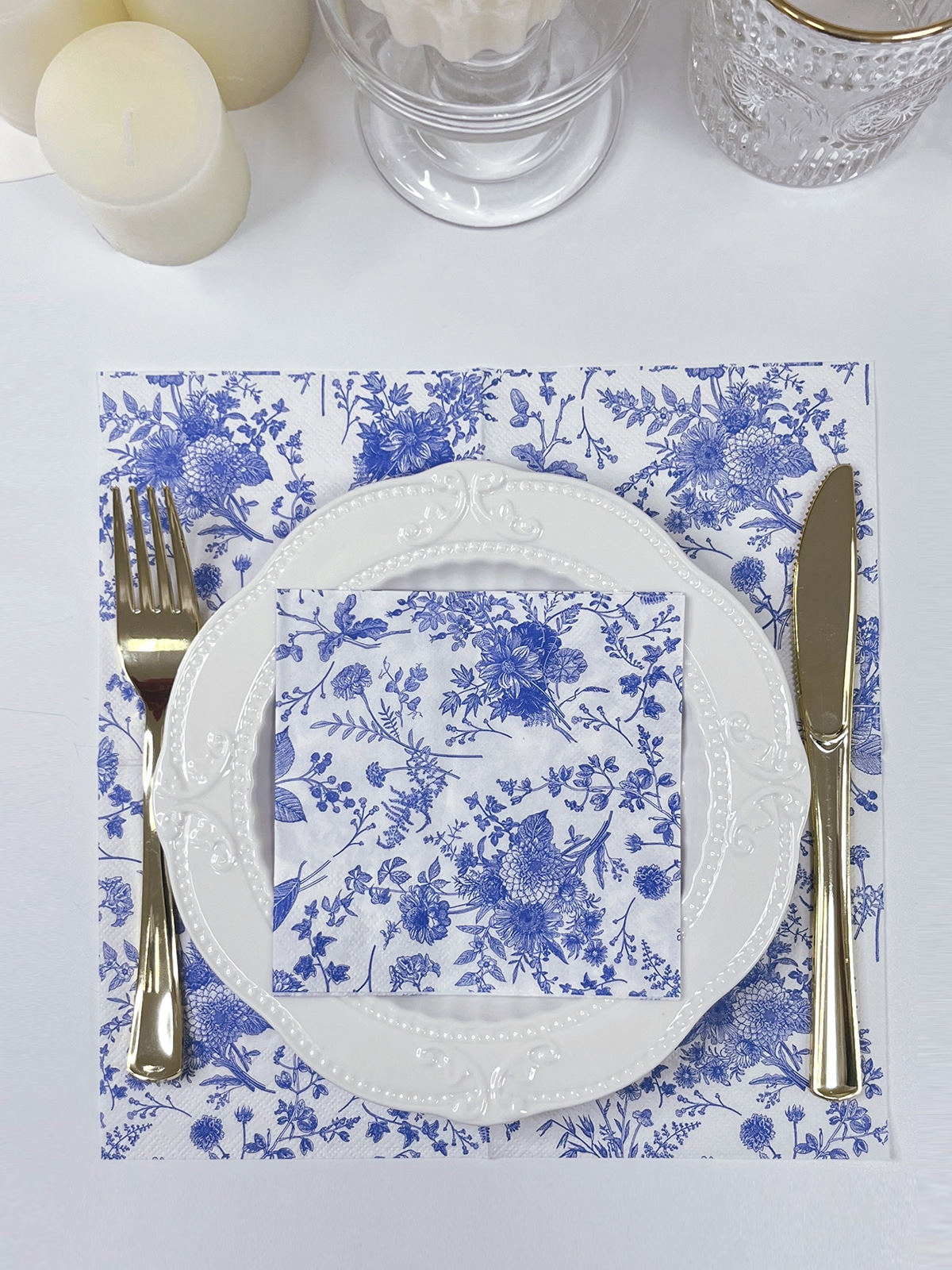
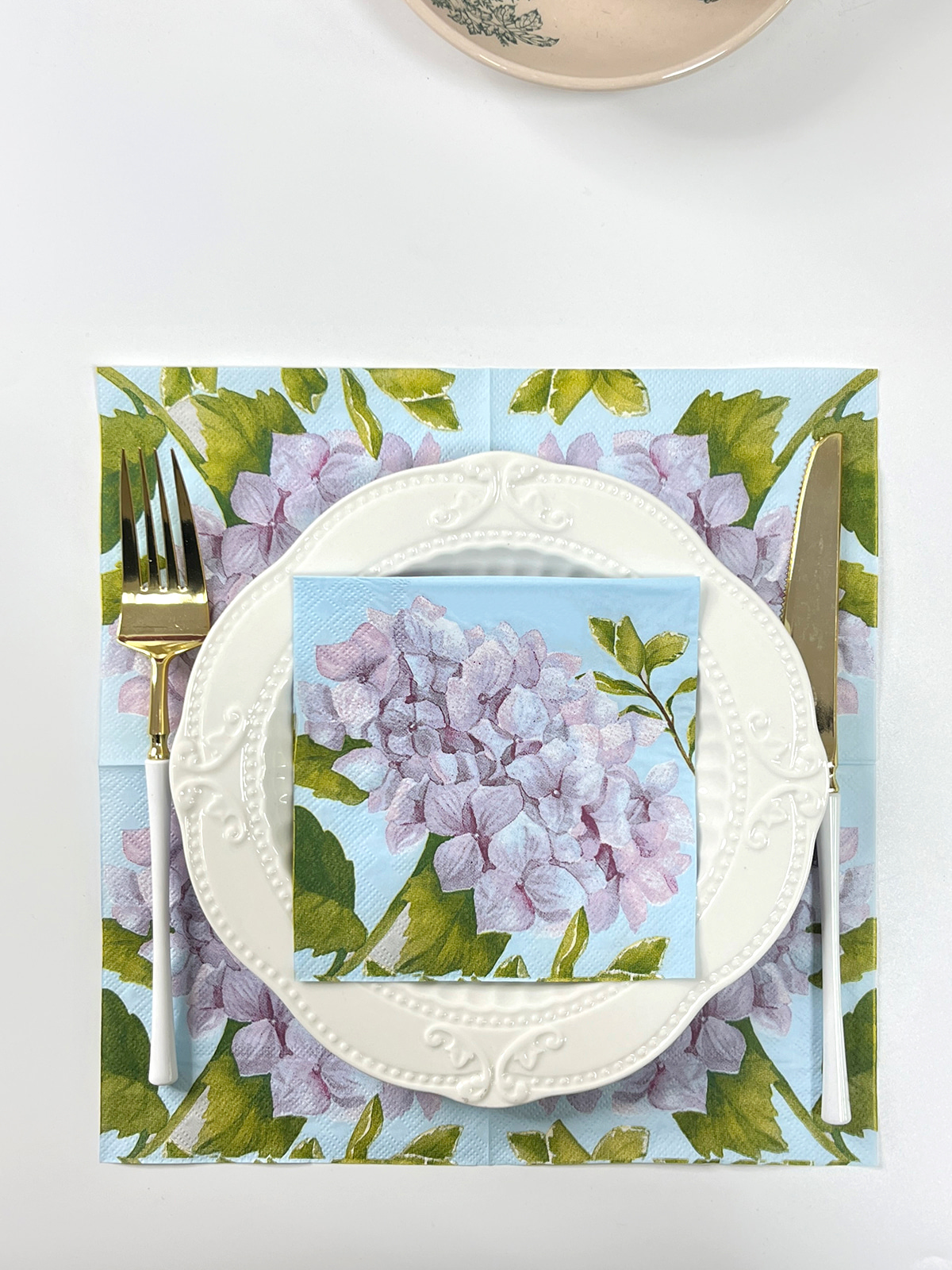
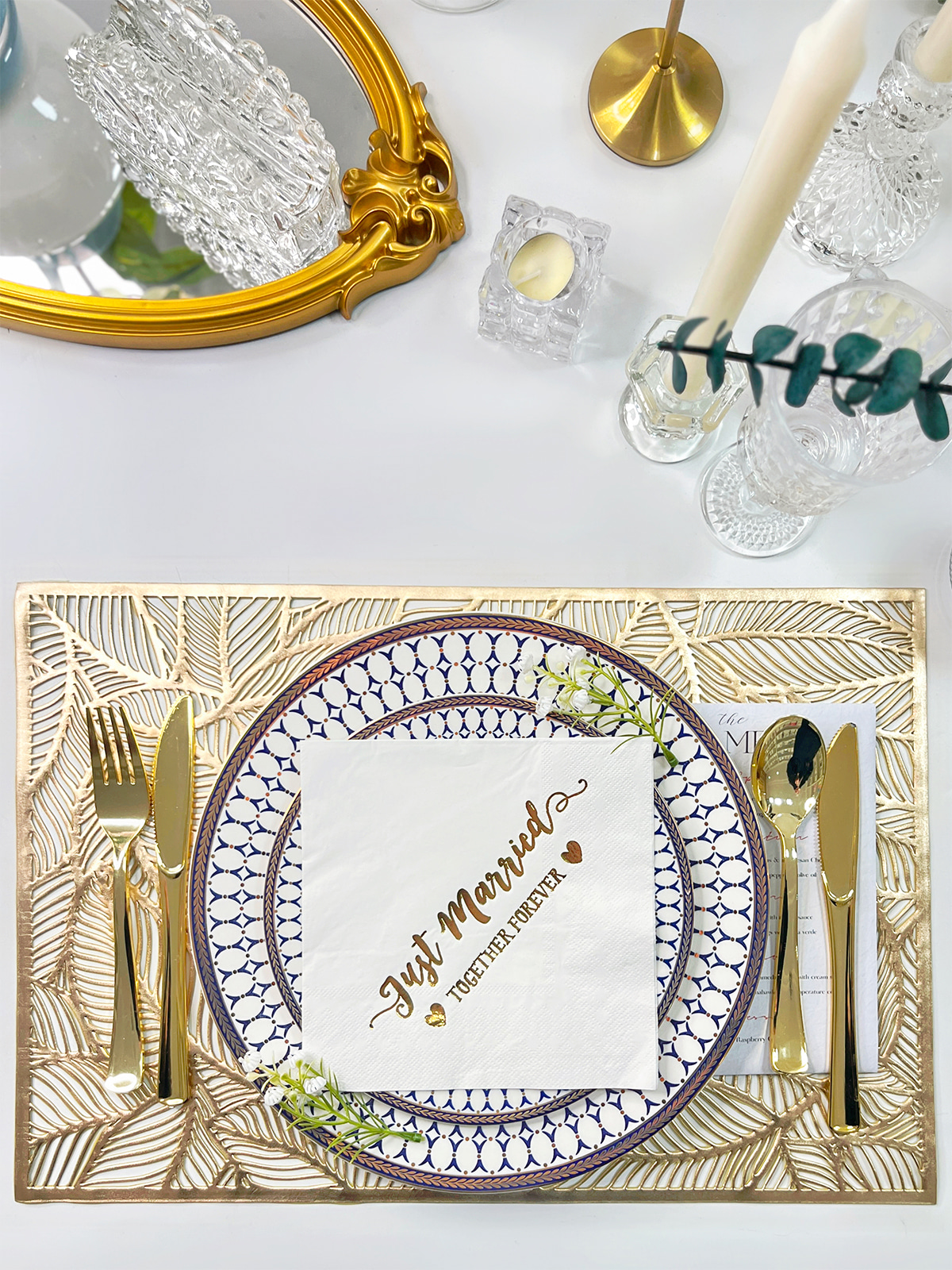
This perception matters more in some settings than others. Where presentation counts — catered events, formal dinners — the tactile experience of the napkin reflects back on the event itself, which is part of why Catering Paper Napkins so often lean toward multi-ply construction.
Capacity is simply the total amount of liquid a napkin can hold before it's done. And capacity tracks closely with how much material actually makes up the napkin.
Multiple layers hold more liquid than a single layer of the same overall weight — the gaps between layers add storage space, and each layer's fibers give liquid more surface to cling to.
| Characteristic | Single-Ply | Multi-Ply |
|---|---|---|
| Absorbency | Limited by one layer | Increased by multiple layers |
| Strength | Less tear resistance | Greater structural integrity |
| Feel | Thin, less substantial | Thicker, more substantial |
| Absorption capacity | Lower total capacity | Higher total capacity |
More material per napkin is really what drives this — a multi-ply sheet simply uses more paper than a single-ply sheet of the same size, and that extra material is where the added capacity comes from.
Not every setting needs that extra capacity, though. Casual environments can often get by fine with single-ply. Food service operations dealing with heavier spills — sauces, grease, drinks — tend to lean multi-ply because the higher capacity keeps up with what actually happens at the table, and Catering Paper Napkins in particular are chosen with exactly that kind of demand in mind.
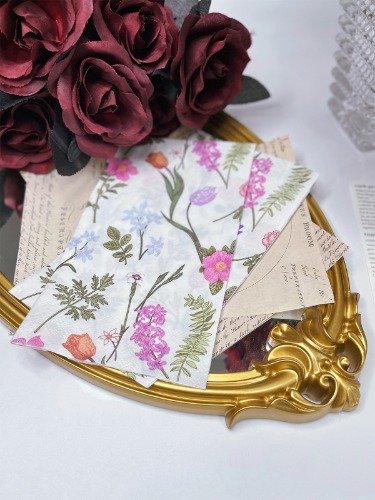
Single-ply and multi-ply napkins may share the same starting point, but they part ways quickly once production actually begins. The core papermaking process looks similar for both — multi-ply just tacks on extra steps to bring separate layers together into one finished sheet.
A single-ply product has a simpler path. It moves through the paper machine, comes out as a finished sheet, then gets cut, folded and packaged. There's only one layer to manage, so the process stays fairly linear.
Multi-ply production adds real complexity. Individual plies get made separately, then joined — often through embossing or bonding — so they don't come apart during actual use. The equipment involved has to apply adhesive or mechanical pressure precisely enough to hold everything together without compromising feel or absorbency.
Not every production line handles both types equally well. Some are built specifically for single-ply, others for multi-ply, and switching a line between the two takes time — time that eats into overall output.
| Manufacturing Aspect | Single-Ply | Multi-Ply |
|---|---|---|
| Number of layers produced | One | Two or more |
| Additional joining steps | None | Embossing, bonding or pressing |
| Production speed | Generally faster | May be slower due to extra steps |
| Equipment complexity | Simpler | More complex |
A Paper Napkin Factory running multi-ply lines has to stay on top of these extra steps carefully. Quality checks need to confirm the layers actually stay bonded and that the finished product meets the standard customers expect.
Ply count tends to track pretty closely with how formal or functional a setting is. It's rarely random.
Single-ply shows up constantly in casual dining — fast-food counters, cafeterias, takeaway spots. The priority in these places is basic function at low cost, and customers generally aren't walking in expecting a premium napkin experience anyway.
Multi-ply leans toward settings where appearance carries weight. Table-service restaurants, catered events, hotel dining rooms — here the napkin is part of the overall presentation, and a more substantial feel signals attention to detail that guests notice even if they can't name why.
A few specific situations push toward multi-ply regardless of general setting:
Catering Paper Napkins in particular often land at two or three plies precisely because presentation is part of the job — hosts want guests to have a good experience, and a flimsy napkin undercuts that goal in a small but noticeable way.
Single-ply napkins almost always cost less per unit. Less material goes in, and the manufacturing process stays simpler — both of which keep the price down. That makes single-ply attractive for anyone moving high volumes and needing to control cost per napkin closely.
Multi-ply asks for more of everything. Each sheet carries two or three times the paper of a single-ply equivalent, and the extra processing steps add their own cost on top of that. So the sticker price per napkin runs noticeably higher.
But the real cost picture isn't always so simple. Someone using two or three single-ply napkins per person might end up spending roughly the same as someone using one multi-ply napkin — meaning total cost of use, not just unit price, is often the number that actually matters.
Worth weighing when comparing options:
Since operating budgets vary a lot between businesses, a Paper Napkin Factory producing both types can serve genuinely different market segments — cost-focused buyers on one end, performance-focused buyers on the other.
Producing both single-ply and multi-ply means constantly balancing what's selling against how production capacity gets allocated. This isn't a set-it-and-forget-it kind of decision.
Dedicated lines run more efficiently. A line set up purely for multi-ply avoids the downtime that comes from switching formats, while a line juggling both types loses some output every time it changes over.
Order volume and market demand ultimately steer these choices. A Paper Napkin Factory watching incoming orders closely can adjust its schedule accordingly — some factories settle into specializing in one type, while others keep a full range running to capture more of the market.
Efficiency looks different depending on the product. Single-ply runs faster simply because there's less handling involved. Multi-ply takes more steps but often yields more value per ton of paper processed, since the finished product commands a higher price point.
Quality control shifts with product type too. Single-ply checks tend to focus on basic weight, strength and absorbency. Multi-ply adds layer bonding and ply separation to that list, since a napkin that looks fine but delaminates during use fails the customer just as badly as a torn single-ply sheet would.
A handful of factors tend to guide this decision more than anything else:
None of these factors work in isolation — a fast-food counter and a banquet hall will weigh them completely differently, and that's really the point. The right ply count comes down to matching the product to what the setting actually demands, not defaulting to whatever seems like the obvious or premium choice.
Related Products
Shopping for a reliable source of napkins?
Established in 2007 and located in Zhuji City, Zhejiang Province, Zhuji Furong Paper Products Co., Ltd. is a professional manufacturer of color-printed napkins. Enhance Your Event With Custom Printed Napkins.
Telephone
+86-15325932613
Address
Jianglong Industrial Park, Jiyang Street, Zhuji City, Shaoxing, Zhejiang, China.
Contact Us
Products
Contact Us
+86-15325932613
+86-575-87765556
+86-575-87765559
Jianglong Industrial Park, Jiyang Street, Zhuji City, Shaoxing, Zhejiang, China.
Party Printed Paper Napkins Manufacturer Customized Napkins And Paper Towels Factory
Copyright © by Zhuji Furong Paper Products Co., Ltd. Rights Reserved.

 English
 中文简体
中文简体