2026-05-18
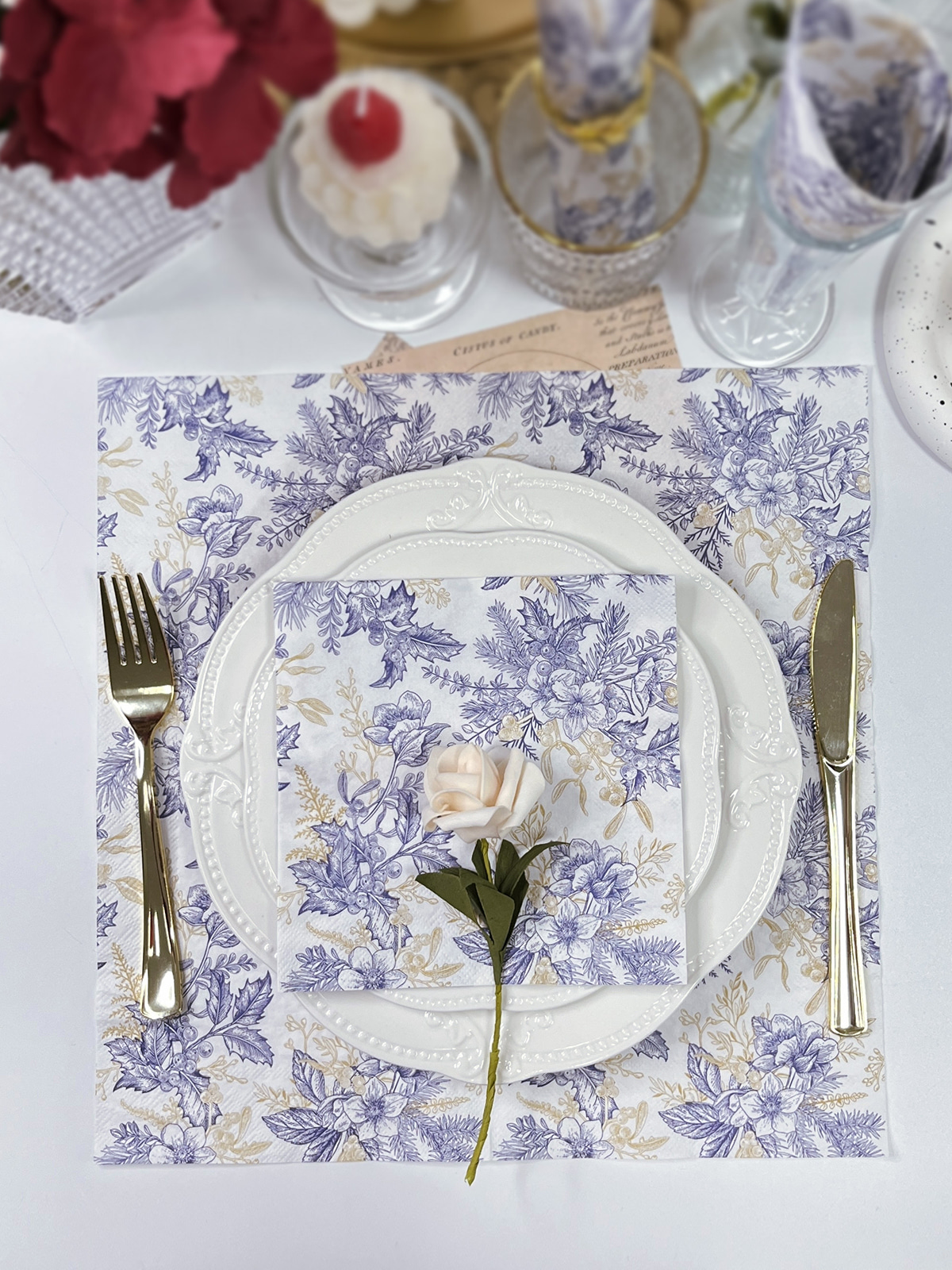
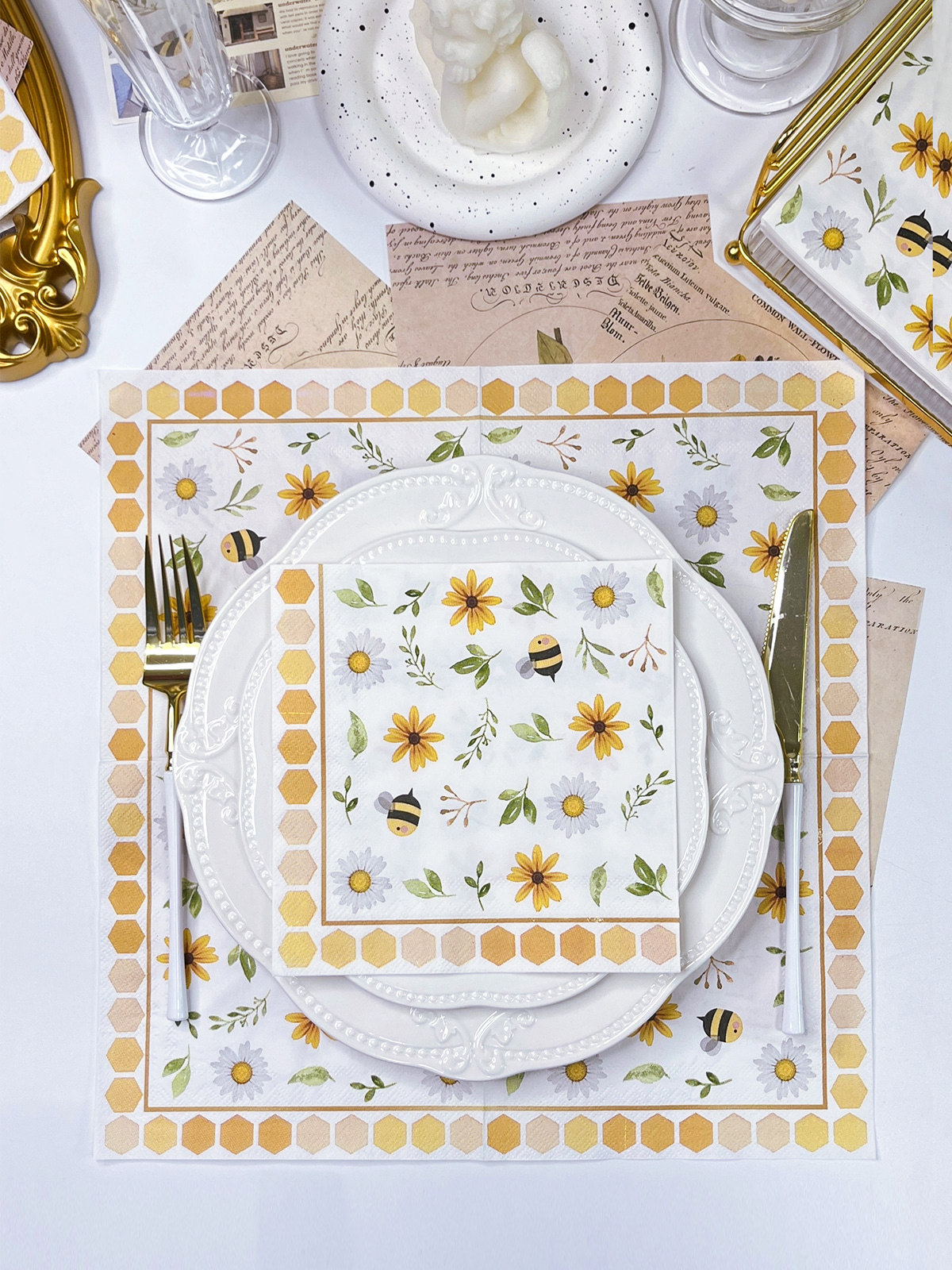
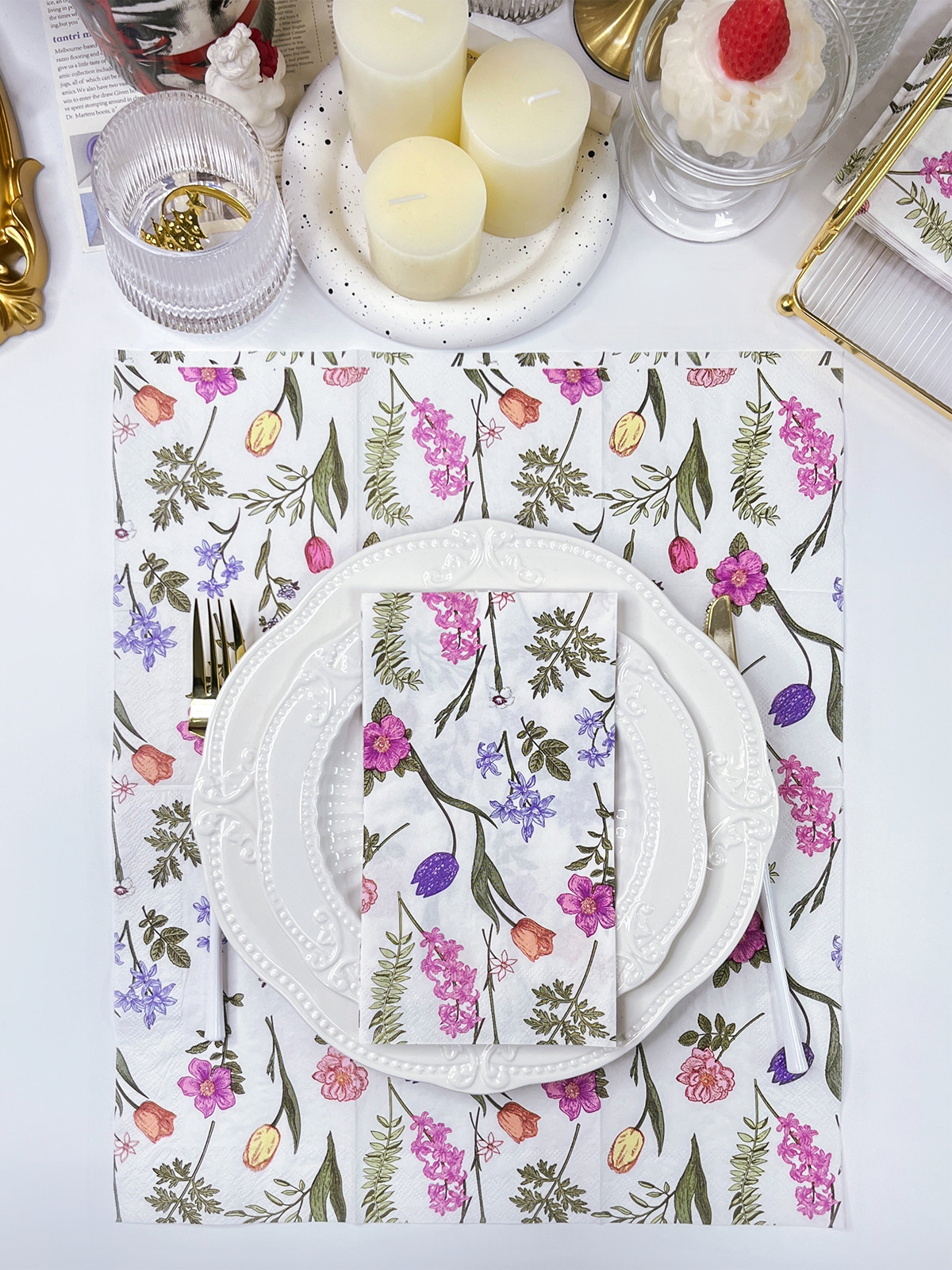
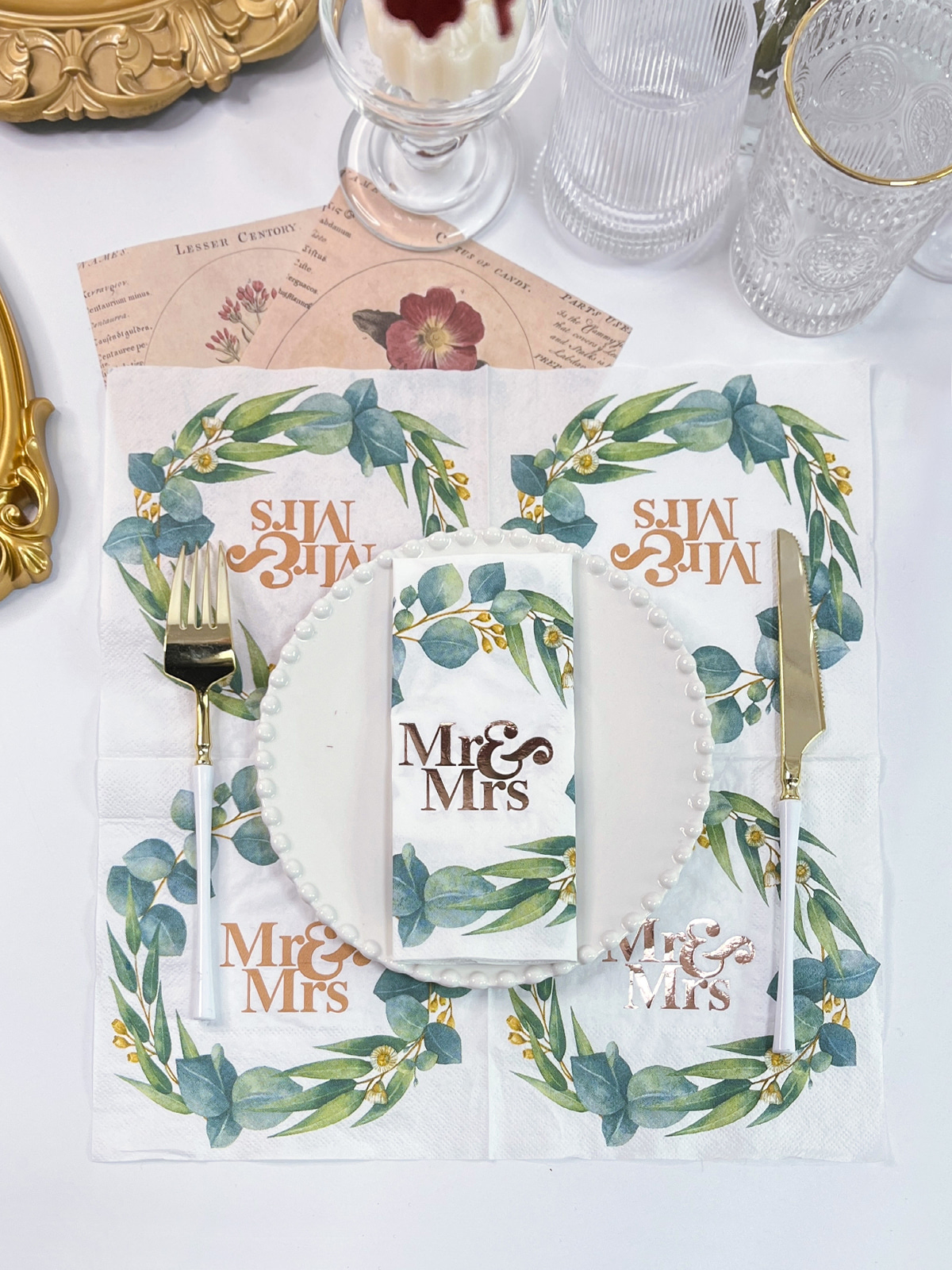
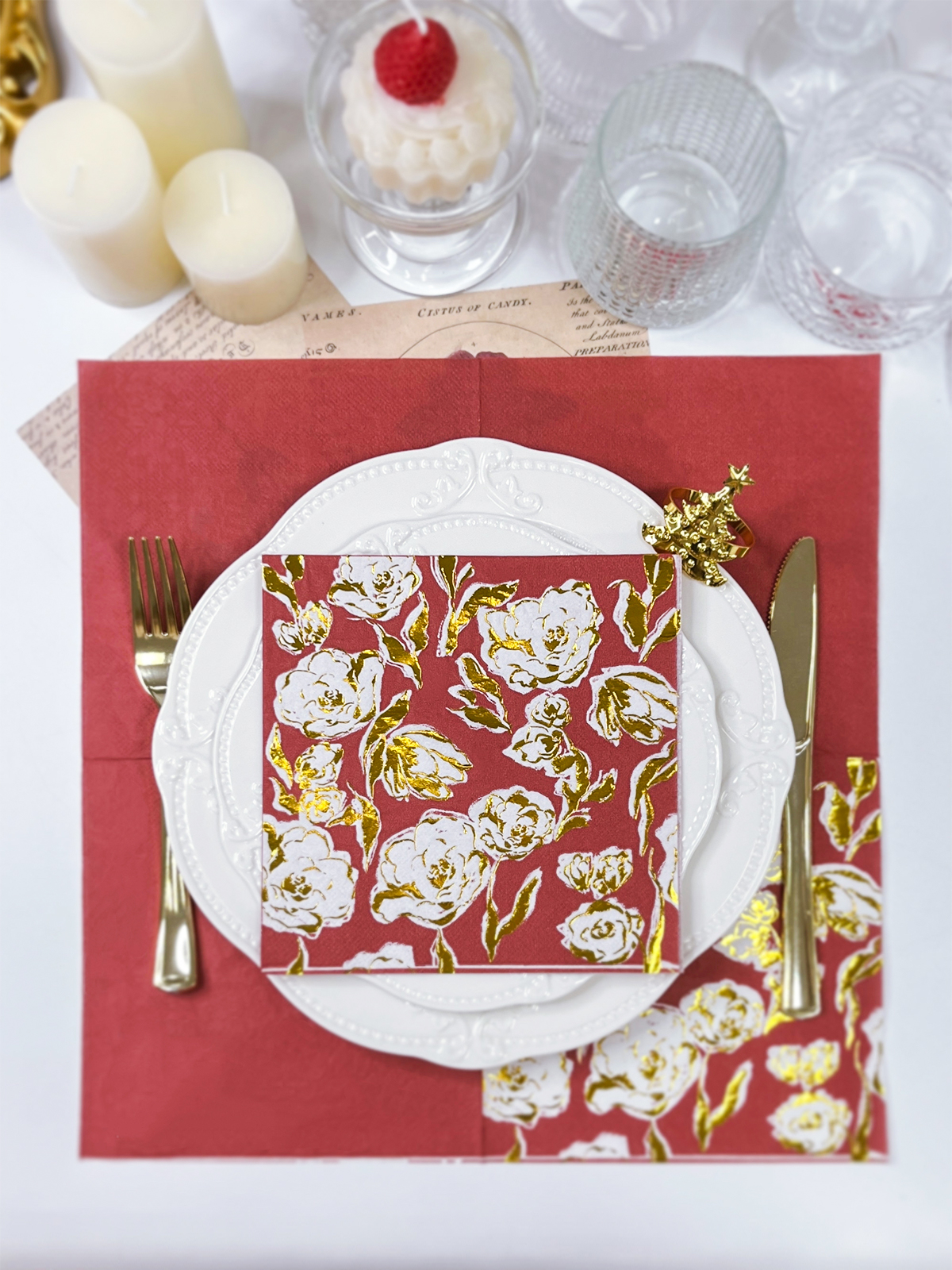
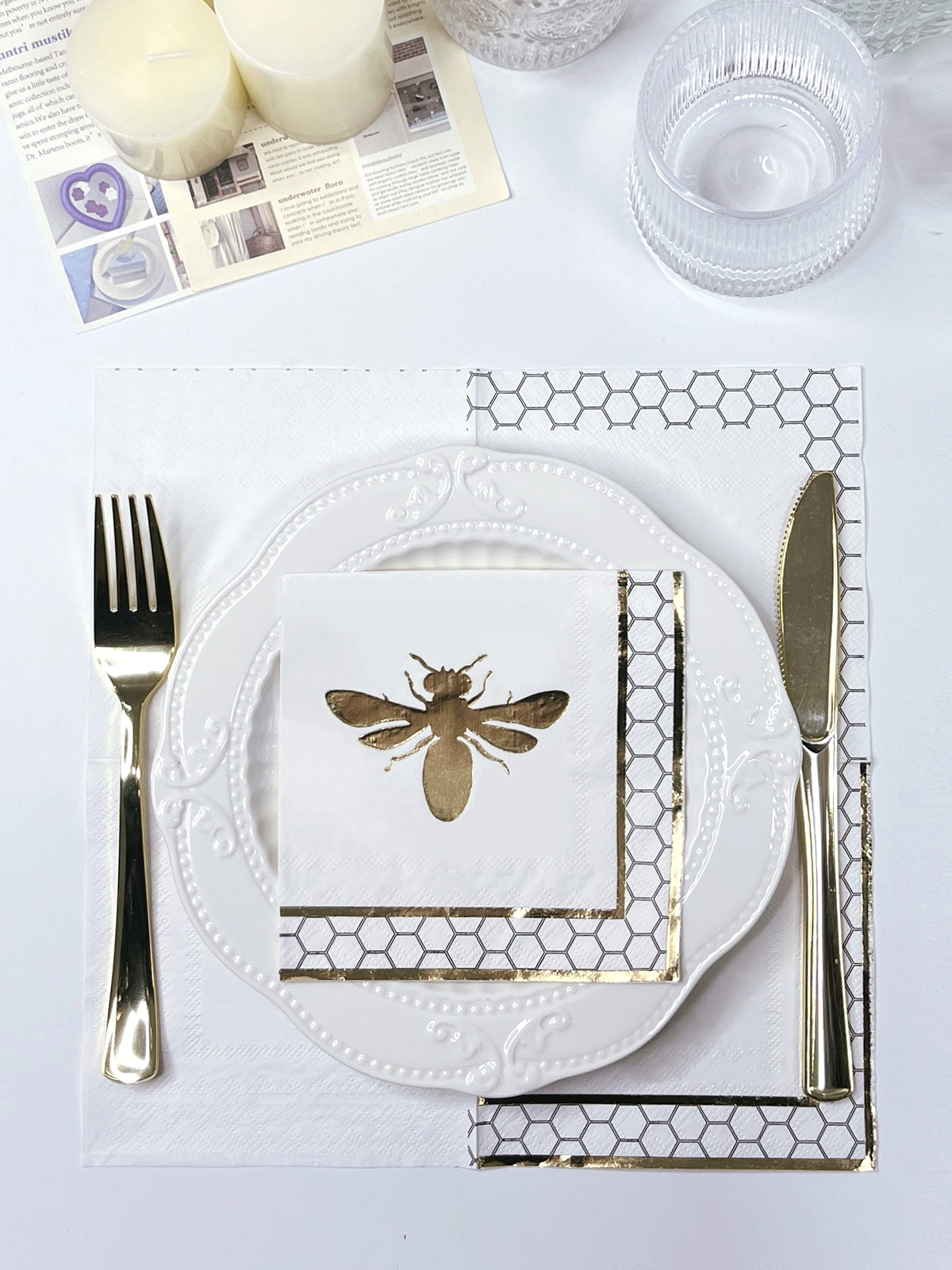
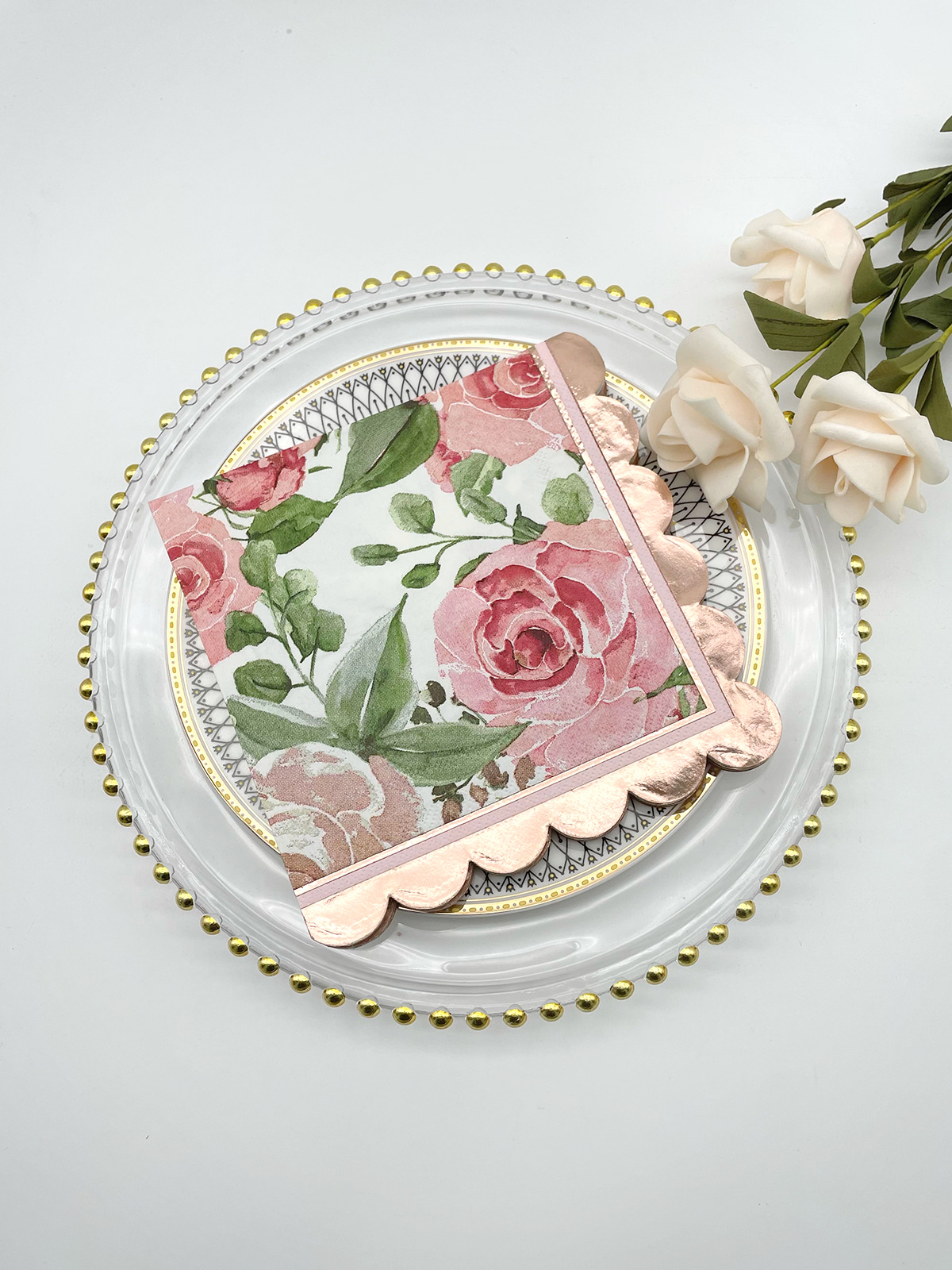
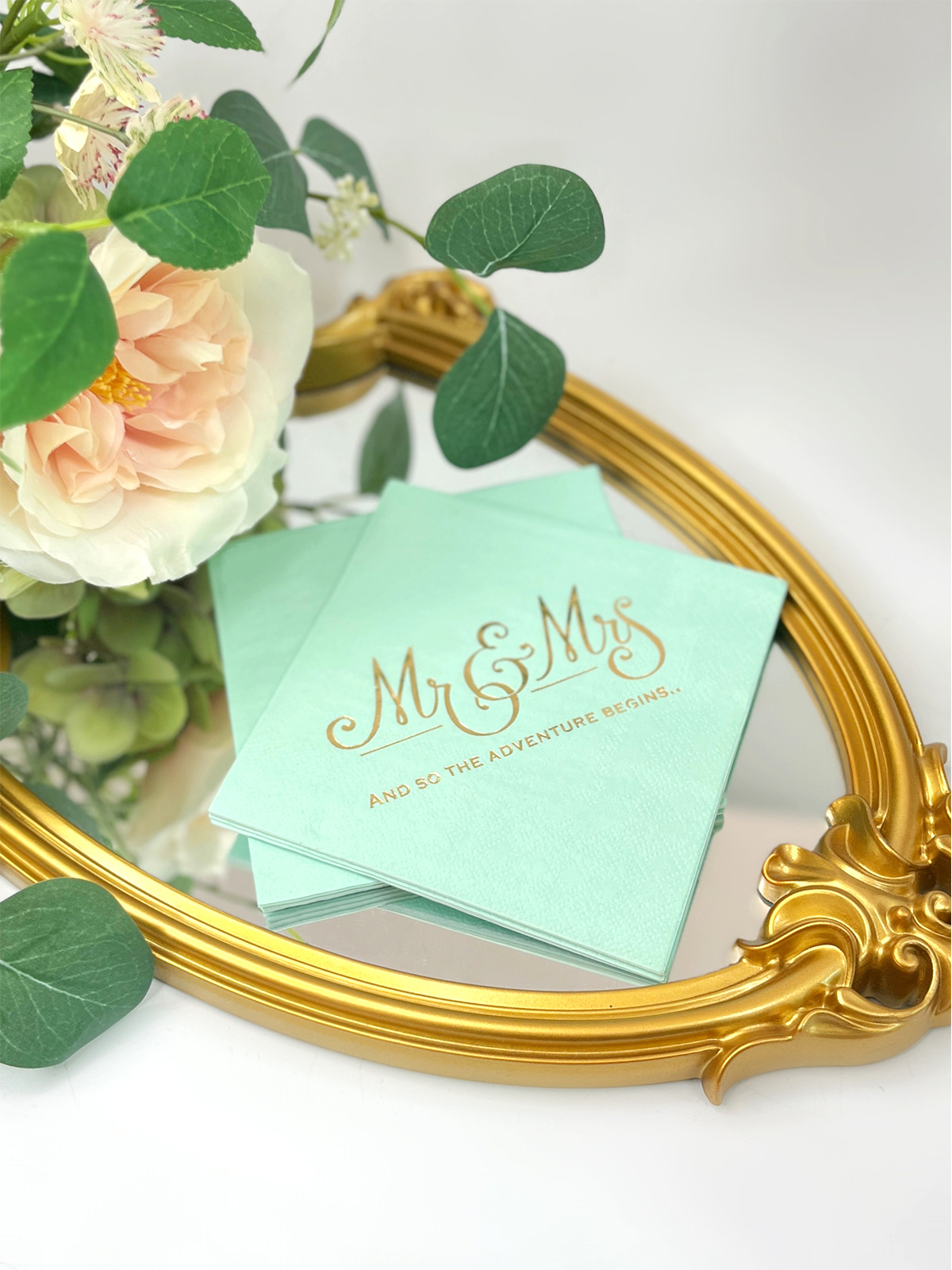
Wedding tables are no longer arranged only around flowers, lighting, or table shape. In many real setups, smaller items on the table are now given more attention because they affect how guests actually experience the meal. Paper napkins are one of those details that often get overlooked, but once the table is set, they sit right in front of every guest and naturally become part of the scene. That is where Custom Paper Napkins Wedding come into practical use.
In real planning work, napkins are usually not treated as decoration alone. They need to work in daily serving conditions. They get picked up, folded, moved, and used during the meal. So the choice of size and style is not just visual—it affects how smooth the table service feels.
On wedding tables, paper napkins are usually not random. They are matched with plates, spacing, and how food is served. A tight table layout behaves differently from a loose one. The napkin has to fit into that space without getting in the way. That is why size selection becomes one of the early small decisions in table planning.
Content
Napkin size is often underestimated, but in practice it changes how the table functions. A small napkin behaves differently from a larger one, not only in appearance but also in handling.
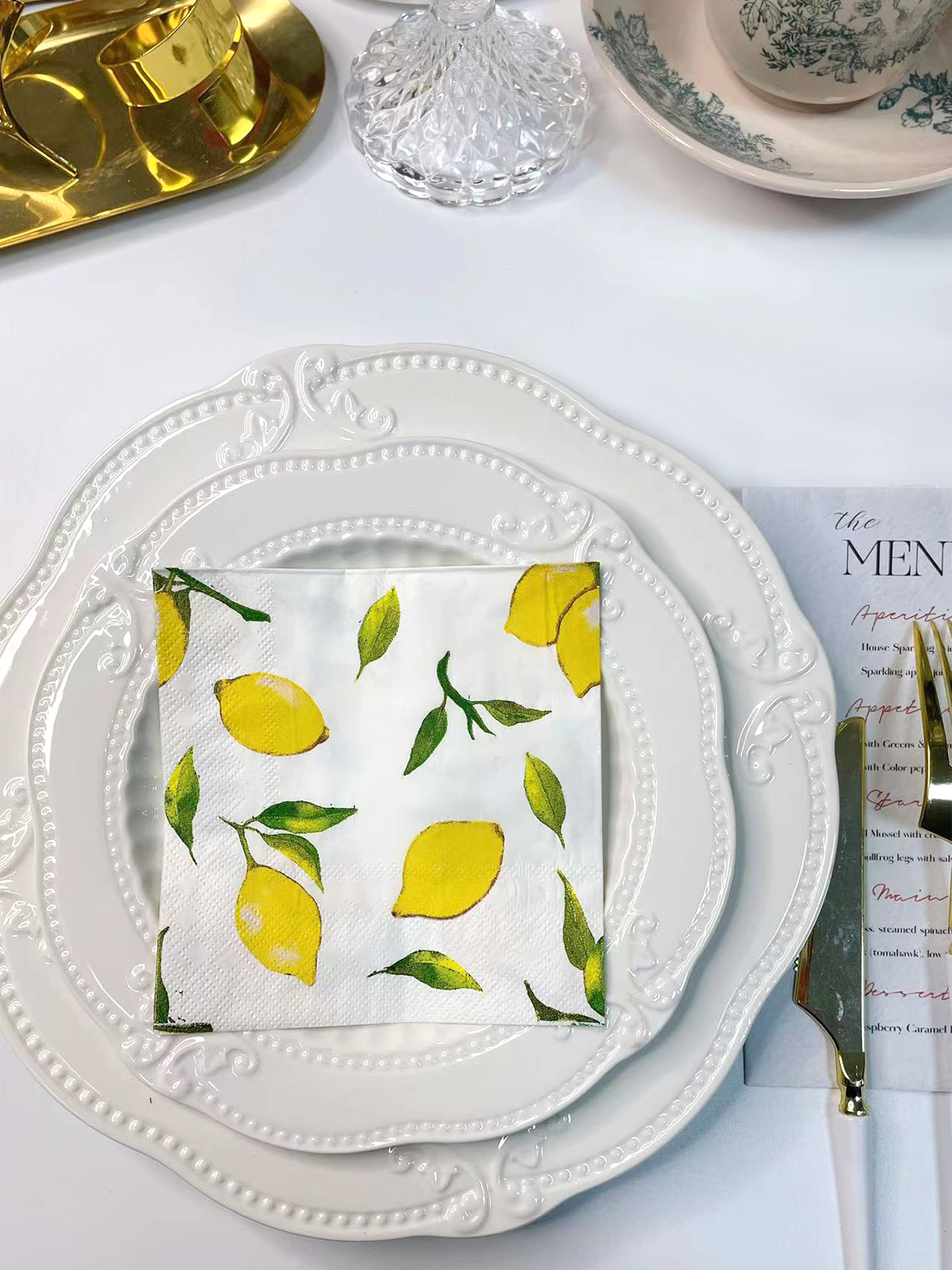
Smaller napkins are easier when the table is compact. They sit neatly beside forks or under utensils without taking much space. They are simple to place and simple to use, which makes them suitable for tables that already have a lot of elements.
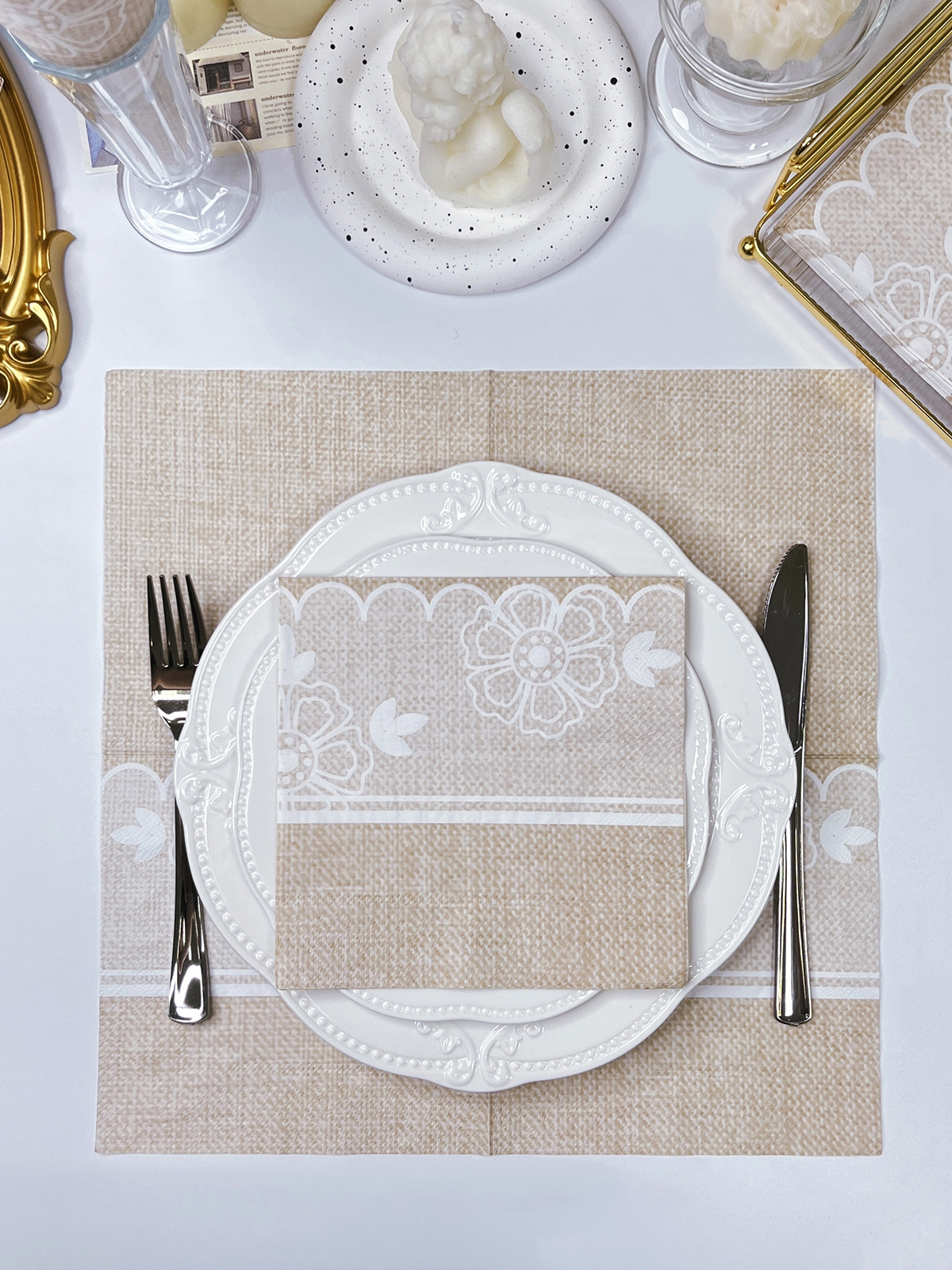
Larger napkins give more room for folding and presentation. They are often used when the table has more space or when the napkin is placed on top of the plate as part of the visual setup. However, they also require more careful folding so they do not feel bulky.
| Napkin Size Type | How It Feels on Table | Practical Use in Service |
|---|---|---|
| Smaller Format | Light, low presence | Quick placement, easy handling |
| Medium Format | Balanced look | Flexible for table layouts |
| Larger Format | More visible surface | Better for structured folding |
In real wedding setups, Custom Paper Napkins Wedding are usually chosen based on table spacing, not appearance. Once spacing is clear, size becomes easier to decide.
Style selection is less about decoration and more about matching the table's overall behavior. A wedding table with many elements already on it does not need napkins to stand out. In that case, simple styles are often used so the table does not feel crowded.
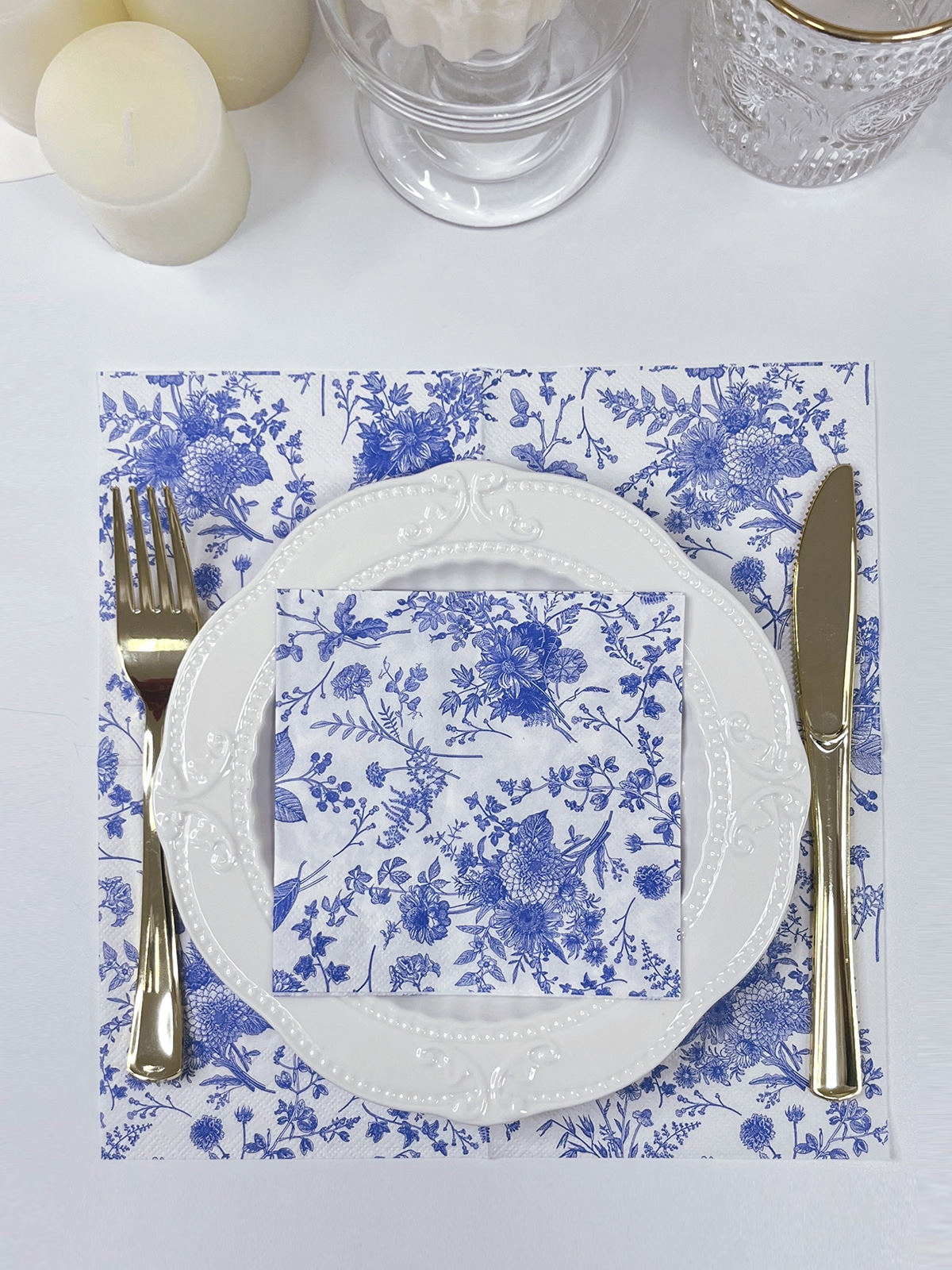
When the table design is very clean, napkins can carry slightly more visual detail, but still within limits. The idea is not to draw attention but to stay consistent with the rest of the setup.
Common practical style choices include:
Custom Paper Napkins Wedding are often selected based on how they behave when folded, not just how they look flat. A napkin that folds well usually fits better into real service work.
In actual use, texture matters more than people expect. A napkin is handled at least once by each guest, sometimes more. If it feels too stiff, folding becomes difficult. If it is too soft, it may lose shape on the table.
Good table use usually depends on balance. The napkin should:
In wedding service, staff often set tables quickly. Napkins that behave consistently during folding save time and reduce adjustments. That is why material choice is usually tested in real handling conditions before large setup.
Color is not only about decoration. It affects how clear the table looks when food, plates, and guests are all present. If everything is too similar, items can blend together. If contrast is too strong, the table can feel uneven.
In practical table planning:
Custom Paper Napkins Wedding are usually selected to support the table's background rather than stand apart from it.
Folding is where size and style meet real use. A napkin is not just placed—it is shaped. That shape has to work with both space and service flow.
Common folding approaches include:
In practice, folding is often adjusted during setup based on how much space is left between items. Even small changes in spacing can affect how a fold looks once the table is complete.
While appearance matters, the real test of a napkin is how it performs during the meal. Guests do not interact with table design in a planned way—they just use what is in front of them.
A workable setup usually means:
Table design changes depending on space. Indoor venues often allow tighter and more controlled setups. Outdoor spaces usually require looser arrangements because of movement and environmental conditions.
Napkin selection is adjusted based on:
In tighter layouts, smaller and simpler napkins work better. In open layouts, there is more room for folding and presentation.
Once the table is set and guests begin to sit down, the role of paper napkins shifts from planning detail to actual daily use. At that moment, what matters is not how they were chosen, but how smoothly they fit into the dining process. In real wedding environments, Custom Paper Napkins Wedding are judged more by behavior on the table than by appearance during preparation.
During a wedding meal, guests interact with table items without thinking about design. They simply reach for what is in front of them. If a napkin is easy to pick up, easy to unfold, and does not disturb other table items, it works quietly in the background.
In real use, a well-prepared napkin setup usually shows a few simple qualities:
These details are small, but they decide whether the table feels smooth or slightly awkward during service. Even a visually good setup can feel uncomfortable if napkins are difficult to handle.
Custom Paper Napkins Wedding are often selected with this daily use in mind, not just visual design. The table only works well when guests do not need to adjust anything themselves.
Every wedding venue behaves differently. Some spaces are tight with closely arranged tables, while others are more open with wider movement paths. Napkin placement needs to follow that structure instead of fighting against it.
In tighter spaces:
In open spaces:
Service flow also matters. If food is served in multiple steps, napkins should remain stable on the table without needing adjustment. If service is fast-paced, simpler arrangements usually work better.
A wedding table is rarely about one item. It is a combination of plates, glassware, center pieces, and spacing. Napkins sit inside that structure, not outside it.
Good table harmony often depends on repetition and consistency. If every table looks slightly different, the overall space feels uneven. If napkins are placed in a similar way across tables, the room feels more stable and organized.
Practical points often considered:
Custom Paper Napkins Wedding support this balance by staying visually quiet while still connecting all table elements together.
In actual planning work, napkin selection is not handled in isolation. It usually comes after table layout, seating arrangement, and serving style are already decided. Once those elements are clear, napkin choices become more straightforward.
A practical selection process often follows simple thinking:
There is usually no need for overcomplication. The goal is to make sure napkins fit naturally into what is already planned, not to reshape the table around them.
Even though napkins are small items, they influence how the entire table is perceived during use. If they are too large, they can crowd the space. If they are too small, they may feel incomplete when placed on the table.
Other subtle factors also play a role:
These are not design rules, but practical observations from real setups. Over time, small improvements in these areas make table service feel more stable.
In wedding table environments, paper napkins are part of a larger system rather than a separate decoration element. Their size, style, and placement all affect how smoothly guests move through the dining experience.
When handled with simple and practical decisions, Custom Paper Napkins Wedding help keep the table clear, usable, and visually steady without drawing attention to themselves.
Related Products
Shopping for a reliable source of napkins?
Established in 2007 and located in Zhuji City, Zhejiang Province, Zhuji Furong Paper Products Co., Ltd. is a professional manufacturer of color-printed napkins. Enhance Your Event With Custom Printed Napkins.
Telephone
+86-15325932613
Address
Jianglong Industrial Park, Jiyang Street, Zhuji City, Shaoxing, Zhejiang, China.
Contact Us
Products
Contact Us
+86-15325932613
+86-575-87765556
+86-575-87765559
Jianglong Industrial Park, Jiyang Street, Zhuji City, Shaoxing, Zhejiang, China.
Party Printed Paper Napkins Manufacturer Customized Napkins And Paper Towels Factory
Copyright © by Zhuji Furong Paper Products Co., Ltd. Rights Reserved.

 English
 中文简体
中文简体