2026-05-04
Content
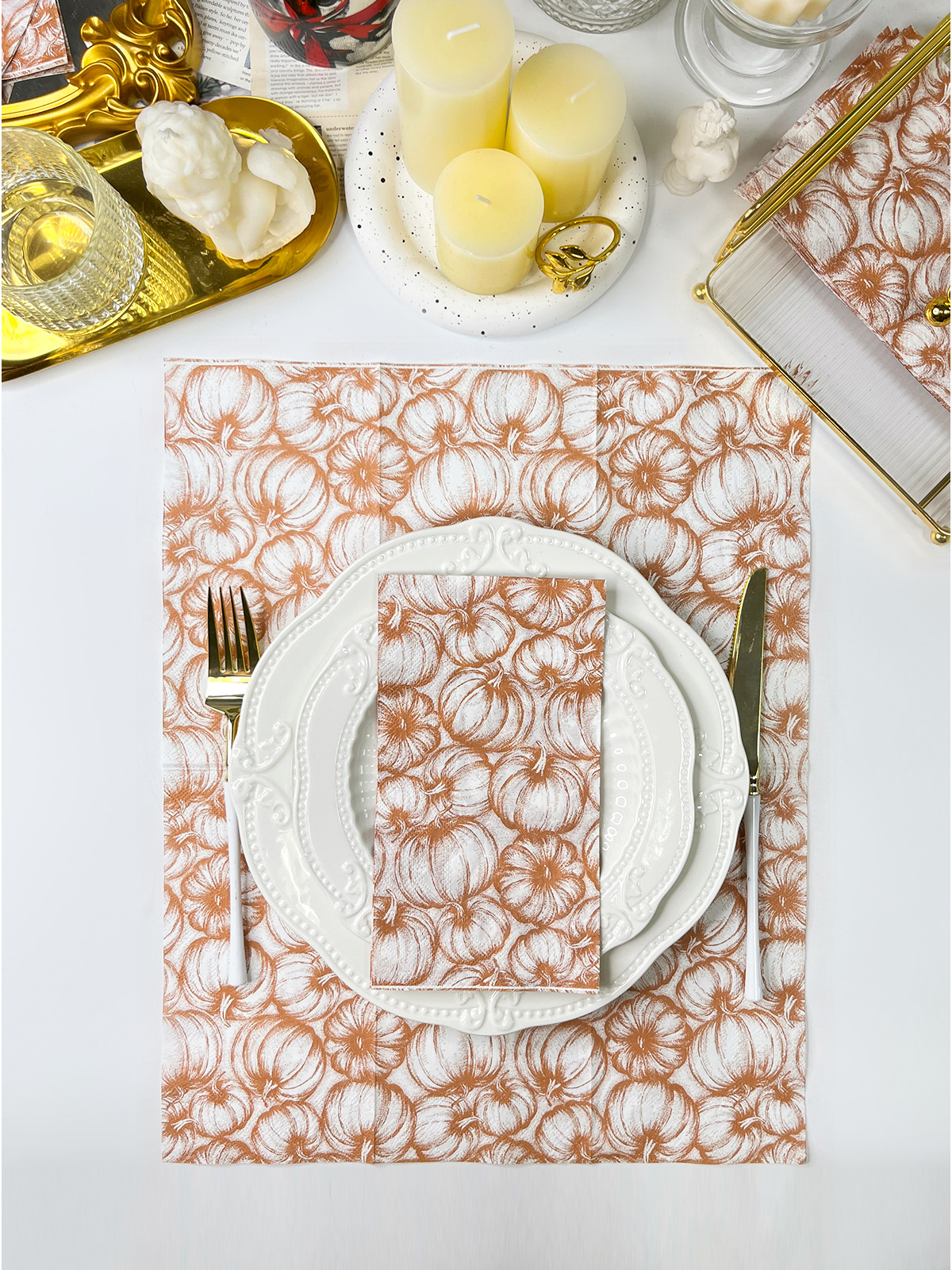
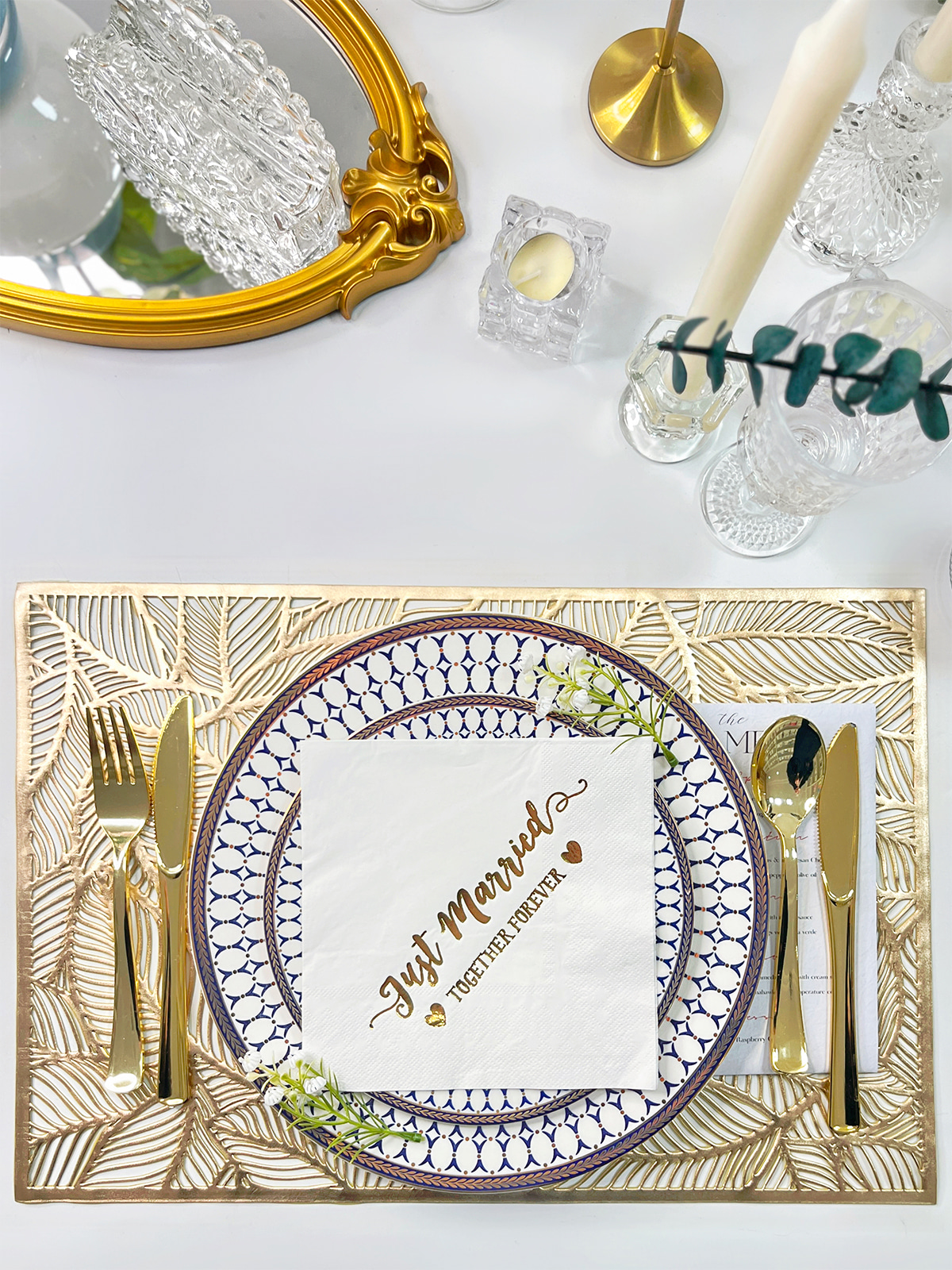
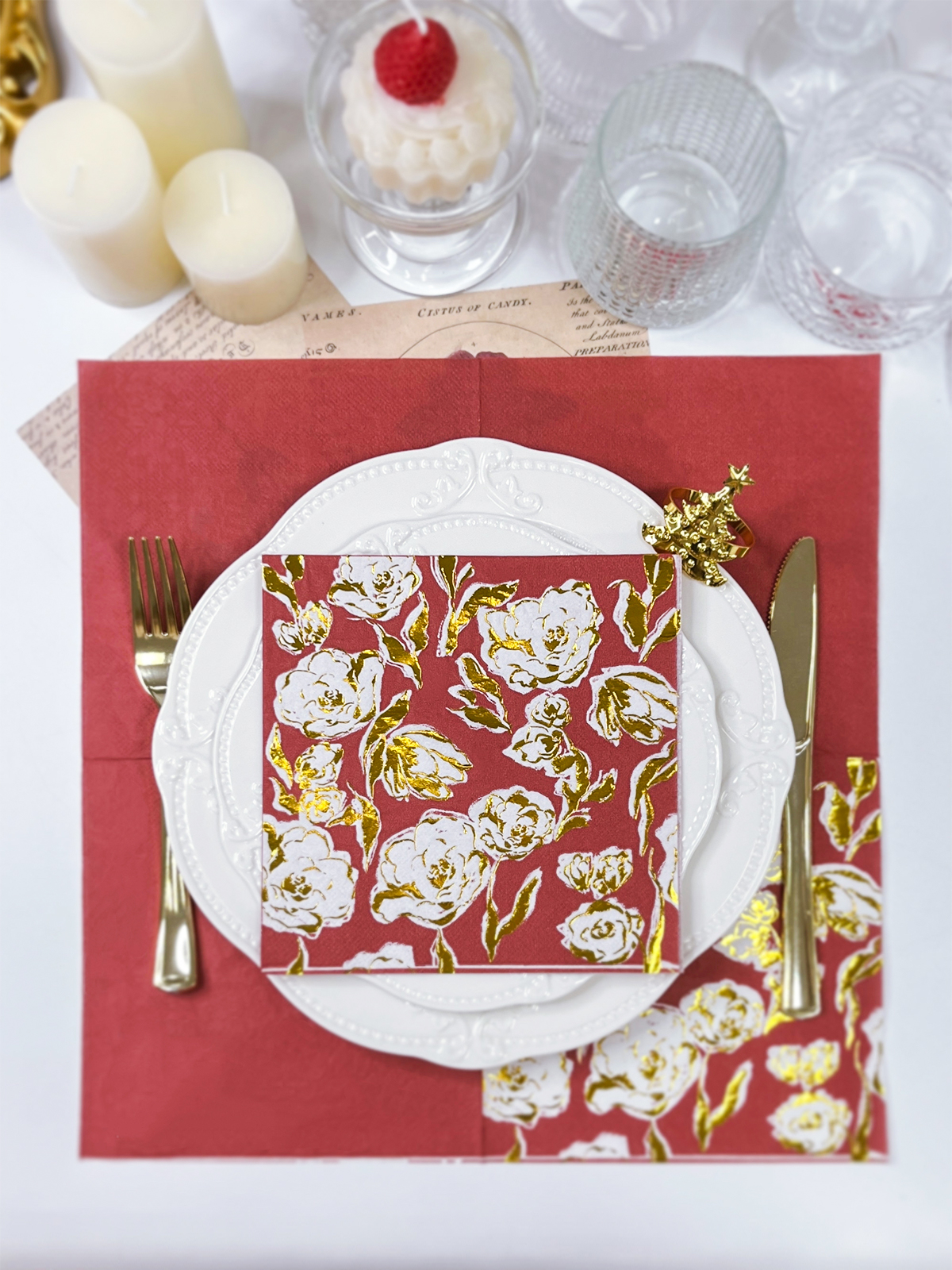
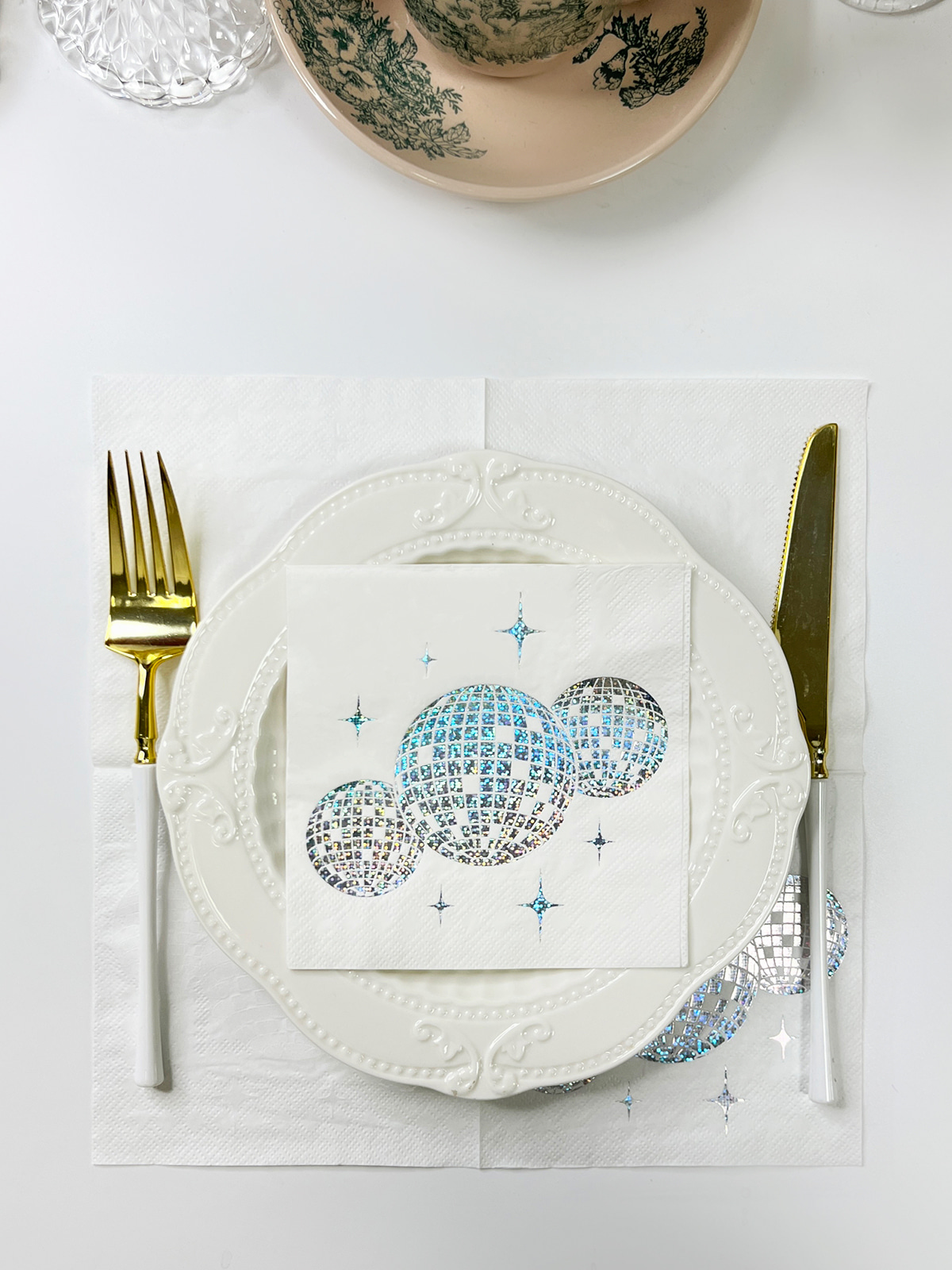
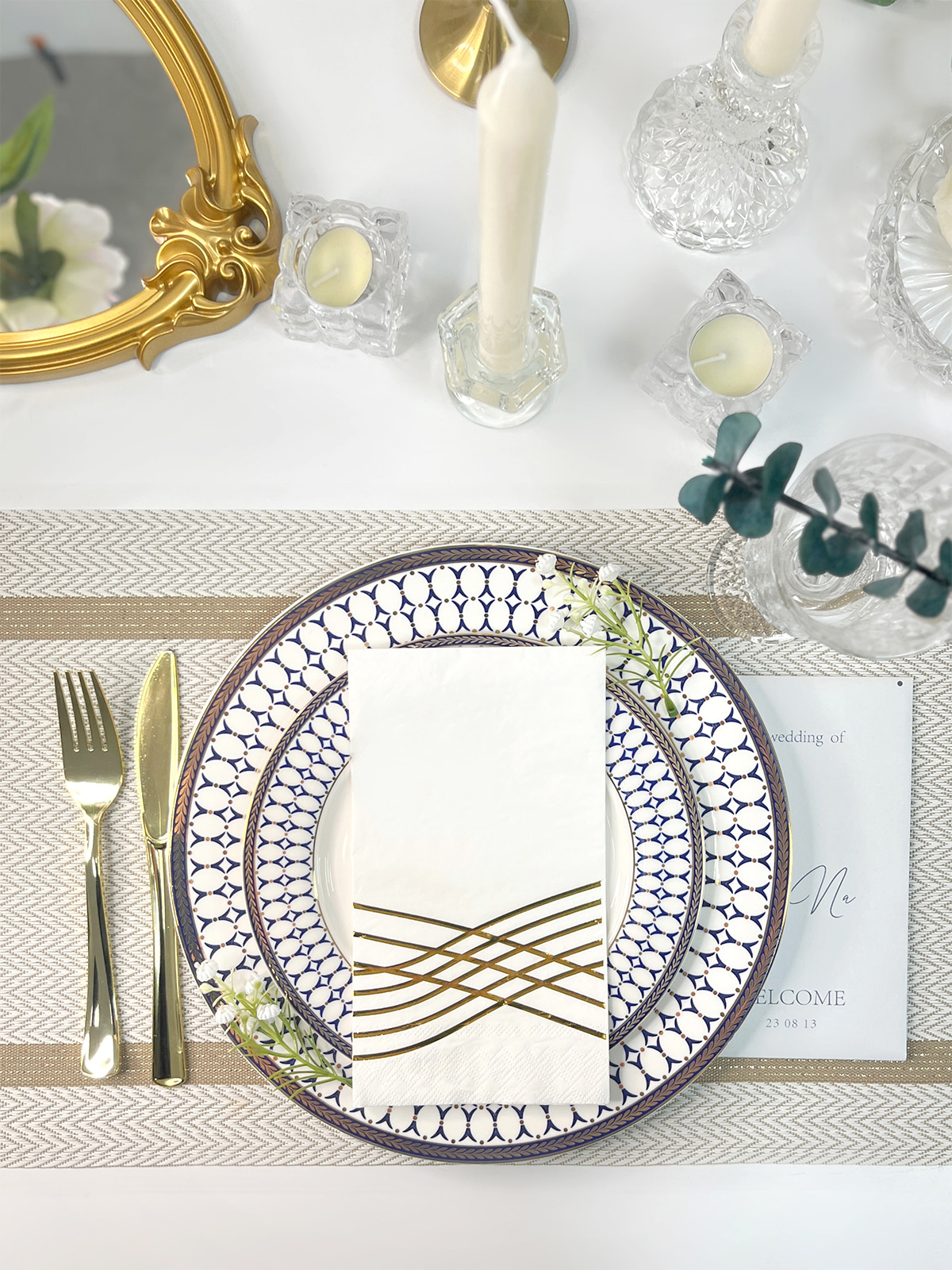
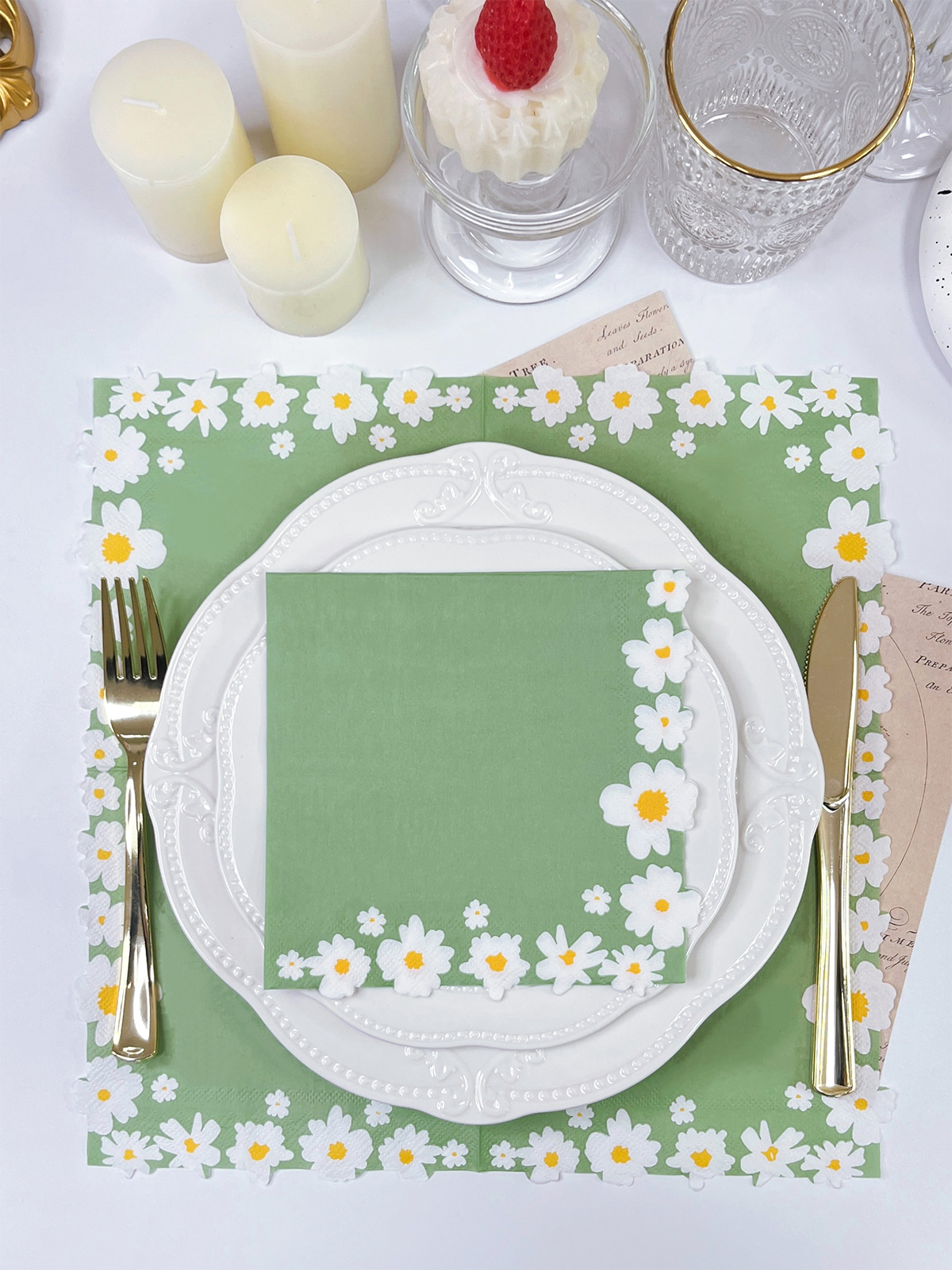
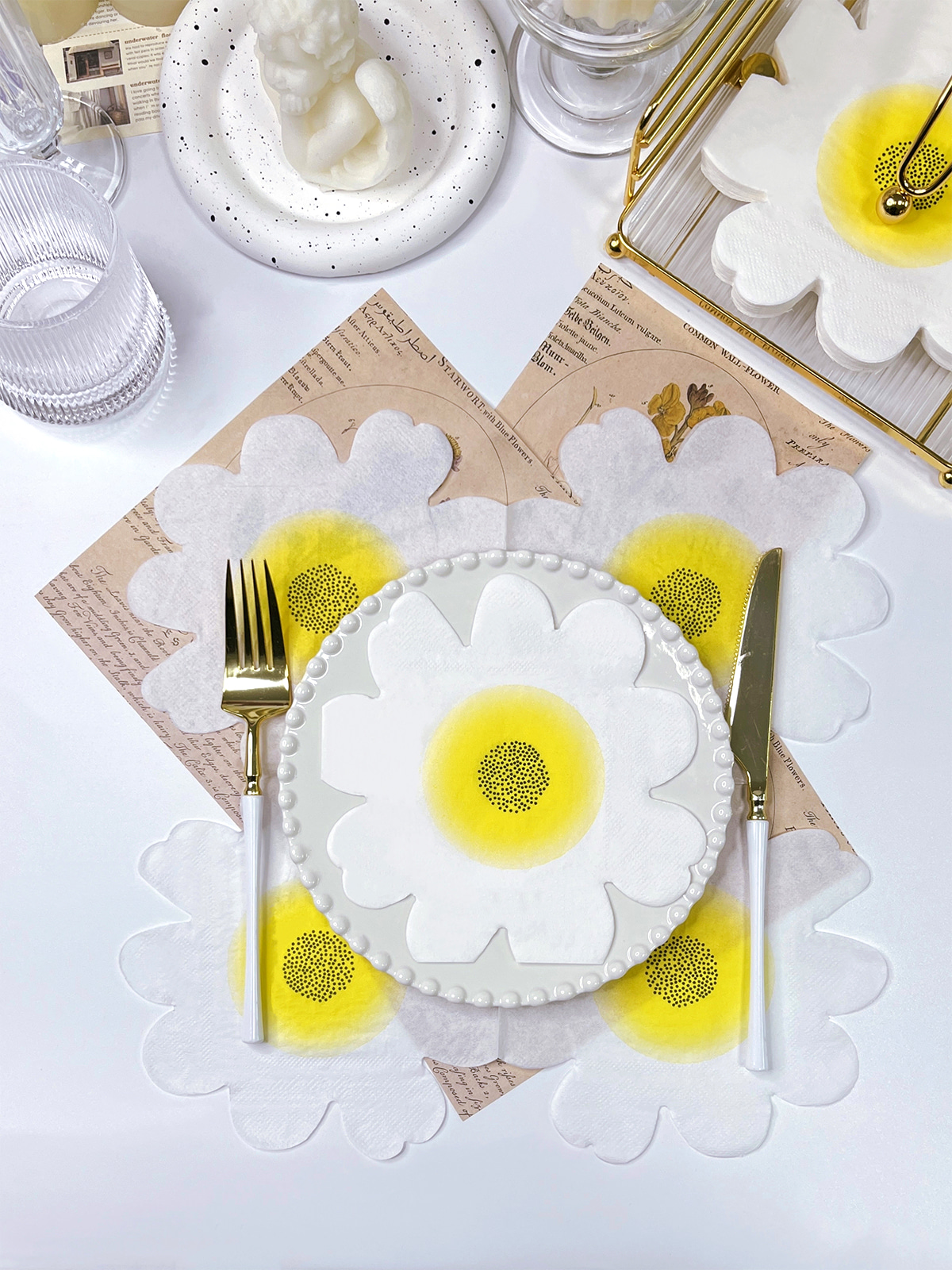
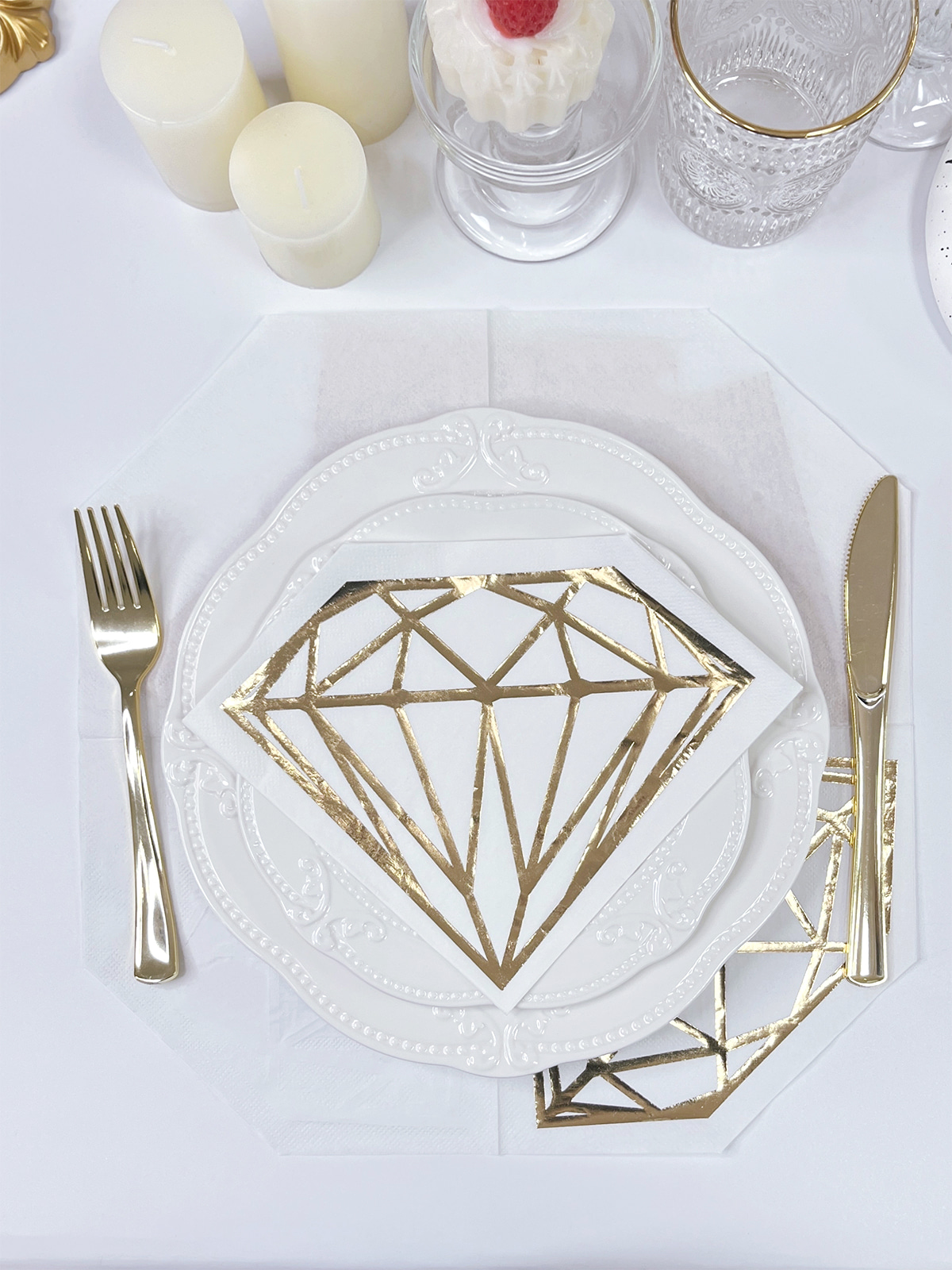
Paper napkins used in gatherings are usually simple. They are picked up, folded, placed on tables, and used without much attention. When printing is added to their surface, they take on a slightly different role. These are often referred to as Party Printed Paper Napkins, where the surface pattern and basic function sit together in one thin sheet.
Even though the product looks light and ordinary, the way it is made is not random. Everything starts from material choices. Fibers, surface behavior, and how the sheet is formed all decide how the napkin will perform later. A small change in fiber mix can affect how soft it feels or how well a printed pattern stays in place.
In daily production practice, the goal is usually not to make something complicated. It is more about keeping a steady balance between softness, folding ability, and surface stability for printing.
A Party Printed Paper Napkins Manufacturer typically adjusts material combinations in a practical way, depending on how the napkin will be used. In many production areas where companies such as Zhuji Furong Paper Products Co., Ltd. are part of the broader industrial landscape, material control is often handled step by step during processing rather than only at the final stage.
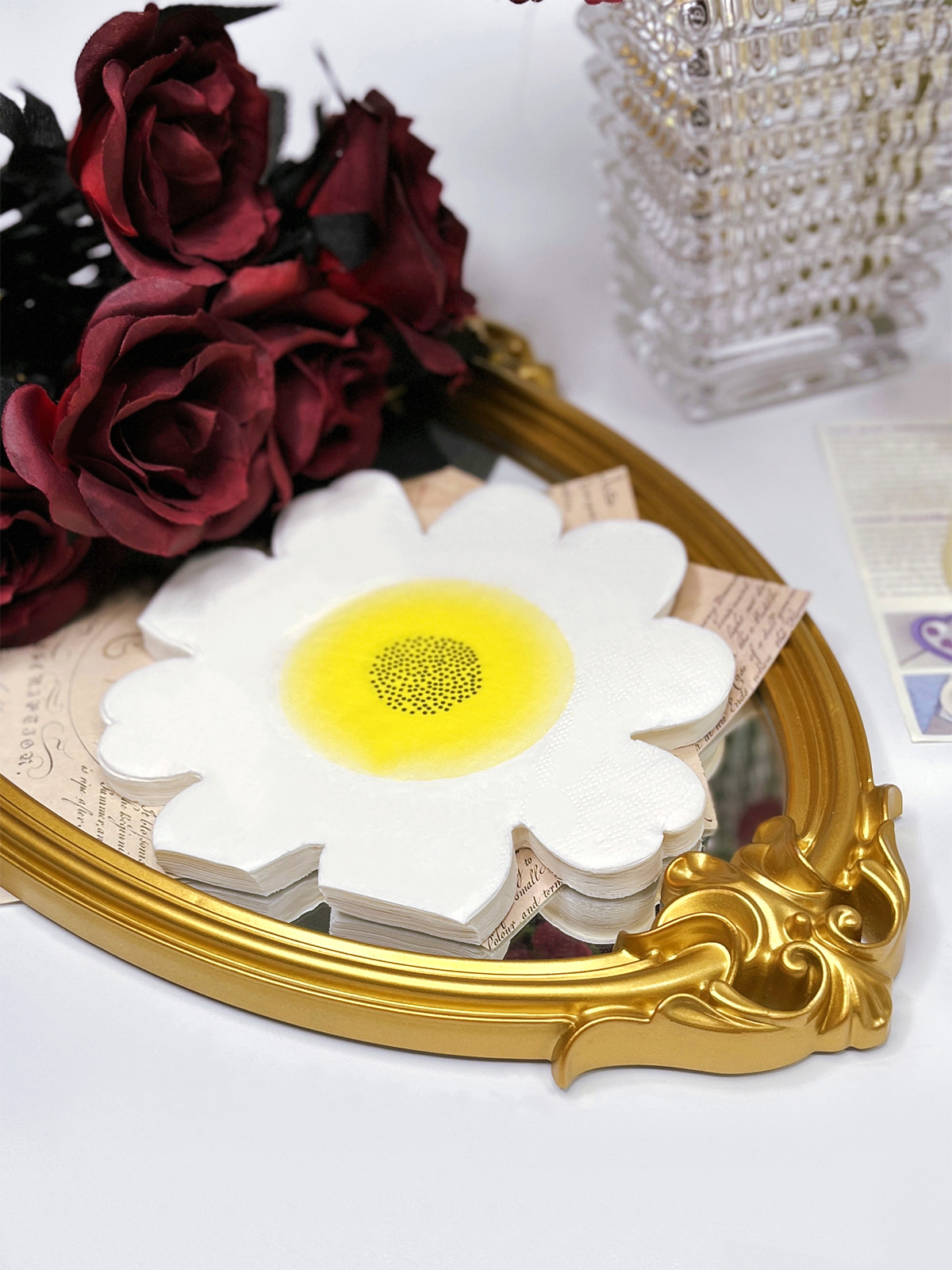
A paper napkin is often seen as a single sheet, but under closer attention, it behaves more like a layered structure. These layers are not clearly separated, but each one has a different role.
The surface is the part that meets both ink and touch. It is kept relatively smooth so that printed patterns can sit on it without breaking into uneven lines.
Below that, there is a supporting layer that helps the napkin keep its shape. This part is more about structure than appearance. It helps the sheet stay intact when it is folded or lightly pulled.
Inside the material, fibers connect and hold everything together. This internal network is not visible, but it decides how stable or loose the napkin feels.
In simple terms:
Folding is where these differences become noticeable. If the fiber arrangement is uneven, the napkin may shift slightly at the edges after folding. If it is balanced, the shape stays more stable during handling.
The base of Party Printed Paper Napkins starts with fiber materials that are turned into pulp and then formed into sheets. These fibers are usually chosen from natural sources because they can be broken down and reshaped into thin layers.
Different fibers behave in different ways. Some create a softer surface, while others give a bit more internal strength. Instead, fibers are blended so that their behaviors can support each other.
The aim of blending is not to change the nature of the paper, but to keep it steady during use.
Common roles of fibers include:
Moisture during this stage also plays a quiet role. If there is too much water, the structure becomes uneven when forming sheets. If there is too little, the fibers do not connect well. The usable range sits between these two conditions and is adjusted based on how the sheet forms.
At this stage, the goal is not appearance. It is simply to create a stable base that can move forward into shaping and printing.
Before any printed pattern appears, the material goes through preparation steps that are not visible in the final product but have a strong influence on how it behaves.
This helps reduce uneven texture and creates a more consistent surface. Without this step, ink may spread unevenly or form unclear edges.
After that, the density of the sheet is adjusted. If the sheet is too loose, ink can sink in too quickly. If it is too compact, ink may stay on the surface without settling properly. The balance between these two states is adjusted during processing.
Once the sheet is formed, it is allowed to stabilize. This helps reduce small shape changes that can appear during drying or handling.
| Stage | What Happens | Effect on Material |
|---|---|---|
| Fiber refining | Surface becomes more even | Better print response |
| Density control | Adjusts openness of sheet | Stable ink behavior |
| Sheet forming | Creates flat base | Consistent structure |
| Stabilizing | Settles structure | Reduced shape change |
Each step builds toward a surface that can handle printing without losing structure during folding or use.
When printing begins, the surface of the napkin becomes very important. It is not just a passive layer. It directly affects how ink behaves.
If ink spreads too quickly, the pattern loses clarity. If it stays on the surface too long, it may shift when the napkin is handled. The surface needs to sit between these two behaviors.
This depends on:
Sometimes a light surface adjustment is used to guide ink behavior. It does not change the material itself but helps control how ink settles.
Printed patterns on Party Printed Paper Napkins are usually simple, but even simple designs rely on stable surface behavior.
In addition to fiber materials, small functional components may be added during production. These are not meant to change the identity of the napkin but to support its behavior during use.
Their role is usually practical:
These materials work with the fiber network rather than replacing it. They are part of fine adjustment steps that help the napkin behave more consistently in different conditions.
For a Party Printed Paper Napkins Manufacturer, these adjustments are often made based on how the napkin will be used in practice, whether for simple decoration or everyday handling.
Some napkins include surface texture created through embossing. This is done by pressing patterns into the material rather than adding extra layers.
The process depends on how the fiber structure responds to pressure. If the material is too rigid, patterns may not form clearly. If it is too soft, the pattern may fade after handling.
Key factors include:
Embossing changes how the surface feels and can also help with grip during use. Even simple patterns can make the surface more structured without changing the basic material composition.
Material choice for Party Printed Paper Napkins is not only about how the napkin looks or feels in use. A lot of it starts much earlier, at the stage where fibers are selected and prepared. In real production settings, the behavior of raw material can change depending on storage condition, moisture level, and how long it has been kept before processing.
Natural fiber sources are often used because they can be broken down into pulp and reshaped into thin sheets. Still, different batches of fiber may not behave exactly the same. Some may absorb water faster, while others may feel slightly firmer during processing. These small differences are usually not obvious, but they can show up later during sheet formation or printing.
In practice, material handling tries to keep things steady rather than pushing for strict uniformity. The focus is more on keeping production stable so that folding, printing, and surface behavior do not shift too much from one run to another.
Small adjustments are often made based on real conditions rather than fixed formulas. Temperature in the workshop, moisture in raw material, and even storage time can slightly influence how fibers behave once they enter the process.
The production of Party Printed Paper Napkins follows a connected sequence where each stage depends on the previous one. It is less about separate steps and more about a continuous flow of material behavior.
A typical flow can be described in a simple way:
What matters in this flow is consistency. If the sheet is uneven at the beginning, printing later may not sit properly. If folding pressure is not balanced, the final stack may shift slightly in shape.
Operators often rely on observation rather than complex measurements. The way the sheet spreads, how it feels during handling, and how it reacts during folding all give signals about whether the material is stable.
Instead of correcting problems at the end, adjustments are usually made during earlier stages so that later steps remain smooth.
A Party Printed Paper Napkins Manufacturer is closely involved in material behavior throughout production. The work is not limited to assembling finished napkins. A large part of it is about guiding how materials behave during each stage.
Different napkin designs may require slightly different material balance. Some may need a smoother surface for clearer printing, while others may need stronger folding stability for handling during use. Because of this, material settings are often adjusted in small steps.
Common points of attention include:
These are not treated as fixed conditions. They are checked repeatedly during production because materials can shift slightly depending on environment and processing speed.
In many production areas, including those connected to companies such as Zhuji Furong Paper Products Co., Ltd., this kind of step-by-step adjustment is part of normal working practice rather than a separate technical stage.
Once production is running, the main focus usually shifts to keeping material behavior steady. Even small changes in fiber condition or surface structure can influence how Party Printed Paper Napkins perform.
Several practical aspects are usually observed:
These are not checked as strict numbers but through repeated handling and visual inspection. A small change in texture or folding response can indicate that material balance has shifted slightly.
Ink behavior is especially sensitive. If the surface becomes slightly more absorbent or less smooth, printed patterns may look different even if the design is unchanged. That is why surface stability is watched closely during production.
Material performance is seen as something that continues through the entire process rather than something checked only at the end.
Over time, expectations for Party Printed Paper Napkins have gradually shifted. Earlier production often focused mainly on basic use, but now there is more attention on surface appearance and handling experience at the same time.
This shift has influenced how materials are prepared and adjusted. Fiber combinations are now chosen not only for strength or absorbency, but also for how they behave during printing and folding.
Some changes that can be seen in material direction include:
These changes are usually introduced step by step rather than in a single adjustment. Small refinements in fiber blending or surface treatment are often enough to shift the final behavior of the napkin.
A Party Printed Paper Napkins Manufacturer usually adapts to these expectations by adjusting material preparation methods and observing how the product responds during real production flow.
Across the full process, material behavior remains the quiet base of Party Printed Paper Napkins production. From fiber selection to printing and folding, each stage depends on how the material responds under simple but repeated handling.
Even though the final product looks light and straightforward, it is shaped through a sequence of controlled material steps that affect softness, structure, and surface clarity.
In many production environments, including those linked with companies such as Zhuji Furong Paper Products Co., Ltd., this material-focused approach remains part of everyday operation, supporting steady output without drawing attention to itself.
Related Products
Shopping for a reliable source of napkins?
Established in 2007 and located in Zhuji City, Zhejiang Province, Zhuji Furong Paper Products Co., Ltd. is a professional manufacturer of color-printed napkins. Enhance Your Event With Custom Printed Napkins.
Telephone
+86-15325932613
Address
Jianglong Industrial Park, Jiyang Street, Zhuji City, Shaoxing, Zhejiang, China.
Contact Us
Products
Contact Us
+86-15325932613
+86-575-87765556
+86-575-87765559
Jianglong Industrial Park, Jiyang Street, Zhuji City, Shaoxing, Zhejiang, China.
Party Printed Paper Napkins Manufacturer Customized Napkins And Paper Towels Factory
Copyright © by Zhuji Furong Paper Products Co., Ltd. Rights Reserved.

 English
 中文简体
中文简体