 English
 中文简体
中文简体
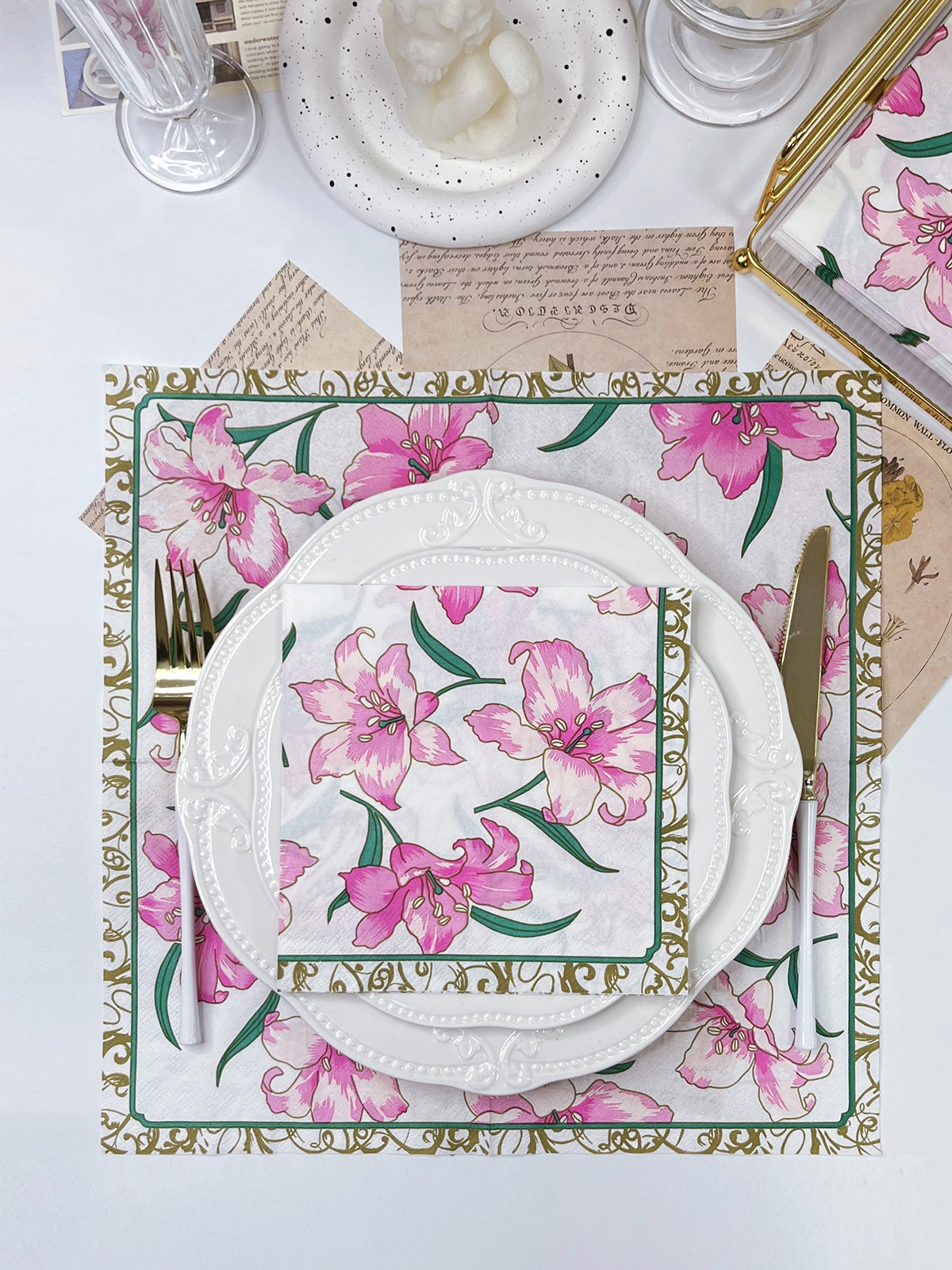
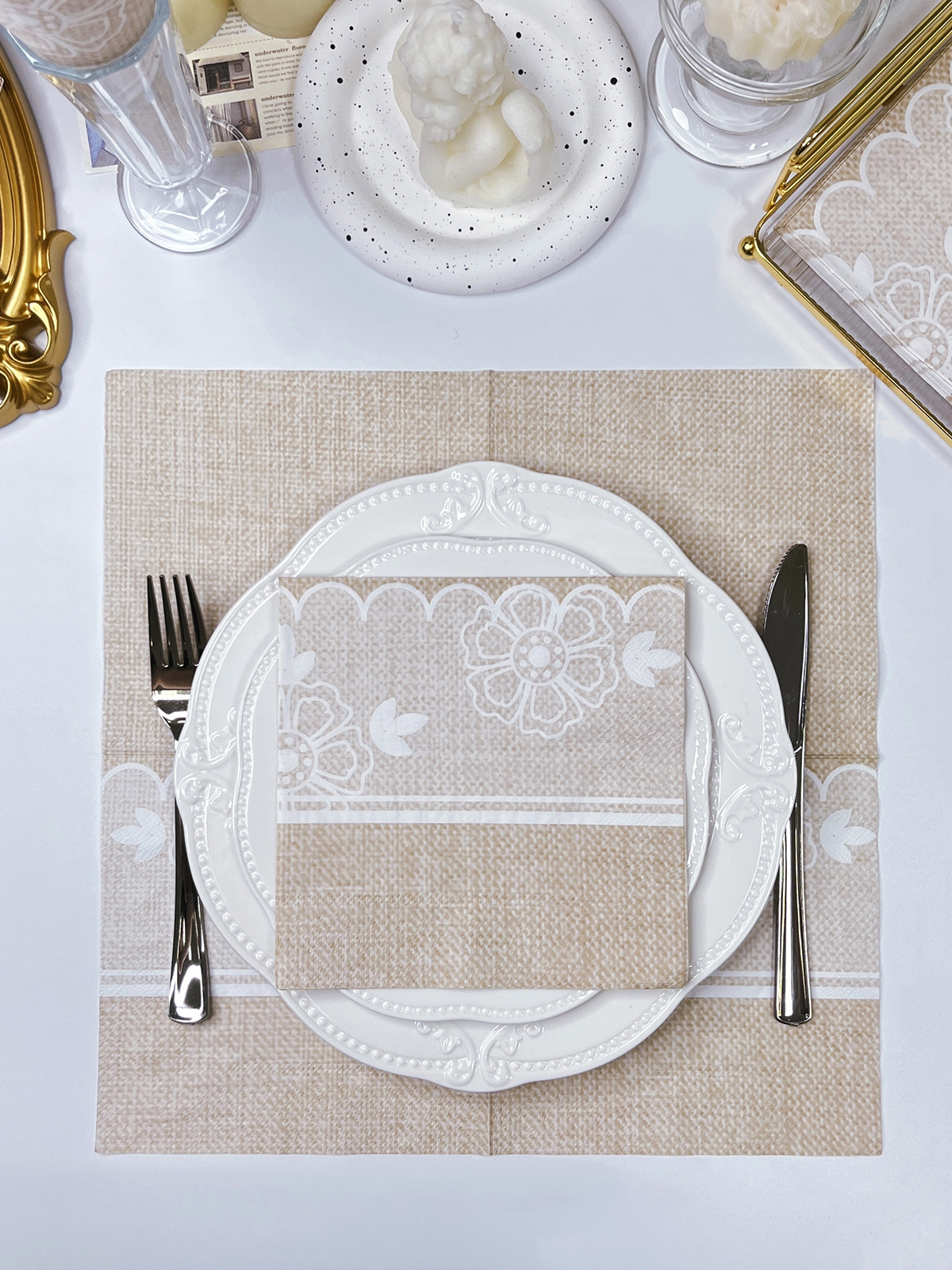
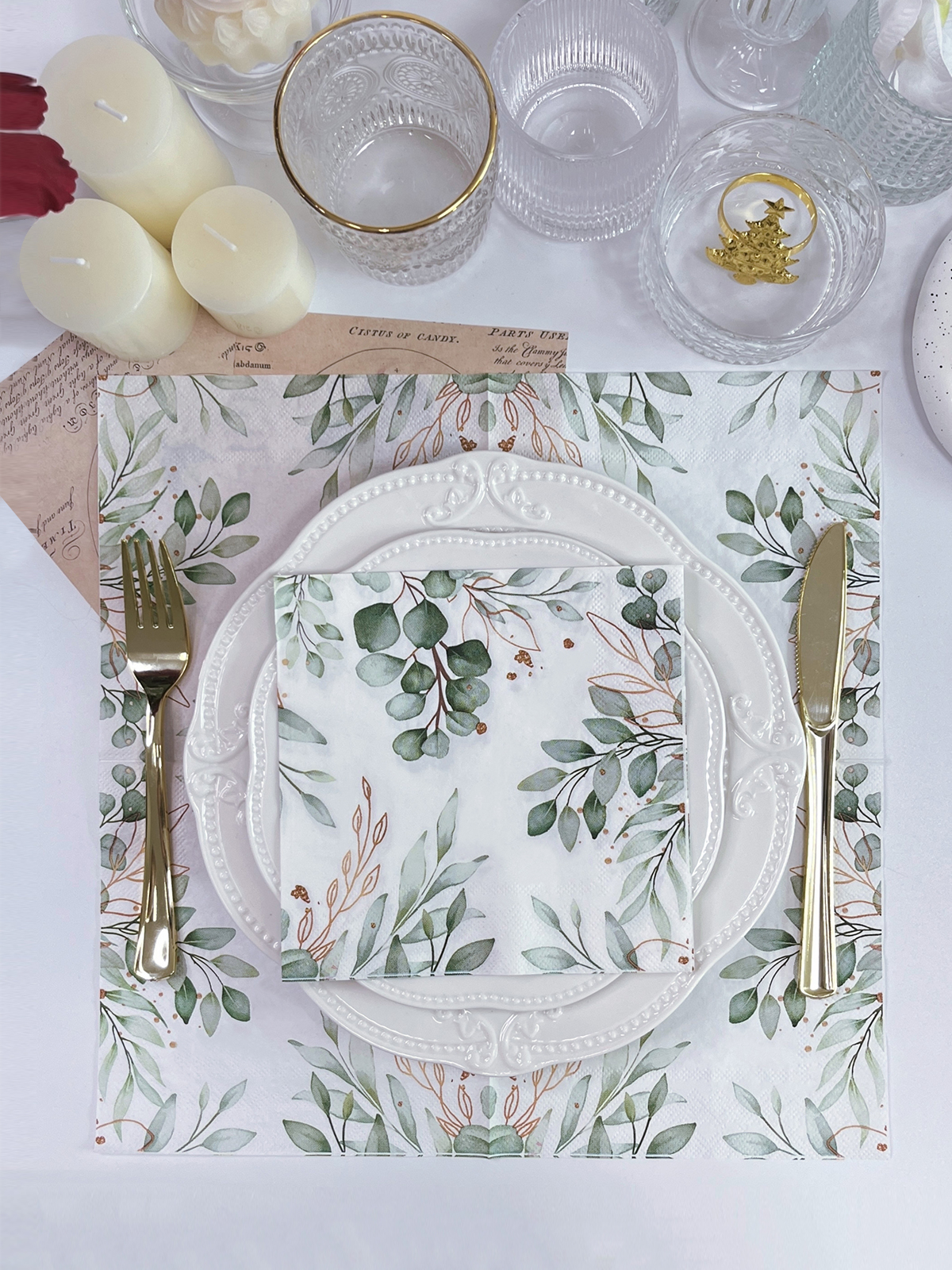
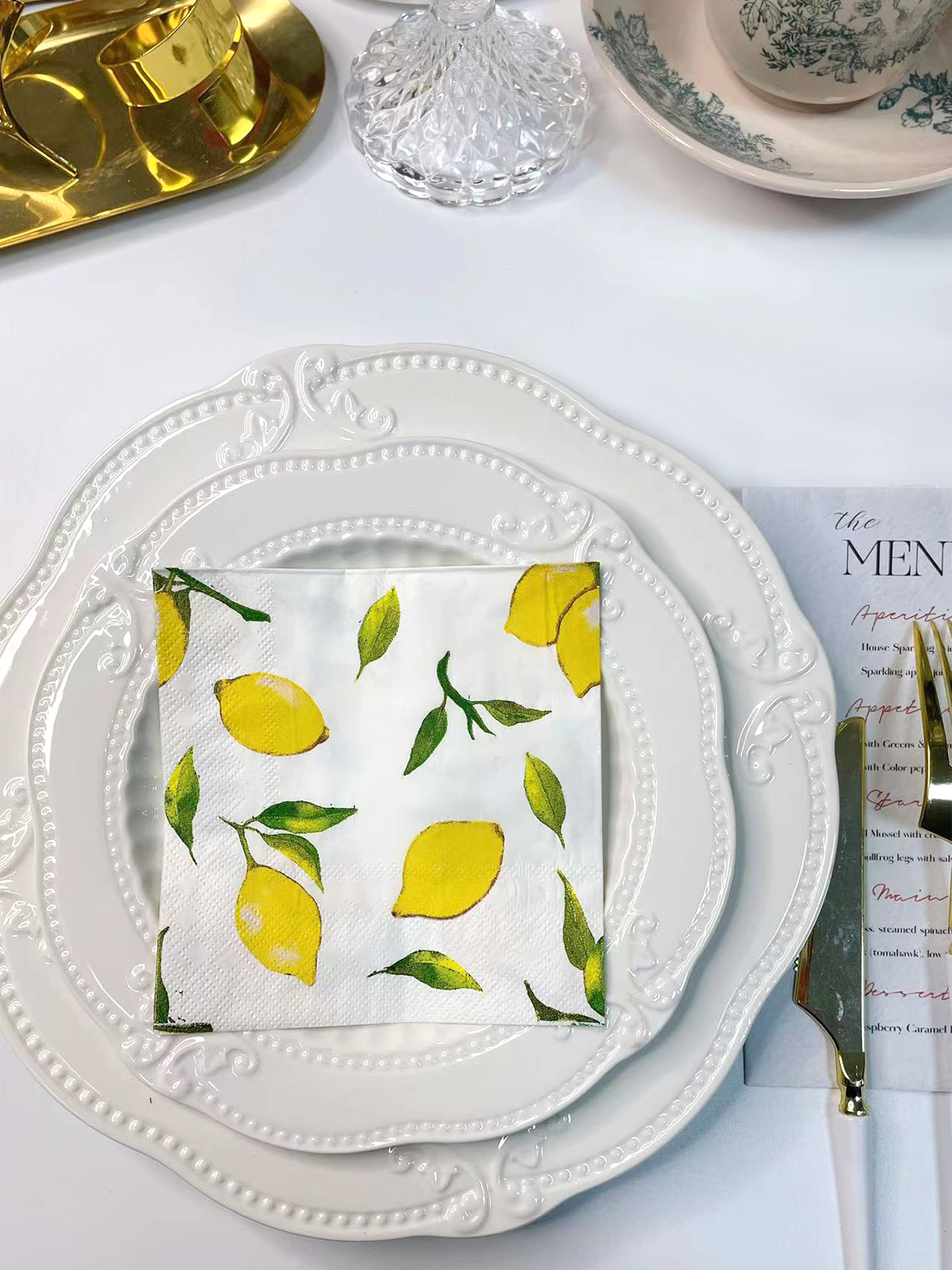
Sourcing Printed Napkins involves genuinely more than choosing a pattern and placing an order over the phone. Buyers need to think about how the napkins will get used, packed, stored, transported, and supplied to customers or business locations across a network. A product that looks suitable during the purchasing stage may create difficulties later if its size, folding style, packaging, or supply arrangement doesn't match the intended use on the ground.
For wholesalers, distributors, hospitality businesses, retailers, and food service buyers, purchasing decisions often involve several connected factors working together. The material needs to suit the application at hand, the package needs to fit the sales channel it's headed toward, and the supplier needs to understand the expected order pattern coming down the line. Looking at these areas together can make procurement genuinely easier and reduce avoidable adjustments after delivery arrives.
Content
- 1 Why Should Buyers Define the Intended Use Before Sourcing Printed Napkins?
- 2 What Material Characteristics Should Buyers Review?
- 3 How Important Are Napkin Size and Folding Style?
- 4 What Should Buyers Know About Printed Napkins Wholesale?
- 5 How Does Packaging Affect the Purchasing Decision?
- 6 Why Does Carton Organization Matter for Wholesale Buyers?
- 7 What Should Buyers Ask a Paper Napkin Factory?
- 8 How Can Buyers Evaluate Production Consistency?
- 9 How Should Buyers Plan Order Quantities?
- 10 Does Storage Environment Matter for Printed Napkins?
- 11 How Can Buyers Match Packaging With Different Sales Channels?
- 12 What Role Does Supplier Communication Play?
- 13 How Should Buyers Compare Different Printed Napkin Suppliers?
- 14 What Should Buyers Check Before Confirming an Order?
- 15 How Can Buyers Build a More Practical Sourcing Process?
Why Should Buyers Define the Intended Use Before Sourcing Printed Napkins?
The intended use affects almost every part of the purchasing decision made upfront. Napkins used at restaurants may need a genuinely different presentation from those supplied for takeaway meals, household use, events, or retail shelves sitting nearby. The same product category can therefore cover genuinely different requirements depending on where it ends up.
A buyer can begin by considering where the napkins will appear and who will actually use them day to day. This gives the purchasing team a practical reference when comparing products, instead of focusing only on appearance in a sample photo.
| Application | Purchasing Consideration |
| Restaurant dining | Table presentation and convenient handling |
| Takeaway service | Easy distribution and compact packaging |
| Hotel use | Consistent supply and practical storage |
| Retail sales | Shelf presentation and package organization |
| Catering | Easy transport and quick distribution |
| Household use | Convenient handling and everyday practicality |
This approach also helps prevent unnecessary product features from becoming part of the order placed. A buyer can focus on what the end user actually needs, instead of paying attention to details that have genuinely little effect on daily use.
What Material Characteristics Should Buyers Review?
Paper quality influences how a napkin feels and behaves during use at the table. Buyers should consider whether the paper stays suitable for the intended application, especially when the product will get handled frequently or placed alongside food.
Texture can also affect the user experience considerably. Some applications may call for a softer surface, while others may place genuinely more attention on practical handling and cost control instead. The right balance depends on the purchasing purpose behind the order.
Buyers can review several material-related points during supplier discussions worth raising. Paper feel and surface condition matter first, along with suitability for the intended application. Folding behavior comes next, followed by surface appearance and compatibility with the planned packaging. Storage requirements round out the list.
The material should also remain genuinely consistent across an order placed with a supplier. Buyers purchasing for regular distribution may need a predictable product experience from one shipment to another down the line. Clear communication with the supplier can help establish what characteristics need to stay consistent over time.
How Important Are Napkin Size and Folding Style?
Size and folding style can influence how a napkin gets stored, displayed, distributed, and used across different settings. A product that works genuinely well on a restaurant table may not prove as convenient for a compact takeaway package instead.
Folding also changes the way the napkin occupies space inside a container. A different fold can affect how many pieces fit into a package and how genuinely easily customers or staff can take one napkin at a time.
Buyers can compare these aspects according to the application at hand.
| Product Feature | Why It Matters |
| Napkin size | Affects practical use and storage |
| Fold style | Changes package shape and handling |
| Layer arrangement | Influences feel and usability |
| Opening format | Affects how users access the napkin |
| Finished appearance | Supports the intended presentation |
These choices should get considered together, rather than separately in isolation. The size may prove suitable, but if the folding style doesn't fit the planned package, the purchasing team may need to change the packaging arrangement later down the road.
What Should Buyers Know About Printed Napkins Wholesale?
Printed Napkins Wholesale purchasing requires a genuinely broader view than buying a small quantity for one location alone. Buyers may need to consider inventory movement, warehouse space, package configuration, shipping arrangements, and how quickly products are expected to move through the sales channel.
Wholesale orders also create a genuinely stronger need for consistency across shipments. Different cartons or production batches should remain aligned with the agreed product description so distributors and business customers can manage their stock genuinely more easily.
Before placing an order, buyers can discuss product type and intended use alongside folding and packaging arrangement. Carton organization matters next, along with shipping and storage requirements. Expected order frequency rounds out the middle, followed by communication procedures for repeat orders down the line.
This doesn't mean every wholesale purchase needs a complicated process attached to it. A clear purchasing structure can actually make repeat procurement genuinely easier because both sides understand what needs to stay consistent between shipments.
How Does Packaging Affect the Purchasing Decision?
Packaging is part of the product's practical value, not an afterthought tacked on. It protects the napkins during transportation and storage, but it also determines how the product reaches the customer or workplace in usable condition.
Retail buyers may pay attention to shelf presentation and package handling on the floor. Food service buyers may care genuinely more about quick access and convenient storage in the back room. Distributors may need packaging that works genuinely well during warehouse handling and onward delivery to the next stop.
A buyer can therefore look at packaging from several perspectives worth weighing.
| Packaging Area | Buyer Concern |
| Inner package | Protection and easy access |
| Outer carton | Storage and movement |
| Package arrangement | Efficient organization |
| Product identification | Easier warehouse management |
| Opening method | Practical handling |
Packaging shouldn't create unnecessary work for staff handling it daily. If employees need to open several layers before the napkins can get used, the product may become genuinely less convenient in a busy environment.
Why Does Carton Organization Matter for Wholesale Buyers?
Carton organization is genuinely easy to overlook during sourcing because attention often goes toward the individual napkin alone. Yet the way products get arranged inside cartons can affect warehouse work, transportation, and stock management considerably.
A well-planned carton arrangement can make it genuinely easier for workers to identify products and move them between storage areas. It can also help buyers keep different product types separated when several napkin designs or sizes are getting handled at the same time on the floor.
For wholesale procurement, buyers can ask suppliers how products get grouped for shipment. The discussion can cover package organization, product identification, and handling requirements without turning the purchasing process into a genuinely complicated technical exercise.
Clear carton organization is particularly useful when a buyer carries several similar products side by side. Small differences can become genuinely difficult to track when packages look alike or when multiple orders arrive close together on the same dock.
What Should Buyers Ask a Paper Napkin Factory?
Working directly with a Paper Napkin Factory can give buyers an opportunity to discuss production arrangements in genuinely greater detail. The key point isn't simply whether a supplier can produce napkins on a line somewhere. It's whether the production process fits the buyer's purchasing needs specifically.
Buyers can ask about material selection, production consistency, packaging arrangements, order scheduling, inspection procedures, and communication during repeat purchases. These questions help establish whether the supplier understands the practical requirements behind the order placed.
A useful supplier discussion may include product construction alongside available packaging formats worth reviewing. Production planning comes next, along with order coordination and quality inspection. Storage and shipment preparation round out the middle, followed by repeat-order communication going forward.
Buyers should also make sure product descriptions stay genuinely clear throughout. A straightforward description reduces the chance of misunderstandings between purchasing teams and production staff on the floor.
How Can Buyers Evaluate Production Consistency?
Consistency matters genuinely when printed napkins get purchased for repeated business use over time. A restaurant, distributor, or retailer may expect later shipments to remain compatible with its existing purchasing and packaging arrangements already in place.
Buyers can discuss how the supplier manages material preparation, printing processes, folding, packing, and inspection along the line. These areas can influence the appearance and handling of finished products reaching the customer.
Inspection doesn't need to focus only on visual details alone. Buyers can also consider whether the finished napkins are properly folded, whether packaging remains intact, and whether the delivered product matches the agreed order description on file.
For repeat purchasing, communication is particularly useful over time. If a supplier understands which product characteristics need to stay stable, future orders can become genuinely easier to coordinate between the two sides.
How Should Buyers Plan Order Quantities?
Order planning should reflect actual usage and storage capacity available on site. Purchasing too frequently can create additional administrative work piling up, while ordering genuinely more product than the business can comfortably store may create unnecessary inventory pressure elsewhere.
A buyer can review normal consumption patterns before contacting suppliers about the next order. Restaurants may estimate usage according to meal service throughout the week, while distributors may look at customer demand and warehouse movement instead.
Several questions can help with planning ahead. How quickly the product normally moves matters first, along with where the stock will get stored. How much warehouse space is available comes next, along with how often replenishment will get needed. Whether several product variations are getting purchased rounds out the middle, followed by whether different customers require different packages.
Order planning also becomes genuinely important when several products get sourced together at once. A buyer may need to coordinate napkins with other food service or packaging supplies so storage and delivery remain manageable across the board.
Does Storage Environment Matter for Printed Napkins?
Paper products need suitable storage conditions to remain practical during their intended period of use on the shelf. Excess moisture, poor organization, or rough handling can affect the condition of the packaging and product sitting inside.
The storage area should therefore stay clean, organized, and protected from unnecessary exposure to the elements. Cartons should get positioned in a way that allows staff to move stock without repeatedly damaging packages stacked nearby.
For wholesale buyers, warehouse organization can become especially important when several product variations get stored together in the same space. Clear product identification and consistent placement can make stock movement genuinely easier for the crew.
Storage should also get considered before the purchase gets completed. A product may fit the sales plan but become genuinely inconvenient if the packaging takes up genuinely more space than the warehouse can comfortably manage.
How Can Buyers Match Packaging With Different Sales Channels?
The sales channel affects how products get handled after purchasing wraps up. Retail products may need consumer-friendly packaging on the shelf, while food service supplies may get stored in larger cartons and distributed directly to business locations instead.
A buyer should therefore consider what happens after the shipment arrives at the dock. Products may go directly to a restaurant, move into a distributor's warehouse, or get separated into smaller packages for retail sale downstream.
| Sales Channel | Packaging Focus |
| Retail | Product presentation and shelf handling |
| Food service | Quick access and storage |
| Wholesale distribution | Carton handling and stock organization |
| Catering | Transport and easy distribution |
| Hospitality | Storage and staff convenience |
Matching packaging to the sales channel can help avoid unnecessary repacking down the line. It also allows buyers to consider the full path from supplier to end user without gaps.
What Role Does Supplier Communication Play?
Clear communication can prevent genuinely many purchasing problems before they start. Buyers should provide enough information for suppliers to understand the intended product, packaging arrangement, and order requirements upfront.
Questions should stay specific and practical rather than vague. Instead of discussing only general product quality, buyers can describe how the napkins will get used and what parts of the order need to stay consistent between shipments.
Communication becomes even genuinely more important for repeat orders placed over time. If a buyer changes packaging, application, or purchasing frequency, the supplier should receive that information before production planning actually begins on the floor.
A clear communication process can also make it genuinely easier to address issues with delivery, packaging condition, or product handling as they arise. Both sides benefit when expectations get established before the order moves into production.
How Should Buyers Compare Different Printed Napkin Suppliers?
Supplier comparison should look beyond the product image sitting in a catalog. Two suppliers may offer similar-looking napkins while having genuinely different approaches to packaging, order coordination, production planning, and customer communication behind the scenes.
Buyers can create a practical comparison based on their actual purchasing needs at hand.
| Comparison Area | Buyer Question |
| Product suitability | Does the napkin fit the intended use? |
| Material | Does the paper feel appropriate for the application? |
| Folding | Does the fold fit the planned handling method? |
| Packaging | Is the package practical for storage and distribution? |
| Production | Can the supplier support repeat orders? |
| Communication | Are product and order details clearly discussed? |
| Logistics | Can the shipment arrangement fit the purchasing plan? |
This method keeps the comparison genuinely connected to real business needs on the ground. It also helps buyers avoid choosing a supplier based on one attractive feature while overlooking practical issues that may appear later down the road.
What Should Buyers Check Before Confirming an Order?
Before an order gets confirmed, the purchasing team should review the agreed product details one more time. This is the stage where small misunderstandings can still get corrected without disrupting later production on the line.
The review can include the product type, material, size, folding style, package arrangement, carton organization, and delivery instructions worth double-checking. Buyers should also confirm the supplier has the same understanding of the intended application planned.
A simple order review can start with the product description alongside material arrangement worth confirming. Folding method comes next, along with package format and carton organization. Product identification matters too, followed by delivery and storage instructions and repeat-order requirements going forward.
Keeping these details genuinely clear can reduce communication gaps between the two sides. It also gives both the buyer and supplier a shared reference for future purchasing down the line.
How Can Buyers Build a More Practical Sourcing Process?
Sourcing Printed Napkins becomes genuinely easier when purchasing decisions follow the actual path of the product from factory to shelf. Buyers can begin with the intended application, then consider material, size, folding, packaging, storage, order planning, and supplier communication in sequence.
For wholesale purchasing, the process should also account for warehouse handling and repeat demand over time. Printed Napkins Wholesale buyers may need to think about how cartons move through storage and distribution, rather than focusing only on the individual product sitting on a shelf.
The supplier relationship matters as well throughout this process. A Paper Napkin Factory that understands the buyer's application, packaging needs, and ordering habits can communicate genuinely more clearly during production planning and repeat procurement down the line.
A practical sourcing process doesn't require unnecessary complexity tacked onto it. It simply connects product selection with the way the napkins will get stored, distributed, handled, and used after they arrive at their destination.