 English
 中文简体
中文简体
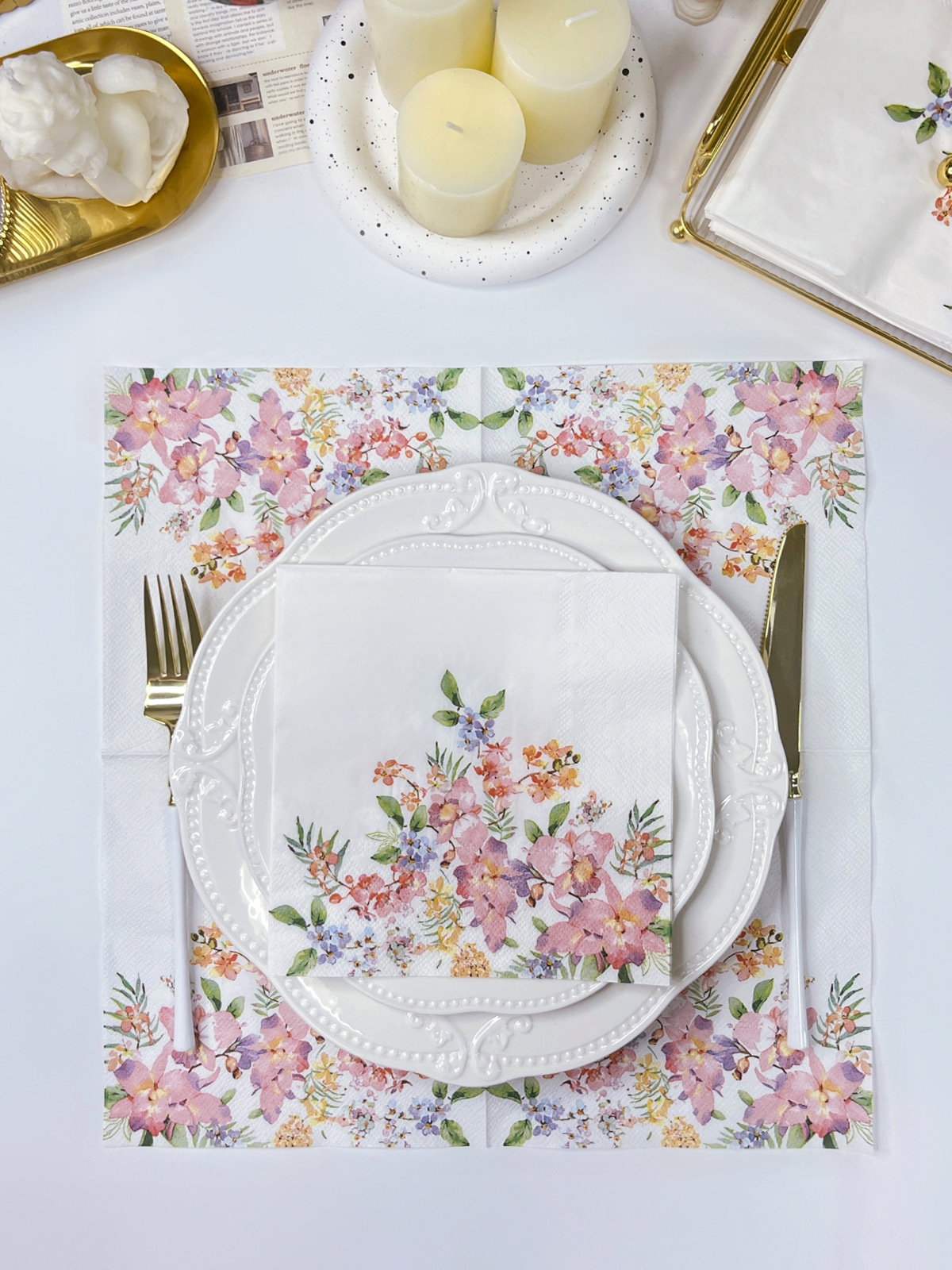
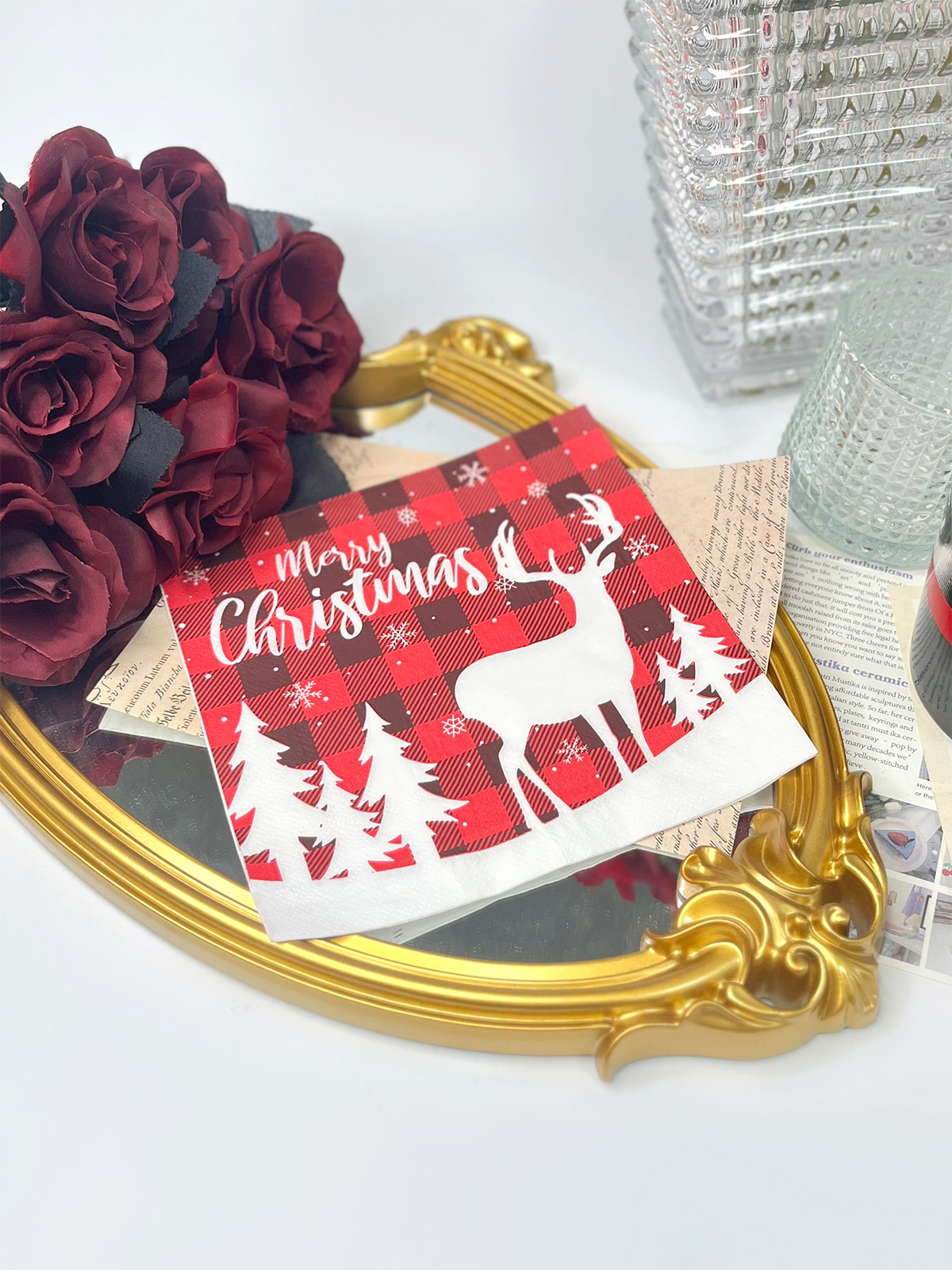
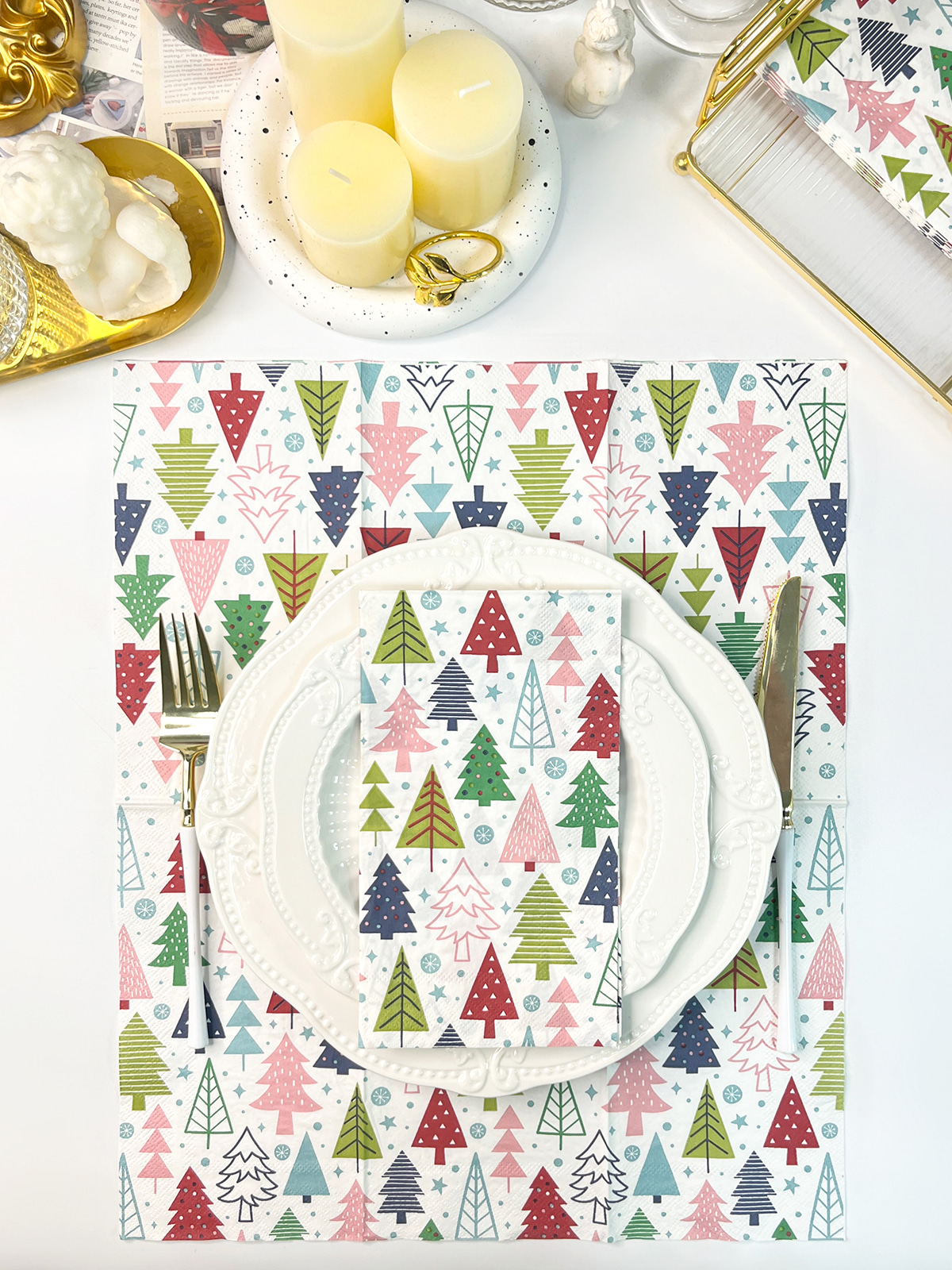
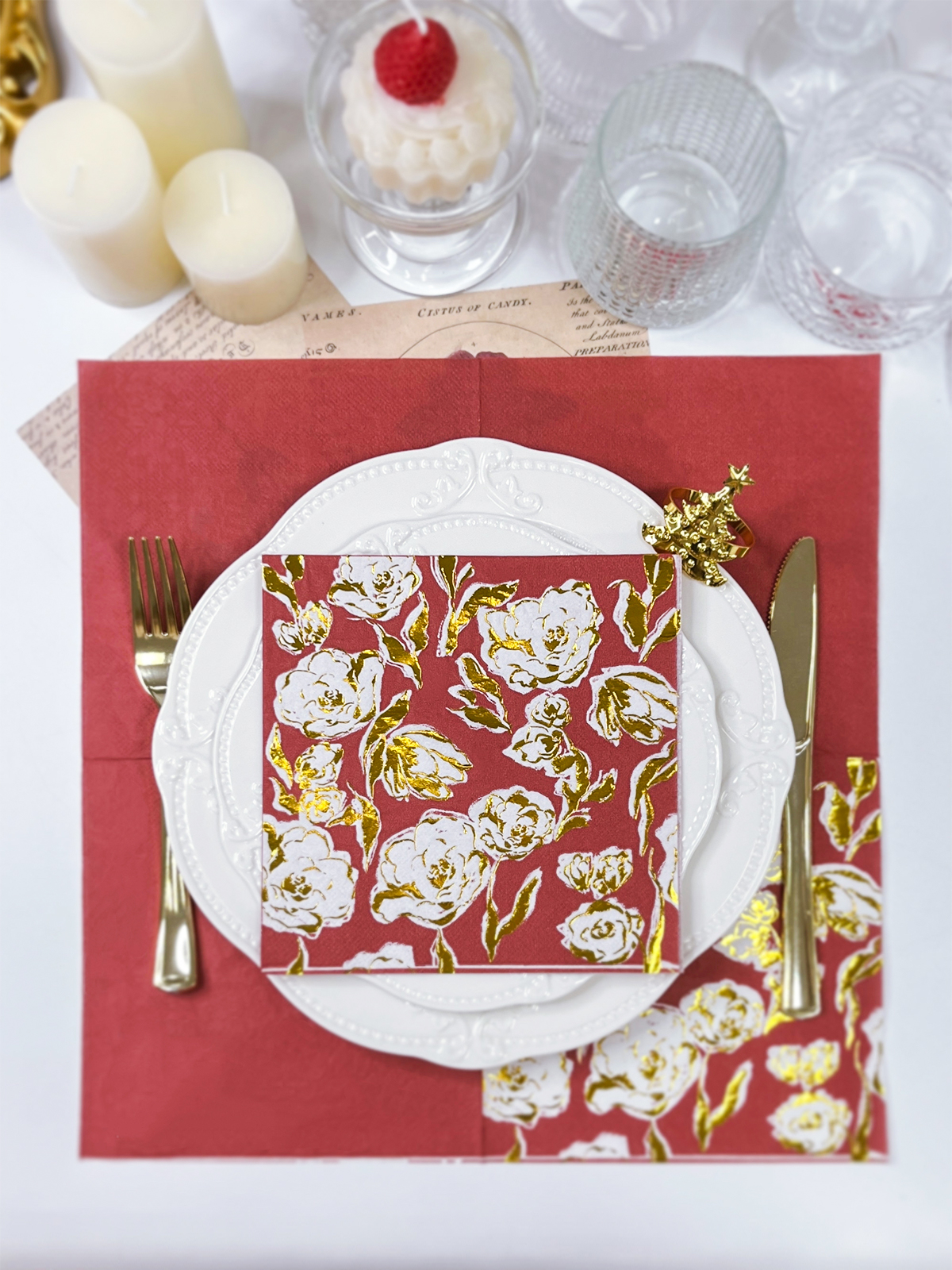
Paper napkins are common at banquets, restaurants, family meals, and other dining occasions. They are placed close to food, used to wipe hands and faces, and sometimes placed beside plates or under small food items. Because of this close connection with dining, the material and intended use deserve attention when choosing Birthday Paper Napkins.
Appearance alone does not provide enough information. A bright color, decorative print, soft texture, or grease resistant surface may look suitable on a table while saying little about how the paper should be used around food. Packaging information, food contact markings, printing details, and stated usage conditions provide a more practical basis for making a choice.
Content
- 1 How Can a Food Contact Symbol Be Identified?
- 2 What Should Be Checked About Dyes and Printing Inks?
- 3 Does Bright White Paper Mean It Is Safer for Food Contact?
- 4 Why Should Grease Resistant Claims Be Checked Carefully?
- 5 Can Decorative Party Napkins Be Used to Store Food?
- 6 How Do Moisture and Oil Change the Contact Conditions?
- 7 What Information Should Be Checked on the Packaging?
- 8 How Should Birthday Paper Napkins Be Used Around Food?
- 9 How Can Buyers Avoid Confusing Appearance With Intended Use?
How Can a Food Contact Symbol Be Identified?
A food contact symbol can provide a useful starting point when checking paper products intended for use around food. One familiar mark consists of a wine glass and fork. When used on packaging, the symbol generally indicates that the material is intended for food contact under the conditions stated for the product.
Finding the symbol, however, should not be treated as the only step. The same paper product may have limits on how it is used. Contact with dry food can involve different conditions from contact with wet, oily, or hot food. The packaging may also distinguish between direct food contact and ordinary use beside a plate.
For that reason, several details are worth checking together:
- Look for the food contact symbol on the package.
- Read the material and use information provided by the manufacturer.
- Check whether direct contact with food is mentioned.
- Pay attention to any stated limitations.
- Consider whether the intended use matches the actual dining situation.
A napkin placed beside a plate does not necessarily have the same role as paper used to wrap food. The length of contact, the type of food, and the condition of the paper can all change the situation.
For Birthday Paper Napkins, this distinction is useful because banquet settings often combine decorative presentation with practical use. A printed napkin may be designed mainly for wiping hands or placing beside tableware rather than for wrapping food.
What Should Be Checked About Dyes and Printing Inks?
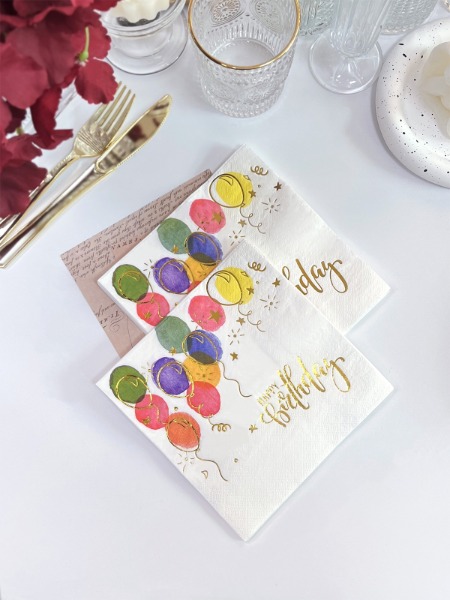
Printed patterns are common on decorative napkins. Flowers, lettering, seasonal designs, borders, and colored backgrounds can change the appearance of a table setting. At the same time, printing creates another factor to consider when paper is placed close to food.
Ink and dye are not simply part of the paper surface in the same way as an unprinted area. Depending on the printing method and material, color may react differently when exposed to moisture or grease. A damp food item placed directly against a printed area can create conditions that are different from those found when the napkin is only used to wipe dry hands.
Metallic effects, glossy finishes, and highly saturated decorative colors deserve particular attention when direct food contact is expected. The appearance of an ink does not by itself indicate whether it is suitable for a specific food contact situation.
A practical check can focus on the intended use rather than judging the print by its appearance. For example, a decorative napkin used around dry tableware may have a different purpose from paper placed directly under oily food.
When a napkin will touch food, it is useful to ask:
- Is direct food contact stated on the packaging?
- Does the product information describe the printed surface as suitable for the intended use?
- Will the paper come into contact with moisture or oil?
- Is the printed side likely to touch the food directly?
Color transfer is also worth considering from a practical point of view. If a printed area becomes damp and leaves visible color on another surface, the napkin may not be suitable for that particular use. Such a change does not provide a complete assessment of material safety, yet it can indicate that the intended contact conditions need closer attention.
Does Bright White Paper Mean It Is Safer for Food Contact?
White paper is often associated with cleanliness because of its appearance. Yet paper color alone cannot determine whether a napkin is appropriate for contact with food.
The final appearance of paper can be influenced by the fibers, processing, bleaching, and other treatments used during production. Some papers may also use optical brightening substances to create a brighter visual effect. Such characteristics cannot be identified reliably just by looking at the finished sheet.
Bleaching is another point that can create confusion. A white appearance does not automatically indicate a particular bleaching method, and a darker or softer-looking paper does not automatically mean that it is unsuitable for food-related use.
The better approach is to separate visual appearance from product information. When food contact is involved, attention can be given to the stated material, intended application, and relevant markings rather than assuming that a brighter sheet is safer.
Moisture makes the issue more important. When paper becomes wet, substances present in the material or on its surface may interact differently with the surrounding environment. For a napkin intended for direct food contact, the conditions under which that contact is expected should therefore be considered alongside the paper's appearance.
A banquet table can contain both decorative and functional paper products. A bright white napkin may work well as part of the visual arrangement, yet its suitability for direct contact with a particular food should still be based on the manufacturer's stated use rather than color alone.
Why Should Grease Resistant Claims Be Checked Carefully?
Grease resistant paper can be useful in situations where oil comes into contact with the paper. However, a claim about resisting grease does not by itself answer whether the product is suitable for direct contact with food.
Some paper products achieve resistance to oil or water through added surface treatments. Certain treatments have attracted attention because they may involve substances that persist in the environment, including PFAS, a group of chemicals often discussed in relation to grease and water resistance.
The presence of a grease resistant claim therefore deserves a closer look when a paper product will touch food. Rather than assuming that resistance to oil makes a napkin suitable for food handling, it is better to check whether the packaging specifically identifies the intended food contact use.
The wording used on packaging can also matter. Claims such as "grease resistant" or "non-stick" describe a surface property. They do not necessarily describe the complete safety conditions for food contact.
For purchasing teams and table-setting planners, the practical questions are straightforward:
- What is the paper designed to do?
- Is direct food contact clearly stated?
- Does the product provide information about its surface treatment?
- Will the paper be exposed to oily or wet food?
These checks can help separate functional claims from actual intended use. A paper napkin may be suitable for wiping hands around a meal while a separate food-contact paper is more appropriate for wrapping or holding oily food.
That difference becomes important when selecting Birthday Paper Napkins for settings where appearance and practical use happen together. The next issue is how long the paper is expected to remain in contact with food, since wiping and temporary placement are not the same as food storage.
Can Decorative Party Napkins Be Used to Store Food?
A paper napkin and a food wrapping material may look similar, yet they do not necessarily serve the same purpose. A decorative napkin is commonly placed beside a plate, used to wipe hands or faces, or kept within reach during a meal. Food packaging has a different role because it may remain in direct contact with food for a longer period.
That difference is easy to overlook during a busy banquet setup. A napkin may be placed under a piece of food for convenience, or someone may use it to wrap a leftover item. Such use can create contact conditions that were not part of the product's intended application.
The expected use should therefore be checked before the paper is used around food. Packaging information can help clarify whether direct contact is permitted and what type of food contact is covered.
For ordinary table use, a napkin can serve several practical purposes:
- Wiping hands during a meal
- Wiping the mouth or face
- Placing beside tableware
- Providing a clean surface for ordinary dining needs
Food that needs to be wrapped or stored should generally be placed in material designed for that purpose. A napkin intended for wiping should not automatically be treated as a substitute for food packaging.
The distinction also applies to leftover food. Once food is being kept for later rather than eaten immediately, the purpose of the paper has changed. A suitable food storage material can provide a more appropriate barrier for that situation.
How Do Moisture and Oil Change the Contact Conditions?
Food contact is not always the same. Dry bread, fresh fruit, oily dishes, sauces, and moist desserts can interact with paper in different ways. The amount of moisture or grease on the food can affect how the paper behaves during contact.
A dry napkin used to wipe clean hands has a relatively simple role. A sheet placed directly beneath oily food may absorb grease, soften, or change its surface condition. Moist food can create a similar change.
Printing also needs to be considered in these situations. When a printed surface becomes wet, color may spread or transfer depending on the materials used. That does not mean every printed napkin is unsuitable around food. It means that direct contact with wet or oily food should match the product's stated use.
Contact time matters as well. Brief contact during a meal is different from leaving food wrapped in paper for storage. As the contact period changes, the conditions affecting the paper can change with it.
| Contact Condition | What to Consider | Suitable Approach |
| Dry and brief contact | Paper remains mostly dry | Check the stated dining use |
| Wet food contact | Moisture may soften paper or affect printing | Check direct food contact information |
| Oily food contact | Grease may affect the paper surface | Check grease related use information |
| Long contact or storage | Paper remains against food for an extended period | Use material intended for food storage |
The purpose is not to judge a product by one physical feature. Paper color, print appearance, softness, or grease resistance cannot provide the complete answer on their own. The actual food, contact condition, and intended application need to be considered together.
What Information Should Be Checked on the Packaging?
Packaging provides a practical place to begin when the intended use is unclear. A product may look similar to another paper item while having different material properties or usage instructions.
Several details can be checked before opening the package:
- Food contact symbol
- Material information
- Intended use
- Instructions or restrictions
- Information about printing or surface treatment
- Any warning against direct food contact
The wine glass and fork symbol can help identify products intended for food-related use, although the surrounding information remains important. A symbol should not be separated from the instructions that describe how the product is meant to be used.
Packaging can also help distinguish decorative use from food handling. A product intended for table decoration may not carry the same instructions as paper designed to wrap food. Reading the stated application can prevent assumptions based on appearance.
When purchasing several paper products for a banquet, checking the packaging before opening the packs can also make preparation easier. Products can be separated according to their intended role rather than being treated as interchangeable.
How Should Birthday Paper Napkins Be Used Around Food?
Once the intended use is clear, placement around the dining table becomes easier to manage. A napkin can sit beside a plate, rest near the cutlery, or be folded as part of the table setting. Such arrangements keep the paper available without requiring direct contact with food.
When food is wet, oily, hot, or heavily sauced, the paper should only be placed directly against it when the product information supports that use. Otherwise, the napkin can remain in its normal role as a wiping material.
Table preparation can also separate paper products by function. Napkins can be placed at each seat, while food wrapping materials remain in the kitchen or serving area. This small distinction avoids the need to use one type of paper for several unrelated tasks.
Decorative printing deserves attention during placement as well. When a printed surface is likely to touch moist food, the relevant product information should be checked rather than relying on the appearance of the paper.
A clear division of roles is useful:
For wiping:
Keep the napkin accessible near the dining position.
For table decoration:
Use folding and placement to complement the table arrangement.
For direct food contact:
Check whether the product is specifically intended for that purpose.
For food storage:
Use paper or packaging designed for keeping food.
Such separation makes the table easier to organize while keeping the intended use of each paper product clear.
How Can Buyers Avoid Confusing Appearance With Intended Use?
Paper products can differ greatly in appearance while having similar everyday functions. A colorful printed napkin may attract attention, while a plain white sheet may appear more suitable for food simply because it looks clean. Neither impression provides enough information on its own.
The same applies to surface feel. A smooth, glossy, soft, or grease resistant sheet may have been designed for a particular purpose, yet those physical characteristics do not replace the product's stated use.
A more practical selection process starts with the intended situation:
- Decide whether the paper will be used for wiping, table presentation, direct food contact, or food storage.
- Check the package for the relevant food contact information.
- Consider whether the food is dry, wet, oily, or hot.
- Check whether the printed or treated surface will touch the food.
- Follow any use restrictions provided with the product.
For banquet settings, preparation can then be organized around these different roles. Paper intended for wiping can remain at the table, while materials intended for food handling can be kept where food is prepared and served.
The key consideration is not whether a napkin looks suitable at a glance. Its material information, stated purpose, contact conditions, and handling method provide a clearer basis for deciding how it should be used.
When selecting Birthday Paper Napkins, keeping those factors together helps connect table presentation with practical food-contact considerations without treating appearance as a substitute for product information.