 English
 中文简体
中文简体
Choosing a napkin for a table setting involves more than looking at the paper itself. The available table space, plate position, cutlery arrangement, and intended use all affect how a napkin fits into the setting. A size that feels comfortable on a spacious dining table may take up too much room on a smaller one.
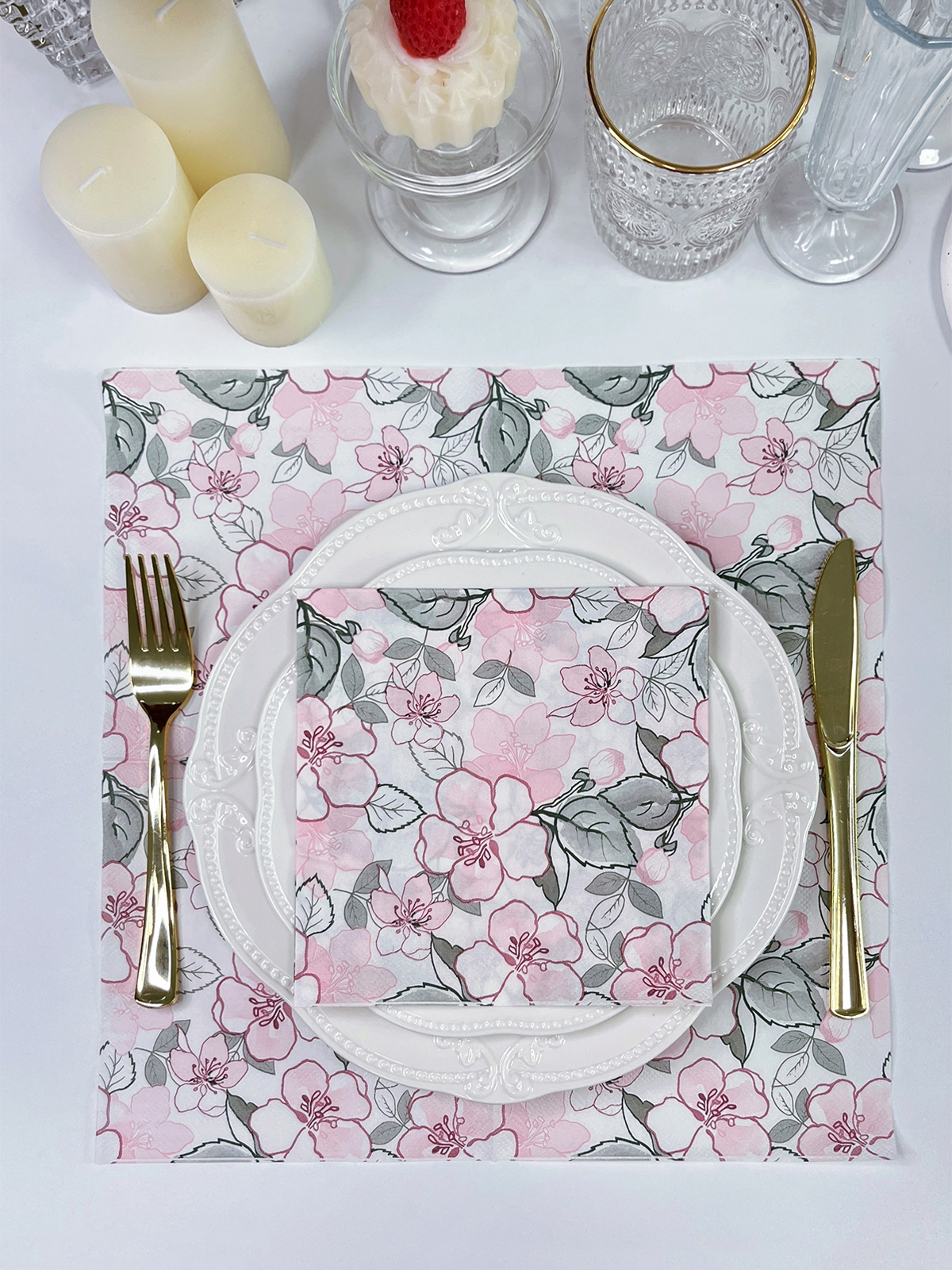
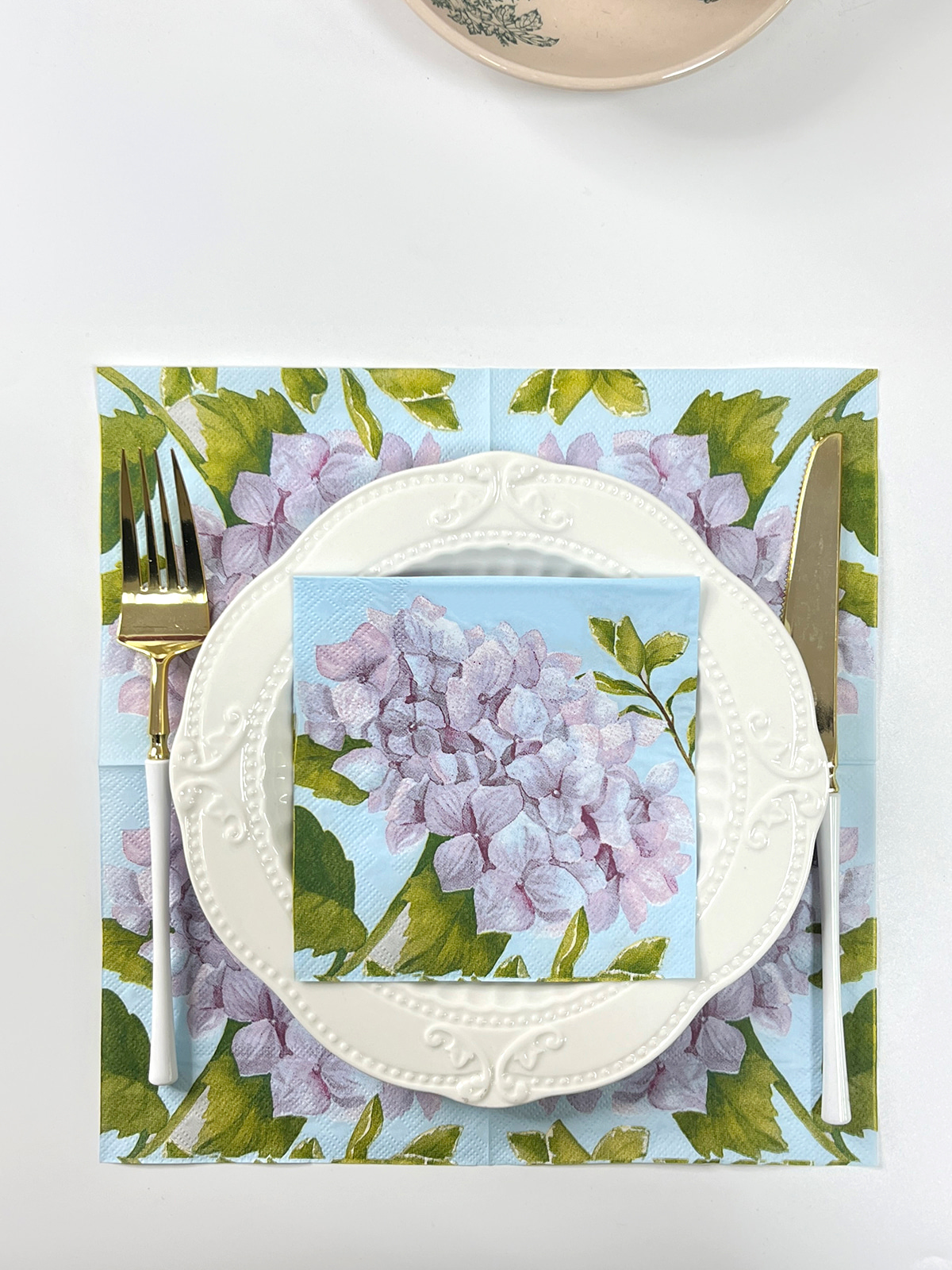
For Banquet Paper Napkins, the relationship between paper size and table layout becomes especially relevant when several place settings are arranged together. Each guest needs enough room to eat and reach the napkin without disturbing nearby items. A practical choice therefore starts with the table rather than the napkin alone.
Content
- 1 Why Does Napkin Size Matter When Setting a Table?
- 2 How Does Table Size Affect the Choice of Napkins?
- 3 Which Size Works Well on a Small Dining Table?
- 4 What Changes When the Table Is Large or Long?
- 5 How Does the Purpose of the Napkin Affect Size Choice?
- 6 Can Folding Change Which Size Fits the Table?
- 7 What Should Be Checked Before Choosing a Size?
- 8 How Can Napkin Size Fit Into the Overall Table Layout?
Why Does Napkin Size Matter When Setting a Table?
Napkins occupy physical space before they are even used. When folded, they may sit beside a plate or rest on top of it. Once opened, the same sheet covers a much larger area. That difference can affect both the appearance and function of a table setting.
A suitable size should work with the items already placed on the table. Plates, forks, spoons, knives, glasses, serving dishes, and decorative elements all compete for available space. When a napkin is too large for the arrangement, it can overlap with nearby items or make the place setting feel crowded.
A smaller sheet creates a different issue. It may be easy to place, yet the available surface after unfolding may not match the needs of the meal.
Several practical questions can help when making a choice:
- Where will the napkin be placed?
- Will it remain folded until guests sit down?
- Does each place setting have enough open space?
- Will guests need to move other items to pick it up?
- Does the folded shape remain stable beside the plate?
The purpose of the napkin also matters. A paper sheet used mainly for wiping hands may have different space requirements from one arranged as part of the table setting. Treating both uses in the same way can make the layout less convenient.
The connection between size and placement becomes easier to see when the table itself is considered. A compact table has less room for adjustment, while a larger surface gives each item more breathing room.
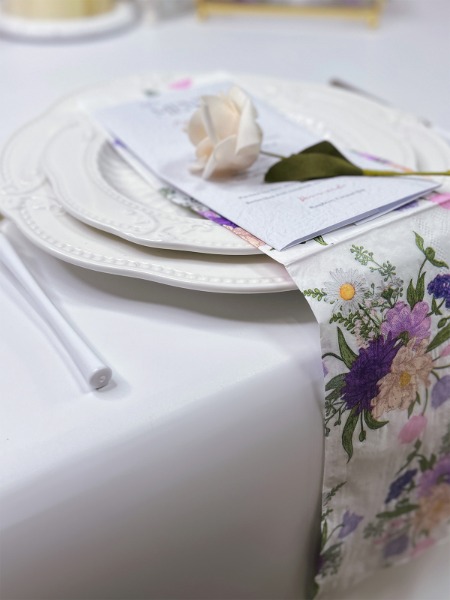
How Does Table Size Affect the Choice of Napkins?
Table size sets the basic boundary for the entire arrangement. When the available surface is limited, every item needs to occupy a sensible position. Napkins are part of that arrangement rather than an isolated accessory.
A small dining table may have only enough room for the plate, cutlery, glass, and a few additional items. In such cases, the folded size of the napkin becomes important. A bulky fold can interfere with a plate or make the cutlery difficult to reach.
On a larger table, there is more freedom to place the napkin beside the plate or in another clearly defined area. Even so, extra space does not mean that any size will work without adjustment. The relationship between the napkin and the other items should still look balanced.
Table shape also changes how available space is used. A long rectangular surface usually creates a sequence of individual places, while a round table distributes the available area differently around the center.
| Table Setting | Space Concern | Placement Consideration |
| Compact dining table | Limited space around each plate | Keep the folded napkin close to the place setting |
| Spacious dining table | More room between items | Allow a wider placement area when needed |
| Long rectangular table | Repeated place settings | Keep the position consistent along the table |
| Round table | Curved seating arrangement | Avoid blocking the area around each plate |
| Shared dining table | Common serving space | Keep personal items away from shared dishes |
The size of the table should therefore be considered together with the number of objects already occupying it. A table may look large when empty and feel much smaller once plates, glasses, serving dishes, and decorations have been arranged.
Another useful point is movement. Guests should be able to pick up and unfold a napkin without moving a glass or reaching across another place setting. Leaving a clear path around each position can make a simple table arrangement more comfortable.
Which Size Works Well on a Small Dining Table?
Small tables require careful use of available space. A napkin that appears manageable in an empty room may become inconvenient once dinnerware is placed around it. The aim is not simply to use a smaller sheet, but to choose a size and folding method that fit the actual setting.
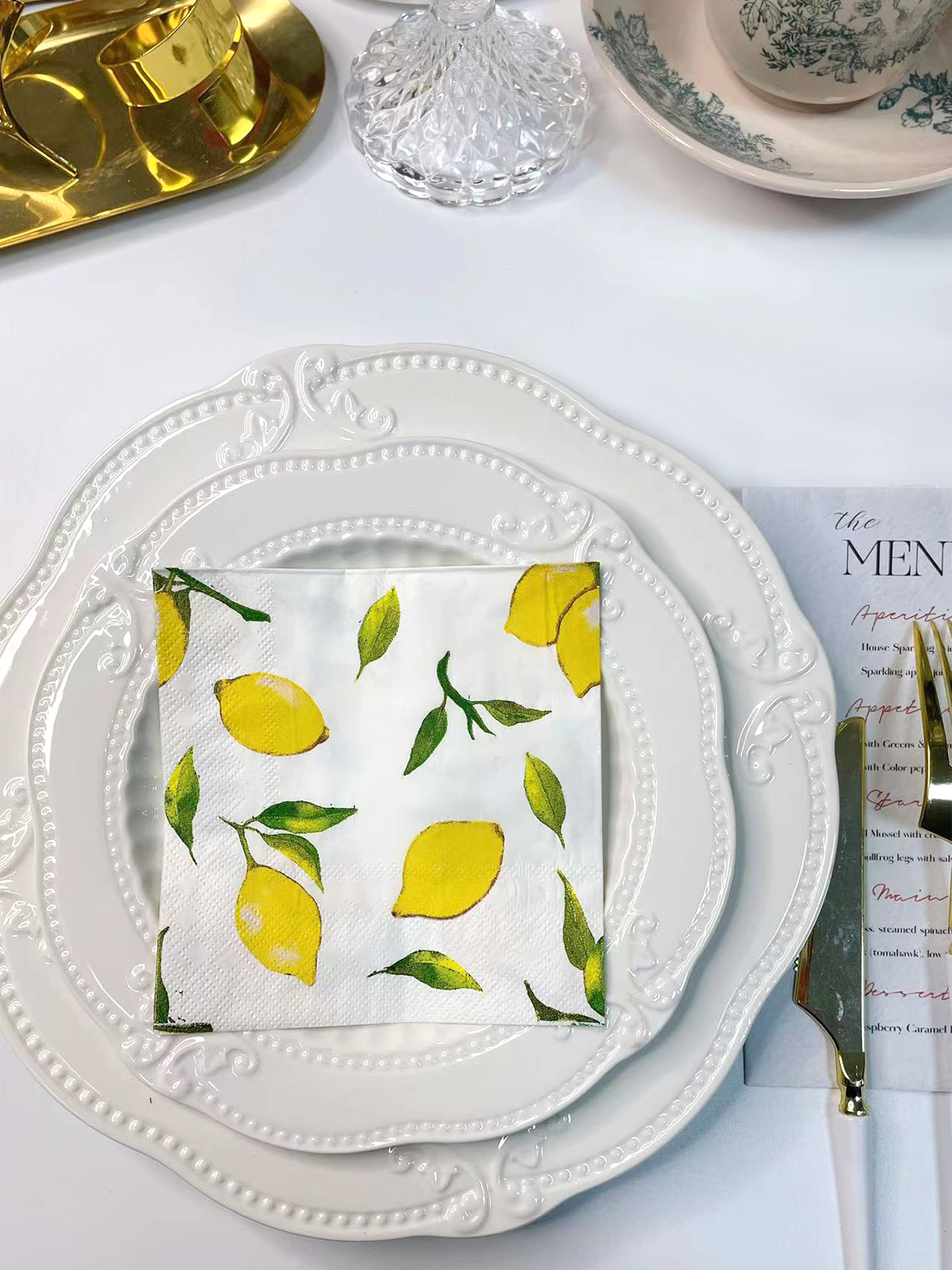
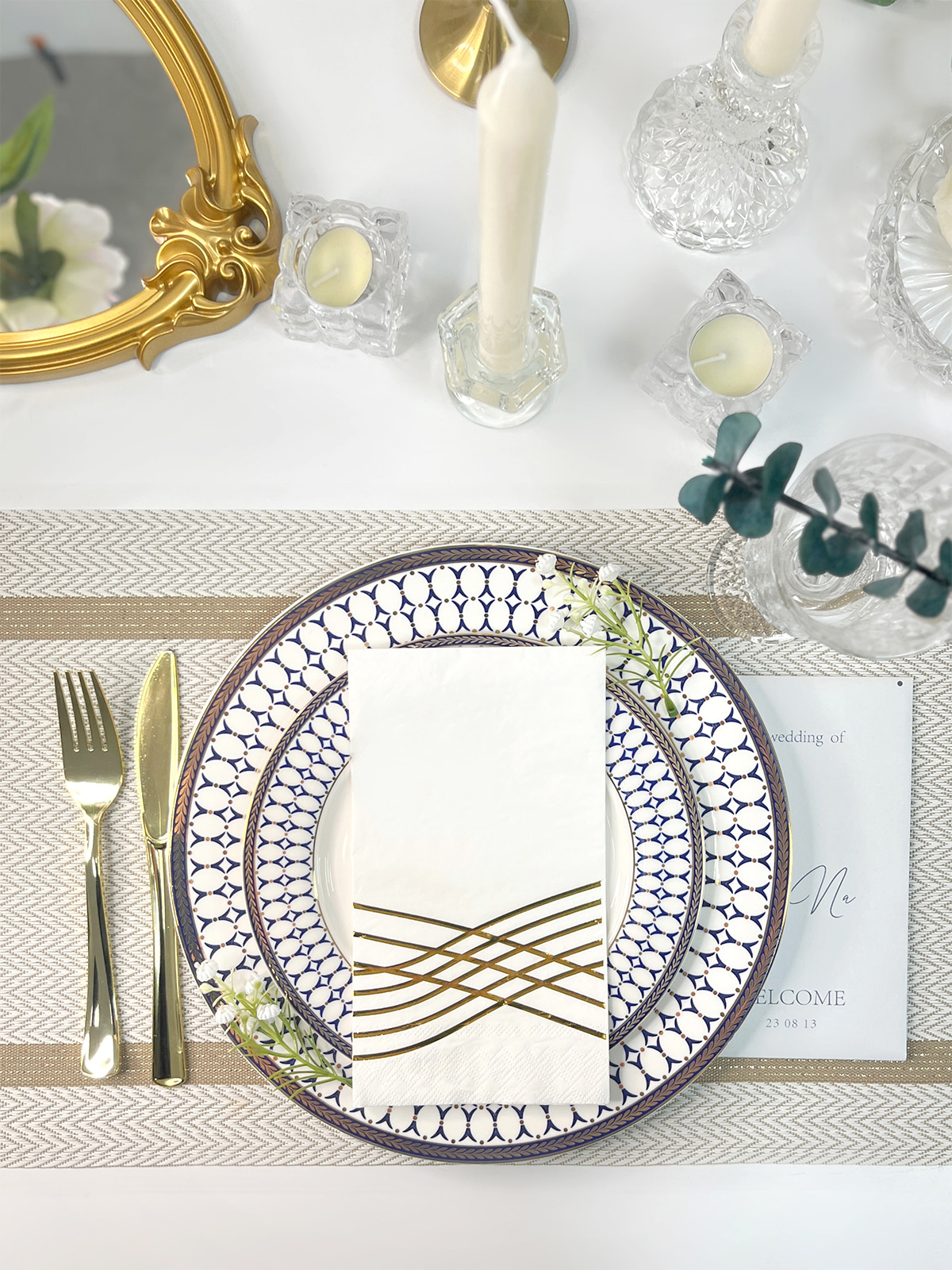
One approach is to keep the folded napkin close to the plate. Placing it beside the plate can leave the center of the table open for shared dishes. Resting it on the plate can save lateral space, provided the folded shape does not interfere with the food or other items.
The choice can also depend on how the table will be used. A simple meal with limited tableware may leave more room than a meal with several dishes and serving containers.
For a compact setting, practical considerations include:
- Keep the napkin within easy reach.
- Avoid placing it beneath items that need to be moved.
- Leave enough room to unfold it comfortably.
- Keep shared dishes separate from personal place settings.
- Consider the folded shape before deciding where it will sit.
The material and fold can influence the result as well. A sheet that folds neatly may occupy less visible space than a loosely folded one of the same size. The actual arrangement should therefore be tested rather than judged only from the package.
For Banquet Paper Napkins, this is particularly relevant when the same paper is intended for different table layouts. A size that works around a spacious setting may need a different fold or placement on a compact table.
The table should remain functional throughout the meal. Decorative placement can add structure, yet the napkin still needs to be easy to pick up, unfold, and use. When space is limited, practical access should remain part of the decision.
What Changes When the Table Is Large or Long?
Larger tables create more room, but they also introduce a different challenge: keeping the arrangement visually and physically consistent from one place setting to another. On a long table, a napkin placed differently at each seat can make the layout feel uneven and make preparation harder.
A repeated arrangement is usually easier to manage. For example, each folded napkin can be positioned beside the plate with a similar distance from the cutlery. The exact position can change according to the table design, yet keeping the same basic relationship between items makes the setting easier to maintain.
Long tables also need clear separation between individual places and shared areas. Serving dishes, center decorations, and drinks may occupy the central space, while each guest needs a defined area near the edge.
When the table is wide enough, a larger folded napkin may have more room around it. Still, the unfolded size should be considered before choosing the final arrangement. A napkin that spreads across the cutlery area may be difficult to manage once guests begin eating.
For larger settings, it can help to check the arrangement from several positions:
- View the table from the side to see whether folded napkins sit evenly.
- Check each place setting from the guest's position.
- Make sure the napkin does not block plates or glasses.
- Keep shared dishes accessible without moving personal items.
- Test one complete setting before repeating it across the table.
Once table size has been considered, the shape of the table becomes the next factor. Round and rectangular tables distribute space differently, so the same folded napkin may need to be placed in another position even when the paper itself remains unchanged.
How Does the Purpose of the Napkin Affect Size Choice?
Not every table setting asks the paper to do the same job. A napkin used during a casual meal needs to be easy to grab and unfold. One arranged as part of a formal table may also need to sit neatly beside the dinnerware before the meal begins.
For practical use, the unfolded surface matters. A smaller sheet may be enough for light use, while a larger sheet provides more room after opening. The choice depends on what guests are expected to use it for rather than the appearance of the folded package.
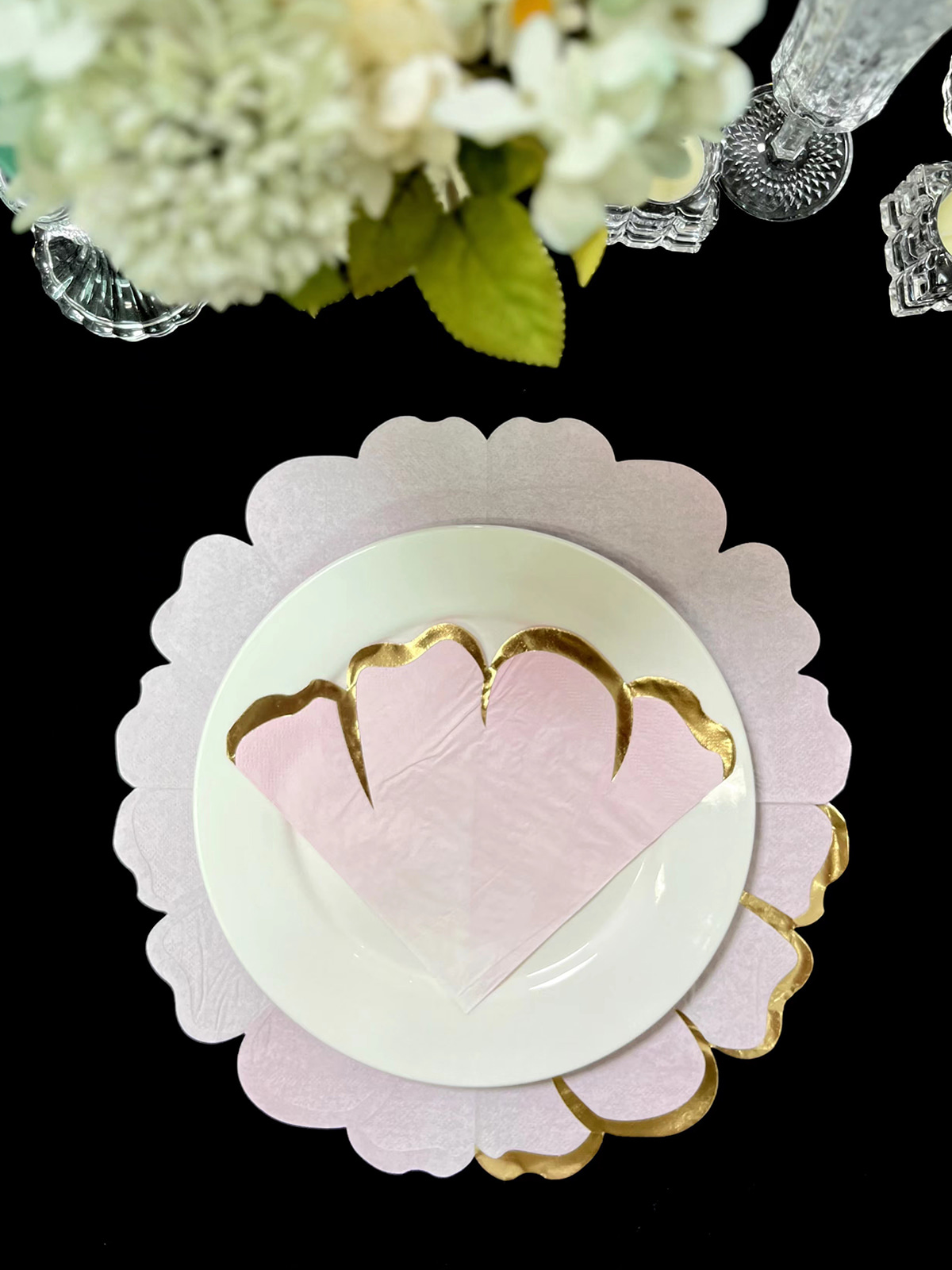
A different situation occurs when the napkin also forms part of the table presentation. The folded shape becomes important because a large sheet can create a bulky form beside a plate. A smaller sheet may sit neatly in the same position without taking attention away from the dinnerware.
The meal itself can also change the requirement. Food served with the hands creates a different need from a meal eaten mainly with cutlery. Drinks and snacks require another type of arrangement again.
| Table Use | Practical Concern | Placement Approach |
| Casual meal | Easy access during eating | Beside the plate or on the plate |
| Shared meal | Space for serving dishes | Keep the napkin within each personal setting |
| Formal dining | Relationship with dinnerware | Match the fold to the available space |
| Drinks and snacks | Limited personal table area | Use a compact folded position |
| Outdoor meal | Movement and available surface | Keep the paper easy to reach and stable |
Can Folding Change Which Size Fits the Table?
The folded size can be quite different from the open size, which is why a paper napkin should not be judged only by its dimensions when fully opened. A sheet that appears large can still work on a small table when folded in a compact way. On the other hand, a broad decorative fold can occupy a significant part of the place setting.
Simple folding is useful when many seats need to be prepared. Each napkin can be folded in the same manner and placed at the same position. Preparation becomes easier because there is less variation between individual settings.
The relationship between fold and plate is worth checking. If the folded napkin reaches across the plate, part of the food area may become covered. If it sits beside the plate, the available width needs to be compared with the space used by the fork and knife.
One practical method is to prepare a single place setting before opening the remaining packs. Arrange the actual plate and cutlery that will be used, then test the intended fold. Open the napkin fully and place it where a guest would naturally use it.
Watch for a few simple signs:
- The open sheet should not force the plate or glass out of position.
- The folded paper should be easy to lift with one hand.
- The fold should not press against nearby cutlery.
- The paper should remain within the usable part of the table.
- The same arrangement should be possible at the other seats.
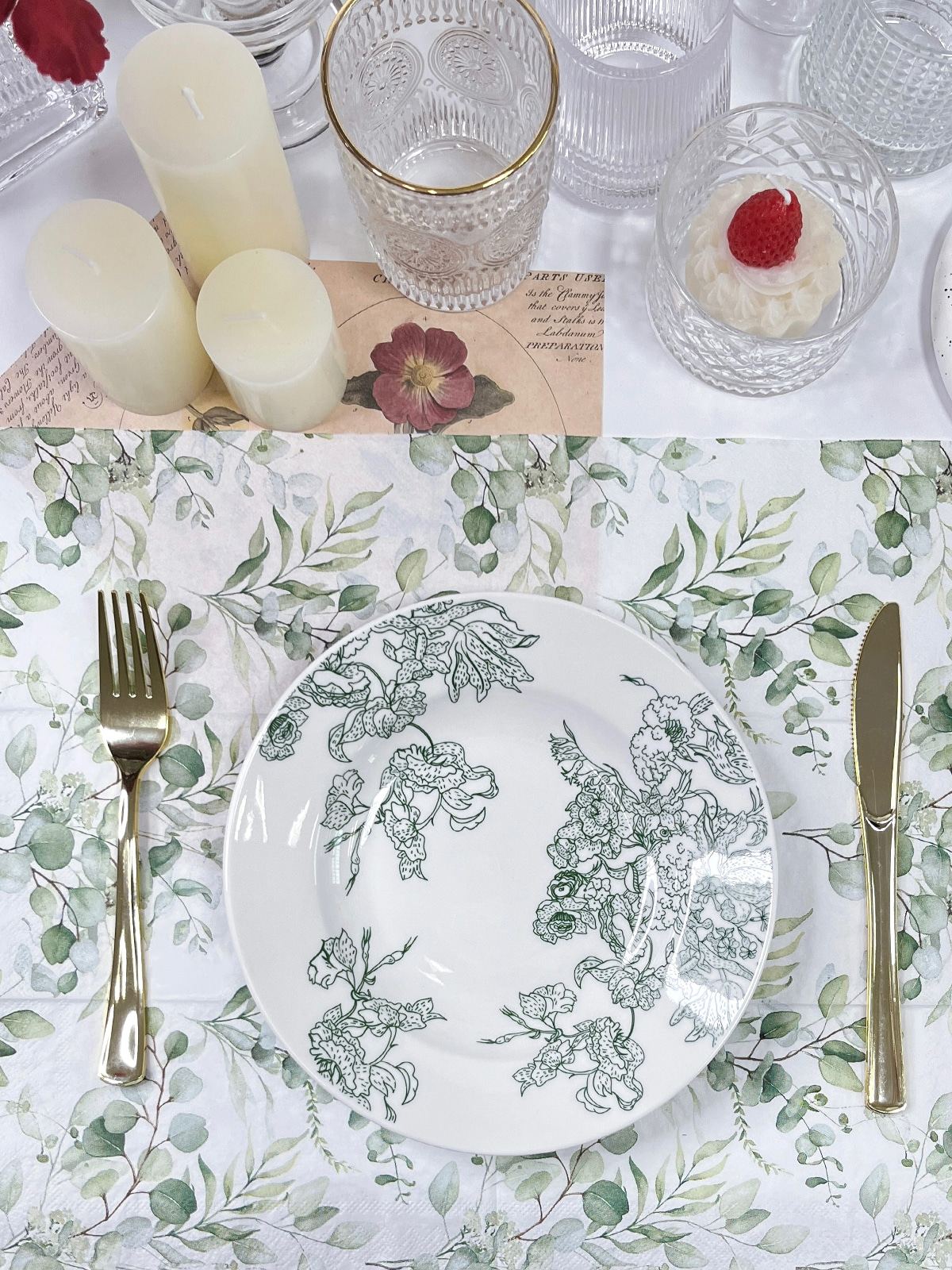
This trial is particularly useful when the table includes several decorative elements. A fold that looks suitable on an empty surface may become impractical once candles, flowers, serving dishes, or glasses are added.
There is also a handling issue. Some folds require the paper to be pulled from a particular direction. When several place settings are arranged together, guests should not need to reach across another person's space to unfold their napkin.
What Should Be Checked Before Choosing a Size?
The easiest way to avoid an unsuitable choice is to assess the complete setting before ordering or preparing the paper. A paper napkin does not occupy the whole tabletop, so the useful space should be considered after the other tableware has been placed.
Start with the plate. Its position establishes the main reference point for the rest of the setting. Place the fork, knife, spoon, and glass as they would appear during the meal. The remaining area shows where the folded napkin can realistically fit.
Next, decide how the paper will be used. A napkin intended mainly for wiping needs enough open surface for comfortable handling. A napkin intended to remain folded for part of the meal needs a shape that fits the space around the plate.
The tablecloth can also change the visual relationship. A patterned cloth already contains a lot of visual information, while a plain cloth leaves more room for the napkin pattern or color to stand out. Neither situation requires a particular size; the important point is whether the folded paper fits the overall arrangement.
Before preparing all the seats, check:
- Table shape: Is the setting round, square, or rectangular?
- Available space: How much room remains after the dinnerware is placed?
- Napkin position: Will it sit on the plate, beside it, or elsewhere?
- Folded form: Does the chosen fold fit without covering other items?
- Open form: Can the guest unfold it without disturbing the setting?
- Meal type: Will the napkin be used mainly during eating or also as part of the presentation?
- Shared items: Are serving dishes or drinks taking space away from individual settings?
For a banquet arrangement involving different table sizes, one sample setting for each table type can be prepared. There is no need to change the paper simply because the tables are shaped differently. In many cases, changing the fold or position is enough.
How Can Napkin Size Fit Into the Overall Table Layout?
The useful size is ultimately the size that works after everything else has been placed. An empty table can make a napkin appear small, while a fully prepared table may leave very little room around each guest.
A practical setup usually starts with the items that cannot easily be moved. The plate and serving area are established first. Cutlery and glasses follow. The napkin then occupies the remaining suitable space.
This order makes the decision easier because it prevents the paper from dictating the entire arrangement. It also shows whether the chosen fold creates a problem before the table is fully prepared.
For Banquet Paper Napkins, the same principle applies across different dining environments. A spacious rectangular table may allow a wider folded arrangement, while a compact round table may call for a closer placement beside each plate. A shared table may require the personal setting to remain separate from serving areas.
There is no need to force every table into one fixed arrangement. The useful question is whether the paper can be picked up, opened, and used without interfering with the rest of the setting.
A short trial before the meal can reveal practical issues that are easy to miss during planning. Sit at the table, reach for the napkin, unfold it, and return it to the setting. If the movement feels natural and the surrounding items remain in place, the chosen size and placement are working together as intended.