2026-07-20
Napkins tend to get overlooked as a small detail on the table, but their design actually plays a bigger role in setting the mood than many people give it credit for. A napkin that fits the occasion tends to blend naturally with the decorations, tableware, and general atmosphere, pulling the whole arrangement together.
Different occasions come with different unspoken expectations. A family gathering usually leans toward warmth and personal touches, while a business event tends to call for something cleaner and more restrained. Seasonal parties, wedding celebrations, and quiet private dinners each carry their own sense of what feels right.
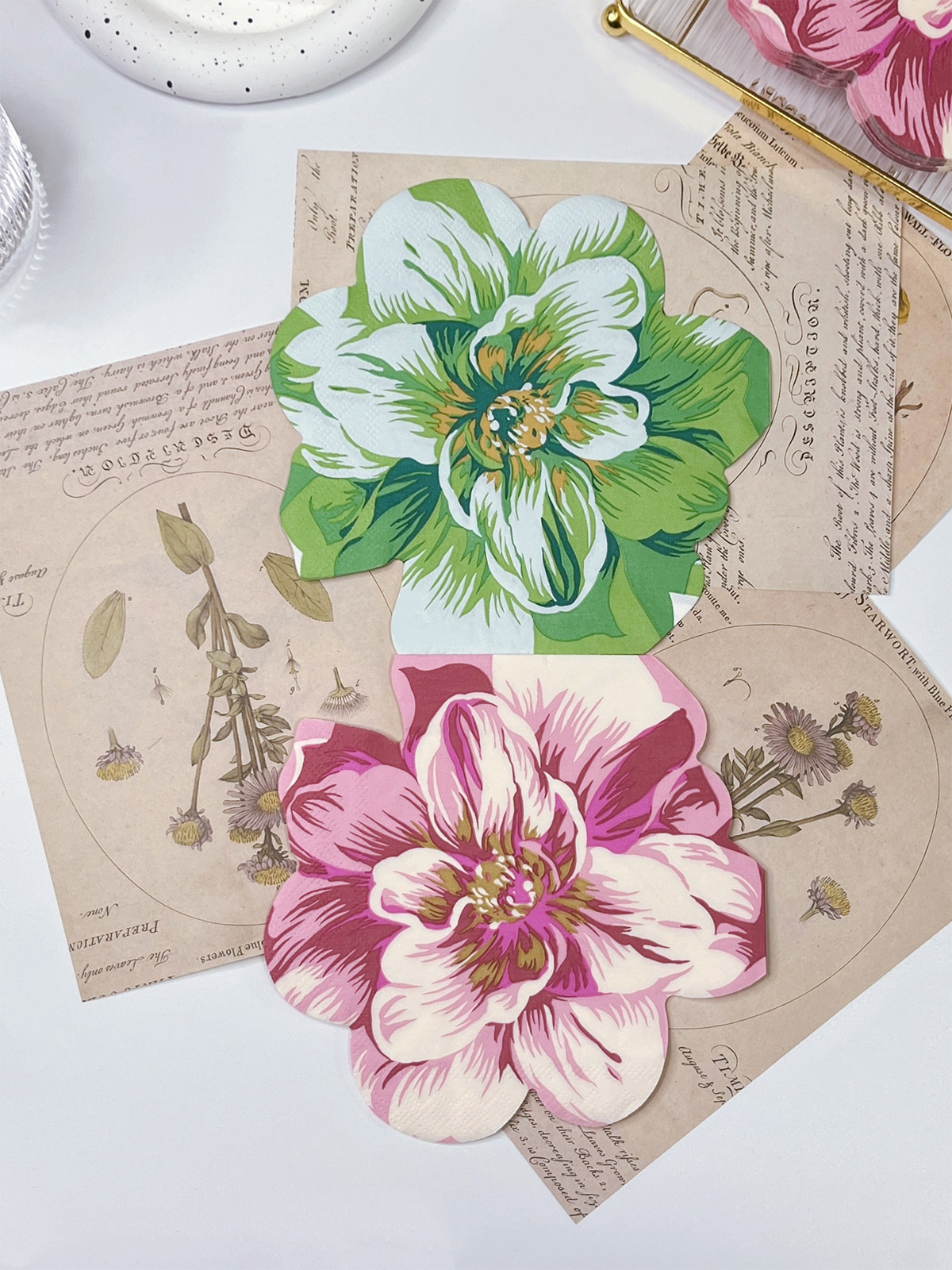
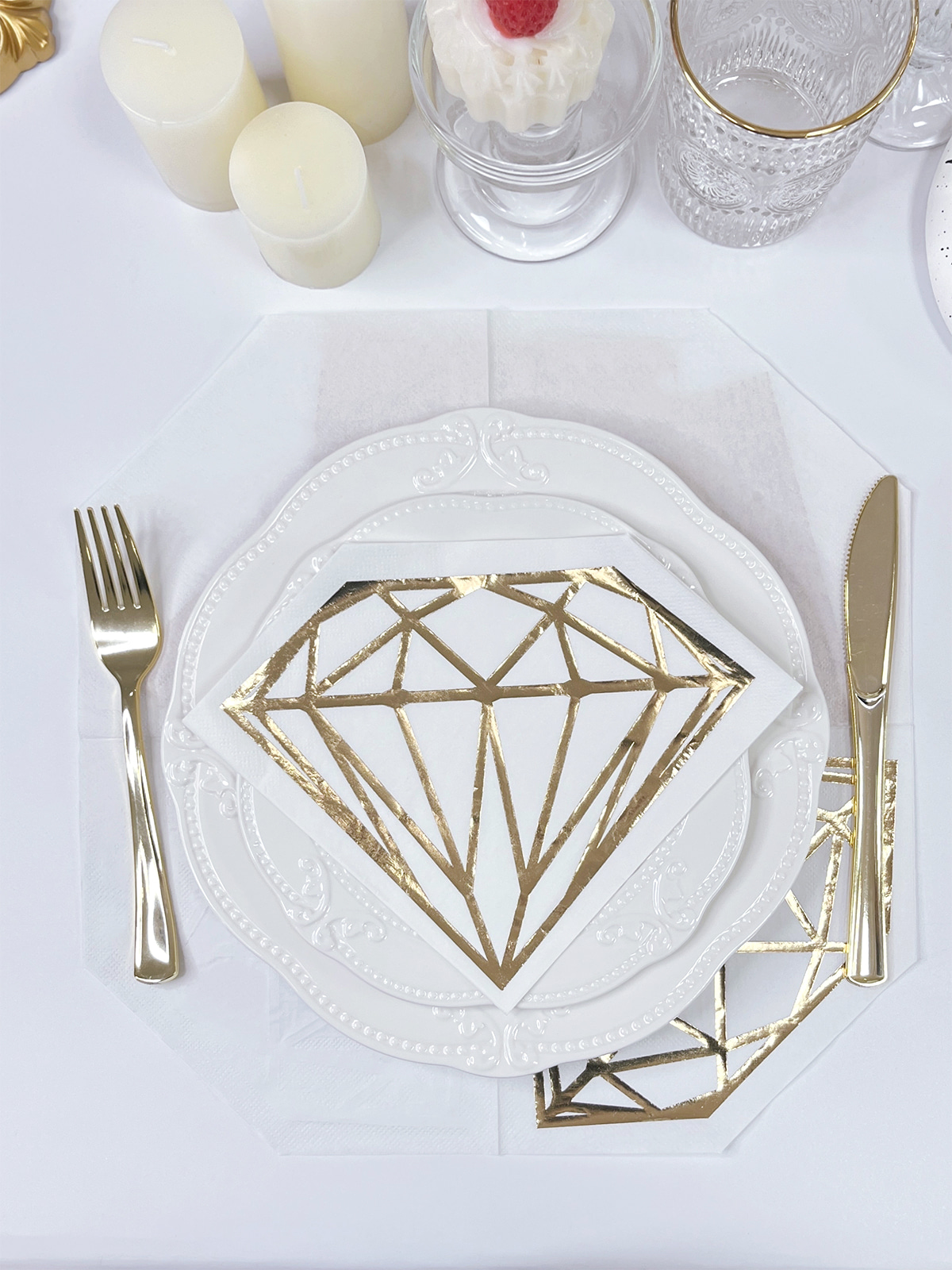
Material, color, pattern, surface texture — all of these shape how a napkin sits within the broader setting. Among the various decorative options available, Custom Foil Napkins offer a way to bring in visual interest through foil patterns, printed details, and personalized touches.
Picking the right napkin design means weighing appearance against practicality at the same time. A decorative style should fit the event's theme, but it still needs to hold up during actual use at the table.
A handful of things tend to shape that decision — the purpose and mood of the event, the surrounding table decor, how colors are coordinated, what guests are likely to expect, and how easy the napkins are to handle in practice.
None of this calls for elaborate decoration, either. Something as simple as a small pattern or a well-placed foil detail can be enough to tie the napkin into the rest of the setting.
Content
The theme of an event usually sets the direction for napkin design from the start. It gives a sense of what colors, patterns, and decorative touches make sense, letting the napkins fit naturally into the visual arrangement rather than standing apart from it.
Personal celebrations often make room for meaningful symbols, names, or short messages. These small details can make a table setting feel more connected to the people and the moment. Family gatherings and private parties tend to favor designs that reflect individual style rather than sticking to any formal set of rules.
Formal occasions usually call for something a bit more restrained. A simple layout with balanced foil detailing tends to work better in professional settings or more structured table arrangements, where a clear, controlled look helps everything feel put together.
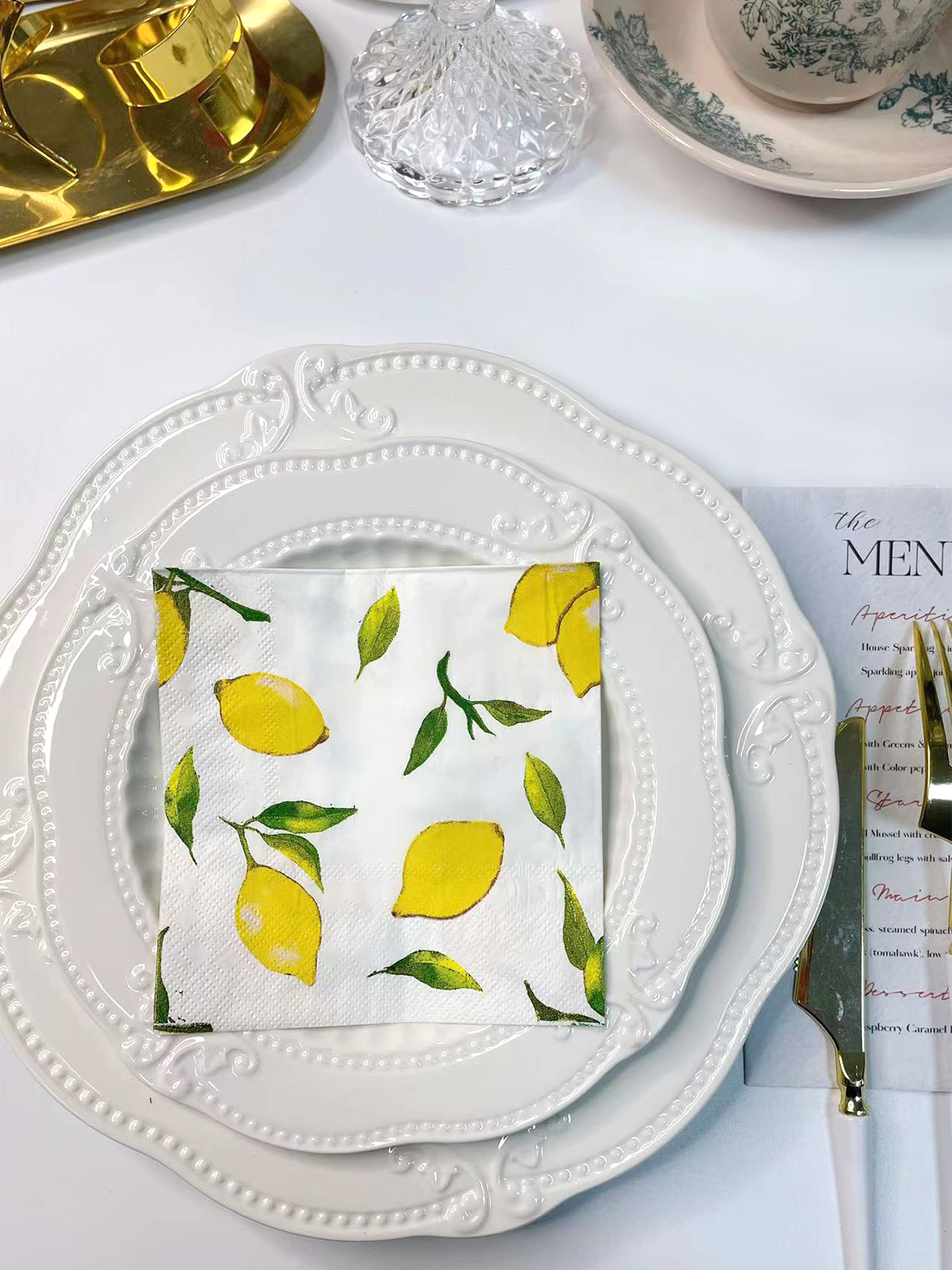
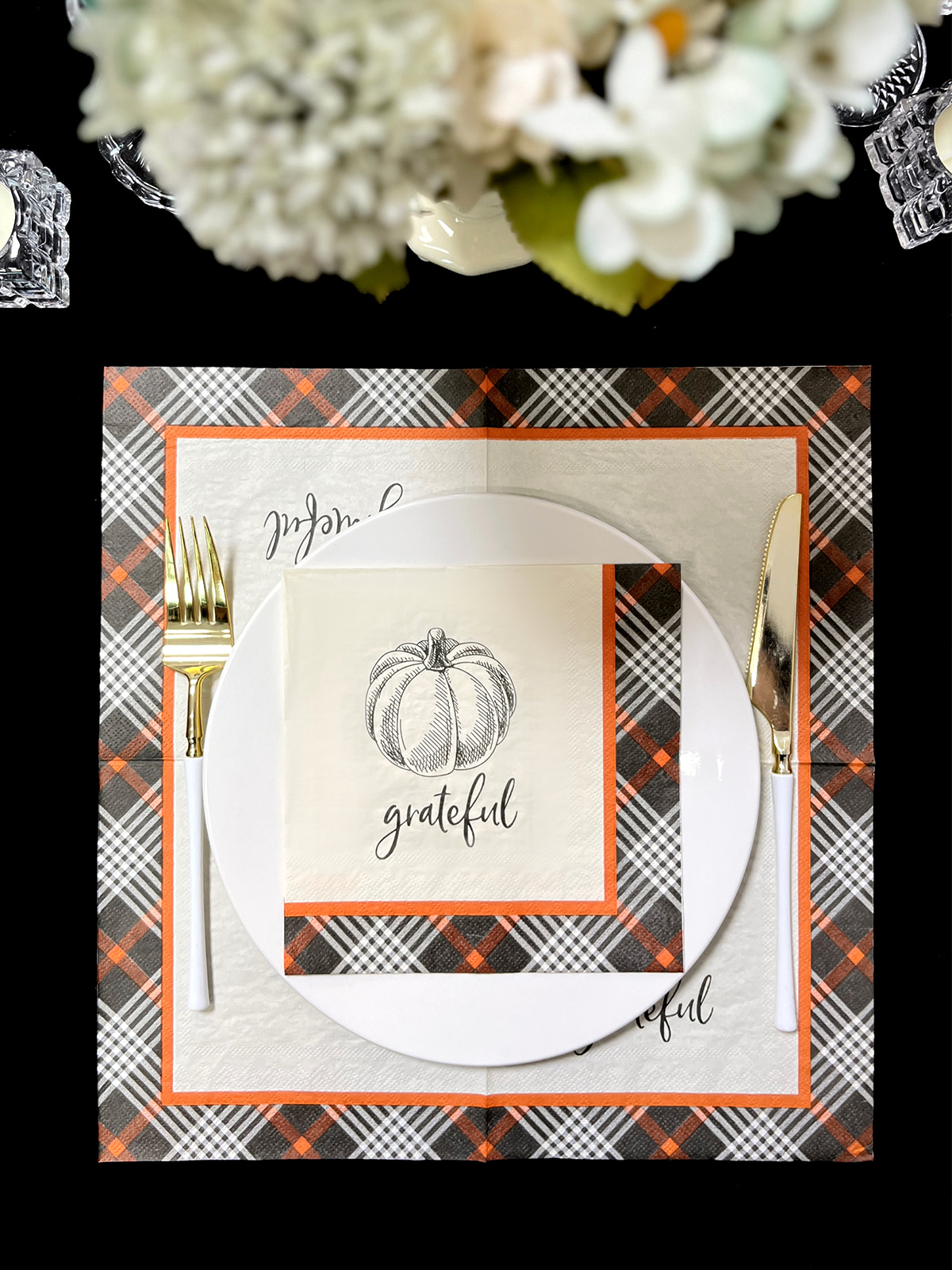
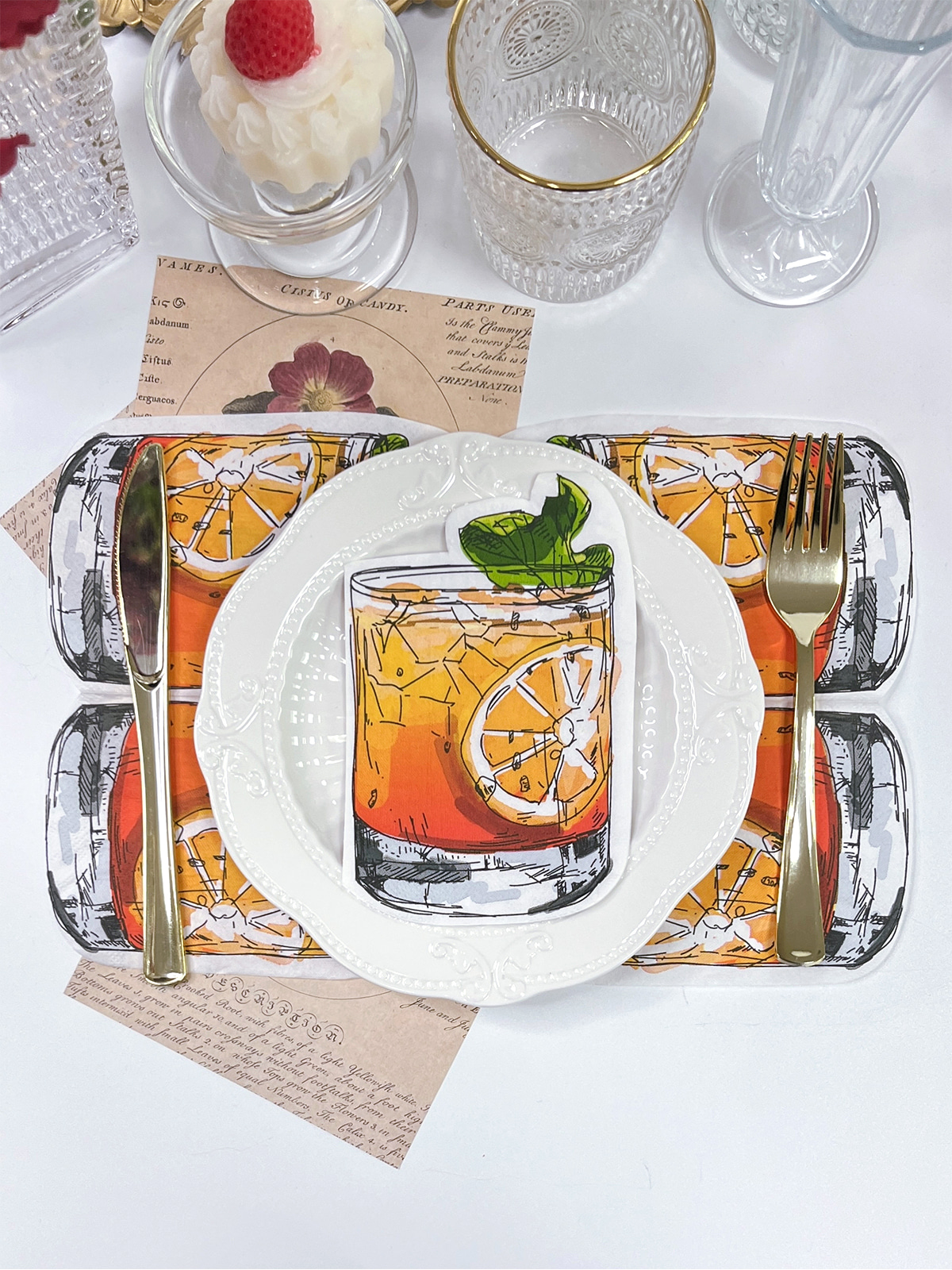
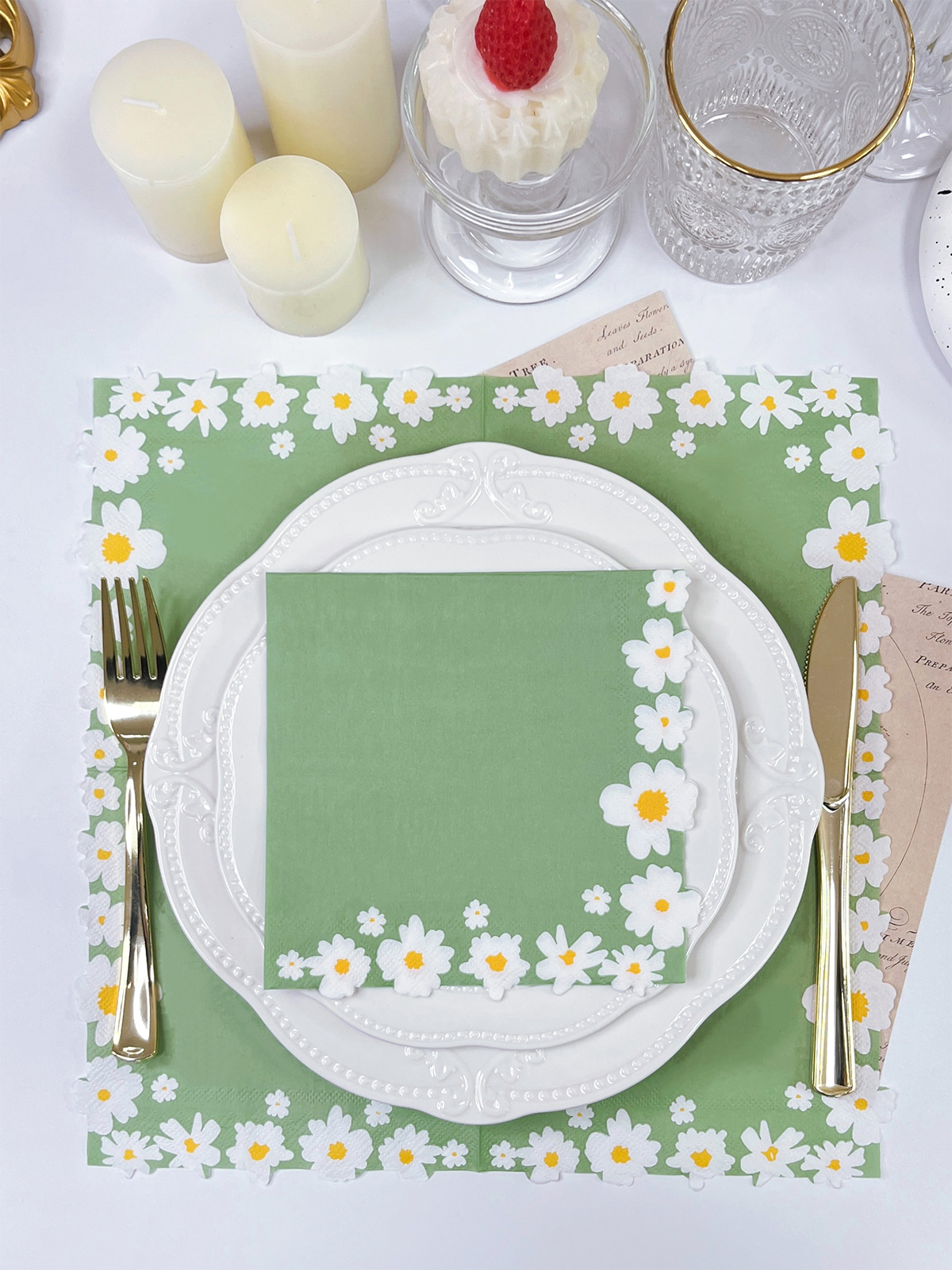
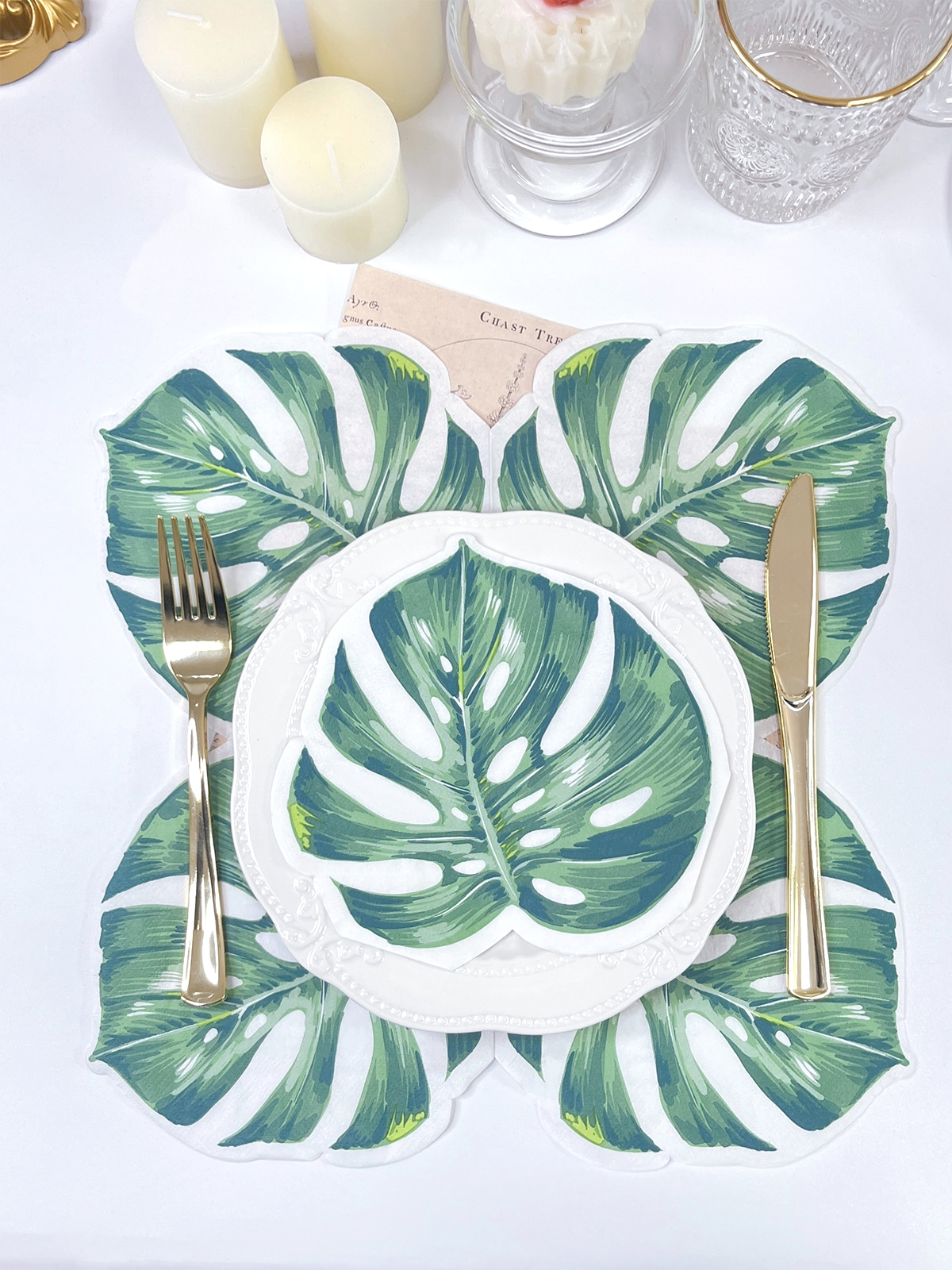
Seasonal gatherings bring their own set of design ideas, often shaped by the mood the season itself creates. Shapes, seasonal colors, or themed patterns can help the napkins echo the rest of the table decor.
| Event Style | Suitable Design Direction | Common Decorative Elements |
|---|---|---|
| Private Celebration | Personal and creative style | Names, symbols, customized patterns |
| Formal Gathering | Simple and coordinated appearance | Clean layouts, subtle foil details |
| Seasonal Party | Theme-related decoration | Seasonal colors and patterns |
| Business Event | Organized and professional style | Simple text and matching colors |
What makes customized napkins useful across so many different settings is really this flexibility — there's no single fixed style to follow, just a direction that shifts depending on what the event actually calls for.
Formal events tend to place a lot of weight on how well everything ties together. Table settings, decorations, and serving arrangements usually need to feel like part of one coordinated whole, so napkin choices for these occasions tend to favor balance over heavy decoration.
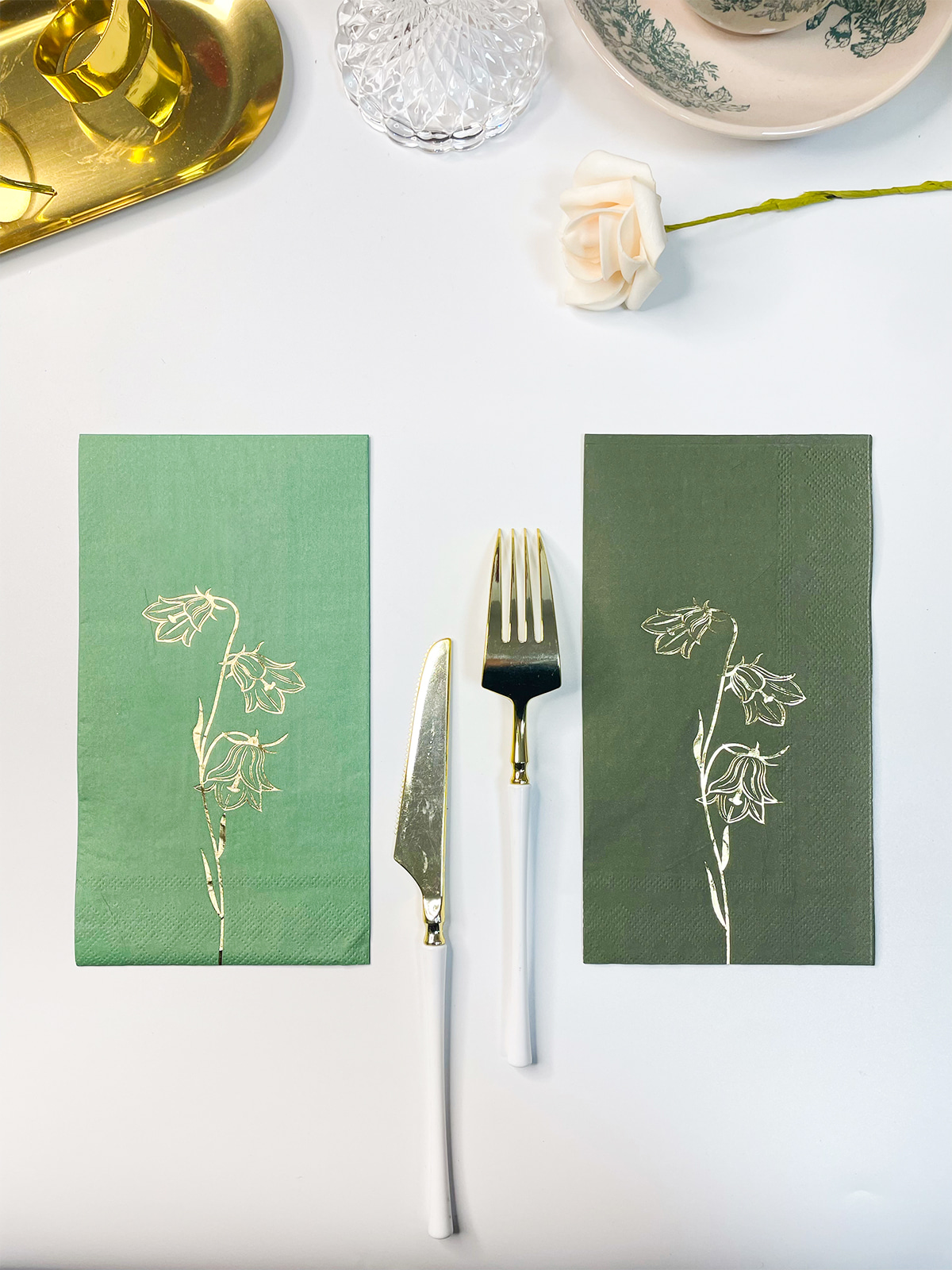
Foil detailing in these settings is often kept fairly restrained — a clean border, a modest pattern, or a carefully placed message can add some visual texture without pulling attention away from the rest of the table.
Color choice matters here too. Neutral tones tend to create a calmer, more settled feeling, while colors picked to match tablecloths or plates help everything read as intentional rather than mismatched.
A few things tend to come up when planning these designs — where the pattern sits on the napkin, how much foil detail is used and how it's balanced, whether the colors line up with the rest of the setting, and whether the napkin still folds and handles easily at the table.
Practicality still matters even in formal settings. Guests need to be able to use the napkins without any friction, and decorative touches shouldn't get in the way of that basic function.
The designs that tend to work well are the ones where appearance and usability aren't fighting each other — where the decorative choices support the mood of the event rather than distracting from it.
Personal celebrations leave a lot more room to play with design. Where formal events tend to favor restraint, private gatherings can carry more individual, personal detail without feeling out of place.
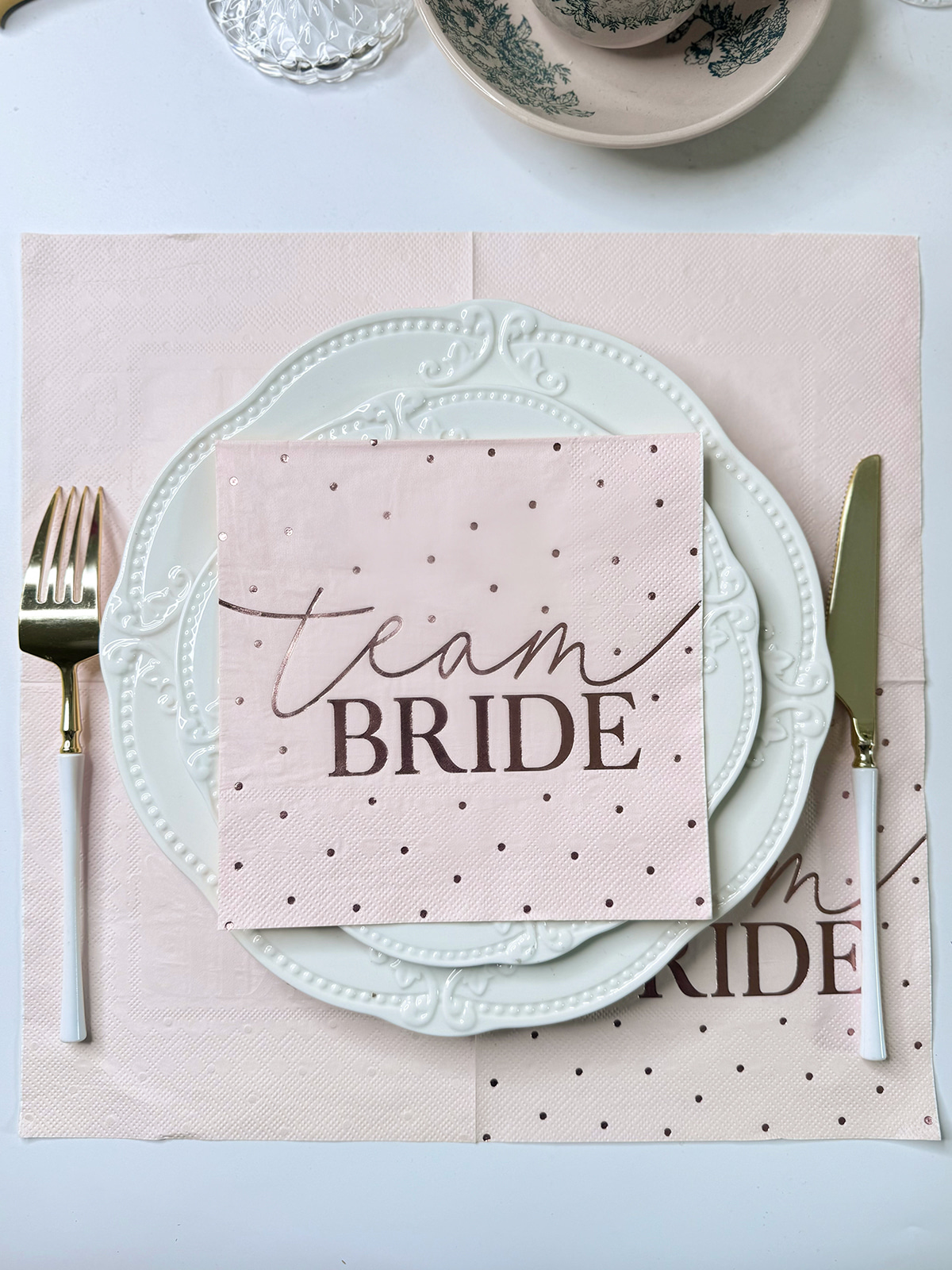
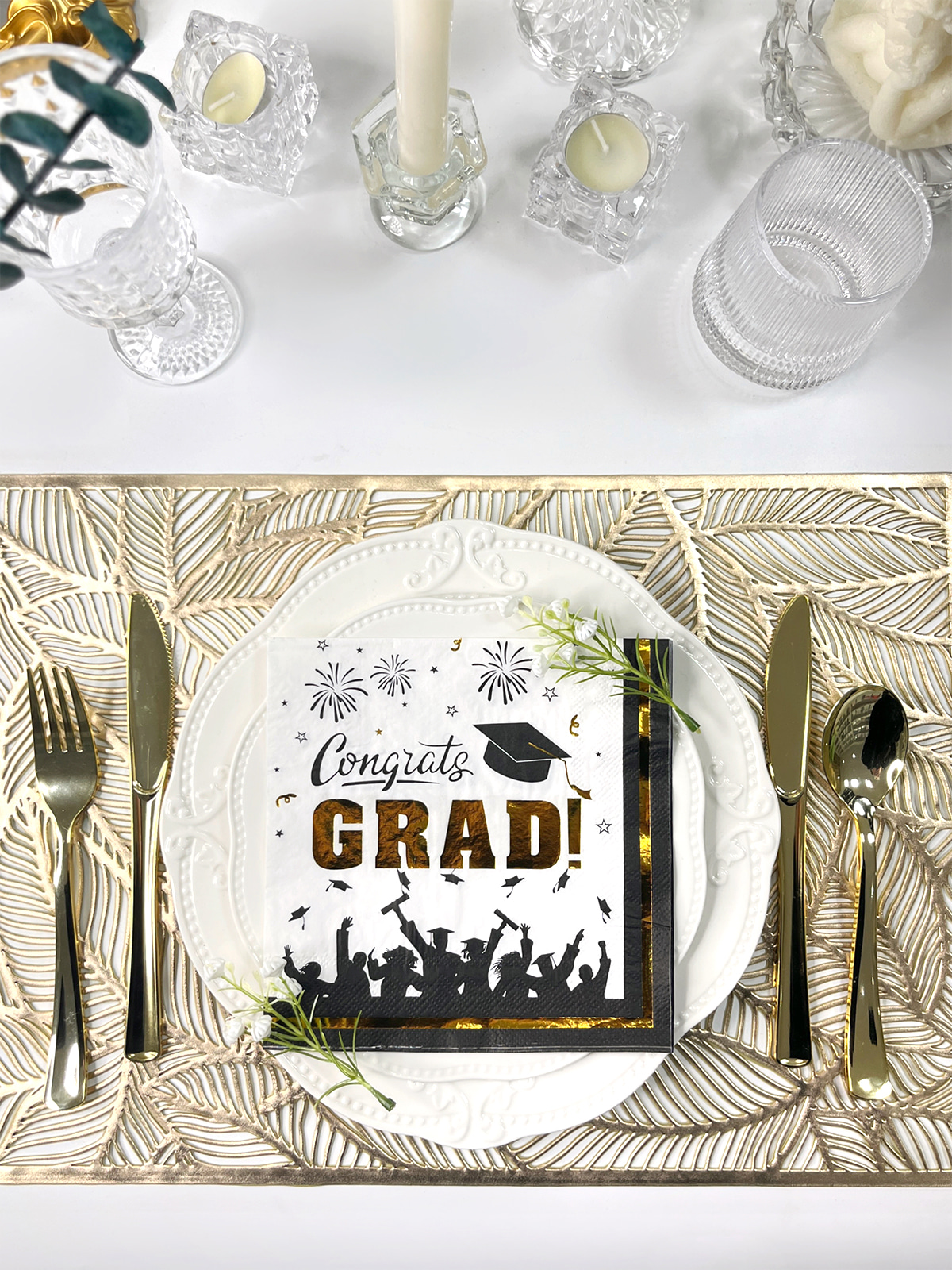
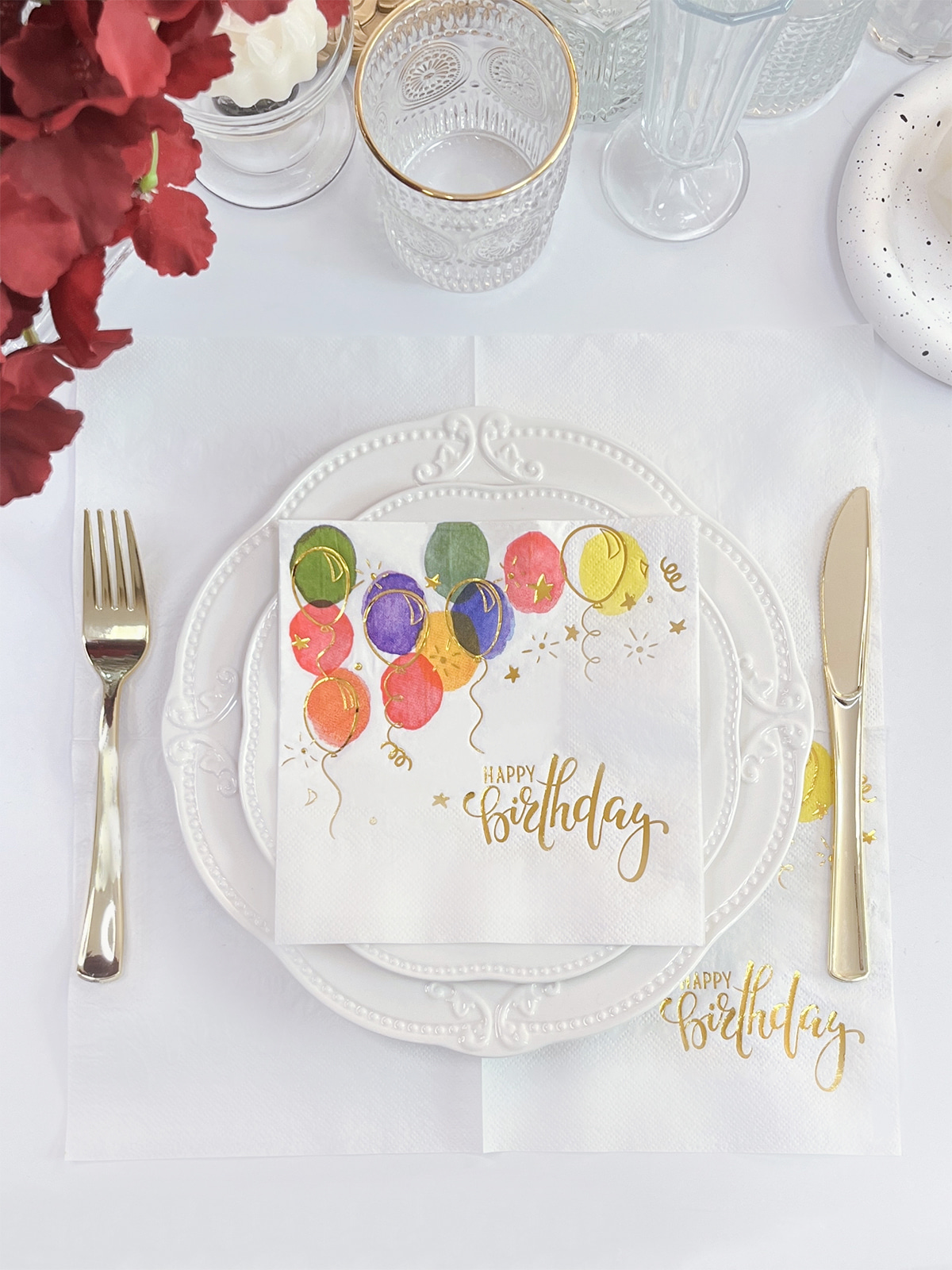
Birthdays, family dinners, anniversary get-togethers — these are the kinds of occasions where customized napkins tend to reflect something more personal. A name, a short phrase, or a symbol that means something to the family can shift how the whole table feels.
Design choices here often include personalized text, small decorative icons, custom color pairings, or patterns tied to a particular theme. A family celebration might lean toward warm tones and familiar symbols, while a themed party might build its patterns around whatever style the event is centered on. None of it needs to be elaborate to feel connected to the occasion.
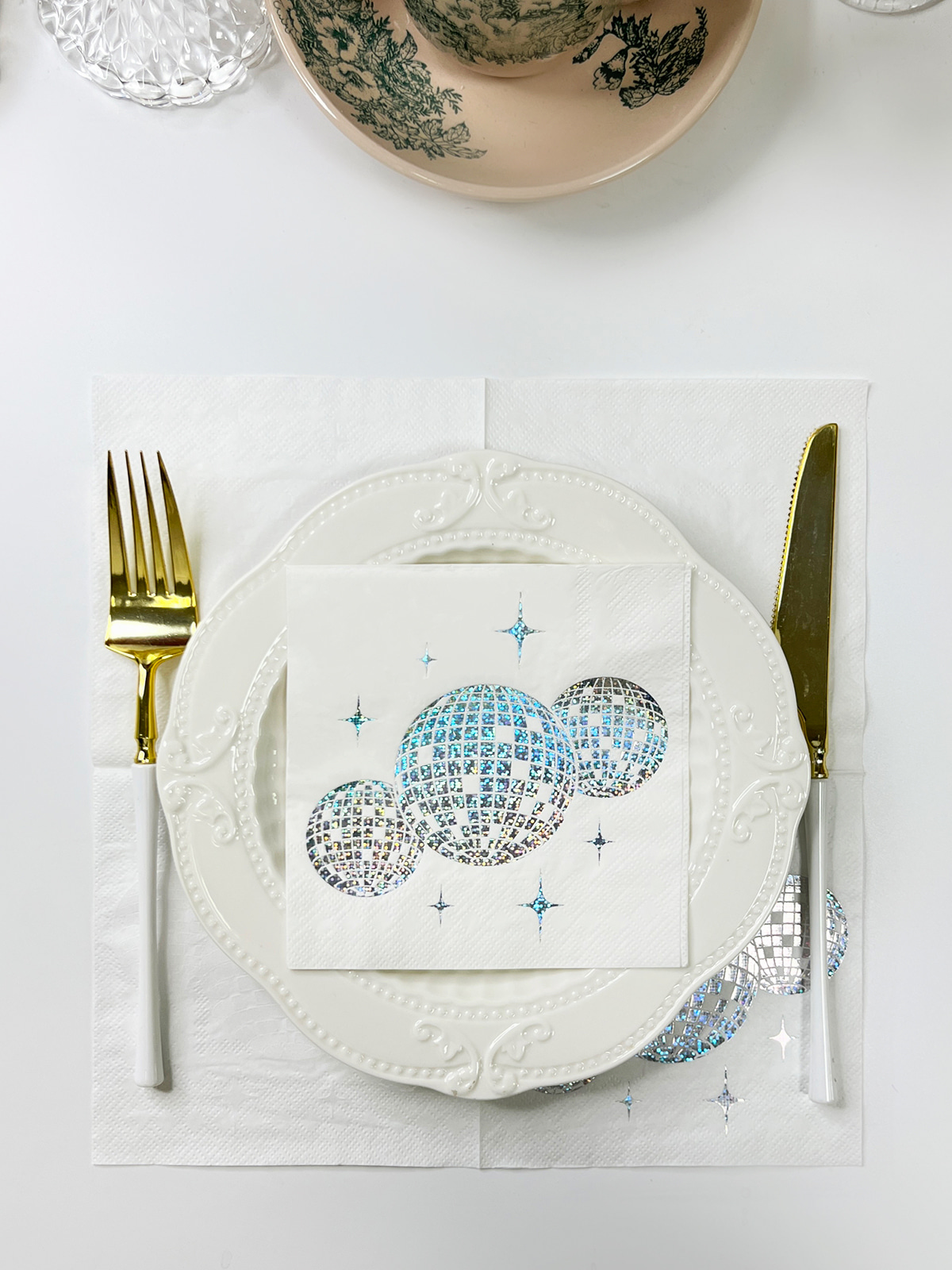
Custom Foil Napkins can end up working as part of the decoration itself rather than just sitting quietly as a functional item on the table. Placed alongside the rest of the table elements, small foil details can add a bit of visual texture and help everything feel more consistent.
Color tends to set the tone of a table before anyone even registers the individual decorations. Softer palettes usually create a calmer feel, while bolder colors give the setting more energy. Picking the right shade almost always starts with the event's overall theme rather than the napkin sitting on its own.
Foil work adds a layer of visual texture without changing what the napkin fundamentally is. Rather than covering the whole surface, a lot of designs place foil in just a few spots — a border, a small pattern, a single line. That kind of restraint tends to keep things looking clean instead of busy.
Contrast matters more than people expect. A foil finish shows up against a paper tone that lets it stand apart naturally. When too many decorative elements are competing at once, the whole thing can start looking cluttered rather than coordinated.
A few things tend to come up during the planning stage:
Sometimes it's the small tweaks that shift the whole look — moving a foil pattern slightly, or switching the background shade, can change the overall feel without touching the underlying design concept at all.
Business events tend to juggle two things at once — practical needs and visual presentation. Napkins might show up in meeting rooms, restaurants, reception desks, hospitality spaces, exhibition floors — each of these settings carries its own tone.
A lot of businesses gravitate toward cleaner layouts that support the event rather than pull focus away from it. Simple decorative touches usually blend more naturally with existing tableware and surrounding decor.
Before settling on a design, a few questions usually come up:
Working through those questions tends to narrow things down pretty quickly, without turning the whole process into something complicated.
Appearance is really only half the picture, though. Folding style, paper feel, and how the napkin handles in practice all shape how it performs once the event is actually underway. A well-balanced design holds up on both fronts — decorative and functional.
Every napkin starts as a mix of material choice, printing, and careful handling through production. A design might look great as a concept on paper, but how well it survives the manufacturing process is what determines whether the final product actually matches that vision.
Paper choice shapes texture, how well the napkin folds, and how printing turns out. A smoother surface generally holds foil detail more clearly, while the paper's underlying structure also affects how it feels in someone's hand.
Foil placement needs a fair amount of precision, since even small alignment shifts can throw off the overall look — especially with patterns that carry finer detail.
Several stages tend to work together through the process:
Quality checks generally happen throughout the process rather than getting saved for the very end. Reviewing pattern placement, fold accuracy, and surface finish at different points helps keep results consistent from one batch to the next.
Planning also has to account for what happens after production — how the napkins get transported and stored matters too. They need to stay clean, folded properly, and protected before they ever reach whoever's actually using them.
Decoration adds visual appeal, sure, but a napkin still has a job to do. Something that looks striking but feels awkward or stiff during actual use probably isn't going to work for event settings.
Paper softness, absorbency, how it folds, how comfortable it feels to handle — these all remain part of the planning process alongside the decorative side. Foil should work with those qualities, not against them.
A well-thought-out design usually pays attention to a handful of things:
Simpler layouts tend to adapt more easily across different occasions, mostly because they leave room for both decoration and everyday function to coexist. Guests can use the napkin the way they normally would, while still noticing the design detail worked into the surface.
Custom Foil Napkins keep showing up at events largely because they manage to hold both sides — decoration and function — without one having to give way to the other. When those two things line up, the napkin becomes part of the table's overall presentation rather than sitting there as a standalone decorative piece.
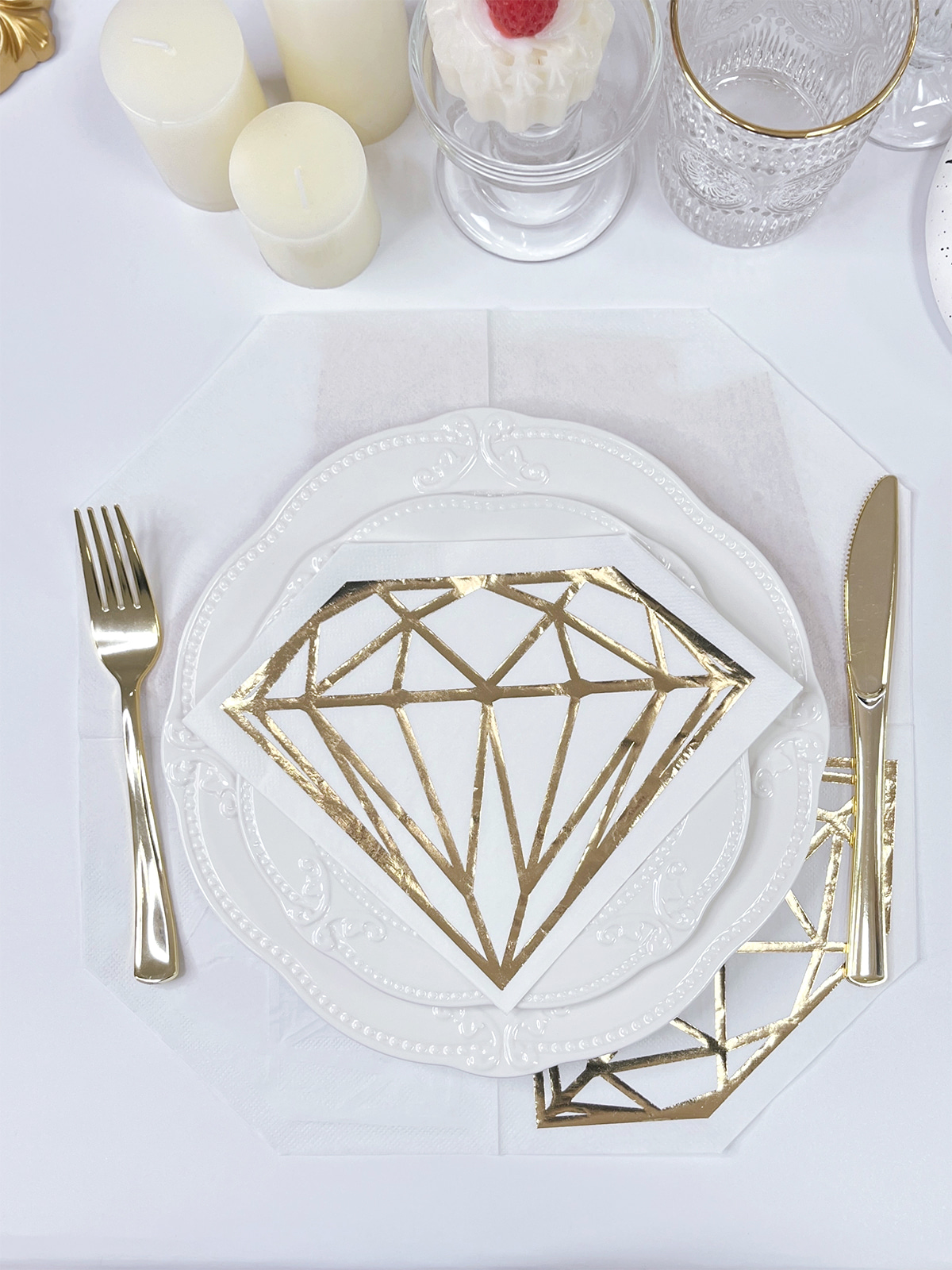
Event decoration keeps shifting as people look for styles that better reflect the occasion and their own personal taste. Napkin design tends to move along the same path, with more attention going toward flexibility and how well things coordinate together.
A growing number of event planners lean toward designs that blend into the full table setting rather than standing apart as an isolated decorative piece. Color matching, paper feel, and foil placement often get considered together rather than as separate decisions.
A handful of directions keep coming up in this space:
One other shift worth noting is versatility. A single design can often stretch across several different types of events just by adjusting the color or the pattern slightly — which means similar layouts can be reused in new contexts without starting from scratch each time.
As event styles keep evolving, Custom Foil Napkins remain tied closely to table presentation, everyday practicality, and the production methods behind them. Thoughtful design choices, suitable materials, and steady manufacturing quality all play a part in shaping napkins that work across a wide range of settings while still holding up to daily use.
Related Products
Shopping for a reliable source of napkins?
Established in 2007 and located in Zhuji City, Zhejiang Province, Zhuji Furong Paper Products Co., Ltd. is a professional manufacturer of color-printed napkins. Enhance Your Event With Custom Printed Napkins.
Telephone
+86-15325932613
Address
Jianglong Industrial Park, Jiyang Street, Zhuji City, Shaoxing, Zhejiang, China.
Contact Us
Products
Contact Us
+86-15325932613
+86-575-87765556
+86-575-87765559
Jianglong Industrial Park, Jiyang Street, Zhuji City, Shaoxing, Zhejiang, China.
Party Printed Paper Napkins Manufacturer Customized Napkins And Paper Towels Factory
Copyright © by Zhuji Furong Paper Products Co., Ltd. Rights Reserved.

 English
 中文简体
中文简体