2026-07-15
Buying paper napkins in bulk is usually tied to a very clear use case, and that use case changes the way the product should be judged. A family party, a hotel dining area, a wedding table, and a catering service may all use printed paper napkins, yet the same product will not always suit each setting in the same way, since appearance, handling feel, paper strength, and storage conditions all affect how well the order works once it reaches daily use.
Many purchasing problems begin when attention stays on the printed look while the actual use situation is left aside. A napkin that seems attractive in a sample may not hold up well in a busy dining space, where guests need something easy to pick up, comfortable to touch, and suitable for quick service. A cleaner and simpler design may sometimes fit better than a decorative one, especially when the napkins are going to move through many hands during a long event or a full day of restaurant service.
Printed Napkins Wholesale orders usually need more preparation than smaller purchases because the same product may be used across many tables or many events. A small difference in paper thickness, folding behavior, or color appearance can become much more noticeable once the order is delivered in large quantity. That is why a purchase decision often starts with basic questions about use, rather than with decoration alone.
A practical way to narrow down the right product is to look at the environment around it. A restaurant may care more about easy handling and stable supply, while a wedding planner may care more about how the napkins fit the table style. A hotel may want a product that feels neat and reliable during repeated service, while a promotional event may ask for a printed surface that matches the visual theme without becoming difficult to produce.
Several points usually shape the decision:
Quantity also changes the way the order should be planned. A sample that looks fine on a desk may behave differently once stacked, shipped, unpacked, and placed on many tables. Color tone, folding lines, package protection, and overall finish may all become easier to notice when the full order is in use. Because of that, product choice should be based on how the napkins will perform in real conditions, not only on how they look in a preview.
Content
Paper material affects almost every part of the user experience, from touch feeling to absorbency, from folding condition to how clearly a printed pattern appears on the surface. Even when two paper napkins look nearly the same before use, the material underneath the surface may behave quite differently once moisture, food, or repeated handling enters the picture.
A softer paper often feels more comfortable when used at a dining table, while a firmer structure may feel more stable when the napkins need to be stacked, carried, or arranged in a formal setting. The right choice depends on the purpose of the order, since a product used in a casual meal does not always need the same feel or structure as one placed in a banquet arrangement.
Paper structure also changes the way printed details appear. A smoother surface can support clearer lines and more even color presentation, while a more textured surface may create a different style of appearance. For custom orders, that difference matters because the artwork is not viewed on a screen anymore; it is transferred onto a physical paper product that reacts in its own way.
| Material Aspect | Practical Effect |
|---|---|
| Surface Softness | Affects touch feeling during use |
| Fiber Structure | Influences strength and paper stability |
| Surface Texture | Changes printed appearance |
| Layer Arrangement | Affects thickness and absorbency |
Absorbency is another point that deserves attention. A napkin used around drinks and food needs to handle moisture in a practical way, not only sit on a table as decoration. A paper that feels pleasant but becomes weak too quickly may not be a good match for restaurant service, while a stronger product may work better where handling and cleanup matter more.
Material choice is therefore connected with real use rather than theory. Once the order reaches the table, the paper has to do more than carry a design; it needs to support the whole experience of the meal, the event, or the service area.
Printing affects both appearance and production result, which is why the same design may look different depending on how it is made. Paper absorbs ink in its own way, and surface texture, paper color, and decoration size all influence how the final product turns out.
A design prepared for napkins should be simple enough to stay clear after printing, while still carrying the style needed for the occasion. Very small text, crowded graphics, or heavy detail can lose clarity when the artwork is placed on a limited area. A cleaner design often gives a more reliable result because the printed surface has less room to blur or crowd.
Before production begins, a few design details usually need checking:
Color is another point that often causes confusion. A tone that appears sharp on a digital file may look softer or slightly different once it reaches paper. That change is normal, since the material itself shapes the visual result. Reviewing a sample or confirming a printed reference can reduce the chance of disappointment after the full order is completed.
Printed Napkins Wholesale work better when design and material are planned together instead of handled as two separate steps. Artwork that fits the paper structure usually moves through production more smoothly, and the finished result tends to look more natural in real settings.
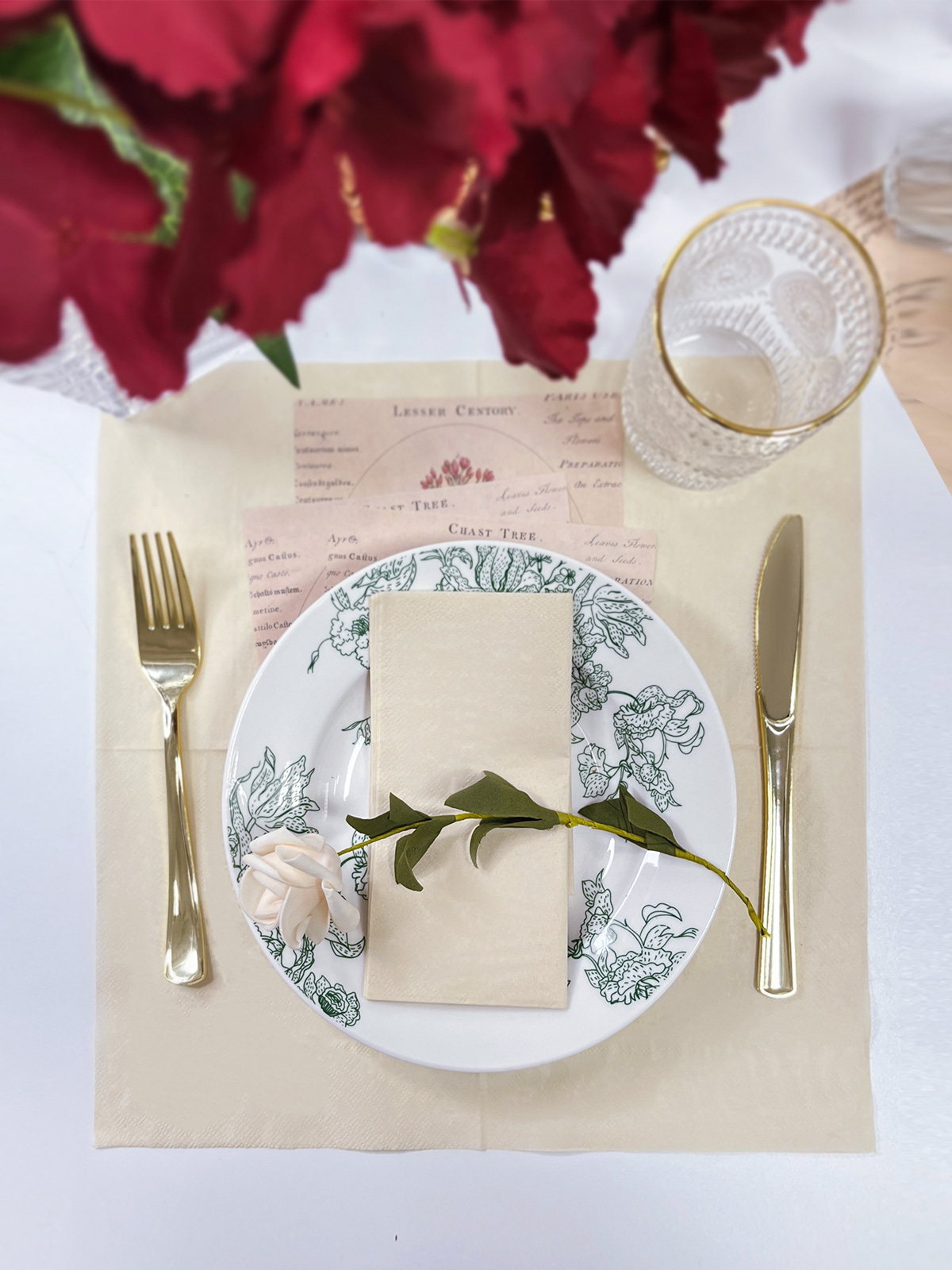
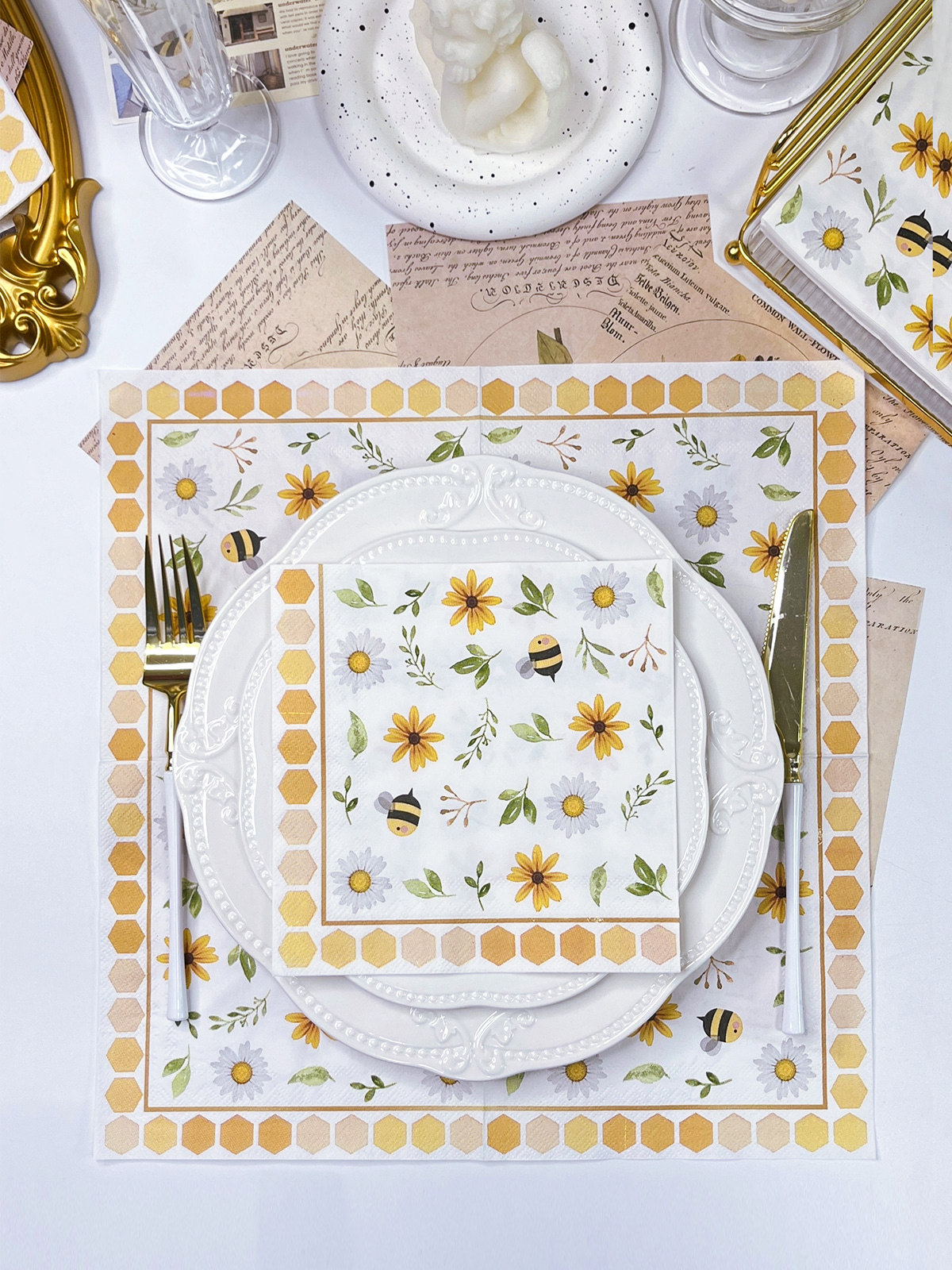
A printed napkin is often part of a larger table scene, which means the design needs to fit the setting as well as the paper surface. A wedding napkin, a restaurant napkin, and a company event napkin may all use printed details, yet the message they carry and the way they are viewed can be very different.
Placement becomes important once the napkin is folded or stacked. A logo near the wrong edge may disappear after folding, and a pattern that looks balanced on a flat file may lose that balance when it is placed on the table. Because of that, design work needs to take the physical shape of the napkin into account before production starts.
Several details often require early confirmation:
A design file that ignores the final shape of the napkin often creates extra adjustments later. That can slow down the process and leave less room for a clean result. Clear planning at the beginning usually helps the product look more natural when it reaches the table.
For Printed Napkins Wholesale orders, production becomes easier when the buyer and the manufacturer share the same picture of the final result. Small details such as spacing, image size, and color contrast may seem minor on paper, yet they often decide whether the finished napkin feels well matched to its use.
Bulk paper napkin orders usually run into trouble when details stay vague at the start, since size, folding style, artwork position, and packaging all affect how the finished product will actually look and function. A napkin that seems suitable on screen may sit very differently once folded, stacked, shipped, and placed on a table, so order confirmation needs more than a quick visual check.
Several points are worth clearing before production begins:
Size often causes hidden problems because a folded napkin does not show its full surface in the same way a flat artwork file does. Logos or patterns that sit too close to the edge may disappear or lose balance after folding, while a design that looked fine in a digital preview may feel crowded once printed on paper.
Artwork quality also deserves attention. Small text, crowded graphics, and weak contrast can make the printed result harder to read or less clear than expected. Checking those details early usually saves time later, since changes after production has started are harder to manage and may affect the whole order.
Packaging should not be treated as a small side detail. Paper products react to moisture and handling during transport, and a poorly chosen package may leave the napkins bent, damp, or less neat by the time they reach storage or service areas. Clear communication around material, artwork, and packaging makes the order process far easier to handle.
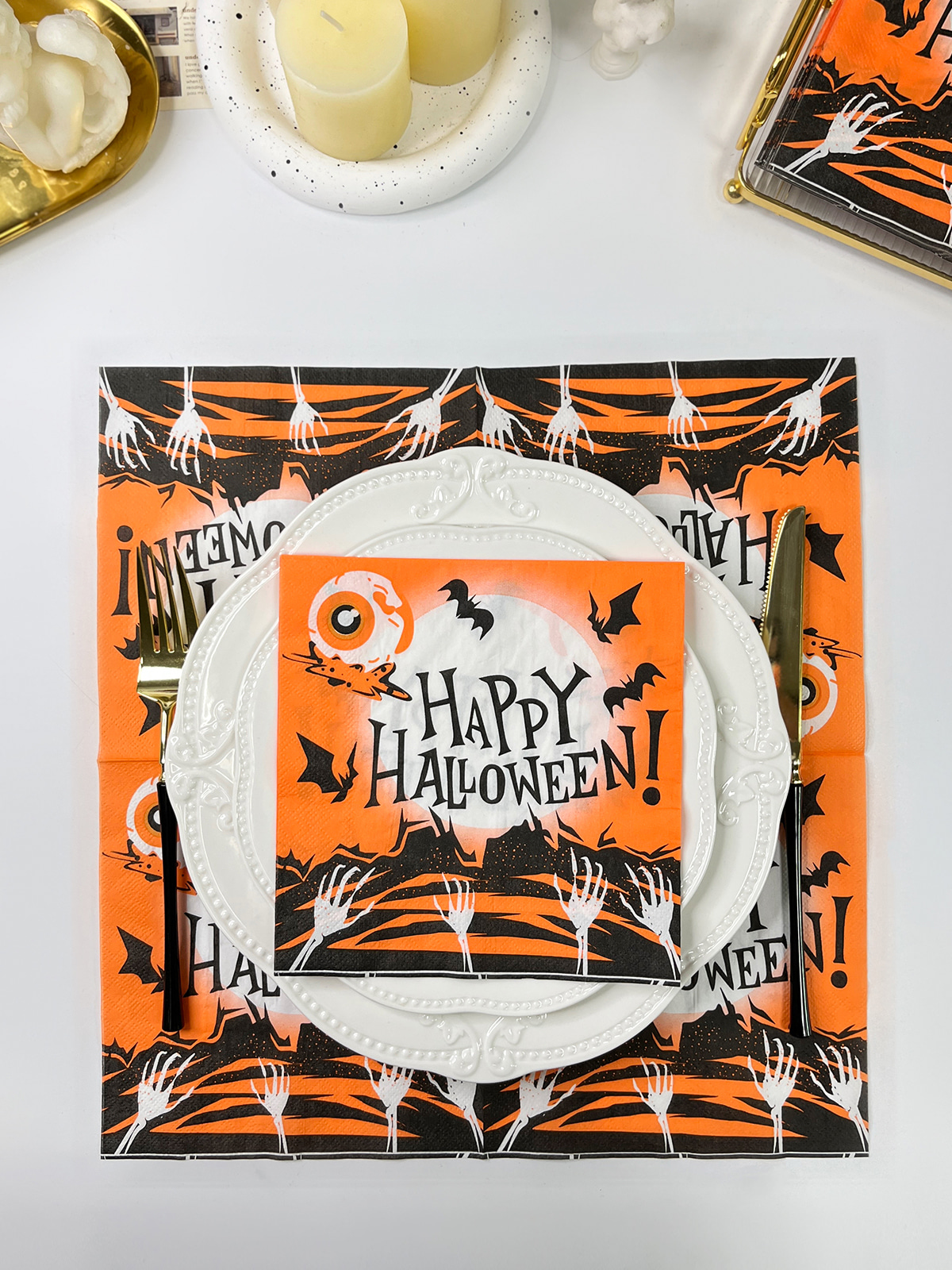
Packaging does more than hold paper products together. For printed napkins, it protects appearance, shape, and cleanliness before the products are used. Moisture is one of the main concerns because paper changes easily when stored in an unsuitable environment, and even a small amount of dampness can affect softness and folding condition.
Handling during delivery also matters. Packages may be moved, stacked, or stored for a period of time before reaching the final destination, and those situations can affect the appearance of the napkins inside. A package that supports the product well helps reduce damage caused by pressure or movement.
Storage after delivery should match the paper product itself. A dry and clean storage area keeps the napkins closer to their original condition, while humid or poorly arranged storage can create problems before the products are even placed on a table.
| Storage Factor | Practical Effect |
|---|---|
| Moisture | Influences paper condition |
| Packaging Protection | Reduces handling damage |
| Storage Area | Affects product appearance |
| Stacking Method | Helps maintain package shape |
For businesses ordering Printed Napkins Wholesale, storage planning is often tied to usage timing. Napkins prepared for a one-time event may stay boxed until the event begins, while products used in daily service may need easier access and more regular stock rotation. That difference changes how packaging and storage should be handled.
A lot of buying problems come from focusing on appearance before thinking through use. A decorative napkin may suit a formal event, while a simpler product may fit better in a restaurant or catering setting where practical handling matters more than visual detail. Once the intended use is clear, product selection becomes easier to judge.
Paper differences are another point that often gets missed. Two napkins can look similar in a sample yet behave differently because paper structure affects softness, absorbency, and stability during use. A product that looks neat on the table still needs to hold up under real handling.
Common issues include:
Production communication also plays a part. When artwork, packaging, or size details stay incomplete, the final result may not line up with the original idea. A clear order plan gives both sides a better reference and helps reduce avoidable changes during manufacturing.
Supplier choice matters because printed napkins depend on several connected steps, not just printing itself. Communication, product handling, customization support, and order control all affect whether the final result matches the expected use.
For custom orders, clear discussion at the beginning usually saves more trouble later. Paper preference, artwork position, package style, and delivery needs should all be explained in practical terms rather than left open to assumption. A supplier that understands those details can usually move through production more smoothly.
A few signs are useful during evaluation:
Experience with paper products also helps because printed napkins are affected by both the material and the print process. A supplier familiar with similar work is more likely to understand where small differences may appear and how to handle them before the order is finished.
Related Products
Shopping for a reliable source of napkins?
Established in 2007 and located in Zhuji City, Zhejiang Province, Zhuji Furong Paper Products Co., Ltd. is a professional manufacturer of color-printed napkins. Enhance Your Event With Custom Printed Napkins.
Telephone
+86-15325932613
Address
Jianglong Industrial Park, Jiyang Street, Zhuji City, Shaoxing, Zhejiang, China.
Contact Us
Products
Contact Us
+86-15325932613
+86-575-87765556
+86-575-87765559
Jianglong Industrial Park, Jiyang Street, Zhuji City, Shaoxing, Zhejiang, China.
Party Printed Paper Napkins Manufacturer Customized Napkins And Paper Towels Factory
Copyright © by Zhuji Furong Paper Products Co., Ltd. Rights Reserved.

 English
 中文简体
中文简体