2026-08-17
Printing a photograph on a napkin sounds simple until the material itself is considered. Ordinary printing paper has a relatively firm surface that keeps its shape during handling, while a paper napkin is soft, flexible, and designed to absorb moisture. Such differences affect how ink behaves after it reaches the surface.
Napkin fibers can absorb liquid quickly. As ink enters the material, fine edges may become less defined than they appear on a digital file. Small facial details, thin lines, and subtle color changes can lose some clarity, especially when a photograph contains many visual elements close together.
Surface texture also matters. A smooth napkin can present a different printing result from a softer or more textured one. Folding creates another variable because printed areas may not remain completely flat during use.
For photographic printing, several factors need to work together:
A photograph that looks clear on a screen may therefore need adjustment before being transferred to a napkin. Good preparation starts with the material rather than treating the napkin as ordinary printer paper.
Content
Yes, photographs can be printed on suitable Banquet Paper Napkins, although the finished appearance depends on material selection and printing conditions. Simple photographs with clear subjects tend to be easier to reproduce than crowded images containing many small details.
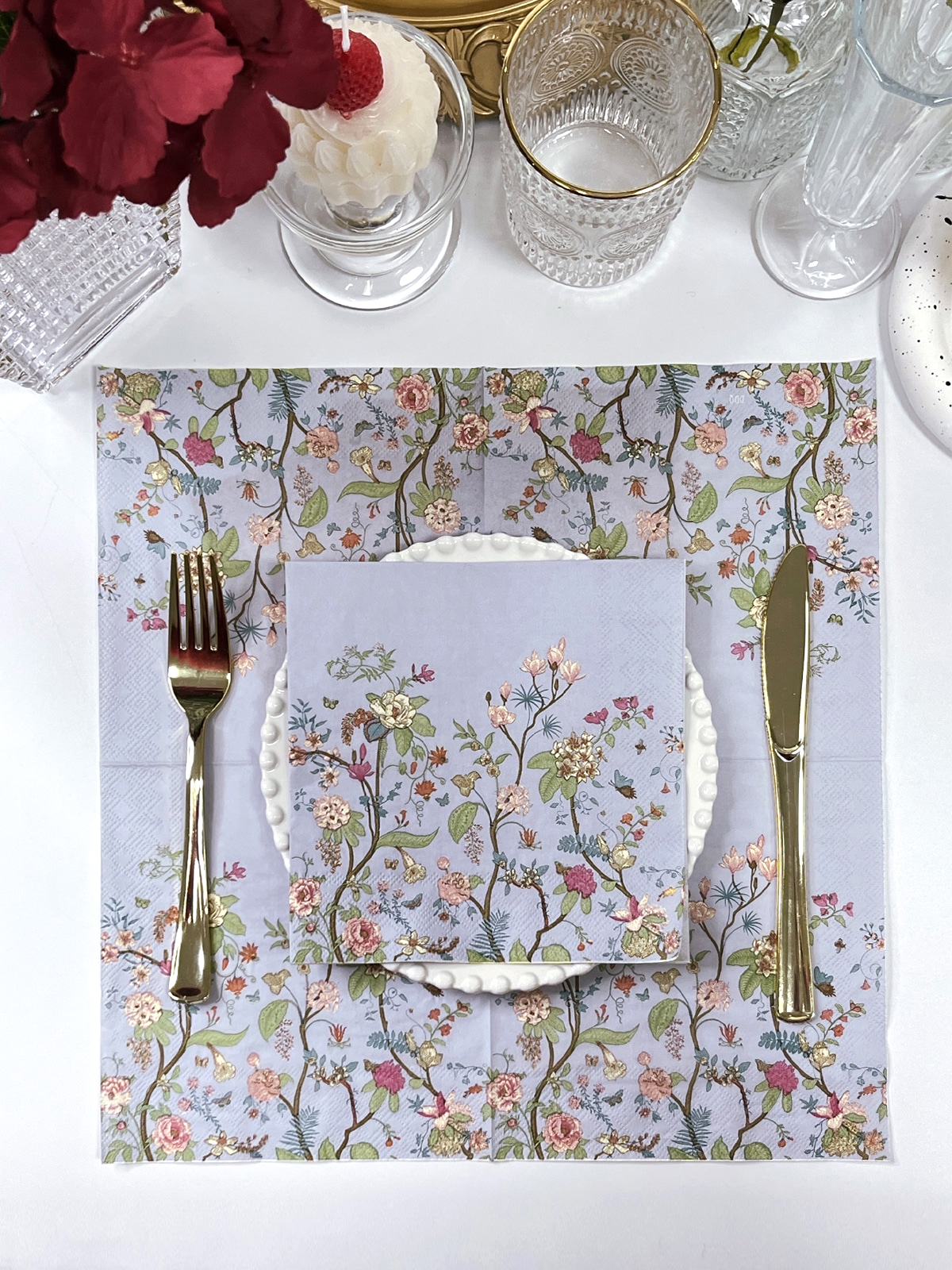
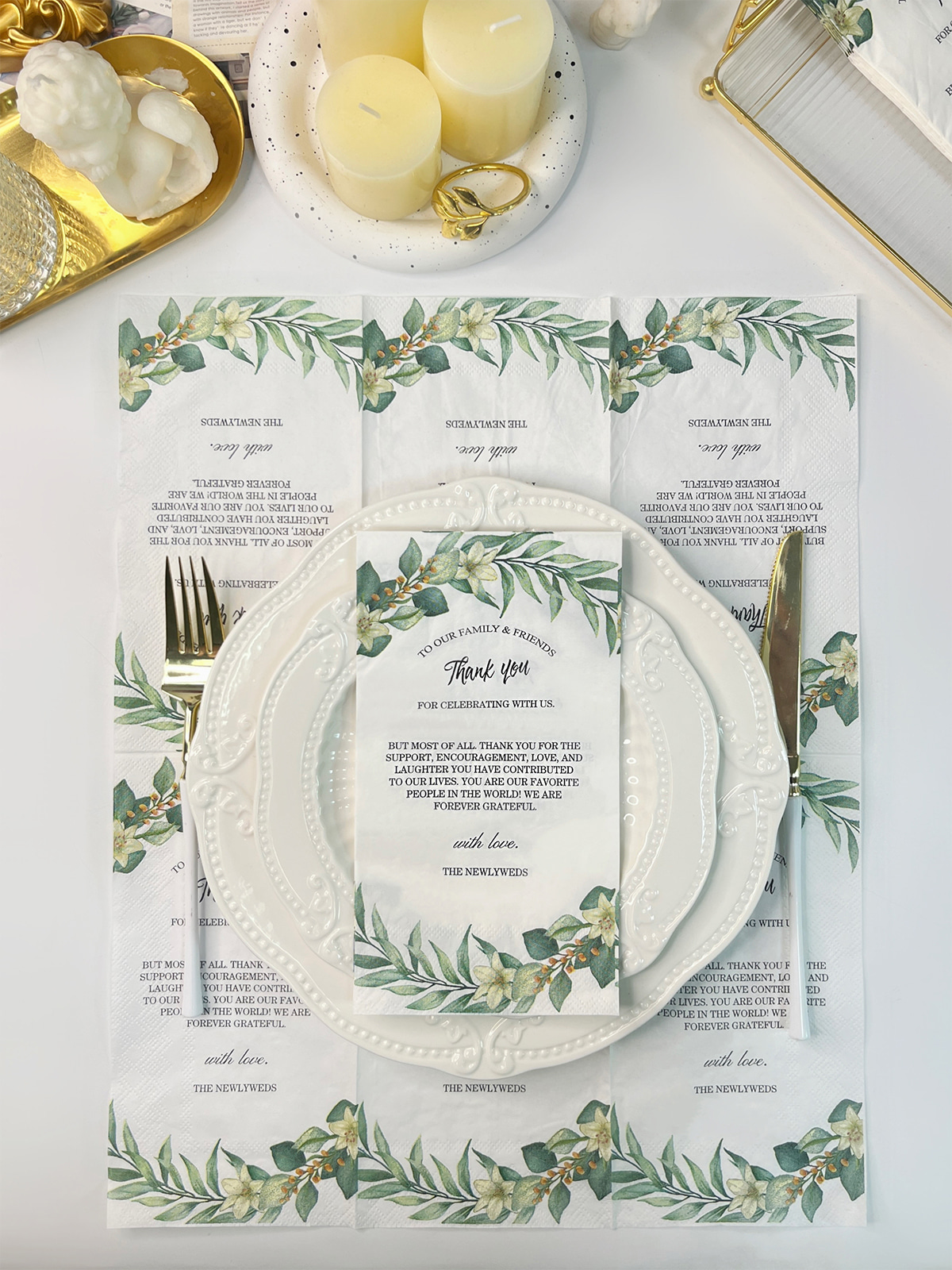
A banquet napkin may carry a family photograph, an event image, a decorative scene, or another personal visual. Placement becomes important because folding can cover part of the printed area.
For example, a portrait placed too close to a fold may appear divided when the napkin is folded. A face positioned near an edge may also become partly hidden when guests open or handle the product.
Artwork preparation should therefore consider both states:
Image contrast also affects readability. A photograph with clear separation between light and dark areas can remain easier to recognize after ink absorption. Very pale backgrounds and fine tonal changes may become less visible on an absorbent surface.
Not every photograph needs to be treated in the same way. Image content influences how easily important details survive the printing process.
Clear portraits can work well when the subject occupies enough of the available area. Simple event photographs with recognizable shapes may also remain visually clear after transfer to the napkin surface.
Crowded photographs require more attention. When many people, objects, or background details compete within a small area, individual elements may become difficult to distinguish.
Images with very thin lines or gentle gradients can face similar issues. Absorbent fibers may soften boundaries, making delicate visual transitions less noticeable.
A practical image may contain:
Image editing does not necessarily mean changing the character of a photograph. Simple adjustments to brightness, contrast, cropping, and positioning can make the artwork better suited to the material.
Absorption is one of the key differences between napkins and conventional printing surfaces. Once liquid reaches a soft paper structure, it can move between fibers instead of remaining exactly where it was placed.
Such movement may soften image edges. A dark area can also appear slightly different from its appearance on a screen because ink and paper interact differently from digital light and color.
Printing too much ink onto an absorbent surface can create another problem. Excess liquid may spread into surrounding fibers, affecting nearby details and making an image look less defined.
A suitable balance is needed. Enough ink should create a visible image, while the printing process also needs to respect the absorbent nature of the paper.
| Image Factor | Possible Effect on Napkin Printing |
|---|---|
| High contrast | Main shapes may remain easier to recognize |
| Fine details | Small features may lose definition |
| Pale colors | May appear less noticeable after absorption |
| Large dark areas | Can require careful ink control |
| Crowded composition | Individual subjects may become harder to distinguish |
| Simple composition | Main visual elements may remain clearer |
Material testing can help reveal how an image behaves before a larger production run. Digital artwork alone cannot show every change caused by paper absorption.
Several printing approaches can be considered for paper napkins, although suitability depends on the napkin structure, artwork, and intended use. A process designed for smooth paper cannot automatically be transferred to a soft, absorbent material without adjustment.
Simple decorative designs may require less printing complexity than photographic images. Logos, basic illustrations, and large shapes generally contain fewer fine transitions, making them easier to reproduce on an uneven surface.
Photographs require greater attention to image detail, color areas, and ink distribution. Printing conditions need to account for how quickly the napkin material absorbs liquid.
Production decisions can therefore involve several questions:
Matching the printing process with the paper structure helps reduce avoidable differences between the original artwork and finished napkin.
Material selection has a direct effect on appearance. Napkins can differ in softness, surface texture, layer structure, and folding behavior. Each characteristic can influence how a photograph looks after printing.
A smoother surface may hold image edges differently from a more textured material. Layer structure can also affect firmness during printing and folding.
Color of the napkin matters as well. A white or light surface allows printed colors to remain visually distinct, while a colored base can change how an image appears. Light shades may become less visible against a darker background, especially when the original image contains similar tones.
Folding adds another consideration. A photograph intended for a folded banquet setting needs to be positioned so important visual elements remain visible after the napkin is prepared for the table.
Banquet settings often involve folded napkins placed on tables before guests arrive. As a result, image placement needs to consider how the product looks before and after unfolding.
A portrait, for example, should not have the main subject positioned directly across a fold. Important text or decorative elements also need enough distance from areas that may become hidden.
Size matters in another way. A photograph enlarged to fill the entire napkin may contain large printed areas that behave differently from a small decorative image.
Event planners and production teams can check:
A flat digital preview can provide useful guidance, although a physical sample gives a clearer indication of folding, texture, absorption, and image visibility.
Napkins used around food require careful consideration of materials and printing substances. A decorative image may be intended only for visual presentation, while parts of a napkin can come into contact with food during normal use.
Material selection therefore needs to consider the intended application. Printing substances, paper layers, coatings, and other components should be evaluated together according to the requirements of the target market.
Food-related use also means printing should not be considered only from an appearance perspective. A visually attractive image has little practical value when the material or printing arrangement is unsuitable for its intended environment.
For banquet applications, production planning should consider both appearance and function. Softness, absorbency, folding behavior, print placement, and food-contact suitability all belong in the same evaluation process.
A Paper Napkin Factory has to consider more than the printing stage when photographic designs are involved. Paper selection, surface condition, folding, artwork placement, and packing all affect how a finished napkin looks and feels.
Production usually begins with material preparation. Different paper structures absorb ink in different ways, so artwork may need to be adjusted according to the selected napkin. A design prepared for a smooth surface may require changes when used on softer paper.
Artwork checking is another practical step. Important faces, text, or decorative elements should stay within the usable print area, while fold lines and edges need to be considered before production begins.
During manufacturing, several areas may receive attention:
Folding deserves particular attention because a printed image can shift visually once the napkin is folded. A production team needs to consider how the artwork will appear in its actual table setting rather than viewing only a flat sheet.
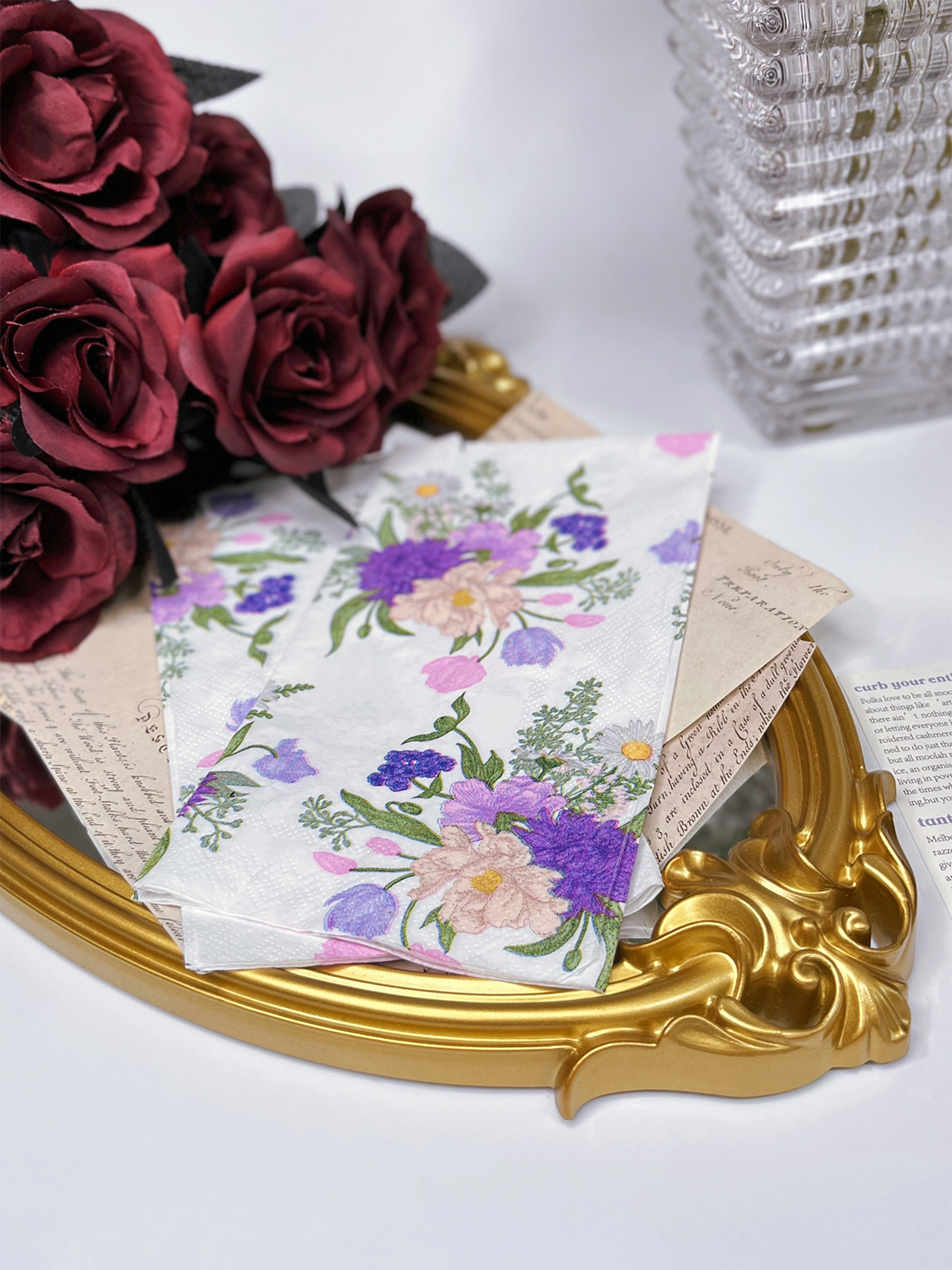
A good photograph for napkin printing does not necessarily need to be complicated. Clear composition often makes reproduction easier, especially when the available printing area is relatively small.
Image preparation can begin with cropping. Removing unnecessary background elements gives greater visual space to the main subject. A portrait, for example, may look clearer when the face is not surrounded by excessive detail.
Brightness and contrast can also need adjustment. Absorbent paper may soften subtle changes between nearby shades, so a photograph with weak contrast can lose some visual separation after printing.
Position should be checked alongside folding. Important parts of an image should remain away from areas that may become hidden or distorted.
A practical preparation process may include:
A physical sample can provide useful information that a digital screen cannot show, particularly for paper texture and ink absorption.
Photographic printing on napkins can produce several appearance changes because soft paper behaves differently from conventional printing stock.
Ink spreading may occur when liquid moves through the paper fibers. Fine edges can become softer, especially around small objects or thin lines.
Reduced sharpness may appear when a photograph contains details that are too fine for the selected surface. Faces, text, and small decorative elements can become harder to recognize.
Color changes can also occur. Printed colors may look different after absorption because paper and ink interact differently from a digital display.
Uneven printing may happen across textured areas. A surface with varying thickness or softness can affect how ink reaches different parts of an image.
Folding distortion is another concern. A photograph positioned across several folds may not appear as one continuous image when the napkin is folded.
| Common Issue | Possible Cause | Practical Response |
|---|---|---|
| Soft image edges | Ink movement through fibers | Adjust artwork and printing conditions |
| Weak visual contrast | Light tones absorbed into paper | Increase suitable tonal separation |
| Uneven appearance | Surface texture | Match material with printing process |
| Hidden image areas | Poor placement around folds | Check folded layout before production |
| Color difference | Paper and ink interaction | Review a physical sample |
Problems often become easier to manage when artwork, paper, and production conditions are reviewed together rather than separately.
A banquet napkin has a practical purpose beyond decoration. Guests may use it to wipe hands, protect clothing, or handle food-related items. Softness and absorbency therefore remain important even when a photograph is printed across the surface.
Large printed areas can create different material behavior from small decorative images. Heavy ink coverage may influence how the paper feels or folds, depending on the printing process and paper structure.
Design needs to respect the function of the napkin. A photograph does not need to cover every available part of the surface to create a recognizable visual effect.
For banquet use, a balanced design may include:
Such choices can help keep decoration from interfering with everyday use.
Consistency matters when many napkins are prepared for one setting. Small differences in image position or folding can become noticeable when products are placed together on a table.
Production checks can focus on simple physical details. Image alignment, fold position, surface condition, and package handling all deserve attention.
Artwork should also be checked before printing begins. A file may look correct on a monitor while important details sit too close to a fold or edge.
A sample can help identify issues such as:
Once such issues are identified, artwork or production settings can be adjusted before continued processing.
Photographic printing on a napkin is closely connected with material choice. Paper is not simply a background for the image; its fibers, softness, absorbency, and folding behavior influence the finished appearance.
A light-colored surface can provide a different visual result from a colored one. A smoother texture can respond differently from a softer structure. A multilayer napkin can also behave differently from a simpler paper construction during printing and folding.
For that reason, selecting a photograph and selecting the napkin material should happen as connected decisions.
A suitable workflow can follow:
Such coordination reduces the chance of discovering design problems only after production has started.
Photographs can be printed on suitable Banquet Paper Napkins, although the result depends on several connected factors. Paper absorption affects image sharpness, while surface texture can influence color and detail. Folding changes how guests see the image, and food-related use brings additional material considerations.
A Paper Napkin Factory needs to coordinate artwork with paper structure, printing conditions, folding, and finished-product handling. Production is therefore not simply a matter of transferring a digital photograph onto paper.
Clear images, suitable contrast, thoughtful placement, appropriate materials, and physical sample checks can make the process easier to manage. A photograph intended for a soft, absorbent napkin needs to be designed with that surface in mind from the beginning, allowing visual decoration and everyday function to remain compatible.
Related Products
Shopping for a reliable source of napkins?
Established in 2007 and located in Zhuji City, Zhejiang Province, Zhuji Furong Paper Products Co., Ltd. is a professional manufacturer of color-printed napkins. Enhance Your Event With Custom Printed Napkins.
Telephone
+86-15325932613
Address
Jianglong Industrial Park, Jiyang Street, Zhuji City, Shaoxing, Zhejiang, China.
Contact Us
Products
Contact Us
+86-15325932613
+86-575-87765556
+86-575-87765559
Jianglong Industrial Park, Jiyang Street, Zhuji City, Shaoxing, Zhejiang, China.
Party Printed Paper Napkins Manufacturer Customized Napkins And Paper Towels Factory
Copyright © by Zhuji Furong Paper Products Co., Ltd. Rights Reserved.

 English
 中文简体
中文简体