 English
 中文简体
A printed napkin looks simple on a dining surface, yet several production steps shape how it looks and feels in use. The paper must handle ink and foil well, the artwork must stay clear, and the folds must open easily in a guest's hand. Adding a metallic accent raises the inspection workload, because printed and foil details have to sit together as one design.
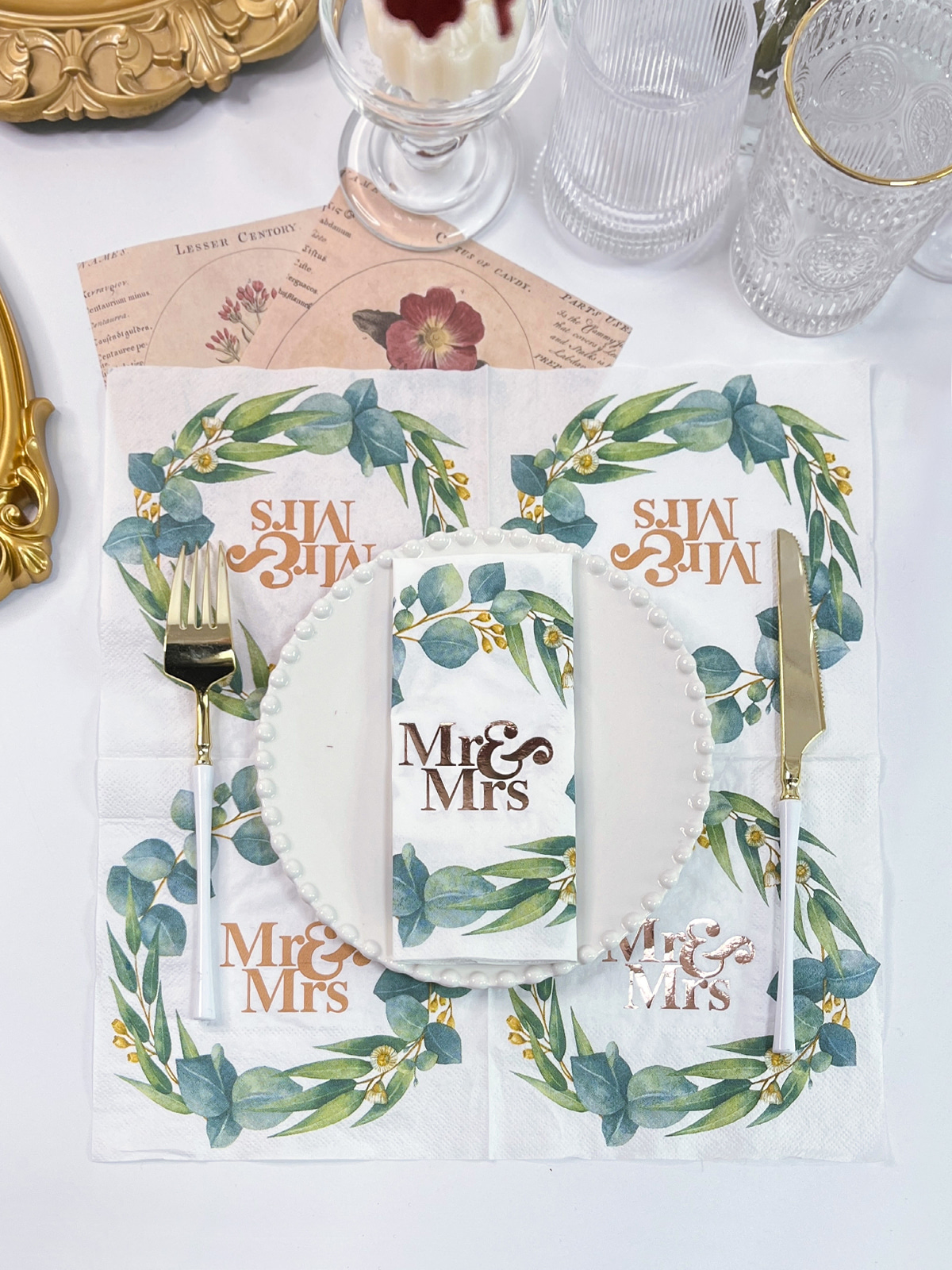
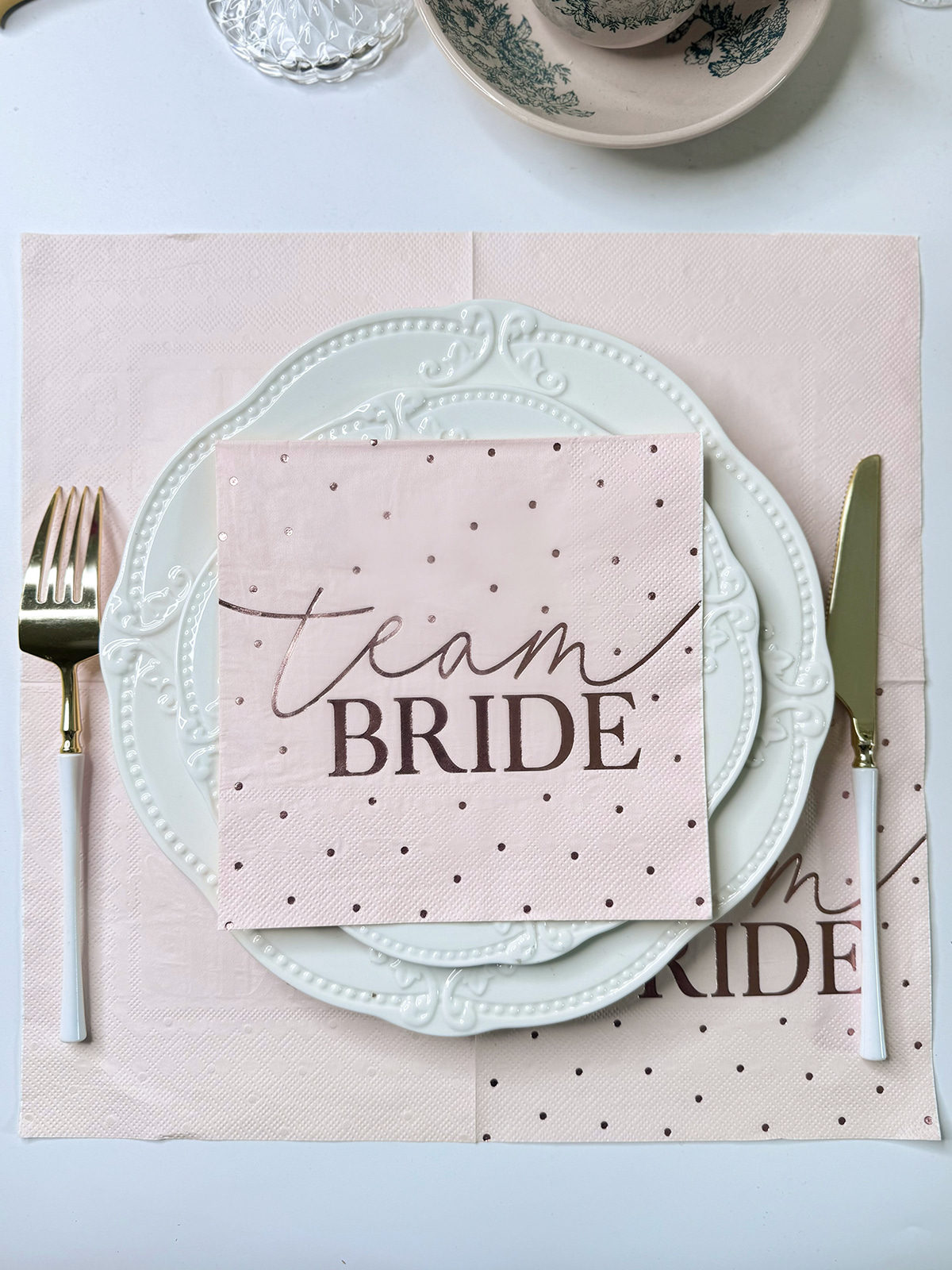
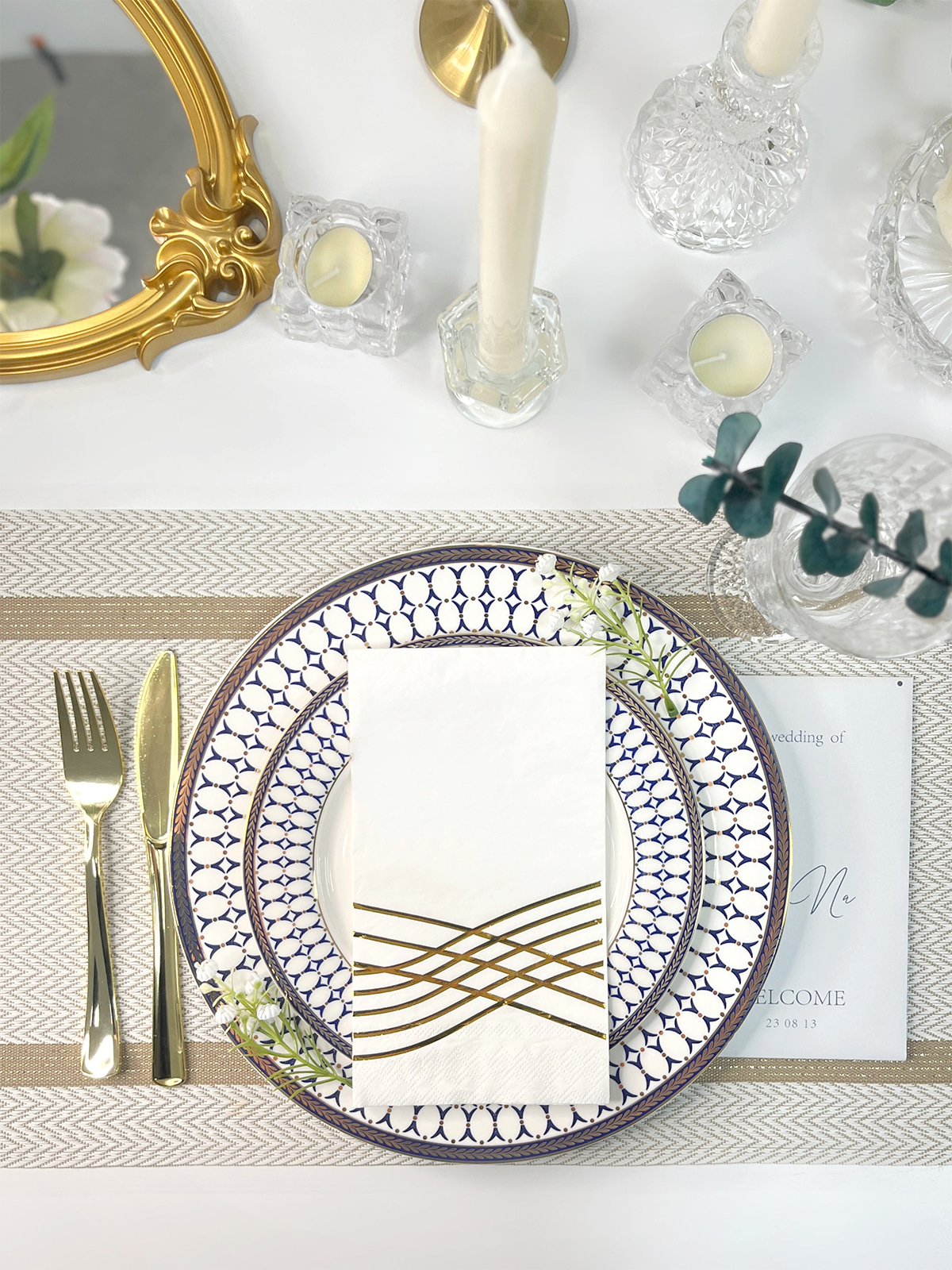
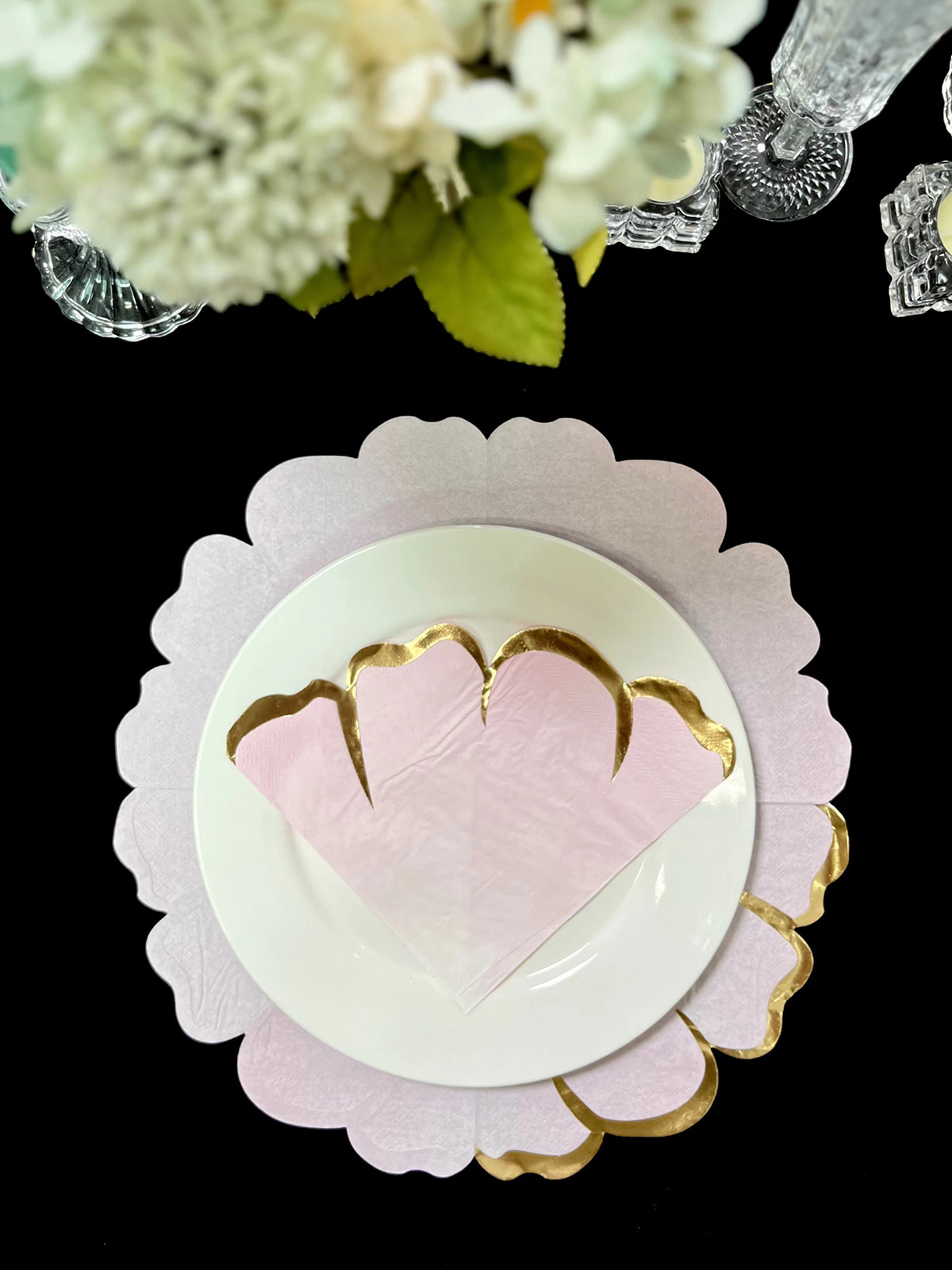
Custom Foil Napkins appear at weddings, hotel breakfasts, restaurant dinners, brand events, and holiday gatherings. Their decoration may include patterns, lettering, borders, or small metallic accents. Each element needs a check at the stage where it is added, so the finished napkin matches the approved design.
Inspection does not start at the packing bench. It begins with incoming paper and continues through printing, foil application, folding, cutting, and packaging. Catching a problem early costs far less than sorting a finished carton.
Content
Why Production Checks Matter
A design file on a screen cannot show how paper, ink, and foil behave together. A pattern may print faintly, a foil line may drift away from a printed outline, or a fold may cut through a logo. Guests rarely identify the cause, but they notice the result.
Napkins are also seen in groups. A host who sets a long row of places will spot one napkin with a duller finish or a crooked fold immediately. Repeat customers, such as hotels and caterers, expect a new batch to match the one before it.
Here is a summary of the main inspection areas and the reason for each:
| Inspection Area | What Is Checked | Why It Matters |
|---|---|---|
| Paper material | Surface condition and consistency | Supports printing and handling |
| Printed design | Color, clarity, and placement | Keeps the artwork recognizable |
| Foil details | Position, coverage, and appearance | Maintains the intended decoration |
| Folding | Alignment and shape | Supports neat presentation |
| Cutting | Edge condition and shape | Keeps finished pieces uniform |
| Packaging | Cleanliness and protection | Preserves the finished surface |
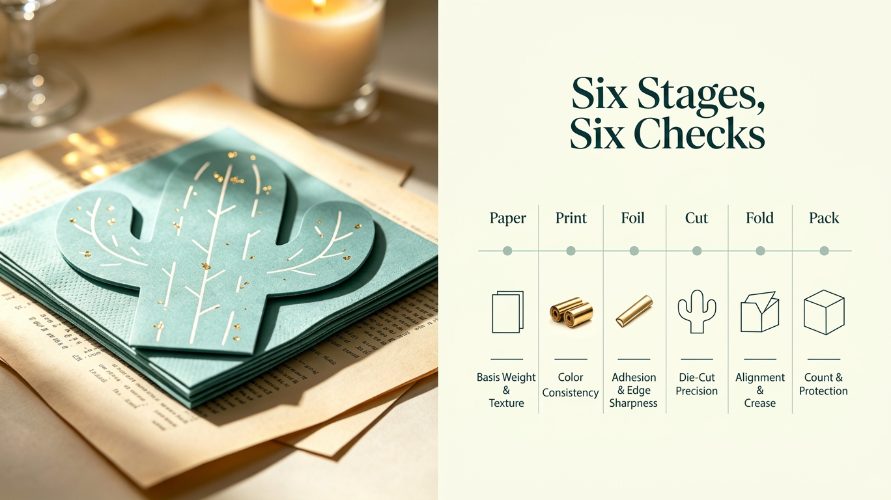
A clear routine does not make production complicated. It gives every worker the same reference for what acceptable work looks like at each station.
Checking Paper Before Production
Paper is the base of every napkin. Its surface affects how ink sits, how foil bonds, and how the finished piece feels between the fingers.
Workers can inspect incoming rolls or sheets for creases, tears, dust, stains, and uneven texture. A rough patch may show up as a broken printed line later. A weak sheet may fold unevenly and look crumpled on the plate.
Several features deserve attention:
- Surface condition: Dirt, wrinkles, and marks can transfer into the finished napkin.
- Color consistency: A slight shift in base shade between rolls changes how a printed pattern and foil accent appear side by side.
- Texture and feel: A dinner napkin often needs a softer hand than a cocktail napkin used at a bar.
- Storage condition: Damp or compressed paper behaves differently on the line, so storage areas should stay dry and free from heavy stacking.
These checks also help trace problems. If a defect appears, the team can tell whether it started with the material or with a later step.
Inspecting the Printed Design
Printing gives the napkin its visual identity. Patterns, illustrations, lettering, and background colors all need to stay faithful to the approved artwork.
During the run, inspectors compare printed pieces with the approved sample. They look at the whole design, not just the main image, because a pattern can be sharp in one corner and faint in another.
Common printing checks include:
- Color appearance: Shades should match the approved reference under steady lighting.
- Image clarity: Fine lines, small shapes, and lettering should remain readable.
- Positioning: Artwork should sit in the intended area of the sheet.
- Coverage: Gaps, streaks, and missing sections should be flagged.
- Surface marks: Smudges, ink spots, and scuffs should be removed from the batch.
Placement becomes important after folding. A motif that appears centered on a flat sheet may be partly concealed by a crease once the napkin is folded. A restaurant that wants its logo visible on a folded rectangle should see a folded sample before approving a full run. Reviewing both the flat sheet and the folded result connects print quality to what the guest actually sees.
Checking Foil Application
Foil adds a reflective accent that draws the eye. It might trace a border, highlight a word, or add small stars to a celebration pattern. Because it sits close to printed elements, a small shift becomes obvious.
Inspectors compare foil details against the approved design and look at several points:
- Placement: Foil should land where the artwork calls for it, especially when it follows a printed outline.
- Coverage: Letters and shapes should be complete, with no broken strokes.
- Surface appearance: Wrinkles, scratches, and irregular patches should be absent.
- Edge definition: Outlines should be clean enough for the shape to stay recognizable.
- Attachment: Foil should stay in place during normal handling, folding, and stacking.
Here is a quick reference for what each foil problem looks like on the line:
| Inspection Point | Possible Issue |
|---|---|
| Placement | Decoration sits away from the printed outline |
| Coverage | Parts of a letter or pattern are missing |
| Surface | Marks or dull patches are visible |
| Edges | Shapes look ragged or blurred |
| Attachment | Foil lifts or rubs off |
A simple habit helps with reflective surfaces. Tilt the napkin under steady light and look from more than one angle. A dull patch can hide when viewed straight on and appear clearly when the sheet moves.
When the same problem shows up repeatedly, the team should stop and review settings, material compatibility, and the condition of the working surfaces before making more pieces.
Folding and Cutting
Folding and cutting shape the final presentation. Correct printing and foil can still be undone by a skewed fold or a frayed edge.
Inspectors confirm that folds follow the intended layout and that the napkin opens in a practical way. A guest should be able to unfold it with one hand without the layers sticking or tearing.
Cut edges should be clean, free from loose fibers and visible tearing. Uneven edges change how a stack sits and how a napkin fits inside a paper band, a ring, or a gift box.
Production teams can use this checklist:
- Fold alignment: Panels should meet along the intended lines.
- Edge condition: Cuts should look clean and even.
- Design visibility: Printed and foil details should remain visible after folding.
- Layer arrangement: The folded napkin should stay together during ordinary handling.
- Overall shape: Pieces in the same batch should look alike.
Folding can reveal flaws that a flat sheet hides. A border that looks balanced when spread out can appear lopsided once closed, so both forms deserve a look.
Keeping Color, Texture, and Finish Consistent
Consistency matters when napkins are supplied to a wedding with many guests or to a hotel group with several dining rooms. Differences between pieces are easy to see when they sit near one another.
Samples taken from the beginning, middle, and end of a run show whether appearance holds steady. Paper shade, printed color, and foil finish can each drift as conditions change. Comparing against the approved sample under the same lighting and viewing angle keeps judgment fair.
Texture needs the same attention. A napkin should feel suitable for its use and unfold without difficulty.
Here is how appearance and handling checks line up:
| Quality Area | Inspection Focus |
|---|---|
| Base color | Differences between sheets |
| Printed color | Uneven or unclear areas |
| Foil finish | Changes in reflective appearance |
| Paper texture | Surface feel and visible damage |
| Folded shape | Similarity between finished pieces |
| Overall presentation | Appearance when arranged for use |
The goal is not to make every piece identical under every light. It is to confirm that the product stays within the approved design and the agreed appearance.
Final Inspection and Packaging
Before packing, finished napkins get a last review that combines earlier checks. Printing, foil, folding, edges, and cleanliness are all viewed once more, because pieces can pick up creases or marks while moving between stations.
Typical final checks include:
- Confirming the correct design is in the batch
- Looking for printing or foil defects
- Checking folded shape and edge condition
- Removing pieces with stains, tears, or unwanted marks
- Confirming correct counts and arrangement in each pack
- Making sure packaging materials are clean and suitable
Packaging should protect the decorated surface. Foil that rubs against rough cardboard or against other stacks during transport can scuff. Protective wrapping and sensible arrangement reduce contact.
Labels and order information also need verification. Clear identification keeps different designs or versions from mixing in storage and during delivery, which is a common source of customer complaints.
Responding to Production Defects
Finding a defect is only the beginning. The team also needs to understand where it started and decide what to do.
A color difference may come from the paper or from printing. Misaligned foil points to the decoration stage. Uneven folds may relate to material handling or folding setup. Treating each fault as a final-product problem hides the true cause.
A practical response includes these steps:
- Separate affected products: Keep flawed pieces apart from approved ones so they do not reach packaging.
- Review the stage: Compare samples from before and after the suspected step to narrow down the cause.
- Check the approved design: Some apparent defects come from unclear artwork or outdated instructions.
- Correct the process: Adjust settings or materials, then inspect new samples before continuing.
- Record recurring problems: Written notes reveal patterns and help planning for future orders.
Communication between design, production, and inspection staff keeps everyone on the same version of the artwork. A late design change that never reaches the foil station is a common cause of mismatched pieces.
Custom Foil Napkins depend on checks at every stage, from paper preparation to the packed carton. Each step affects the finished look and the way guests handle the product, so inspection should cover individual components and the complete napkin together.