2026-06-26
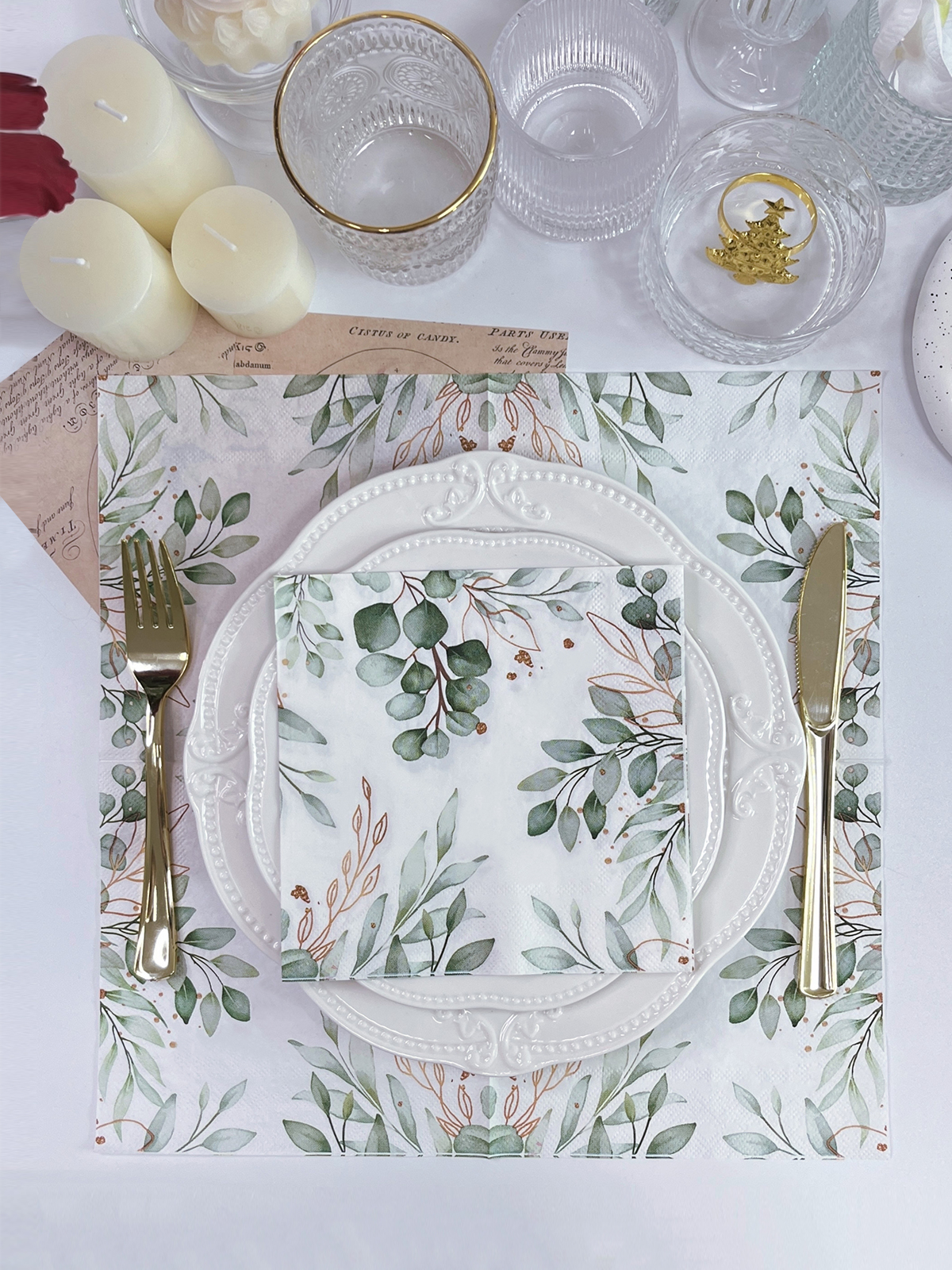
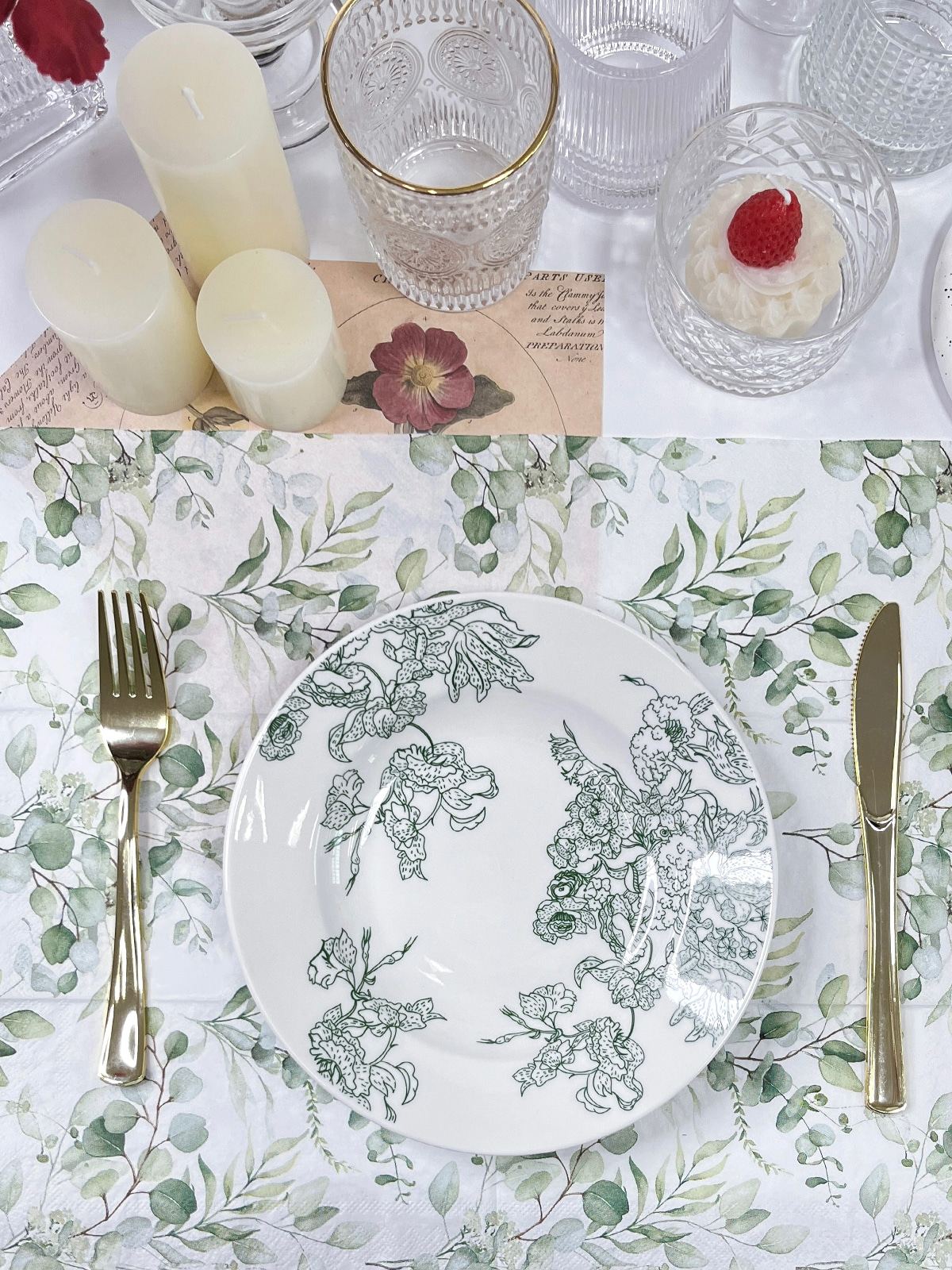
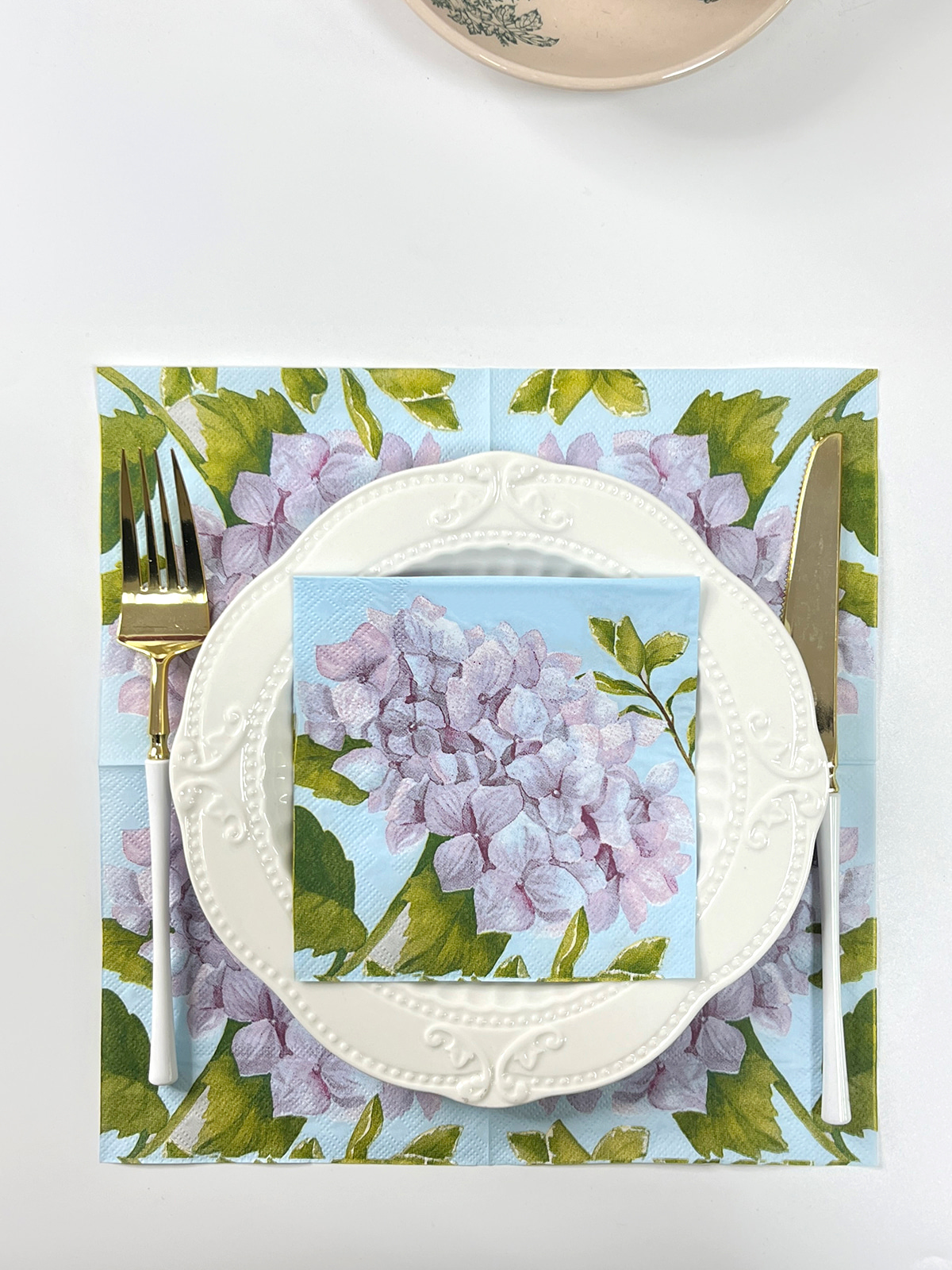
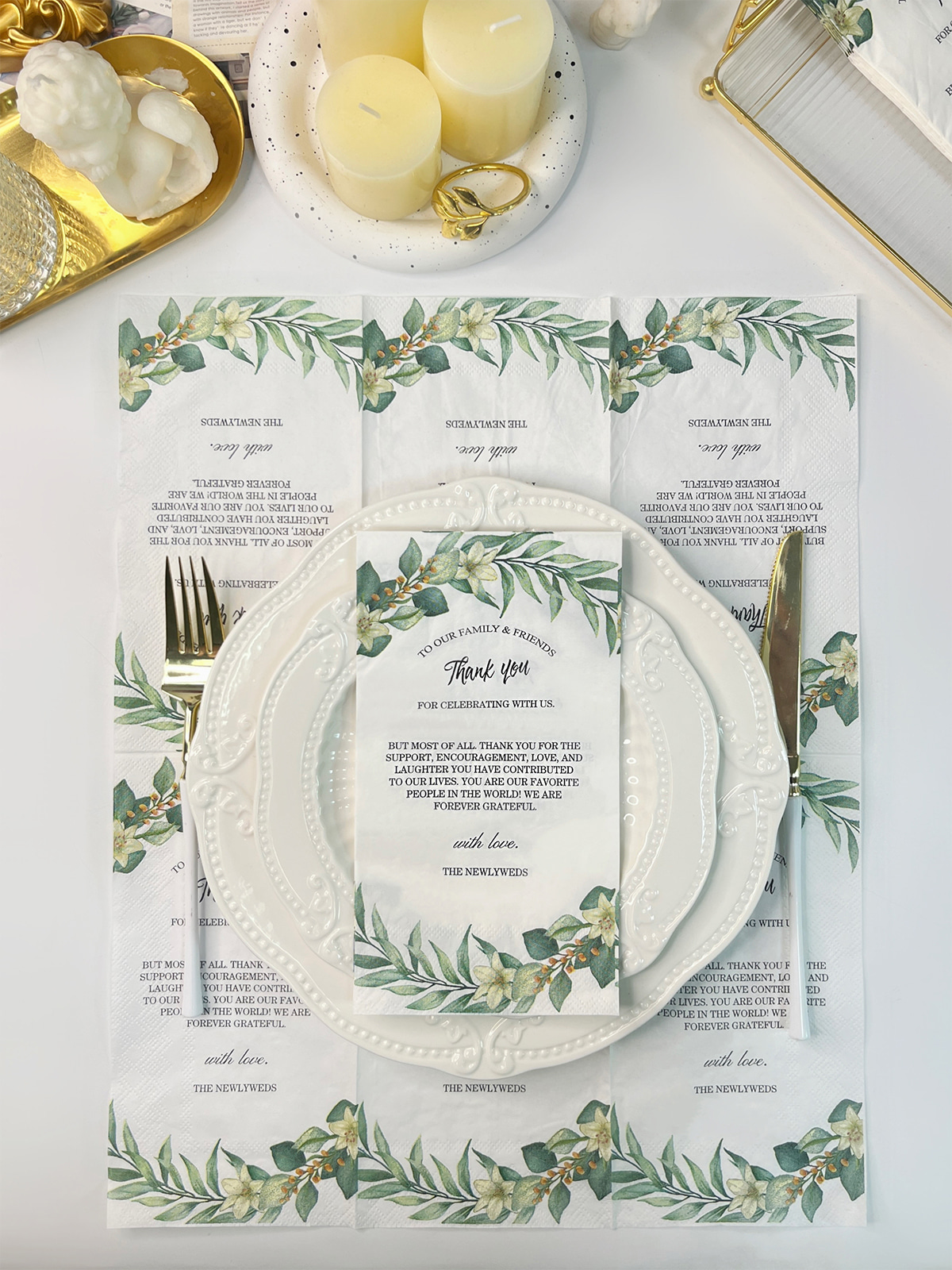
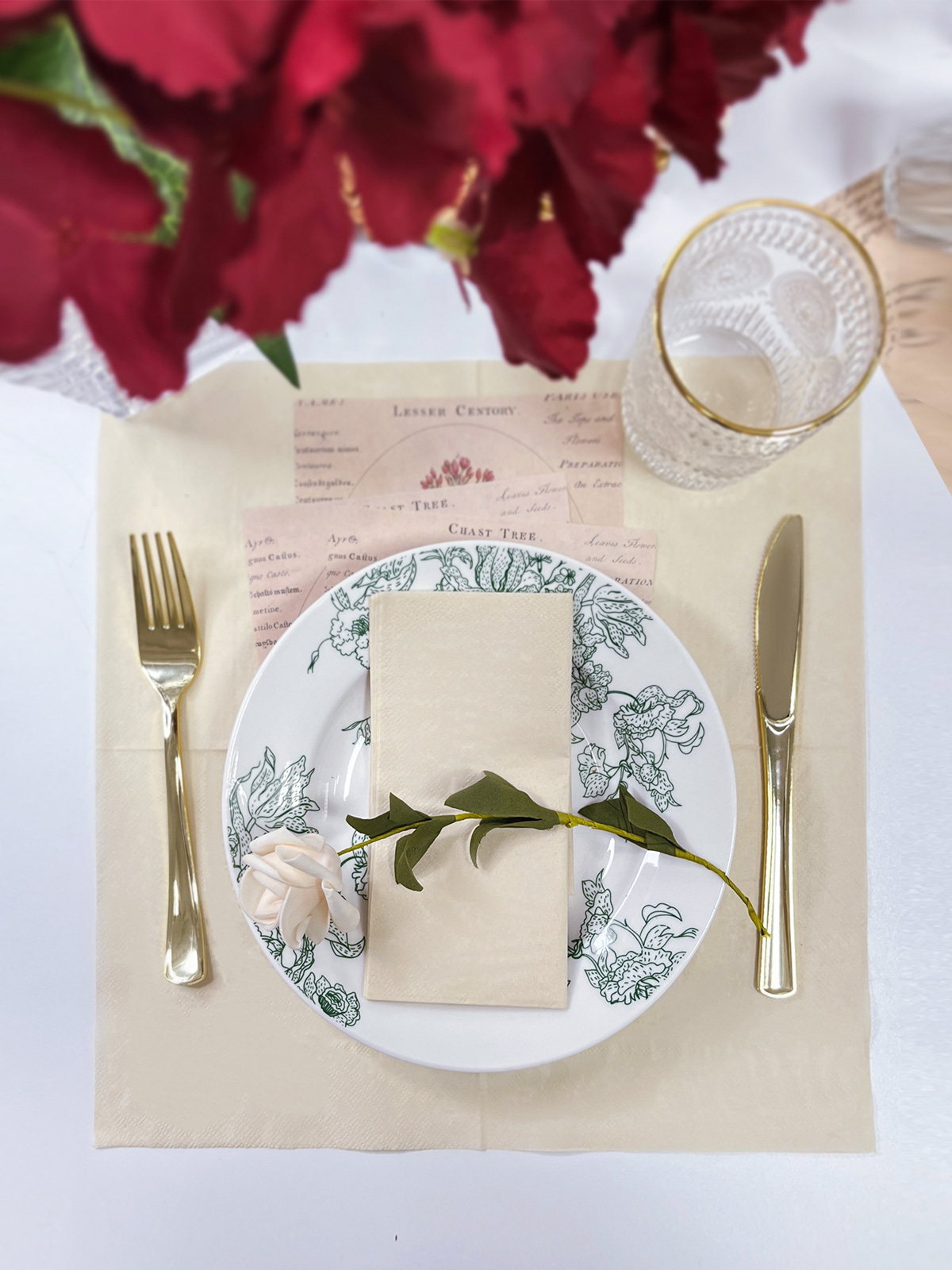
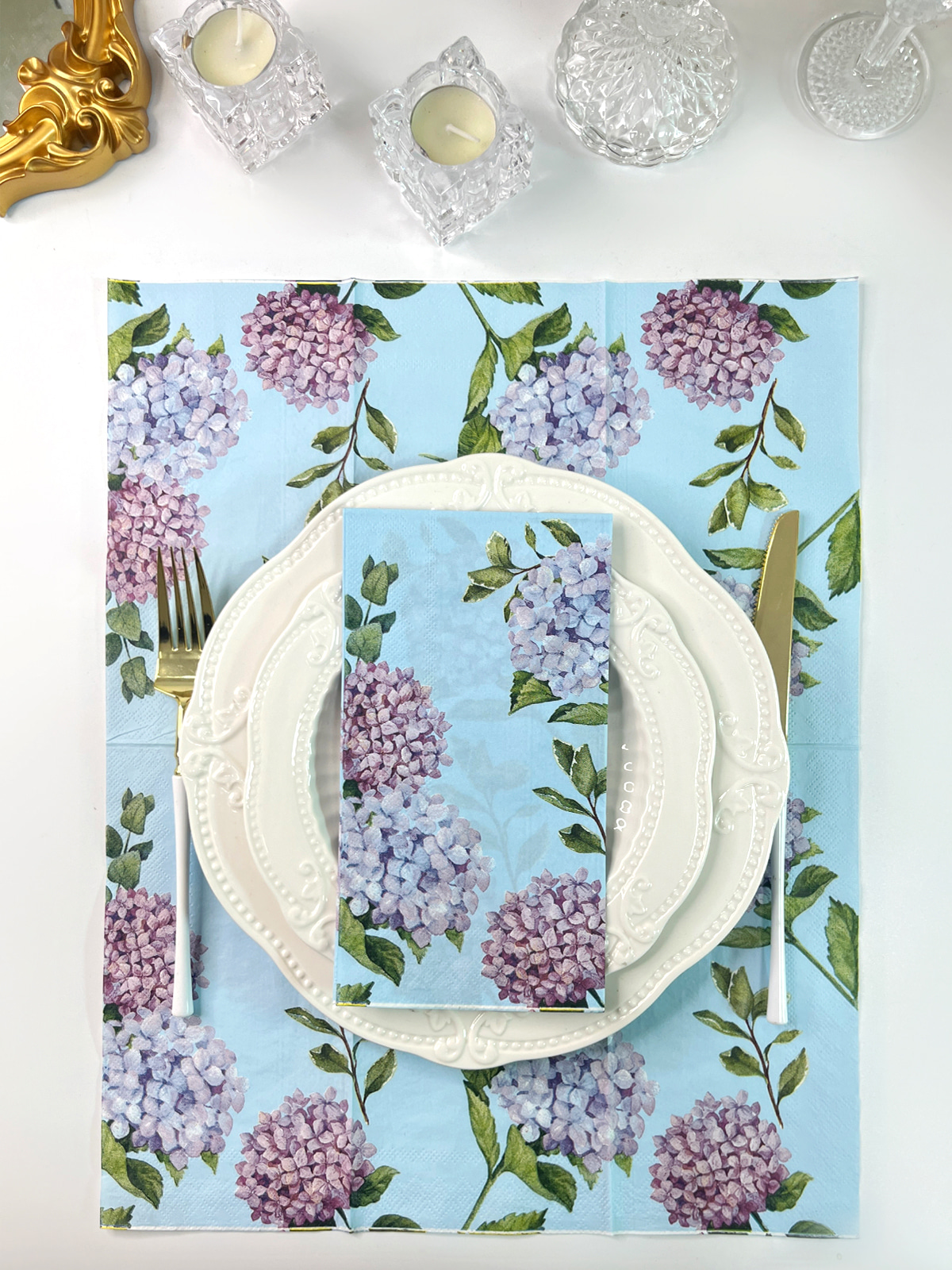
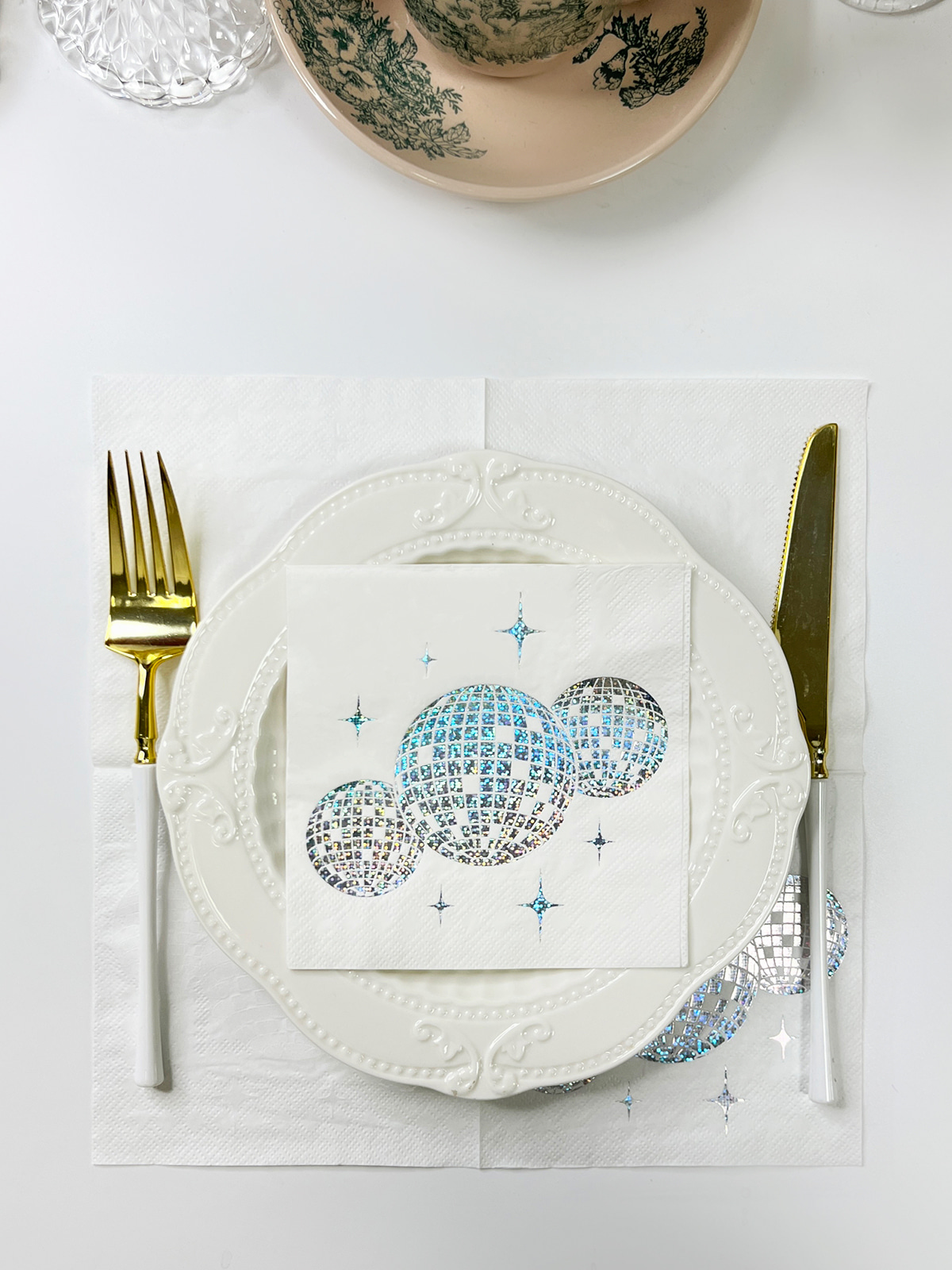
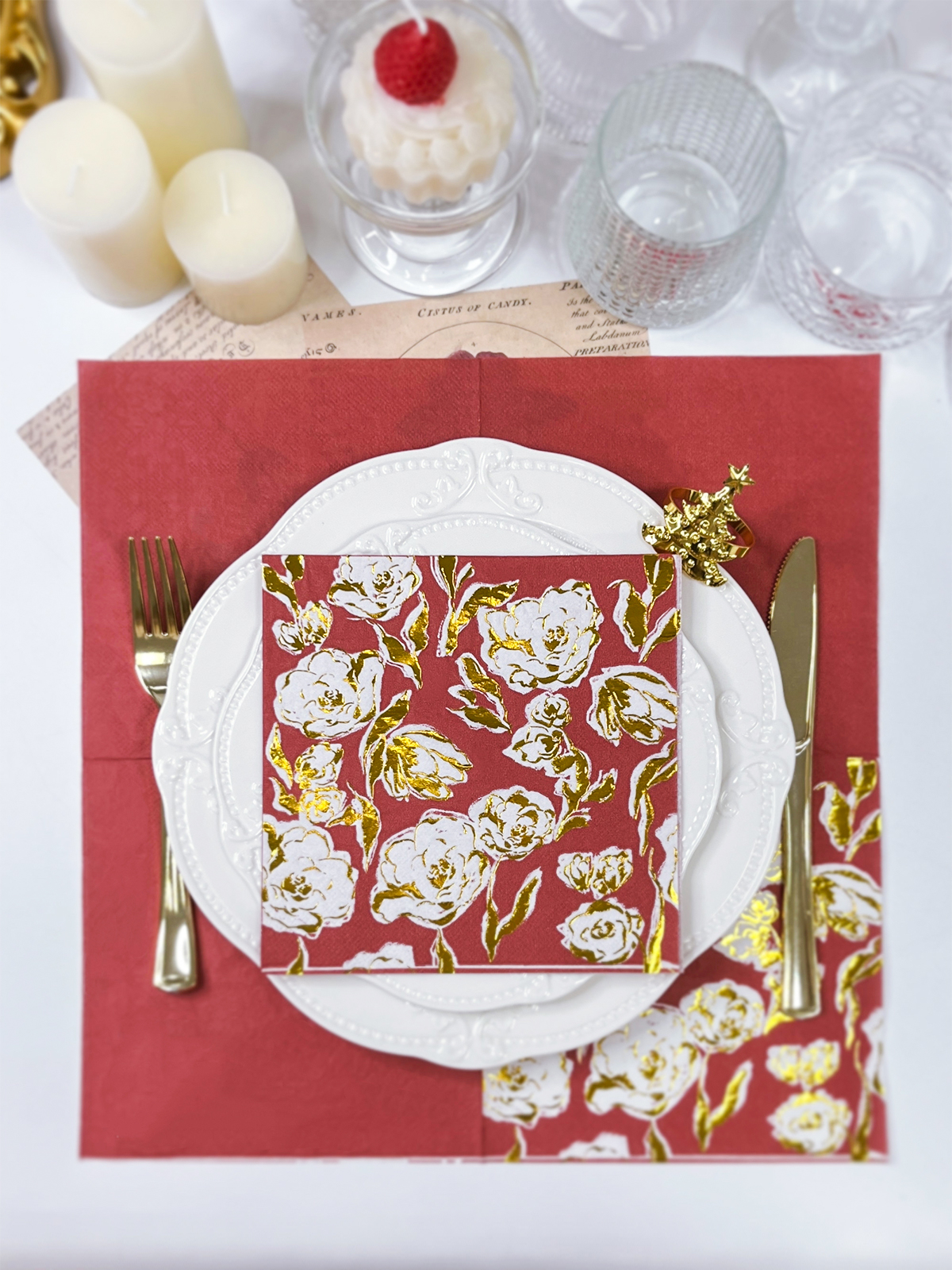
A wedding napkin carries more than a practical purpose. Once it becomes part of a table setting, people often notice the printed design before using it. Floral drawings, thin borders, initials, or small decorative elements naturally attract attention because they sit close to the hands and remain visible throughout the meal. A tiny change that may not stand out on larger printed products can become much easier to notice on a paper napkin.
Paper presents its own challenges during printing. Unlike a rigid material, it responds to pressure, absorbs ink, and changes slightly while travelling through the machine. Even when every sheet comes from the same production batch, each one may react with small differences. Such changes are usually slight, though they become more noticeable once the design contains narrow spaces or fine lines.
Another point often overlooked is the softness of the material. A paper napkin is expected to fold easily and feel comfortable during use. That softness also means the surface changes slightly while passing between printing rollers. The artwork must adapt to the material instead of expecting the material to behave like a hard sheet.
Design itself also influences the final result. Large blocks of colour usually hide small variations, while detailed flowers, leaves, lace-style borders, or handwritten lettering leave very little room for change. A narrow white gap separating two printed lines can disappear after a slight increase in ink transfer, making the whole graphic look heavier than originally intended.
Many people imagine that printing quality depends only on the machine. Daily production tells a different story. Paper characteristics, ink behaviour, feeding stability, and machine adjustment continue affecting one another from the beginning of the process until the finished napkin leaves the production line.
Content
Bridging appears when small open spaces inside a printed design gradually fill with ink until separate lines begin to touch. Decorative artwork used on wedding napkins often includes curved leaves, flower petals, vines, and thin lettering, making small gaps an important part of the overall appearance.
The printing process begins long before ink reaches the paper. Artwork already considers how narrow spaces will behave during production. Designs with extremely tight openings naturally require closer attention because paper absorbs ink instead of keeping it only on the surface.
Ink movement deserves careful control as well. Once transferred onto paper, it should remain close to the intended outline instead of spreading beyond it. Too much ink may soften small details. Too little may leave decorative elements incomplete. The aim is steady transfer rather than heavy coverage.
Pressure creates another balance. Greater pressure may appear helpful, although paper is a flexible material. Extra force compresses the fibres, allowing ink to move sideways more easily before it settles. Gentle and stable contact often keeps decorative gaps more clearly separated.
Production rhythm matters too. When feeding remains even and machine movement stays steady, fine details usually keep a similar appearance throughout the print run. Frequent interruptions or sudden adjustment may produce small differences that become visible once many napkins are placed together.
Fine printing is rarely achieved through one single setting. It grows from several small conditions remaining stable at the same time.
Paper is never simply paper. Sheets that appear almost identical before printing may react differently once ink and pressure are introduced. Paying attention to material behaviour often prevents many quality issues before production begins.
Surface texture changes how ink settles. A smoother surface allows printed edges to remain closer to the original drawing because fewer fibre irregularities interrupt ink transfer. A softer texture gives the finished image a gentler appearance, although very small decorative elements may lose a little sharpness.
Absorbency also changes the result. Paper that accepts ink quickly usually limits surface movement after printing. Slower absorption allows ink to remain mobile for a longer period, making careful process control more important.
Flexibility deserves equal attention. Soft paper bends more easily while travelling through the production line. Small changes in pressure may therefore influence how decorative patterns appear after printing. Stable handling reduces unnecessary movement before the printed image becomes fixed.
Consistency across the paper roll is equally valuable. Uniform thickness, similar fibre distribution, and an even surface allow production conditions to remain stable over longer periods. Constant adjustments become less necessary when the material itself behaves consistently.
| Paper Property | Influence During Printing | Practical Attention |
|---|---|---|
| Smooth surface | Cleaner decorative edges | Suitable for fine graphics |
| Soft texture | Gentle printed appearance | Stable pressure helps maintain detail |
| Higher absorbency | Faster ink settling | Supports controlled edge definition |
| Uniform structure | More consistent printing | Fewer process adjustments |
Registration simply means keeping every printed element where it belongs. Decorative graphics often contain borders, floral patterns, or several coloured areas that should remain aligned throughout the production process. Once alignment changes, even slightly, the finished design begins to look uneven.
Paper movement influences registration from the moment feeding starts. A sheet travelling straight through the machine supports stable printing. A slight sideways shift may move the printed image enough for narrow decorative details to lose their intended position.
Paper itself also changes while moving through production. Tiny differences in tension, surface condition, or moisture can influence how the sheet behaves between printing stages. Such variation usually develops gradually rather than appearing all at once.
Operators often pay attention to trends instead of waiting for obvious defects. A small change noticed early is usually easier to correct than a larger shift appearing near the end of production. Watching paper movement continuously often provides more useful information than inspecting only finished products.
Good registration comes from steady feeding, balanced machine movement, and material behaving predictably throughout the printing path.
Keeping registration steady across different production runs requires consistency rather than repeated correction. A Paper Napkin Factory generally aims to create similar production conditions every time a new batch begins, allowing printed graphics to remain close to the original layout.
Paper feeding forms the starting point. Material entering the printing section should move smoothly without sudden changes in direction or tension. Stable feeding helps each sheet follow the same path from beginning to end.
Machine movement is equally important. Rollers, guiding systems, and transport sections work together throughout the printing process. Smooth movement allows the paper to travel evenly, reducing the possibility of gradual alignment changes.
Regular observation also plays an important role. Operators often compare printed patterns during production instead of waiting until every napkin has been completed. Small changes become easier to recognise while they are still developing, making gentle adjustment more effective than larger corrections later.
Maintaining registration is therefore not one single operation. It is the result of paper, equipment, and production habits working together throughout the entire printing process.
A printing line may use the same paper, the same artwork, and the same operating settings every day, yet the finished result can still show small differences. Many changes come from the production environment rather than from the printing unit itself. Paper responds to surrounding conditions long before ink reaches the surface, making stable production an important part of consistent printing.
Paper naturally exchanges moisture with the surrounding air. After storage, a paper roll may need a period of time to adapt to the production area before printing begins. Starting production immediately after moving material from a different environment sometimes changes the way the sheet travels through the machine.
Feeding stability is closely connected with environmental conditions. Paper that remains flat usually passes through the transport path more smoothly. Sheets showing slight waves or edge movement may gradually change their position while travelling between printing sections. Even a small shift becomes easier to notice once decorative graphics contain thin borders or closely spaced patterns.
Long production periods require steady operating habits rather than frequent adjustments. Repeated changes made without observing the overall trend may create more variation than the original condition. Watching how the paper behaves over several production cycles often provides a clearer picture than reacting to every minor difference.
Another point worth considering involves storage before printing. Material protected from dust, unnecessary pressure, and repeated handling generally enters production in a more stable condition. Careful handling before printing often contributes as much as machine adjustment after production begins.
Stable printing usually grows from many small conditions working together. None of them appears dramatic on its own, although together they help decorative graphics remain balanced from the beginning of production until the final folded napkin.
Daily maintenance is often associated with machine reliability, although it also affects print appearance in many practical ways. Small changes inside the printing system may not stop production, yet they can gradually influence fine decorative details.
Cleaning is one example. Tiny paper fibres and dried ink gradually collect around working areas during normal production. At the beginning, the effect is difficult to notice. As residue continues building, paper movement and ink transfer may become slightly less stable. Removing accumulated material before it becomes excessive helps keep production conditions closer to normal.
Guiding parts deserve equal attention. Paper depends on smooth movement throughout the transport path. A guiding surface that no longer moves evenly may allow slight changes in paper position. Decorative patterns often reveal that movement sooner than larger printed areas.
Regular inspection also helps operators recognise gradual changes. A different operating sound, a small increase in vibration, or paper travelling less smoothly than usual often appears before visible printing variation develops. Paying attention to those small signals allows maintenance to become part of quality control instead of only responding after a problem appears.
Routine work often includes simple tasks.
Small maintenance habits carried out regularly often help keep printing quality stable over longer production periods.
Printing decorative wedding napkins involves more than placing artwork onto paper. Every production stage influences how the finished product looks once it reaches the table.
Artwork should match the characteristics of the paper. Extremely fine decorative elements may require a surface that supports clean edge formation, while larger floral graphics usually allow greater flexibility. Choosing a design that suits the material often reduces unnecessary adjustment during production.
Paper selection deserves equal attention. Softness, surface texture, and absorbency all influence how decorative details appear after printing. Looking only at appearance before production rarely provides enough information. Observing how the paper behaves while moving through the printing line often gives a clearer understanding of long-term consistency.
Production planning also contributes to stable results. Preparing paper carefully before printing, keeping feeding conditions steady, and avoiding unnecessary interruptions allow the printing process to remain more uniform from one batch to another.
Attention to detail continues after printing. Folding, stacking, and handling should protect the printed surface from unnecessary rubbing or movement before the ink has settled fully. Careful handling preserves the appearance created during production instead of allowing later processes to change it.
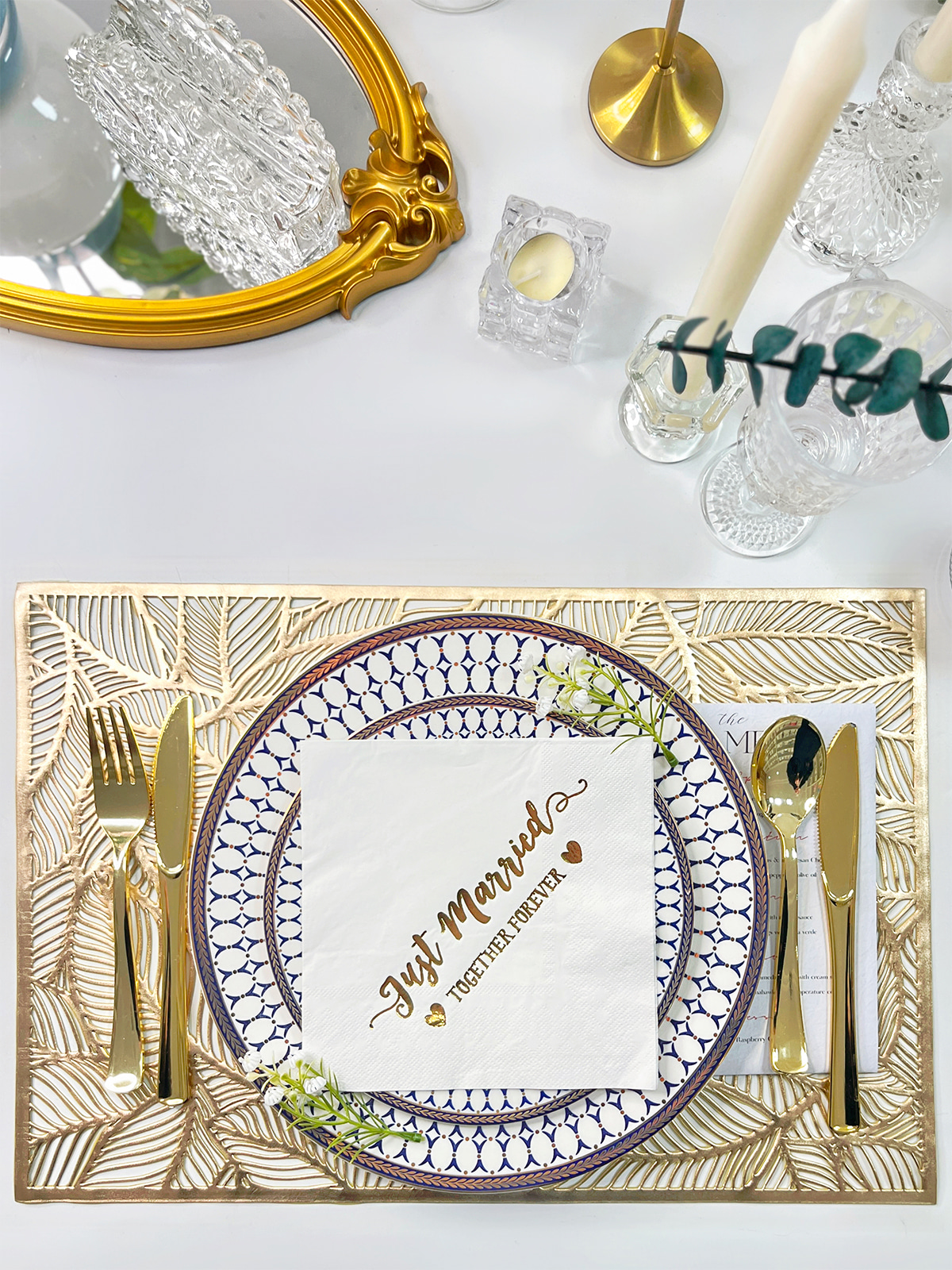
A Paper Napkin Factory producing Custom Paper Napkins Wedding generally achieves consistent decorative printing through balanced material selection, stable paper movement, careful observation, and regular maintenance rather than relying on one individual process. Fine details remain clear because every production stage supports the next, allowing the finished napkin to present decorative artwork in a natural and consistent way.
Related Products
Shopping for a reliable source of napkins?
Established in 2007 and located in Zhuji City, Zhejiang Province, Zhuji Furong Paper Products Co., Ltd. is a professional manufacturer of color-printed napkins. Enhance Your Event With Custom Printed Napkins.
Telephone
+86-15325932613
Address
Jianglong Industrial Park, Jiyang Street, Zhuji City, Shaoxing, Zhejiang, China.
Contact Us
Products
Contact Us
+86-15325932613
+86-575-87765556
+86-575-87765559
Jianglong Industrial Park, Jiyang Street, Zhuji City, Shaoxing, Zhejiang, China.
Party Printed Paper Napkins Manufacturer Customized Napkins And Paper Towels Factory
Copyright © by Zhuji Furong Paper Products Co., Ltd. Rights Reserved.

 English
 中文简体
中文简体