2026-06-29
Printing on coated napkin paper is fundamentally different from running standard uncoated tissue. On uncoated stock, the ink vehicle soaks rapidly into the fiber network, locking pigment particles in place through mechanical entrapment. On coated material, that absorption route is largely blocked. The ink sits on the surface, and its long-term performance depends almost entirely on chemical bonding and film integrity rather than physical interlocking. This changes everything about how production teams approach ink selection, press configuration, and drying.
Content
A typical coated napkin carries a thin layer applied through metered size press or blade coating. The coating usually combines fine pigments (such as clay or calcium carbonate) with binders like synthetic latexes or modified starches. These components control both the functional properties of the finished napkin and its behavior during printing.
The coating produces several critical shifts:
When a water-based ink droplet hits this surface, it behaves quite differently. Instead of penetrating, it forms a distinct surface film that must dry completely by evaporation. This leaves the ink vulnerable to smearing or offsetting for a longer window compared with absorbent uncoated grades. Any web movement, roller contact, or rewind pressure during this period can easily damage the print.
Even coated papers retain some microscopic voids between pigment particles. Higher pigment volume concentration creates more of these spaces, allowing limited vehicle penetration that helps drying speed without sacrificing surface hold. Denser, low-void coatings force nearly complete surface drying, extending open time and raising the risk of defects. Coating design therefore directly influences both end-use performance and print behavior.
Flexography continues to dominate napkin production thanks to its speed and compatibility with water-based, food-safe inks. On coated surfaces, however, flexo inks face real hurdles because the water-heavy vehicle often struggles to wet low-energy or hydrophobic coatings. Successful runs typically require:
Digital inkjet is carving out a niche for short runs and personalization. Standard aqueous inkjet inks usually need a dedicated primer layer on conventional coated napkins to achieve acceptable receptivity. UV-curable inkjet inks, by contrast, cure almost instantly under UV lamps and form strong films on many coatings. However, the resulting rigid polymer layer can sometimes crack during folding, revealing the base stock.
Ink suppliers focus heavily on the resin system because it determines how well the dried film bonds to the coating. Acrylic resins are widely used in water-based flexo inks for their versatility and economics. They perform well on coatings rich in clay through polar interactions, but they can struggle on highly hydrophobic binder systems, resulting in weak rub resistance.
In those tougher cases, polyurethane dispersions often provide better adhesion to low-energy surfaces while delivering the flexibility needed for napkins that will be folded and unfolded repeatedly.
Supporting additives play important supporting roles:
Drying strategy is equally critical. Water-based inks on coated stock go through evaporation, particle packing, and polymer coalescence. Too little heat leaves residual moisture and soft films. Too much heat too quickly can produce weak, porous films because particles don’t have time to flow together properly.
Every coated napkin grade brings its own combination of coating weight, pigment type, and binder chemistry. The same ink and press settings that work beautifully on one stock may underperform on another. Successful production teams treat this as an ongoing optimization project—testing adhesion, rub resistance, and print quality across realistic process conditions rather than relying on generic recommendations. When coating, ink, and process parameters are properly aligned, coated napkins deliver both the premium look and feel customers want and the reliable performance converters need.
Quality failures in printed coated napkins usually show up in a few predictable patterns, each pointing back to some weakness in how the ink has bonded with the coated surface. These problems seldom trace to one isolated factor. More often, they grow out of a combination of coating composition, ink behavior, press operation, and the physical stresses that come with later converting steps.
Take the problem of color rubbing off during ordinary handling. A napkin that leaves pigment on fingers or on adjacent surfaces during folding or packing has clearly not formed a durable attachment between the ink film and the coating underneath. The dried ink sits on top without much holding it in place, and the slightest friction—from guide rollers, stacking pressure, or consumer contact—pulls particles away. In many cases, this symptom appears when the coating contains a heavy proportion of water-repellent binders. Those binders lower the surface polarity, and water-based ink resins simply cannot get a firm grip on a surface that offers little chemical affinity.
Uneven ink coverage presents another familiar headache. One area of the print comes out dense and saturated, while another looks thin or mottled. This condition often indicates that the coating's surface energy varies from spot to spot, a situation that can arise during the coating application itself. If the binder or pigment disperses unevenly across the web, microscopic patches of differing surface chemistry result. Those patches respond differently to the same ink film, producing visible density shifts that have nothing to do with press settings and everything to do with what happened earlier in the coating process.
A third issue involves ink creeping beyond the intended printed edges. On coated papers, this lateral flow happens when the ink vehicle spreads across the surface before the drying stage locks everything in place. Some coating formulations contain low-viscosity binders or higher-than-average plasticizer levels, and those ingredients seem to encourage this kind of uncontrolled movement. The situation worsens at faster line speeds, because the window between printing and drying shrinks, leaving less time for the film to stabilize before the vehicle migrates outward.
Fold-line cracking shows up on products that go through mechanical folding after printing. The coating itself has limited stretch capability compared to the paper base, and when the napkin bends sharply, the coating layer cannot accommodate the change in shape. An ink film deposited on top of that already-rigid layer compounds the problem—both materials resist deformation, so they fracture along the fold line instead of bending with the paper underneath. The result is a white line of exposed substrate that cuts across the printed design.
Facilities that run coated napkin grades on a regular basis have put together practical systems for keeping adhesion quality within acceptable bounds. These systems combine checks performed during production, tests carried out in the lab, and careful tracking of process variables that affect how ink behaves on coated surfaces.
Tape-based adhesion checks offer a quick read on whether the ink has formed a decent bond with the coating. A piece of standard adhesive tape goes onto the printed area and gets pulled off; the amount of color that comes away with the tape tells a fairly clear story about interfacial strength. The test does not produce numbers suitable for statistical analysis, but it gives a reliable go/no-go indication that matches up well with actual performance in downstream operations.
Rub testing adds another layer of information, especially when done under both dry and slightly damp conditions. A weighted block moves back and forth across the printed surface for a set number of cycles, and the resulting smudge gets compared against reference samples. Coated papers that hold up well under dry rubbing sometimes fall apart when moisture enters the picture, because water can soften the ink film or affect the coating layer in ways that promote detachment. Testing under both conditions catches weaknesses that might otherwise go unnoticed until the product reaches the user.
Pre-press surface energy measurement has become fairly common in facilities that process coated substrates. Simple dyne solutions with known surface tension values give a quick estimate of whether the coating will accept water-based inks without wetting problems. If the reading falls below the ink's surface tension, the press crew knows to expect spreading or adhesion difficulties and can take corrective action before the run starts. This preventive step saves material and avoids the cost of rework or rejection.
| Control Point | Role in Adhesion Quality | Adjustments Available |
|---|---|---|
| Coating surface energy check | Determines whether the substrate will wet out properly | Increase surfactant in ink; apply a primer coat |
| Anilox roll choice | Sets the amount of ink film laid down | Switch to a different roll volume; change engraving pattern |
| Dryer temperature settings | Affects how water comes off and film forms | Raise or lower zone temperatures; adjust air movement |
| Impression pressure | Balances transfer quality against coating damage | Adjust plate-to-web clearance; check cylinder alignment |
| Cooling after printing | Keeps film stable before winding | Add cooling rolls; extend the cooling section |
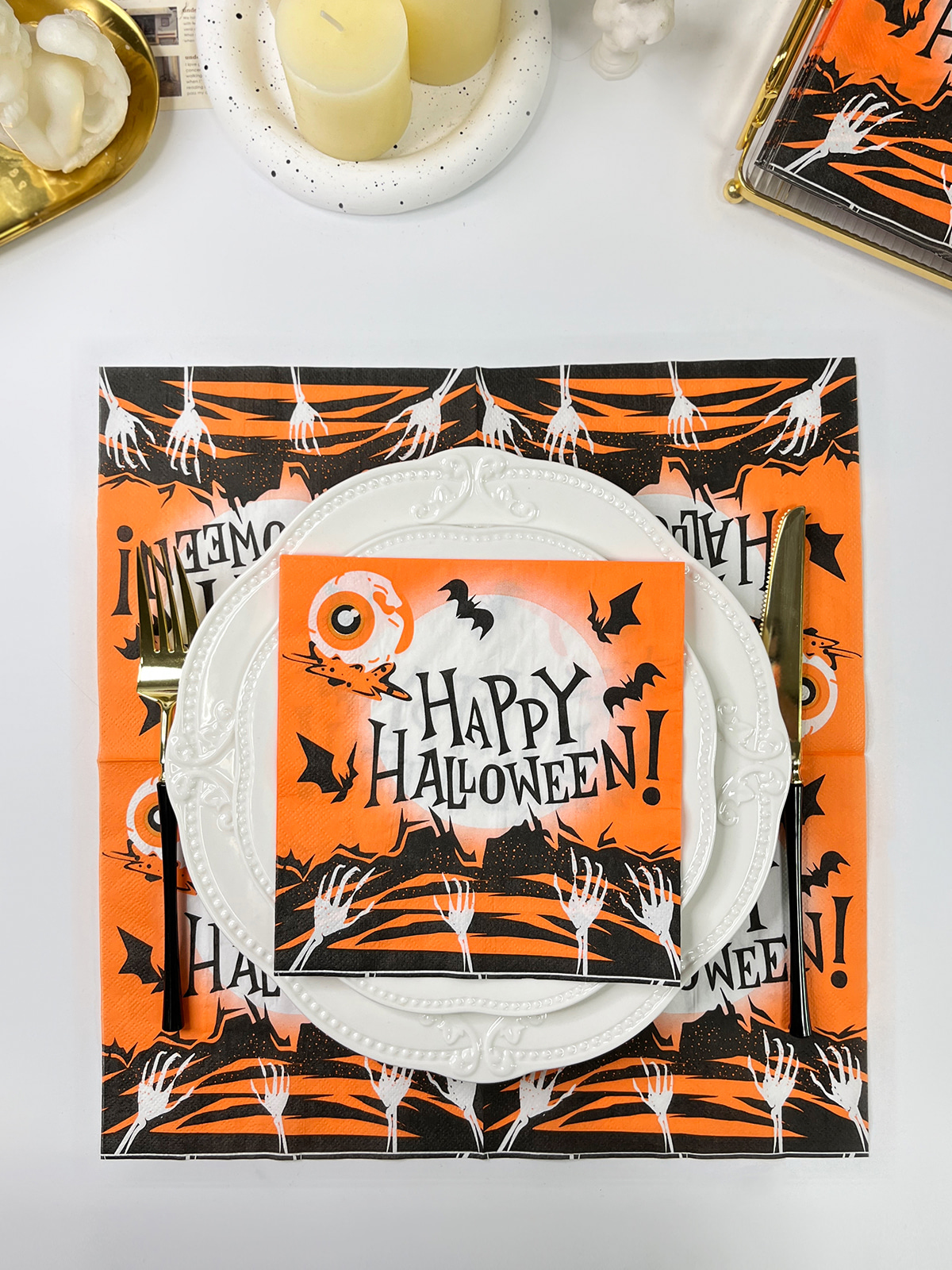
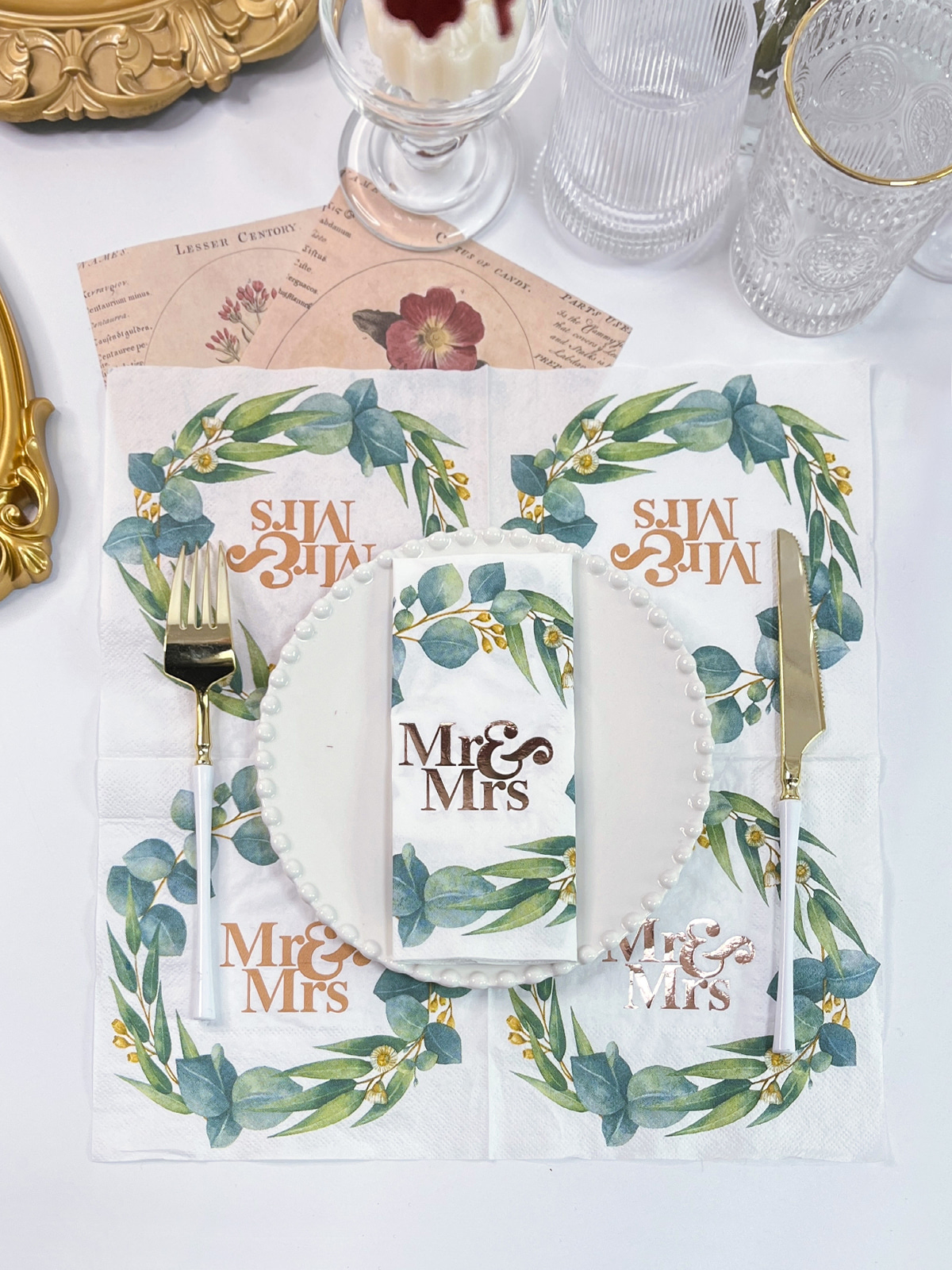
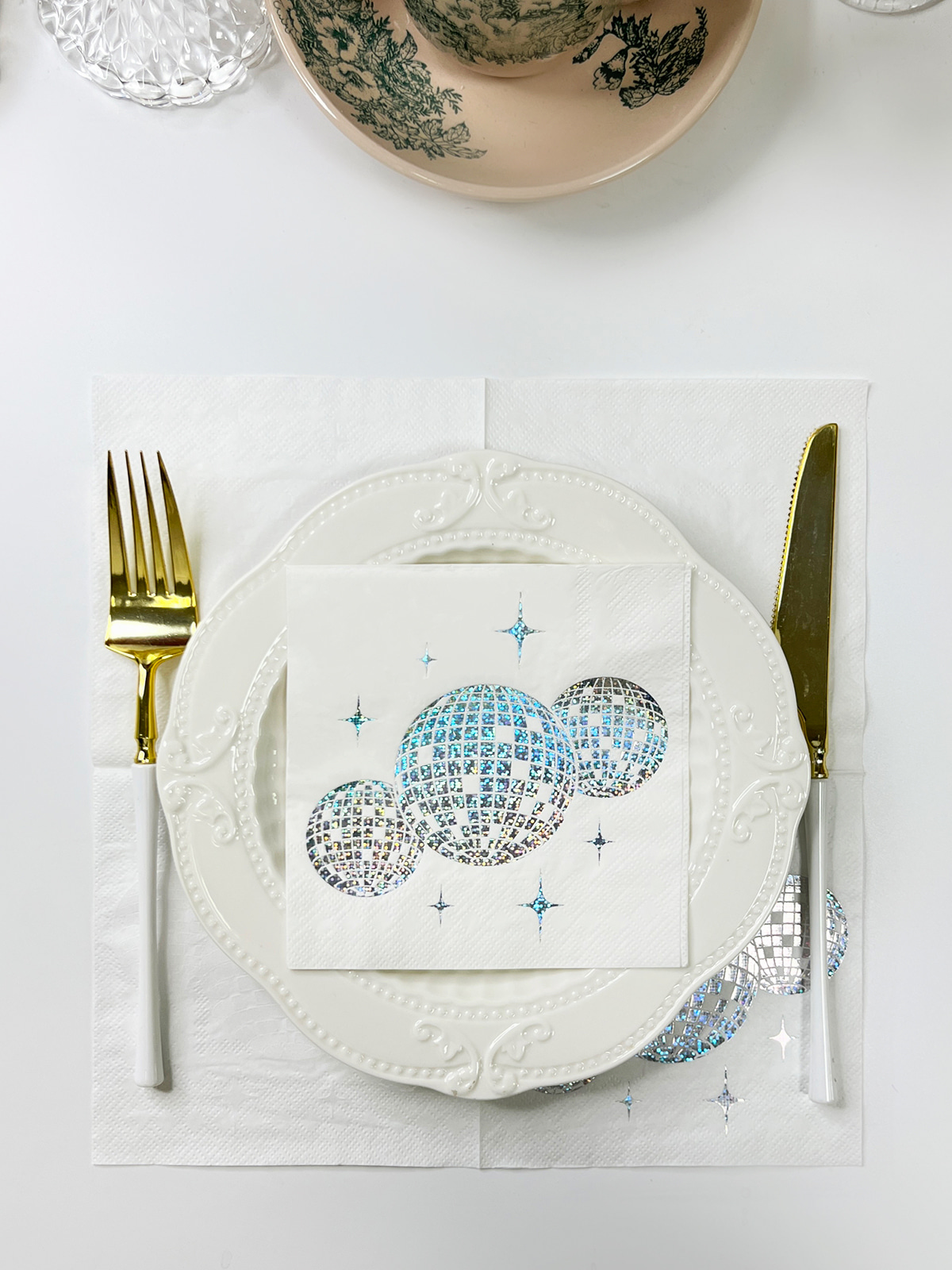
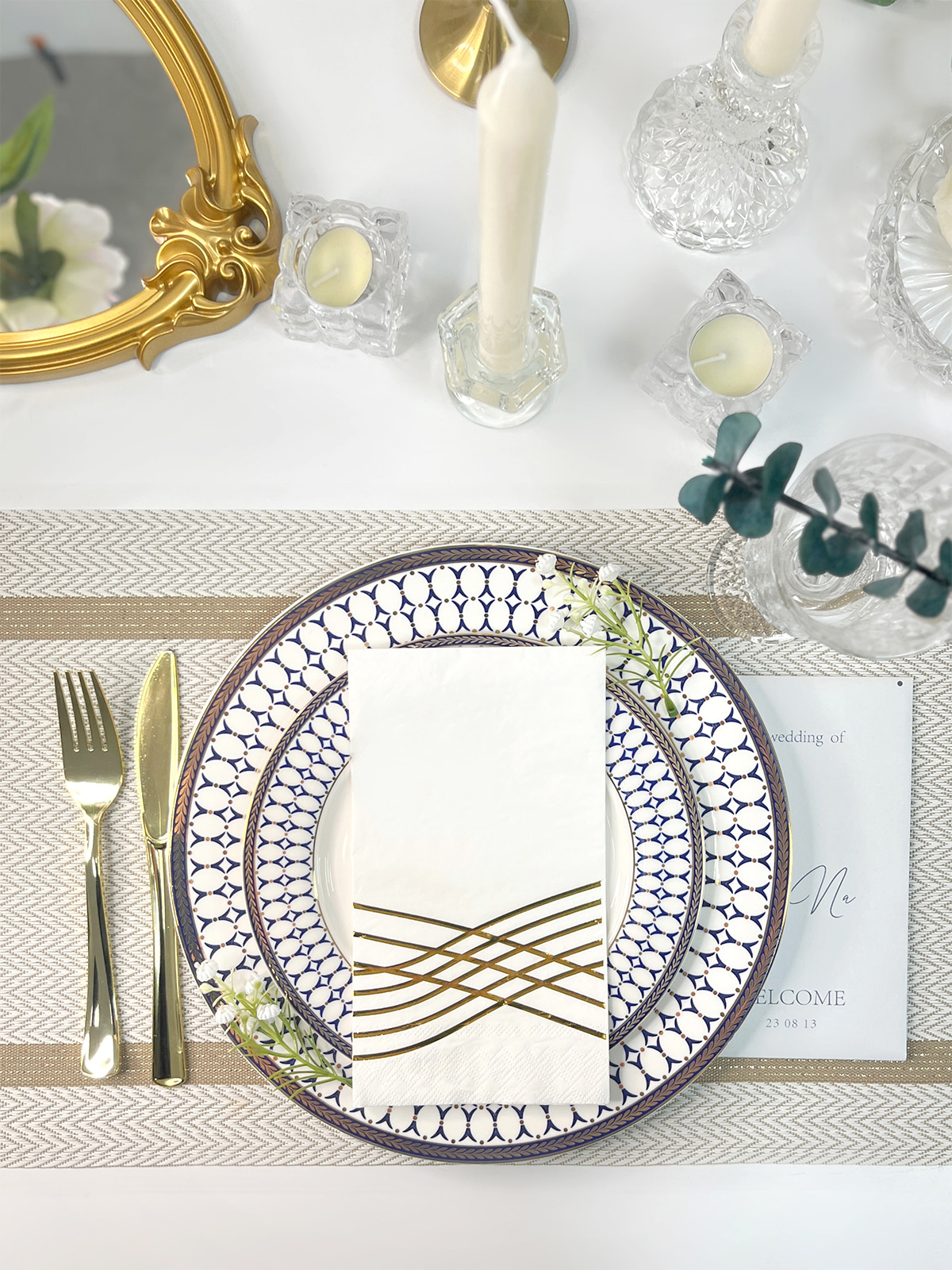
Paper Napkin Factory have started paying more attention to printability earlier in the formulation process, a shift driven by the realization that coating chemistry and ink performance are too closely linked to be handled separately. The old pattern—design a coating for functional properties and worry about printing later—has given way to a more collaborative approach.
One line of work involves binder selection that keeps moisture resistance intact while giving the coating surface a more polar character. Latex binders with functional groups that can form hydrogen bonds with ink resins offer a way to raise surface energy without compromising water repellency. This approach cuts down on the need for high surfactant levels in the ink, and surfactants have a habit of migrating to the film surface over time, where they can weaken the dried layer.
Another area of exploration focuses on introducing controlled porosity into the coating structure. Instead of aiming for a completely closed surface, some manufacturers design in tiny voids that let a limited amount of ink vehicle penetrate while keeping pigment particles out. This middle path gives drying a boost through capillary action and provides some mechanical anchoring, both of which improve adhesion. The trick lies in maintaining a consistent void structure across the entire paper width—coating rheology and drying uniformity both affect the final pore network, and variations in either can throw off the result.
Environmental pressures have also pushed coating development in new directions. The move toward Printed Table Napkins that can be composted or recycled has led suppliers to experiment with bio-based binders from renewable sources. These materials behave differently on the printing press compared to conventional synthetic latexes, and ink manufacturers have had to adjust resin systems to keep up. Successful transitions depend on close technical dialogue between coating producers and ink formulators, with both sides willing to modify their products to find common ground.
Getting good ink adhesion on coated napkin paper does not boil down to a single right answer or a magic combination of ingredients. Every coated grade brings its own mix of pigments, binders, and surface structure, and every converting plant has its own press line, drying capacity, and ink inventory. Acting as though one particular ink type or coating formulation holds all the answers misses the point entirely—this is an interactive system where changes in one part ripple through the rest.
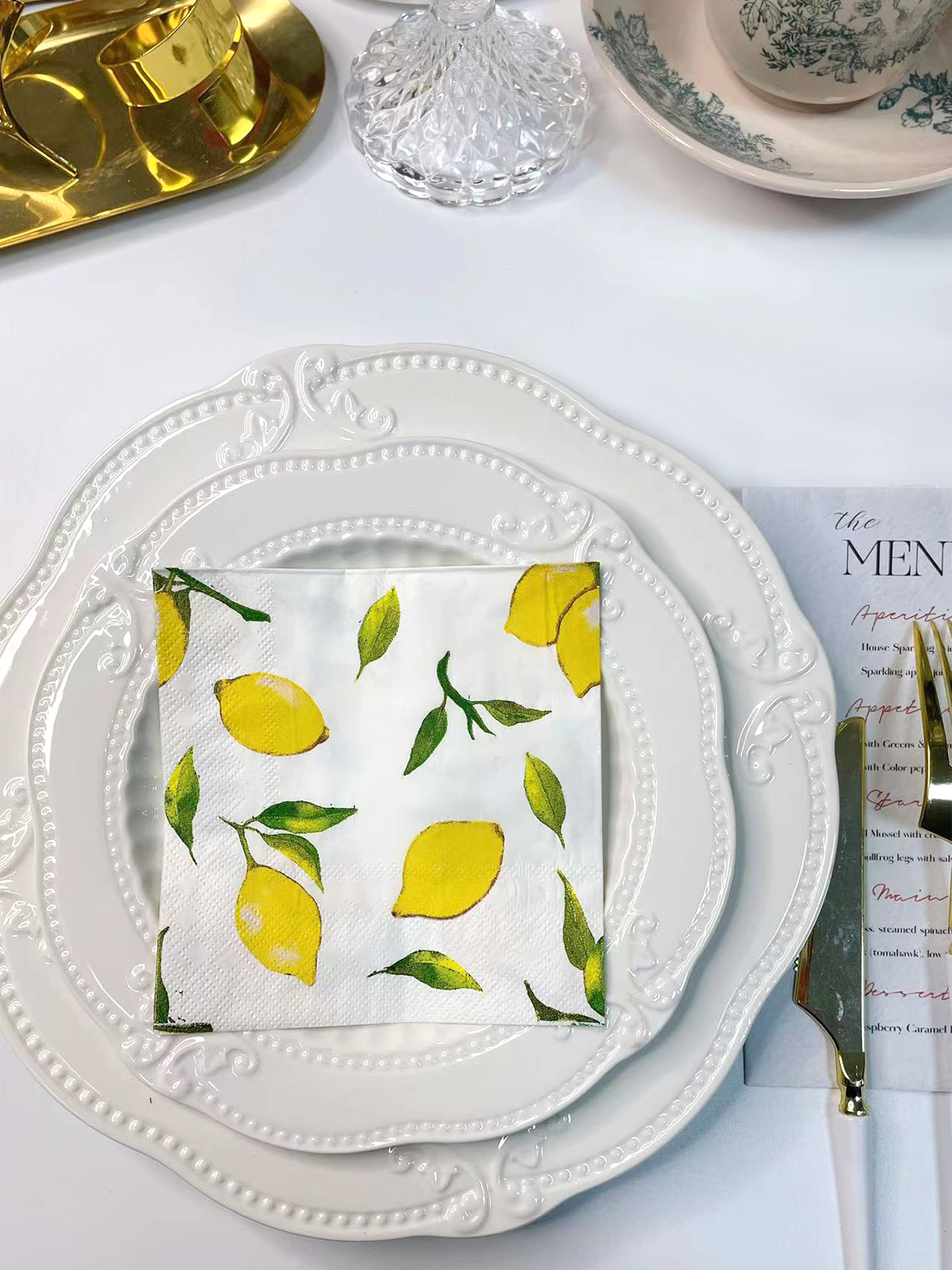
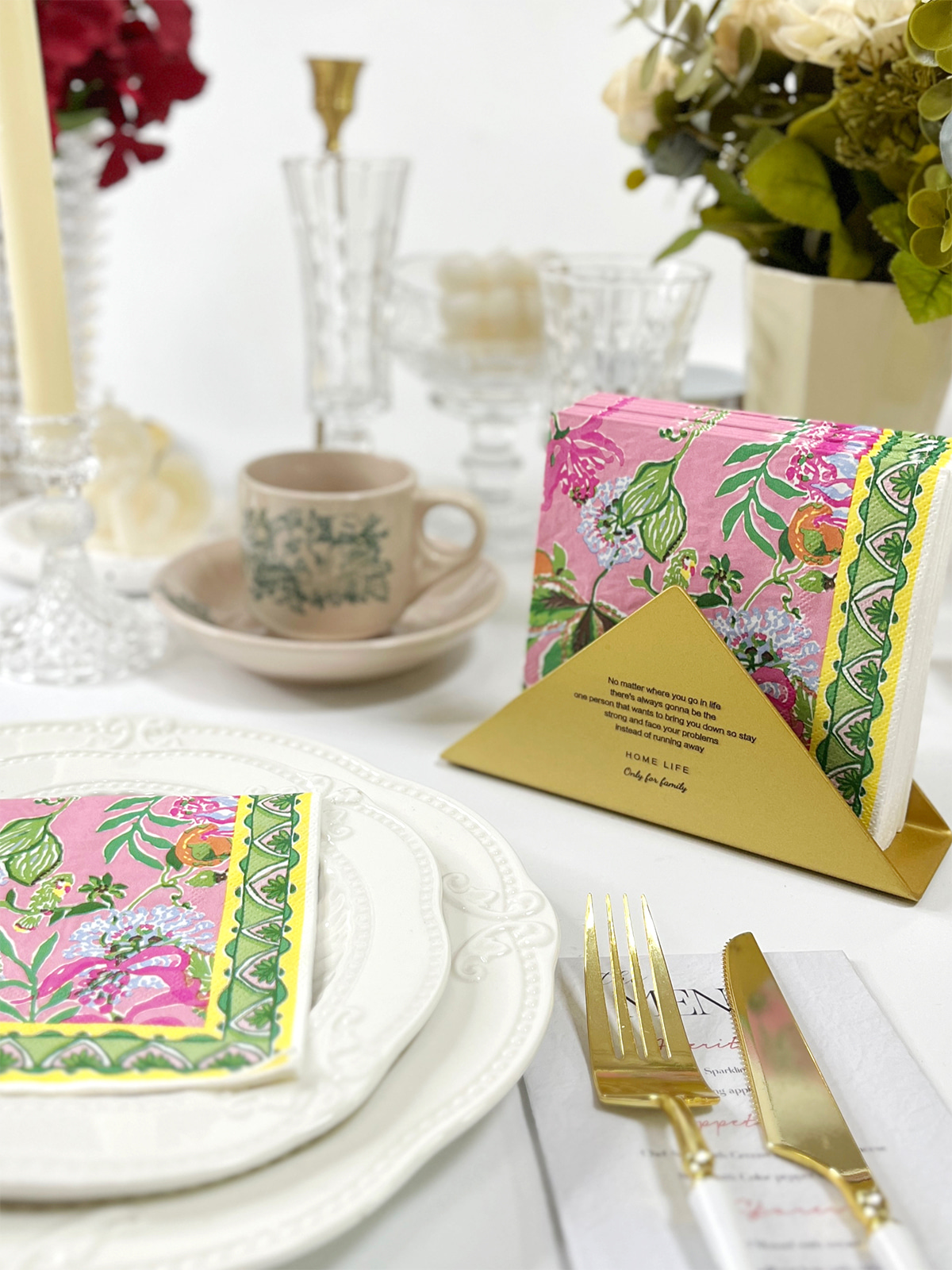
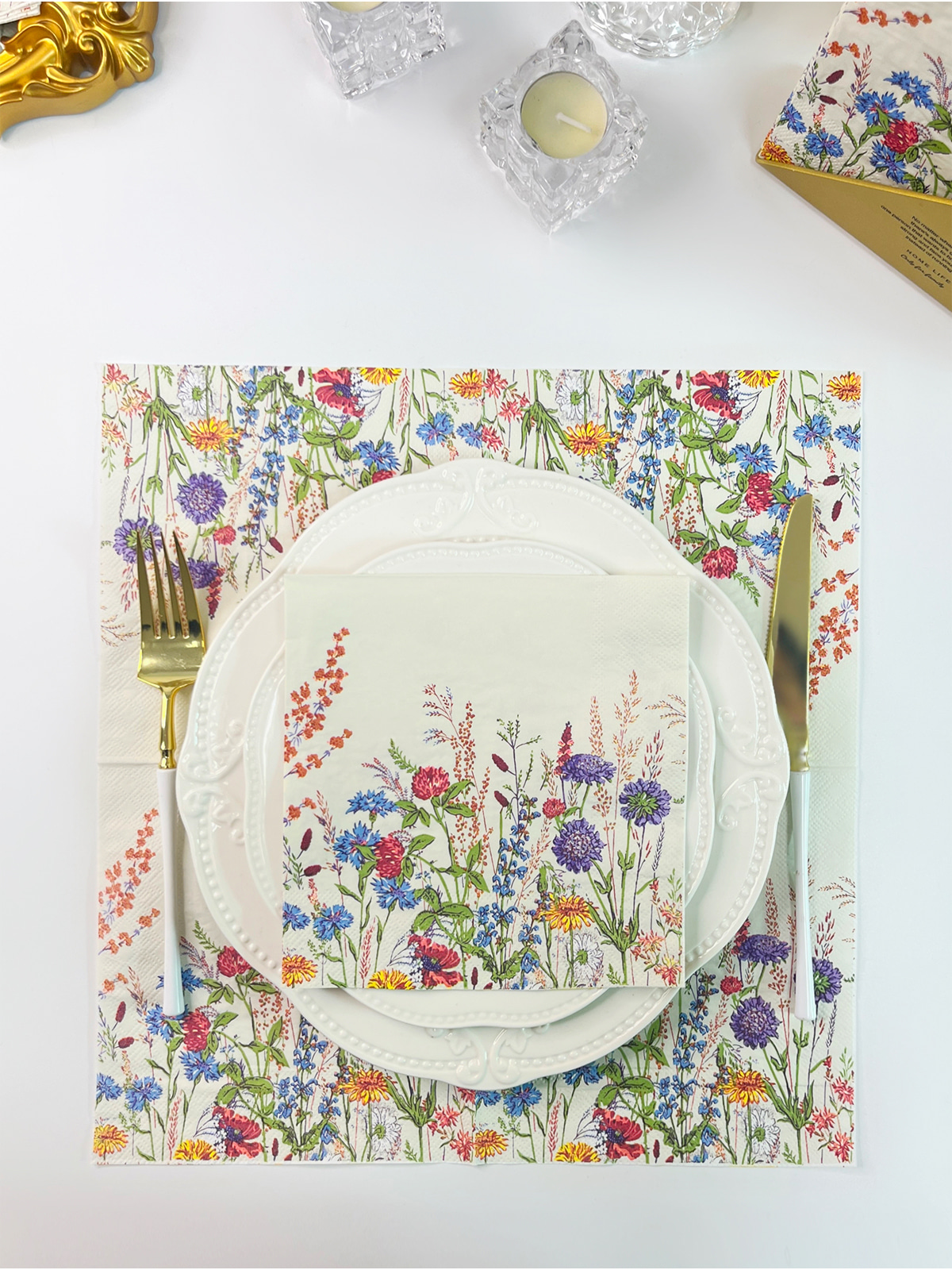
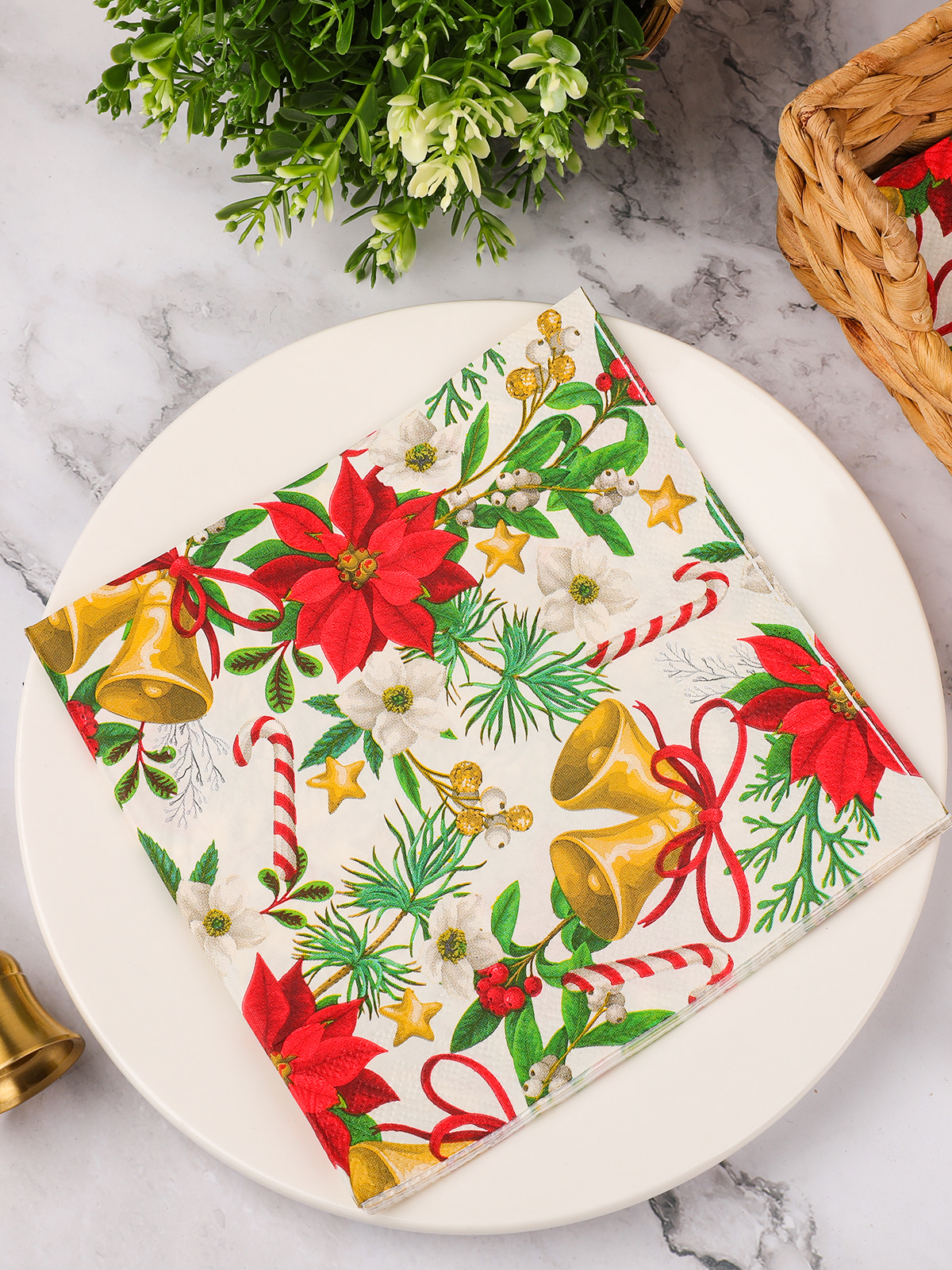
The industry has slowly moved away from treating coating design and ink formulation as separate tasks handled in isolation. Plants that turn out Printed Table Napkins with consistent rub resistance and print quality tend to take a broader view. They test incoming coated paper, tweak press settings based on what the surface energy measurement tells them, and keep communication open between production and quality control. They also recognize that small shifts in coating application—a bit more binder here, a different pigment blend there, a drying profile that runs slightly hotter—can change surface characteristics enough to require ink adjustments or press modifications.
For any converting operation, the practical lesson is straightforward: build solid testing routines, document press settings carefully, and evaluate printed samples across runs in a systematic way. That kind of data makes it possible to respond quickly when adhesion problems crop up. Rather than searching for permanent fixes, the more realistic approach treats coating printability as an ever-present variable that calls for ongoing attention and methodical management. That adaptive mindset, backed by a working knowledge of what happens at the interface between ink and coating, provides a sensible path toward steady quality in a part of the business where materials keep changing.
Related Products
Shopping for a reliable source of napkins?
Established in 2007 and located in Zhuji City, Zhejiang Province, Zhuji Furong Paper Products Co., Ltd. is a professional manufacturer of color-printed napkins. Enhance Your Event With Custom Printed Napkins.
Telephone
+86-15325932613
Address
Jianglong Industrial Park, Jiyang Street, Zhuji City, Shaoxing, Zhejiang, China.
Contact Us
Products
Contact Us
+86-15325932613
+86-575-87765556
+86-575-87765559
Jianglong Industrial Park, Jiyang Street, Zhuji City, Shaoxing, Zhejiang, China.
Party Printed Paper Napkins Manufacturer Customized Napkins And Paper Towels Factory
Copyright © by Zhuji Furong Paper Products Co., Ltd. Rights Reserved.

 English
 中文简体
中文简体