2026-06-15
People rarely leave an event talking about a napkin. Conversations usually revolve around the atmosphere, the people present, the mood of the room, or certain moments that felt meaningful. Even so, atmosphere is not created by large decorations alone. It grows from dozens of small choices that quietly shape how a space feels from the moment guests arrive until the final table is cleared.
A room may contain flowers, candles, menus, place settings, and carefully selected colors. None of them carry the entire visual experience on their own. Instead, each piece contributes a small layer. When those layers work together naturally, the environment feels complete without appearing overdesigned.
Table details are particularly interesting because they remain close to guests throughout much of the occasion. Unlike entrance displays that are viewed once or decorative backdrops that stay in the distance, items placed on tables remain part of the experience for hours. People notice them while waiting for food, during conversations, or simply while observing the surroundings.
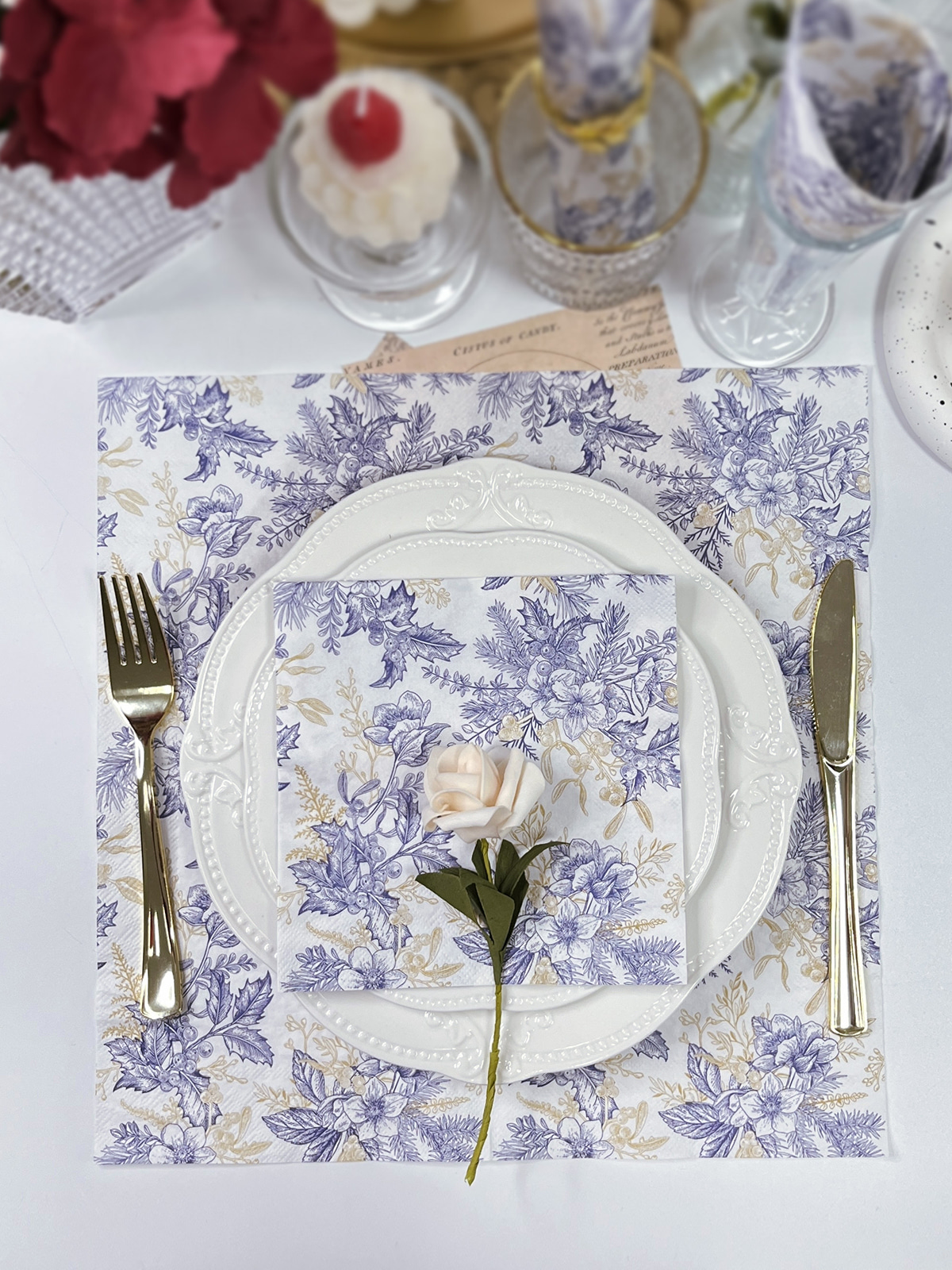
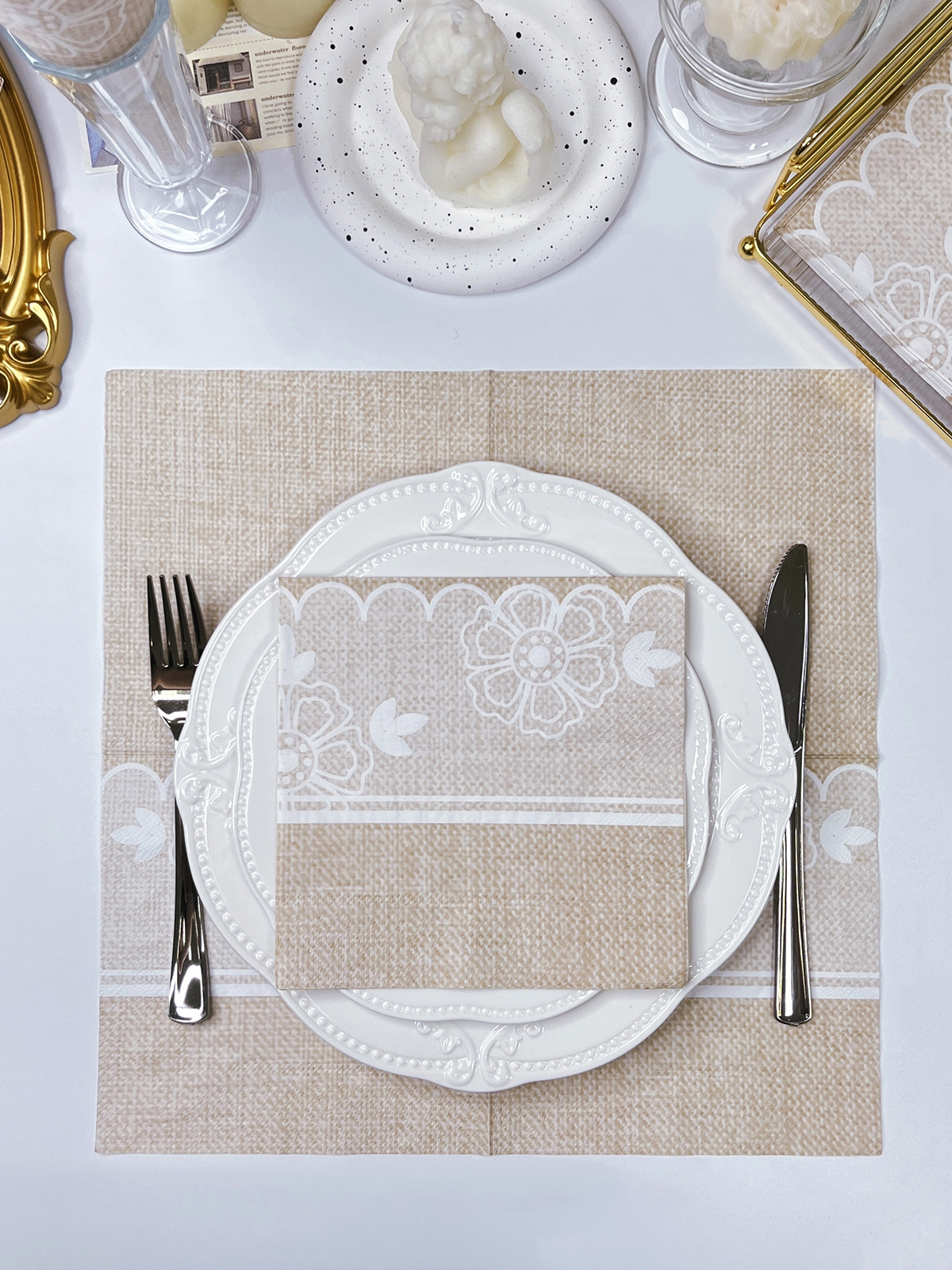
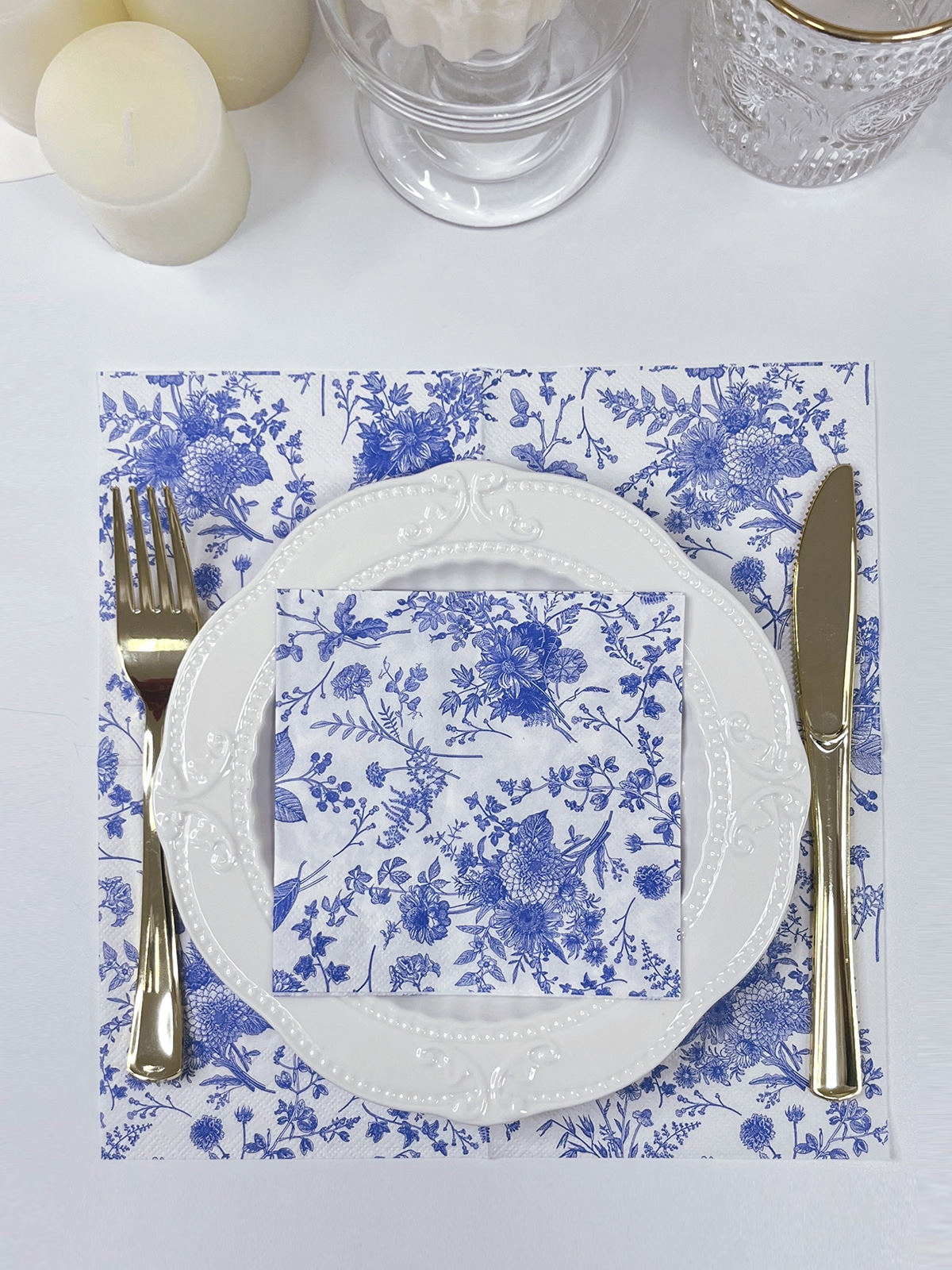
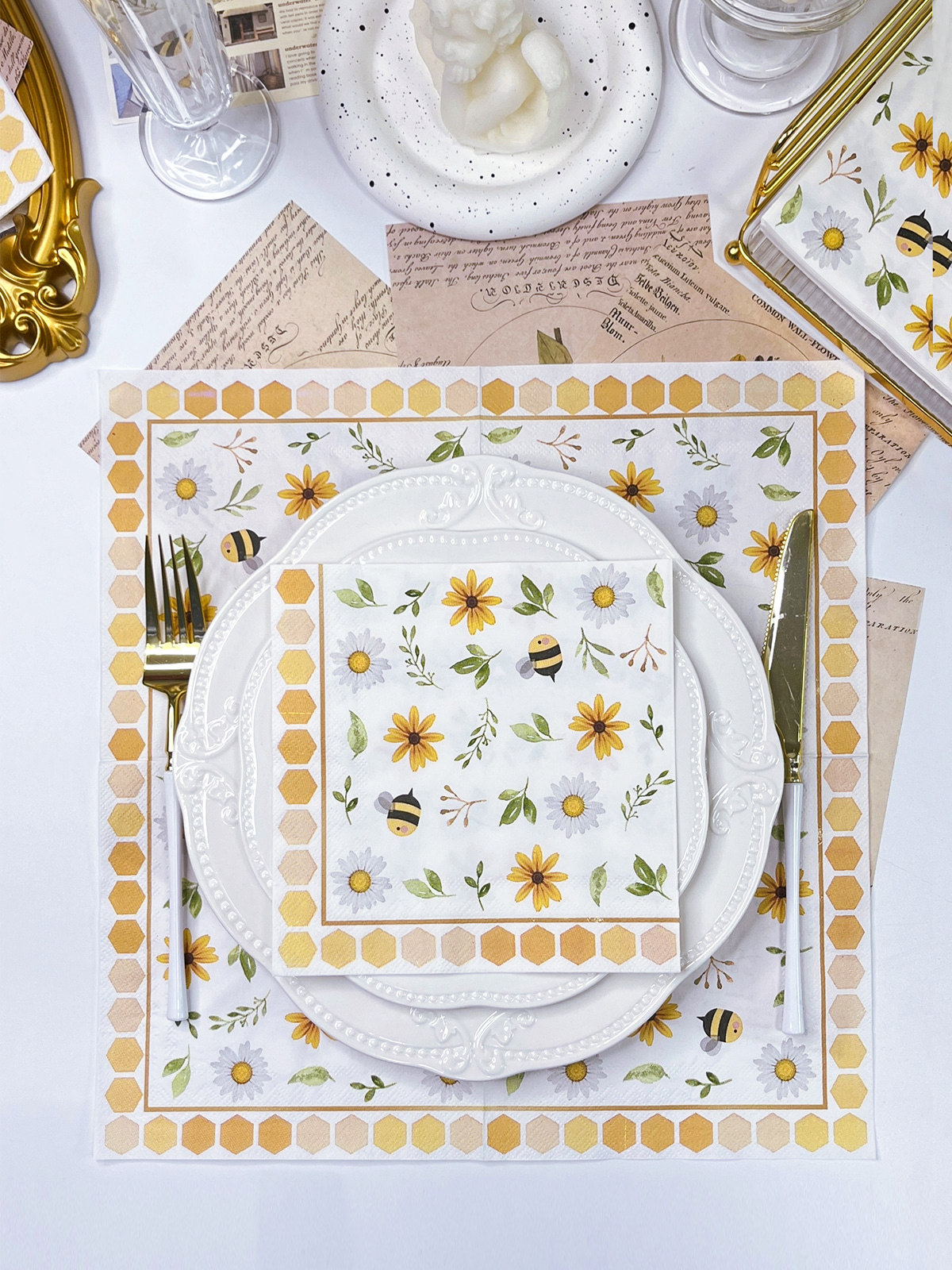
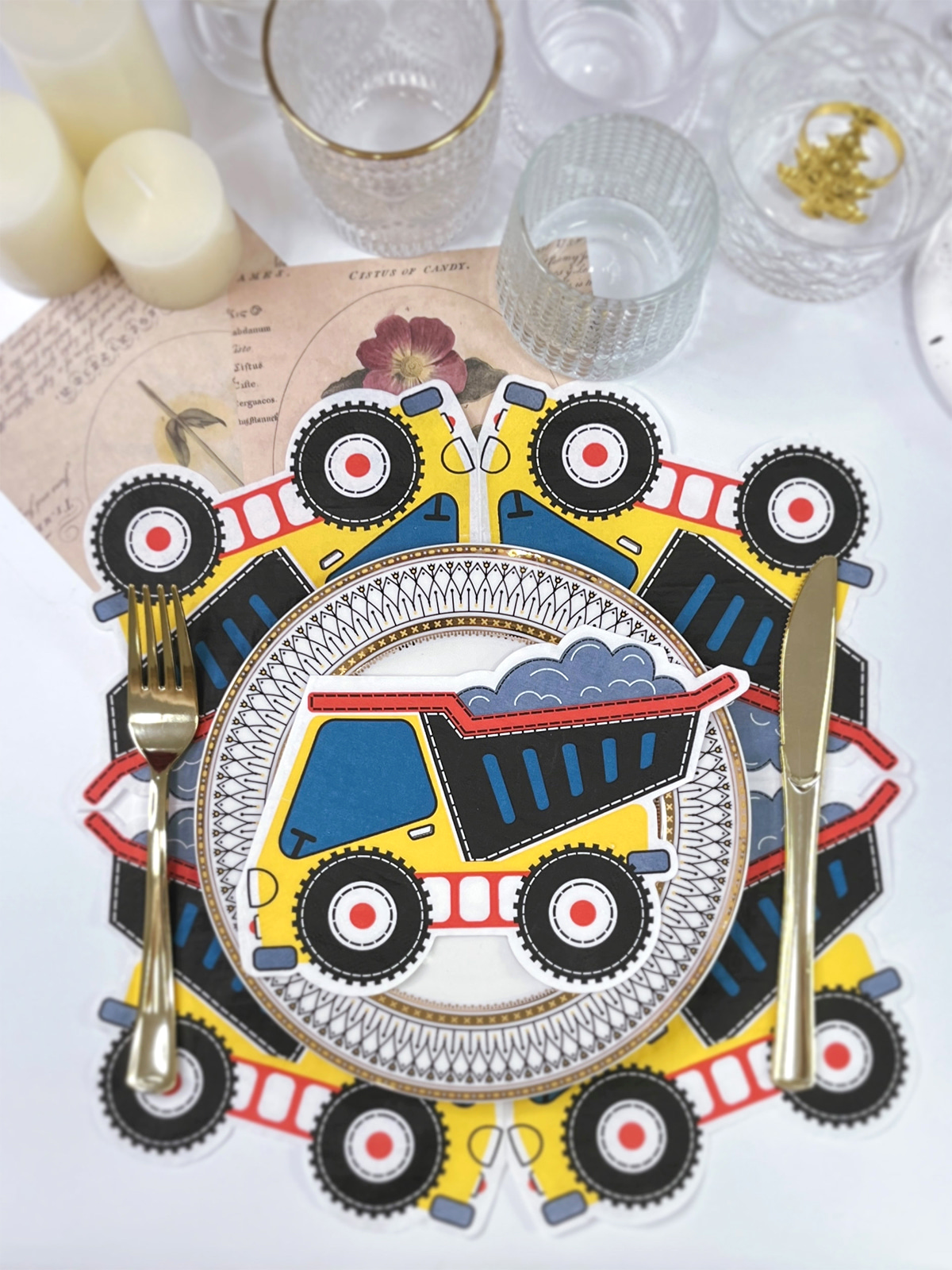
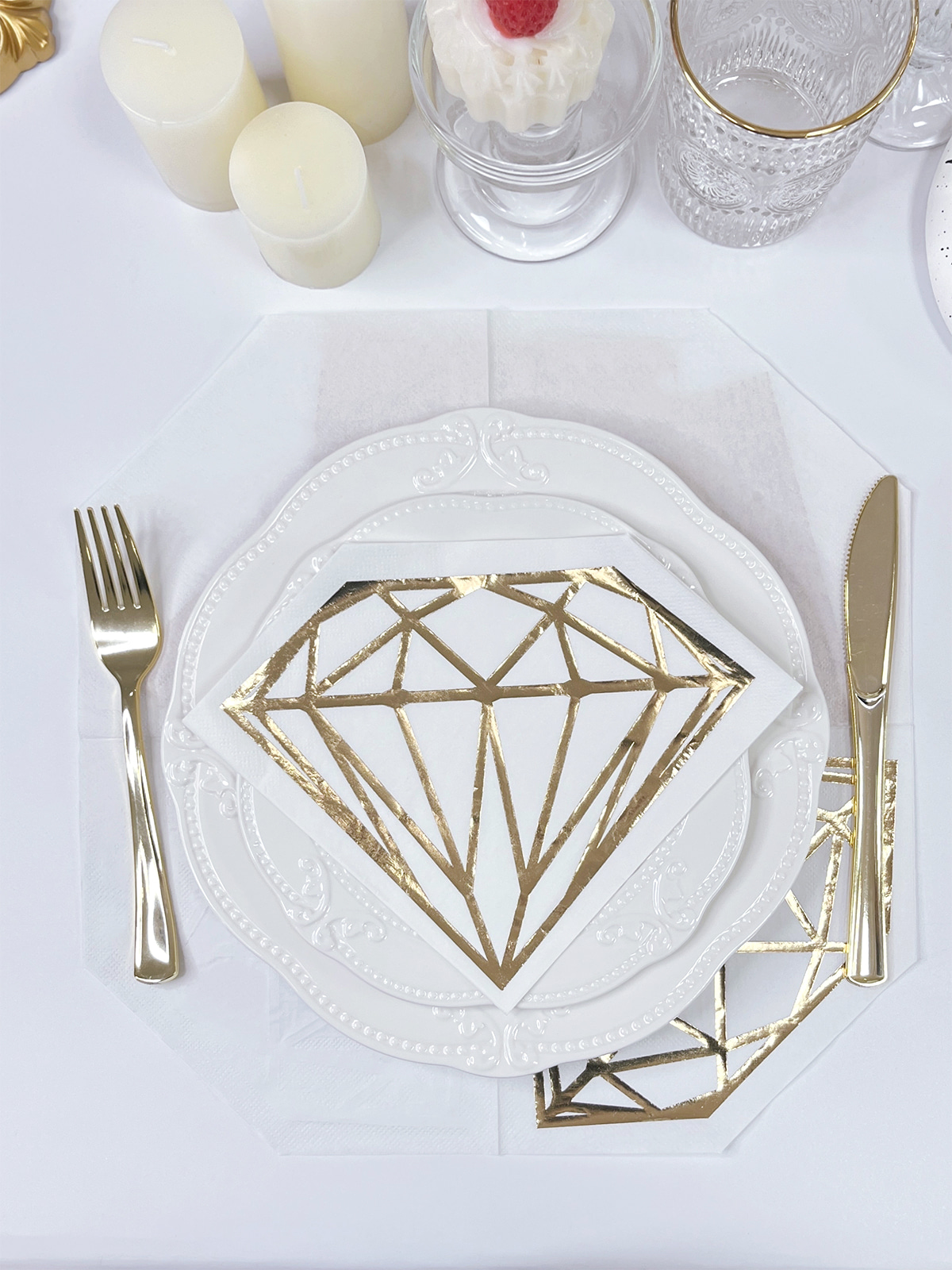
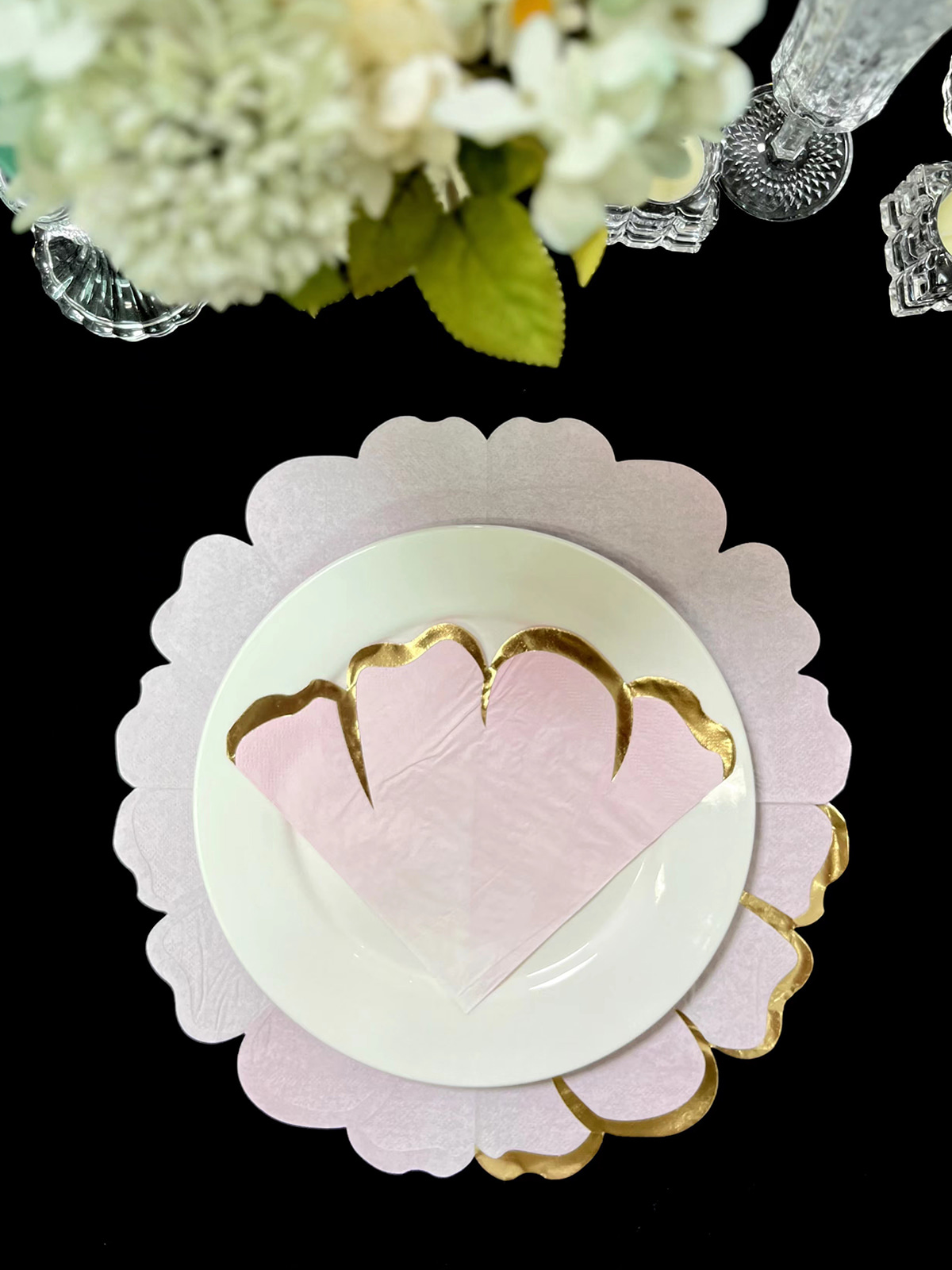
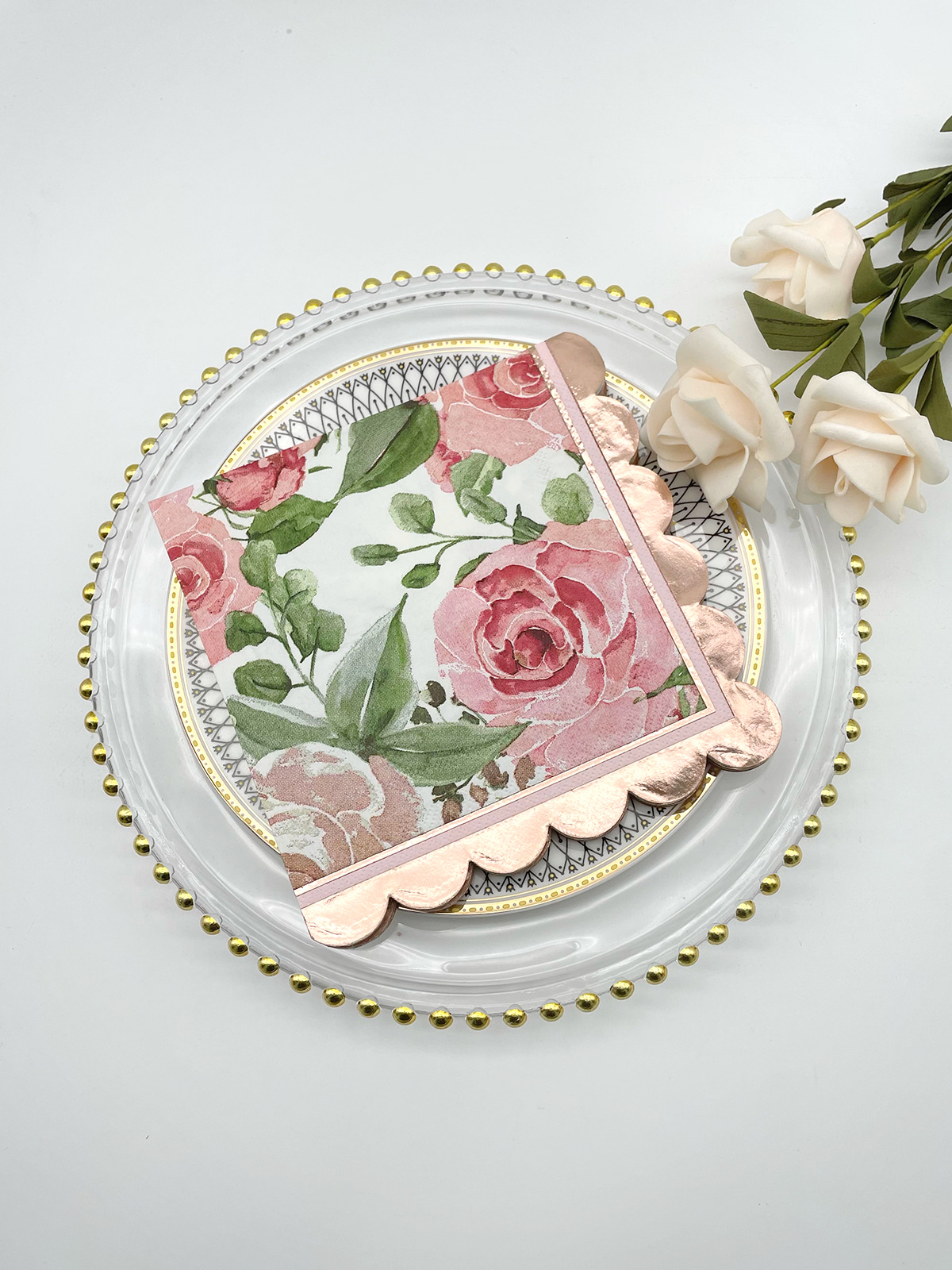
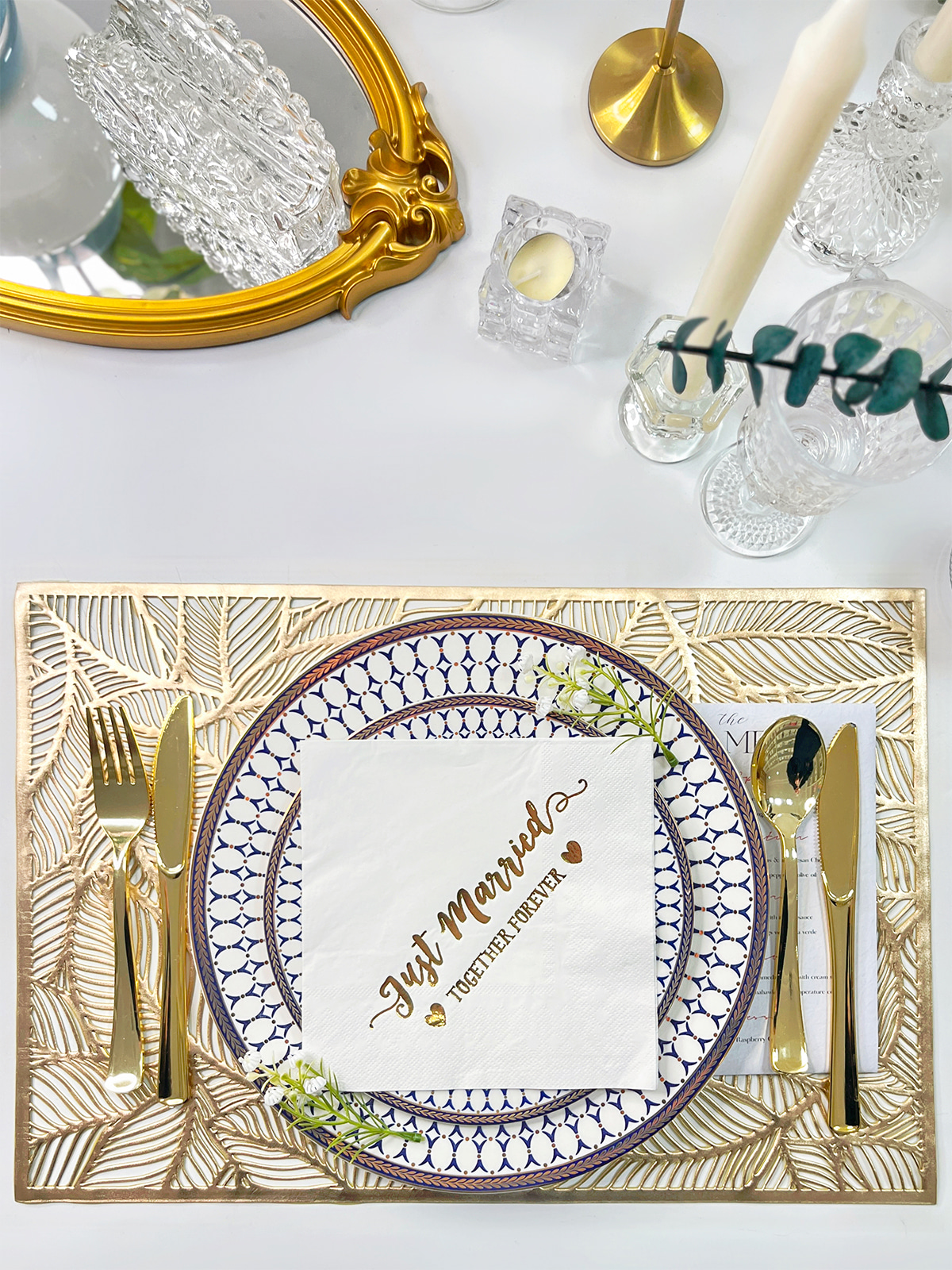
Foil Stamping Napkins fit into that category. Their role appears simple. A napkin is still a napkin. Yet a small foil detail can subtly change the visual rhythm of a table. Light catches the surface differently. Printed elements become slightly more noticeable. Repetition across many tables creates a sense of continuity that guests may not consciously identify, though the overall setting often feels more coordinated because of it.
Many memorable events share one common trait. Attention has been given not only to large visual elements but also to objects that guests encounter repeatedly during the gathering.
Content
Event spaces are experienced from different distances. Large decorations shape initial impressions. Smaller details influence what guests notice after spending time in the environment.
A foil stamped design functions differently from ordinary printing because the surface reacts to changing light throughout the day or evening. During brighter periods, metallic details may appear crisp and defined. Under softer lighting, the same design can take on a more subdued appearance.
Such changes are subtle rather than dramatic. That subtlety is often what makes the effect useful within event settings. Decorative elements that constantly demand attention can become visually tiring. Smaller accents tend to blend into the environment more comfortably.
Foil Stamping Napkins contribute through repetition rather than scale. A single napkin placed on one table may not attract significant notice. When similar designs appear throughout an entire venue, however, a visual connection begins to form between different parts of the space.
Several characteristics help create that effect:
The influence is gradual. Guests may never stop to examine the napkins directly, yet the surrounding environment often feels more complete because those details exist.
Different gatherings create different expectations. A family celebration carries a different atmosphere from a formal reception. A business event feels different from a community gathering. Despite those differences, customized table details continue to appear across many types of occasions.
One reason lies in flexibility. Custom Foil Napkins can be adapted to a wide range of themes without changing their practical purpose. A simple monogram may suit a formal setting. A decorative symbol might fit a cultural celebration. A clean graphic design can support a professional environment.
Another reason relates to identity. Events often attempt to create a sense of belonging or shared purpose. Personalized details help reinforce that feeling because they connect directly to the occasion rather than existing as generic decoration.
In some venues, customization remains understated. Guests may notice only a small design pressed into the surface. In other settings, decorative elements become more visible and form part of the overall theme.
The common factor is not style. The common factor is relevance. Decorative items tend to feel more natural when they appear connected to the event rather than borrowed from an unrelated setting.
People naturally pay more attention to details that feel connected to a particular moment. A generic object often fades into the background. An object carrying a recognizable name, symbol, or meaningful design tends to attract an extra glance.
Personalization introduces context. Instead of functioning only as decoration, a printed element begins to reference the occasion itself. Guests encounter that reference repeatedly throughout the event, sometimes without consciously realizing it.
A customized design can also help create continuity between different parts of a venue. Printed materials, signage, menus, table arrangements, and decorative accessories may share similar visual elements. When repeated carefully, those details contribute to a stronger sense of cohesion.
The effect is often psychological rather than decorative.
Common outcomes include:
Large decorative installations often receive immediate attention. Personalized details tend to work more slowly, becoming part of the overall memory of the experience rather than standing apart from it.
Space available on a napkin is limited. For that reason, simplicity often carries more value than complexity.
A crowded design can reduce clarity and make decorative elements harder to appreciate. A smaller number of carefully arranged components generally allows foil details to remain visible and balanced.
Names remain a popular choice because they establish an immediate connection with the event. Initials can achieve a similar effect while occupying less space. Simple graphic elements often support a theme without overwhelming the layout.
| Design Choice | Visual Effect |
|---|---|
| Name | Direct connection to occasion |
| Initials | Clean and compact appearance |
| Symbol | Supports theme recognition |
| Simple artwork | Adds decorative interest |
| Short phrase | Communicates message clearly |
Typography also deserves attention. Decorative lettering may appear attractive in isolation, though readability becomes important once the design is viewed from different angles and distances.
Color shapes perception before any printed detail is read. A guest entering a venue begins forming impressions almost immediately, often based on visual harmony rather than individual decorative objects.
Foil accents interact with surrounding colors in interesting ways because reflective surfaces respond to light differently than paper. Depending on the chosen combination, the same design may appear soft and understated or more visually pronounced.
Rather than selecting colors in isolation, many event planners consider how table details relate to other elements already present in the venue. Tablecloths, floral arrangements, printed menus, invitations, and decorative accessories all contribute to the broader visual environment.
Several approaches are commonly seen:
No single combination suits every occasion. Context often matters more than color alone.
A guest may walk past a decorative display once. Tables are different. People return to them repeatedly throughout an event. Meals are served there. Conversations unfold there. Quiet moments between activities often happen there as well.
Because tables occupy such an important position, coordination among table elements can influence how organized an event feels. Visual consistency does not require every item to match perfectly. Small connections are often enough.
A repeated symbol, a shared color palette, or a recurring foil detail can create links between separate tables and different areas of a venue. Guests may not consciously analyze those connections, yet the environment tends to feel more unified when such details appear consistently.
Custom Foil Napkins frequently become part of that structure because they sit alongside many other decorative pieces. Their design can echo elements found elsewhere in the venue, helping separate components feel related rather than independent.
Well-coordinated spaces rarely depend on a single decorative feature. Instead, they rely on many modest details working together quietly, creating an atmosphere that feels natural, comfortable, and connected from one area to the next.
Once an event begins to unfold, attention rarely stays in one fixed place. Guests move between tables, shift conversations, pause for food or drinks, and return again to seating areas without much planning. In that movement, table design starts to act like a background language, something noticed indirectly rather than examined closely.
When small elements repeat across the room, a sense of connection slowly forms. It does not arrive through one strong visual statement, more through repeated recognition of similar details placed in different corners of the venue. A napkin design appearing on every table can quietly support that feeling, especially when foil accents reflect light in a similar way across multiple settings.
Foil Stamping Napkins often work in this quiet repetitive role. Even when guests are not focusing on them, the eye still catches similar shapes, tones, or reflective touches during normal interaction. Over time, separate tables begin to feel part of one shared space instead of isolated setups.
That sense of coordination usually comes from small alignments:
The atmosphere becomes more unified without needing anything visually dominant.
Every item placed on a table carries a dual role. It needs to work practically, yet it also becomes part of what guests see for long stretches of time. Napkins sit directly in that overlap, since they are handled often while still remaining visible throughout the event.
Foil stamping introduces a decorative layer that stays attached to the surface without changing how the napkin is used. That detail sits quietly in the background of activity, sometimes noticed during meals, sometimes only during pauses between conversations.
The balance works better when decoration does not interfere with usability. A crowded design can distract from function, while a restrained layout allows the object to remain comfortable in use while still contributing visually to the table.
In many event settings, that balance tends to look like:
The result is an item that participates in the table environment without becoming the center of attention.
Selection of table elements often happens alongside many other decisions, so choices tend to depend on how different parts of the event will interact rather than isolated design preference.
Lighting conditions matter more than it might appear. Foil surfaces react differently depending on brightness, direction of light, and surrounding colors. A design that feels subtle in one environment may appear more noticeable in another simply because of reflection behavior.
Table spacing also plays a role. In tightly arranged seating, details are seen from close range, which makes clarity more important. In wider layouts, repetition becomes more important since guests observe tables from multiple distances.
Considerations often include:
Each choice interacts with the overall environment rather than standing alone.
Event themes rarely come from a single object. They usually develop through repetition of small signals placed throughout a venue. Color tones, surface textures, printed details, and material finishes all contribute to that gradual build of identity.
Foil stamped napkins fit into that structure because they appear in every table setting, creating repeated visual cues that help tie different areas together. Even when other decorations vary slightly between sections, napkins often remain consistent, acting as a quiet anchor point.
Theme consistency often appears through repetition rather than intensity:
Instead of forcing uniformity, the theme forms through recognizable patterns that appear naturally across the space.
Events today often place more attention on individuality within shared spaces. Rather than relying only on general decoration, many gatherings now include details that reference the specific occasion more directly.
Personalized napkins fit into that shift because they introduce identity into something already part of every table. A simple foil mark, name, or symbol can turn a routine object into something connected to the moment.
There is also a visual reason behind the trend. Table items appear frequently in photos and casual captures, which means small design elements often become part of how the event is remembered afterward. Even subtle details tend to gain visibility over time through repeated viewing.
Personalization often adds:
The effect is rarely dramatic, more gradual, building through repeated exposure.
Recent event styling often moves toward quieter decoration with more attention placed on small coordinated elements rather than large visual statements. Instead of filling space with strong decorative features, many designs rely on controlled detail spread across different parts of the venue.
Foil stamped napkins align with that direction because they offer decoration in a contained form. The reflective detail adds interest without overwhelming surrounding objects, and repetition across tables strengthens visual flow without requiring heavy design elements.
Current tendencies often include:
Within that environment, Custom Foil Napkins continue to appear as part of table design because they contribute quietly, staying close to daily interaction points while supporting overall visual continuity across the event space.
Related Products
Shopping for a reliable source of napkins?
Established in 2007 and located in Zhuji City, Zhejiang Province, Zhuji Furong Paper Products Co., Ltd. is a professional manufacturer of color-printed napkins. Enhance Your Event With Custom Printed Napkins.
Telephone
+86-15325932613
Address
Jianglong Industrial Park, Jiyang Street, Zhuji City, Shaoxing, Zhejiang, China.
Contact Us
Products
Contact Us
+86-15325932613
+86-575-87765556
+86-575-87765559
Jianglong Industrial Park, Jiyang Street, Zhuji City, Shaoxing, Zhejiang, China.
Party Printed Paper Napkins Manufacturer Customized Napkins And Paper Towels Factory
Copyright © by Zhuji Furong Paper Products Co., Ltd. Rights Reserved.

 English
 中文简体
中文简体