2026-06-10
Napkins placed on a table often look simple, yet once the table is in use, their role becomes more noticeable. Hands touch them, plates sit beside them, and printed surfaces stay in view for a long time. Because of this constant presence, small changes in paper feel or ink behavior can quietly shift how the whole table is experienced.
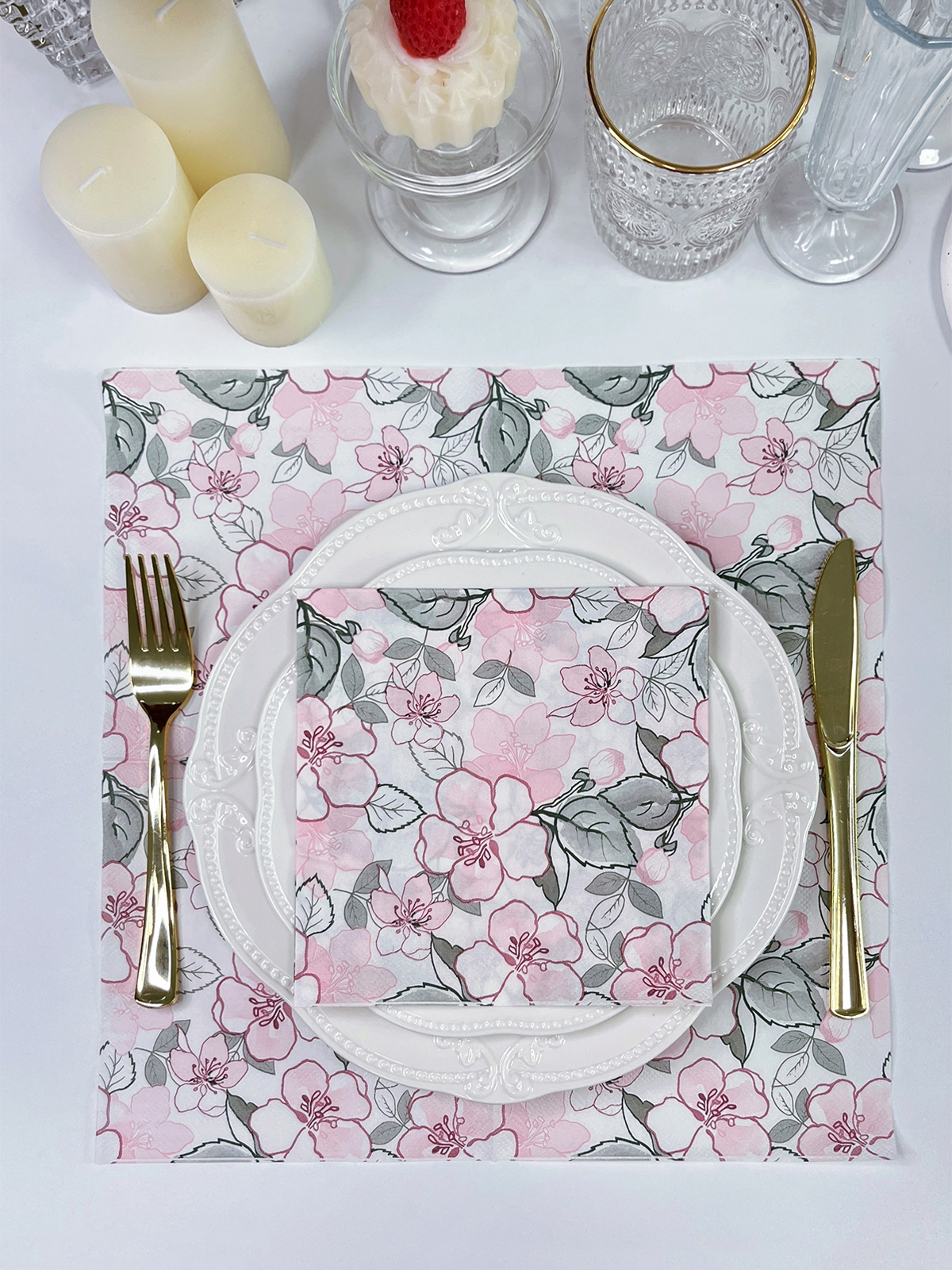
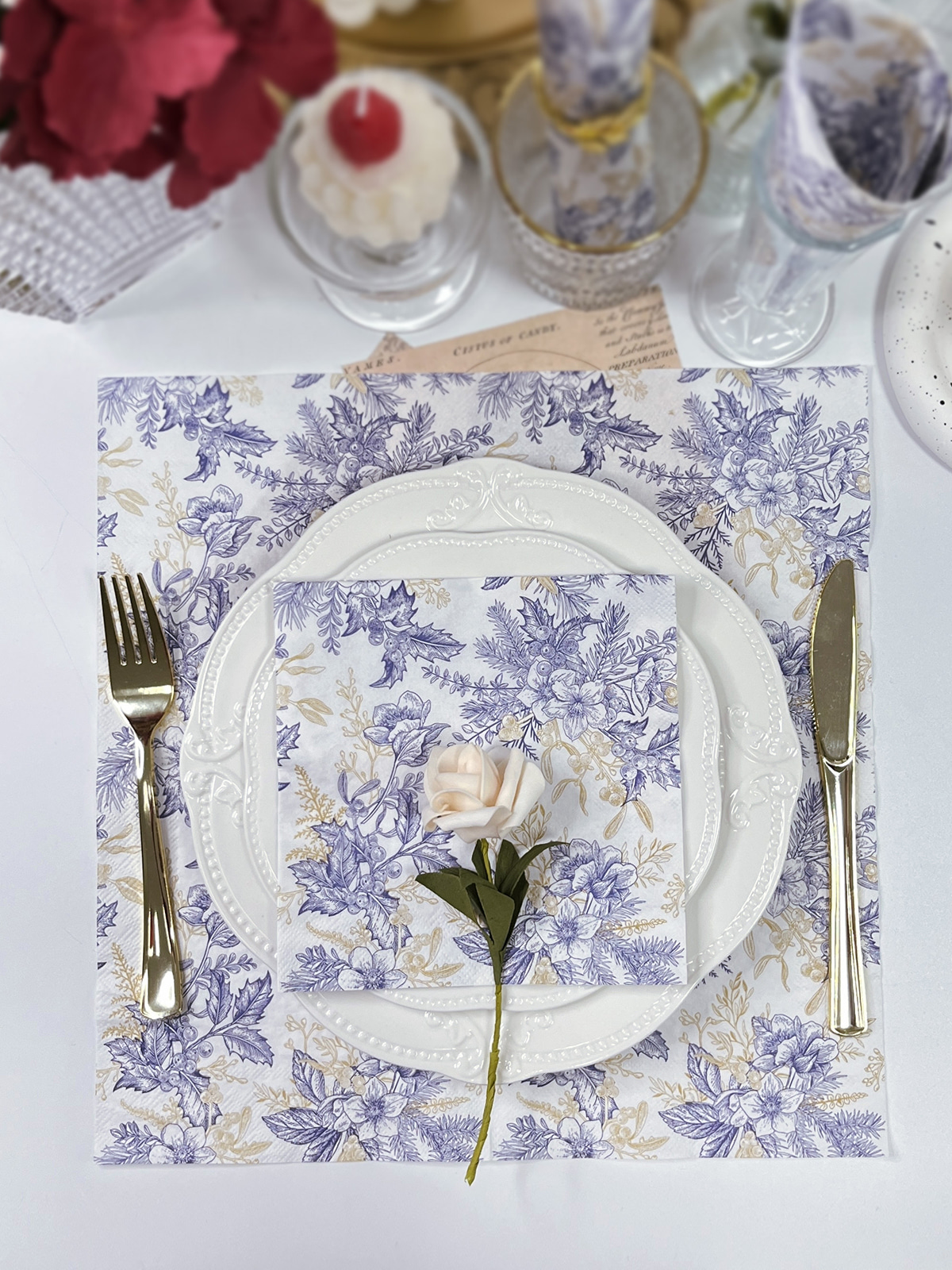
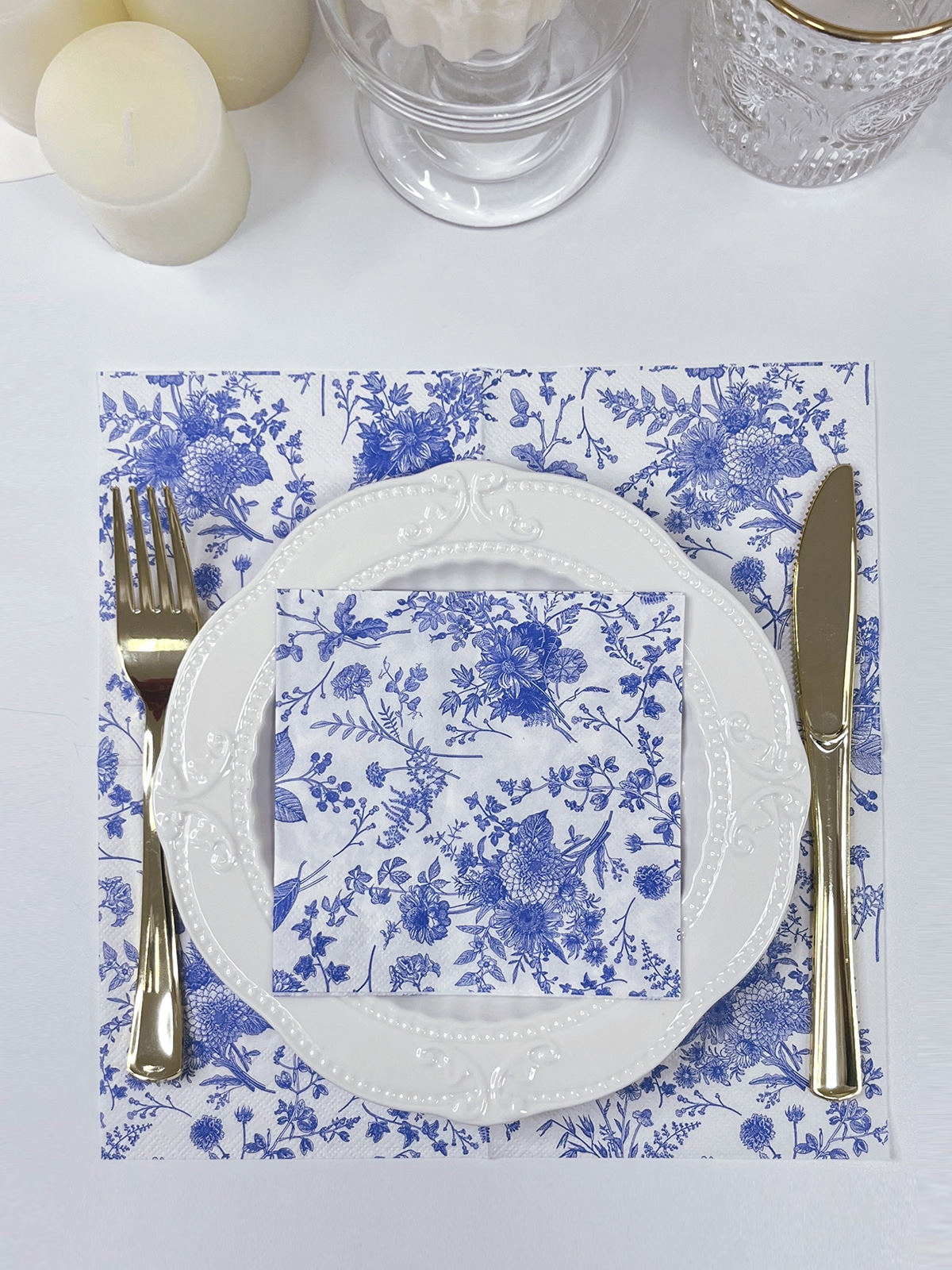
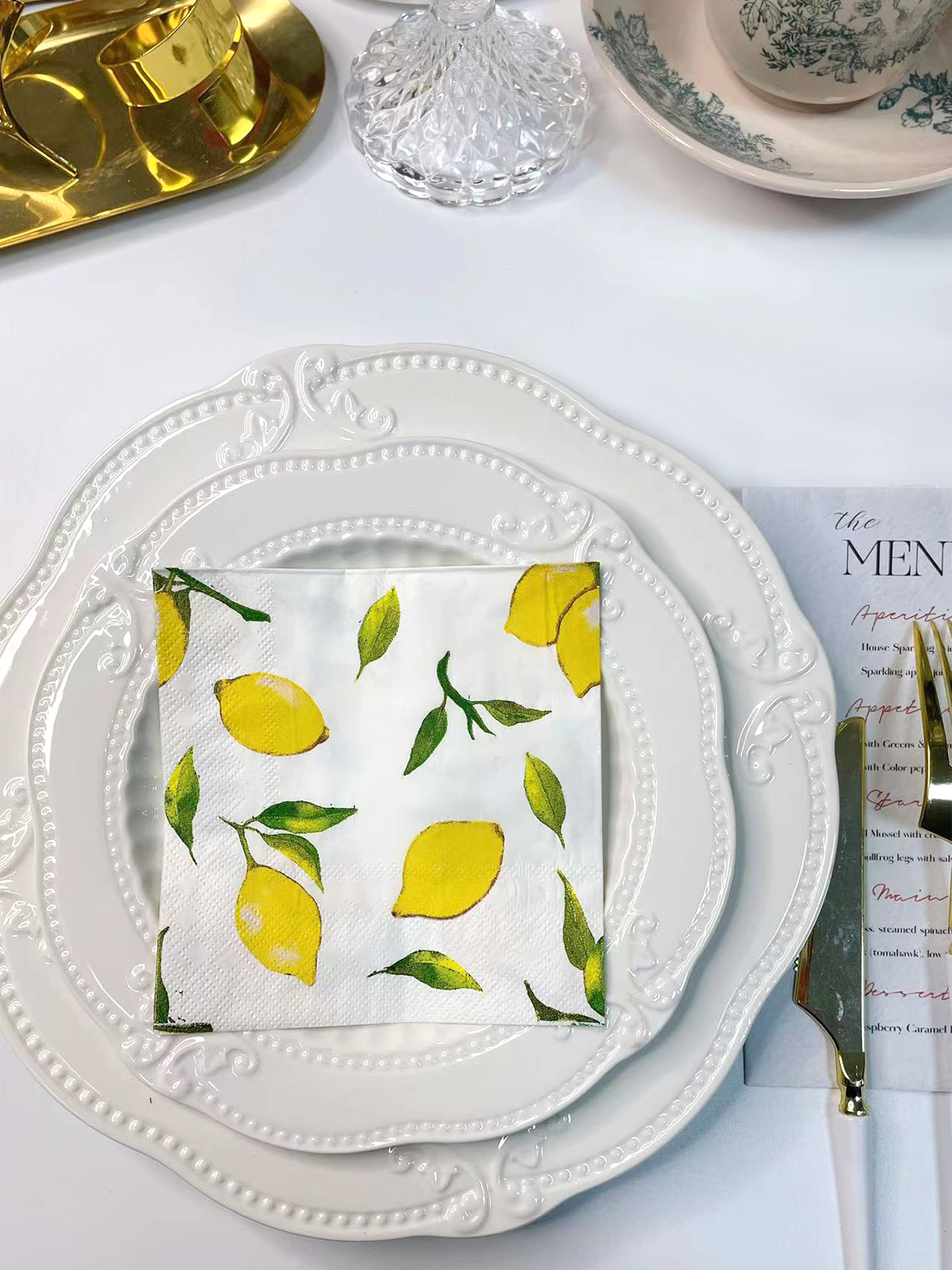
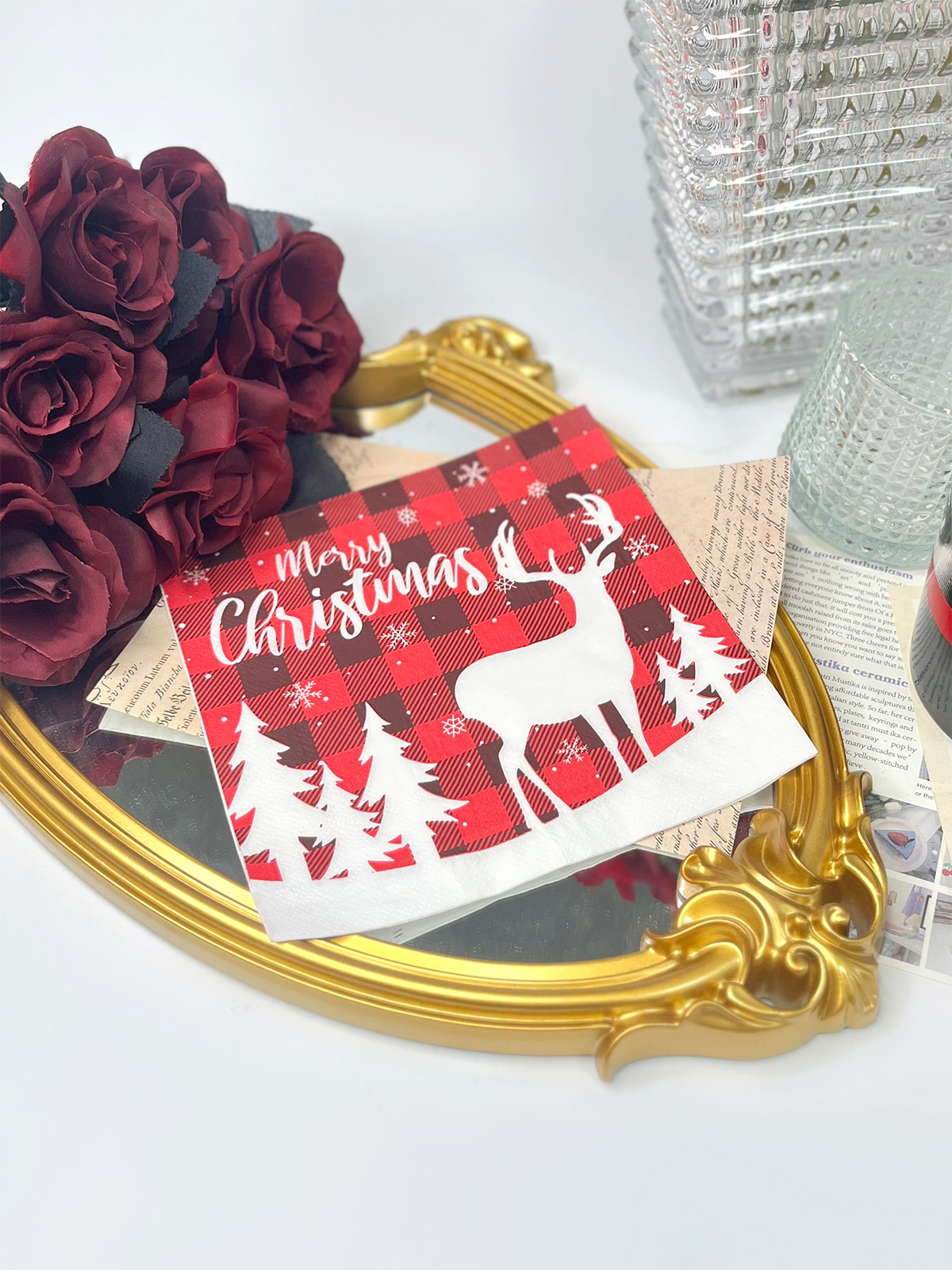
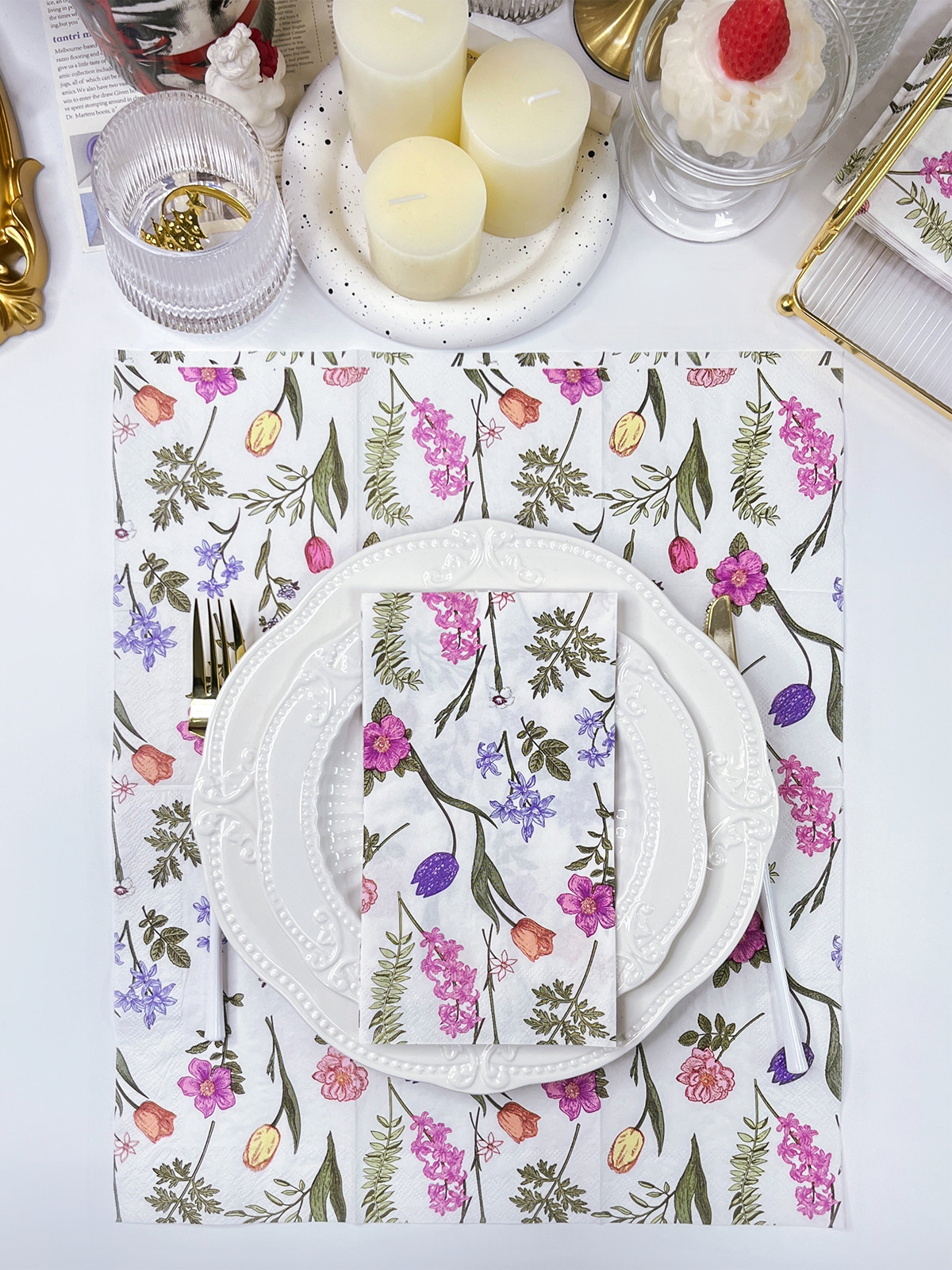
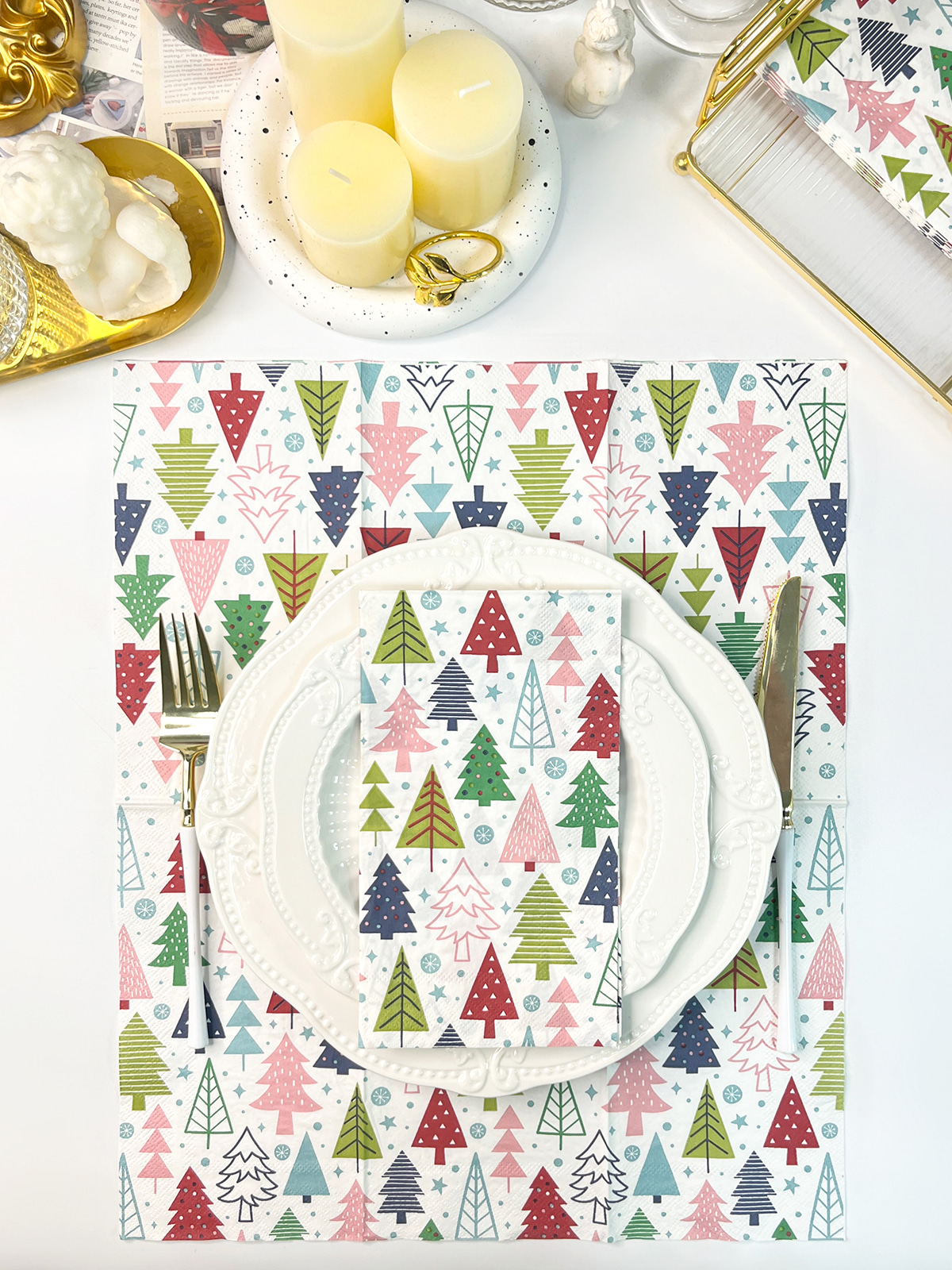
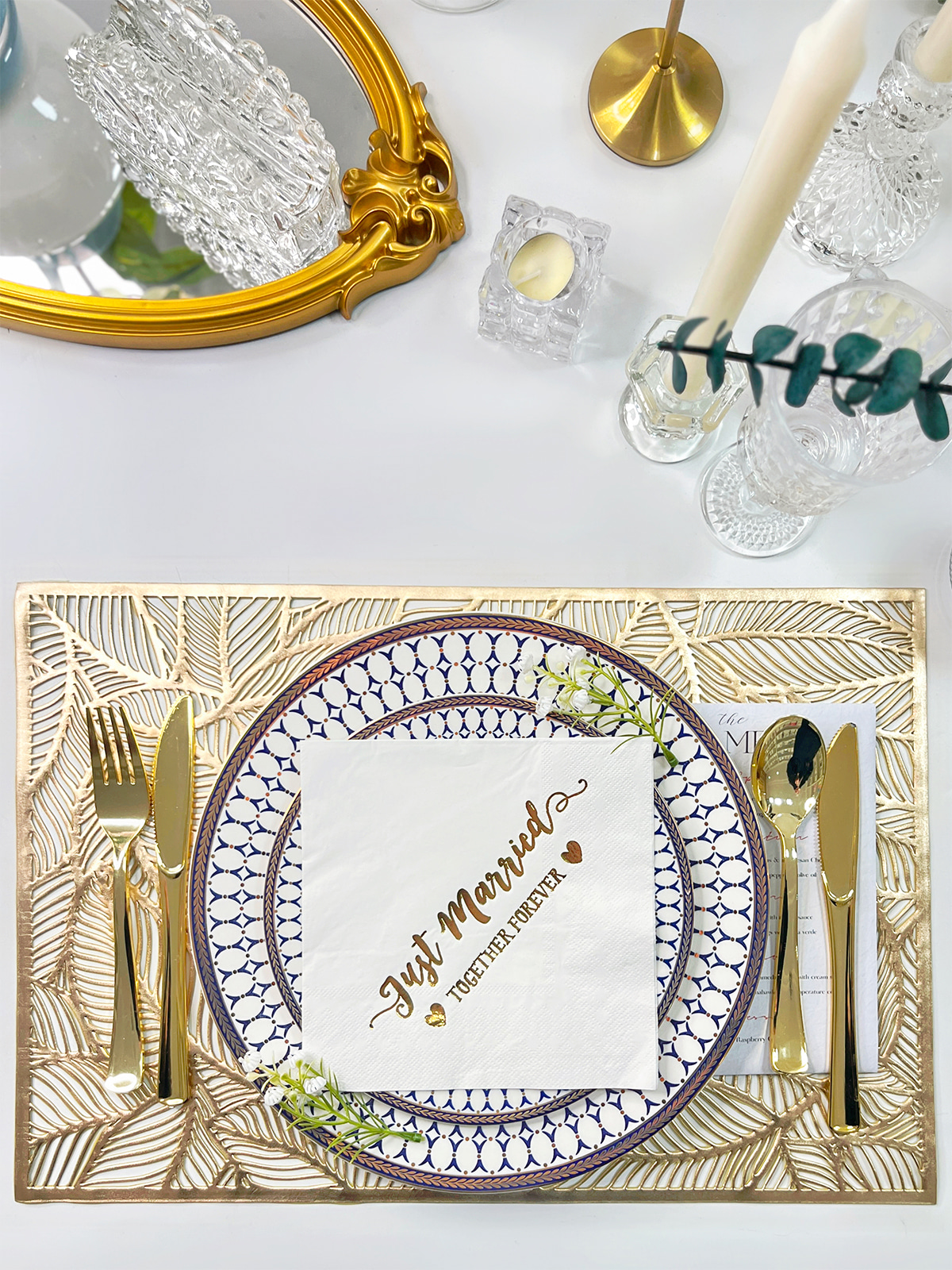
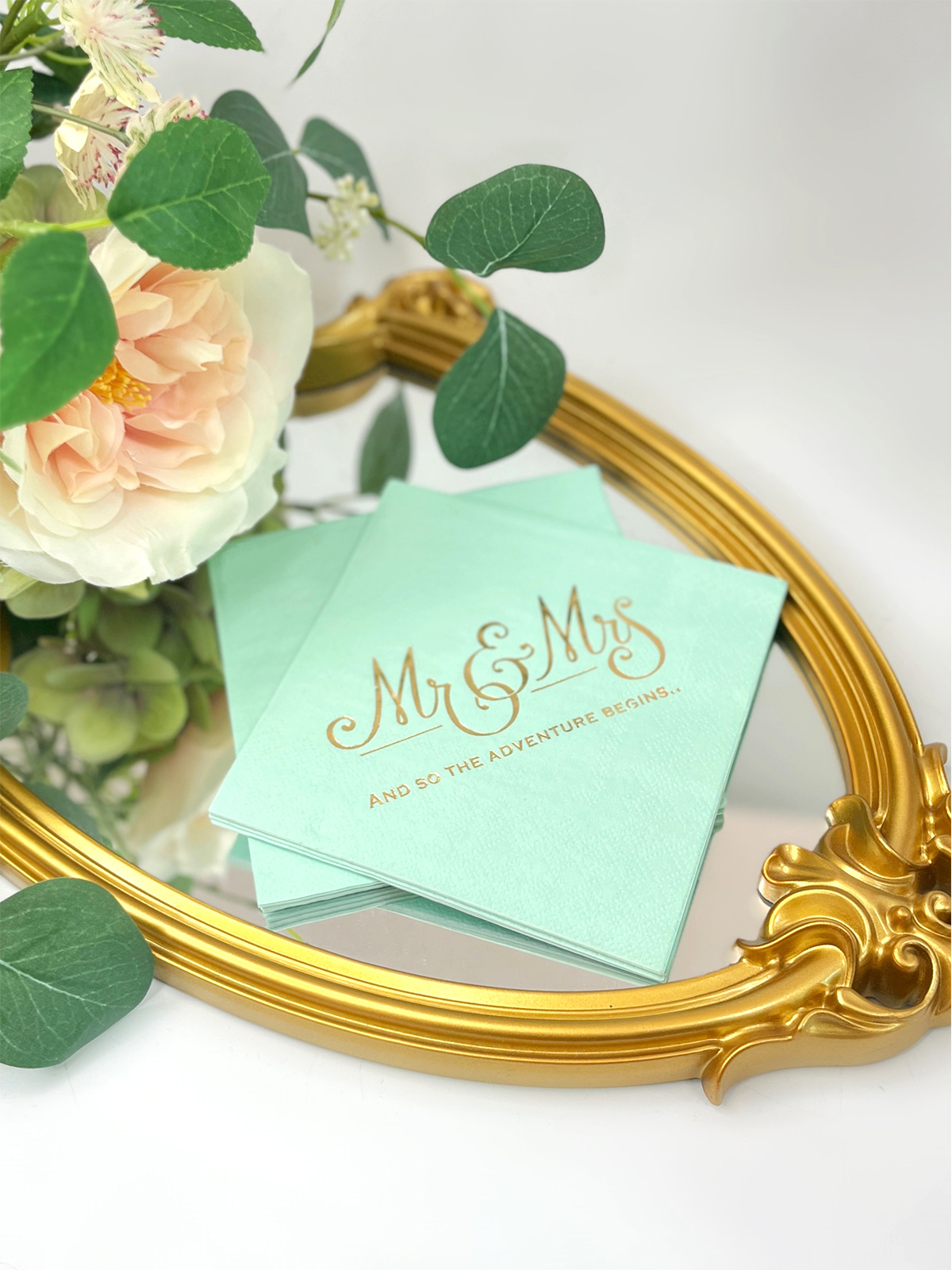
In Custom Paper Napkins Wedding setups, napkins are not treated as separate decoration pieces only. They sit inside the same visual field as tableware and fabric, which means their material and folding behavior become part of the table structure rather than an add-on.
Content
A table does not work as isolated objects placed side by side. Everything on the surface connects through spacing, repetition, and visual balance. Napkins often sit in the middle of that structure without drawing strong attention.
In real table use, napkins influence several practical aspects:
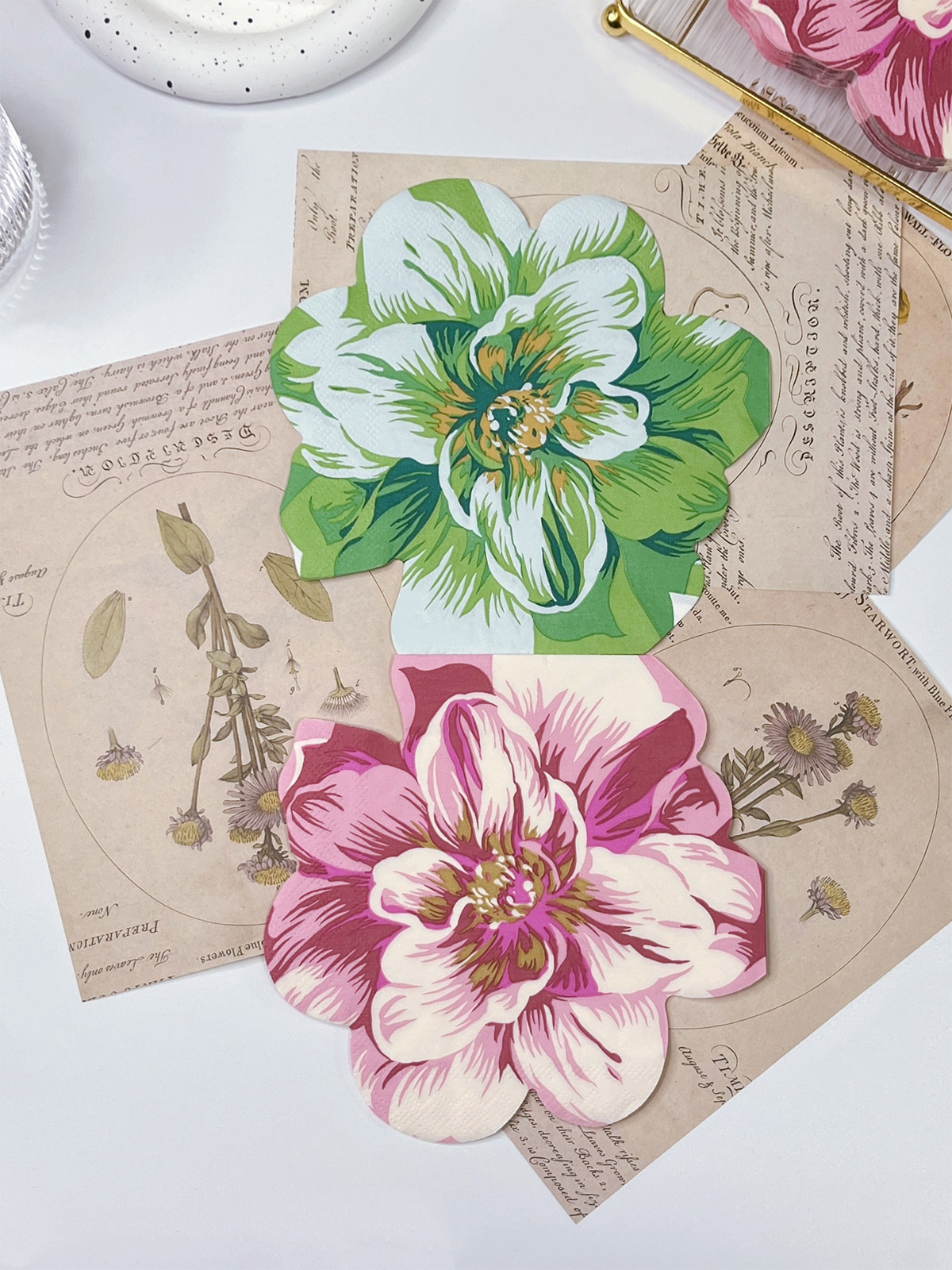
Printed Table Napkins also help repeat visual elements across the table. That repetition is often subtle, yet it supports a sense of order when viewed as a whole.
Paper napkins may look similar when folded, yet internal structure changes how they behave once handled. Fiber arrangement, density, and layering all affect touch, folding, and moisture response.
In daily use, differences show up quickly. Some napkins hold shape after folding. Some feel softer but lose structure after repeated handling. Some react fast to moisture while others remain steady for longer contact.
Typical behavior can be described in simple terms:
| Material Type | Fold Behavior | Print Appearance | Moisture Response |
|---|---|---|---|
| Light paper | flexible and loose | softer edges | quick absorption |
| Medium paper | balanced stability | clearer detail | steady response |
| Denser paper | firm shape holding | sharper print lines | slower absorption |
Surface texture changes how ink sits on paper. A smoother surface allows ink to spread evenly, which keeps printed lines clearer. A more textured surface interrupts ink flow slightly, which softens edges and reduces sharp contrast.
In Printed Table Napkins, texture also changes how folding lines appear. Smooth paper tends to form cleaner edges when folded. Textured paper creates softer transitions between layers, which changes how light reflects across the surface.
What can be noticed in real use:
Even when the design stays the same, surface structure alone can change how the print is seen.
Table atmosphere is built through repetition rather than a single strong element. Napkins contribute through color tone, pattern rhythm, and placement consistency across seats.
In Custom Paper Napkins Wedding layouts, printed napkins often act as quiet links between different parts of the table. When the same visual language appears repeatedly, the table feels more connected without needing extra decoration.
Printed elements interact with surrounding objects in simple ways:
Printed Table Napkins may not dominate attention alone, yet across a full table they support a steady visual flow.
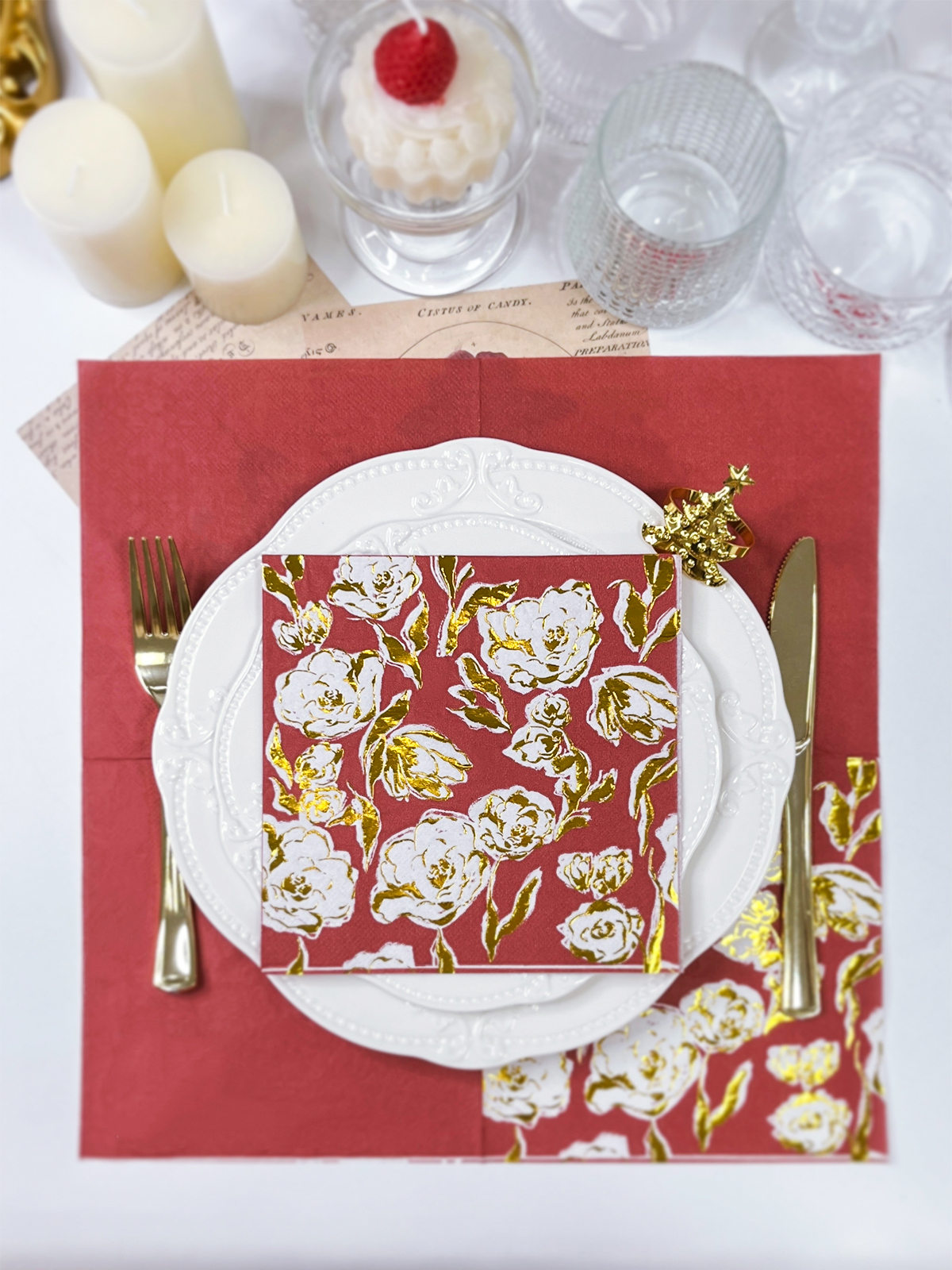
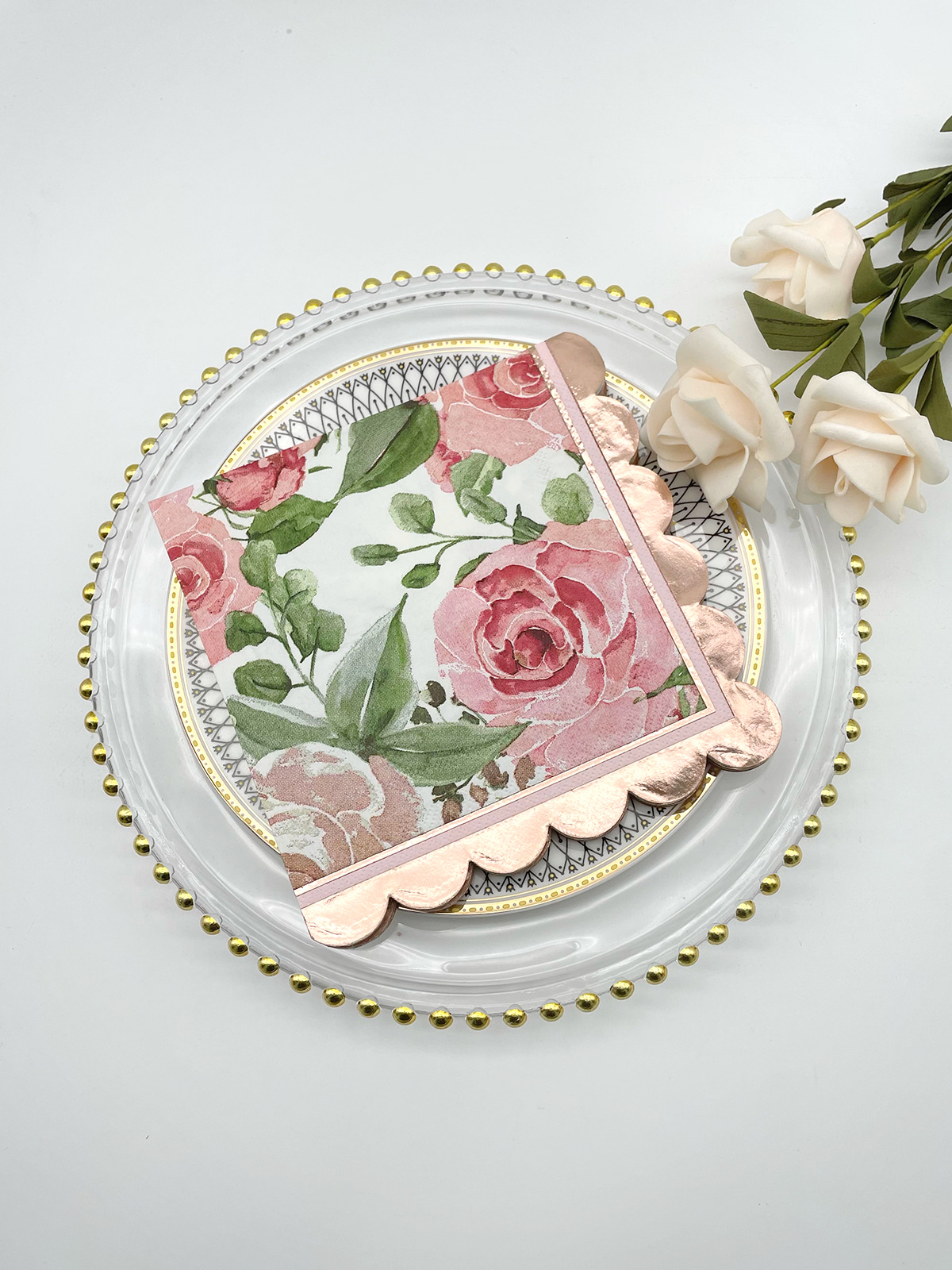
Folding changes both appearance and practical behavior. Once folded, the napkin no longer acts as flat paper only. Its shape, visible area, and interaction with space all shift.
Different folding approaches create different effects:
A tighter fold reduces visible print area, while a looser fold reveals more design. When folding stays consistent across all seats, the table feels more stable. When folding varies too much, visual rhythm becomes uneven and less controlled.
After paper napkins are folded and placed on the table, their role does not stop at appearance. Use, touch, and environment all continue to change how the material behaves. A napkin that looks stable at the beginning of the meal may slowly feel softer or slightly different after repeated handling. That change is not sudden, it builds up through contact, moisture, and movement.
In Custom Paper Napkins Wedding arrangements, napkins often stay on the table for a long period before and during dining. During that time, surface feel and printed appearance interact with real conditions rather than remaining in a fixed state.
Once dining starts, napkins begin to respond to small and repeated actions. Hands pick them up, unfold them, place them back, and sometimes refold them. Each step slightly affects surface structure.
In practical use, several changes can be noticed:
Printed Table Napkins also react differently depending on how often they are touched. A napkin used only for decoration keeps its original look longer. A napkin used during dining changes appearance sooner due to direct contact.
Table environments are rarely stable. Food, drinks, and hand contact all introduce moisture. At the same time, room temperature changes during service or crowd movement.
When moisture touches napkin fibers, paper structure begins to relax. The surface may feel less firm, especially in areas with repeated contact. Ink behavior can also shift slightly when moisture spreads unevenly.
Temperature influence appears in subtle ways:
In Printed Table Napkins, these factors do not change design, but they influence how the print is perceived during use.
Design on napkins is not only about visual impression at the beginning. It also affects how the table feels during the entire dining process.
Color density, pattern spacing, and print placement all interact with folding and handling. A dense pattern may stay visually active even after folding, while a light pattern may blend more into the background once placed on the table.
In Custom Paper Napkins Wedding settings, design decisions often affect:
Printed Table Napkins with balanced spacing often hold their visual role longer, especially when guests interact with them during dining.
Thickness changes how napkins behave under pressure and movement. Thin paper tends to fold easily and respond quickly to touch, while thicker paper holds structure longer and resists deformation.
In daily table use:
Thickness also influences printed appearance. On thinner paper, ink may appear softer. On thicker paper, printed edges may look more defined depending on surface treatment.
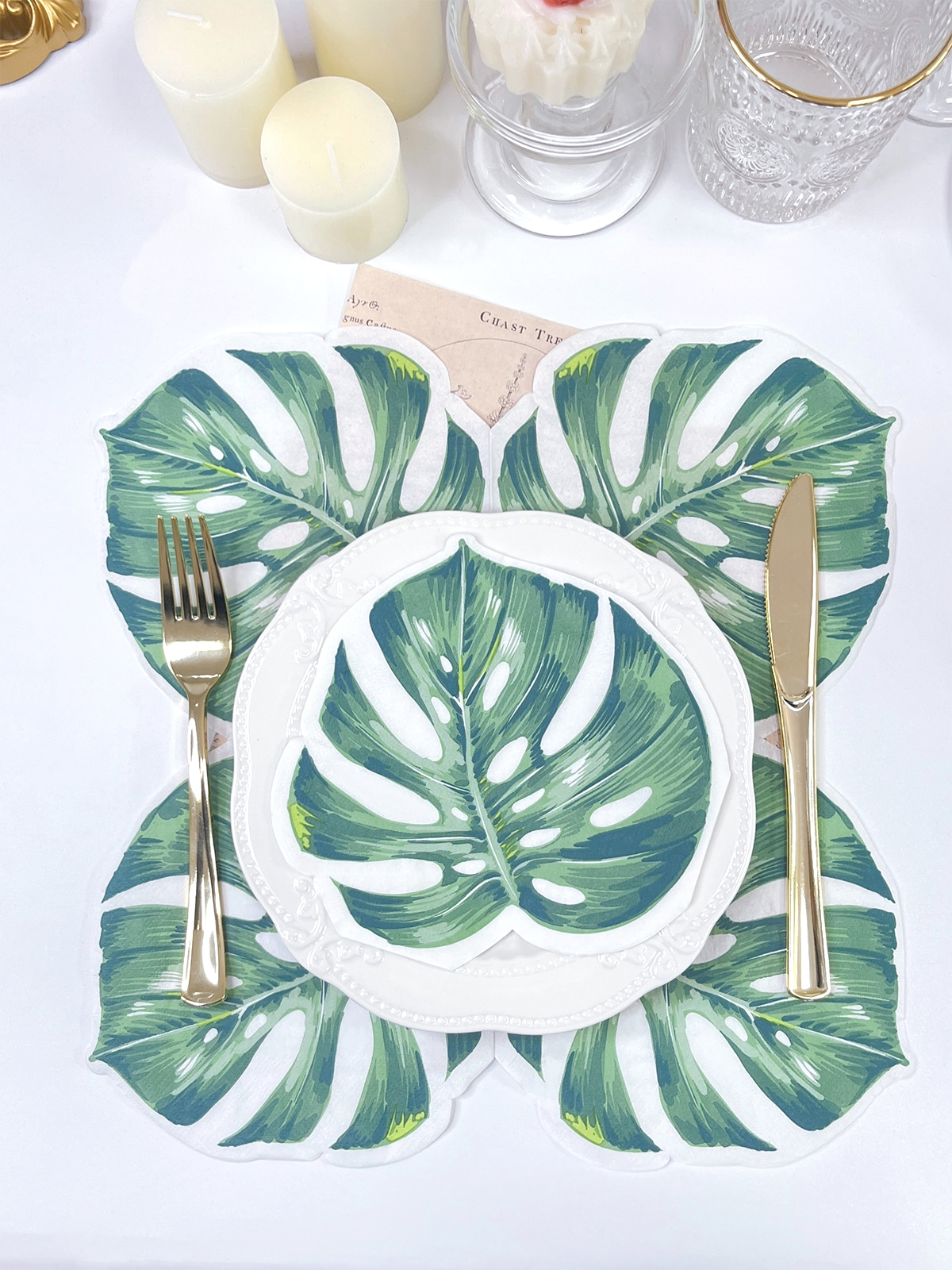
Napkins rarely exist alone on a table. They work together with plates, glassware, cutlery, and fabric layers. Because of that, their role is often about connection rather than isolation.
Printed Table Napkins help repeat visual elements across different seating positions. That repetition supports a sense of structure without needing strong decoration changes.
In full table layouts, napkins contribute to:
Even small changes in napkin material or print style can affect how the entire table is read as a single composition.
Custom Paper Napkins Wedding and Printed Table Napkins work through a combination of material behavior and surface design. Their influence is not limited to decoration. It extends into handling, folding, moisture response, and long-term table use.
Once placed on the table, napkins become part of a living surface. They react to touch, temperature, and time, while still carrying printed design across the dining experience.
Related Products
Shopping for a reliable source of napkins?
Established in 2007 and located in Zhuji City, Zhejiang Province, Zhuji Furong Paper Products Co., Ltd. is a professional manufacturer of color-printed napkins. Enhance Your Event With Custom Printed Napkins.
Telephone
+86-15325932613
Address
Jianglong Industrial Park, Jiyang Street, Zhuji City, Shaoxing, Zhejiang, China.
Contact Us
Products
Contact Us
+86-15325932613
+86-575-87765556
+86-575-87765559
Jianglong Industrial Park, Jiyang Street, Zhuji City, Shaoxing, Zhejiang, China.
Party Printed Paper Napkins Manufacturer Customized Napkins And Paper Towels Factory
Copyright © by Zhuji Furong Paper Products Co., Ltd. Rights Reserved.

 English
 中文简体
中文简体