2026-07-01
A metallic finish often catches attention long before anyone notices the paper beneath it. Light reflects from the decorated surface while the napkin still feels soft enough to fold, unfold, or shape into different forms. That balance between appearance and flexibility is not created by decoration alone. Every stage of production influences how well a thin metallic layer remains attached after the sheet leaves the production line.
Unlike ordinary printing, foil decoration combines materials that respond differently when pressure changes. Paper fibers compress, recover, and bend with little resistance. A metallic coating reacts in another way, especially around folds or embossed areas. Bringing both materials together without creating visible fractures requires careful coordination rather than relying on a single production step.
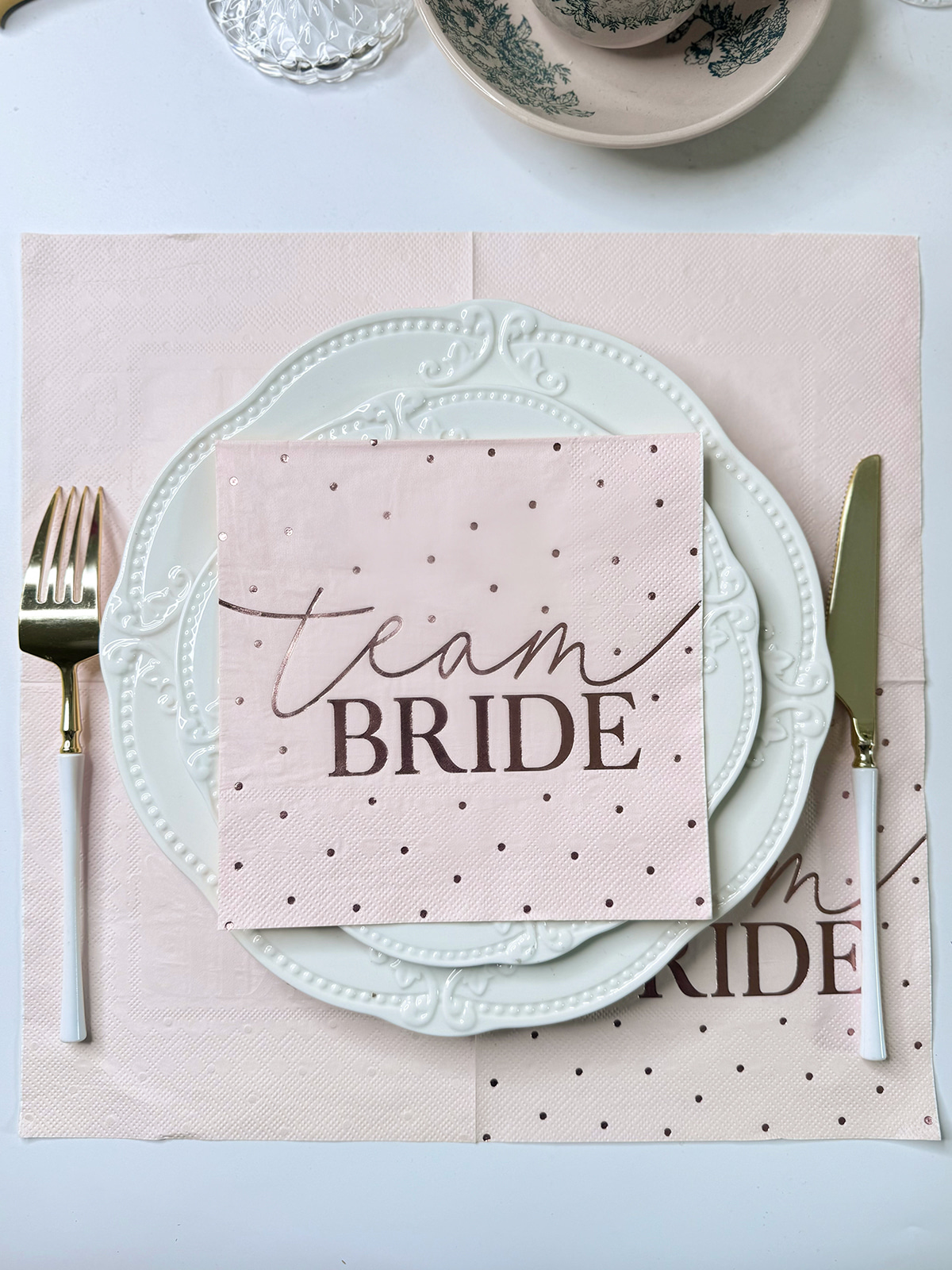
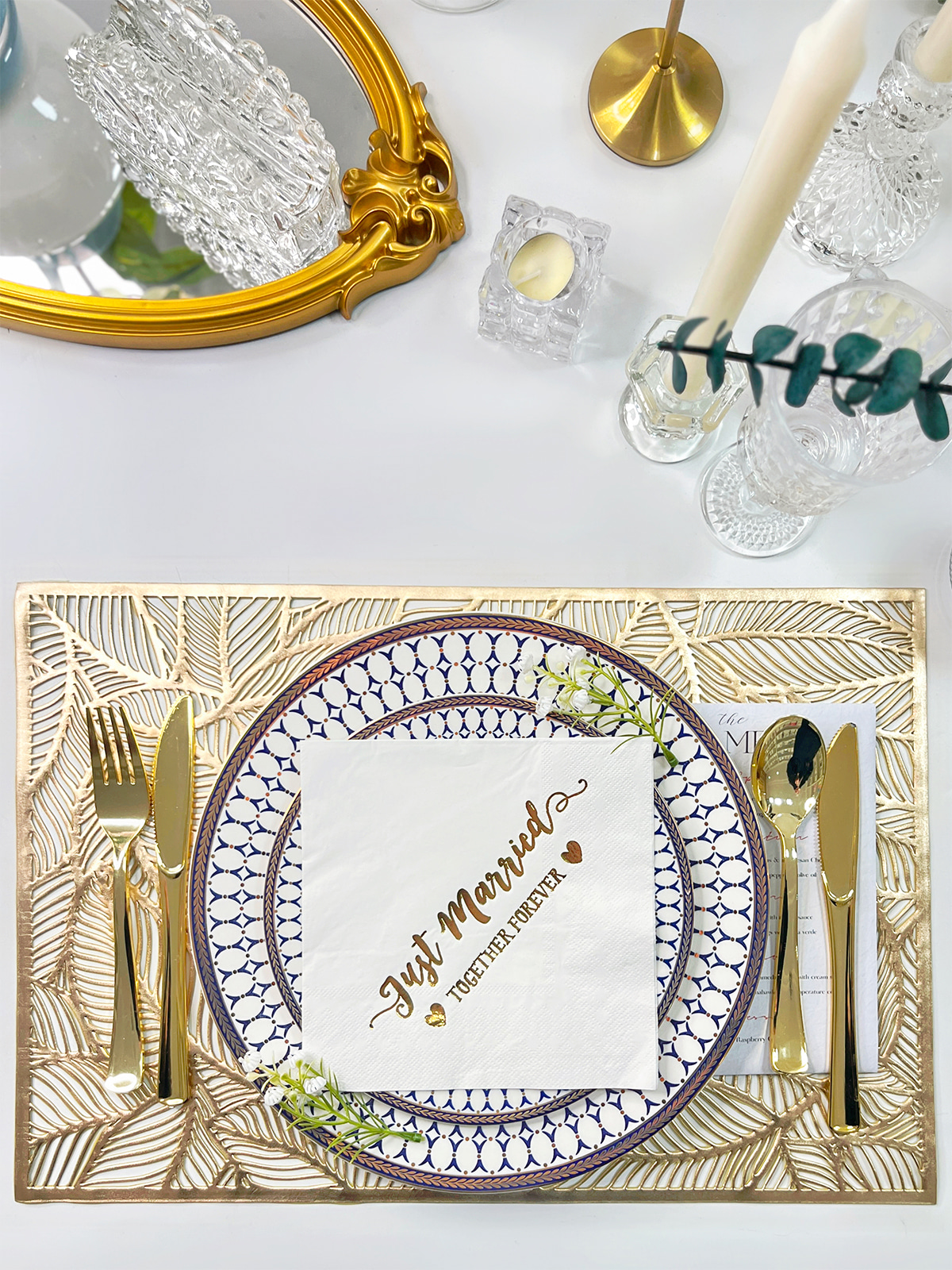
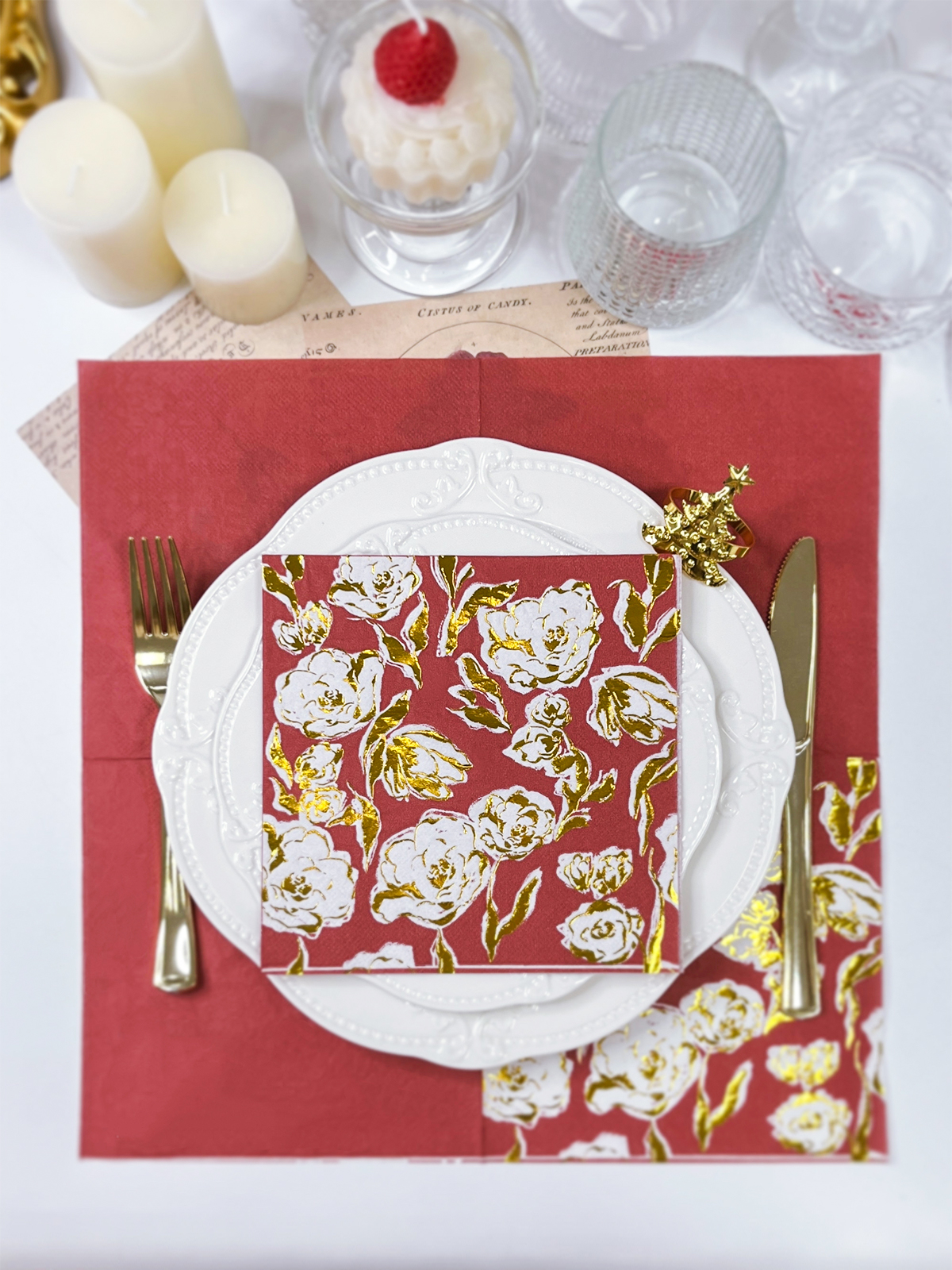
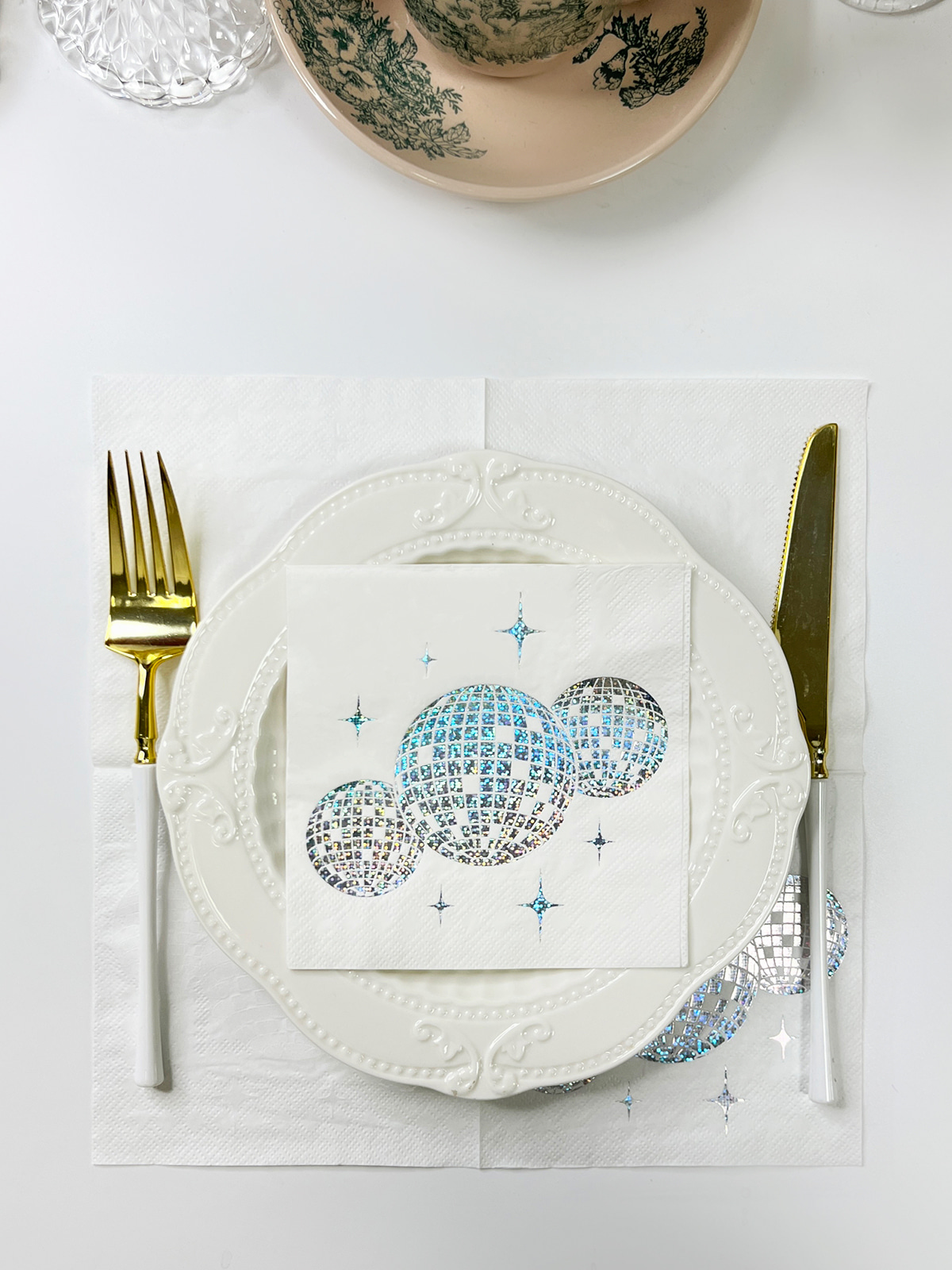
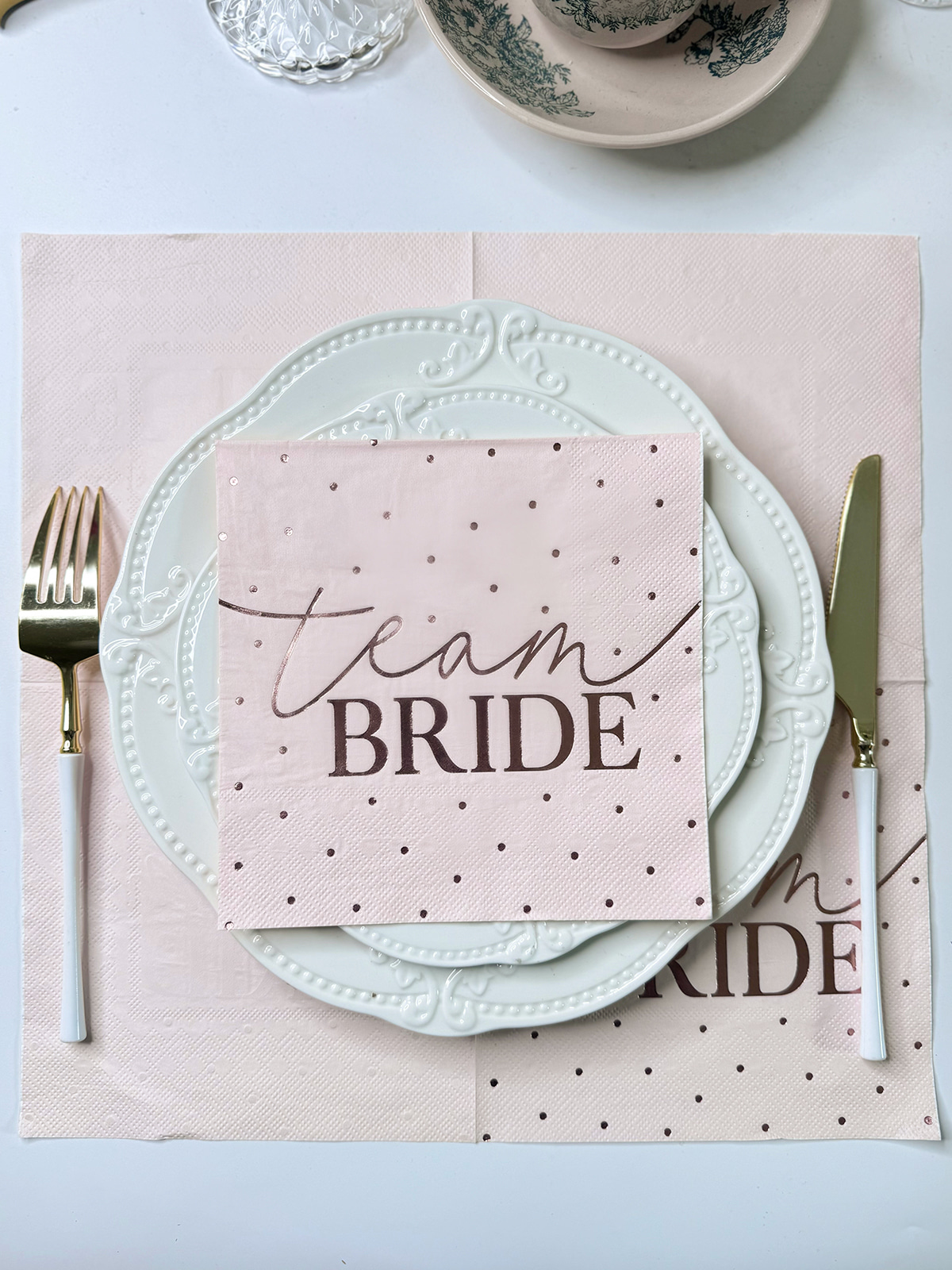
For manufacturers producing Foil Stamping Napkins, avoiding surface cracks often begins long before foil reaches the paper. Material preparation, paper selection, processing sequence, and finishing conditions all shape the final appearance. Small adjustments made early in production frequently prevent problems that would otherwise appear after folding, packaging, or routine handling.
Content
Printed decoration and metallic decoration may share the same paper base, although each creates a completely different surface structure.
Printing leaves a colored image that becomes part of the paper surface. Metallic decoration introduces another layer resting on the fibers rather than blending into them. Every movement of the paper asks the decorative layer to move at the same pace. Once movement becomes uneven, stress begins to gather around edges, corners, embossed patterns, or folded lines.
Another difference appears in the way light interacts with the finished surface. Ink absorbs light in varying degrees, while a metallic finish reflects it more directly. Small imperfections hidden on a printed napkin may become easier to notice after foil decoration because reflected light reveals tiny changes across the surface.
Paper quality also becomes more visible during foil stamping. Fibers distributed evenly across the sheet usually support a cleaner transfer, while irregular areas may produce slight interruptions in the decorative pattern. Surface preparation often determines whether the finished design appears continuous from one section to another.
Appearance remains only one part of the process. Long-term durability depends on whether decorative layers continue moving together with the paper instead of resisting every fold.
Foil does not simply rest on paper after pressure is applied. Bonding develops through controlled contact between the decorative layer and the paper surface, allowing both materials to behave as one during later handling.
A smooth paper surface creates favorable conditions for even contact. Pressure encourages the adhesive layer to settle across the fiber network without leaving scattered gaps. Heat supports the transfer process by allowing the bonding layer to soften just enough to create a continuous connection before cooling again.
Uniform contact matters more than excessive force. Greater pressure cannot compensate for uneven material conditions. Localized compression may strengthen one section while reducing bonding quality somewhere else, leaving decorative areas with different levels of adhesion across the same sheet.
Fine patterns demand even greater consistency. Narrow lines, delicate borders, and small decorative elements leave little room for variation because every interruption becomes visible once the metallic finish reflects light from different angles.
Successful bonding grows from balance rather than intensity. Stable materials, consistent processing, and controlled handling allow the decorative layer to remain closely connected with the paper throughout later production stages.
Cracking rarely develops without a reason. Small changes accumulate throughout production until the decorative surface reaches a point where it can no longer move together with the paper beneath it.
Folding creates one of the largest changes in surface shape. Paper fibers compress on one side while stretching slightly on the other. A metallic layer follows the same movement, although it does not always respond with equal flexibility. Fine fractures may appear where repeated bending concentrates mechanical stress.
Embossing introduces another challenge. Raised patterns reshape the paper surface, creating areas that stretch, compress, and curve within a short distance. Decorative foil must follow every contour without separating from the fibers below. Large continuous metallic areas generally experience greater internal tension than smaller decorative details distributed across the design.
Processing continues after decoration has finished. Cutting, stacking, packaging, and transportation all expose the paper to repeated movement. A surface that leaves production in good condition may still develop small defects later when material handling places additional stress on decorative sections.
Storage conditions influence flexibility as well. Paper naturally responds to changes in surrounding moisture. A sheet that loses flexibility becomes less capable of absorbing movement, placing greater strain on the bonded metallic layer during folding or packaging.
| Production Factor | Possible Influence on Decorative Surface |
|---|---|
| Uneven pressure | Irregular bonding across the pattern |
| Inconsistent paper texture | Different adhesion between adjacent areas |
| Large metallic coverage | Higher surface tension during folding |
| Early converting operations | Decorative layer receives additional stress |
| Variable storage conditions | Paper flexibility changes before use |
Paper often receives less attention than decorative foil, although its internal structure influences nearly every stage of bonding.
Fibers arranged in a balanced network allow stress to spread across a wider area instead of collecting around one narrow section. Gentle movement becomes easier because neighboring fibers support each other while the sheet bends or folds.
Surface texture also affects bonding quality. A relatively even surface allows adhesive to form continuous contact before foil transfer begins. Deep irregularities interrupt that contact, leaving isolated points where the decorative layer receives less support during later handling.
Flexibility deserves equal consideration. Paper capable of bending naturally places less strain on the metallic finish during converting operations. Decoration follows the movement of the sheet instead of resisting every change in shape.
Material handling before decoration contributes to consistent results as well. Clean storage conditions, careful transport between production stages, and stable paper preparation reduce unnecessary variation before bonding begins.
When paper, adhesive, pressure, and decorative design work in harmony, the finished surface responds more naturally to folding, packaging, and everyday handling without placing excessive stress on the metallic layer.
Adhesive remains hidden after production, although its influence continues throughout the life of the finished napkin. Decorative foil may appear smooth when leaving the production line, while the real quality of the bond often becomes visible later, especially after folding, stacking, packaging, or repeated handling.
A continuous adhesive layer allows the metallic surface to move together with the paper instead of behaving like two separate materials. Small interruptions inside the bonding area may not attract attention immediately, although they gradually become locations where stress gathers during normal use.
Distribution also deserves careful control. An uneven coating creates areas with different bonding strength across the same design. One section may remain firmly attached while another begins separating along fine edges or narrow decorative details. Such variation often appears around complex artwork where the transfer area changes frequently.
Flexibility after bonding carries equal importance. Paper naturally bends, compresses, and recovers during handling. Adhesive capable of following that movement helps reduce unnecessary tension between the decorative layer and the paper fibers. A rigid bonding layer often transfers stress directly to the foil instead of absorbing part of the movement.
Manufacturers generally look at bonding quality as a complete system rather than judging adhesive alone. Paper surface, decorative coverage, processing conditions, and storage environment all influence the final connection between both materials.
Heat and pressure work together throughout foil transfer, although neither produces stable decoration on its own. A balanced combination allows the metallic layer to settle evenly across the paper surface without creating unnecessary stress inside the finished design.
Pressure should remain consistent across the entire contact area. Slight variation may leave some sections firmly attached while nearby areas receive only partial transfer. Decorative patterns containing fine lines, narrow borders, or small lettering reveal such differences more easily because light reflects from every interruption along the metallic surface.
Temperature influences the behavior of both adhesive and paper. Moderate heating encourages bonding, while excessive heat may change the way paper fibers respond during later converting operations. Decorative quality often depends on maintaining stable processing conditions instead of increasing temperature in search of stronger adhesion.
Processing speed also deserves attention. Every production line follows its own rhythm, making coordination between pressure, heat, and contact time more valuable than adjusting only one operating condition. Balanced movement across the equipment supports uniform decoration from one sheet to another.
Small adjustments usually produce a more predictable result than large changes made within a short period.
Artwork affects more than visual style. Pattern layout changes the way stress spreads across the metallic surface once the napkin enters later production stages.
Large decorative blocks create continuous areas where the foil must bend as one piece. Every fold introduces tension across a wider section, making surface movement less uniform than smaller decorative elements placed with spacing between them.
Fine lines often respond differently. Narrow details allow surrounding paper to absorb part of the movement, reducing the amount of stress concentrated inside the metallic finish. Decorative borders, repeated motifs, or scattered elements generally distribute movement across the sheet instead of directing it toward one location.
Embossed textures introduce another consideration. Raised patterns reshape the paper before or after decoration, depending on the production sequence. Metallic foil follows every contour, making coordination between embossing depth and decorative layout an important part of process planning.
| Design Feature | Influence During Handling |
|---|---|
| Large metallic panels | Greater surface tension while folding |
| Fine decorative lines | Stress spreads across smaller sections |
| Open spacing between elements | Paper moves more naturally |
| Rounded shapes | Smoother transition during bending |
| Balanced pattern layout | More even distribution of movement |
Visual appeal and production stability often develop together when decorative layouts respect the natural behavior of paper.
Decoration does not mark the end of production. Several converting operations continue before finished napkins reach packaging, making every handling step part of the overall quality process.
Cutting shapes the finished product while exposing decorative edges to mechanical contact. Clean cutting supports a continuous appearance around metallic areas, whereas unnecessary friction may disturb delicate details located close to the trimming line.
Folding creates another stage where paper and foil respond together. Smooth folding methods encourage gradual movement across the sheet instead of concentrating force along one narrow crease. Repeated adjustments during converting may place additional stress on already decorated areas, especially when production flow changes frequently.
Stacking introduces surface contact between finished pieces. Proper alignment reduces rubbing during transportation inside the factory, helping preserve decorative consistency before packaging begins.
Packaging continues protecting the finished product after production has ended. Stable storage conditions help paper maintain its natural flexibility while reducing unnecessary movement during transportation and warehouse handling.
Every stage contributes a small part to the final result. Consistent converting practices often preserve decorative quality already achieved during foil transfer.
Production becomes more complex when decoration changes from one design to another. Custom Foil Napkins rarely follow identical layouts because artwork, metallic coverage, paper texture, and folding style may vary between production runs.
Pattern size often changes processing requirements. Small decorative accents respond differently from large metallic graphics covering a wider area. Machine settings that perform well for one design may require careful adjustment before another layout enters production.
Paper selection also influences process stability. Smooth paper, textured paper, lightweight grades, and heavier materials each respond differently during bonding and converting. Preparation usually begins with evaluating how decorative foil interacts with the selected paper rather than assuming one setting will match every material.
Artwork placement deserves equal attention. Decoration located near fold lines or edges often experiences greater mechanical movement than designs positioned closer to the center of the sheet. Early planning helps reduce unnecessary stress before production begins.
Careful preparation reduces repeated adjustments later in the production process while supporting a more consistent decorative finish.
Quality evaluation usually begins long before full production starts. Sample inspection allows production teams to observe how materials behave together under normal manufacturing conditions rather than relying only on visual appearance.
Surface inspection often focuses on decorative continuity. Metallic areas should appear even without visible interruptions around edges or detailed patterns. Small variations identified during early sampling provide opportunities for process adjustment before larger production volumes begin.
Folding evaluation offers another practical observation. Decorated paper passes through gentle bending to determine whether the metallic layer remains closely attached while the sheet changes shape. Attention normally centers on areas expected to receive greater movement during later handling.
Adhesion checks provide additional information about bonding consistency. Instead of concentrating on appearance alone, manufacturers also examine whether decorative layers remain connected after ordinary production operations have finished.
Storage simulation may become part of routine evaluation as well. Finished samples remain under ordinary factory conditions before another inspection takes place, allowing production teams to observe whether the decorative surface continues performing as expected.
Continuous observation often produces more reliable information than relying on one inspection stage alone.
Material development continues changing decorative paper production through gradual improvements rather than dramatic changes. Greater attention now focuses on achieving balanced performance while maintaining the familiar appearance expected from foil decoration.
Paper manufacturers continue refining fiber quality and surface consistency, providing a steadier foundation for decorative applications. Improvements in paper structure often reduce variation before foil transfer even begins.
Decorative materials also continue evolving toward greater flexibility. A metallic finish capable of moving more naturally with paper helps reduce visible stress during converting and routine handling without changing the decorative character many users appreciate.
Production planning has become increasingly connected with material selection. Designers, process engineers, and production teams often consider paper properties, decorative layout, converting sequence, and packaging methods as parts of one continuous workflow instead of treating each stage independently.
As decorative paper products continue developing, steady cooperation between materials and manufacturing processes remains the foundation for producing Foil Stamping Napkins and Custom Foil Napkins that combine visual appeal with dependable everyday performance.
Related Products
Shopping for a reliable source of napkins?
Established in 2007 and located in Zhuji City, Zhejiang Province, Zhuji Furong Paper Products Co., Ltd. is a professional manufacturer of color-printed napkins. Enhance Your Event With Custom Printed Napkins.
Telephone
+86-15325932613
Address
Jianglong Industrial Park, Jiyang Street, Zhuji City, Shaoxing, Zhejiang, China.
Contact Us
Products
Contact Us
+86-15325932613
+86-575-87765556
+86-575-87765559
Jianglong Industrial Park, Jiyang Street, Zhuji City, Shaoxing, Zhejiang, China.
Party Printed Paper Napkins Manufacturer Customized Napkins And Paper Towels Factory
Copyright © by Zhuji Furong Paper Products Co., Ltd. Rights Reserved.

 English
 中文简体
中文简体