2026-07-06
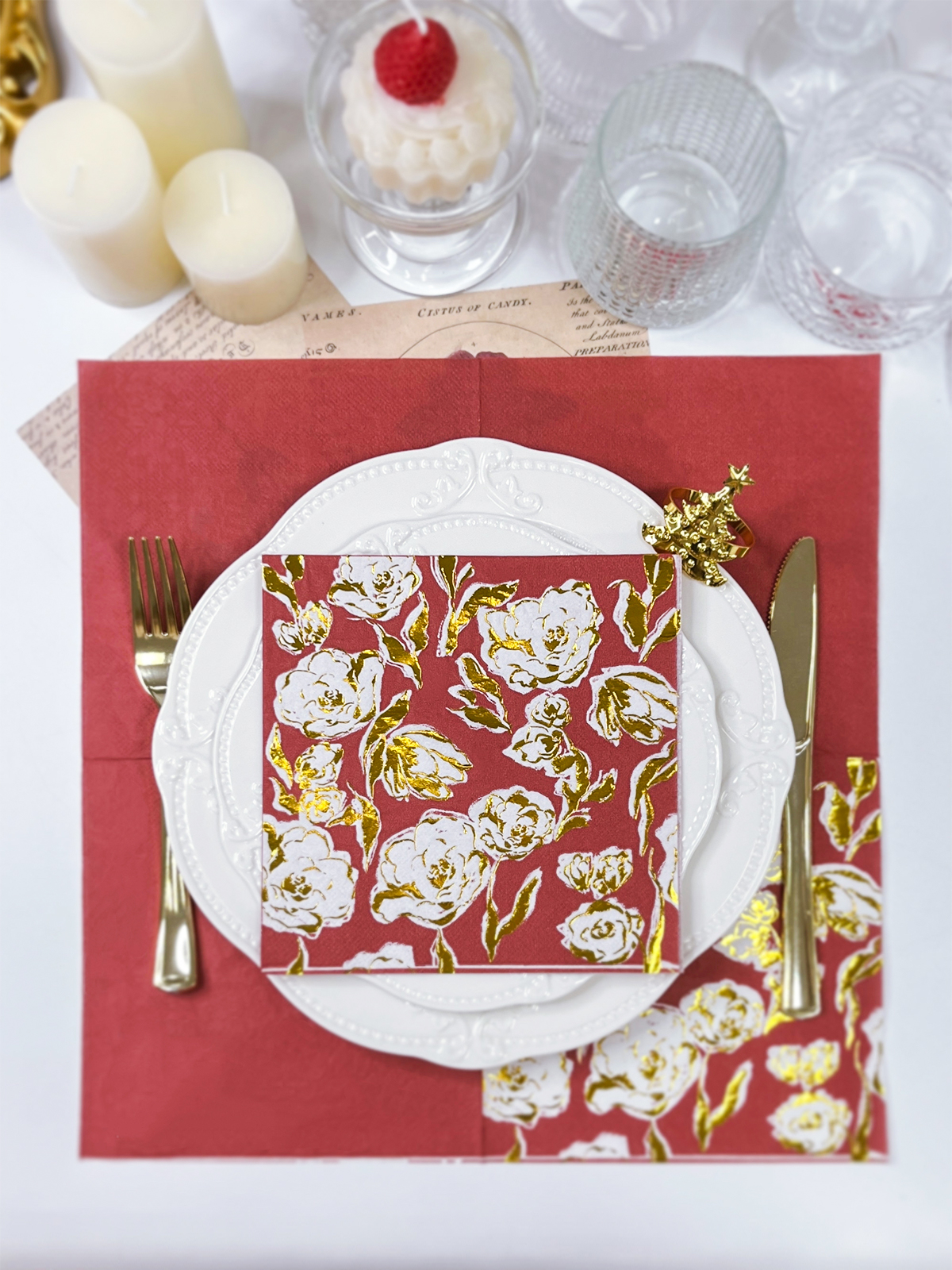
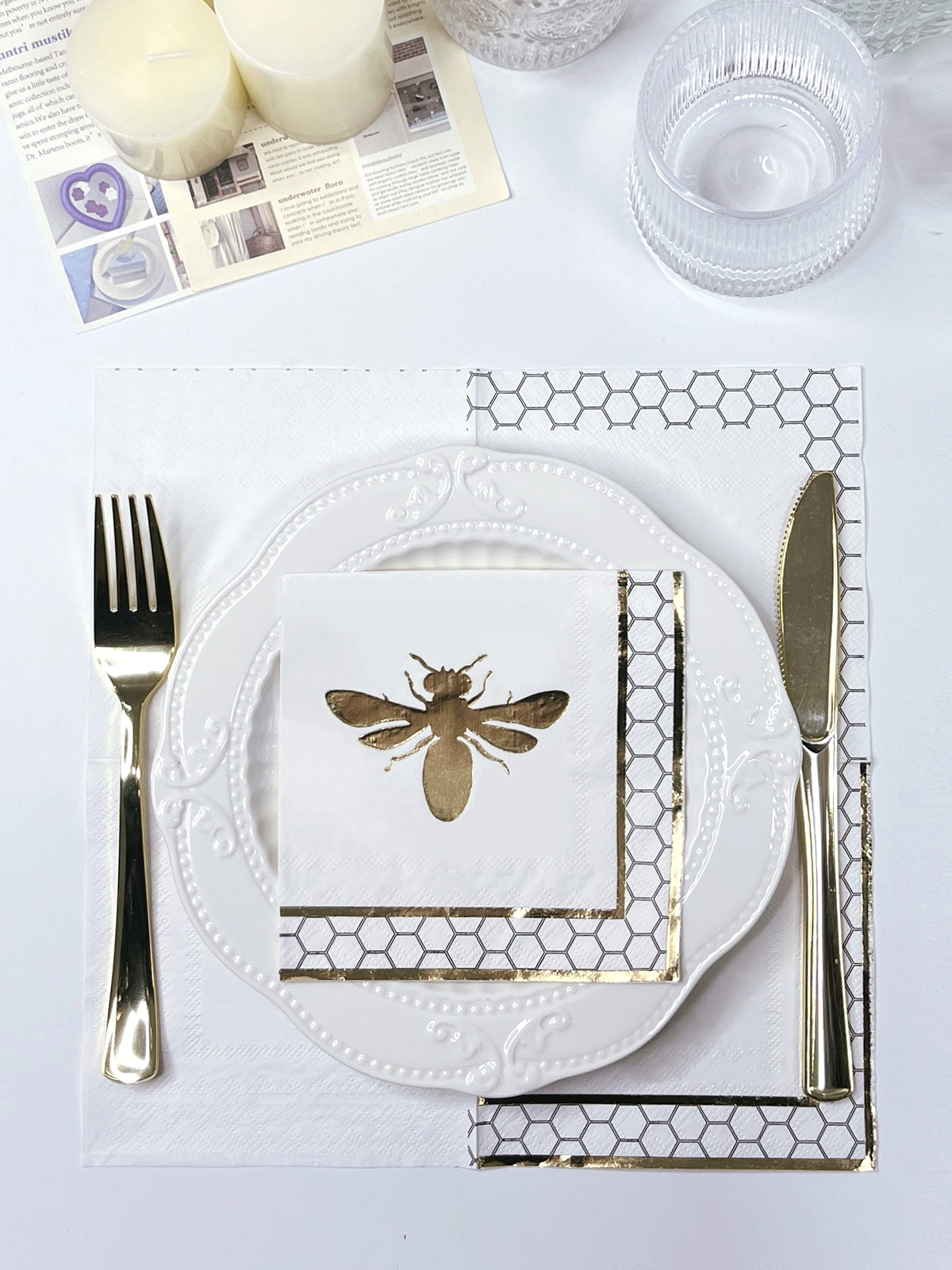
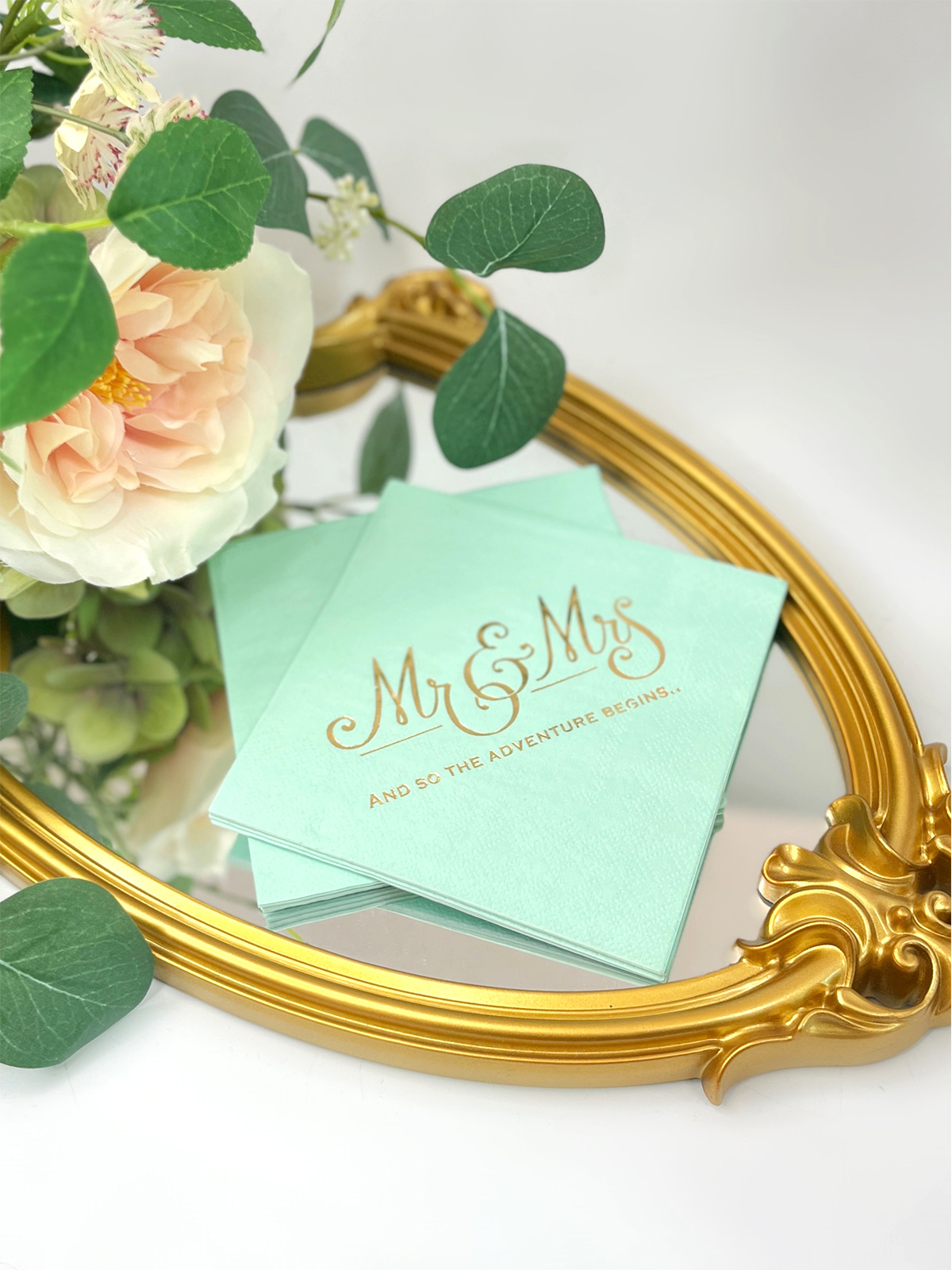
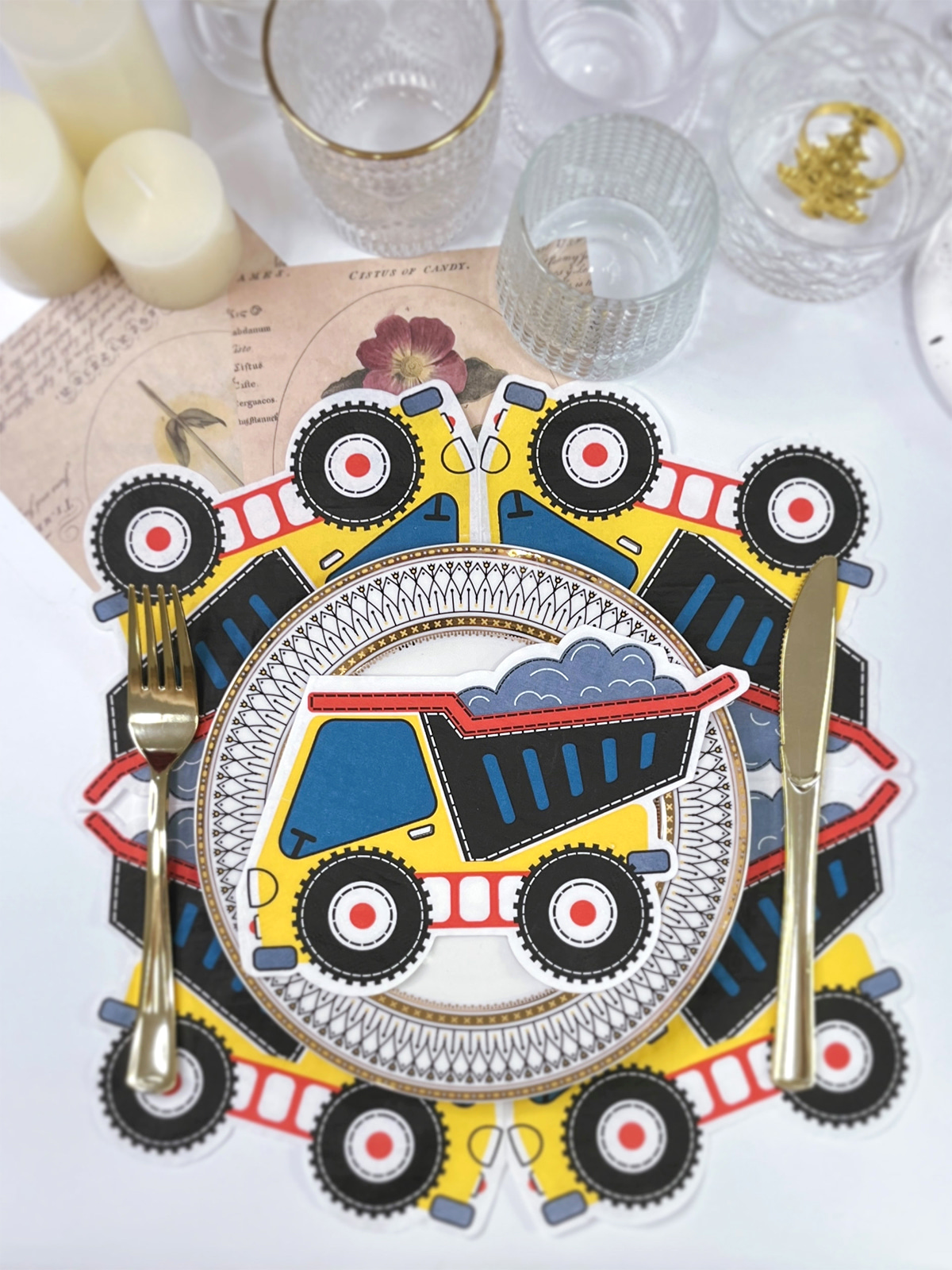
Printed napkins often become part of birthday tables, family dinners, weddings, holiday meals, school activities, and community gatherings. Decorative patterns attract attention before food is served, while paper itself still needs to perform everyday tasks such as wiping hands, absorbing small spills, or protecting clothing from crumbs.
Many people assume thicker paper automatically creates clearer printing. Daily experience often proves otherwise. A sheet that feels heavy may absorb ink unevenly, fold poorly, or become stiff after printing. Material balance usually plays a larger role than simple thickness.
A Disposable Party Napkins product is expected to combine several qualities at once:
Paper becomes more useful when those characteristics work together instead of depending on only one property.
Content
Printing looks simple from outside. Inside production, many small interactions happen almost immediately after ink reaches paper.
Paper is made from countless fibers crossing in different directions. Small spaces remain between fibers. Ink moves into those spaces while part of it stays on surface. Balance between absorption and surface hold largely determines final appearance.
When absorption happens too quickly:
When absorption is too slow:
Balanced paper allows ink to settle naturally without spreading too far or remaining completely on surface.
Daily newspapers provide a familiar example. Images often appear softer because paper absorbs ink rapidly. Greeting cards usually look sharper because surface structure slows absorption. Printed dining products fall somewhere between those two situations.
Adding material does not automatically improve printing.
Imagine writing on a thick kitchen towel. Ink spreads because surface contains large spaces between fibers. Writing on very smooth paper creates cleaner edges. Thickness alone does not decide print quality.
Balanced thickness means several properties stay in harmony:
During parties, napkins are opened quickly, folded again, placed under cups, or held while eating. Extremely heavy paper sometimes resists folding naturally. Very thin sheets may wrinkle easily.
Balanced structure supports both decoration and practical use.
Paper fibers create a network rather than a completely flat surface. Uniform fiber distribution helps printed color stay consistent from one area to another.
When fiber arrangement becomes uneven, printing may show:
A smoother fiber network gives ink similar conditions across entire sheet.
Surface texture also influences visual effect. Deep texture may create attractive decoration, although excessive texture sometimes interrupts fine printed lines. Moderate texture usually allows decoration and printing to work together.
Paper naturally exchanges moisture with surrounding air. Dry conditions and humid conditions both change paper behavior.
Before printing, moisture level affects how fibers react when ink reaches surface.
Paper carrying excessive moisture may:
Paper that becomes overly dry may:
Production environments therefore pay attention to material condition before printing begins.
Even after production, storage affects appearance. Packages kept in clean, dry surroundings generally maintain flatter sheets before use at events.
A Paper Napkin Factory does much more than cutting paper into smaller pieces.
Material consistency begins long before printing.
Production teams usually observe several areas:
Small variation during early production often becomes more noticeable after colored graphics are added.
| Paper Characteristic | Printing Result | Everyday Performance |
|---|---|---|
| Balanced thickness | Cleaner image edges | Opens smoothly during meals |
| Surface too rough | Graphics lose definition | Feels textured in hand |
| Excessively soft sheet | Ink spreads more easily | Wrinkles during handling |
| Overly stiff sheet | Printing remains clear but folding becomes harder | Less natural on dining table |
Instead of increasing material without purpose, production often focuses on keeping paper structure steady from beginning to end.
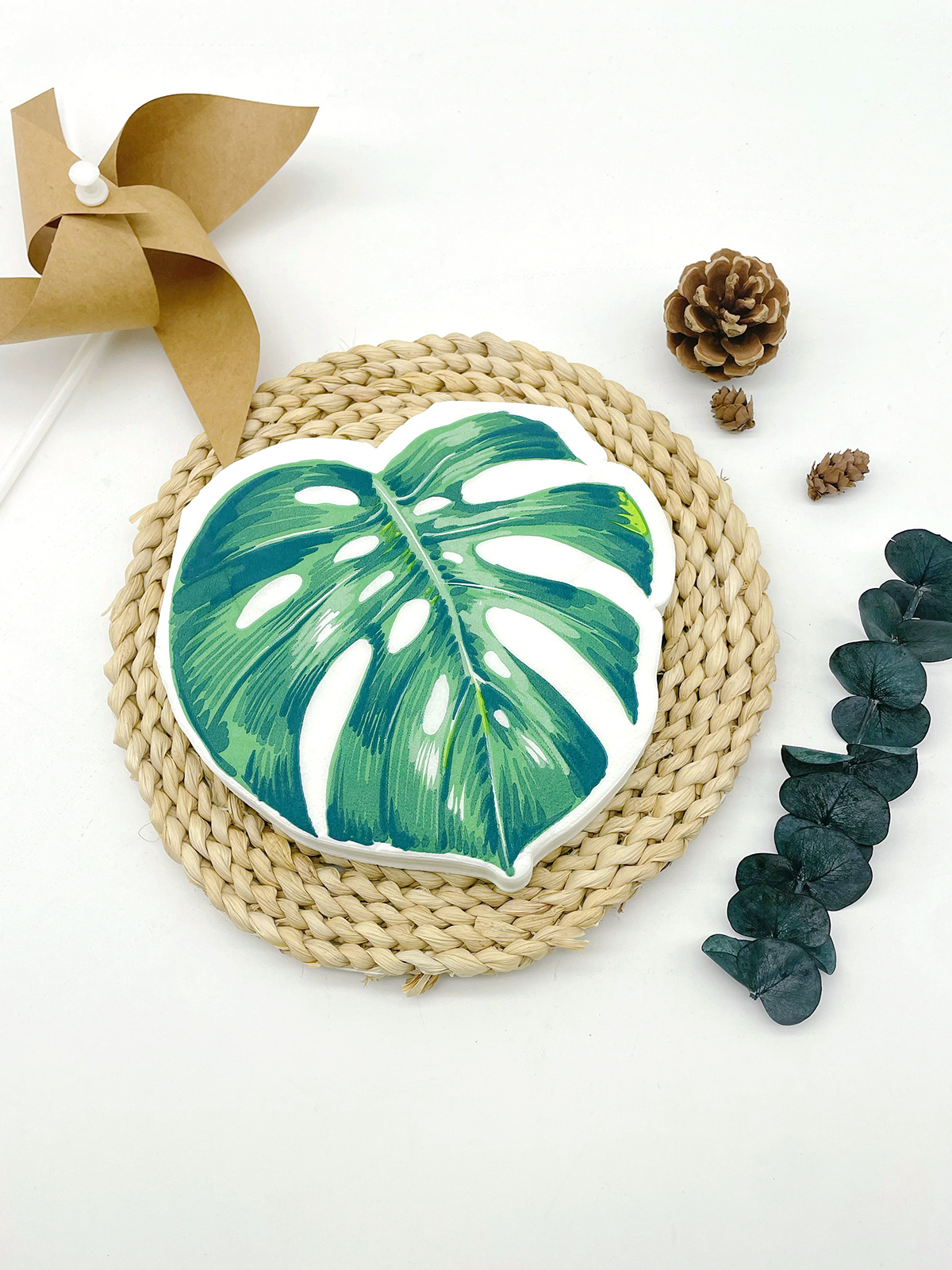
Printed napkins rarely stay completely flat. Almost every piece is folded before packaging.
Every fold creates gentle pressure across paper surface. Printing therefore needs enough stability to remain attractive after unfolding.
A balanced sheet usually shows several practical advantages:
During family gatherings or celebrations, people often unfold a napkin with one hand while holding food or drinks with the other. Paper that opens naturally feels easier to use and keeps printed decoration looking tidy throughout the meal.
Many party napkins include a light embossed pattern. Small raised shapes make paper feel softer in hand and help separate layers during use. Decorative texture also changes how printed color looks after production.
Deep texture creates small high and low areas across the sheet. Ink naturally settles differently on each part of that surface. Very fine patterns usually remain clear, while large textured areas may slightly change color depth.
A balanced surface allows both decoration and printing to exist together without one affecting the other too much.
During daily use, embossed paper also brings practical value.
Good print appearance is connected with surface balance rather than decoration alone.
A printed napkin experiences many small actions during a meal. It may stay under a glass, hold bread, wipe fingertips, or protect clothing from small food stains.
Every movement places light stress on paper.
Common situations include:
Paper with balanced structure usually keeps its shape more naturally through those changes. Printed graphics remain easier to recognize because surface fibers stay relatively stable while absorbing small amounts of moisture.
A simple example appears during outdoor gatherings. Wind may lift lightweight table items, while drinks leave small drops around cups. Paper often touches both dry and damp surfaces within a short period. Material balance helps reduce wrinkles and keeps printed decoration looking orderly.
Printed products are not viewed only from a distance. Guests pick them up, unfold them, and hold them throughout a meal.
Comfort comes from several small details working together.
Paper should feel:
Very stiff paper sometimes stays flat on a table, though repeated folding may leave noticeable marks. Very soft sheets may wrinkle quickly after light handling.
Balanced material creates a more natural experience because appearance and function remain close together.
Printing does not end when color reaches paper. Finished products are usually observed several times before packaging.
Inspection often focuses on practical details instead of decoration alone.
Typical checkpoints include:
Finished pieces are also opened and folded again to see how graphics behave during normal handling.
A sheet that looks good immediately after printing may appear different after being folded many times. Checking both stages helps maintain consistent appearance before products leave production.
Party supplies are often prepared for family celebrations, school activities, seasonal gatherings, or restaurant events. Printed style may change from one design to another, while paper quality is expected to remain familiar.
Consistent material makes production more stable because each new design begins with similar paper behavior.
Benefits include:
A Paper Napkin Factory pays close attention to paper formation, surface condition, and processing stability before decorative printing begins. Small differences during early production may become much easier to notice after color is added.
Keeping paper characteristics steady supports both simple graphics and more detailed decorative layouts.
Printing finishes long before a napkin reaches a dining table. Transportation, storage, packaging, and handling continue affecting paper condition.
Boxes may be stacked for extended periods. Packages may move between dry rooms and humid surroundings. Paper experiences gentle pressure during shipping and storage.
Balanced thickness helps paper adapt to those ordinary situations.
It supports:
None of these changes happen suddenly. Small details gradually shape how guests see and use a printed napkin during an event.
Paper that keeps its structure through everyday handling often allows decorative patterns to remain clear from package opening until meal time ends.
For that reason, balanced thickness is closely connected with print hold. It is not simply a matter of adding more material. Fiber distribution, surface condition, moisture behavior, flexibility, and production consistency all work together, allowing Disposable Party Napkins to remain practical for dining while presenting printed designs in a clean and natural way.
Related Products
Shopping for a reliable source of napkins?
Established in 2007 and located in Zhuji City, Zhejiang Province, Zhuji Furong Paper Products Co., Ltd. is a professional manufacturer of color-printed napkins. Enhance Your Event With Custom Printed Napkins.
Telephone
+86-15325932613
Address
Jianglong Industrial Park, Jiyang Street, Zhuji City, Shaoxing, Zhejiang, China.
Contact Us
Products
Contact Us
+86-15325932613
+86-575-87765556
+86-575-87765559
Jianglong Industrial Park, Jiyang Street, Zhuji City, Shaoxing, Zhejiang, China.
Party Printed Paper Napkins Manufacturer Customized Napkins And Paper Towels Factory
Copyright © by Zhuji Furong Paper Products Co., Ltd. Rights Reserved.

 English
 中文简体
中文简体