2026-09-02
A paper napkin may look like a small part of a table setting, yet its role changes when it moves from an everyday meal to a banquet table. At home or in a casual dining space, a napkin usually needs to handle simple wiping and quick disposal. A banquet setting places more attention on how the napkin sits on the table, how it opens, how it feels in the hand, and how well it works alongside plates, cutlery, glassware, and table coverings.
Banquet Paper Napkins are therefore shaped by a wider range of practical needs. Paper structure, folding behavior, surface finish, print placement, and handling all influence how a napkin performs during service. A suitable design needs to remain useful after the table has been arranged, rather than serving only as a decorative item.
Regular napkins can also have printed patterns or different paper structures, so the difference is not always a simple matter of appearance. Much depends on where and how the napkin will be used.
Content
Everyday napkins are generally chosen for convenience. A stack may sit beside a meal, near a serving area, or inside a dispenser, with little need for a carefully arranged presentation.
A banquet setting creates another set of requirements. Napkins may be folded before guests arrive, placed beside tableware, or arranged in a particular shape. Staff may need to prepare many tables in a consistent manner, making folding stability and handling important parts of the selection process.
Paper structure has a noticeable influence on such tasks. A very soft sheet may feel comfortable during use, yet a complicated fold can lose its shape easily. A sheet with more body can hold a crease more clearly, which can make certain table arrangements easier to maintain.
Appearance also enters the decision. A plain white napkin can suit a simple table, while a colored or printed design may be chosen when the table has a particular visual theme. Neither approach is tied exclusively to formal or casual dining. Rather, the surrounding setting determines how much attention needs to be given to presentation.
Paper structure influences several parts of the user experience, from the way a napkin folds to how it behaves when damp.
A napkin with a soft and loose structure may open easily and feel light in the hand. A more structured sheet can provide greater support during folding, especially when the napkin needs to stand, hold a pocket shape, or remain neatly arranged before guests sit down.
Layer construction can influence handling as well. More layers do not automatically mean a better fit for every setting. A banquet table may require enough body for folding while still needing a surface that feels comfortable during normal use.
Surface texture matters during printing as well. A smooth surface can give a printed pattern a different appearance from a more textured sheet. Foil decoration has its own requirements because the decorative material needs to sit cleanly on the paper surface. Paper structure and printing method therefore need to be considered together rather than as separate choices.
Absorbency remains a practical concern. Guests use napkins to deal with moisture, food residue, and small spills, so a decorative table setting still needs a paper product that can perform its basic function.
Folding is one of the clearest differences between a napkin used casually and one prepared for a formal table.
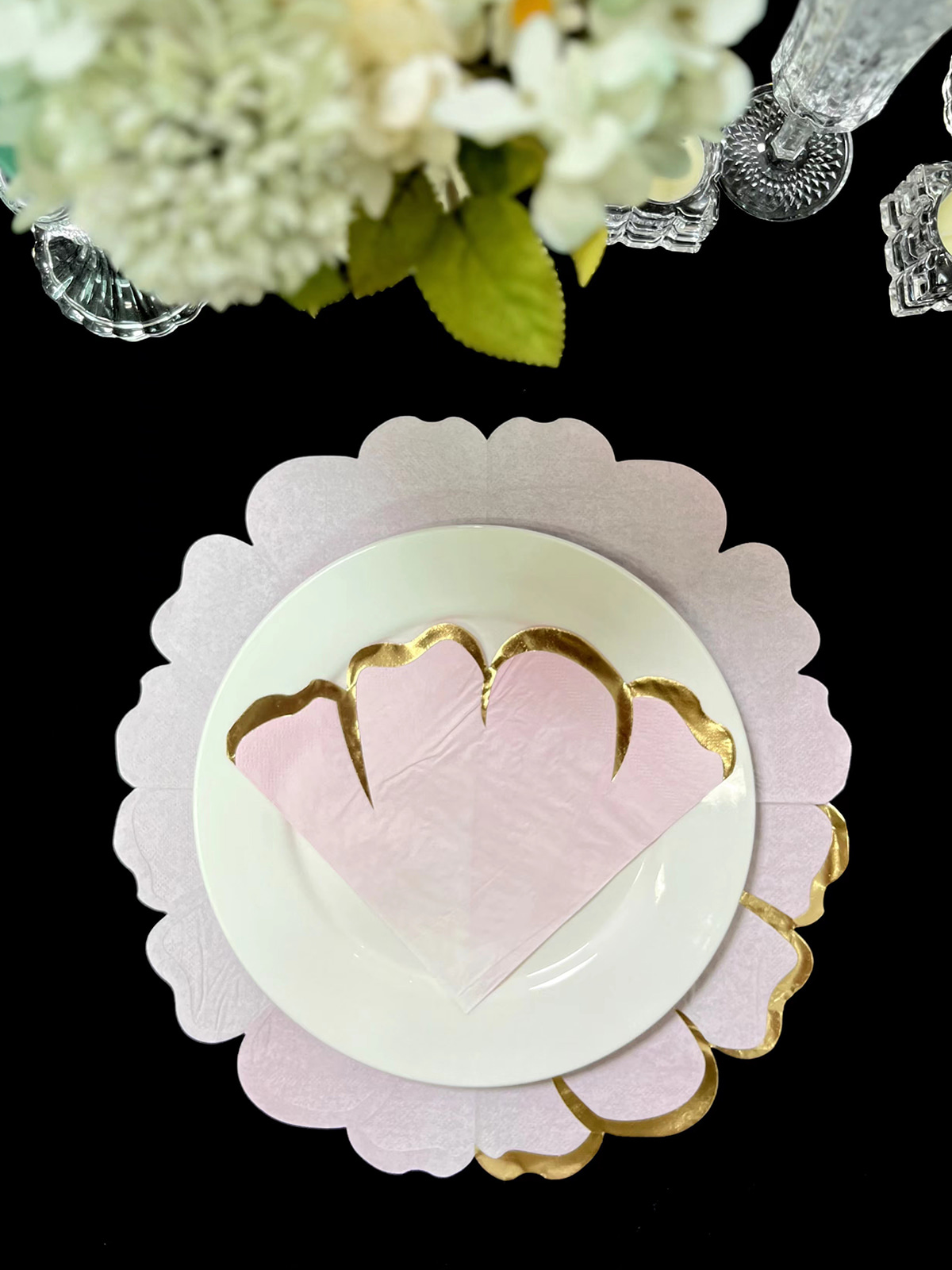
A folded napkin can occupy a defined place beside a plate or cutlery. It can also create height, shape, or a visible pattern without adding another decorative object to the table. Common arrangements include simple rectangular folds, pocket folds, fans, and other forms suited to the table layout.
Paper needs enough stability to retain its shape after folding. A weak crease may open before guests arrive, while a very stiff sheet may be less comfortable to handle. Finding a practical balance depends on the intended fold.
Print placement needs attention too. A design that looks centered on a flat sheet may appear off-center after folding because part of the surface becomes hidden. Checking the finished folded view is therefore more useful than judging artwork only from an unfolded layout.
For a banquet setup, folding also affects preparation time. A complicated shape may require more handling, while a simple fold can be repeated across many place settings with less effort.
Once guests begin eating, decorative presentation becomes secondary to practical use. A napkin needs to open without excessive tearing, absorb ordinary moisture, and remain usable after contact with food or liquid.
Paper behavior changes when moisture reaches the fibers. A sheet that feels firm while dry may become softer once damp. Layer structure, surface treatment, and paper formation all contribute to how well the napkin retains its shape during use.
Handling also matters. Guests may unfold the napkin quickly, place it on their lap, or use only part of the surface before folding it again. A suitable banquet napkin needs to accommodate such ordinary actions without making the table setting difficult to manage.
For catering teams, preparation and service are closely connected. A napkin that looks neat before the meal still needs to be convenient for guests to open and use.
Several practical points can be considered:
Answering such questions gives a clearer picture of suitability than appearance alone.
A banquet table contains many visual elements at the same time. Plates, cutlery, glasses, tablecloths, centerpieces, and napkins occupy different areas, so a napkin can either blend into the arrangement or become a small decorative feature.
Color is one of the simplest ways to coordinate a table. A neutral napkin can keep attention on the tableware, while a stronger color can connect with the surrounding decoration.
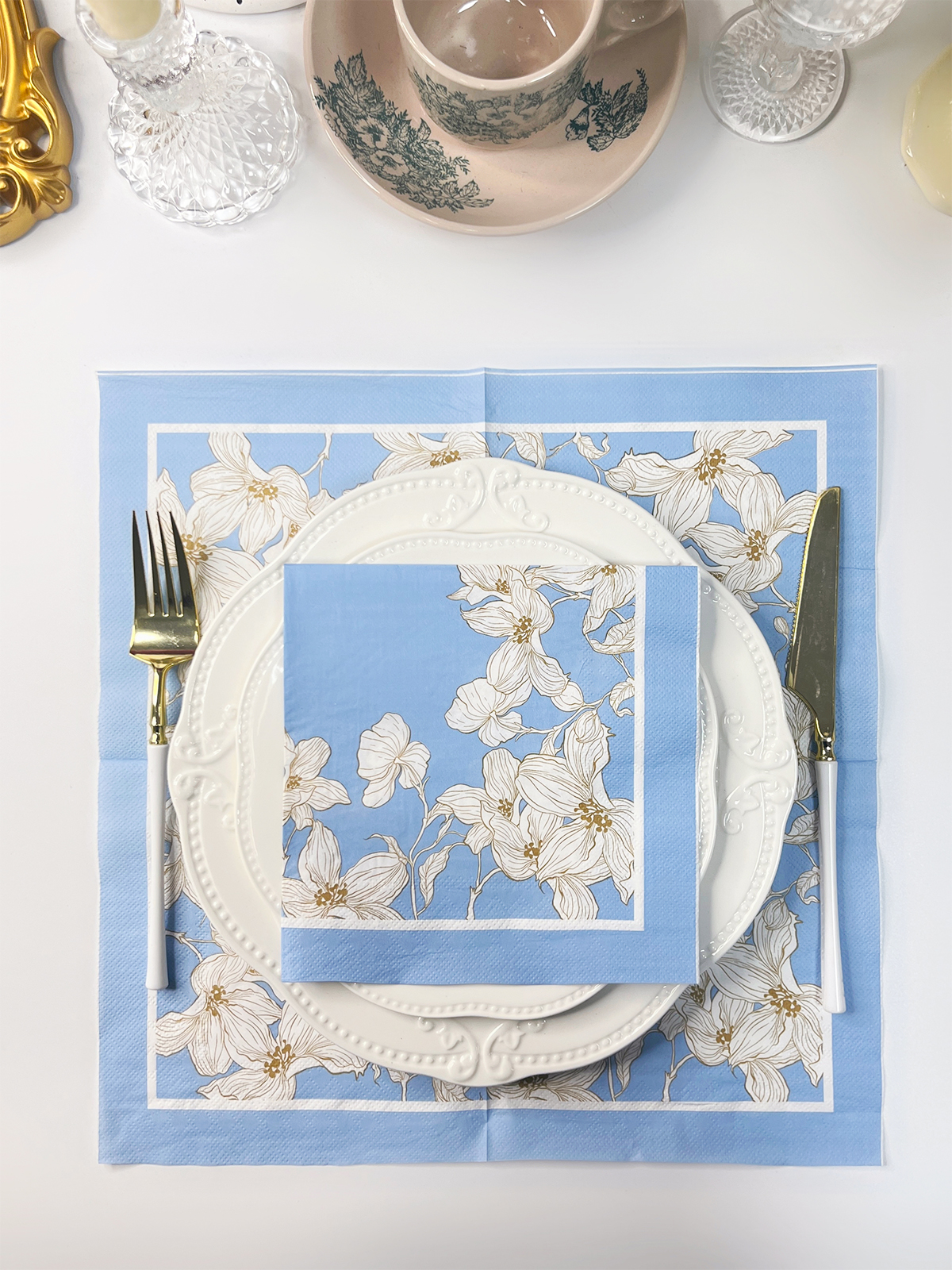
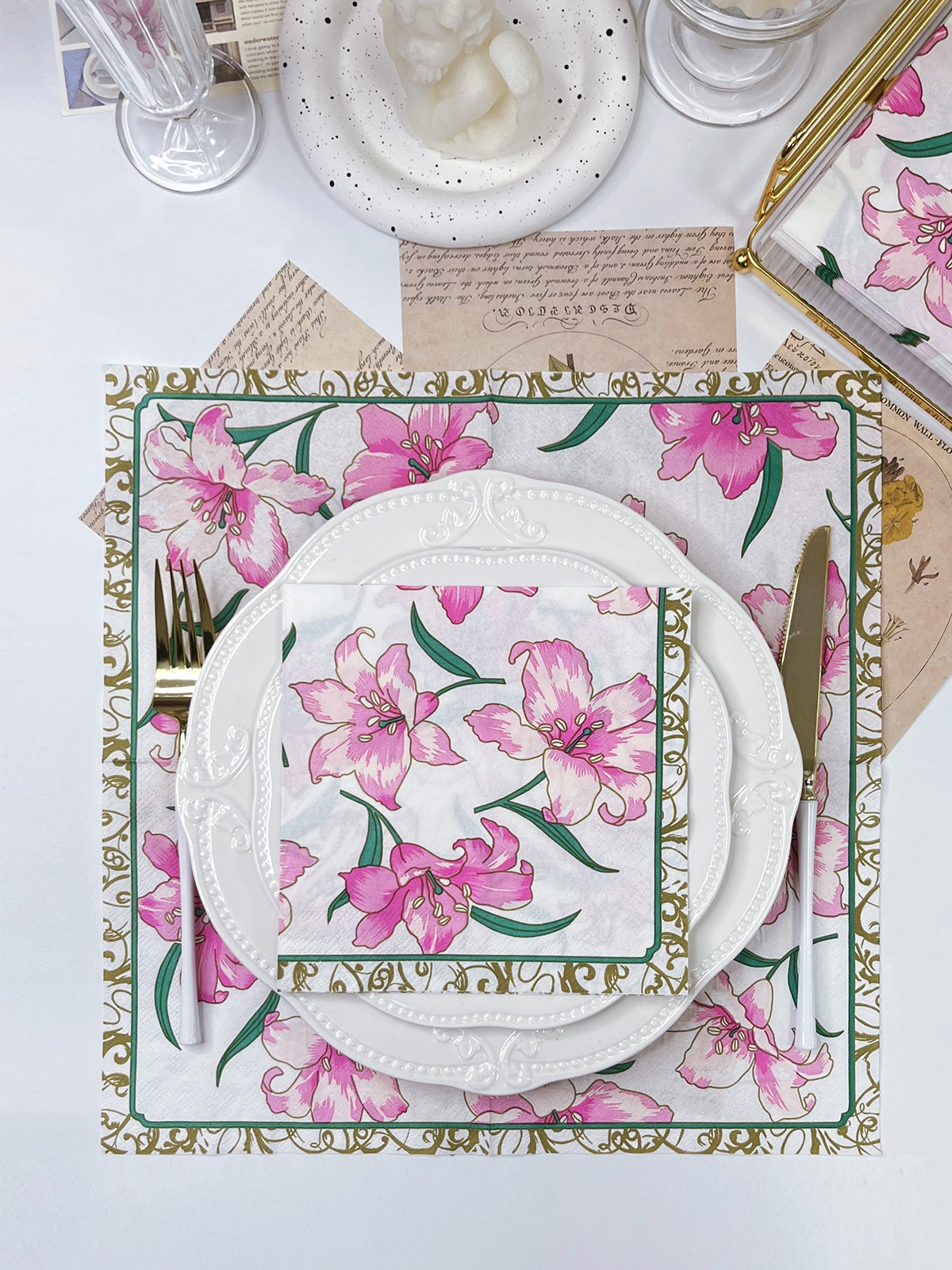
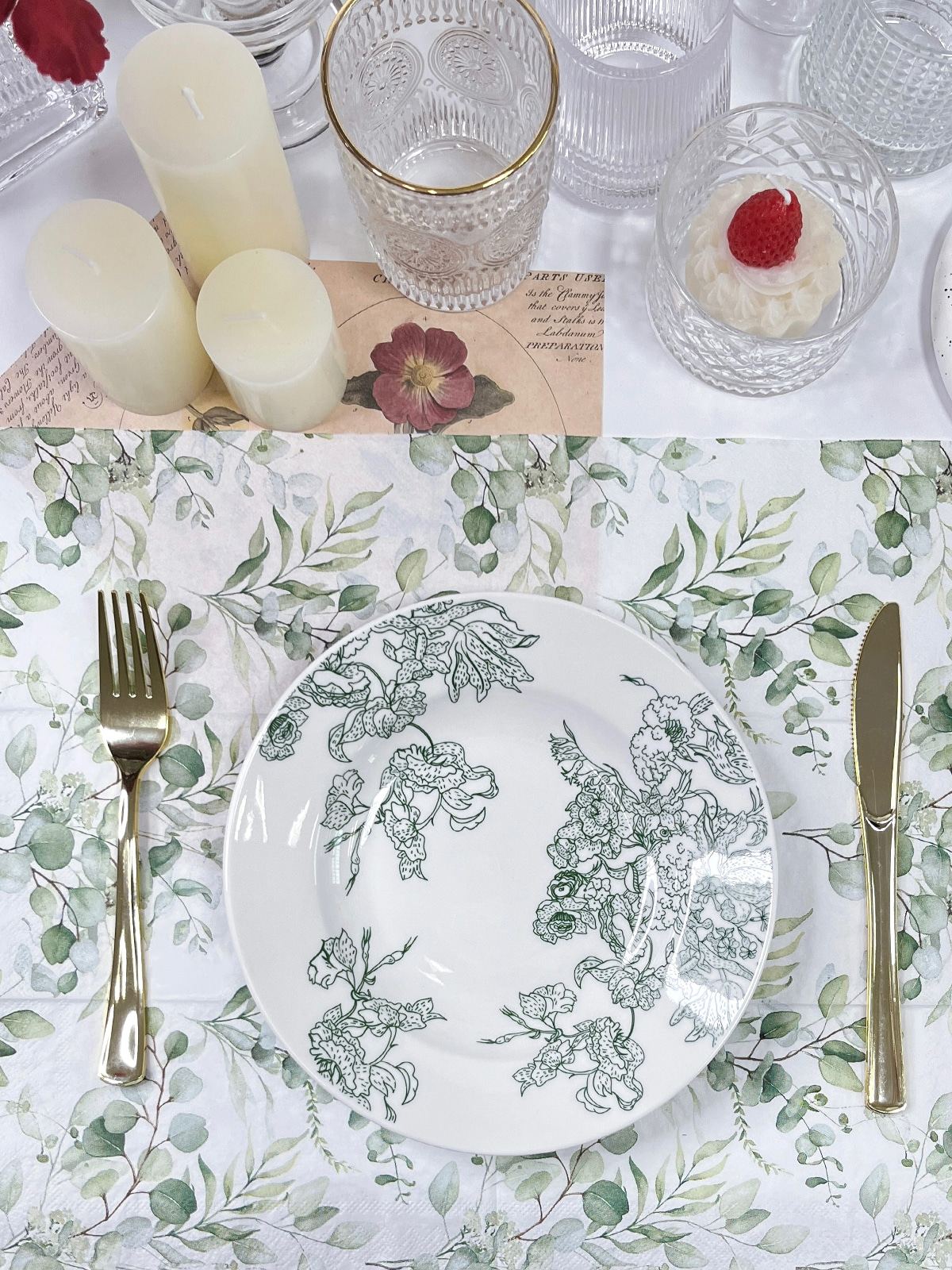
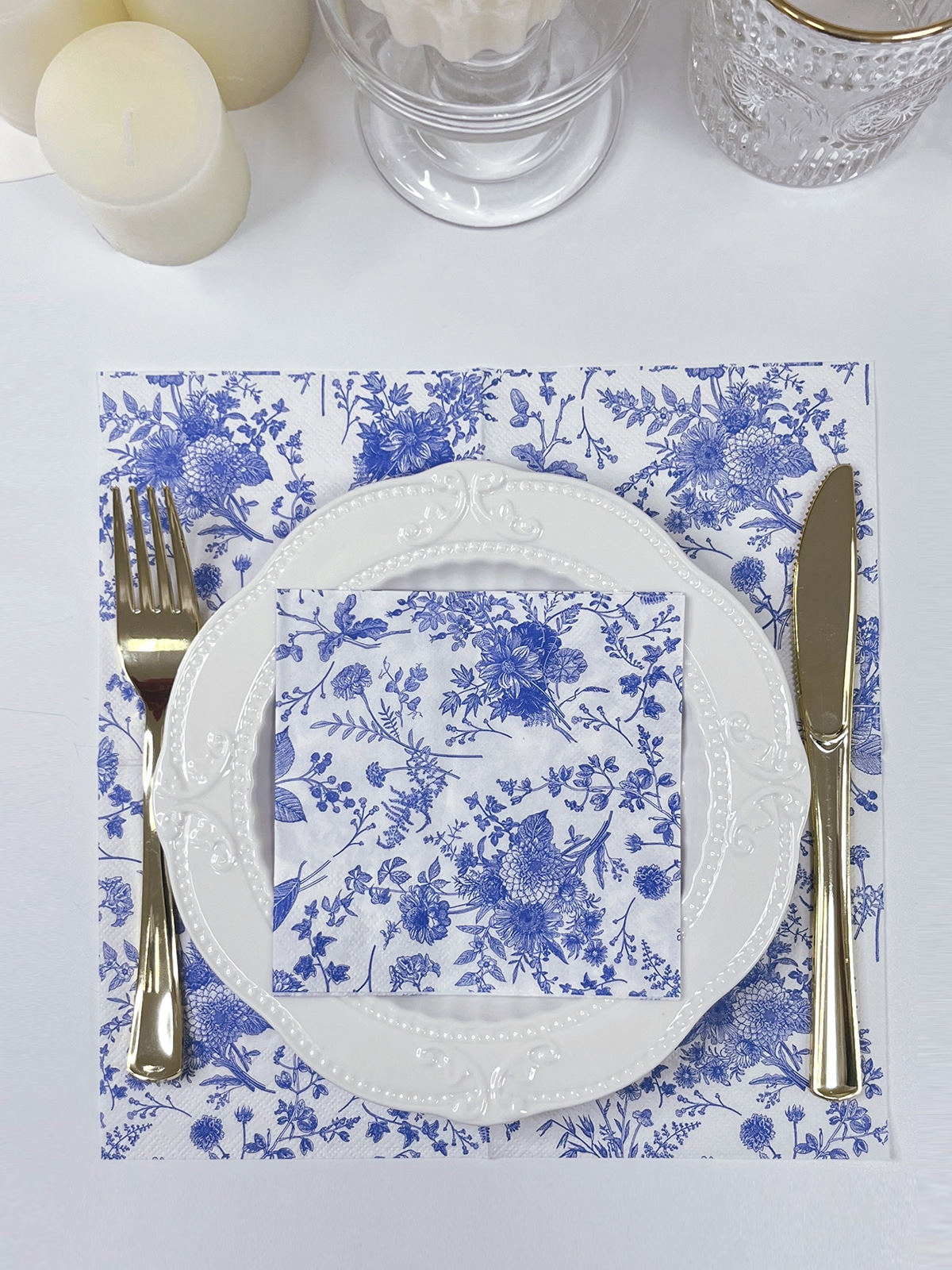
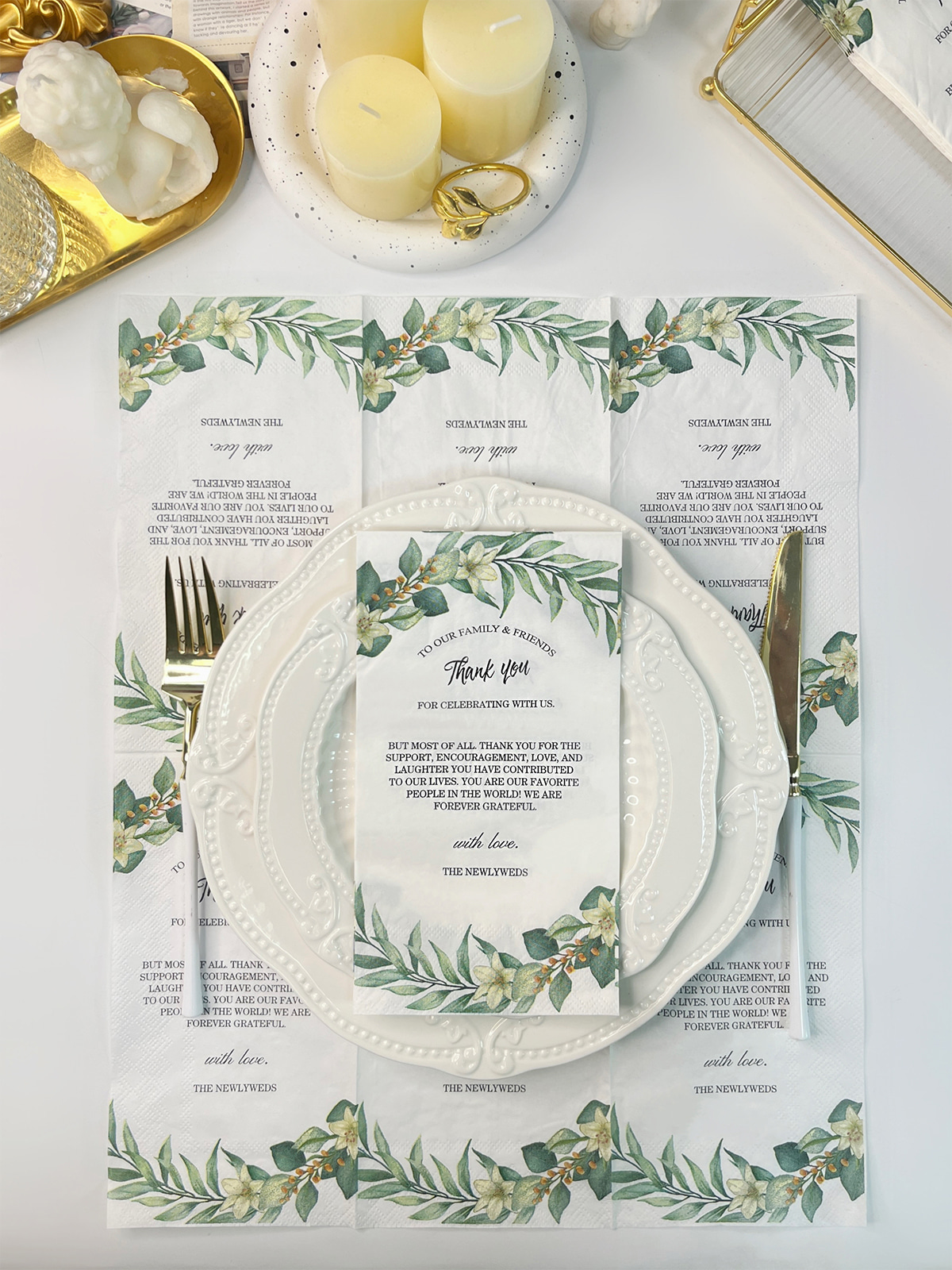
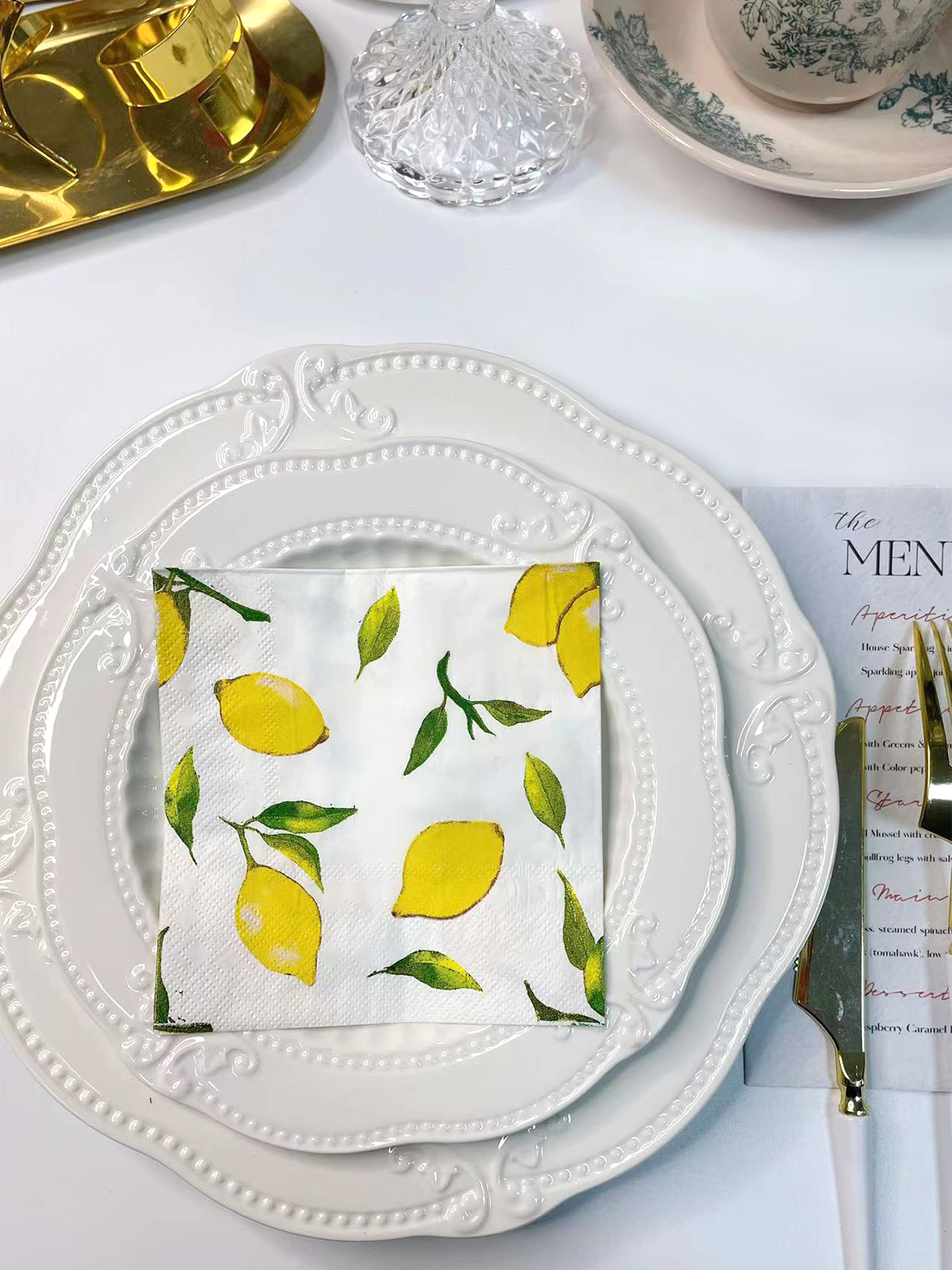
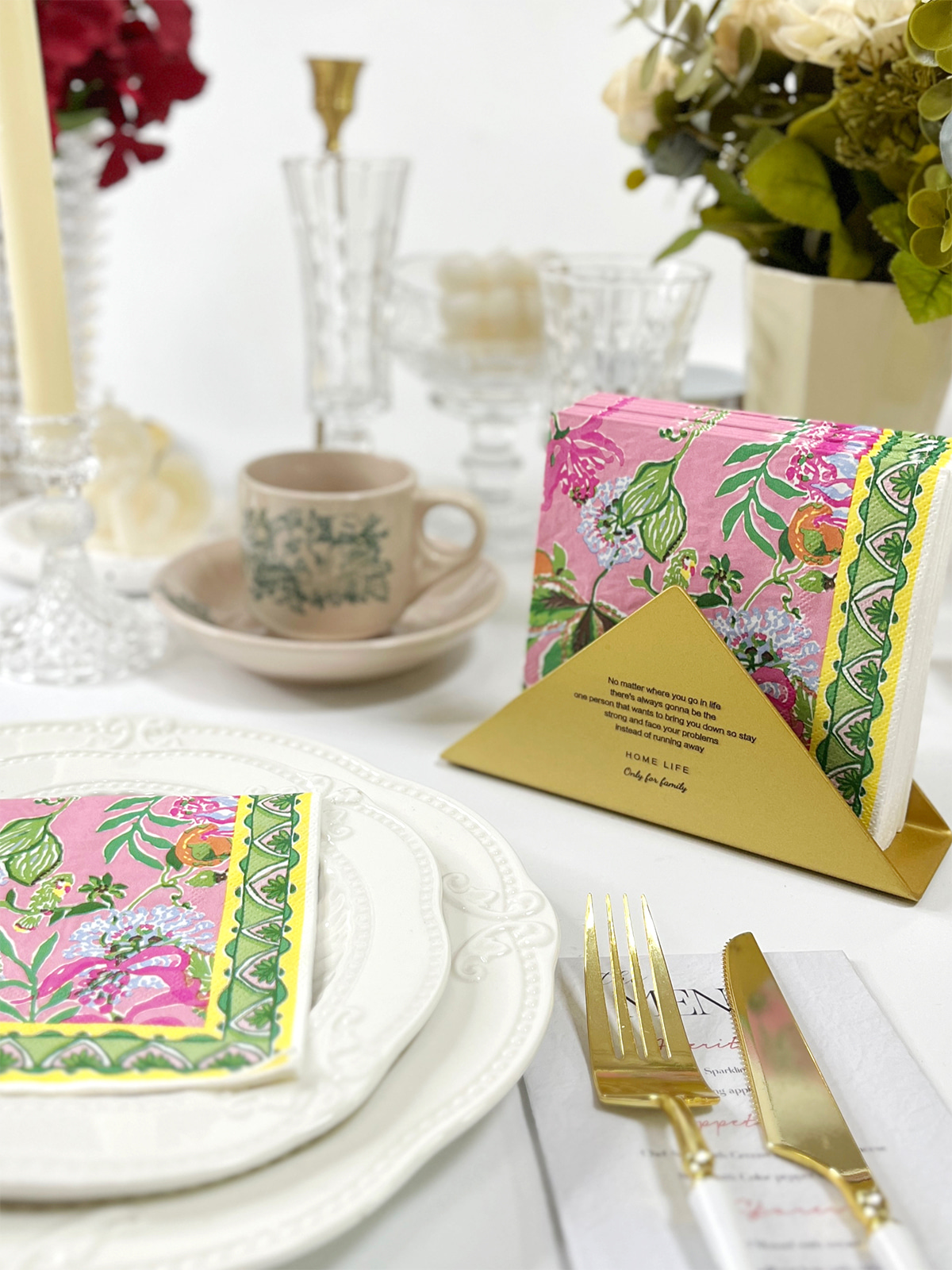
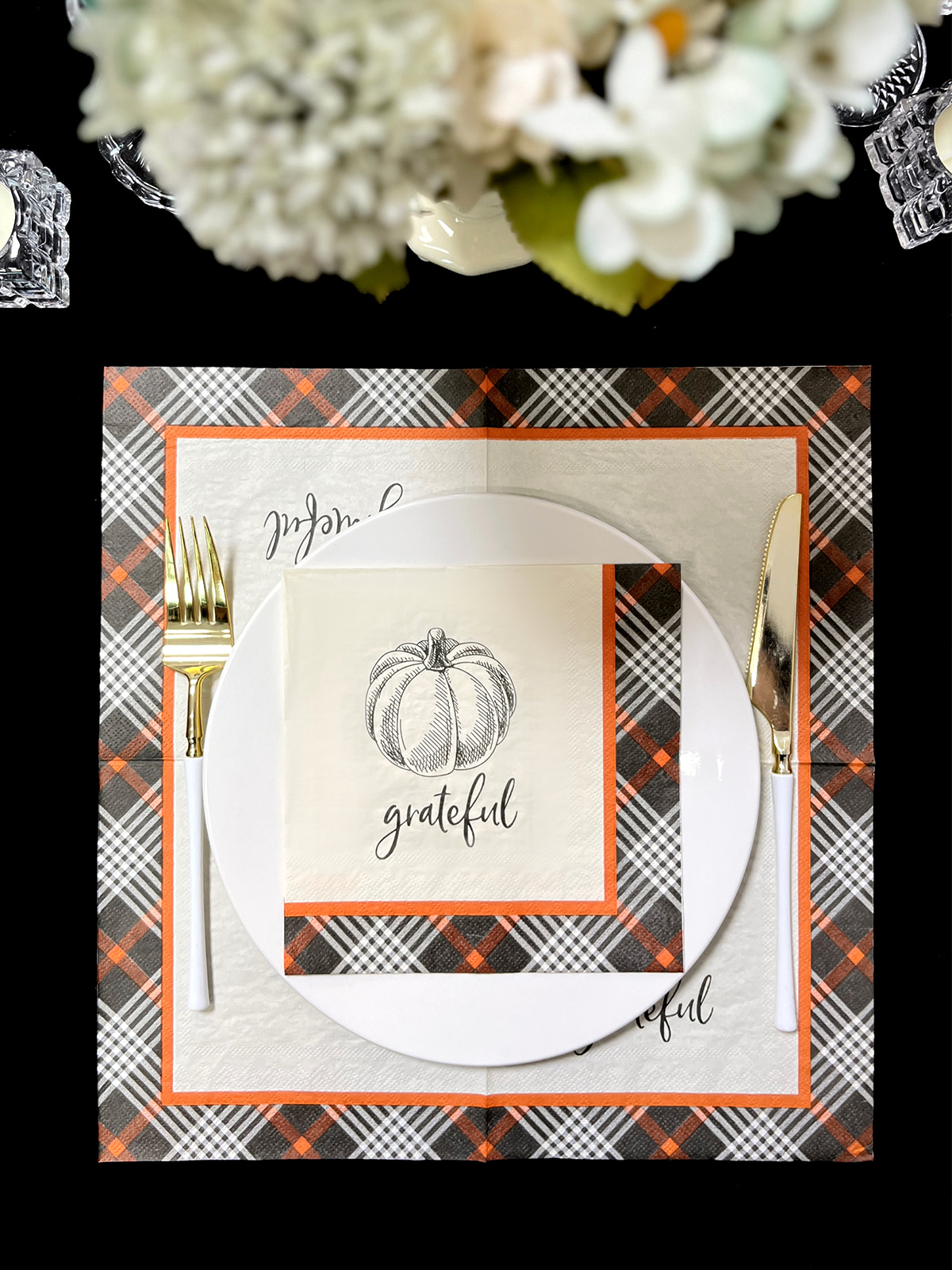
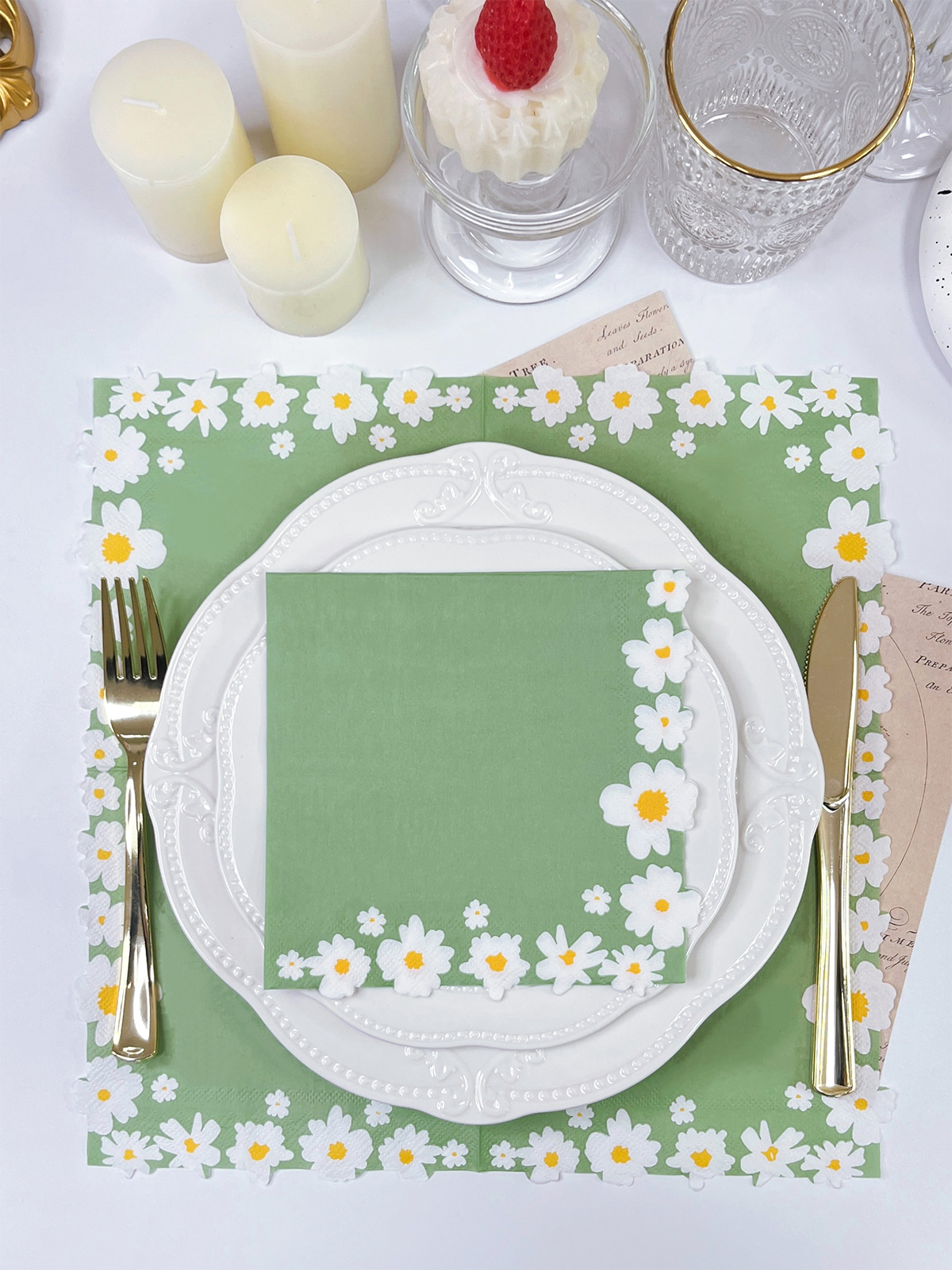
Printed patterns offer another option. Small borders, corner designs, central graphics, or simple repeated elements can change how a folded napkin looks. Placement needs to follow the finished fold, since part of the printed surface may disappear once the sheet is arranged.
A decorative design should still leave enough usable surface for normal wiping. Excessive decoration is not necessarily useful when it interferes with handling or makes the paper less practical during a meal.
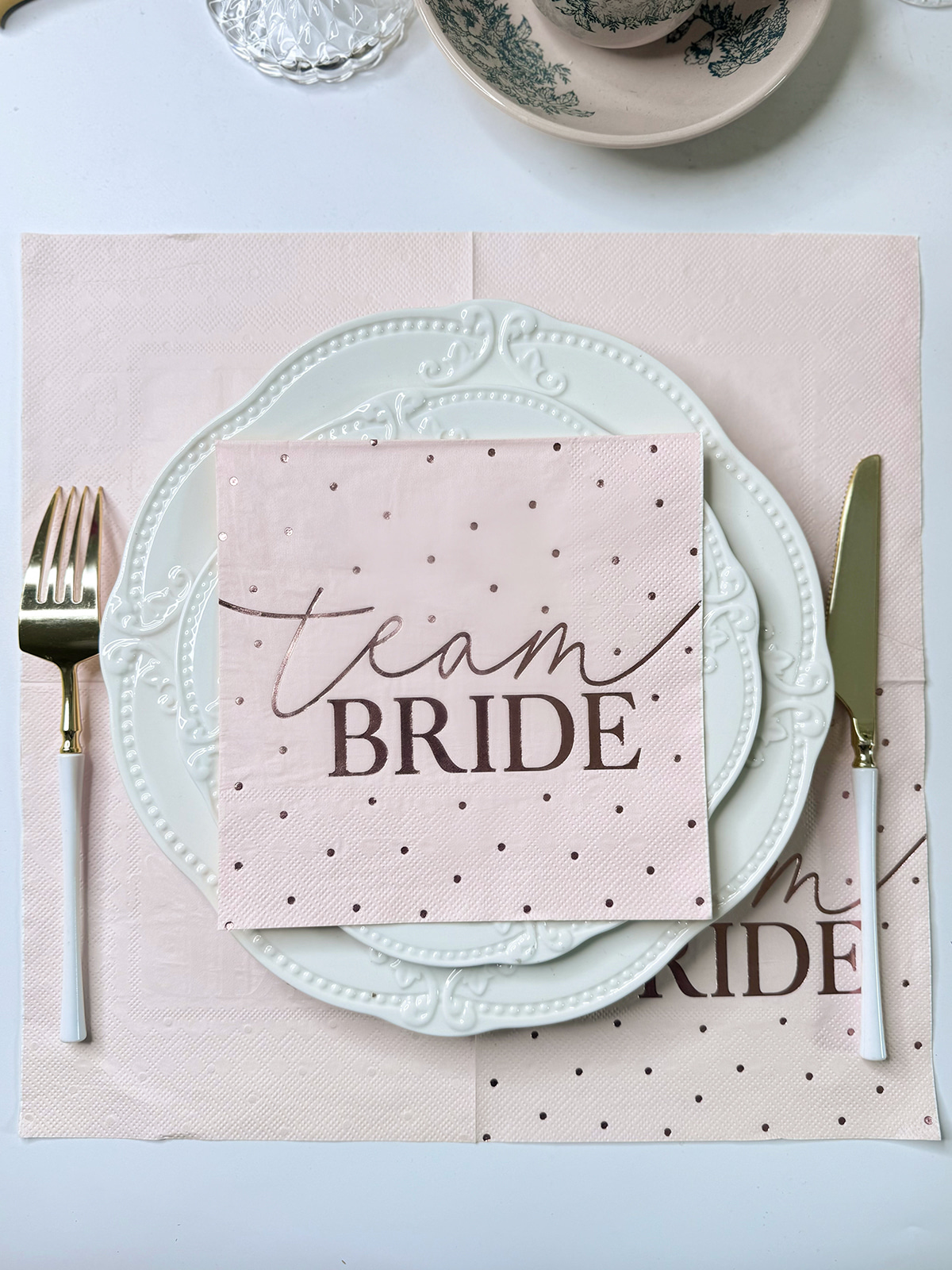
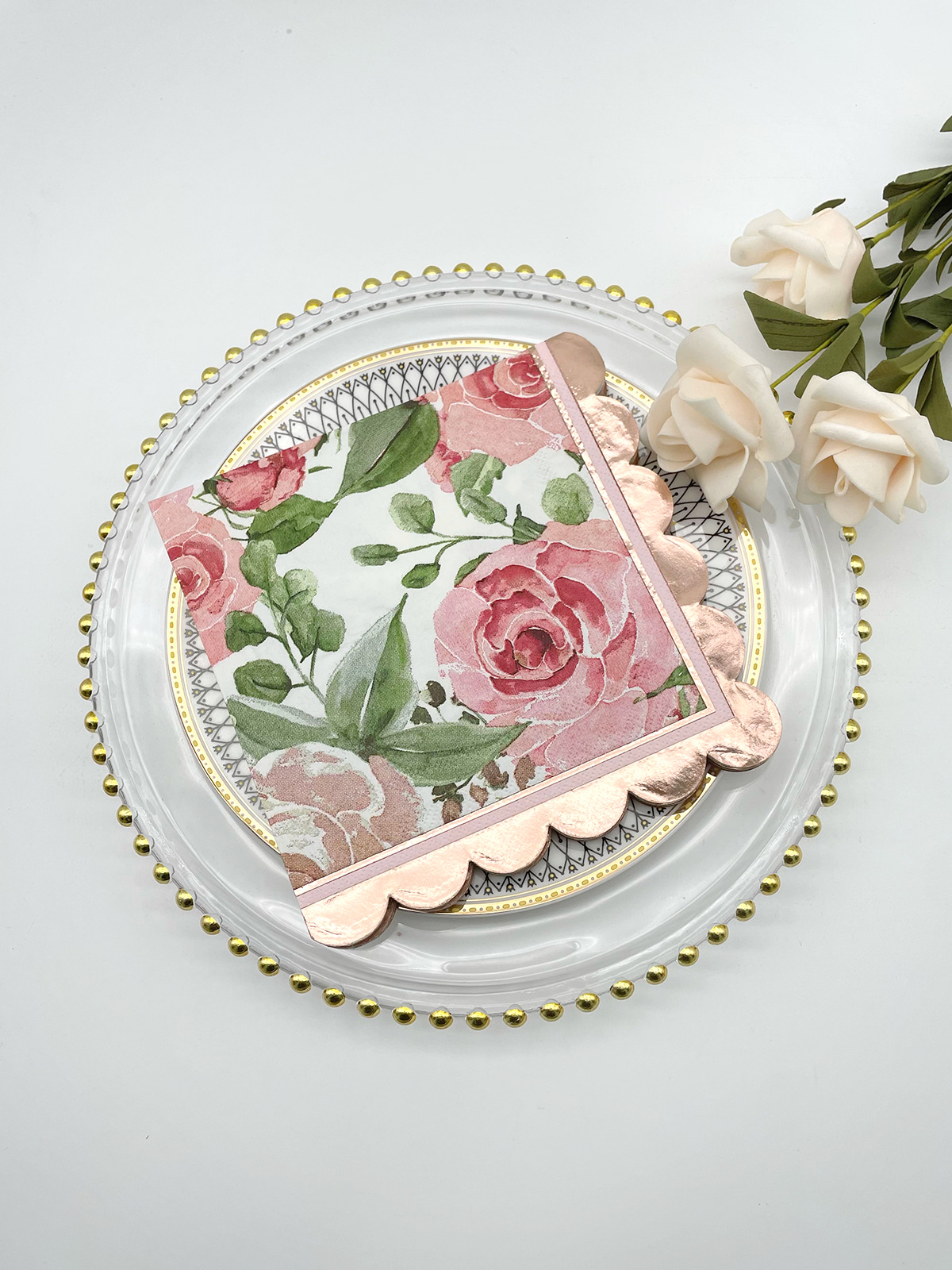
Foil Printed Napkins add another visual layer through reflective decoration. Metallic details can catch light differently as the napkin moves, making a border or small graphic more noticeable under indoor lighting. Such decoration is often used selectively rather than covering the entire sheet.
Foil printing and ordinary ink printing create different surface effects. Ink generally produces a flat color or graphic, while foil creates a reflective area that changes in appearance according to the surrounding light.
For banquet use, foil may appear around an edge, within a small motif, or as part of lettering. A limited decorative area can preserve the softness and flexibility of the paper while giving the folded napkin a distinct visual detail.
Paper selection becomes important during production. A surface that supports ordinary ink may behave differently when foil decoration is applied. Paper structure, surface smoothness, and folding requirements all influence the final result.
| Feature | Banquet Use | Everyday Use |
|---|---|---|
| Folding | Often planned around table placement | Usually simple or minimal |
| Paper Structure | Selected with handling and presentation in mind | Mainly focused on daily use |
| Appearance | May coordinate with table decoration | Often plain or lightly printed |
| Printing | Can include patterns or foil details | Usually simpler decoration |
| Handling | Considered before and during service | Focused mainly on quick use |
A Foil Printed Napkin does not become a different type of paper product simply because of its decorative surface. Its underlying paper still needs to suit folding, handling, and normal use. Decoration works as one part of the overall design rather than replacing practical performance.
Choosing a napkin for a banquet table involves more than picking a color that matches the tablecloth. Paper structure, folding needs, surface design, and the way guests will use the product all need to fit together.
Start with the setting. A formal dinner may call for a neat folded shape, while a casual gathering may need a simpler arrangement that can be prepared quickly. Outdoor dining introduces another consideration because wind can affect lightweight paper during table setup.
Paper feel also deserves attention. A sheet that feels pleasant in the hand may behave differently when folded, while a firmer sheet may hold a shape more easily. Neither characteristic works for every situation, so the intended use should guide the choice.
A practical selection process can focus on four areas:
For printed designs, artwork placement should also be checked in its folded form. A graphic positioned near a corner may become partly hidden after folding, while a border may appear uneven when several layers overlap.
Production needs change according to paper structure, folding style, printing requirements, and final packaging. A Paper Napkin Factory may need to handle plain products alongside printed designs, with each order requiring its own preparation.
Paper selection comes early in the process. The chosen material needs to work with the intended folding and printing method. A surface that accepts a simple printed pattern may produce a different result when decorative foil is added.
Printing preparation also requires attention to artwork position. Since napkins are folded several times during production or later table preparation, the location of a graphic needs to be considered across the finished shape rather than only on a flat sheet.
Foil Printed Napkins add another production consideration. Reflective decoration needs a suitable surface and controlled placement, especially when the design includes narrow lines, borders, or small details. Too much decoration can also change how the paper feels when folded.
Folding and packing come later, although preparation for both begins earlier. A design that looks attractive on a flat sheet may not remain balanced after folding. Production teams therefore need to consider how the finished product will appear in its actual form.
Quality checks can focus on practical details such as:
Such checks connect production with actual table use. A napkin is not judged only while passing through a machine; its final form matters once it reaches a dining table.
Small design choices can change how a folded napkin looks. A narrow border, corner pattern, or short line of text may become a clear visual element after folding, while a large image may lose part of its shape.
Color coordination is another simple consideration. A napkin does not need to match every item on a table. A balanced relationship with the tablecloth, plates, glassware, or other decoration is usually easier to achieve when the colors are considered as a group.
Fold position should be checked during design preparation. Imagine a napkin folded into a rectangle: artwork near one edge may become hidden inside, while artwork near another edge may appear on the outside. A printed layout should account for the way guests or staff will actually fold it.
Texture also affects appearance. A textured paper surface can give printed areas a different visual character from a smoother sheet. Reflective foil may stand out differently depending on the angle of light and the shape of the fold.
Practical design usually leaves enough open paper for handling. Decorative elements should not make it difficult to unfold, grip, or use the napkin during a meal.
Paper quality is closely connected with both appearance and handling. A napkin placed beside a plate becomes part of the table arrangement before anyone uses it, so its shape and surface condition can affect how organized the setting appears.
Folding stability is particularly relevant. When paper loses its shape easily, staff may need to refold napkins shortly before service. A sheet with suitable body can make repeated placement easier.
Surface smoothness also influences printed patterns. Fine lines and small decorative details may appear differently depending on the paper surface, while a rougher texture can create a softer visual effect.
Absorption remains a practical part of the equation. Guests need a napkin for normal spills and food residue, so decorative qualities cannot replace basic function.
A useful way to compare options is to consider the whole use cycle:
Production → Folding → Table Placement → Guest Handling → Cleaning Needs
Each stage places a different demand on the paper. A product that works well during printing may still need adjustments to its fold or packaging before it is suitable for a particular dining environment.
One common mistake is choosing a napkin mainly by appearance. A beautiful pattern may suit the table visually, yet the paper may not hold the intended fold or feel suitable during use.
Another mistake is selecting the same structure for every event. A simple family meal and a carefully arranged banquet table have different preparation needs. The right choice depends on how the napkin will be handled.
Printed artwork can also cause problems when the fold is ignored during design. A graphic may look centered on an unfolded sheet while appearing off-center after folding.
Other points worth checking include:
Buying based only on a sample image can also create confusion. A digital image cannot always show how a paper surface feels or how a folded napkin behaves. A physical sample gives a clearer idea of folding, texture, print placement, and handling.
Both products serve the same basic purpose of cleaning hands or dealing with food residue, although their surrounding requirements can differ.
Regular napkins are often placed where guests can take one quickly. Convenience tends to guide the arrangement. Banquet Paper Napkins may need to work within a planned table layout, where folding and appearance receive more attention before the meal starts.
| Aspect | Banquet Paper Napkins | Regular Napkins |
|---|---|---|
| Main setting | Organized dining and gatherings | Everyday meals |
| Preparation | May involve planned folding | Usually little preparation |
| Appearance | Often coordinated with table design | Commonly simple |
| Printing | May include decorative patterns | Often plain or lightly printed |
| Handling | Considered during setup and service | Mainly focused on convenient use |
| Design planning | Fold and placement may guide artwork | Flat-sheet appearance may be enough |
Design planningFold and placement may guide artworkFlat-sheet appearance may be enough
Neither category is limited to one particular paper structure. A regular napkin can have decorative printing, while a banquet napkin can remain plain. What separates the two is largely the combination of intended setting, preparation, appearance, and practical handling.
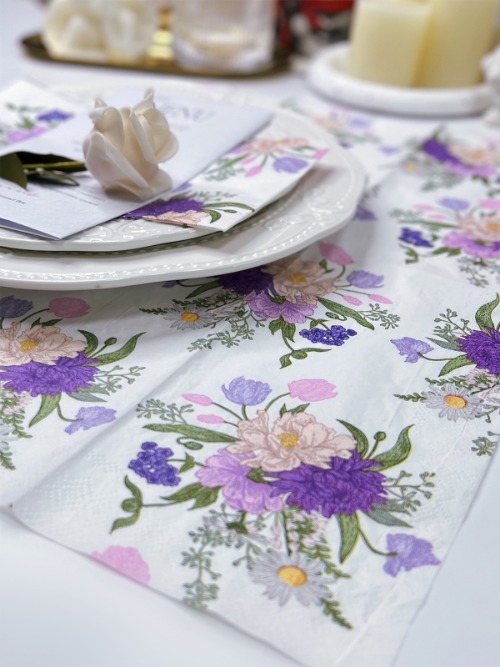
A banquet held around a long dining table may require a different arrangement from a smaller round table. Folded napkins can be placed beside plates, inside tableware, or at another planned position, depending on the layout.
Outdoor gatherings bring additional concerns. Air movement can disturb lightweight folded paper, while moisture from the surrounding environment may affect how the napkin feels and holds its shape.
A buffet setting may call for easy access rather than elaborate folding. Guests often need to pick up a napkin quickly while moving between food and seating areas.
Formal table service can place greater attention on presentation. In such cases, color, fold shape, and print placement become part of the preparation process.
Matching the product to the setting reduces unnecessary compromises. A complicated fold is not useful when quick distribution is the main concern, just as a very simple arrangement may not fit a table where visual coordination matters.
A suitable choice comes from balancing several small details rather than relying on one feature. Paper needs to work during production, remain manageable during folding, fit the table arrangement, and perform its basic function during a meal.
For printed or foil-decorated products, artwork should be planned around the final folded form. For plain products, paper structure and handling may receive greater attention.
Careful selection can therefore follow a simple order:
Know the setting → Decide the fold → Consider paper structure → Check decoration → Review actual use
Such a process keeps appearance and function connected. Banquet Paper Napkins are still everyday paper products at their core, yet their role within a planned dining environment gives design, folding, and handling greater importance.
Related Products
Shopping for a reliable source of napkins?
Established in 2007 and located in Zhuji City, Zhejiang Province, Zhuji Furong Paper Products Co., Ltd. is a professional manufacturer of color-printed napkins. Enhance Your Event With Custom Printed Napkins.
Telephone
+86-15325932613
Address
Jianglong Industrial Park, Jiyang Street, Zhuji City, Shaoxing, Zhejiang, China.
Contact Us
Products
Contact Us
+86-15325932613
+86-575-87765556
+86-575-87765559
Jianglong Industrial Park, Jiyang Street, Zhuji City, Shaoxing, Zhejiang, China.
Party Printed Paper Napkins Manufacturer Customized Napkins And Paper Towels Factory
Copyright © by Zhuji Furong Paper Products Co., Ltd. Rights Reserved.

 English
 中文简体
中文简体