 English
 中文简体
中文简体
Printed napkins pass through several stages before reaching their final use. Folding, stacking, packing, storage, and handling can all place pressure on paper surfaces. Movement inside a package may also cause sheets to rub against one another or against the inner packaging.
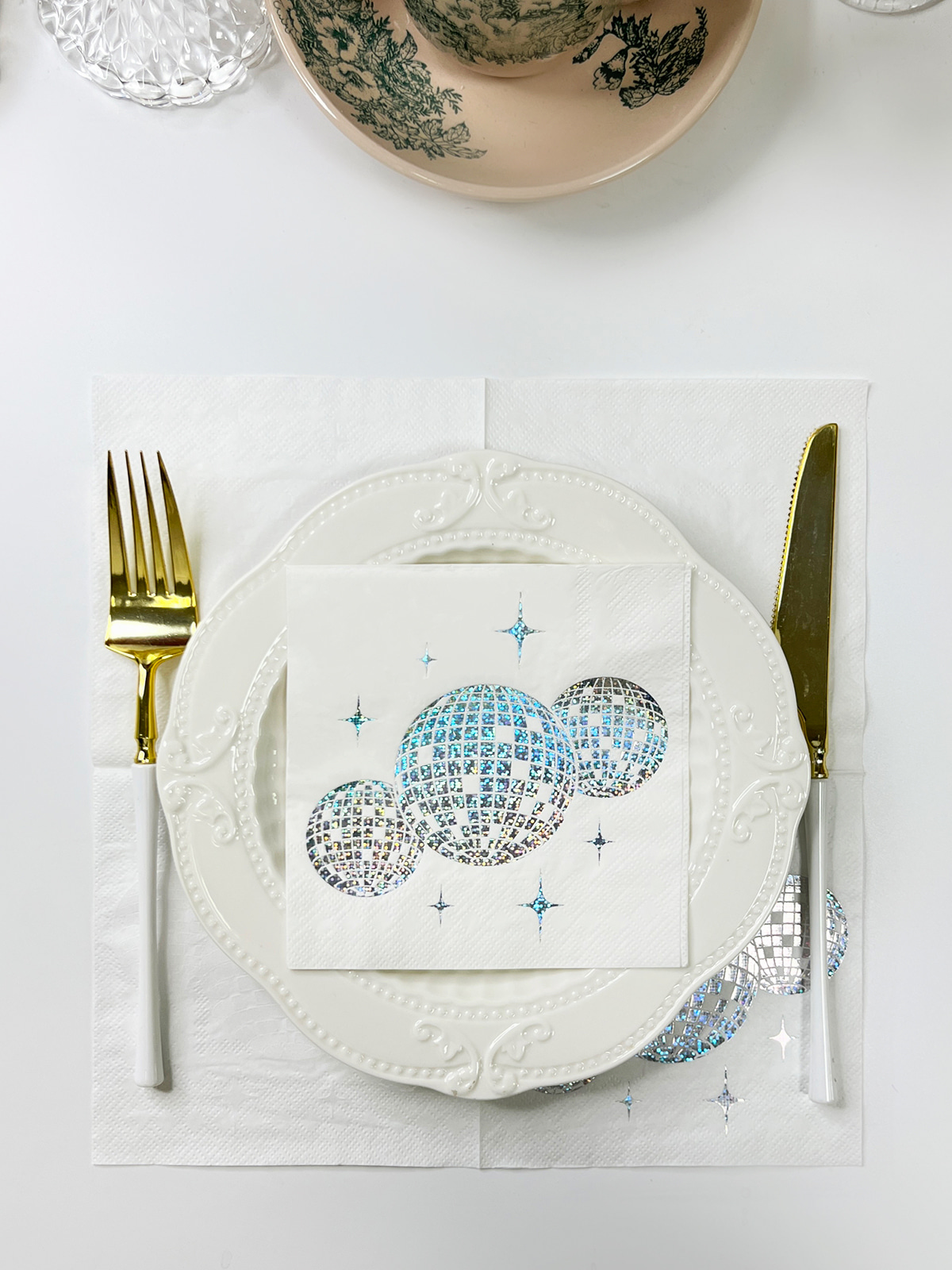
Packaging has a practical role in controlling those conditions. A suitable package can hold the folded stack in place, reduce unwanted contact, and create a barrier against dust and moisture. Foil Printed Napkins need particular care around decorated areas, since repeated rubbing may affect their appearance.
Packaging choices also depend on how products are handled. A small pack for daily use has different needs from a larger pack prepared for wholesale handling.
Content
- 1 Why Does Packaging Matter for Printed Napkins
- 2 What Can Affect the Surface of Foil Printed Napkins
- 3 Which Packaging Materials Are Used for Printed Napkins
- 4 How Does Packaging Protect Foil Printed Napkins From Friction
- 5 Why Does Packaging Size Matter for Printed Napkins
- 6 How Can Packaging Reduce Moisture and Dust Exposure
- 7 How Should Foil Printed Napkins Be Packed for Handling
- 8 What Packaging Structure Works for Printed Napkins Wholesale
- 9 How Can Packaging Balance Protection and Paper Flexibility
- 10 How Can Packaging Support Different Printed Napkin Designs
- 11 What Should Be Checked Before Choosing Packaging
- 12 How Can Packaging Quality Be Checked During Production
Why Does Packaging Matter for Printed Napkins
Paper napkins are flexible by nature, which makes them easy to fold and arrange. Such flexibility also means that pressure can alter their shape during packing or movement.
A loose package may allow a stack to slide inside, creating repeated contact between sheets and the inner wall. Excess pressure creates another concern, especially around folded edges and decorated surfaces.
Cleanliness matters too. Dust and moisture can reach exposed paper during storage or transport. Packaging provides a physical barrier, helping keep the contents in a suitable condition until opening.
For printed products, protecting the surface often starts with controlling simple physical contact.
What Can Affect the Surface of Foil Printed Napkins
Several conditions may affect a decorated napkin during packing. A printed surface can touch another sheet, an inner wrapper, or part of the outer package. Small movements may repeat the same contact again and again.
Folded edges deserve attention because pressure can gather around corners and creases. A tightly packed group may also press certain decorated areas against neighboring sheets.
Common concerns include:
- Rubbing between folded sheets
- Pressure from stacking
- Movement inside loose packaging
- Rough inner surfaces
- Moisture exposure
- Dust entering through openings
- Pressure around edges and corners
A good package does not need to eliminate every form of contact. Reducing unnecessary movement is often a more practical goal.
Which Packaging Materials Are Used for Printed Napkins
Paper packaging can provide a simple outer layer, while film packaging may help limit dust and moisture exposure. A box or other firm outer structure can add support during handling.
Internal materials can also play a role. A separating layer may reduce direct contact between decorated surfaces, while a properly fitted inner section can keep the folded stack steady.
Material choice should relate to actual storage and handling conditions rather than appearance alone. Useful questions include:
- Can the material rub against the printed area?
- Does it hold the product in a stable position?
- Can it limit exposure to dust or moisture?
- Is removal easy without unnecessary surface contact?
More than one packaging layer may be appropriate when different layers serve different purposes.
How Does Packaging Protect Foil Printed Napkins From Friction
Friction occurs when surfaces move against one another. A package with too much empty space gives folded napkins room to slide during handling, increasing surface contact.
Keeping the stack reasonably stable can reduce such movement. At the same time, excessive compression should be avoided because tight packing may place unwanted pressure on printed sections.
Internal texture matters as well. Rough surfaces can create repeated contact during movement, while a suitable fit can help limit unnecessary rubbing.
For Foil Printed Napkins, surface protection comes from several small choices working together, including packaging material, internal fit, stack arrangement, and handling conditions.
Why Does Packaging Size Matter for Printed Napkins
Package size affects how much a napkin stack can move. Too much empty space may let folded sheets shift from side to side, while an overly tight package can press against edges and decorated areas.
A practical package should follow the folded shape of the product and provide enough room for normal placement and removal. Avoiding unnecessary gaps helps limit movement without relying on heavy pressure.
For Printed Napkins Wholesale, outer packaging also needs to keep several inner packs stable during handling. A balanced arrangement can help prevent shifting and unnecessary deformation.
How Can Packaging Reduce Moisture and Dust Exposure
Paper products need protection from unwanted moisture and airborne particles during storage. Damp surroundings may affect the shape and feel of folded napkins, while dust can settle on exposed surfaces.
Film wrappers, closed paper packs, and boxes can each provide a different level of separation from the surrounding environment. Packaging should suit the storage conditions rather than relying on one material for every situation.
Clean packing conditions matter as well. Surface protection begins inside the package, while moisture and dust control continues during storage and movement.
How Should Foil Printed Napkins Be Packed for Handling
Handling can place pressure on folded napkins even when the outer package looks intact. Movement during lifting, stacking, or carrying may cause the contents to shift, especially when there is unused space inside.
A stable inner arrangement helps keep folded groups in position. Wrappers, sleeves, or boxes can provide support around the sides, while suitable spacing prevents the contents from being squeezed too tightly.
Edges deserve some attention during packing. Corners can receive pressure when packages are placed together, so keeping the inner stack aligned can reduce unnecessary deformation.
A practical packing process can include:
- Keeping folded sheets evenly arranged
- Limiting movement inside the package
- Avoiding direct pressure on decorated areas
- Supporting the outer sides during handling
- Checking the package after normal movement
Good handling starts with a package that matches the shape of its contents. Extra space and excessive compression can both create problems, so neither should be treated as a simple solution.
What Packaging Structure Works for Printed Napkins Wholesale
Large quantities of printed napkins are commonly handled through several stages, including packing, stacking, transportation, unloading, and storage. Packaging for Printed Napkins Wholesale therefore needs to work at both the individual pack level and the outer carton level.
Individual packs should remain closed and stable, while cartons need enough strength to hold their shape during normal handling. Empty space inside a carton should also be controlled. Too much unused space allows packs to move from side to side, while very limited space can place pressure on the paper.
| Packaging Part | Main Function | Important Check |
|---|---|---|
| Inner Wrap | Reduces dust and surface contact | Smooth material and secure closure |
| Individual Pack | Keeps folded napkins together | Stable shape without excessive compression |
| Outer Carton | Supports grouped packs during handling | Suitable size and firm structure |
| Filling Material | Limits unnecessary movement | Enough support without pressing the paper |
| Sealing Area | Keeps the package closed | Secure closure without sharp exposed edges |
A suitable combination depends on napkin size, folding style, decoration, pack quantity, and expected handling conditions. Packaging should therefore be selected according to the physical characteristics of the finished napkins rather than relying on one structure for every product type.
How Can Packaging Balance Protection and Paper Flexibility
Napkins need to retain a soft and flexible feel for normal use. Packaging that applies continuous pressure may change the shape of folded sheets, even when the contents remain visually intact.
A protective structure should therefore hold the product without pressing every surface tightly together. Internal support can come from the shape of the package rather than force alone.
Material texture matters too. A hard or rough surface placed directly against a decorated area may create unwanted contact during movement. A suitable inner layer can create some separation without making the package unnecessarily bulky.
For Foil Printed Napkins, maintaining surface condition and preserving normal paper flexibility need to be considered together. Protection should not turn into excessive compression.
How Can Packaging Support Different Printed Napkin Designs
Printed designs can cover different parts of a folded napkin. Some decoration may appear close to an edge, while another pattern may occupy a larger central area. Folding changes how those sections come into contact with nearby surfaces.
A package should therefore suit the actual folded form rather than treating every printed napkin in the same way.
When decoration sits close to a fold, pressure around the crease deserves attention. Designs near outer edges may also experience more contact with packaging walls. Larger printed areas can create more surface contact between folded layers.
Paper thickness, folding style, and decoration position can all influence the required internal space. A small adjustment in package shape may reduce unnecessary contact without changing the basic packing method.
What Should Be Checked Before Choosing Packaging
Packaging decisions can be tested through simple observations. Place the folded napkins inside the intended package and check whether they move easily from side to side. Look at corners, edges, and decorated sections for areas where pressure appears concentrated.
Material contact deserves equal attention. A surface that feels rough may create more rubbing during movement, while loose wrapping may allow too much shifting.
A basic check can cover several points:
- Is the folded stack held in place?
- Are decorated surfaces pressed against rough areas?
- Is there enough space for easy removal?
- Can dust or moisture enter easily?
- Are corners protected during handling?
- Do inner packs remain stable inside the outer package?
Normal handling can also reveal problems that are difficult to notice when a package is stationary. Moving, lifting, and placing the packed product can show whether the contents shift or become compressed.
How Can Packaging Quality Be Checked During Production
Checking packaging during production helps identify small problems before they become repeated packing issues. Attention can be given to the condition of folded sheets, the fit of inner packaging, and the stability of completed packs.
A visual inspection can look for rubbing marks, flattened edges, uneven stacks, or changes around decorated sections. Packaging should also be checked after ordinary handling rather than only immediately after packing.
When a problem appears, changing the entire package may not be necessary. A different internal size, a smoother contact surface, a small separating layer, or a more stable stacking arrangement may address the cause.
For Foil Printed Napkins, packaging protection is closely related to simple physical details. Stable placement, suitable materials, enough support, and controlled movement can work together to keep printed surfaces in good condition while preserving the flexible character of the paper.