 English
 中文简体
中文简体
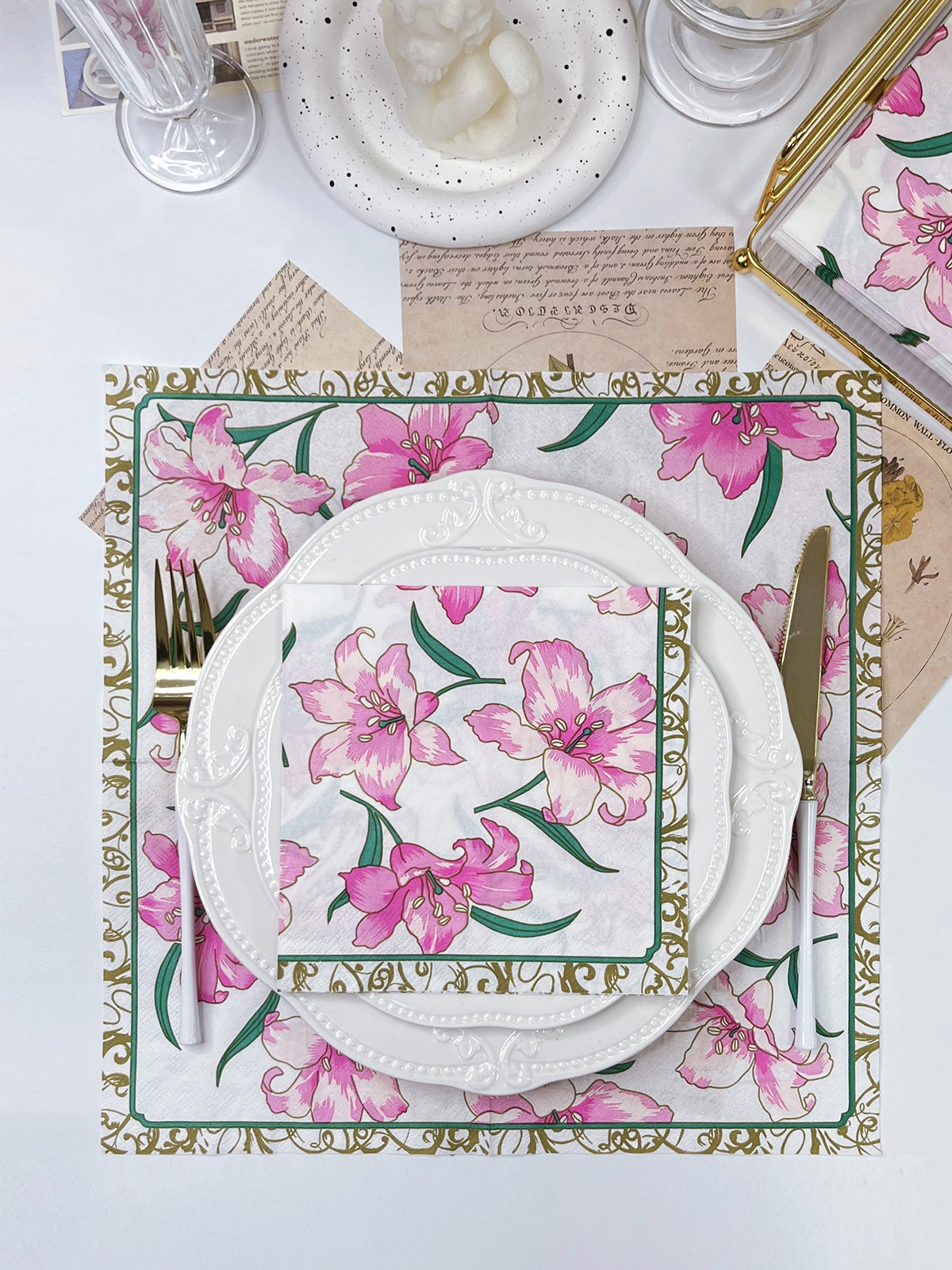
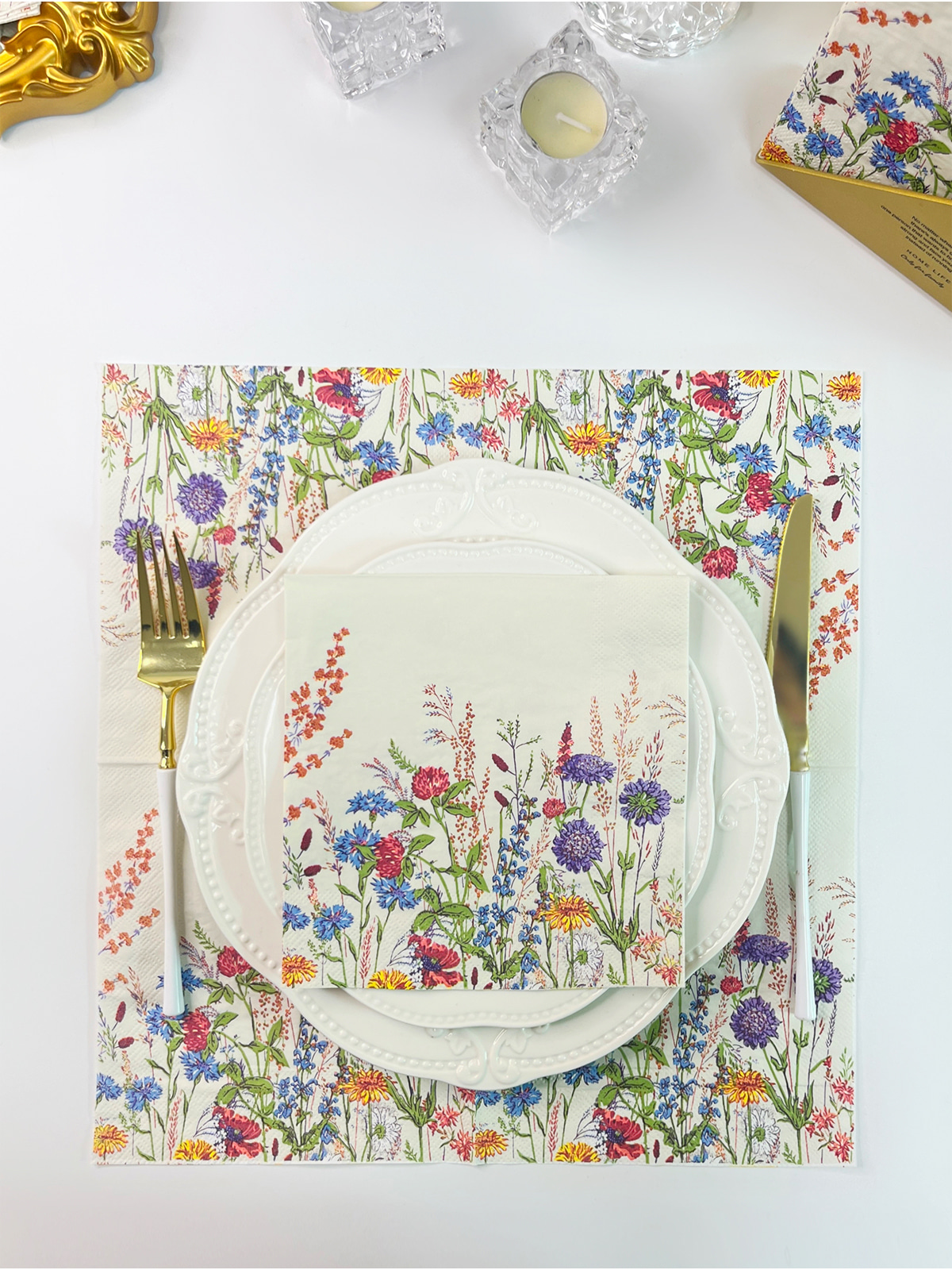
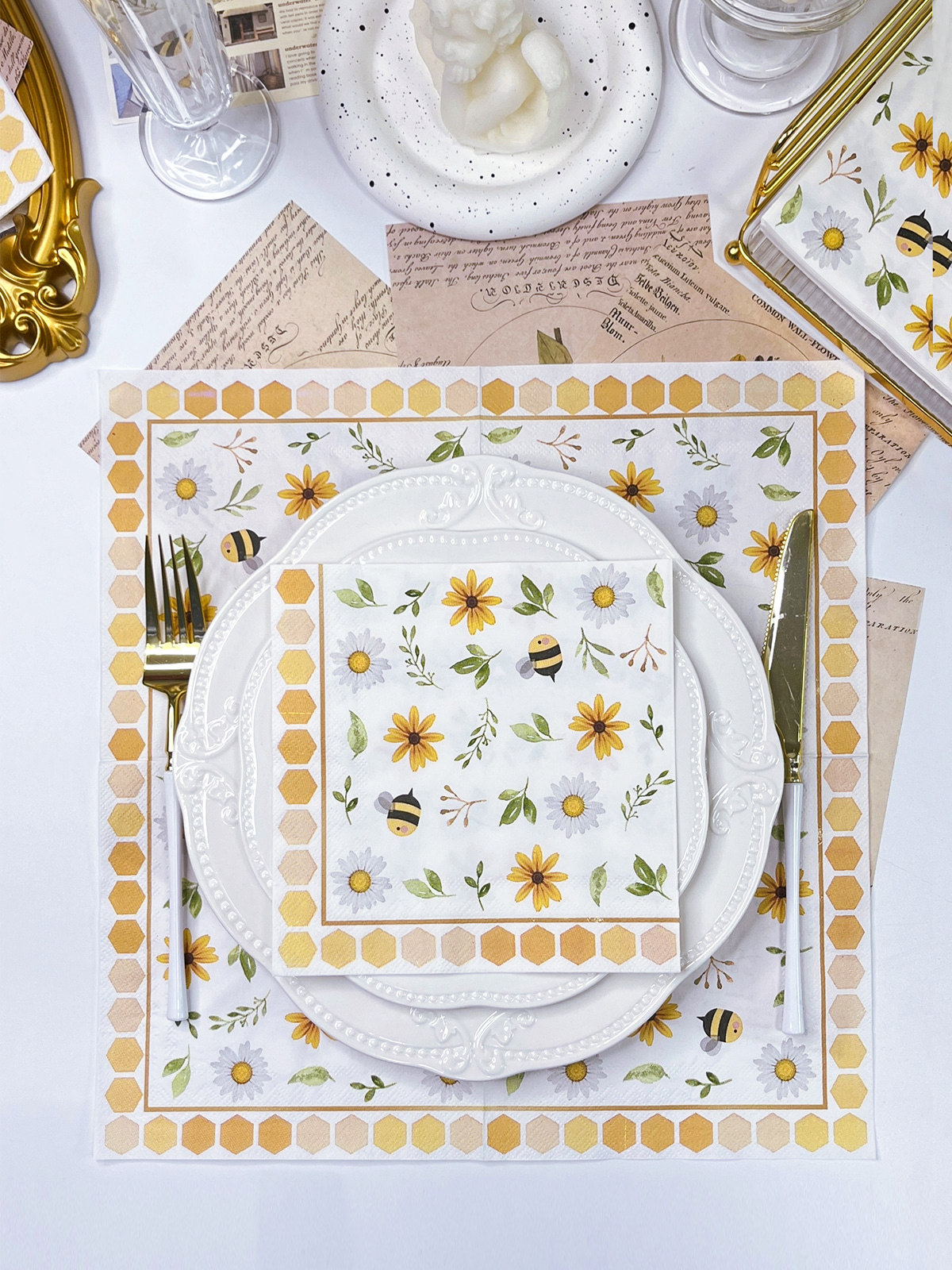
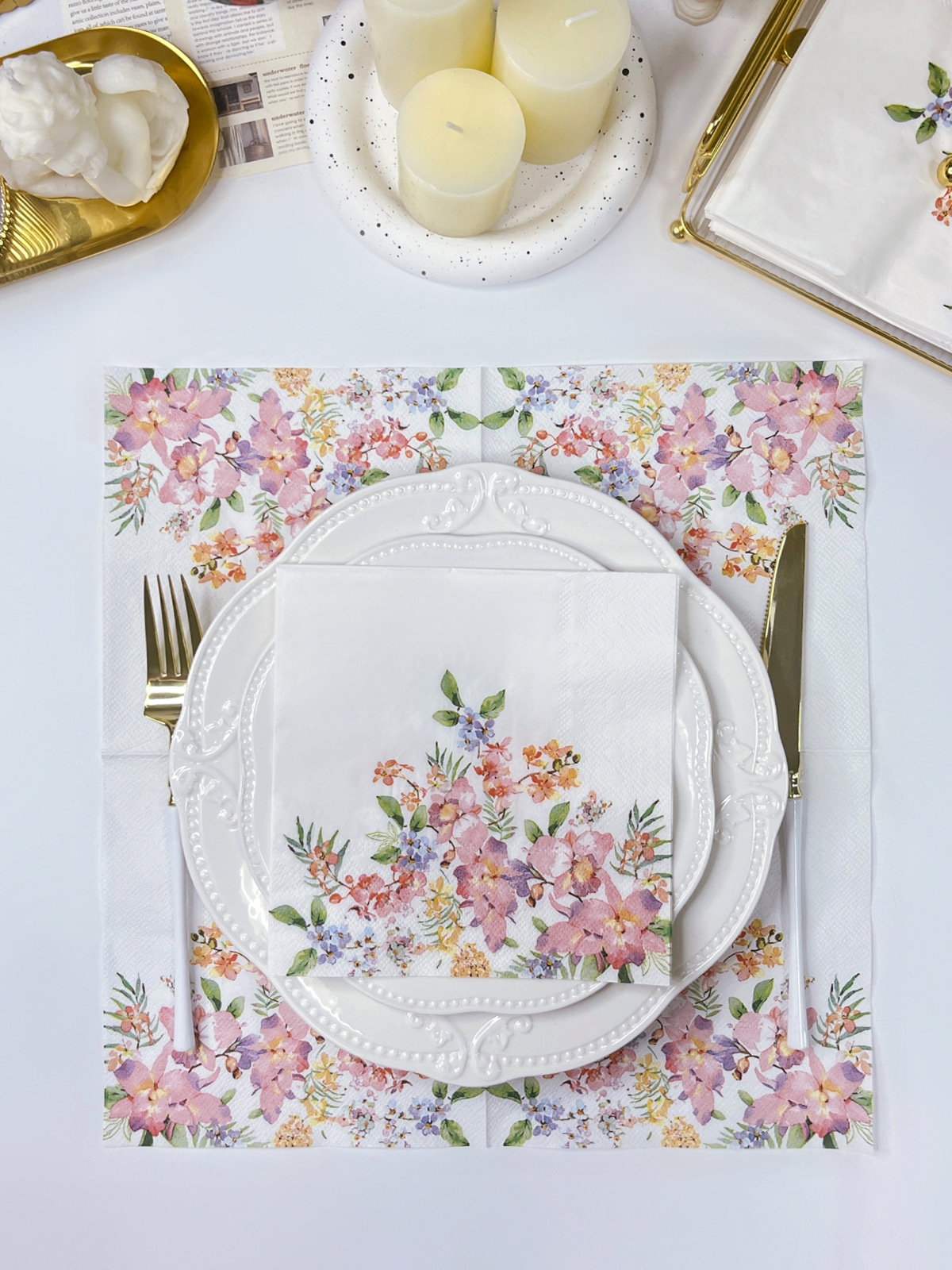
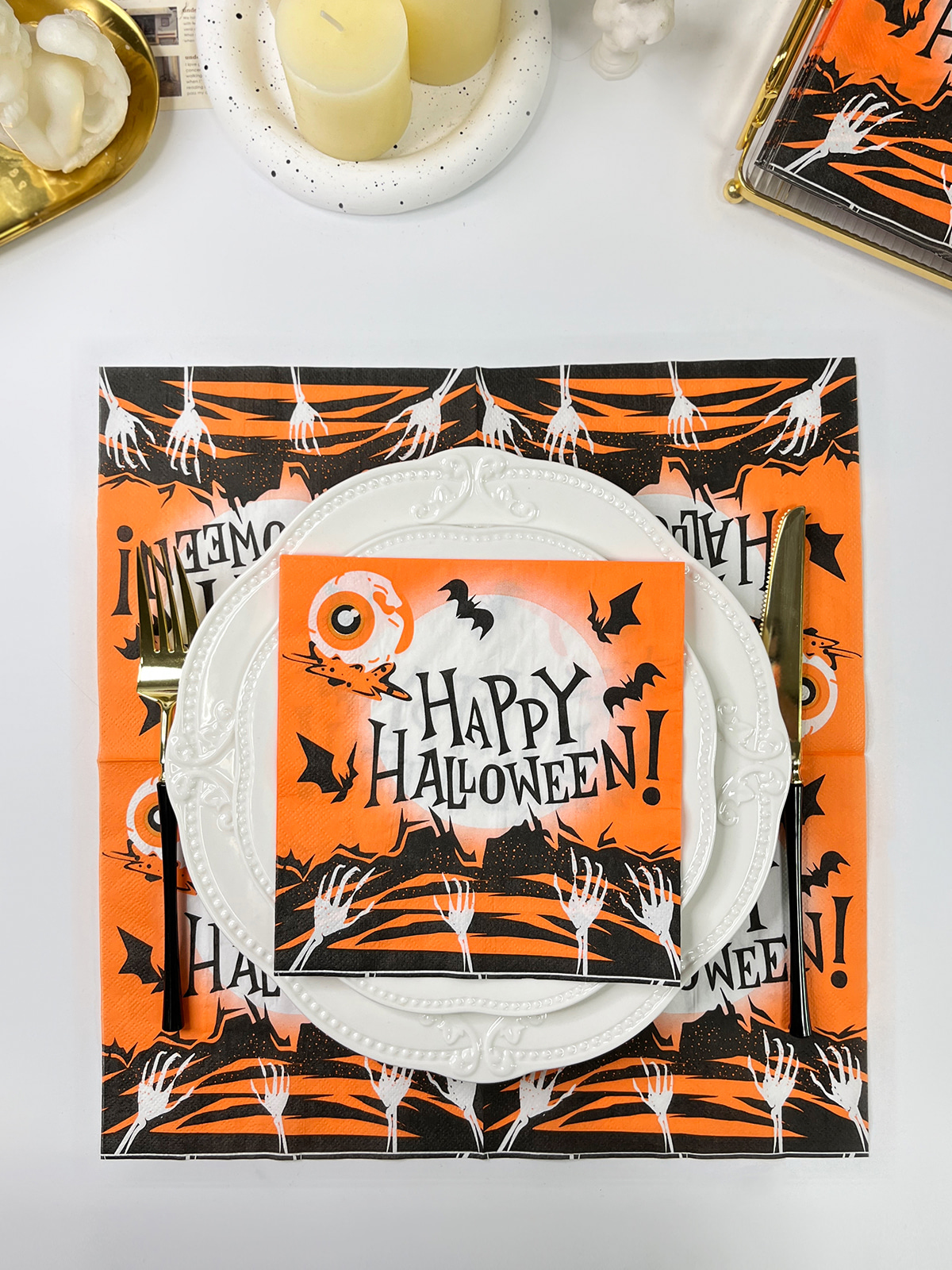
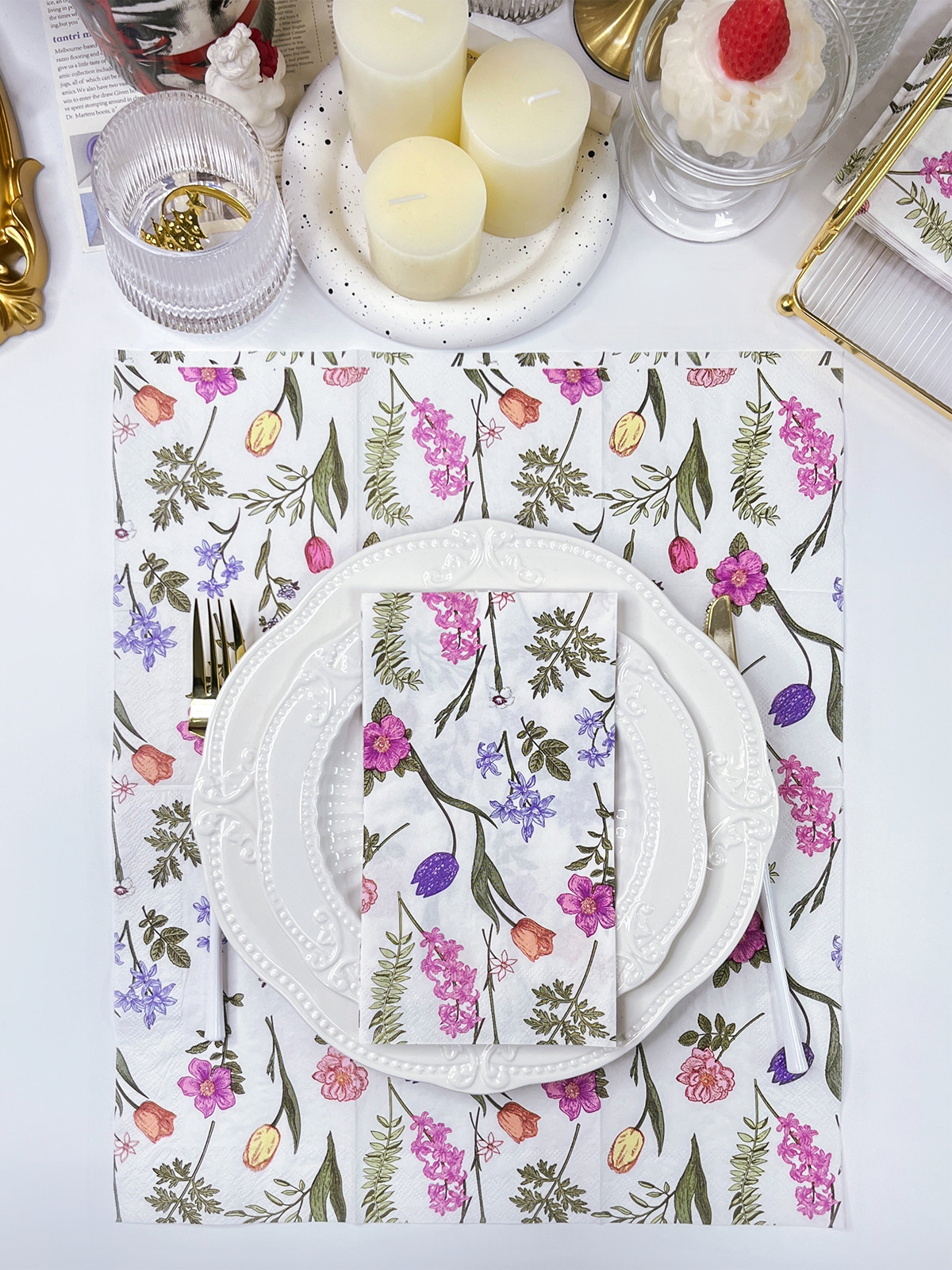
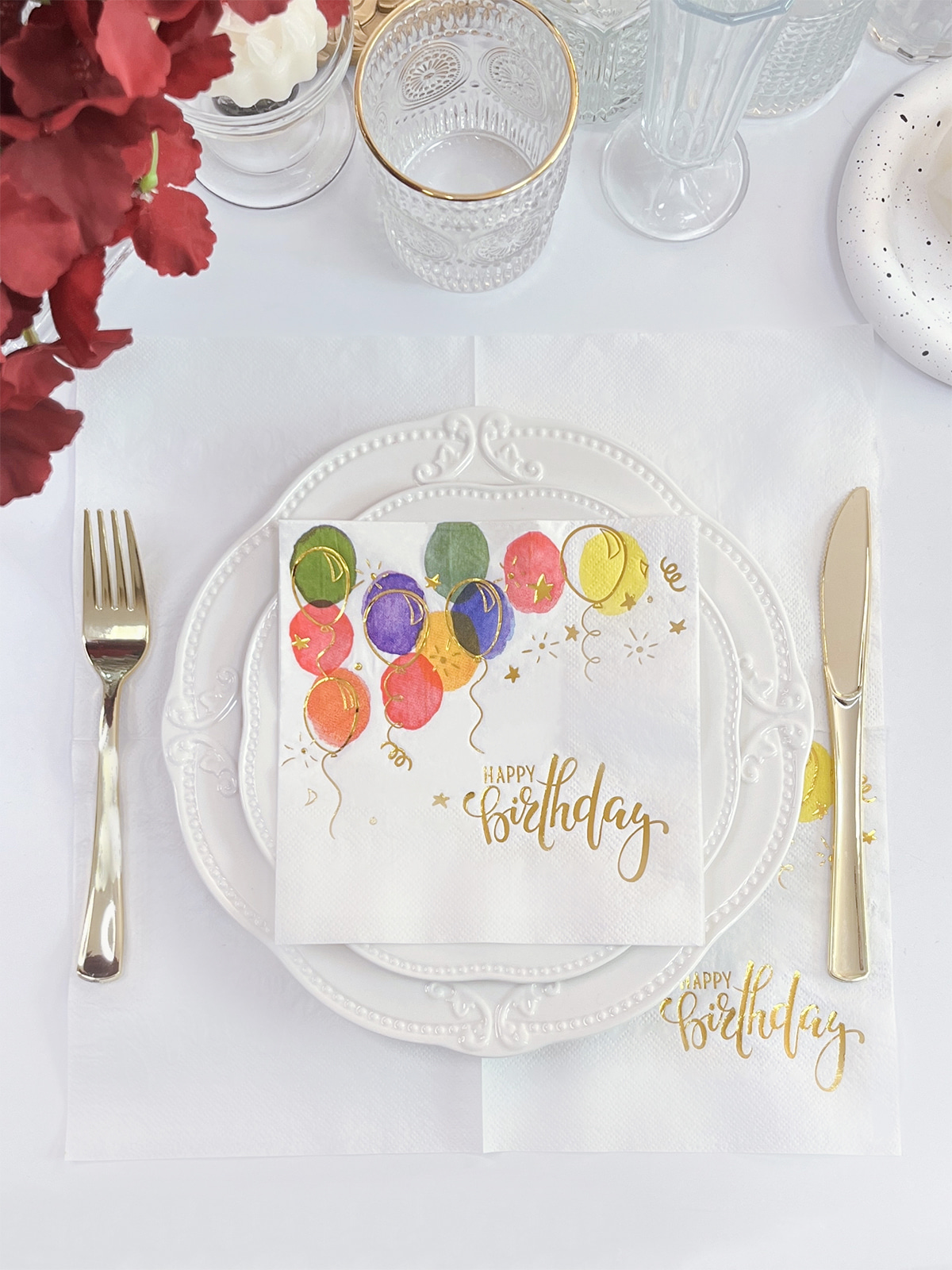
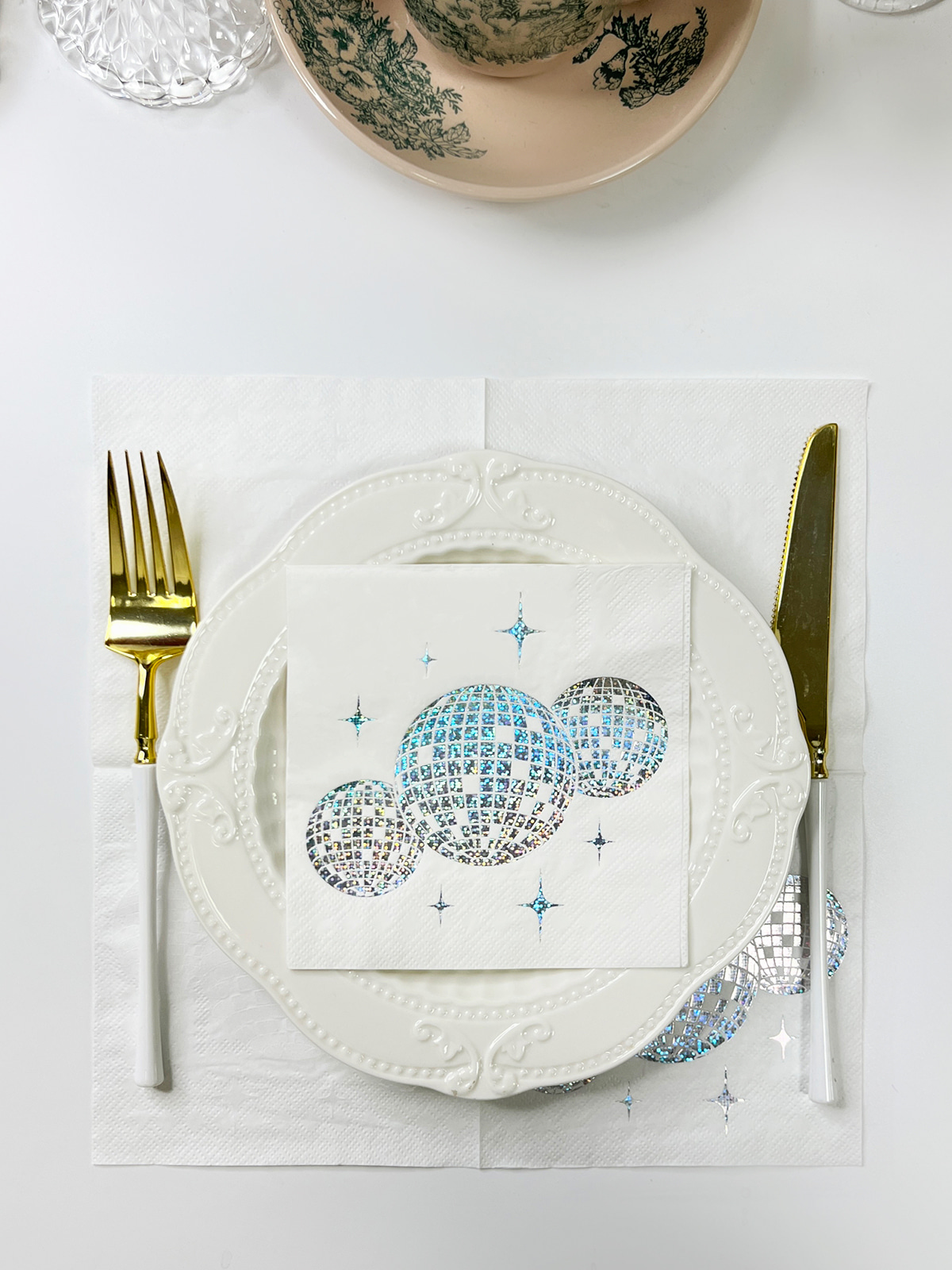
Birthday tables often reflect the style of the gathering. A family meal may use simple colors and small decorations, while a children's party may include playful graphics and brighter tones. Napkins form part of this arrangement, so their color, pattern, paper feel, and folding style can influence the overall appearance.
Printed Birthday Napkins serve both practical and decorative purposes. The paper needs to remain comfortable to handle and suitable for absorbing moisture, while the printed surface should fit naturally with the surrounding tableware and decorations. A suitable choice therefore depends on the whole setting rather than the napkin design alone.
Content
- 1 What Makes a Napkin Suitable for a Birthday Theme?
- 2 Which Designs Work Well for Simple Birthday Gatherings?
- 3 How Can Children’s Party Themes Influence the Design?
- 4 How Should Napkin Colors Match the Party Decorations?
- 5 What Designs Fit a More Refined Birthday Table?
- 6 Can a Napkin Design Follow a Specific Party Interest?
- 7 Does the Guest Group Change the Choice of Paper Napkins?
- 8 How Do Paper Texture and Folding Affect the Final Look?
- 9 What Production Choices Matter for Theme-Based Designs?
- 10 How Can Birthday Napkins Stay Balanced With the Whole Table?
What Makes a Napkin Suitable for a Birthday Theme?
A birthday theme usually has a recognizable visual direction. It may come from a color palette, a group of decorative shapes, a particular interest, or a simple style shared across the table.
Napkin designs can connect with that direction through small details. A matching color may be enough to link the napkin with the tablecloth, while a repeated motif can echo decorations without copying them.
Pattern size also changes the visual balance. Small shapes create a quieter background, whereas large illustrations naturally attract more attention. When several decorated objects are already placed on the table, a simpler napkin pattern can help prevent the setting from feeling crowded.
Several elements can be considered together:
- Color connects the paper with surrounding decorations.
- Pattern size affects how strongly the printed surface stands out.
- Graphic style influences the character of the table.
- Paper texture contributes to the tactile experience.
- Folding determines which parts of a design remain visible.
For Birthday Paper Napkins, practical use remains important even when decoration is a major consideration. The sheet still needs suitable softness, flexibility, and absorbency during the meal.
Which Designs Work Well for Simple Birthday Gatherings?
Simple birthday gatherings often benefit from restrained patterns. Small dots, lines, leaves, balloons, stars, or other modest birthday elements can add visual interest without competing with the food and tableware.
Color coordination provides another approach. A neutral paper surface with a small printed detail can fit a quiet table, while a single coordinated color can create a stronger connection with the decorations.
The surrounding tableware can guide the selection. Plain plates provide more room for decorative graphics, while patterned plates may pair better with a quieter napkin surface. A decorated tablecloth can also influence the choice, especially when several patterns appear within the same area.
The paper itself should not be overlooked. A simple setting can make differences in softness, surface texture, and folding more noticeable. A design may look appropriate on a flat sample but feel different once folded and placed beside other table elements.
This makes simplicity a matter of balance rather than the absence of decoration. The printed pattern should have enough character to relate to the birthday setting while leaving space for the rest of the table.
How Can Children’s Party Themes Influence the Design?
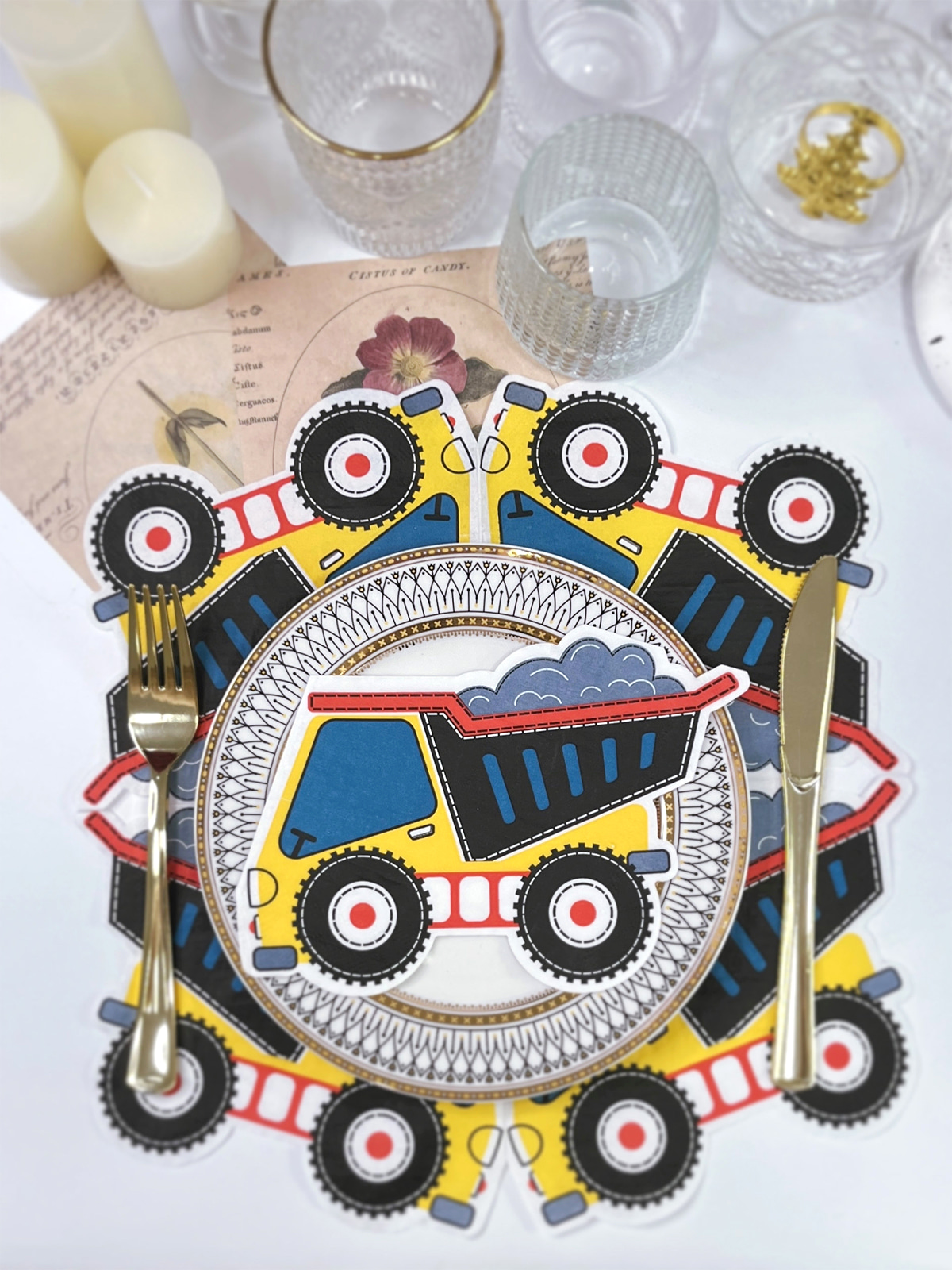
Children's parties often provide greater room for playful graphics. Animals, balloons, stars, toys, vehicles, fruits, and other familiar shapes can be adapted into repeated patterns or larger illustrations.
The surrounding decorations can help determine the direction. An outdoor gathering may suit natural shapes, while a hobby-related party can use graphics connected with the chosen activity. A general birthday pattern can also work when the decoration does not follow a specific theme.
Color has a strong influence on the atmosphere. Several coordinated bright shades can create an energetic appearance, while softer combinations may produce a calmer table. The relationship between colors matters more than simply adding more shades.
Pattern repetition can be useful when the napkin will be folded. A repeated motif remains visible from different positions, whereas a single large image may become partly hidden by the fold.
Practical characteristics still need attention. Children's gatherings can involve frequent handling, movement, food, and drinks. The paper therefore needs to retain suitable softness and absorbency even when the printed design is playful.
How Should Napkin Colors Match the Party Decorations?
Color is often the easiest visual connection between a napkin and a birthday theme. Matching every table item is unnecessary. A shared shade between the napkin and one or two decorative elements can create enough continuity.
The tablecloth provides a useful starting point. Light backgrounds can accommodate a wider range of printed patterns, while darker surfaces may require clearer contrast. Plates, cups, flowers, balloons, and other decorations can then be considered as supporting colors.
The printed area also changes the visual weight of a color. A broad graphic can make a shade appear stronger, while small separated details leave more open paper visible.
| Party Setting | Color Direction | Pattern Style |
|---|---|---|
| Family gathering | Neutral or soft shades | Small decorative motifs |
| Children's party | Coordinated lively tones | Repeated illustrations |
| Floral setting | Natural or gentle shades | Botanical elements |
| Refined table | Restrained colors | Simple lines or geometry |
| Interest-based party | Theme-related colors | Clear symbolic graphics |
Lighting can affect how colors appear, especially when a table moves between natural and indoor light. The actual setting is therefore a more useful reference than an isolated color sample.
Color should also work with the paper surface. Ink may appear softer on an absorbent sheet and more defined on a relatively even surface. The visual result comes from the interaction between the printed material and the paper beneath it.
A well-matched birthday table does not require every item to carry the same design. Shared colors, related shapes, and compatible paper characteristics can create a connected setting while allowing each element to retain its own purpose.
What Designs Fit a More Refined Birthday Table?
Not every birthday gathering uses bright colors or playful decorations. Some tables are arranged around a quiet dinner, coordinated tableware, flowers, or a restrained color palette. In these settings, the napkin can follow the same visual direction without becoming a dominant decorative element.
Simple geometric shapes, fine lines, small botanical details, and lightly printed birthday motifs can work with this type of setting. The pattern does not need to cover the entire surface. Leaving areas of plain paper visible can give the design more space and allow the surrounding tableware to remain part of the overall composition.
Color has a similar role. Neutral shades can blend with different table settings, while a muted accent color can connect the napkin with flowers, plates, or other decorations. Strong contrast may be suitable for some themes, but a softer relationship can feel more natural on a formal dining table.
Paper texture also contributes to the result. A softer sheet creates a relaxed tactile impression, while a firmer structure may hold a defined fold more readily. The printed design and the paper therefore need to work together rather than being selected as separate elements.
Practical use remains relevant in a refined setting. The napkin still needs to open easily, absorb moisture, and remain comfortable during handling. Decorative appearance does not remove these basic requirements.
Can a Napkin Design Follow a Specific Party Interest?
A birthday theme can be connected with an activity, hobby, or personal interest rather than a general decorative style. Outdoor gatherings, sports-related parties, travel themes, floral settings, and creative activities can all provide ideas for printed patterns.
The challenge is keeping the visual connection clear without filling the surface with unrelated symbols. One main idea can provide enough direction. Supporting shapes or colors can then reinforce the theme without competing for attention.
For example, an outdoor setting may use leaves, simple landscape shapes, or nature-related graphics. A sports theme may rely on equipment shapes or movement-inspired lines. A travel setting could use maps, luggage, transportation, or location-related illustrations.
The design also needs to remain recognizable after folding. A large central image may be partly hidden when the napkin is folded, while a repeated pattern can remain visible across several sections.
Birthday Paper Napkins used for themed gatherings therefore benefit from coordination between graphic design and physical format. The visual idea needs to fit the actual shape and folding arrangement of the paper.
Another consideration is the surrounding decoration. When the table already contains strong theme-related objects, a napkin can use a simpler version of the same visual language. When the table is relatively plain, a more expressive pattern may provide additional character.
The result is a more connected table arrangement, where the napkin supports the theme without needing to reproduce every decorative detail.
Does the Guest Group Change the Choice of Paper Napkins?
The people attending a birthday gathering can influence the type of design that feels appropriate. A children's party may accommodate playful illustrations, while a family dinner can benefit from patterns that work across different age groups.
Adult gatherings may place greater attention on color coordination, restrained graphics, or designs related to the occasion without relying on childish imagery. A mixed-age celebration needs a different balance, particularly when children and adults share the same table.
The intended function also matters. Some napkins are placed mainly as part of the table decoration, while others are expected to handle food, drinks, and everyday spills. In practical settings, softness and absorbency remain important regardless of the printed pattern.
A suitable choice can therefore be considered through several questions:
- Is the table intended for casual dining or a more arranged meal?
- Will the napkins remain folded until use?
- Are children likely to handle the paper frequently?
- Does the table already contain several printed or decorative elements?
- Should the pattern support a specific interest or simply relate to the birthday occasion?
These factors can guide the balance between visual decoration and practical use.
For Printed Birthday Napkins, the guest group does not determine one fixed style. Instead, it helps establish the level of playfulness, formality, and functionality that fits the setting.
How Do Paper Texture and Folding Affect the Final Look?
The appearance of a printed napkin changes when a flat sheet is folded. Some parts of the design may disappear into the fold, while other sections become more visible. This physical change can affect the way a theme is perceived on the table.
Paper flexibility plays an important role. A sheet that bends easily can follow different folding arrangements without feeling unnecessarily rigid. Layer structure can also influence how the folded napkin holds its shape.
Surface texture has another effect. A relatively even surface can help fine printed lines remain visually clear, while a more textured sheet may give the pattern a softer appearance.
The amount of printed coverage matters as well. A small graphic leaves much of the original paper surface unchanged. A large printed area creates a stronger visual presence and may slightly change the feel of the surface.
Folding should therefore be considered during design development rather than after printing. A graphic intended for the visible outer section needs to be positioned with the final folded format in mind.
For Creative Paper Napkins, this relationship is particularly noticeable because decorative value often depends on how the printed elements appear when the product is arranged on a table. A design that works well on a flat sheet may need a different layout when the napkin is folded.
What Production Choices Matter for Theme-Based Designs?
Once a theme has been selected, the production process needs to translate the visual idea into a paper product that can still function as a napkin. The choice of paper, surface condition, printing material, folding method, and packing process can all influence the finished result.
A Paper Napkin Factory needs to consider the relationship between the paper and the planned design. Fine lines may require a consistent surface, while broad decorative shapes can respond differently to paper texture and ink absorption.
Color control is also connected with the paper itself. Ink can interact with an absorbent surface differently from a relatively even one. The final appearance may therefore depend on both the selected color and the material beneath it.
Pattern placement needs similar attention. A design positioned correctly on a flat sheet may shift in visual balance after cutting or folding. Production planning needs to account for the final format rather than focusing only on the printed sheet.
Several stages can influence the finished appearance:
- Paper preparation affects how the sheet moves through production.
- Printing determines how the selected graphics appear on the surface.
- Drying helps prepare the printed sheet for later handling.
- Folding changes the visible arrangement of the pattern.
- Packing protects the finished paper during storage and movement.
Storage conditions can also influence the paper. Excess moisture may change flexibility, while pressure can affect folded shapes. Keeping the material in a suitable condition helps preserve the relationship between the printed surface and the paper structure.
Theme-based production is therefore not limited to placing a graphic on paper. The final product reflects a series of connected material and processing choices.
How Can Birthday Napkins Stay Balanced With the Whole Table?
A birthday table usually contains several visual elements at the same time. Plates, cups, tablecloths, centerpieces, decorations, and food all occupy the same space. A napkin design works more naturally when it relates to these elements rather than competing with them.
One shared color can create continuity. A repeated shape can provide another connection. The paper texture and folding format can then support the practical side of the arrangement.
Birthday Paper Napkins can follow a theme through a small graphic, coordinated background, or repeated pattern. A large decorative image is not required for the connection to be clear.
The same approach applies to Printed Birthday Napkins used in more detailed settings. When the table already contains several strong patterns, a quieter napkin can provide visual space. When the table is relatively plain, a more expressive design can add structure without overwhelming the arrangement.
Material characteristics remain part of the decision. Softness, absorbency, flexibility, surface condition, and folding behavior all influence how the napkin performs after the decoration has been applied.
A theme-based choice is therefore shaped by both appearance and use. The design needs to fit the party atmosphere, while the paper needs to remain suitable for handling around food and drinks. When these aspects are considered together, the napkin becomes a natural part of the table arrangement rather than an isolated decorative object.