2026-06-03
Event spaces rarely speak through words. They rely more on what sits on the table, how it catches the eye, and how everything quietly fits together before any interaction begins.
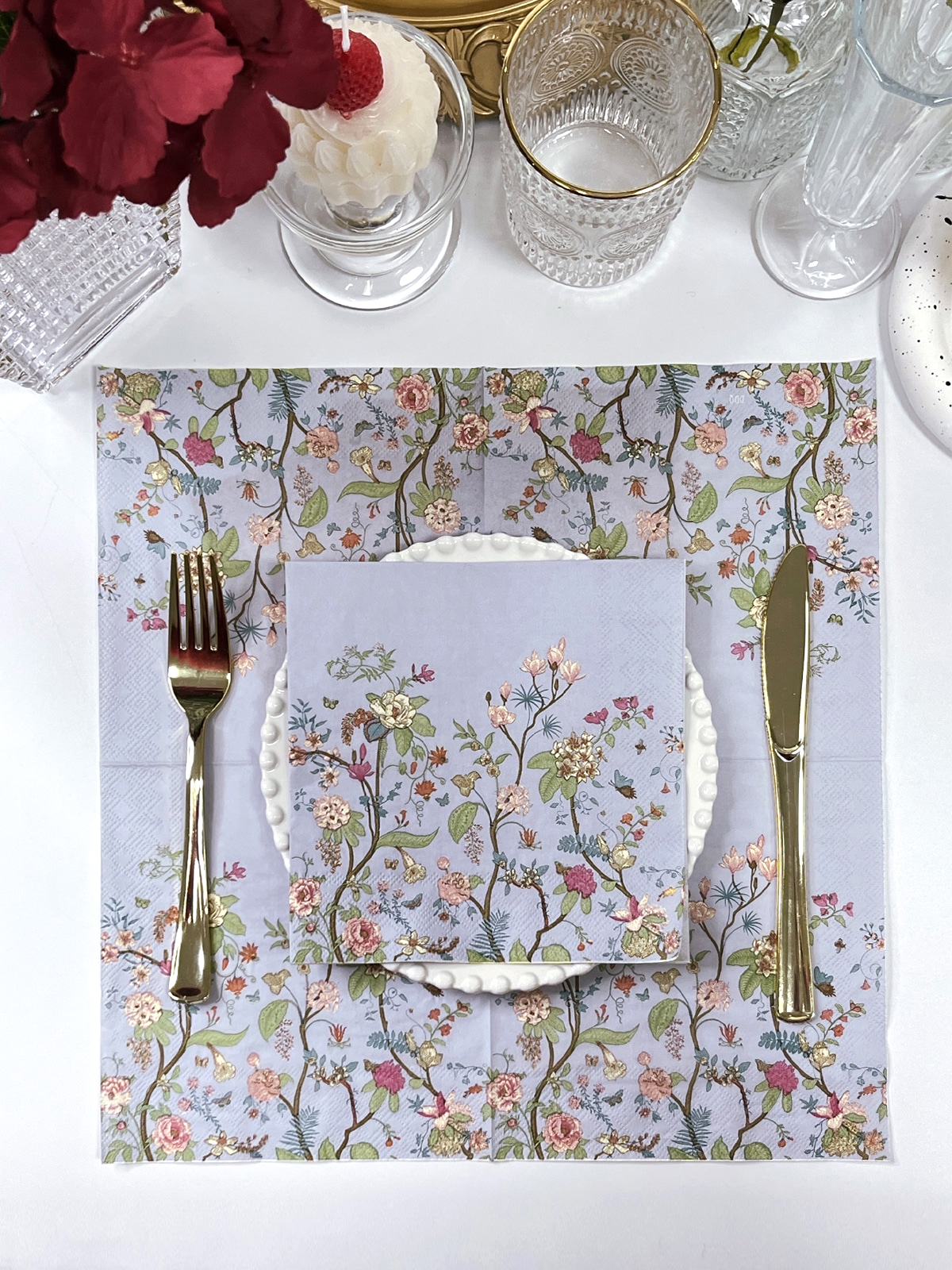
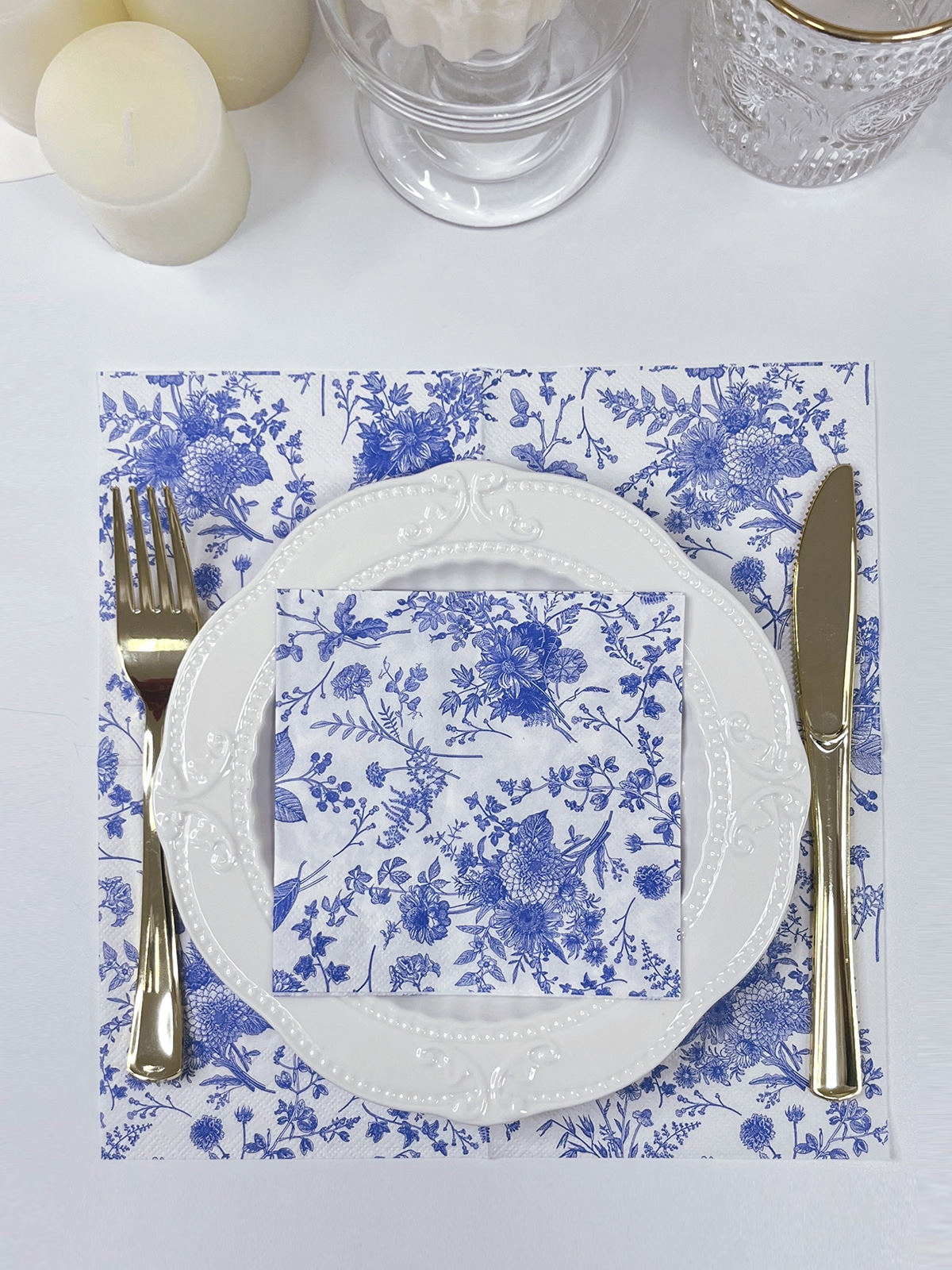
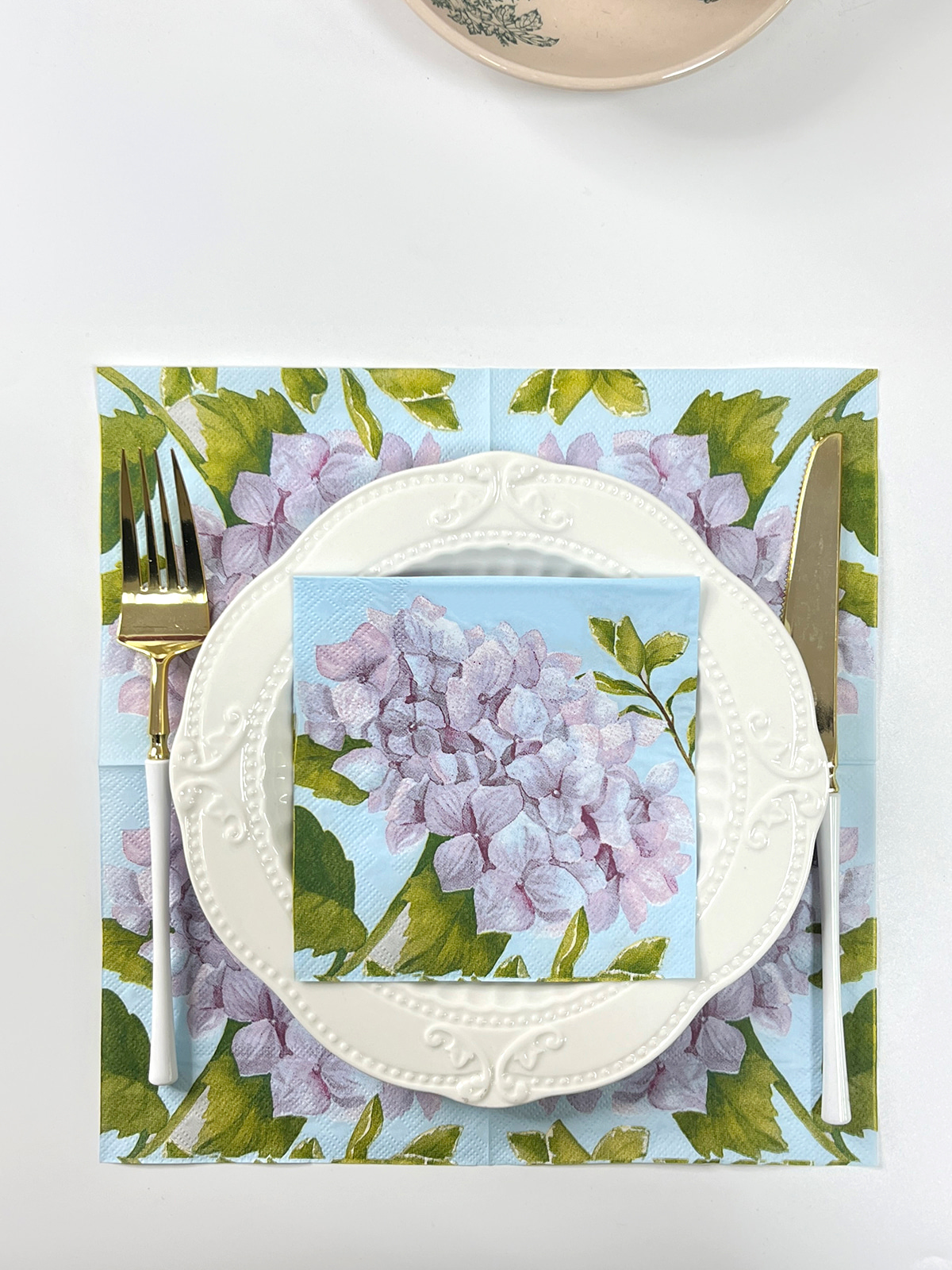
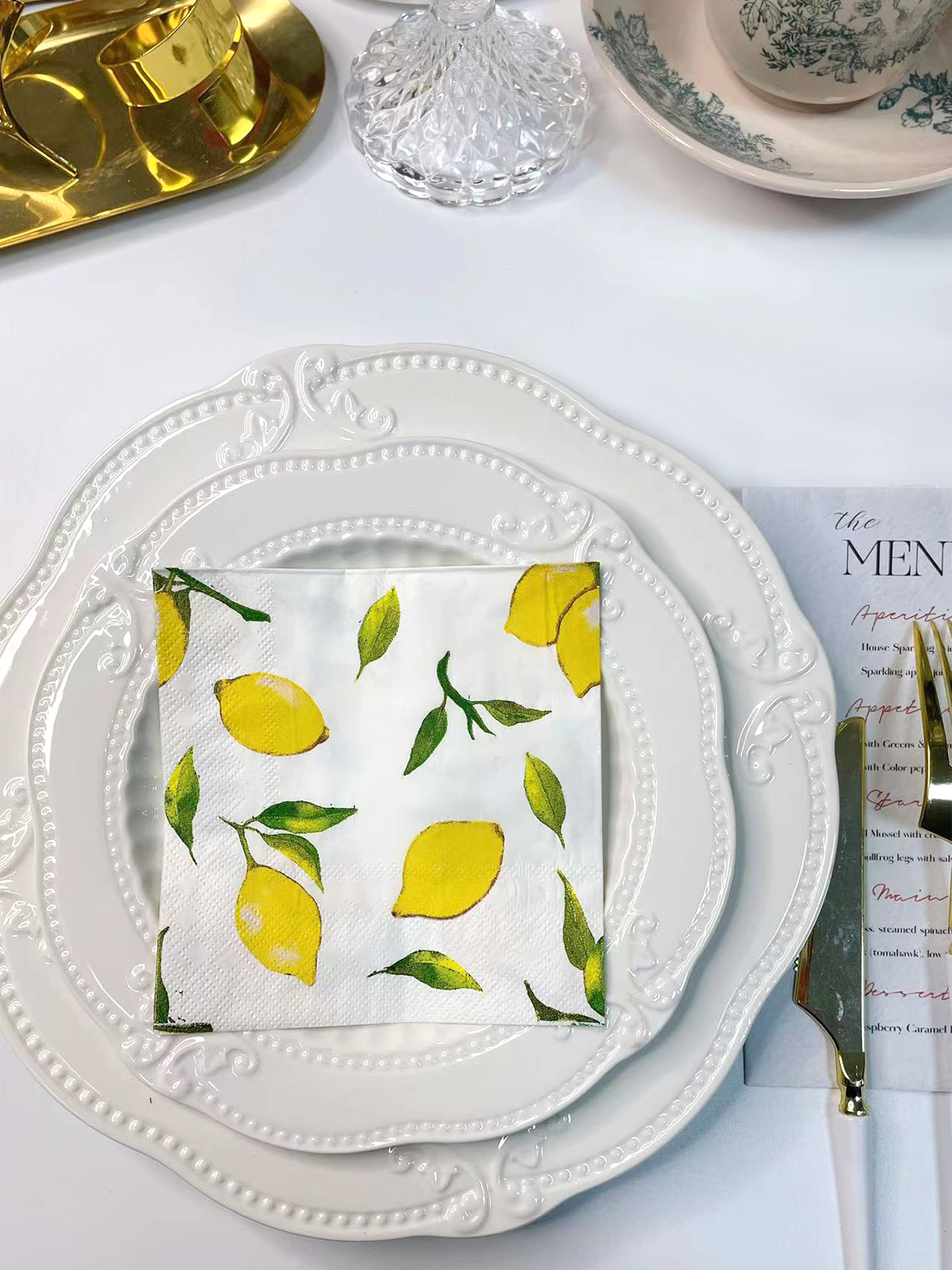
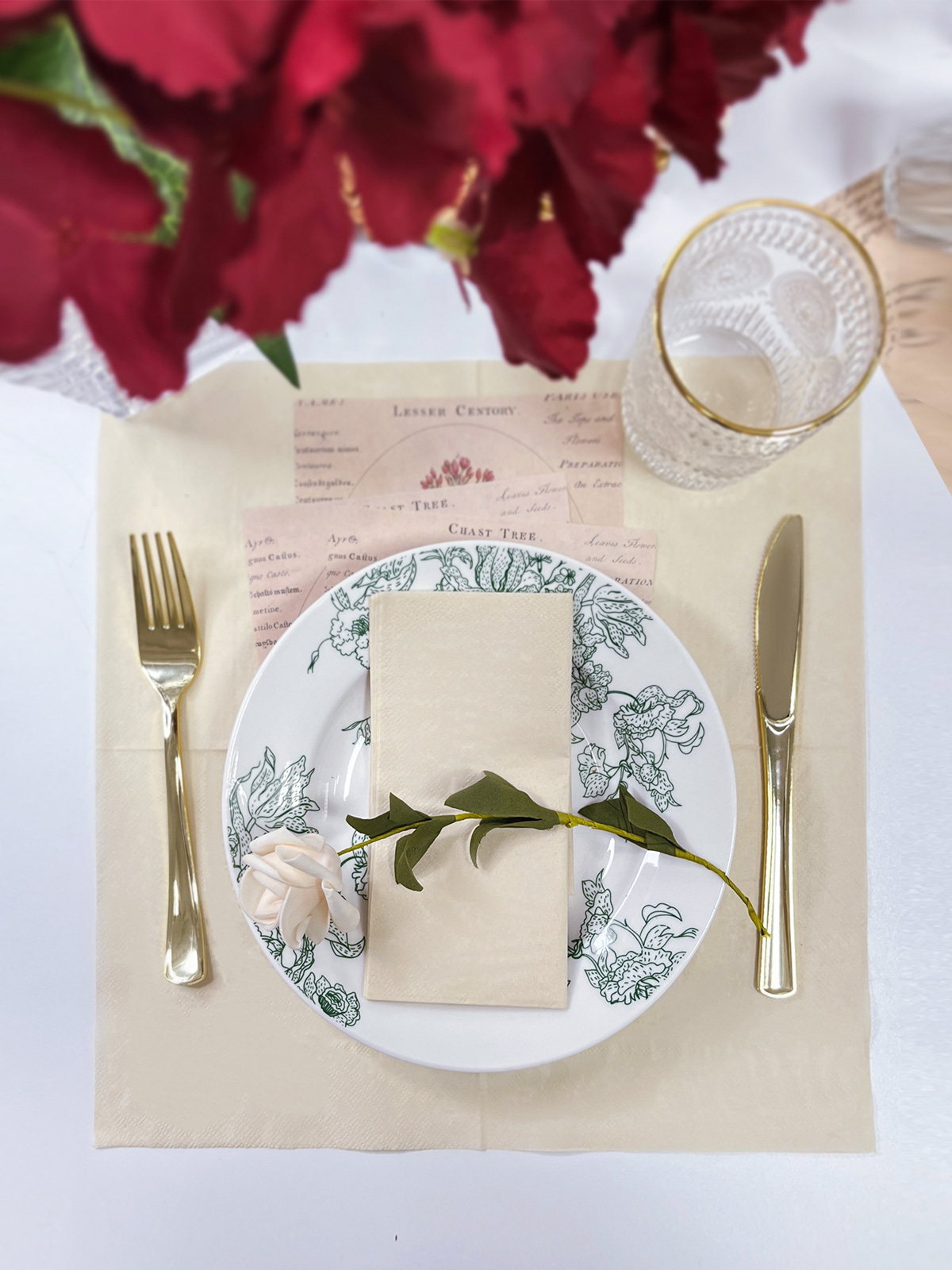
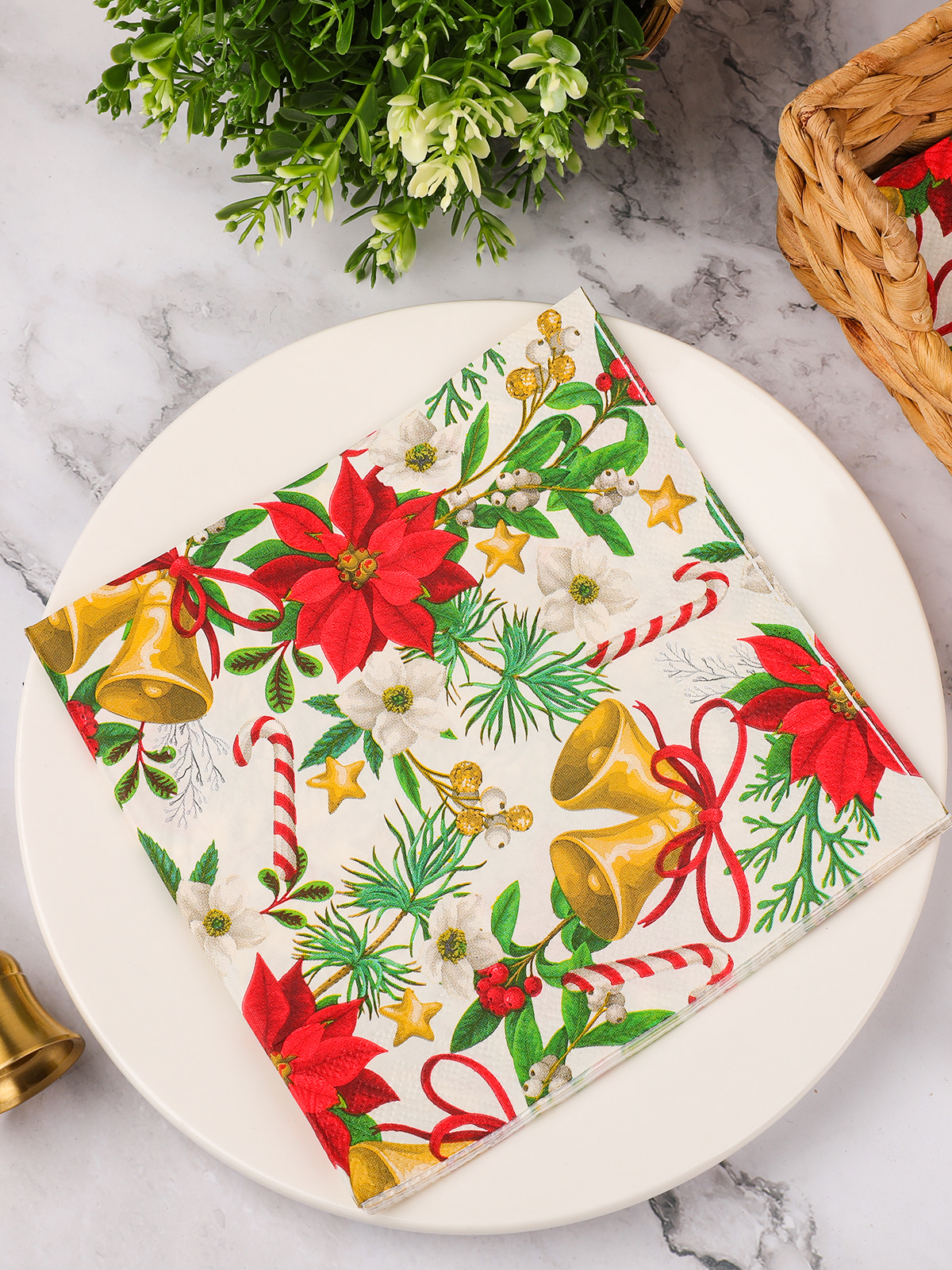
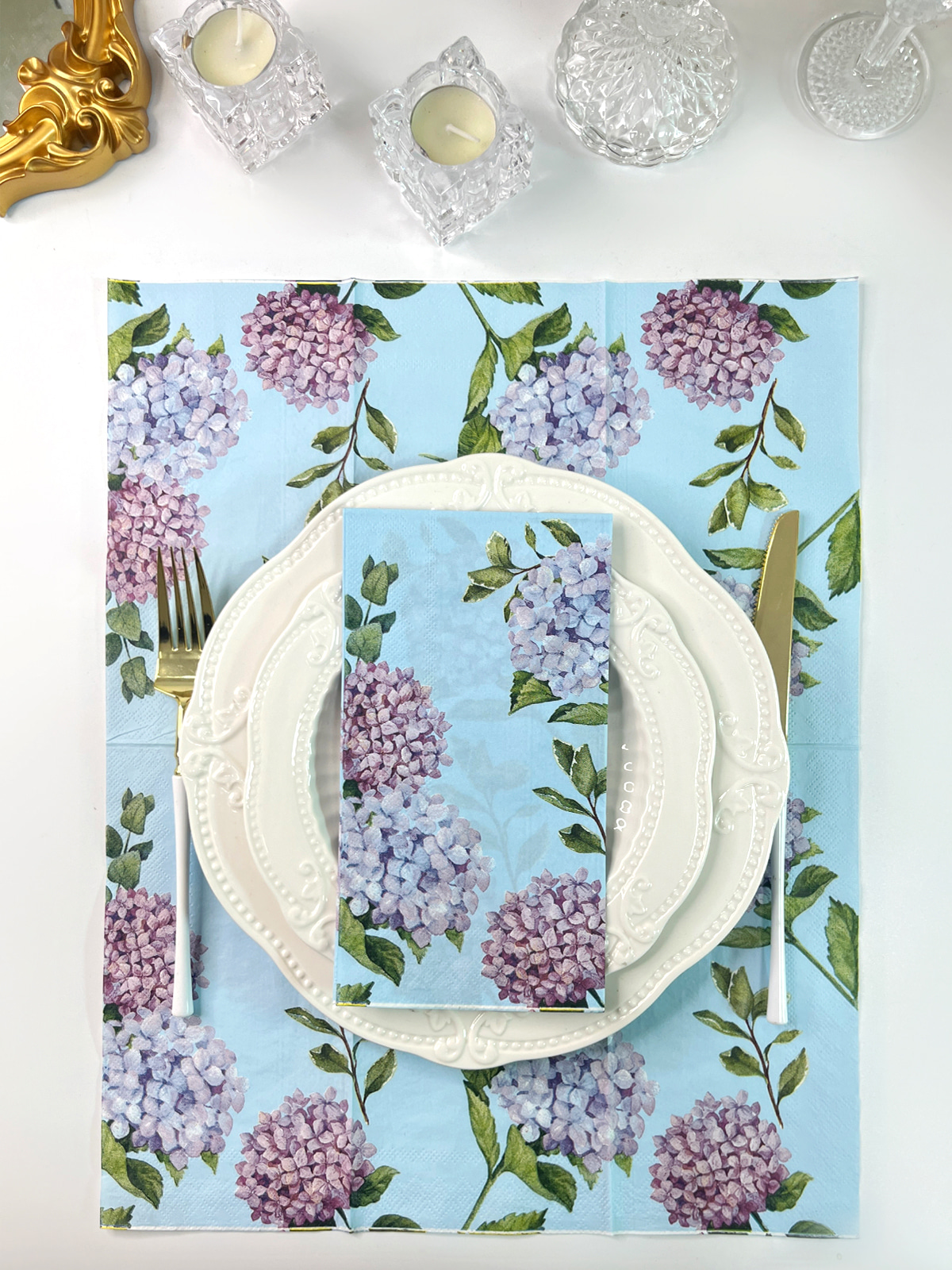
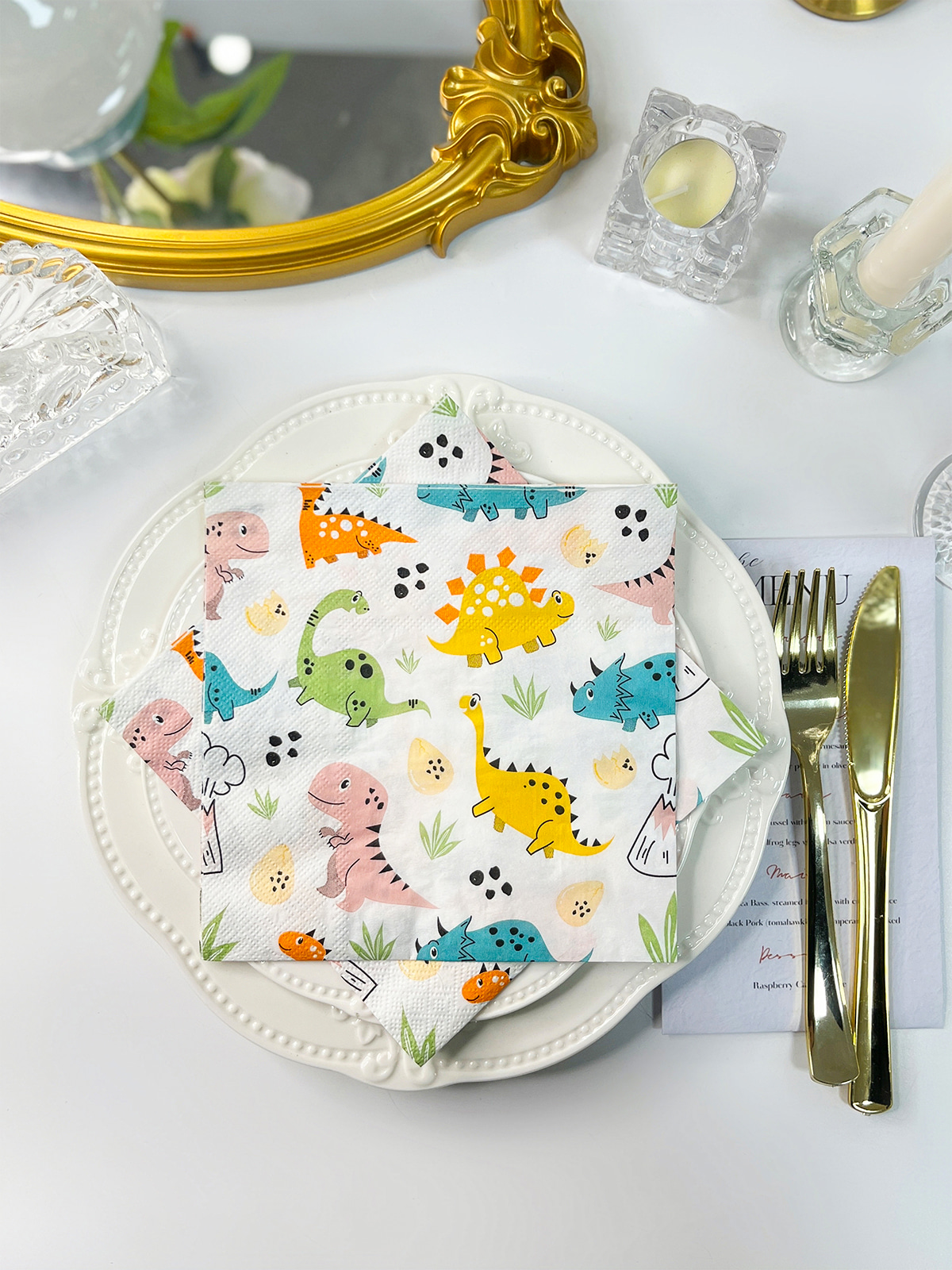
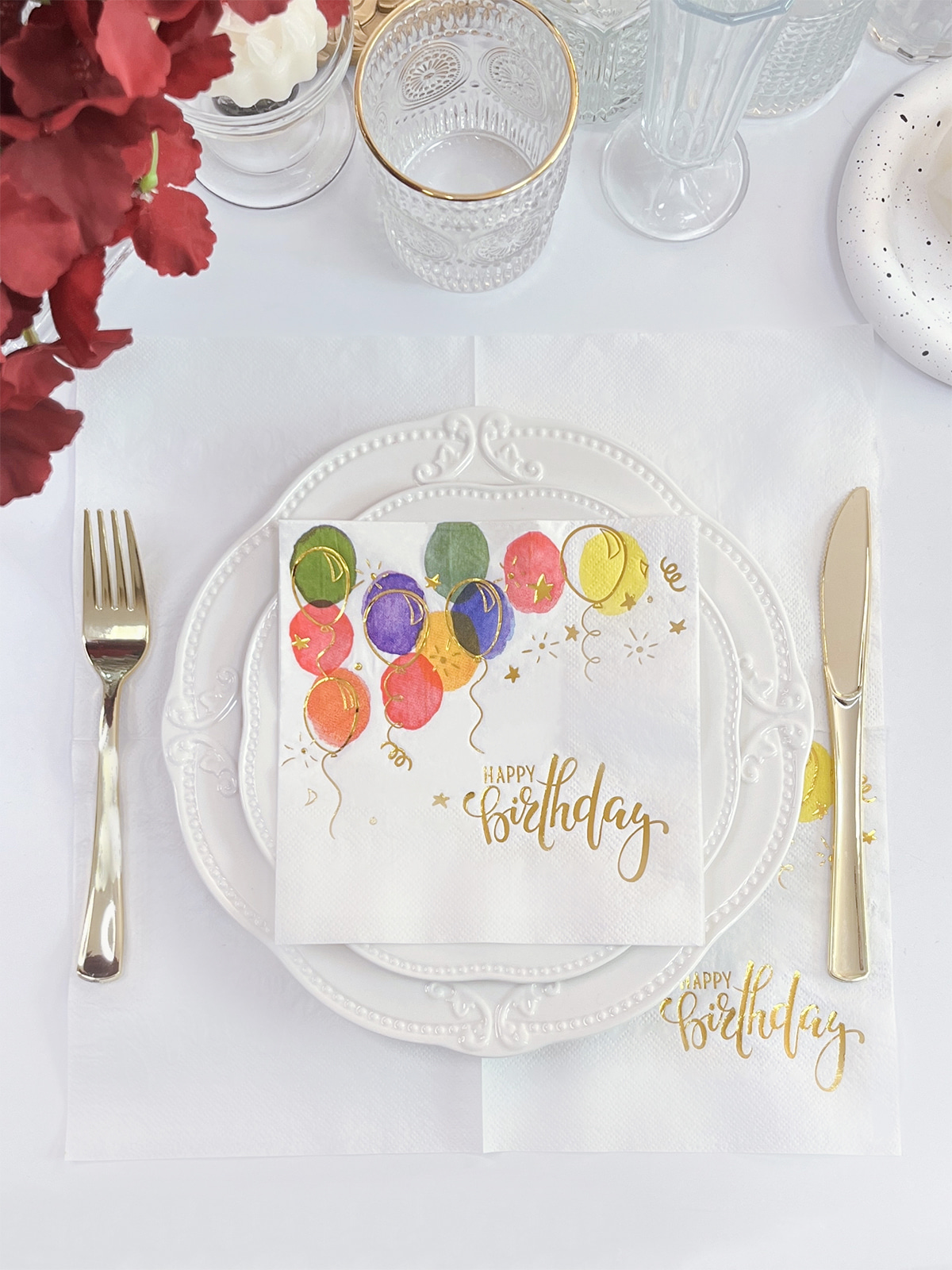
Table arrangements often set the tone in a subtle way. A single change in surface detail can shift the entire atmosphere. Among various decorative choices, Foil Stamping Napkins have gradually found their place in modern layouts. Their reflective finish brings a soft visual lift without overwhelming the table.
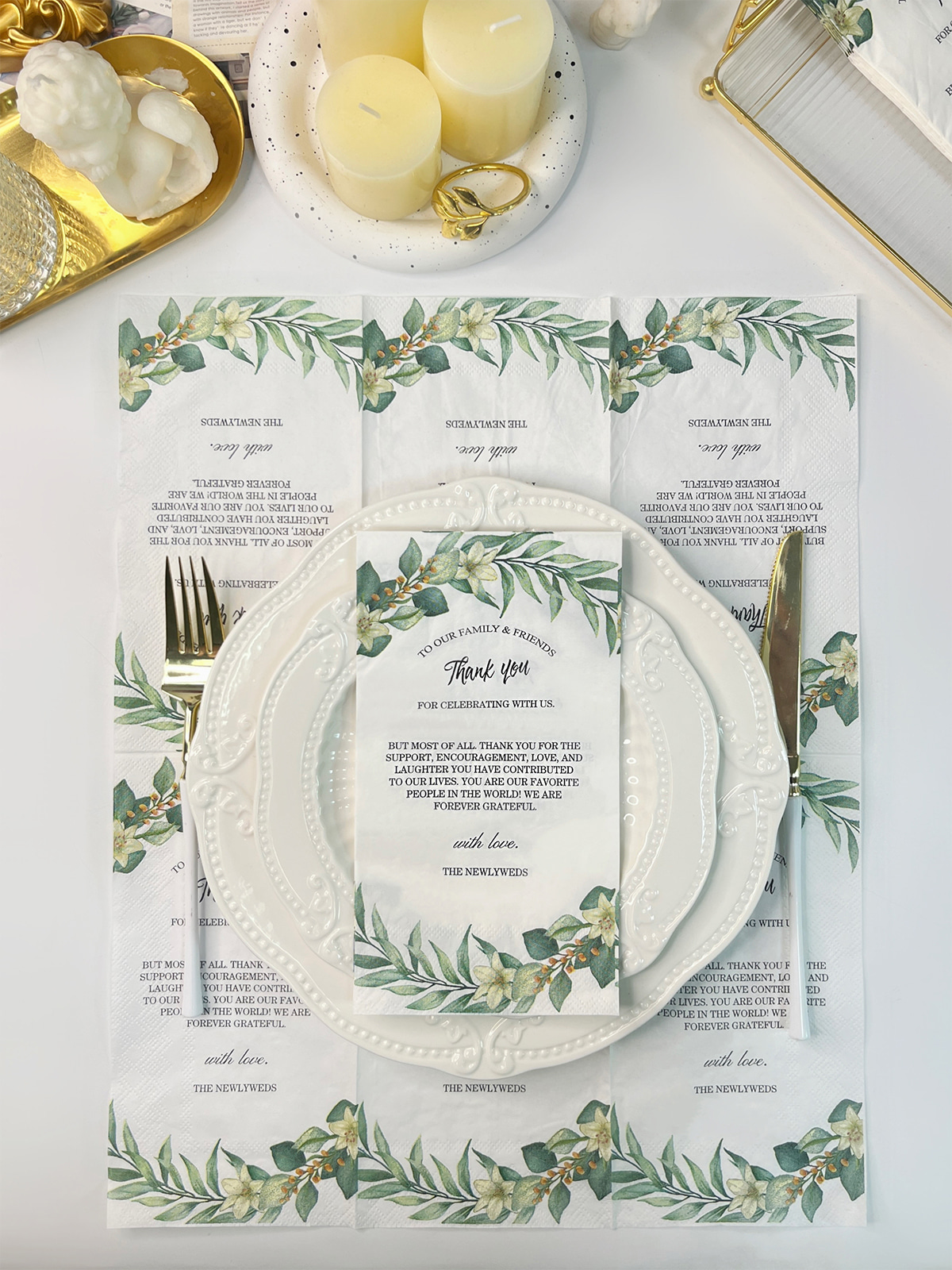
In many cases, Custom Foil Napkins are introduced when coordination becomes a priority. Designers tend to use them not as isolated decoration, but as part of a broader visual rhythm across the table.
Content
Traditional napkins stay close to their basic purpose. They remain plain, sometimes printed, but mostly restrained in appearance. Nothing draws attention away from their function.
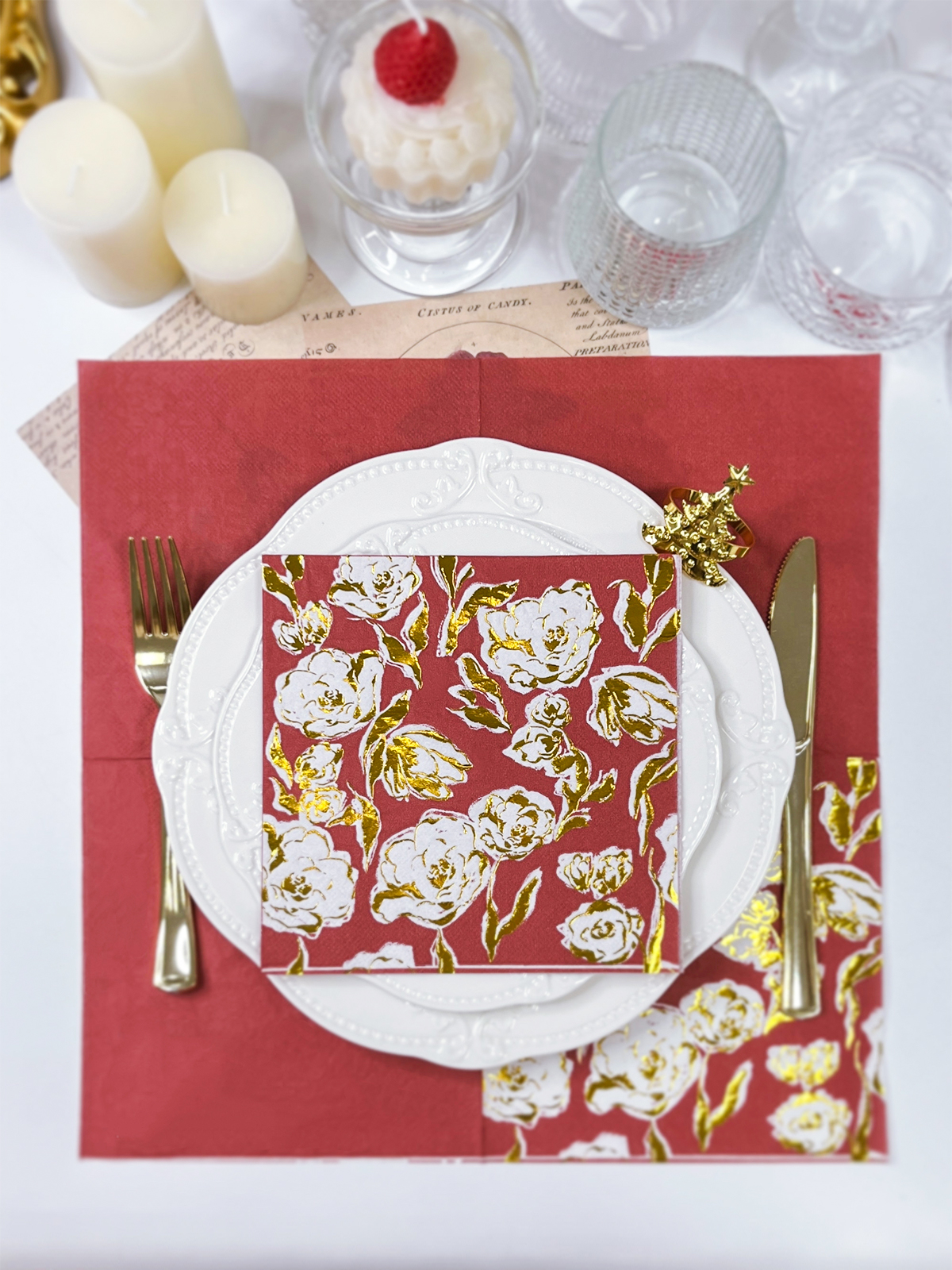
Foil Stamping Napkins take a different path. A thin metallic layer is applied on selected areas of the surface. The material underneath remains paper-based, yet the visual behavior changes once light touches it.
There is a quiet tension between texture and shine. Paper feels soft and familiar. Foil reflects and shifts depending on angle. That contrast gives the napkin a layered presence without turning it into a dominant object on the table.
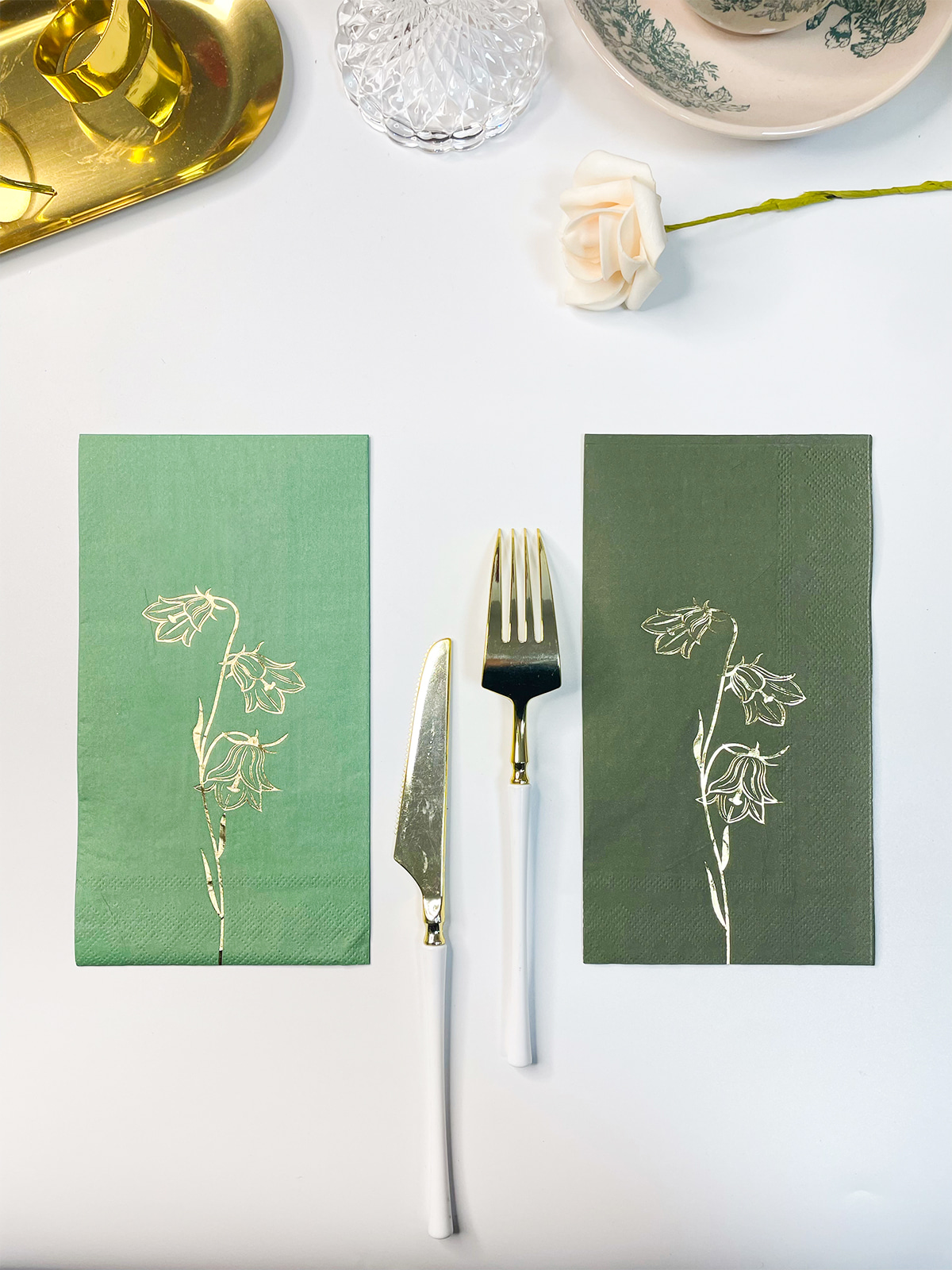
Custom Foil Napkins often go a step further. The layout of the foil is adjusted according to theme or color direction. Sometimes the design is minimal, sometimes slightly more expressive, yet it never breaks the balance of the table setting.
A clearer view can be seen below:
| Feature | Traditional Napkins | Foil Stamping Napkins | Custom Foil Napkins |
|---|---|---|---|
| Surface Design | Plain or light print | Metallic foil accents | Theme-adjusted foil layout |
| Visual Impression | Neutral and quiet | Reflective and noticeable | Coordinated and planned |
| Table Function | Pure utility | Utility with visual layer | Utility with design intention |
| Light Interaction | Very limited | Soft reflection effect | Adjusted reflection based on layout |
| Usage Context | Everyday use | Designed events | Planned table styling |
What stands out here is not complexity, but change in perception. A small surface detail alters how the entire table is read visually.
Table presentation is rarely about a single object. It behaves more like a composition where every item influences the others. Plates, glassware, fabrics, and napkins form a shared visual field.
Foil Stamping Napkins contribute by introducing controlled highlights. The metallic areas do not cover the surface completely. They appear in selected zones, enough to guide the eye without disrupting balance.
Custom Foil Napkins are often aligned with color schemes or decorative direction. That alignment is not only visual. It also affects how organized the table feels when viewed from a distance.
Some noticeable effects include:
Lighting changes the experience in a natural way. Dim light softens the foil reflection. Brighter conditions make the metallic detail more visible. The same napkin can feel slightly different depending on environment, which adds a sense of flexibility.
There is also an interesting design thought behind this. Too much decoration can easily overwhelm a table. Foil accents avoid that issue by staying partial rather than full-surface.
Small elements tend to guide that impression. A plain arrangement suggests simplicity and function. A coordinated setup with Foil Stamping Napkins introduces a sense of intention behind choices, even when the changes are subtle.
It is not about decoration volume. It is about consistency across details.
Several visual factors play a role:
In many structured layouts, Custom Foil Napkins help tie these elements together. The foil acts like a visual marker. Not loud, yet noticeable enough to support cohesion.
From a design perspective, this is where table planning becomes more sensitive. Small mismatches can disrupt harmony, while small alignments can improve overall readability of the scene.
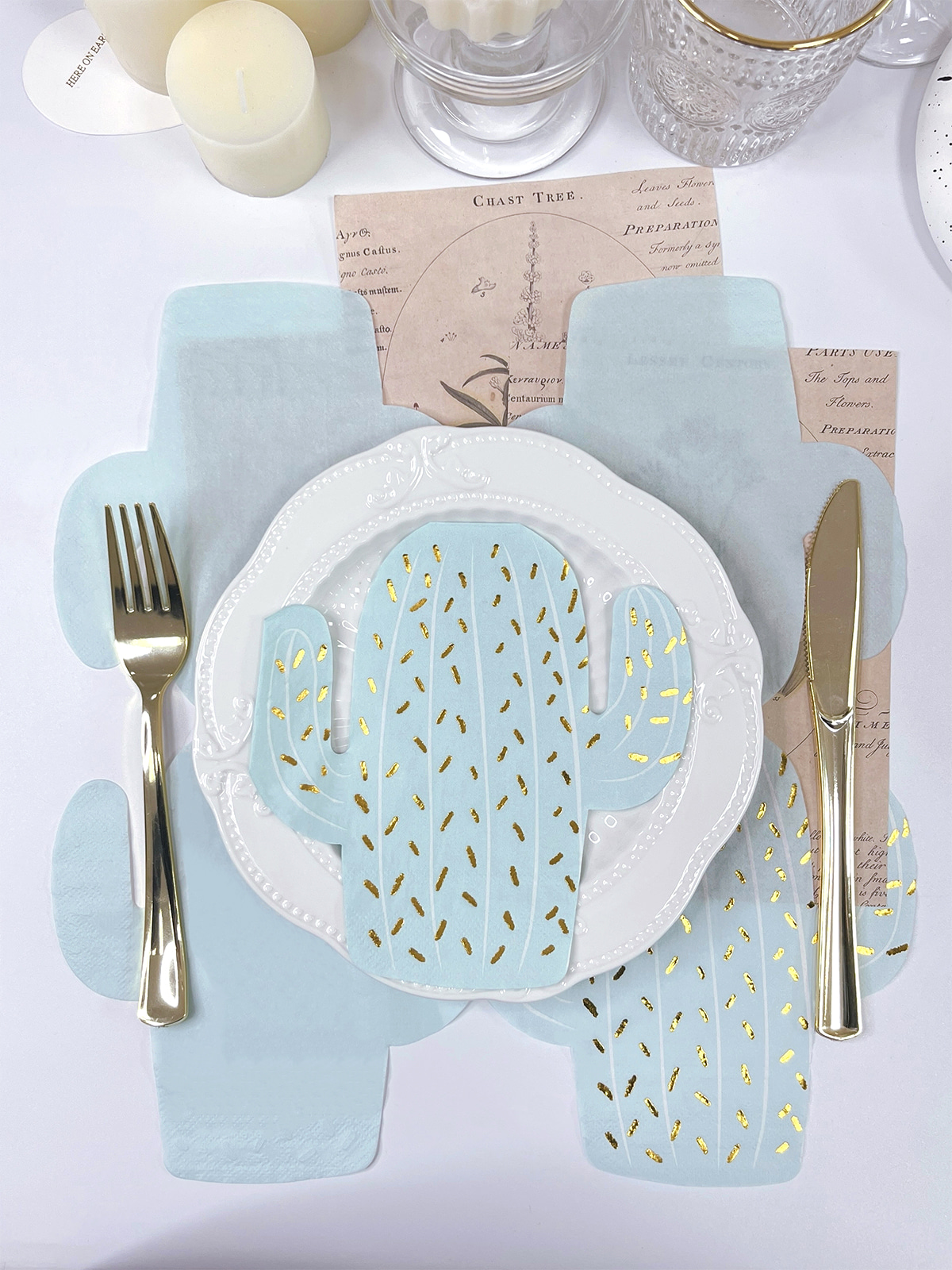
Different event environments require different levels of visual control. Some spaces prefer minimal decoration. Others rely more heavily on coordinated design elements.
Foil Stamping Napkins appear across a broad range of such settings because they can adjust easily to tone and formality.
Common usage contexts include:
Each environment applies table styling differently. Formal settings usually follow symmetry and order. Celebrations may introduce softer or more expressive visual choices. Corporate environments often remain closer to neutral design language.
Within these varied situations, Custom Foil Napkins function as a supporting layer. They do not change the purpose of the table. They simply help the surface feel more complete, visually aligned, and consistent with the surrounding arrangement.
Guest impressions tend to form early, often before any direct interaction begins. A table already carries visual signals that guide perception in a quiet way. Attention moves across surfaces, textures, and small reflective details without effort.
Foil Stamping Napkins introduce a gentle metallic effect that reacts with light in a soft, uneven manner. That unevenness is part of the appeal. It avoids a static look and brings a slight sense of movement to the table surface.
Custom Foil Napkins also create repetition across seating positions. Repeated visual cues often bring a feeling of order, even when the design remains simple. That repetition does not need to be obvious to work.
A few experience-related effects often appear:
Perception does not happen in a single moment. It builds gradually. Light changes across the table, and foil details respond in small variations. That slow change often leaves a stronger impression than fixed decoration.
Event table planning usually sits between practical needs and visual structure. Every item has a function, yet each item also contributes to the overall scene. Foil Stamping Napkins fit into that overlap without requiring major adjustments to layout.
The surface treatment stays controlled. Reflective areas appear in limited sections rather than covering the entire napkin. That restraint allows the napkin to remain useful while still adding visual detail.
Custom Foil Napkins are often selected when consistency across the table matters. Instead of acting as a standalone decorative object, they support the surrounding arrangement.
Common reasons behind their frequent use include:
Table design often depends on repetition. When elements repeat at each seat, visual structure becomes easier to read. Foil accents help create that repetition without overwhelming the surface.
There is also a practical angle. Items that remain flexible across different settings reduce the need for redesign. That flexibility explains why foil stamping details continue to appear in varied event styles.
Selection decisions rarely depend on appearance alone. Material behavior, lighting conditions, and surrounding table elements all influence the outcome.
Foil Stamping Napkins require attention to how metallic tones interact with other colors on the table. Some tones blend quietly into neutral backgrounds, while others stand out more clearly depending on contrast.
Custom Foil Napkins allow adjustment in layout structure. Foil placement can be minimal or more spread out, depending on how strong the visual effect needs to be. That balance often determines how the table feels as a whole.
Several practical considerations usually guide selection:
Table arrangements work as connected systems rather than separate objects. A small imbalance in one element can affect how the entire surface is perceived.
Restraint often plays a role in better visual outcomes. When reflective areas are controlled, the table tends to feel clearer and more comfortable to view. Excessive shine can shift attention away from the overall arrangement.
Table styling has gradually moved toward more individualized composition. Instead of uniform decoration, subtle variation across elements has become more common. That variation usually appears through surface detail rather than large structural changes.
Foil Stamping Napkins support that direction through adjustable design placement. Small changes in pattern or foil layout allow each setting to carry a slightly different visual note while remaining consistent overall.
Custom Foil Napkins often introduce simple personalization, such as minimal graphics or text placement. The result stays controlled, avoiding visual overload while still offering variation.
Several tendencies can be observed in current table presentation approaches:
Function and appearance increasingly overlap. Napkins still serve daily use, yet they also contribute to how the table is visually structured.
Personalization does not always require strong contrast or complex design. Small adjustments, when placed carefully, often create a more stable and coherent table environment.
Foil Stamping Napkins remain present in many table settings due to their ability to combine usability with controlled visual detail. The metallic finish adds subtle variation without changing the basic role of the napkin.
Custom Foil Napkins support consistency across table layouts, helping different elements feel connected rather than separate. Their value lies in restraint and adaptability rather than strong visual dominance.
As table presentation continues shifting toward balance and light personalization, foil-based detailing keeps a stable place in design choices, mainly through its quiet interaction with light, material, and arrangement structure.
Related Products
Shopping for a reliable source of napkins?
Established in 2007 and located in Zhuji City, Zhejiang Province, Zhuji Furong Paper Products Co., Ltd. is a professional manufacturer of color-printed napkins. Enhance Your Event With Custom Printed Napkins.
Telephone
+86-15325932613
Address
Jianglong Industrial Park, Jiyang Street, Zhuji City, Shaoxing, Zhejiang, China.
Contact Us
Products
Contact Us
+86-15325932613
+86-575-87765556
+86-575-87765559
Jianglong Industrial Park, Jiyang Street, Zhuji City, Shaoxing, Zhejiang, China.
Party Printed Paper Napkins Manufacturer Customized Napkins And Paper Towels Factory
Copyright © by Zhuji Furong Paper Products Co., Ltd. Rights Reserved.

 English
 中文简体
中文简体