2026-08-05
A napkin gets put to work the moment someone pulls it from the stack. It wipes a mouth, catches a drip, cleans up a sticky hand. Fall apart halfway through any of that, and it's failed. Stay together and get the job done, and it's earned its place on the table.
The density of the base sheet plays a big part in how well a napkin holds up. Pack more fibers into the same area, and you get more contact points between fibers — and those contact points are what resist tearing when the napkin gets pulled or rubbed. A lighter sheet with fewer fibers tears more easily simply because there's less structure holding it together.
Embossing adds strength without adding extra material. The process presses ridges and valleys into the paper, and those ridges act almost like tiny beams, stiffening the sheet and giving it a more substantial feel in hand. A napkin with good embossing just handles better than one without it.
A light surface coating helps resist moisture. That coating forms a barrier that keeps liquid from soaking in too fast. Skip that barrier, and the fibers soften and separate almost as soon as they get wet.
A few things tend to shape durability:
Content
Absorbency is really what makes a napkin useful for cleaning up spills. A napkin that pushes liquid away isn't doing its job. One that pulls liquid in and holds onto it is.
Liquid moves through a napkin by capillary action — the spaces between fibers act like tiny tubes drawing liquid along. How the paper's structured determines both how fast that liquid moves and how much the sheet can hold.
Different fibers absorb at different rates. Some are more porous and soak up liquid quickly; others are less porous and take their time. Absorb too fast, and the napkin can weaken and tear. Absorb too slowly, and liquid just sits on the surface instead of soaking in.
Printing shifts absorbency too. Ink sits on the surface and fills in some of the pores, so cover too much of the napkin with printing, and it won't absorb as well. Getting the design right means balancing how it looks against how it actually performs.
The factory picks the pulp and decides how to blend different fibers together. Long fibers bring strength; short fibers bring softness and absorbency. That blend is really what determines how the finished napkin performs.
Drying and pressing happen under controlled conditions on the factory floor. Dry a sheet too fast, and it turns brittle and tears easily. Dry it too slow, and properties end up uneven across the batch. Keeping those conditions in check is what gets consistent results out the other end.
Moisture content in the finished napkin shapes both feel and function. Too little, and the napkin turns stiff and prone to cracking. Too much, and it goes limp and weak. Landing on the right moisture level is very much part of the factory's job.
Quality checks confirm that each batch actually meets requirements — strength and absorbency both — before anything ships out the door.
Two layers tend to beat one in a lot of cases. Each added layer brings more thickness and absorbency, and together they hold liquid and resist tearing better than a single layer could manage alone.
How those layers get bonded matters just as much as how many there are. Glued layers hold together firmly and add real strength. Unglued layers can separate slightly, which actually improves feel and flexibility.
More plies doesn't automatically mean better performance, though. A two-ply napkin with solid bonding can easily out-perform a three-ply napkin where the bonding's weak.
Printing puts ink on the surface, and that ink changes how the paper behaves. Ink fills pores and cuts into absorbency — the more ink sitting on the surface, the less liquid the napkin can take in.
Flexographic printing shows up often in napkin production. The process runs on flexible plates with inks that dry quickly, and it can be tuned to keep the impact on absorbency to a minimum.
Ink choice matters too. Water-based inks sit closer to the surface and don't block pores as much. Solvent-based inks tend to penetrate deeper, which can cut into absorbency more noticeably.
| Characteristic | Higher Durability | Higher Absorbency | Balanced Approach |
|---|---|---|---|
| Fiber Length | Longer fibers | Varies | Medium-long fibers |
| Ply Count | Multi-ply | Multi-ply | 2-ply |
| Embossing | Heavy embossing | Light embossing | Moderate embossing |
| Coating | Present | Minimal | Light coating |
| Printing Coverage | Limited | Limited | Moderate coverage |
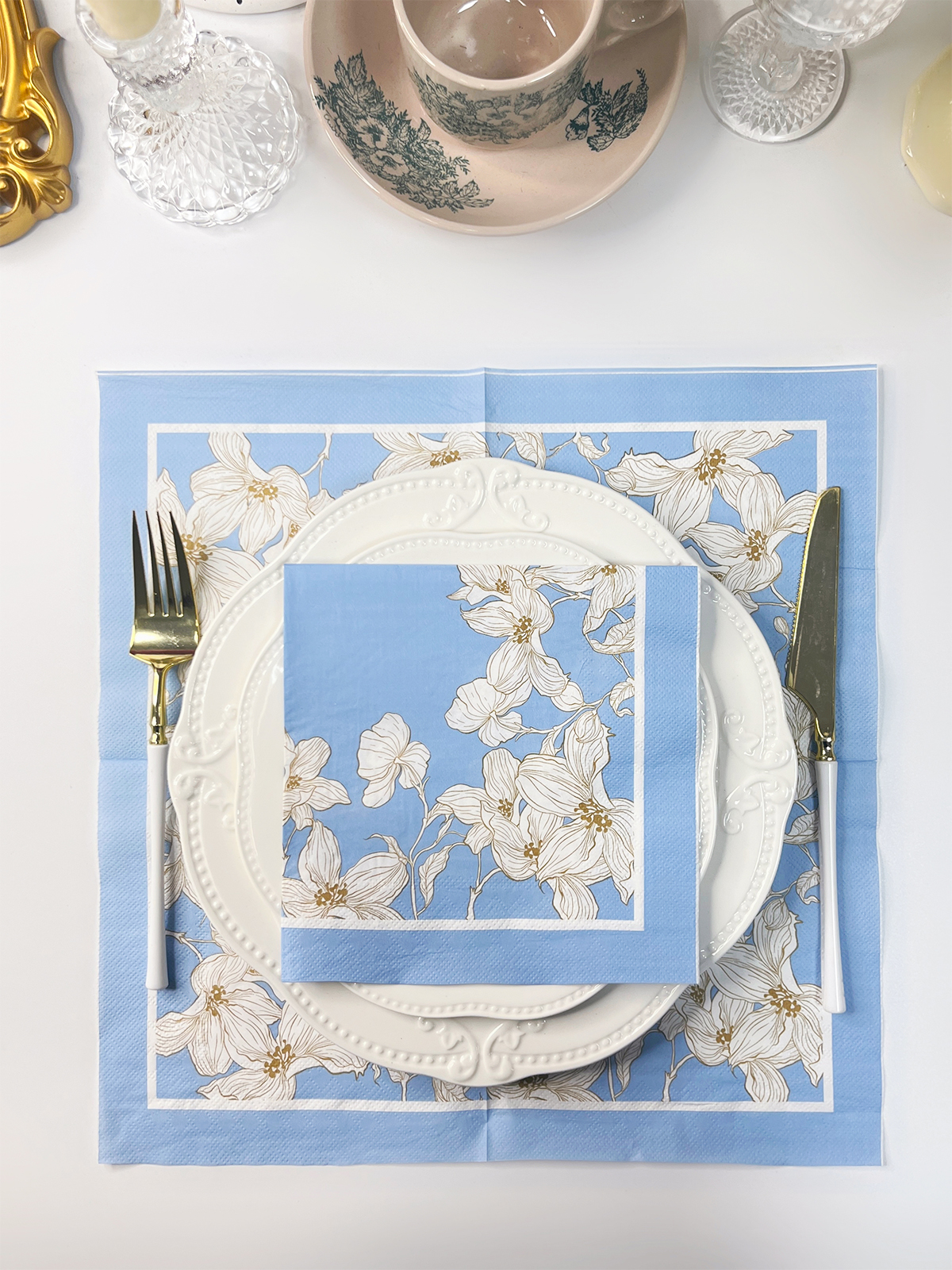
Softness agents give the napkin a pleasant feel against the skin. The agents coat the fibers and reduce the roughness of the paper. A napkin that feels soft is more pleasant to use, but the softness should not come at the expense of absorbency. The agents must be applied in a way that leaves the fibers open to take up liquid.
Wet strength resins help the napkin hold up to moisture. The resins form chemical bonds between the fibers. The bonds resist breaking when the fibers get wet. A napkin with good wet strength will stay intact even when it is saturated.
Surface treatments affect how well the ink sticks to the paper. The treatment prepares the surface for printing without blocking the pores. A well-treated napkin holds the ink and absorbs liquid equally well.
A Paper Napkin Factory controls the application of coatings and treatments. The application must be consistent across every napkin in the batch. Variations in treatment affect how the napkin performs.
Wood pulp comes in different grades, and each grade has its own properties. Some pulps produce strong paper. Others produce paper that absorbs well. The blend of pulps determines how the napkin performs.
Virgin pulp comes directly from trees and has long, strong fibers. Recycled pulp has shorter fibers that have been broken down through previous use. A napkin made with more virgin pulp tends to be stronger. One made with more recycled pulp tends to be softer and more absorbent.
The fiber length affects tear resistance. Long fibers interlock and hold the sheet together. Short fibers produce a softer sheet but one that tears more easily. The blend of long and short fibers must be balanced to achieve the right performance.
Standard raw materials provide a consistent starting point. A Paper Napkin Factory sources pulp from reliable suppliers and uses the same blend for each batch. Changes in the raw materials would create changes in the finished napkin.
In-process testing verifies the strength and absorbency of the napkin during production. A sample from each batch gets tested for tear resistance and liquid absorption. The results tell the operator whether the batch meets the specifications.
Quality control continues throughout the production process. The napkins are checked for defects, and the reject rate is monitored. Any changes in the reject rate signal a problem that needs attention.
Final quality checks happen before the napkins leave the factory. The checks confirm that the napkins meet all the requirements. A napkin that fails the checks does not go out to the customer.
A few ways the factory maintains consistency:
Assessing napkin performance without laboratory tests is possible with a few simple checks. The feel test tells how soft the napkin is. A napkin that feels rough will not be pleasant to use. The crumple test shows how flexible the napkin is. A napkin that cracks when crumpled is too brittle.
The napkin's performance with different types of spills and foods varies. A greasy food may require a napkin with a coating that resists oil. A watery spill may require a napkin with high absorbency. The napkin should handle the foods and spills that it will encounter.
The real-world performance of a printed table napkin depends on both the materials and the manufacturing. A napkin made with good materials and careful manufacturing will perform well. A napkin that cuts corners on either will not.
The materials and techniques used to make Printed Table Napkins have changed. Early napkins were simple sheets of paper with little attention to performance. Modern napkins are engineered to meet specific requirements.
Consumer expectations have driven the refinement. People want napkins that work well and look good. The industry has responded by improving both the materials and the manufacturing.
Advances in printing technology have made it possible to print high-quality designs without sacrificing absorbency. The inks and printing methods have been developed to work with the paper, not against it.
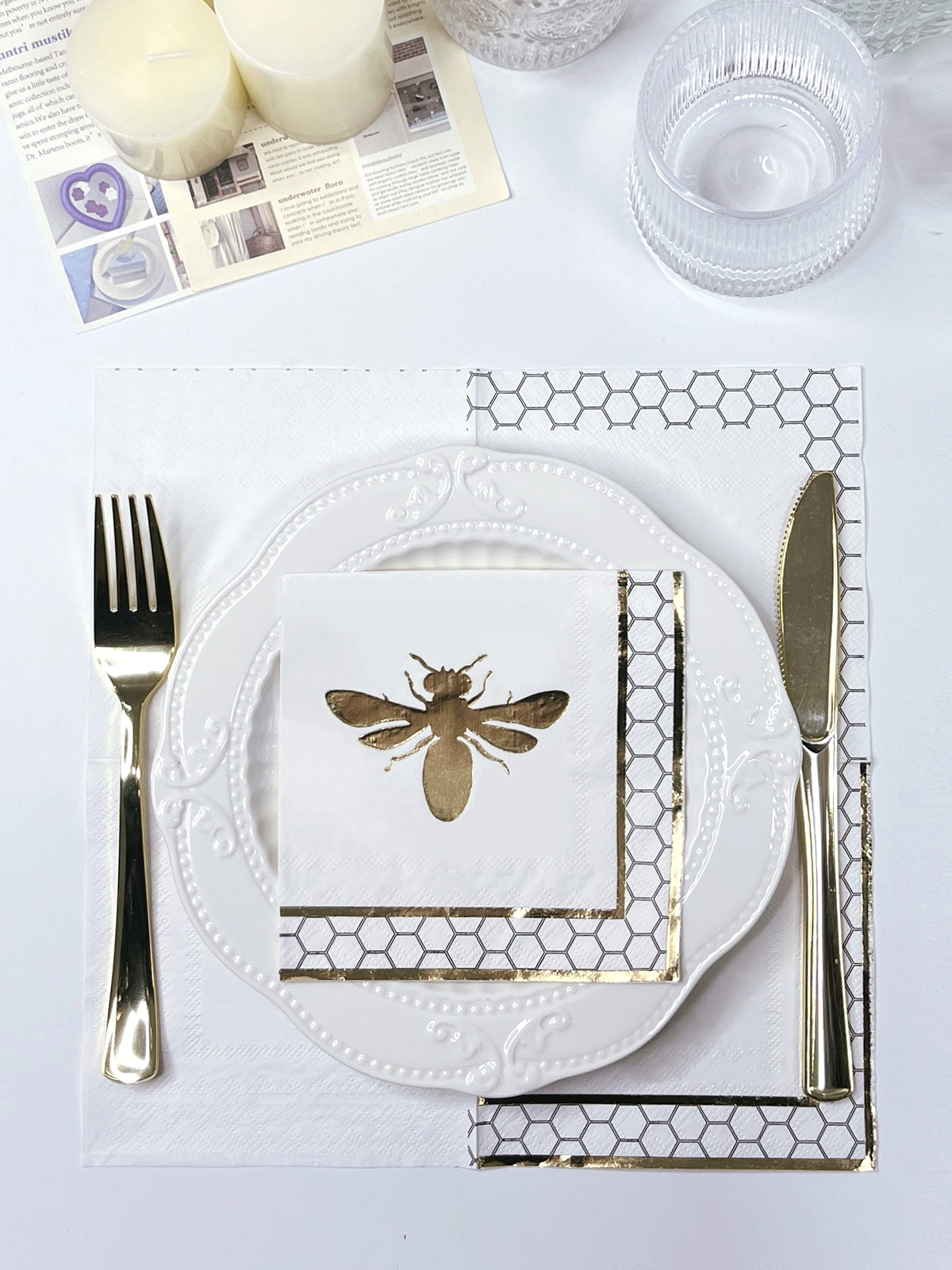
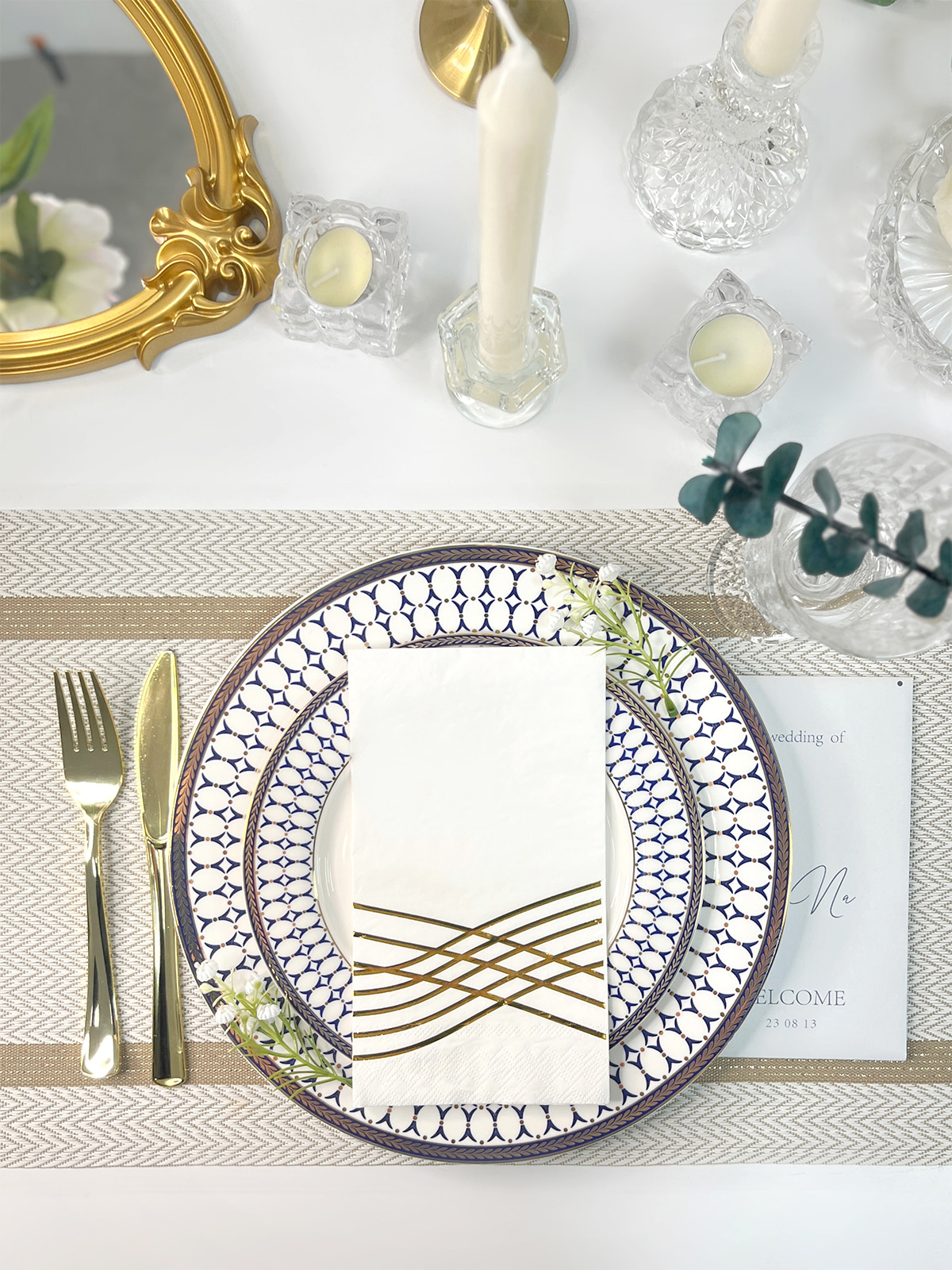
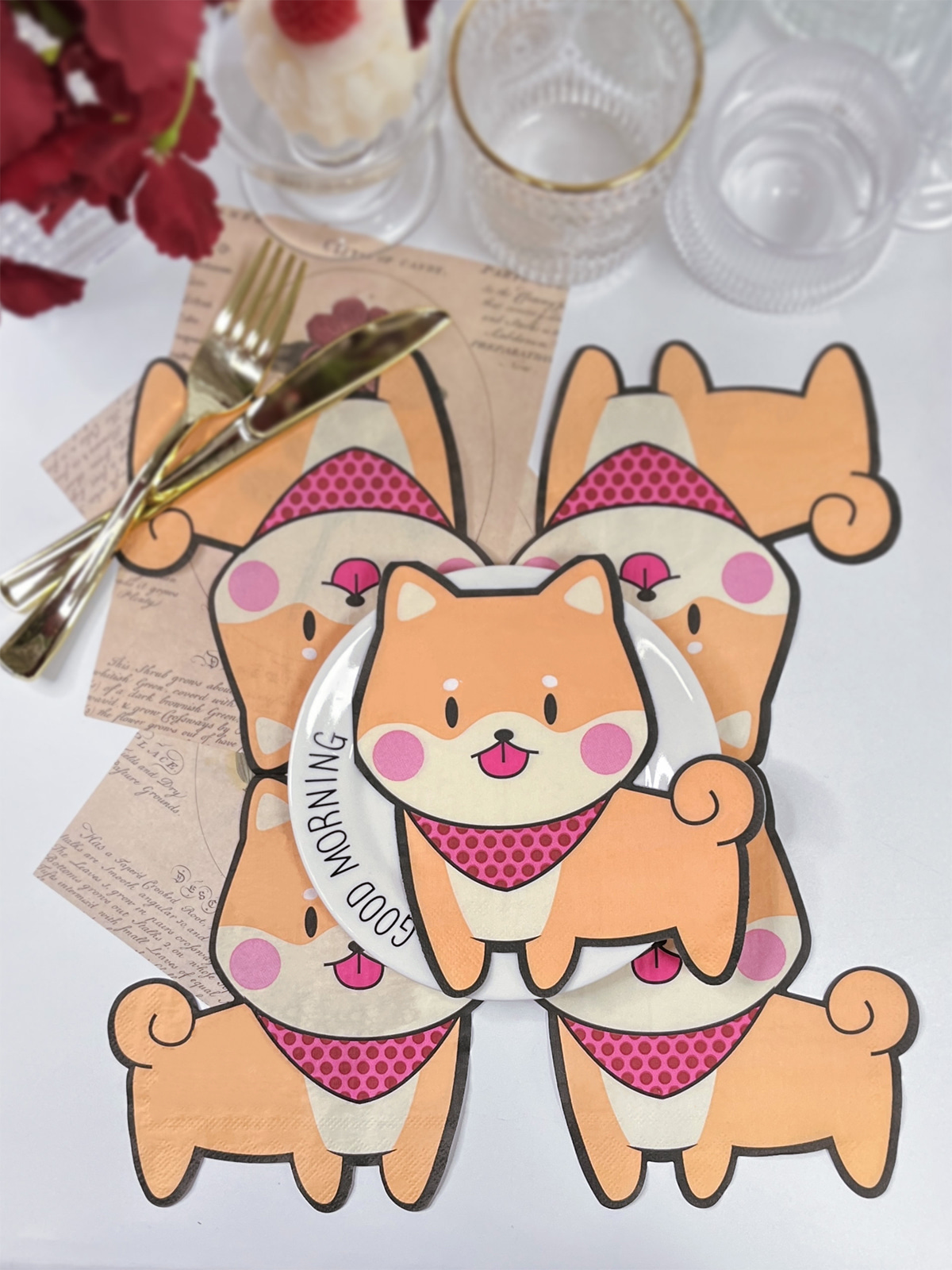
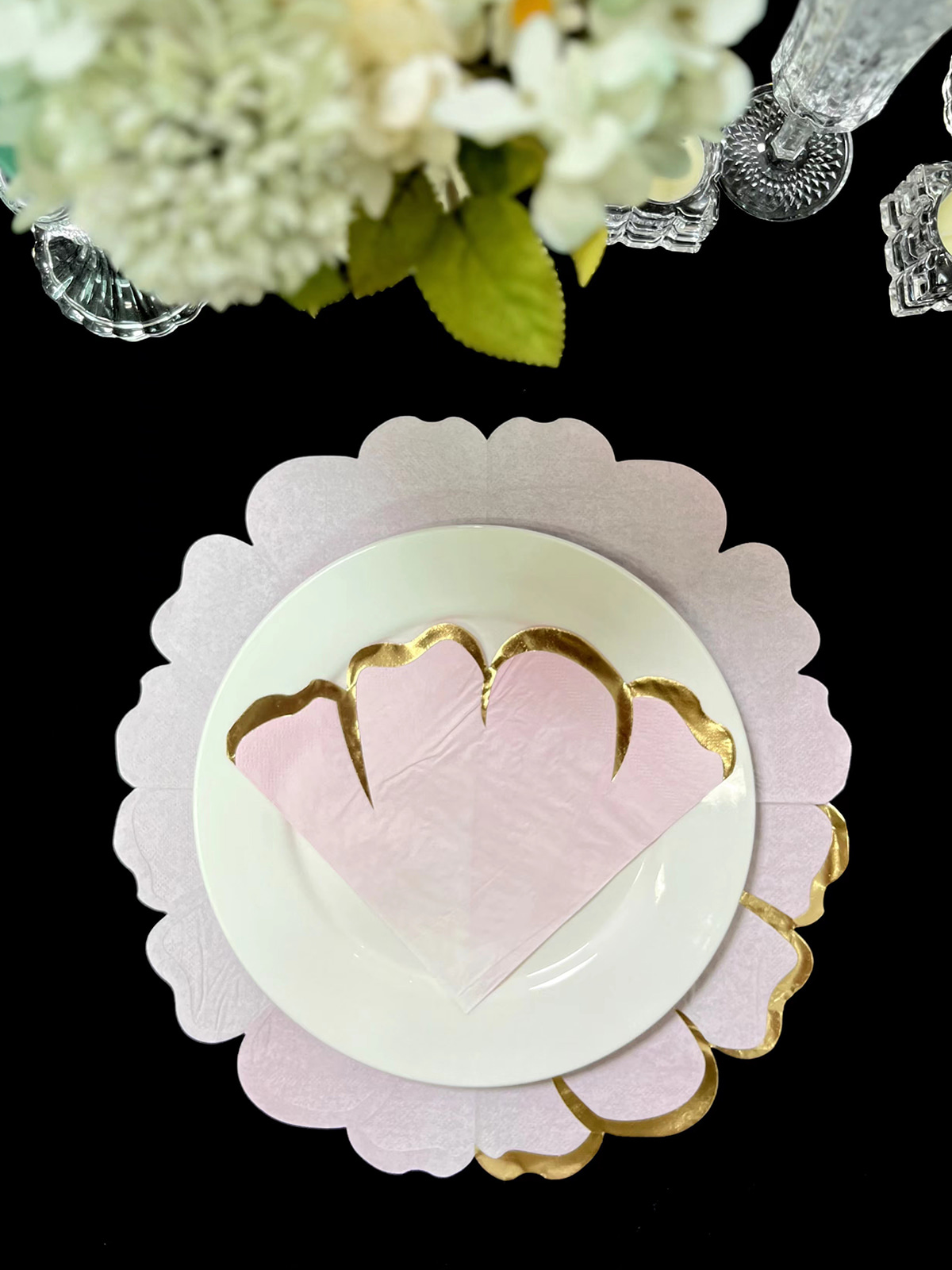
Printed Table Napkins now serve both a practical function and a visual one. A napkin that looks good on the table and performs well during the meal meets the needs of the user. The balance of durability, absorbency, and design has been refined over years of development.
Related Products
Shopping for a reliable source of napkins?
Established in 2007 and located in Zhuji City, Zhejiang Province, Zhuji Furong Paper Products Co., Ltd. is a professional manufacturer of color-printed napkins. Enhance Your Event With Custom Printed Napkins.
Telephone
+86-15325932613
Address
Jianglong Industrial Park, Jiyang Street, Zhuji City, Shaoxing, Zhejiang, China.
Contact Us
Products
Contact Us
+86-15325932613
+86-575-87765556
+86-575-87765559
Jianglong Industrial Park, Jiyang Street, Zhuji City, Shaoxing, Zhejiang, China.
Party Printed Paper Napkins Manufacturer Customized Napkins And Paper Towels Factory
Copyright © by Zhuji Furong Paper Products Co., Ltd. Rights Reserved.

 English
 中文简体
中文简体